
Africa

CITE
We have made every effort to follow citation style rules, but there may be some minor differences. If in doubt, please refer to the appropriate citation style manual.
Tanzania. (2026). In Q-files Encyclopedia, Geography, Africa. Retrieved from
https://www.q-files.com/geography/africa/tanzania
"Tanzania." Geography, Africa, Q-files Encyclopedia, 30 Mar. 2026.
https://www.q-files.com/geography/africa/tanzania.
Accessed 22 Sep. 2026.
Tanzania 2026. Geography, Africa. Retrieved 22 September 2026, from
https://www.q-files.com/geography/africa/tanzania
Geography, Africa, s.v. "Tanzania," accessed September 22, 2026.
https://www.q-files.com/geography/africa/tanzania


Tanzania
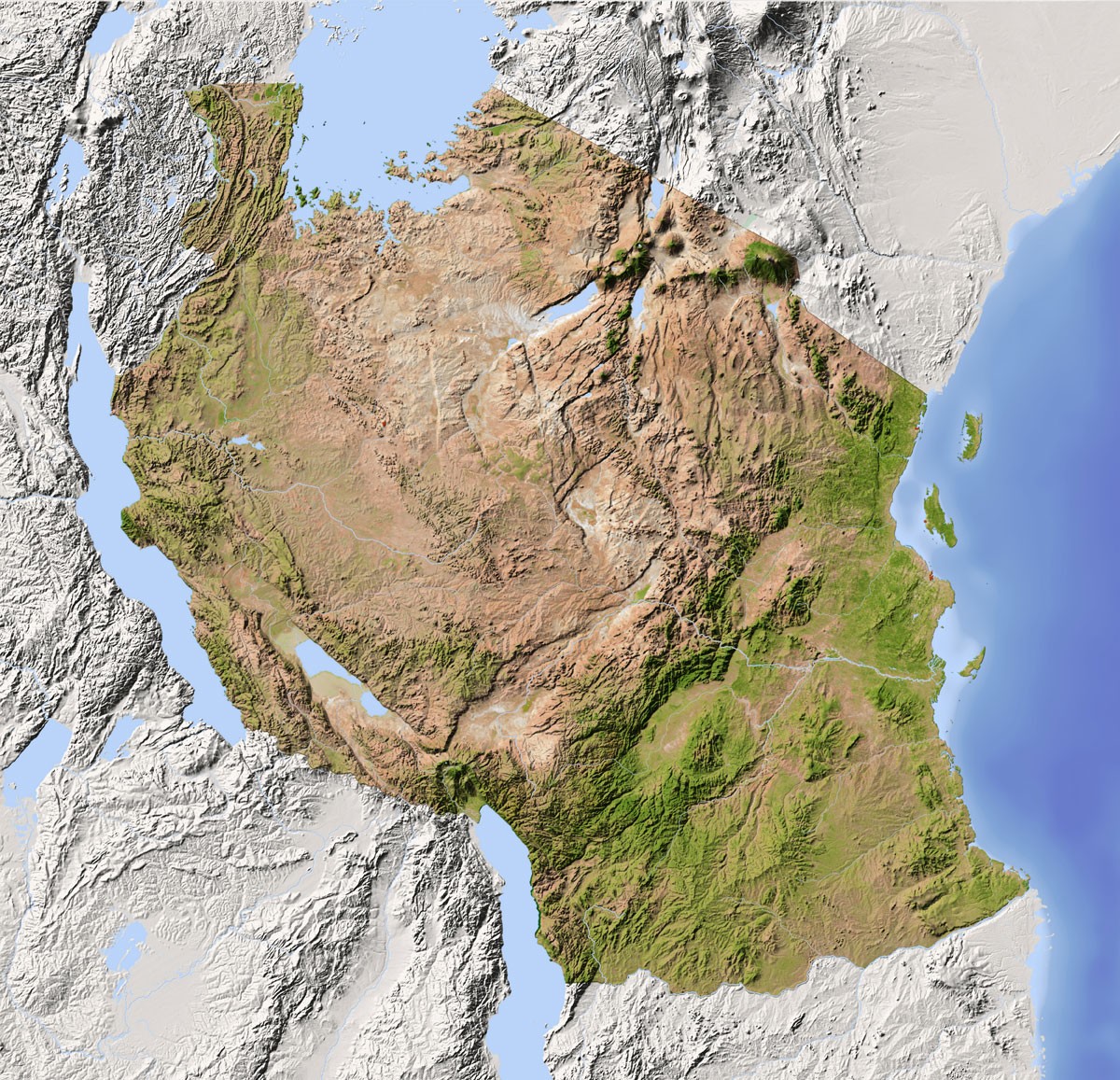
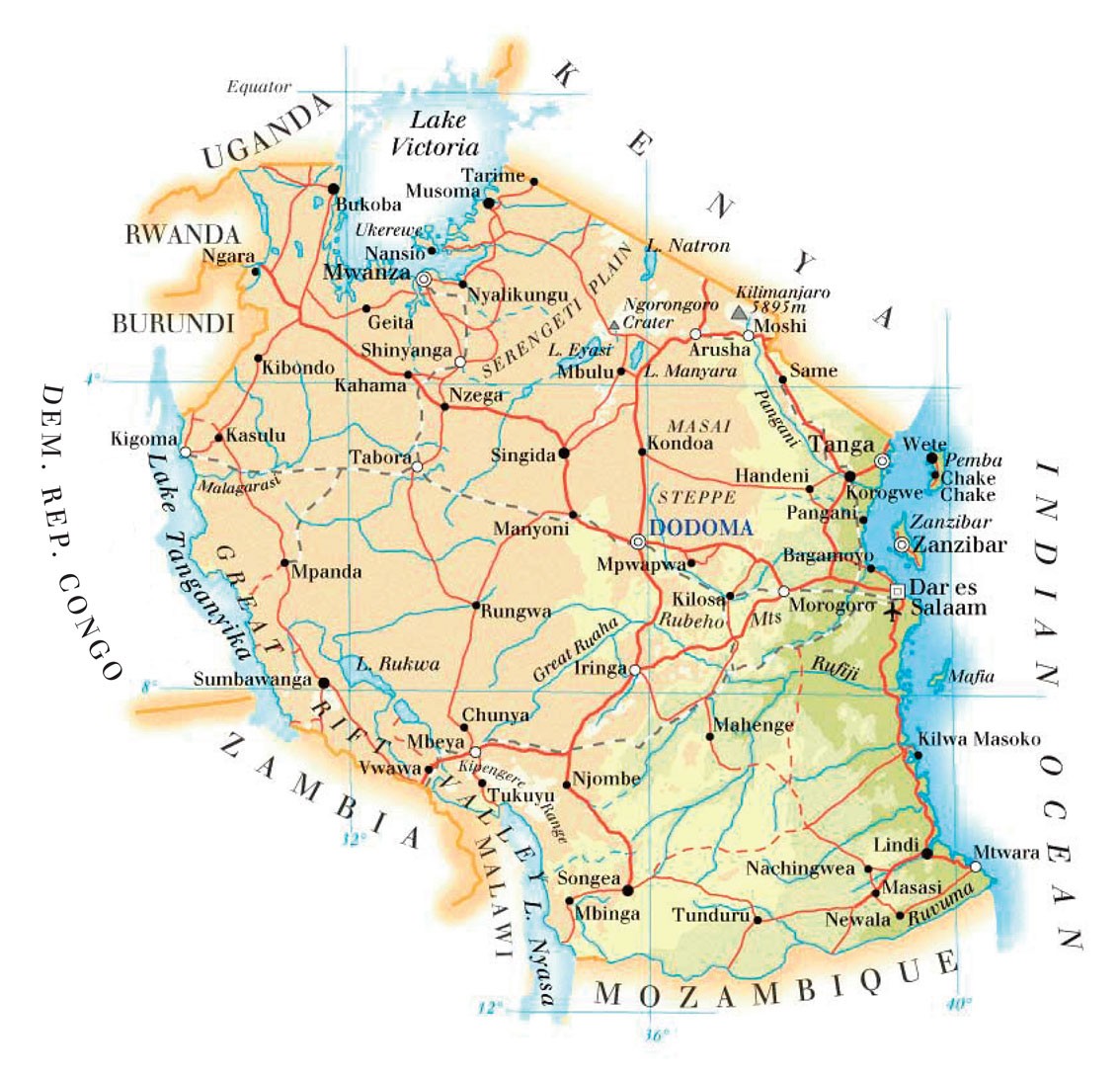
Lying just south of the equator, Tanzania is East Africa’s largest country. It has a hot, tropical climate with a humid, rainy season from November to May. Africa’s highest mountain, Kilimanjaro is located close to Tanzania's border with Kenya. High plains and savanna grasslands stretch across much of the centre of the country. The coastal lowlands are greener and more forested. Three of the largest lakes in Africa lie partly in Tanzania: Lake Victoria in the north, Lake Tanganyika in the west and Lake Nyasa in the southwest. The island archipelago of Zanzibar is also part of Tanzania, although it has its own government.

People
There are around 120 peoples in Tanzania, most of them belonging to the Bantu ethnic group. They are united by Tanzania’s national language, Swahili. Children learn their own tribal language first and then Swahili; many people also speak English. Two-thirds of Tanzanians live in rural villages, while inland, there are vast areas that are almost completely uninhabited.
Economy
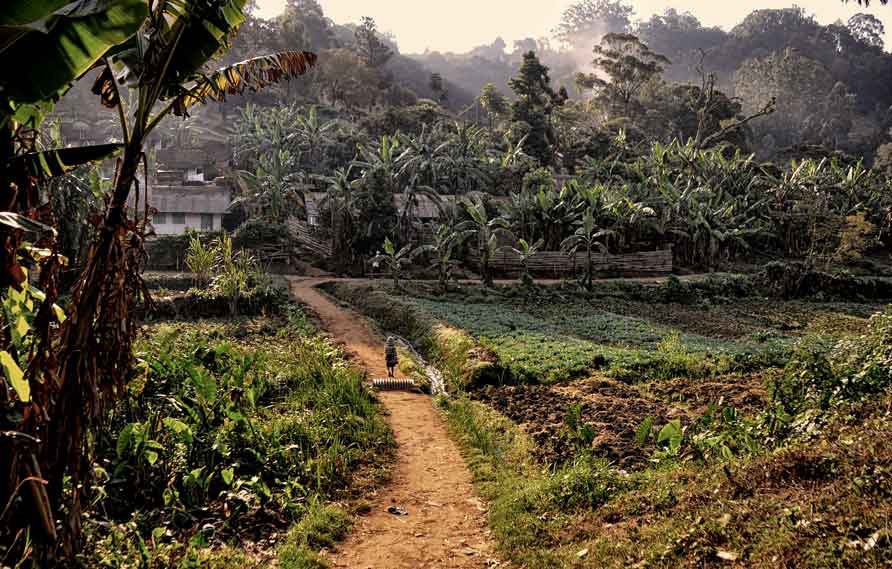
Around four-fifths of Tanzania’s workforce work on farms. Most of these are subsistence farmers, growing enough food for their families and communities. The main crops are maize, cassava and sorghum, a plant whose leaves can be dried and used to make rope. Coffee beans, tea, cotton and tobacco are grown for export while the island of Zanzibar exports spices: nutmeg, cinnamon and cloves.

Serengeti
The Serengeti plains of northern Tanzania are home to around 70 species of mammal, including lions, cheetahs, wildebeest, giraffes, antelopes and many different kinds of bird. A National Park, the Serengeti has World Heritage status, protecting all these creatures and their habitat from extinction. Safaris allow people to see animals in their natural environment, and local people to make a living from tourism.
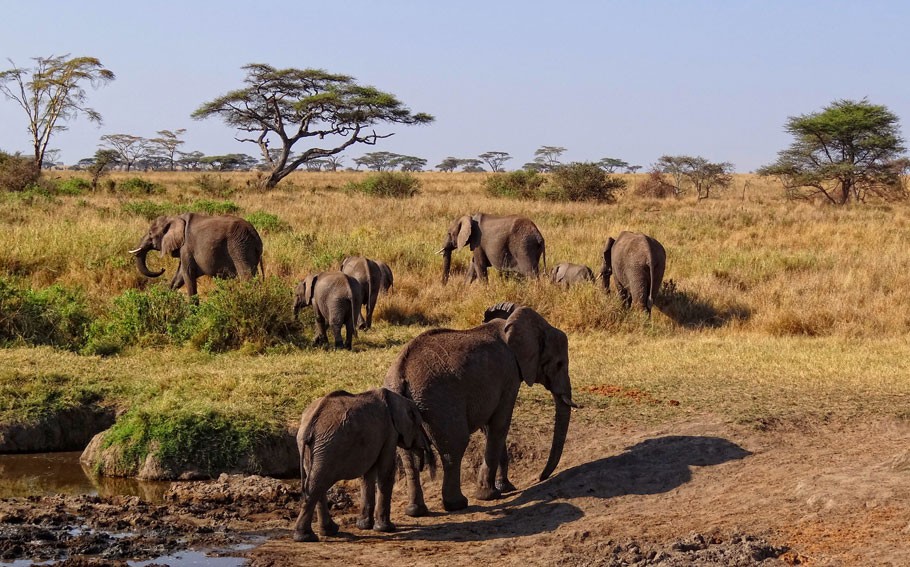
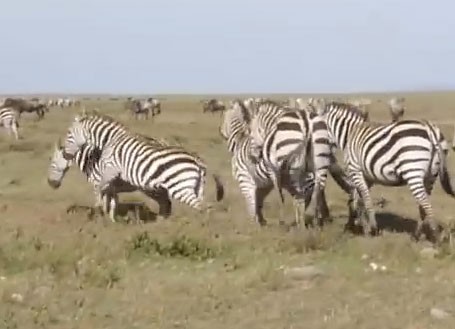
Every year at the end of May, a vast migration takes place across the plains of the Serengeti. Roughly 1.7 million wildebeest are joined by 260,000 zebra and 470,000 gazelles in a journey north to the plains of Kenya’s Maasai Mara, where they find pastures to graze during the hot, dry season. It is one of the largest migration of mammals on Earth.
Ngorongoro Crater
The Ngorongoro Crater is part of the Ngorongoro Conservation Area, a UNESCO World Heritage Site. It is a large volcanic caldera, the remnants of an old volcano that collapsed after an explosive eruption, and is 610 metres (2000 feet) deep. The slopes are covered with forests or scrubland, while the floor is mostly open grassland, with a salt lake (Magadi) in the centre and a swamp (Ngoitokitok) near the eastern wall. Living inside the crater are around 25,000 large animals, including rhinos, hippos, wildebeest, zebra, antelopes—but no giraffes or crocodiles. There are about 60 lions; the resident males expel any outsiders.

Dar es Salaam
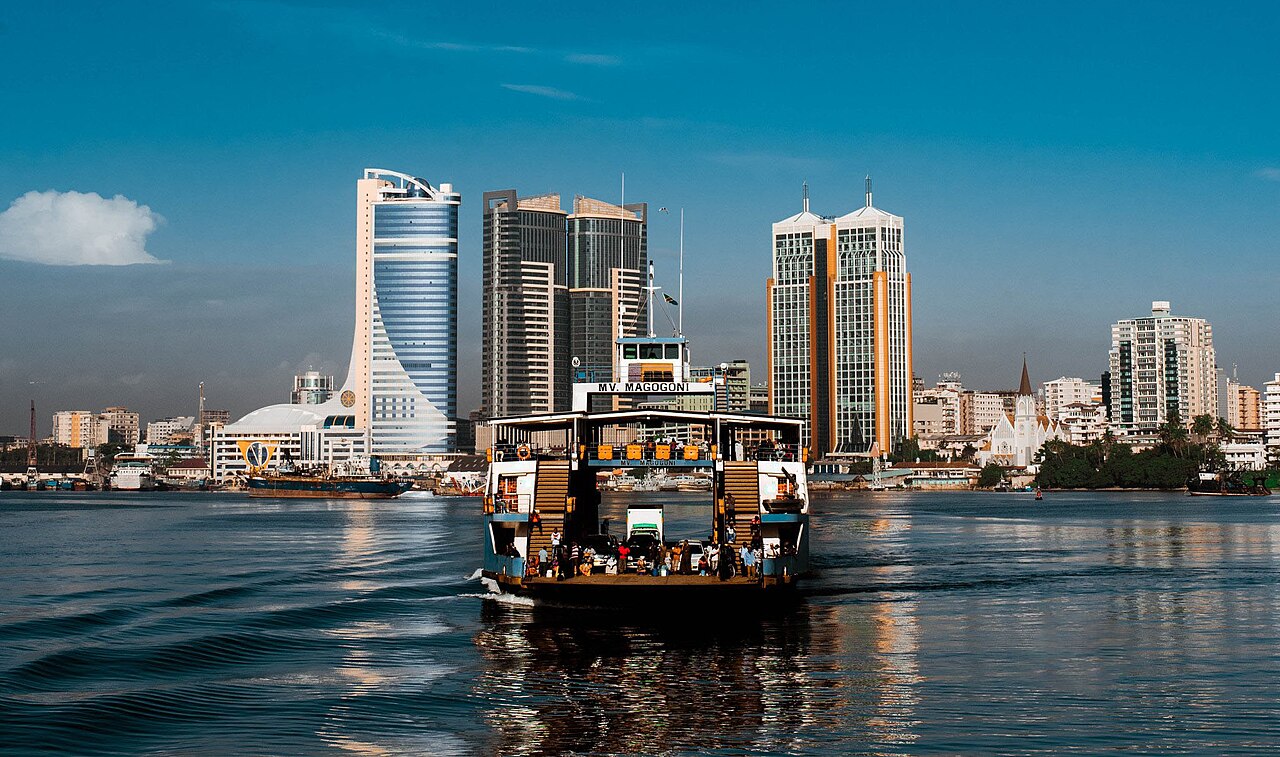
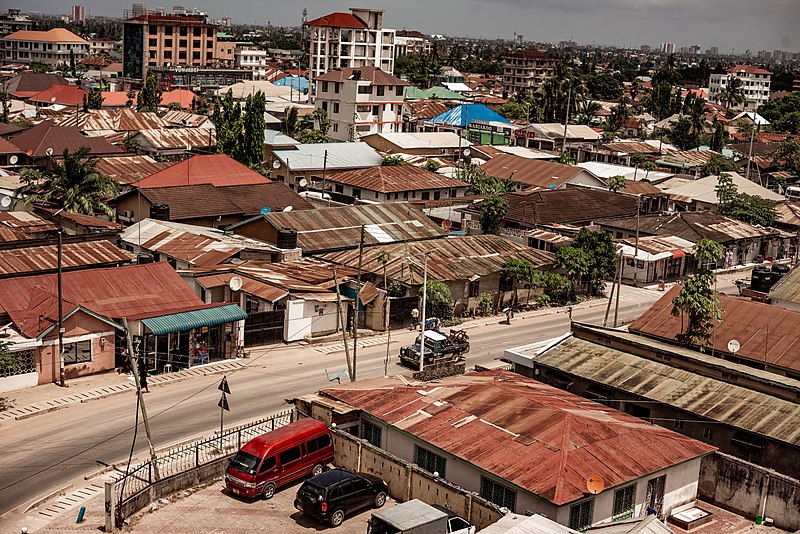
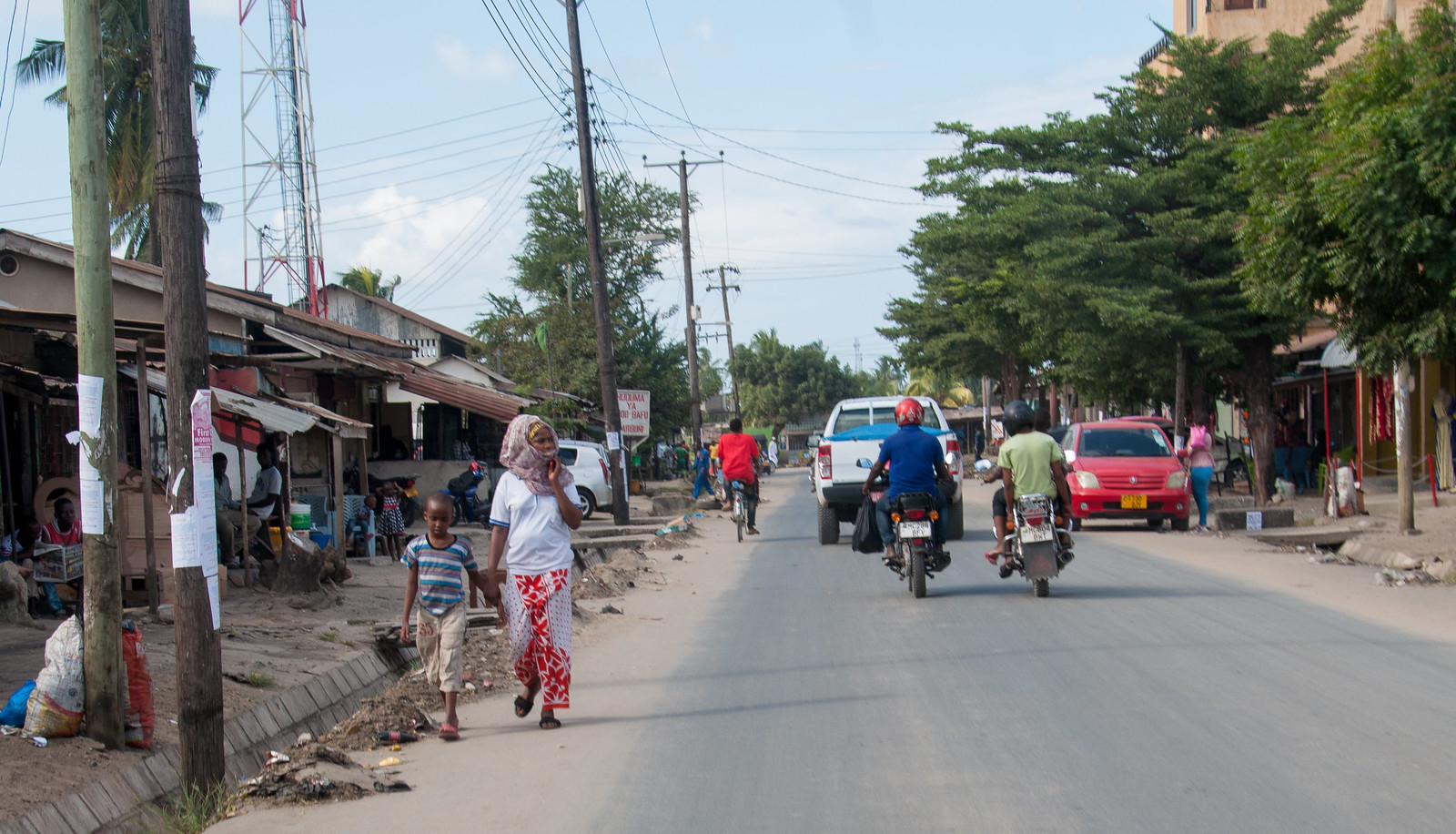
Dar es Salaam (its name is Arabic for "Abode of Peace") is Tanzania's largest city and financial hub. One of the fastest-growing cities in the world, its population, currently around 9 million, is on course to reach 12.9 million by 2030. Dar's origins dates to the 1860s when Sultan Majid bin Said of Zanzibar founded a new city close to the fishing village of Mzizima. The German East Africa Company established a station there in 1887, establishing its importance as a port.
Dar es Salaam consists of five districts: Kinondoni, which houses half of the city's population; Ilala, the central business district; Temeke, the main industrial area; Kigamboni, a beachfront suburb on a peninsula; Ubungo, home to the university.
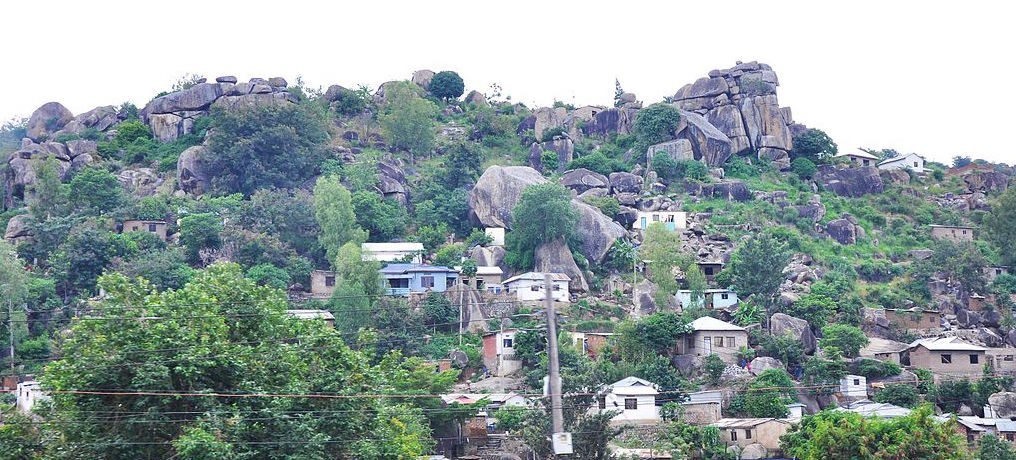
While the city is undergoing rapid development and construction of high-rise buildings, more than three-quarters of its population live in shantytowns or slums. Dar regularly experiences frequent flooding due to intense rainfall, its lowland coastal location and the River Msimbazi, which flows through the city.
Consultant: Nicholas Harris
Facts about Tanzania
Population 67,462,121 (2024 estimate)
Area 885,800 sq km (342,000 sq miles)
Highest point Kilimanjaro 5895 m (19,336 ft)
Capital Dodoma (population 765,179)
Other major cities Dar es Salaam (metro area pop. 8,989,150), Mwanza (1,104,521), Arusha (617,631)
Languages Swahili, English
Religions (Mainland Tanzania) Christian 30%, Muslim 35%, indigenous beliefs 35% (Zanzibar) Muslim 99%
Ethnicity African 99%, of which 95% Bantu, others 1%
Currency Tanzanian shilling (TZS)
Chief exports Gold, coffee, spices, cashew nuts, manufactured goods, cotton

History of Tanzania
3.6 million years ago
East Africa is home to the earliest ancestors of modern humans.
600 BC–100 AD
Bantu tribes move from West Africa to an area east of Lake Victoria.
1400–1500
Settlers from southern Sudan, ancestors of modern Maasai people, move into northern Tanzania.
1400s
Yemeni settlers establish the trading city of Kilwa on Tanzania’s coast.
1498
Vasco de Gama, a Portuguese explorer, reaches the East African coast. The Portuguese control most of the East African coast for the next 200 years.
1699
Omani Arabs take control of Kilwa and Zanzibar. An important port, it becomes the centre of their slave-trading empire.
1867
Britain starts to put pressure on Sultan of Zanzibar to end the country’s slave trade.
1885-6
Germany takes control of part of East Africa.
1905
Villagers revolt against German rule in the Maji Maji Rebellion, and are suppressed by the German government.
1919
At the end of World War I, Germany is defeated, and Britain takes control of Tanganyika.
1948
Young Africans form the Tanganyika African Association in protest over colonial rule. The organization is renamed the Tanganyika African National Union (TANU) in 1953.
1961
Tanganyika becomes independent from Britain.
1962
Julius Nyerere elected Tanganyika's first president; he remains in his post until 1995.
1963
Zanzibar becomes independent from Britain.
1964
Tanganyika and Zanzibar merge to form a new country, officially named United Republic of Tanzania
1974
Government attempts to set up more efficient farming communities by relocating 80% of the population to new villages.
1978-79
Uganda–Tanzania War (Kagera War): Uganda invades Tanzania in October 1978. Tanzania declares war and its forces drive Ugandan troops out of Kagera and occupies part of Uganda, leading to the overthrow of Ugandan president Idi Amin in June 1979.
2000
Demonstrators in Zanzibar protesting against the elections clash with police; 32 people are killed
2021
President John Magufuli dies in office. His vice president, Samia Suluhu Hassan, succeeds him, becoming Tanzania's first female president
2022
Tanzanian government launches a programme that aims to relocate more than 82,000 indigenous Maasai people from the Ngorongoro Conservation Area—lands it has earmarked for “conservation and tourism purposes"—to Msomera village, 600 km (370 miles) away.
2023
President Samia Suluhu (Tanzania's first female president) unveils the new State House in Dodoma, Tanzania's official capital since 1996
pics
Without in any way limiting Q-files Ltd’s exclusive rights under copyright, any use of this publication to “train” generative artificial intelligence (AI) technologies to generate text is expressly prohibited. Q-files Ltd reserves all rights to license use of this work for generative AI training and development of machine learning language models.