
Africa

CITE
We have made every effort to follow citation style rules, but there may be some minor differences. If in doubt, please refer to the appropriate citation style manual.
Tunisia. (2026). In Q-files Encyclopedia, Geography, Africa. Retrieved from
https://www.q-files.com/geography/africa/tunisia
"Tunisia." Geography, Africa, Q-files Encyclopedia, 30 Mar. 2026.
https://www.q-files.com/geography/africa/tunisia.
Accessed 21 Sep. 2026.
Tunisia 2026. Geography, Africa. Retrieved 21 September 2026, from
https://www.q-files.com/geography/africa/tunisia
Geography, Africa, s.v. "Tunisia," accessed September 21, 2026.
https://www.q-files.com/geography/africa/tunisia


Tunisia
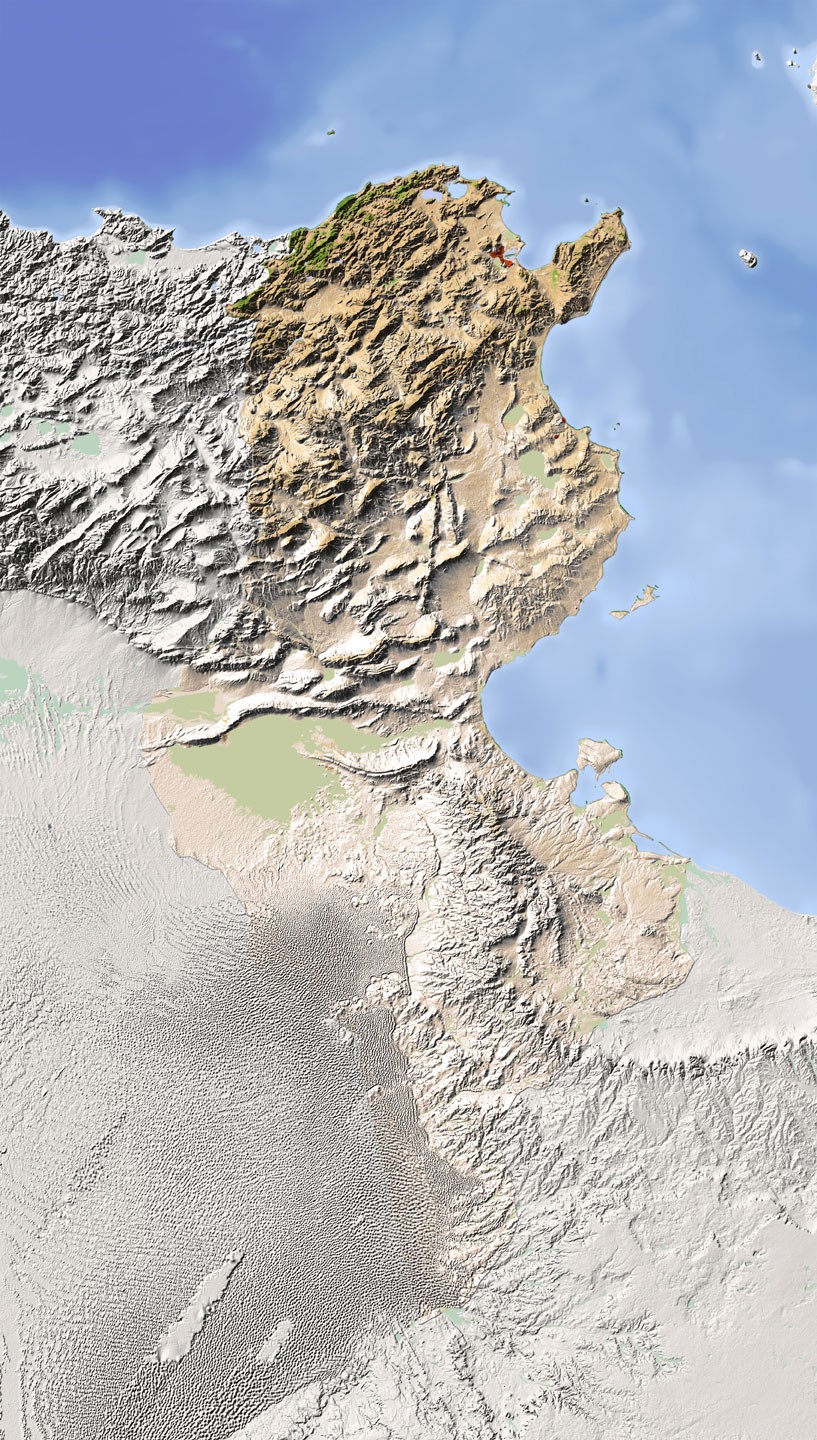
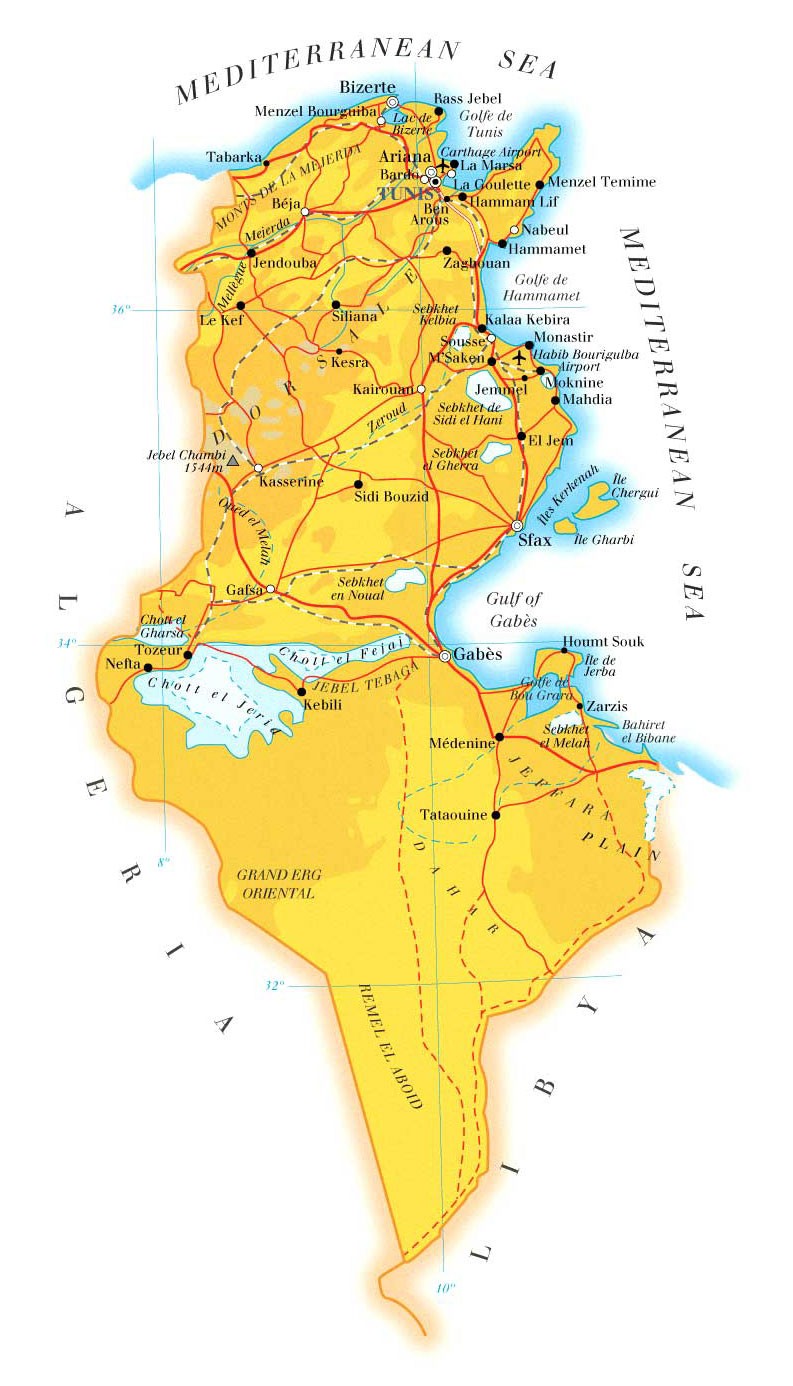
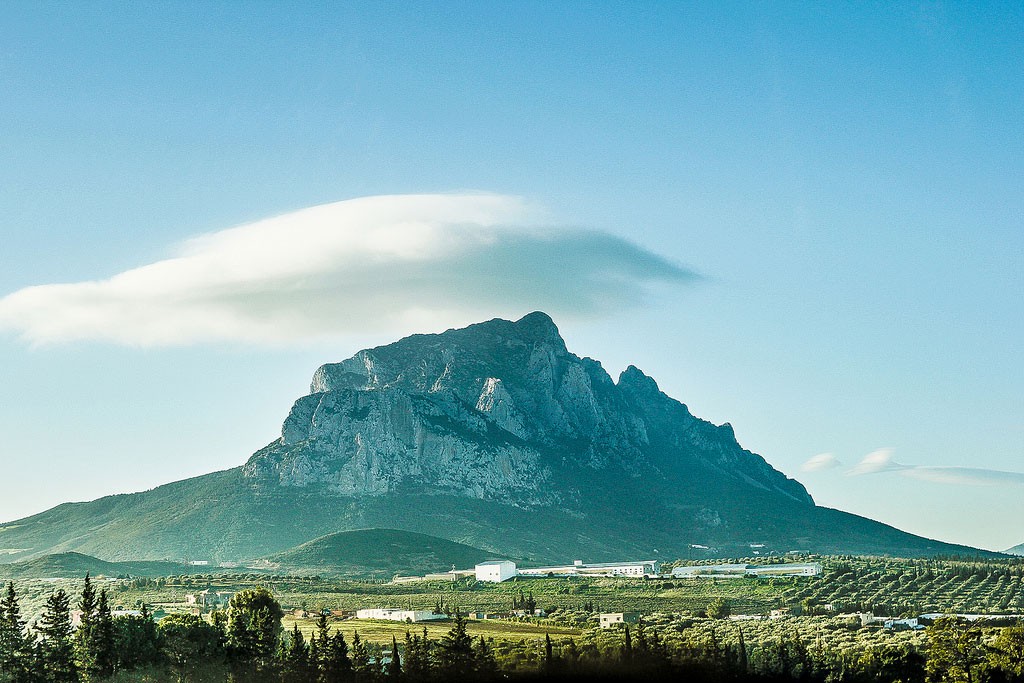
Tunisia lies on North Africa’s Mediterranean coast. In the 4th century BC, Tunisia, the land where the great city of Carthage was founded, lay at the centre of the ancient Carthaginian civilization. Since then, the region has been ruled by the Romans, Arabs, Ottomans and France. Northern Tunisia is mountainous, crossed by a fork of the Atlas Mountains, whose highest peaks are capped by snow in winter. In the centre of the country, the mountains slope down to wide, hot plains; in the south, these plains merge into the Sahara Desert. Here, the climate is extremely hot and dry, with very little rainfall. The north has a milder, Mediterranean climate, with sunny, warm weather all year round.
People
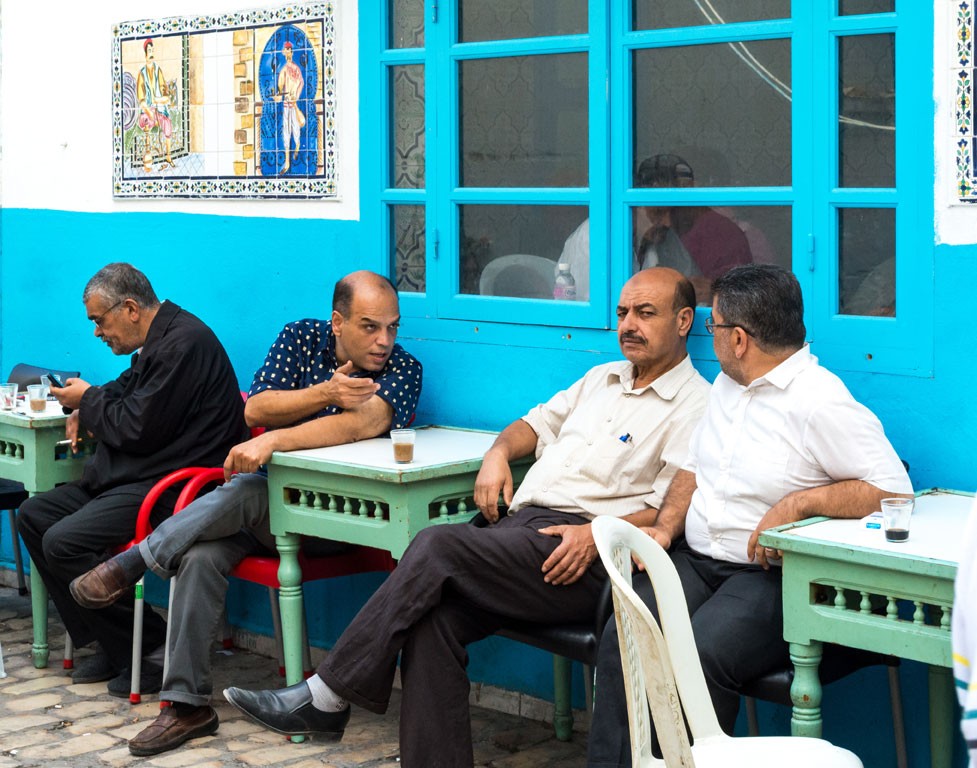
The first people to settle were nomads, who arrived around 7000 years ago. Modern Tunisians are descended from their descendants, the Berbers, and from the Phoenician, Roman and Arab peoples who settled in the area later on. Tunisian Arabic, or Darija, is a variety of Arabic easily understood by neighbouring Algerians and Moroccans. Many people also speak French, which is widely used in schools and businesses. Although most of Tunisia’s population is Muslim, it is a secular country: people are free to practise whichever religion they choose.
Industry
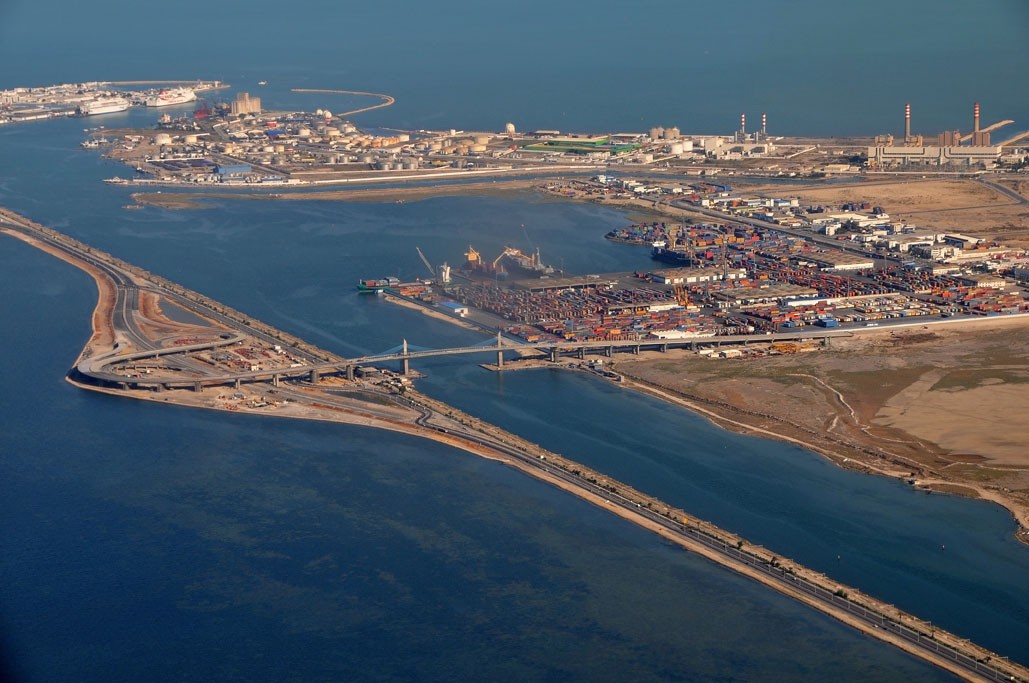
In the middle of the 20th century, Tunisia’s economy was based on exports of oil and gas, but when oil prices fell suddenly in the 1980s, its agriculture and textile industries became more important. Today, large textile factories on the outskirts of Tunis produce material, clothing and shoes for export to Europe. Tunisia is also an important producer of minerals, including phosphates, used to make fertilizers and other chemicals.
Tourism

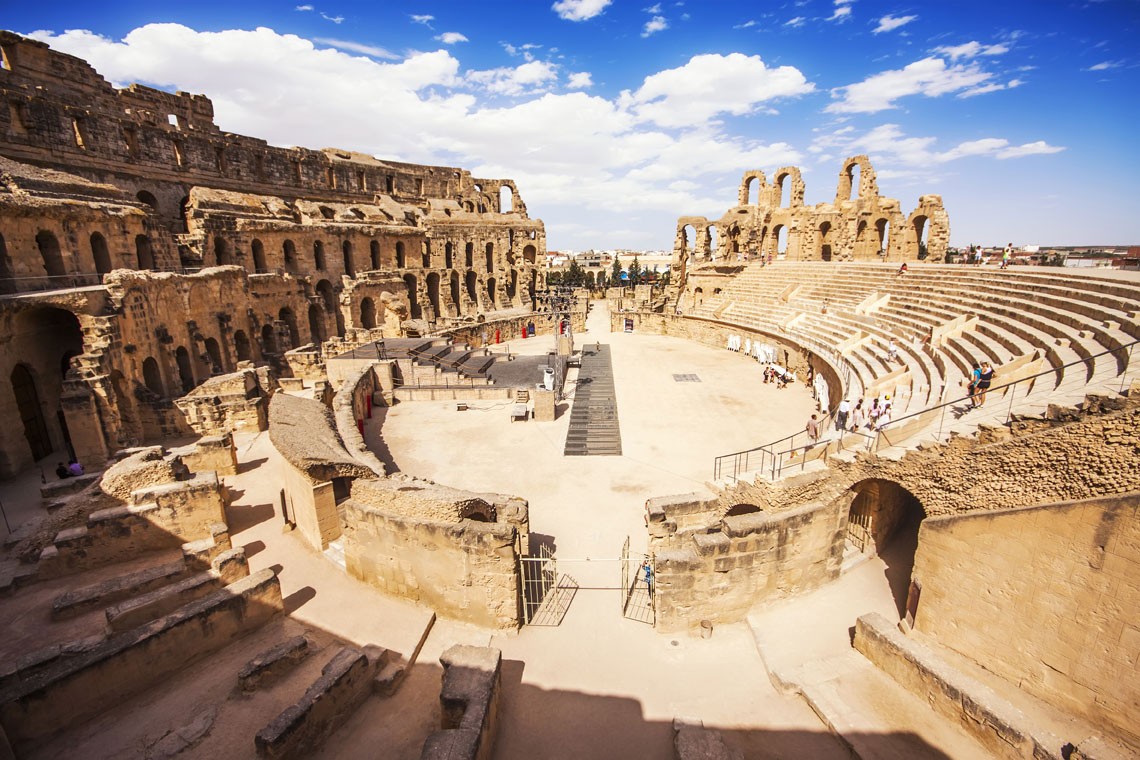
Tourism is a vital industry in Tunisia; at its height there were around 7 million arrivals per year, making the country one of the most popular destinations in Africa. Among Tunisia's tourist attractions are the ancient ruins of Carthage, the medina of Tunis and the coastal resorts near Sousse and Monastir. Tourism in Tunisia suffered a sharp decline following terrorist attacks aimed at tourists in 2015.
Agriculture
Northern Tunisia’s sunny, warm climate is perfect for growing crops such as grapes, oranges, limes and figs. Tunisia is a major producer of olive oil—its eastern Mediterranean coast is one of the most productive olive-growing regions in the world. In the southern desert, farmers grow date palms in oases.

Living underground
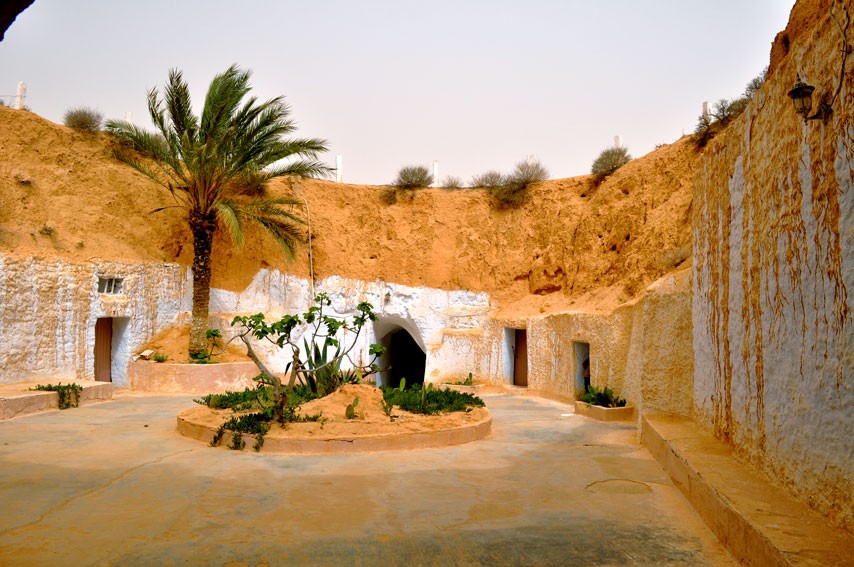
Traditional Berber homes in southern Tunisia are cool, underground caves known as “troglodyte” houses. Builders dig out a large, circular pit, which becomes the courtyard or patio, then carve out separate rooms from the pit’s walls. Large families join several open pit houses together by underground passageways. Since the temperature below ground is much cooler than at the surface, building houses in this way makes it comfortable to live in the scorching desert.
Tunisian Revolution
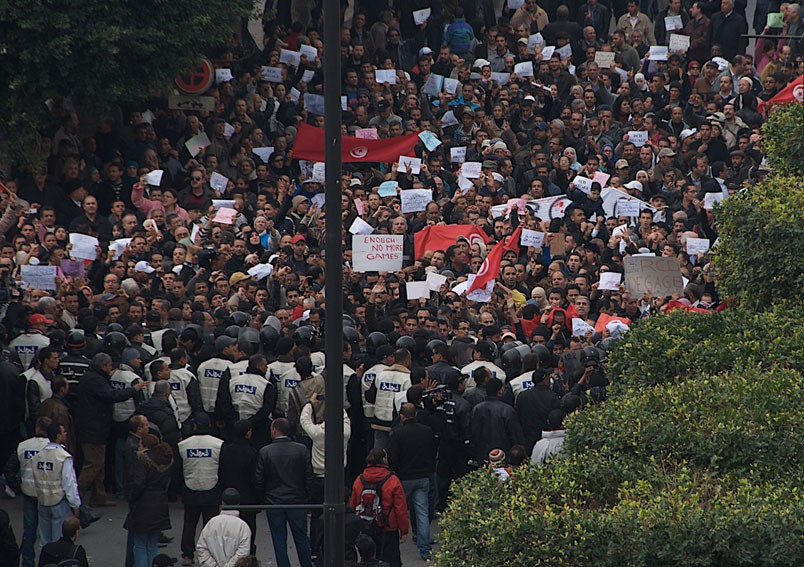
In December 2010, mass demonstrations and protests broke out in Tunisia. People were angry at high unemployment, rising food costs and lack of political freedoms. They began calling for the ruling political party, led by President Ben Ali, to step down. The protests became violent as police and security forces clashed with protesters. On 14th January 2011, Ben Ali’s government resigned and a new coalition government (one made up of several different parties), took control. The protesters had won.

Consultant: Nicholas Harris
Facts about Tunisia
Population 12,460,000 (2023 estimate)
Area 155,360 sq km
Highest point Jebel Chambi 1544 m (5066 ft)
Capital Tunis, metro area population 2,510,670
Other major cities Sfax (pop. 1,018,341), Sousse (753,670)
Languages Arabic, Berber, French
Religions Muslim 99%, others 1%
Ethnicity mixed Arab / Berber 98%, European and others 2%
Currency Tunisian dinar (TND)
Chief exports clothing and textiles, olive oil, dates, phosphates (used to make chemicals and fertilizers), electrical equipment, oil and petroleum products


History of Tunisia
4000 BC
Ancestors of Tunisia’s modern Berber people live along the coastal plain
1100 BC
A people known as the Phoenicians settle along the north African coast; they found the powerful city of Carthage near modern-day Tunis
146 BC
After the second of the two Punic Wars, the Romans capture Carthage; the region becomes part of the Roman Empire
430
Vandals, a Germanic people, invade and conquer the region
7th century
Arab Muslims conquer the region
909
The Zirids (a Berber people) take over control of the region from the Arabs
1534–74
Turkish Ottoman Empire begins conquering the region that is now Tunisia
17th century
The region, now known as Tunis, is ruled by the Ottoman Empire, but has control over most of its own affairs
1881
French troops invade and occupy Tunis
1883
Tunis becomes a French protectorate
1934
A new political party, the Neo-Dustour Party, is founded; it supports Tunisian independence
1956
Tunisia becomes independent, with Habib Bourguiba as prime minister
1957
Monarchy is abolished: Tunisia becomes a republic
1961–63
Tunisia orders French troops to leave the country and fighting breaks out; the troops leave in 1963
1985
Israel attacks the headquarters of the Palestinian Liberation Organisation (PLO), based in Tunis, killing 60 people
1987
Prime Minister Zine El Abidine Ben Ali takes over from President Bourgiba in a coup
2002
19 people are killed in a terrorist attack at a synagogue in the Tunisian resort of Djerba
2010
Protests break out all over the country, calling for a change in government and an end to the ruling party
2011
A state of emergency is declared in Tunisia. President Zine El Abidine Ben Ali steps down after 23 years in power and goes into exile. Tunisians vote for the first time in free parliamentary elections
2012
Thousands of people protest at new government plans to reduce women’s rights in Tunisia
2014
First parliamentary elections since 2011 are held
2015
Two gunmen shoot and kill 20 foreign tourists at the Bardo National museum in Tunis in March. Three Tunisians—the two gunman and a policeman—are also killed. In June, 38 people, 30 of whom are British, are killed when a gunman attacks a hotel in Sousse.
2019
Kais Saied is sworn in as Tunisia's new president
2021
Responding to demonstrations against government corruption, Saied suspends parliament and dismisses the prime minister
2024
President Saied wins a second term with more than 90% of the vote in Tunisian presidential election
pics
Without in any way limiting Q-files Ltd’s exclusive rights under copyright, any use of this publication to “train” generative artificial intelligence (AI) technologies to generate text is expressly prohibited. Q-files Ltd reserves all rights to license use of this work for generative AI training and development of machine learning language models.