
Africa

CITE
We have made every effort to follow citation style rules, but there may be some minor differences. If in doubt, please refer to the appropriate citation style manual.
South Africa. (2026). In Q-files Encyclopedia, Geography, Africa. Retrieved from
https://www.q-files.com/geography/africa/south-africa
"South Africa." Geography, Africa, Q-files Encyclopedia, 22 Jul. 2026.
https://www.q-files.com/geography/africa/south-africa.
Accessed 22 Sep. 2026.
South Africa 2026. Geography, Africa. Retrieved 22 September 2026, from
https://www.q-files.com/geography/africa/south-africa
Geography, Africa, s.v. "South Africa," accessed September 22, 2026.
https://www.q-files.com/geography/africa/south-africa


South Africa
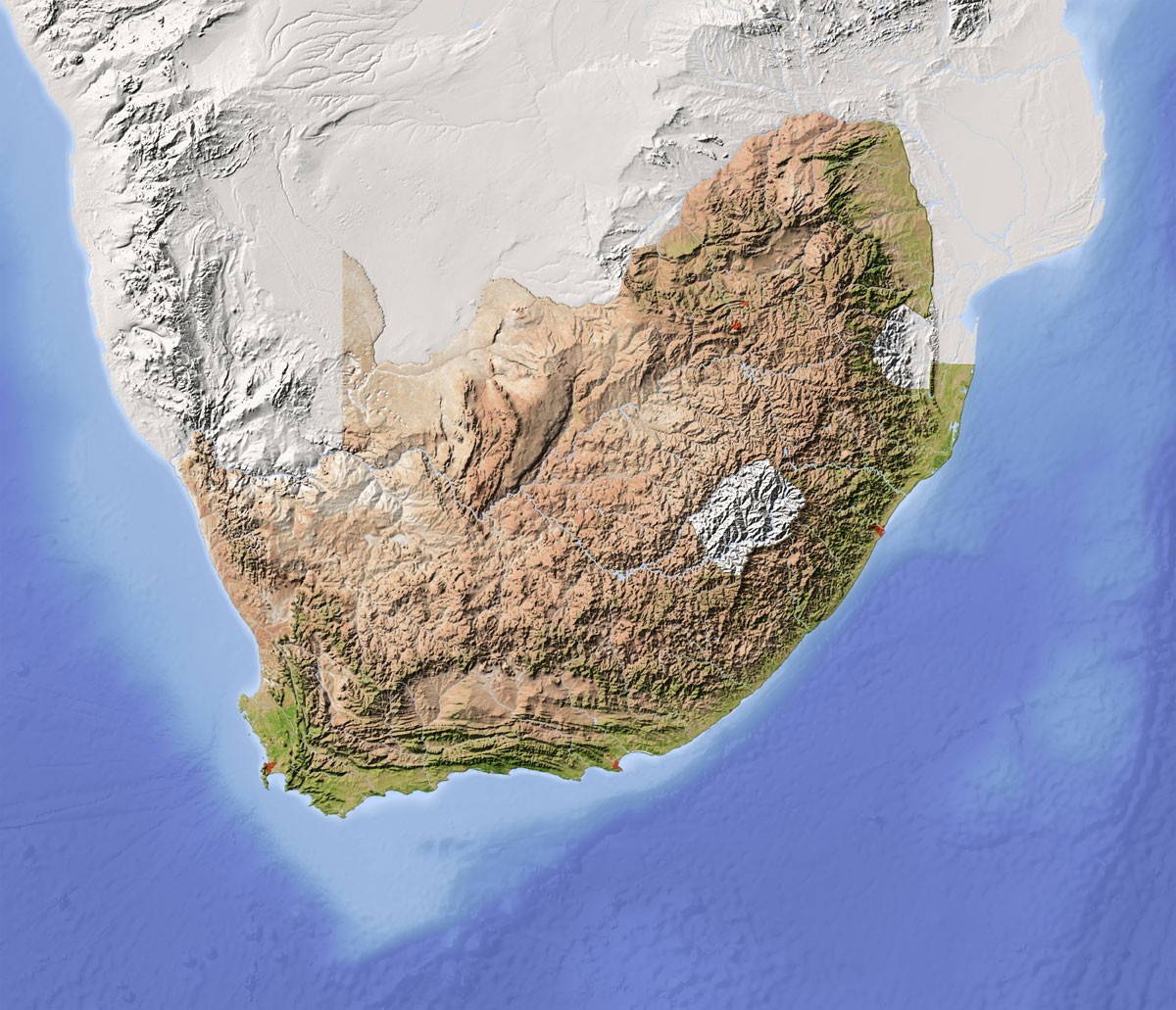
Much of South Africa sits on a high, flat plateau. The eastern part of this plateau is a grassland region known as the Highveld. In the west, the plateau descends into semi-desert, called the Karoo. A mountain chain in the south—the Great Escarpment—curves round towards the eastern coast, where it joins the jagged Drakensberg range. Southwestern South Africa is a region known as the Cape, from the Cape of Good Hope, the headland on the coast where the Atlantic meets the Indian Ocean. Here the warm climate is similar to that of the Mediterranean lands of southern Europe. Much of the rest of South Africa experiences a warm, temperate climate, with temperatures kept moderate by its high altitude and ocean currents.

People
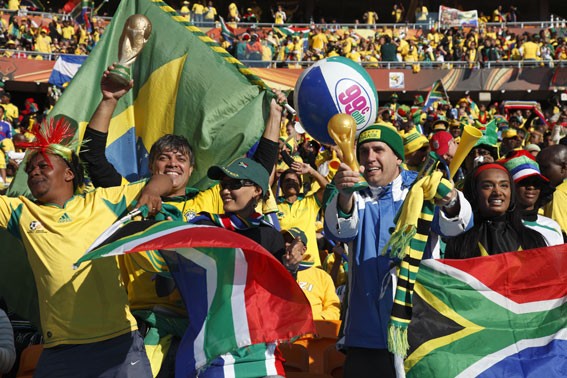
The Republic of South Africa (RSA) is a land of many different ethnic groups, cultures and languages. South African Archbishop Desmond Tutu once called it the “Rainbow Nation”. Around 80% of the population are black Africans, many of whom are Bantu peoples. South Africa is also home to people whose ancestors came from Holland, France, Germany, Britain, India, China and Vietnam.
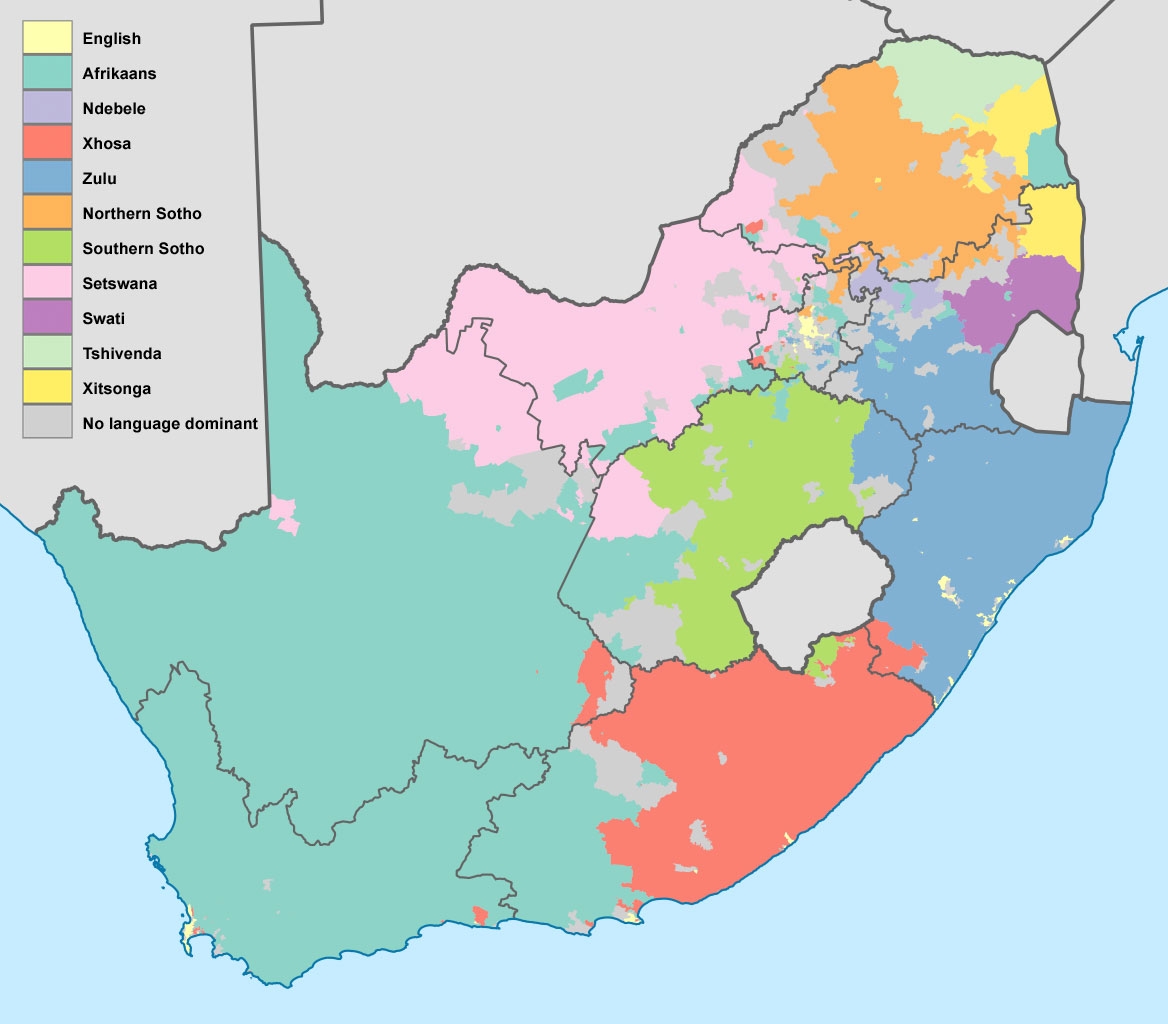
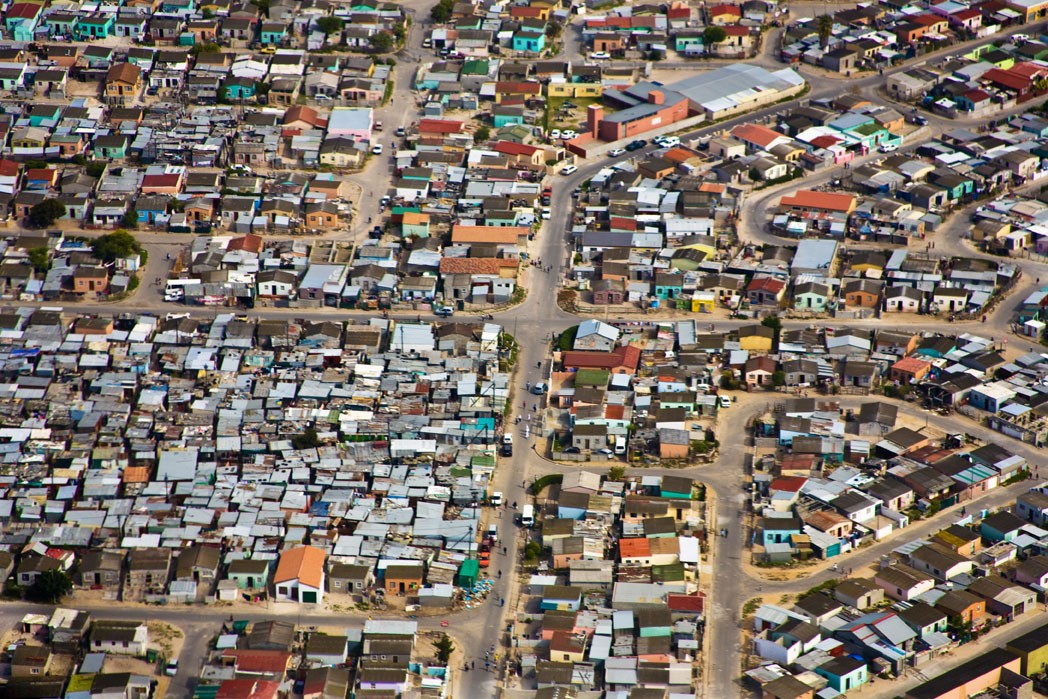
Afrikaners is the name given to people who are descended from Dutch, French Huguenot and German settlers who first arrived in South Africa in the 17th century. Their language, Afrikaans, comes from 17th-century Dutch. Between 1948 and 1994, the Afrikaner ruling party maintained a system of racial segregation and discrimination called apartheid. Although South Africa is the wealthiest country in Africa, with large mining, manufacturing, tourism and banking industries, it is also one of the most unequal. Around a quarter of South Africans are unemployed and live in poverty.
Agriculture
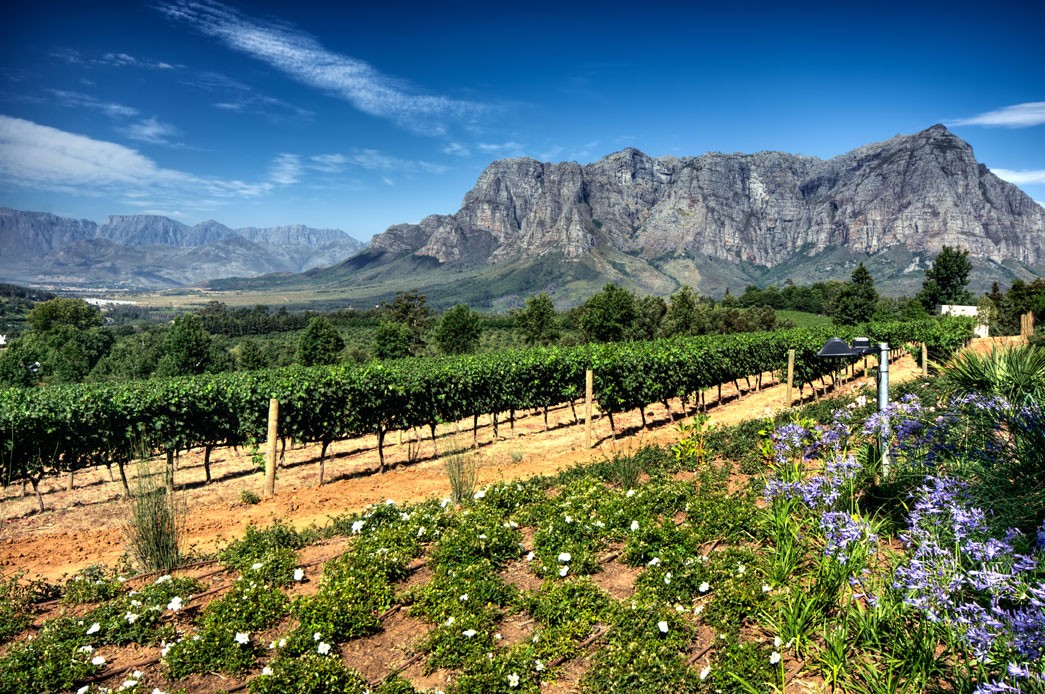
Agriculture employs only around 10% of South Africa's population; much of the land is too dry for farming. But fruit, such as grapes, citrus fruits and apples, are exported all over the world, particularly to Europe, which has its winter when South African fruits are ripening. Another major cash crop is sugar cane. South Africa is famous for its wine industry; its vineyards, first planted by Dutch settlers, are clustered around the southern Cape where they benefit from the Mediterranean climate.
Mining
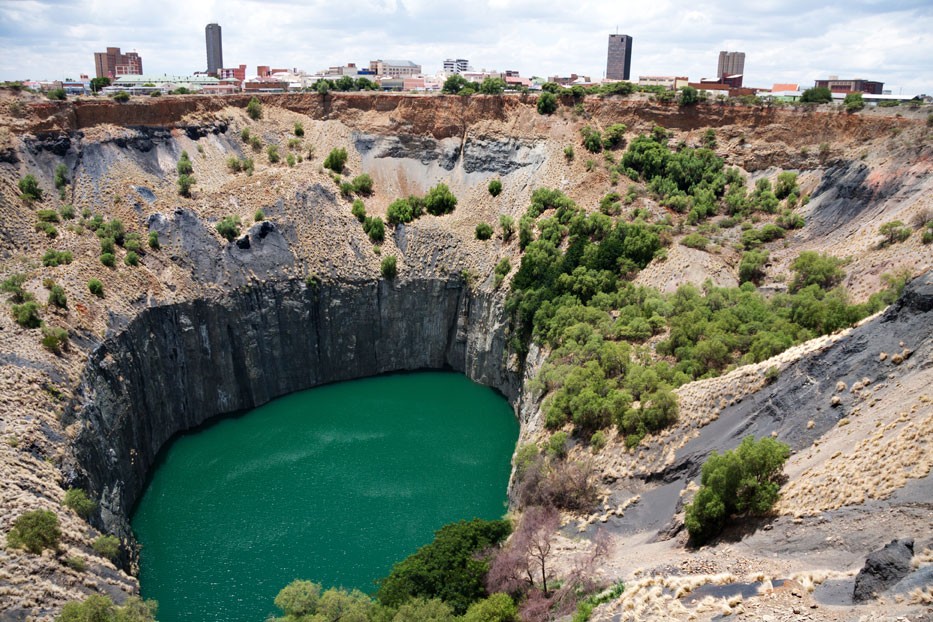
In the late 1800s, discoveries of first diamonds (1867) then gold (1886) led to a “Gold Rush” as people flocked to South Africa from all over the world. The income from mining drove South Africa’s economy forward—and today it is the strongest in Africa. Mining is still a key industry, despite a decline in gold reserves, with the country also exploiting its large reserves of other important minerals, such as platinum, manganese, copper, uranium, vanadium and titanium. South Africa is a major supplier of iron ore, which it mainly exports to China, and coal.
Water crisis
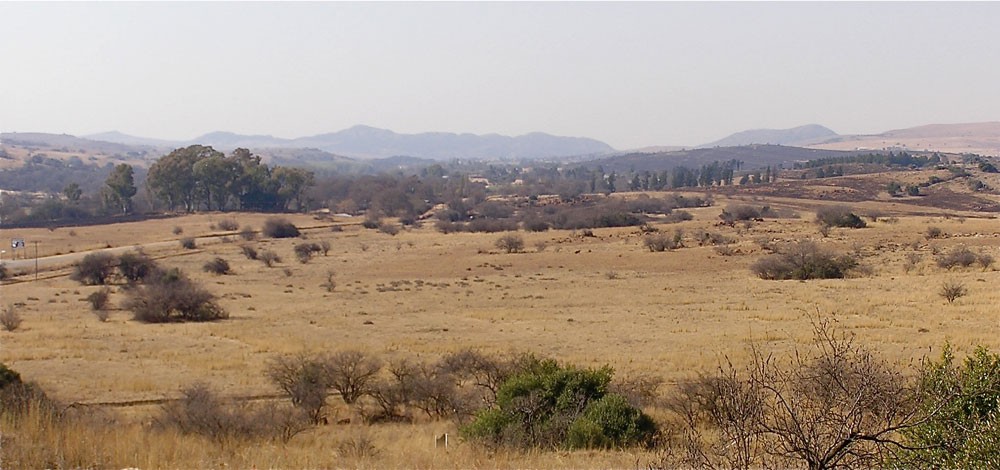
Some scientists predict that in parts of the Western Cape the surface water supply could fall by 60% by the year 2070. Rapid urbanization—Cape Town's population grew from 2.4 million in 1995 to 3.8 million in 2018, a rise of 58%—has placed a great strain on water supplies: dam capacity has increased by just 17% in the same period. Vineyards in the surrounding region, which have expanded greatly, also use a great deal of water for irrigation.
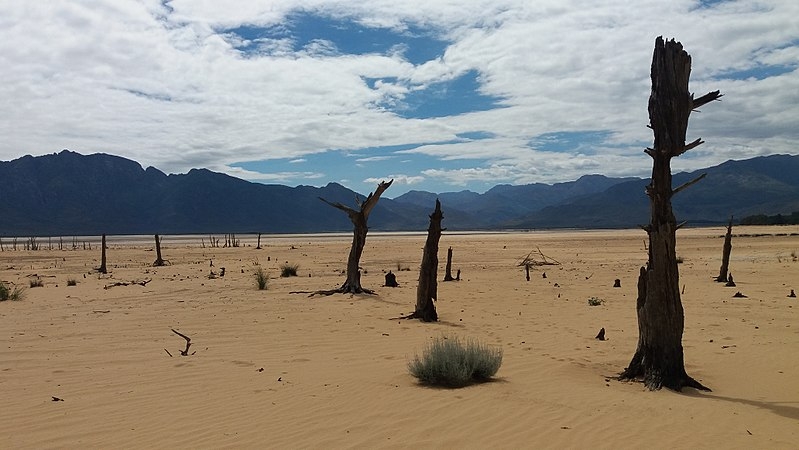
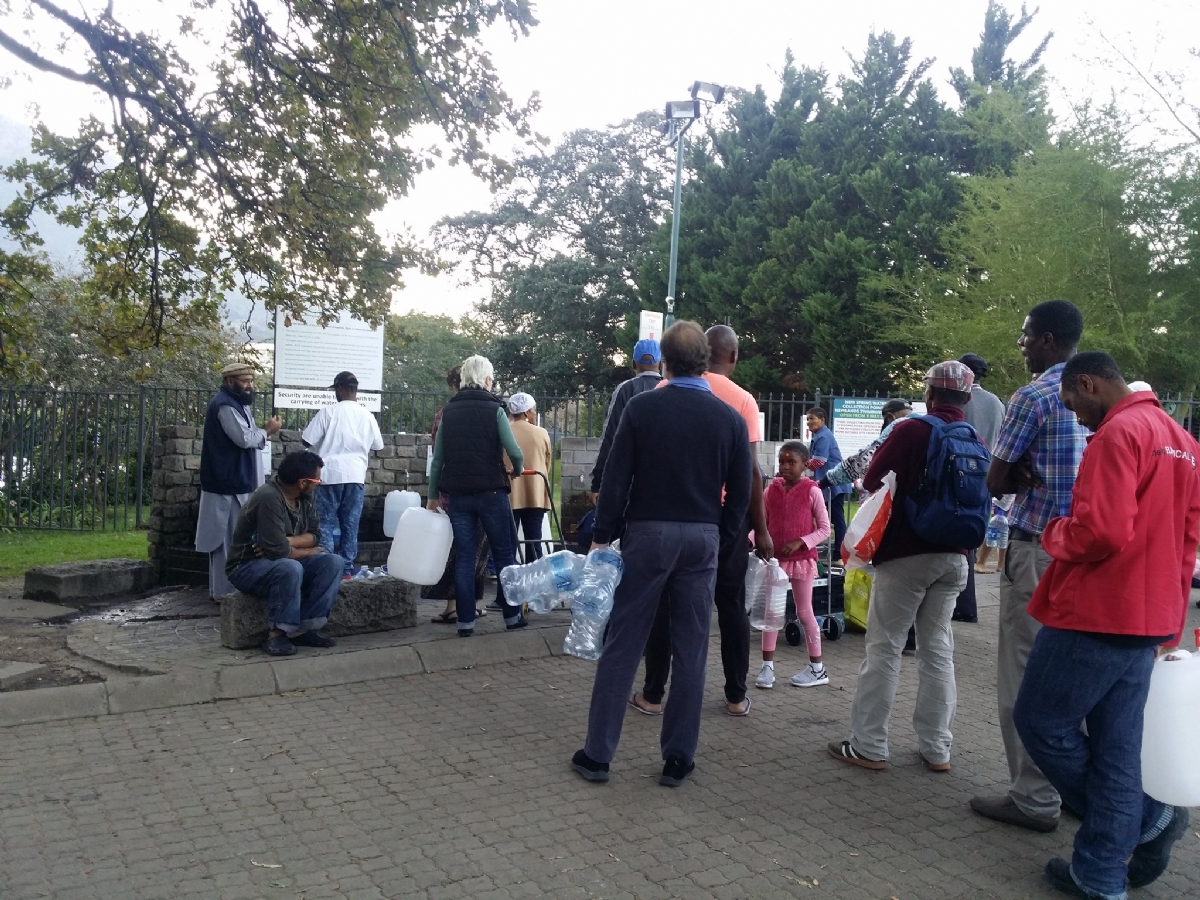
Starting in 2015, South Africa was affected by a severe drought. Scientists say it was probably triggered by a combination of an El Niño weather disruption and global warming, but the cause is not certain. For most of the country the drought came to an end in 2016, but it dragged on in the Western Cape. Water levels fell to between 15 and 30% of total dam capacity and Cape Town's water supply was predicted to run dry. Cape Town would thus become the first major city in the world to run out of water. At that point, called "Day Zero", residents would have to queue for their daily ration of water. In an attempt to avoid this, water saving measures requiring that each citizen use no more than 25 litres (5.5 gallons) a day were put in place in February 2018. The resulting fall in water usage, combined with heavy rains in June, led to dam levels to rise steadily, postponing the arrival of “Day Zero”. By September water restrictions had been eased: the worst of the water crisis was over—for now.
Consultant: Nicholas Harris
Facts about South Africa
Population 62,027,503 (2022 census)
Area 1,221,037 sq km (471,450 sq miles)
Highest point Mafadi 3450 m (11,316 ft)
Capitals Pretoria (population 2,437,000), Cape Town (4,004,793), Bloemfontein (759,693)
Other major cities Johannesburg (pop. 9,167,045), Durban (3,661,911), Gqeberha (Port Elizabeth (1,263,051), Vereeniging (957,528), Soshanguve (841,000), East London (810,528), Pietermaritzburg (679,766)
Languages Afrikaans, English, Ndebele, Northern Sesotho, Southern Sesotho, Swazi, Tsonga, Tswana, Venda, Xhosa, Zulu (official languages)
Religions Christian (Protestant) 37%, Christian (Catholic) 7%, Christian (other) 36%, Muslim 1.5%, Hindu 1%, none and other 17.5%
Ethnicity Black 81.4%, Coloured 8.2%, White 7.3%, Indian or Asian 2.7%
Currency South African rand (ZAR)
Chief exports Gold, diamonds, platinum, other metals and minerals, machinery and equipment

History of South Africa
170,000 years ago
Modern humans are living in the region.
AD 400–500
Bantu groups settle in the region of South Africa. They conquer and displace the indigenous peoples of the region: the Khoikhoi (called Hottentots by later European settlers), who live by herding cattle and sheep, and the San (called Bushmen by Europeans), who are hunter-gatherers.
1488
Portuguese explorer Bartolomeu Dias is the first European to land in South Africa.
1652
Jan van Riebeeck, representing the Dutch East India Company (VOC), founds the Cape Colony at Table Bay; the settlement will become Cape Town
1688–89
French Huguenots, fleeing persecution in France for their Protestant beliefs, migrate to the Cape Colony.
1700s
Khoikhoi and San population are decimated by war, forced expulsions and disease; many are forced into slavery. European settlers, now known as Trekboers (later Boers), begin to expand their territory inland as far as the Great Fish River.
1779–1879
Xhosa Wars (Cape Frontier Wars): Xhosa people battle first with the Boers, later the British, over ownership of the land.
1795
Britain takes over Cape Town and the surrounding region, Cape Colony. It is returned to the Dutch in 1802, but re-occupied in 1806 by the British. Permanent control is ceded to Britain by the Dutch in 1814.
1820
First British settlers of Cape Colony arrive in Port Elizabeth.
1820s
The Boers, British settlers and the Xhosa and Zulu peoples all claim land in the north and east of the country. Led by Shaka, the Zulus grow powerful, expanding their territory, causing waves of migration by African peoples across southern Africa. This period of turmoil, known as the mfecane, lasts until about 1840.
1830–40s
In what is known as the Great Trek, about 12,000 Boers, called Voortrekkers, leave Cape Colony for the north and east of the country: the Highveld. They occupy much of what becomes known as the Transvaal.
1838
(December) Battle of Blood River: Boers are victorious over the Zulus
1843
Natal, previously the Boer republic of Natalia, is annexed by the British and becomes the colony of Natal
1852
British grant self-government to the Transvaal, which the Boers later declare a republic (the South African Republic)
1854
Boers found the Orange Free State
1867
Diamonds are discovered. The "diamond zone" becomes a colony of the British Empire named Griqualand West in 1871.
1877
Britain annexes the Transvaal
1879
British defeat the Xhosa in final Xhosa War and annexe all their remaining territory.
1879
British defeat the Zulus in Natal
1880–81
The First Boer War is fought between the Boers and the British. Victory for the Boers enables the Transvaal to regain its independence as the Zuid-Afrikaansche Republiek (South African Republic) or ZAR
1886
Reserves of gold are discovered, increasing the country’s wealth and bringing thousands of immigrants to settle there.
1899–1902
The Second Boer War is fought between the Boers and the British, with the British emerging as victors; Transvaal and Orange Free State are made self-governing colonies of the British Empire
1910
The British parliament unites Cape Colony, Natal, Transvaal and Orange Free State, to create the Union of South Africa
1913
Racial segregation and oppression of the black majority had begun under Dutch and British rule; now the Land Act is passed to restrict the ownership of land by black people
1919
South West Africa (Namibia) comes under South African administration
1934
The Union of South Africa parliament enacts the Status of the Union Act, which declares the country to be "a sovereign independent state"
1948
The National Party takes power and passes laws to enact the system of racial segregation and discrimination known as apartheid.
1950
Group Areas Act is passed to segregate black and white population
1960
Police massacre 69 peaceful black demonstrators at Sharpeville; government bans anti-apartheid political parties, including the African National Congress (ANC)
1961
South Africa becomes a republic and leaves the Commonwealth (it is readmitted in 1994).
1964
Nelson Mandela, leader of the ANC, is sentenced to life in prison for “sabotage and conspiracy to violently overthrow the government”.
1923
The Native (Urban Areas) Act segregates urban residential areas and created controls to restrict access by black people to the cities.
1970
Homeland Citizens Act establishes the so-called "homelands”, and authorizes the forced evictions of thousands of black African people to these homelands
1974
South Africa suspended from the UN
1976
Soweto uprising: black students protest against the introduction of Afrikaans as the language of instruction in schools; the uprising is put down brutally by police with more than protesters 600 killed
1990
After 27 years in prison, Mandela is freed by President F.W. de Klerk.
1990–93
The apartheid system is dismantled
1994
First universal elections held, which ANC wins by an overwhelming majority; Nelson Mandela is elected President of South Africa
1999
Mandela leaves office; Thabo Mbeki is elected President
2003
Government approves major programme to treat HIV/Aids (it has previously refused to provide anti-Aids medicine via the public health service)
2008
Anti-foreigner violence leaves over 60 people dead, most of them refugees seeking asylum
2009
Jacob Zuma is elected President.
2010
South Africa hosts football’s World Cup tournament.
2012
Police open fire on workers at a platinum mine in Marikana, killing at least 34 people
2013
Nelson Mandela dies, aged 95
2014
Paralympic athlete Oscar Pistorius is sentenced to five years in jail for killing his girlfriend.
2018
Cyril Ramaphosa is elected president by parliament after Jacob Zuma resigns over corruption allegations.
2021
Rioting and looting break out in KwaZulu-Natal and Gauteng provinces. The unrest is sparked by the imprisonment of former President Zuma and fuelled by economic inequality which has been worsened by the Covid-19 pandemic
2022
(April) Days of heavy rain across KwaZulu-Natal province—due to the effects of La Niña ocean currents—lead to severe flooding, particularly in and around Durban. The floods claim the lives of at least 435 people with many reported missing. Several thousand homes are damaged or destroyed
2024
At the general elections, the ANC's share of the national vote falls below 50% for the first time since the end of Apartheid, though it remains the single largest party in Parliament. Ramaphosa is reelected for a second term in office.
2026
Protests in South Africa's main cities, associated with organizations such as Operation Dudula, demand that all undocumented migrants, from countries including Malawi, Ghana, Mozambique, Nigeria and Zimbabwe, leave the country. As tensions increase, many foreign nationals, particularly Malawians living in KwaZulu-Natal, flee their homes.
pics
Without in any way limiting Q-files Ltd’s exclusive rights under copyright, any use of this publication to “train” generative artificial intelligence (AI) technologies to generate text is expressly prohibited. Q-files Ltd reserves all rights to license use of this work for generative AI training and development of machine learning language models.