
Africa

CITE
We have made every effort to follow citation style rules, but there may be some minor differences. If in doubt, please refer to the appropriate citation style manual.
Ghana. (2026). In Q-files Encyclopedia, Geography, Africa. Retrieved from
https://www.q-files.com/geography/africa/ghana
"Ghana." Geography, Africa, Q-files Encyclopedia, 30 Mar. 2026.
https://www.q-files.com/geography/africa/ghana.
Accessed 21 Sep. 2026.
Ghana 2026. Geography, Africa. Retrieved 21 September 2026, from
https://www.q-files.com/geography/africa/ghana
Geography, Africa, s.v. "Ghana," accessed September 21, 2026.
https://www.q-files.com/geography/africa/ghana


Ghana
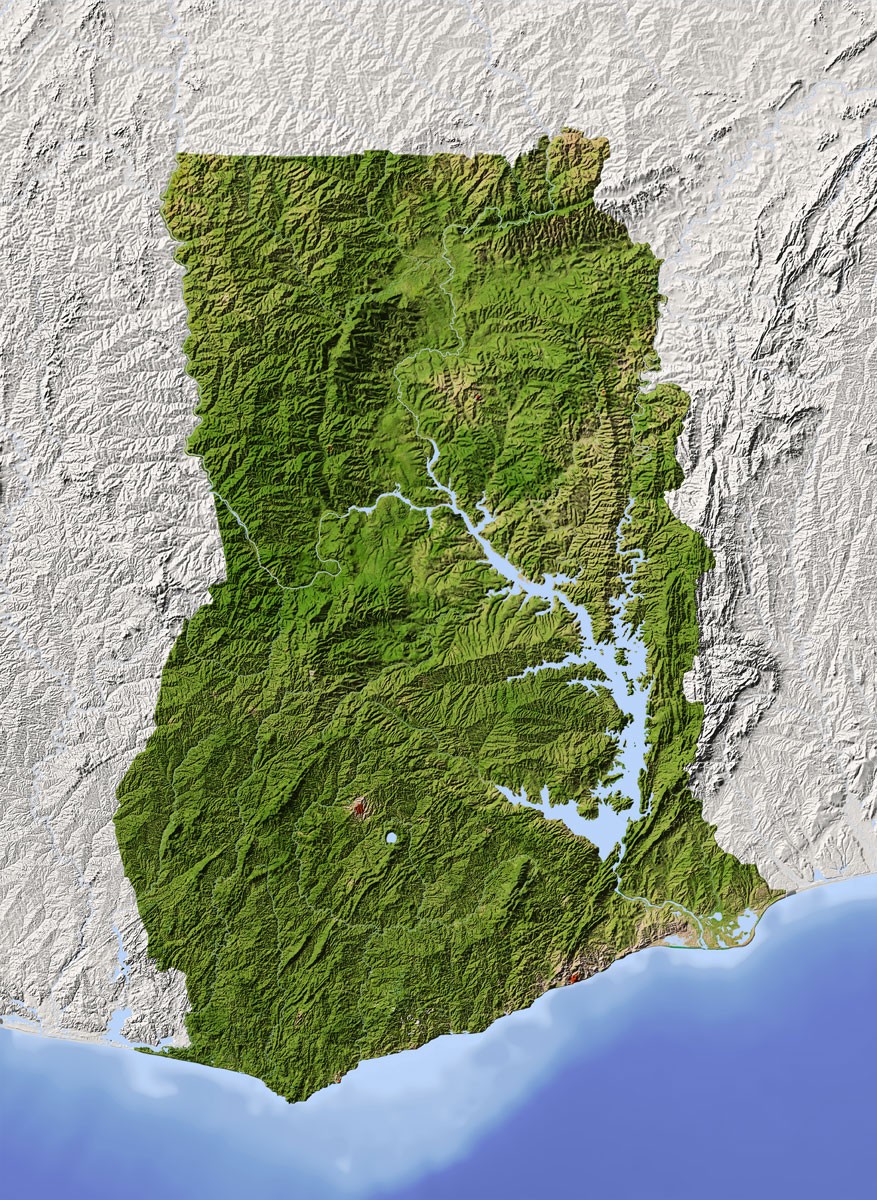
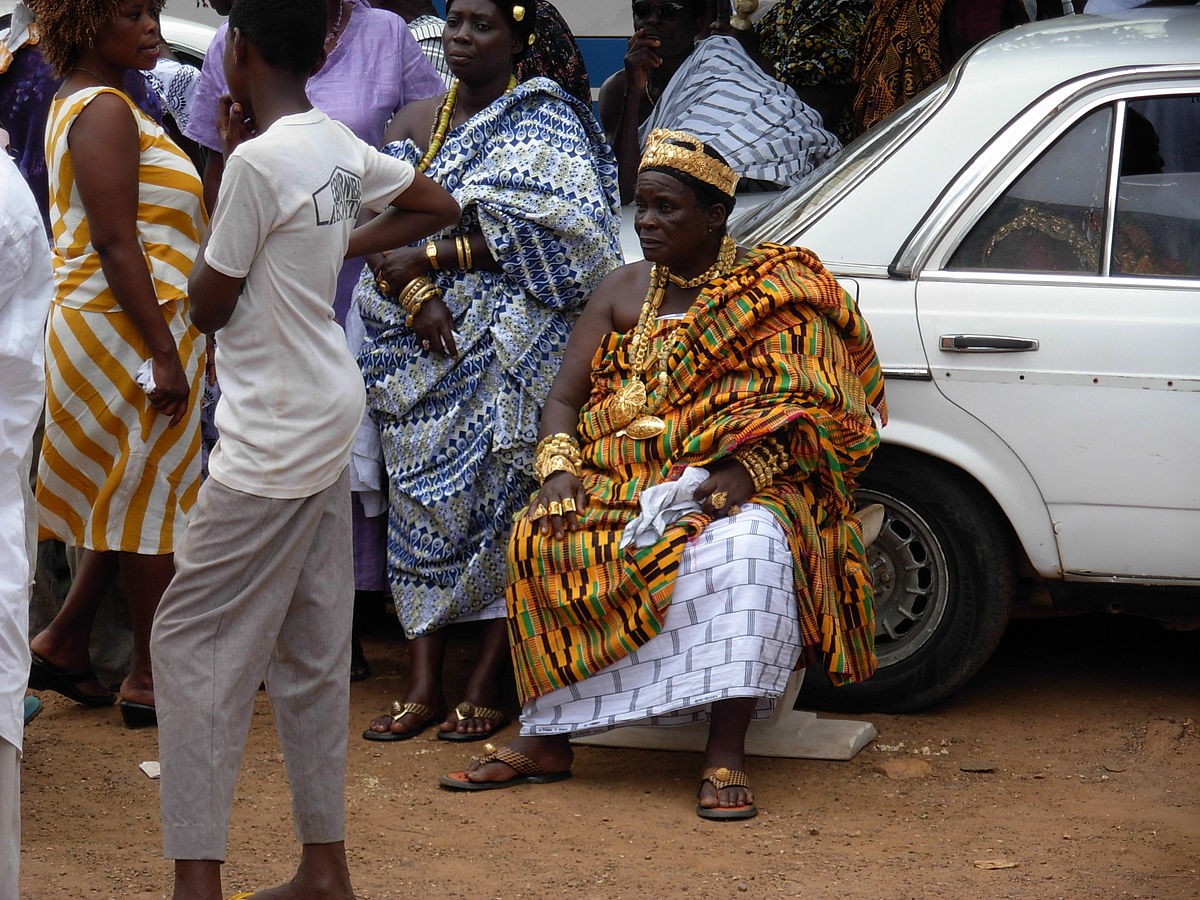
Ghana is a low-lying country situated in a part of West Africa once named the “Gold Coast” by European traders searching for gold. The north is a land of hot, grassy savanna, while rainforests dominate the south. Stretching across eastern and central Ghana is Lake Volta, by surface area the largest manmade lake in the world. Lying just to the north of the equator, much of Ghana has a tropical climate, with hot, wet weather all year round. Northern regions are drier, cooled for part of the year by a dry wind from the Sahara Desert. Today, the largest ethnic group in Ghana is the Akan peoples. In the 15th century, the Akan established a gold-trading kingdom. From the 17th century their Kingdom of Asante (also called Ashanti) was one of the region’s most powerful states.

People
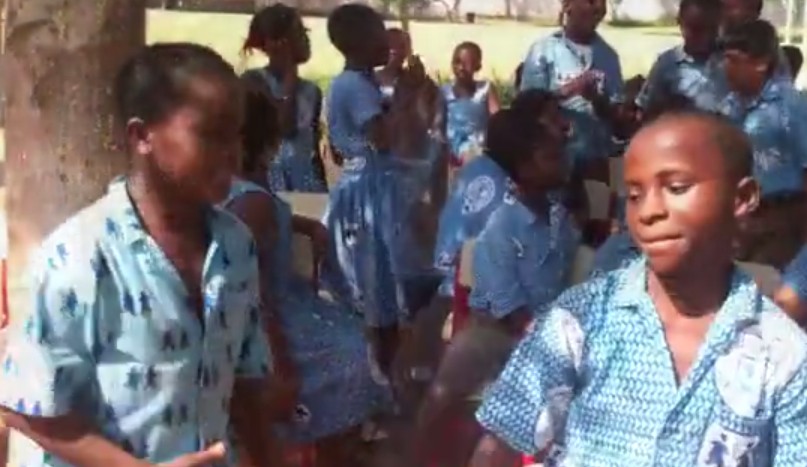
Around half of Ghanaians still live in the countryside, working as farmers and craftspeople. The other half of the nation has been drawn by the possibilities offered by the markets, factories and offices of big towns and cities. There are over 100 ethnic groups in Ghana, each with their own language and traditions. Around half of the population is Akan. The Asante, Akuapem, Akyem and Fante peoples of Ghana all belong to this ethnic group.
A growing economy

Ghana has one of the world’s fastest-growing economies and is among Africa’s wealthiest nations. The country is rich in natural resources, including minerals, precious stones and timber. Ghana is the second largest producer of gold in Africa and also has significant reserves of of diamonds, oil and natural gas. Ghana’s manufacturing industry produces goods such as cars, ships and electronics. Its growing service sector includes many information technology (for example, computing and telephones) businesses.
Agriculture is still very important to Ghana, and large areas of rainforest have been cleared to make space for farmland. Ghana is a major producer of cocoa—the main ingredient of chocolate—which it exports all over the world. Cocoa trees grow in southern Ghana’s hot, tropical forests, producing cocoa pods. Inside these pods are the cocoa beans, which are roasted and ground to make a cocoa paste.
Farmers also grow crops such as coffee, bananas, dates, figs and pineapples for export, while corn, cassava and rice are grown and traded locally. The fruits of oil palms are harvested to make palm oil.

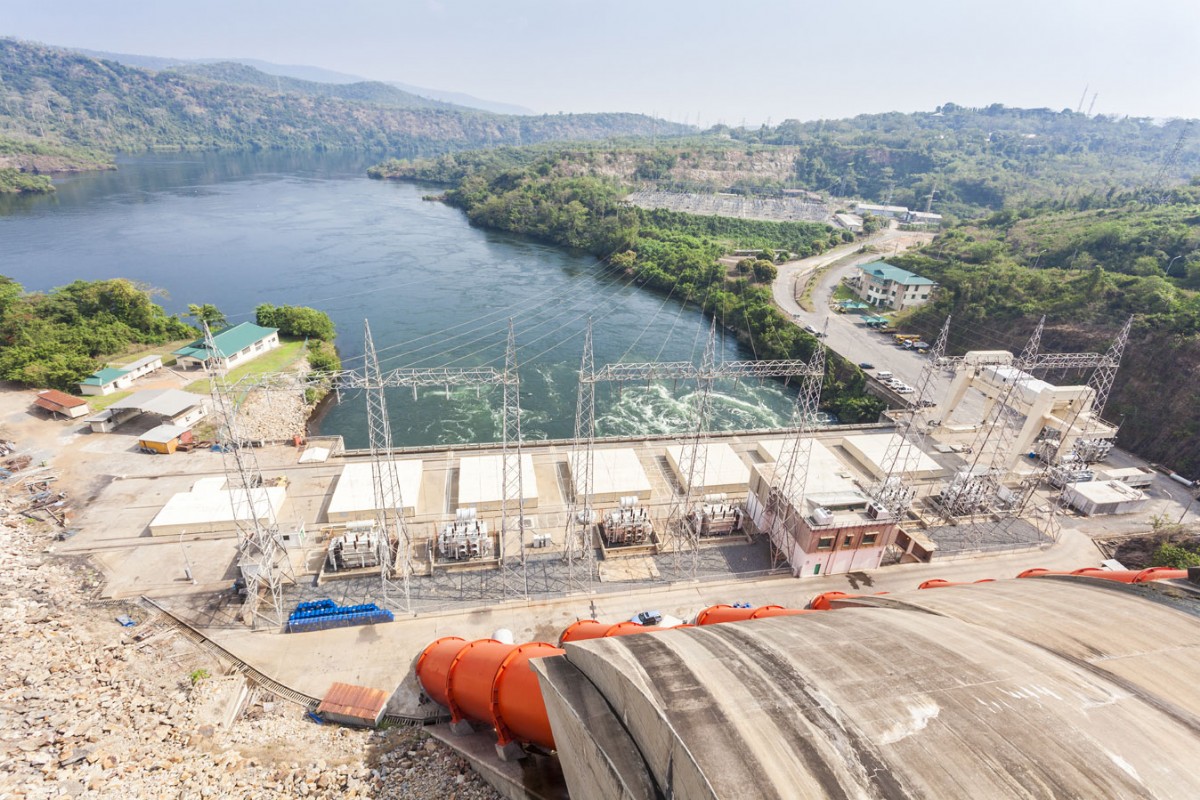
Lake Volta
With a surface area of 8502 square kilometres (3275 square miles), Lake Volta is the world’s largest reservoir by surface area. The lake was formed in 1965 by damming the White Volta and Black Volta rivers with the Akosombo Dam. This flooded a huge area of land, so around 78,000 people had to relocate their homes. A hydro-electric power station at the dam supplies much of Ghana’s electricity, and power is also exported to neighbouring countries.
Waste recycling
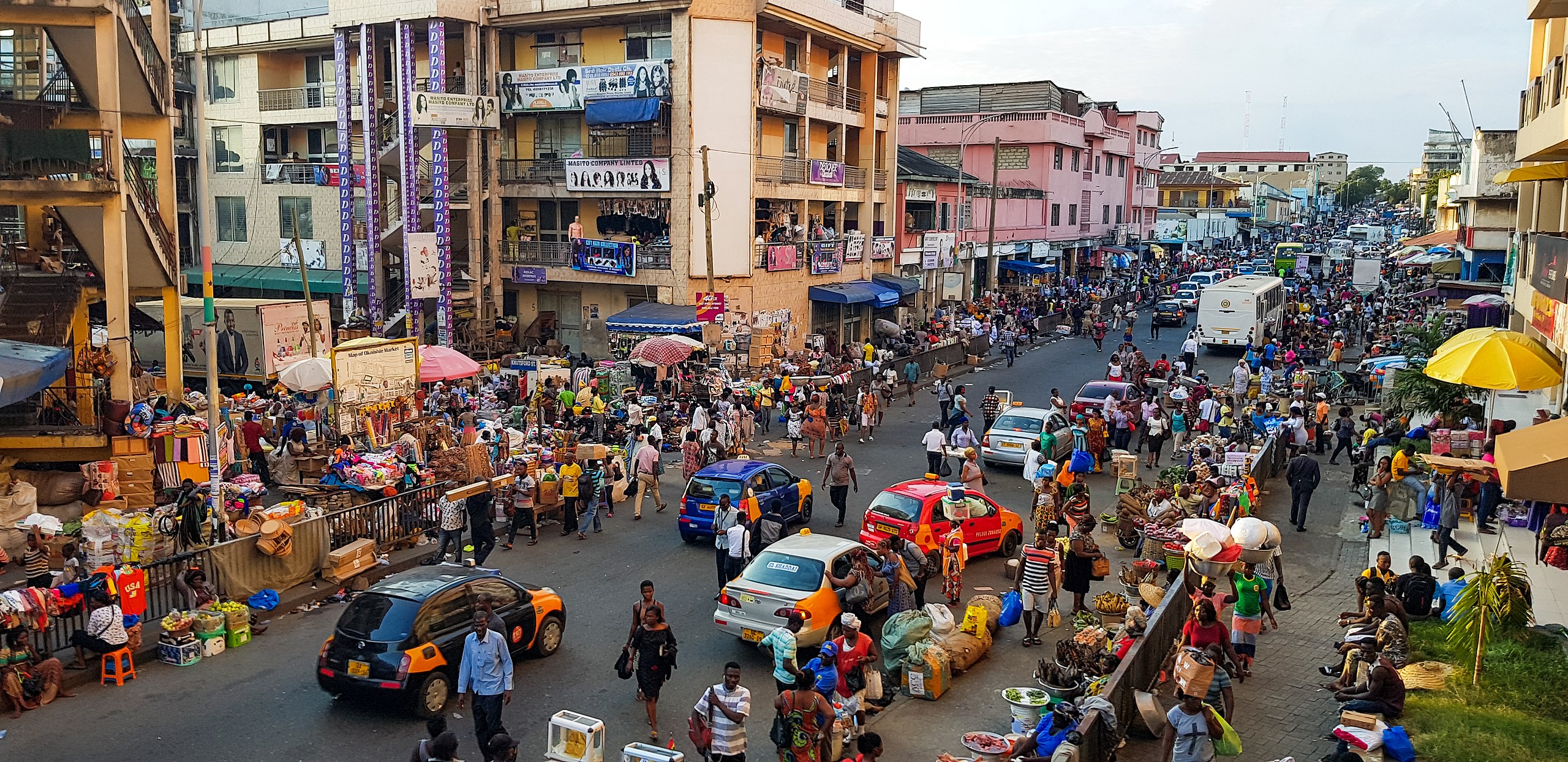
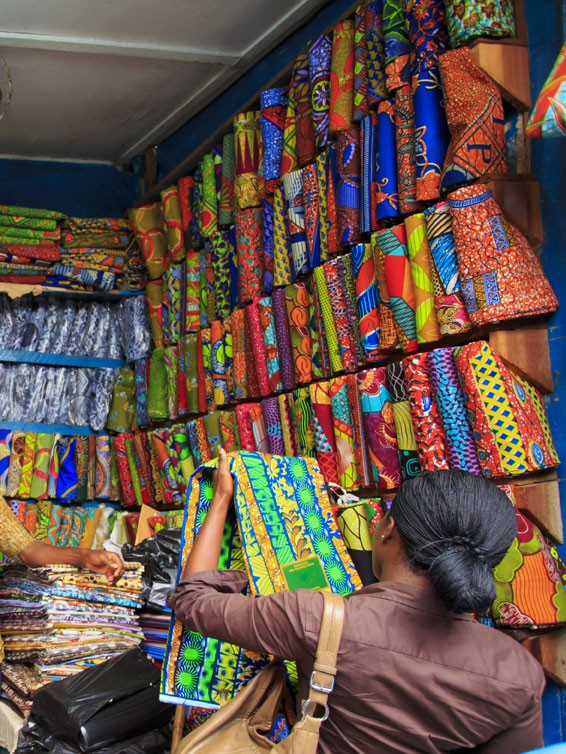
Every week, Ghana imports about 15 million items of secondhand clothing, known locally as obroni wawu or “dead white man’s clothes”. Importers sell the items—many of them cheap clothes bought and cast aside (or donated to charity shops) as fashions change—to vendors in places such as Kantamanto in Accra, one of the world’s largest secondhand clothing markets.
Kantamanto—which was devastated by a fire in December 2020, and again in January 2025—is a sprawling complex of about 30,000 stalls crammed with clothes and other goods. Some of the clothing material is recycled (cut up and sewn back together) to make skirts, tops, shorts and other garments. Many of these are then re-exported to Burkina Faso, Ivory Coast and elsewhere.

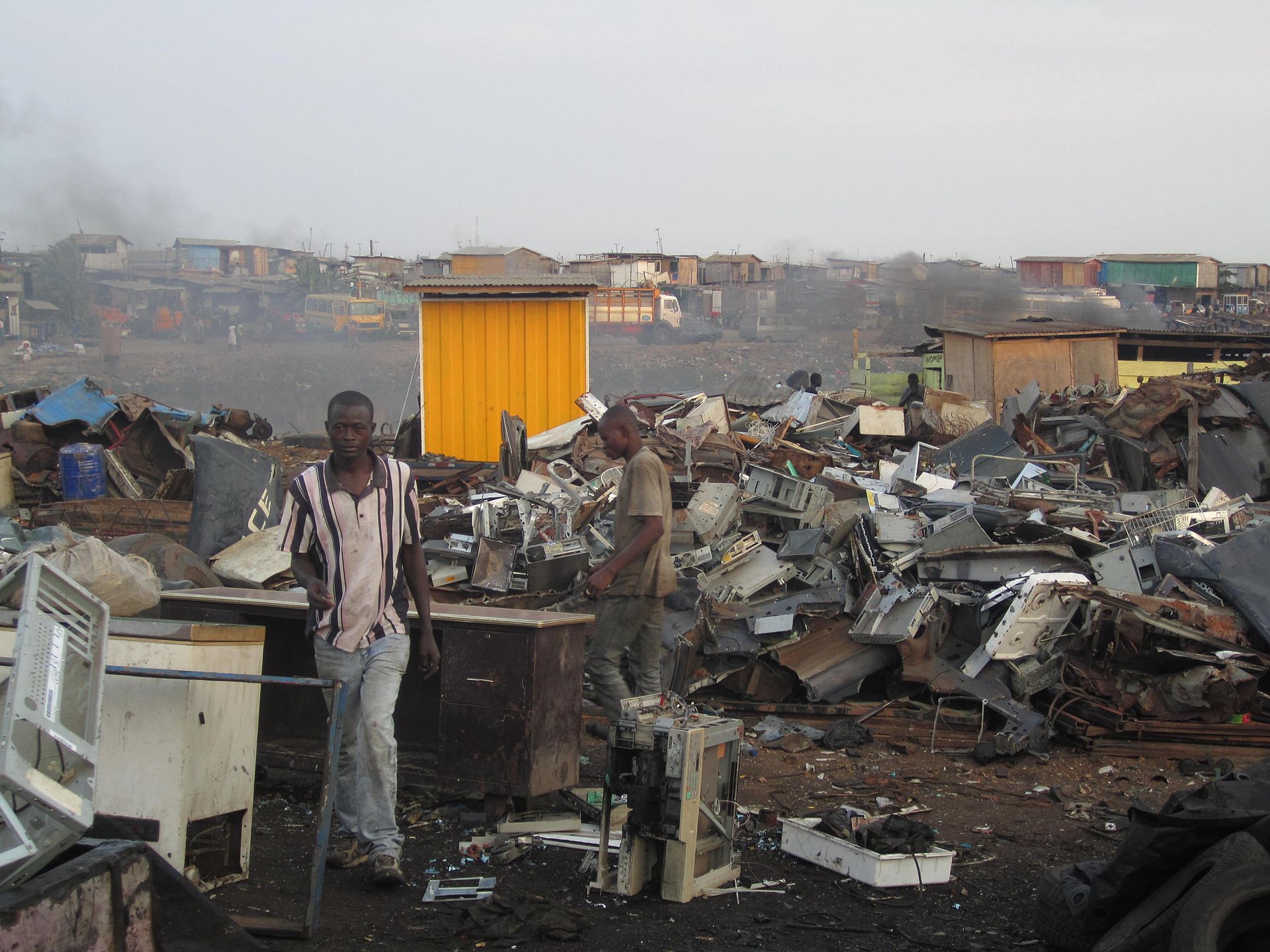
But about 40% of the clothing leaves as waste: some of it is collected, some is burned while the rest is dumped in illegal landfill sites, such as in the shantytown of Old Fadama. It lies on the shore of Korle Lagoon, one of the most polluted water bodies on Earth, from where waste is washed out to sea and on to nearby beaches.
Consultant: Nicholas Harris
Facts about Ghana
Population 34,790,487 (2025 estimate)
Area 238,537 sq km (92,100 sq miles)
Highest point Mount Afadjato 885 m (2904 ft)
Capital Accra (metro area pop. 2,721,160)
Other major cities Kumasi (3.8 million), Sekondi-Takoradi (1.9 million)
Languages English (official language), Akan languages, Dagaare, Dagbanli, Dangme, Ewe, Ga, Gonja, Kasem
Religion Christian 71%, Muslim 20%, other 9%
Ethnicity Akan 48%, Mole-Dagbon 17%, Ewe 14%, Ga-Dangme 7%, Gurma 6%, Guan 4%, Grusi 2%, Mande-Busanga 1%, other 1%
Currency Ghanaian cedi (GHS)
Chief exports Gold, crude oil, cocoa, timber, aluminium and other metals, diamonds, fruit, nuts
History of Ghana
AD 10th–12th centuries
Akan people establish settlements in what is today central Ghana.
1471
The Portuguese arrive on the West African coast. Trading with Europe begins and Portuguese traders are soon followed by Dutch, Swedish and Danish traders searching for gold.
1482
Elmina Castle, the first European trading post built on the Gulf of Guinea, is erected by the Portuguese
1612
Dutch settle the Gold Coast, building Fort Nassau near Moree; they later (1637) capture Elmina Castle from the Portuguese. The Dutch West India Company will operate a slave trade with their colonies in the West indies until the early 19th century
1701
The Akans found the Asante Empire (also known as Ashanti). It becomes one of the most powerful states in sub-Saharan Africa, trading gold and slaves in exchange for European goods.
1823–31
First Anglo-Asante War. By the peace treaty, the Asante are forced to accept British-gained territory south of the River Pra
1863–64
Second Anglo-Asante War, ending with a withdrawal of British troops
1872
Britain expand their territory when they purchase the Dutch Gold Coast, including Elmina Castle
1873–74
Third Anglo-Ashanti War; British sack the Asante capital, Kumasi
1874
The Gold Coast (the southern part of what is today Ghana) becomes a colony of the British Empire
1895–96
Fourth Anglo-Asante War; the Asante king is banished to the Seychelles and Asante territory becomes a British protectorate in 1897
1900
Asante Uprising: rebels attack British after they conduct a search for the Golden Stool, sacred to the Asante, but they are defeated. The Asante territories become part of the British Gold Coast Colony in 1902, on condition that the Golden Stool is not to be violated by British or other non-Akan foreigners
1901
Northern Territories of the Gold Coast (north of the Asante Colony) become a British Protectorate
1947
The United Gold Coast Convention, led by Kwame Nkrumah, calls for self-government and independence for Ghana.
1952
Kwame Nkrumah becomes Prime Minister of Ghana as head of the Convention People’s Party (CPP).
1957
Independence from Britain: the former territories of Gold Coast and British Togoland are united to form the country now known as Ghana.
1964
Ghana becomes a one-party state, with Nkrumah as president for life. Nkrumah is deposed by the army in 1966
1981
Jerry Rawlings becomes Ghana’s new leader and promises to end corruption in the country.
1992
A new constitution is adopted, with new laws for Ghana and a multi-party democracy. Elections now involve several political parties.
1994–95
In the north, conflicts over land ownership between the Konkomba and Nanumba kill over 1000 people and make thousands more homeless.
2007
A major new oilfield is discovered off the coast of Ghana.
2021
Green Ghana Day (11th June) is established with the aim of planting five million trees in an effort to preserve the country's rainforest
pics
Without in any way limiting Q-files Ltd’s exclusive rights under copyright, any use of this publication to “train” generative artificial intelligence (AI) technologies to generate text is expressly prohibited. Q-files Ltd reserves all rights to license use of this work for generative AI training and development of machine learning language models.