
Africa

CITE
We have made every effort to follow citation style rules, but there may be some minor differences. If in doubt, please refer to the appropriate citation style manual.
Gabon. (2026). In Q-files Encyclopedia, Geography, Africa. Retrieved from
https://www.q-files.com/geography/africa/gabon
"Gabon." Geography, Africa, Q-files Encyclopedia, 30 Mar. 2026.
https://www.q-files.com/geography/africa/gabon.
Accessed 22 Sep. 2026.
Gabon 2026. Geography, Africa. Retrieved 22 September 2026, from
https://www.q-files.com/geography/africa/gabon
Geography, Africa, s.v. "Gabon," accessed September 22, 2026.
https://www.q-files.com/geography/africa/gabon


Gabon
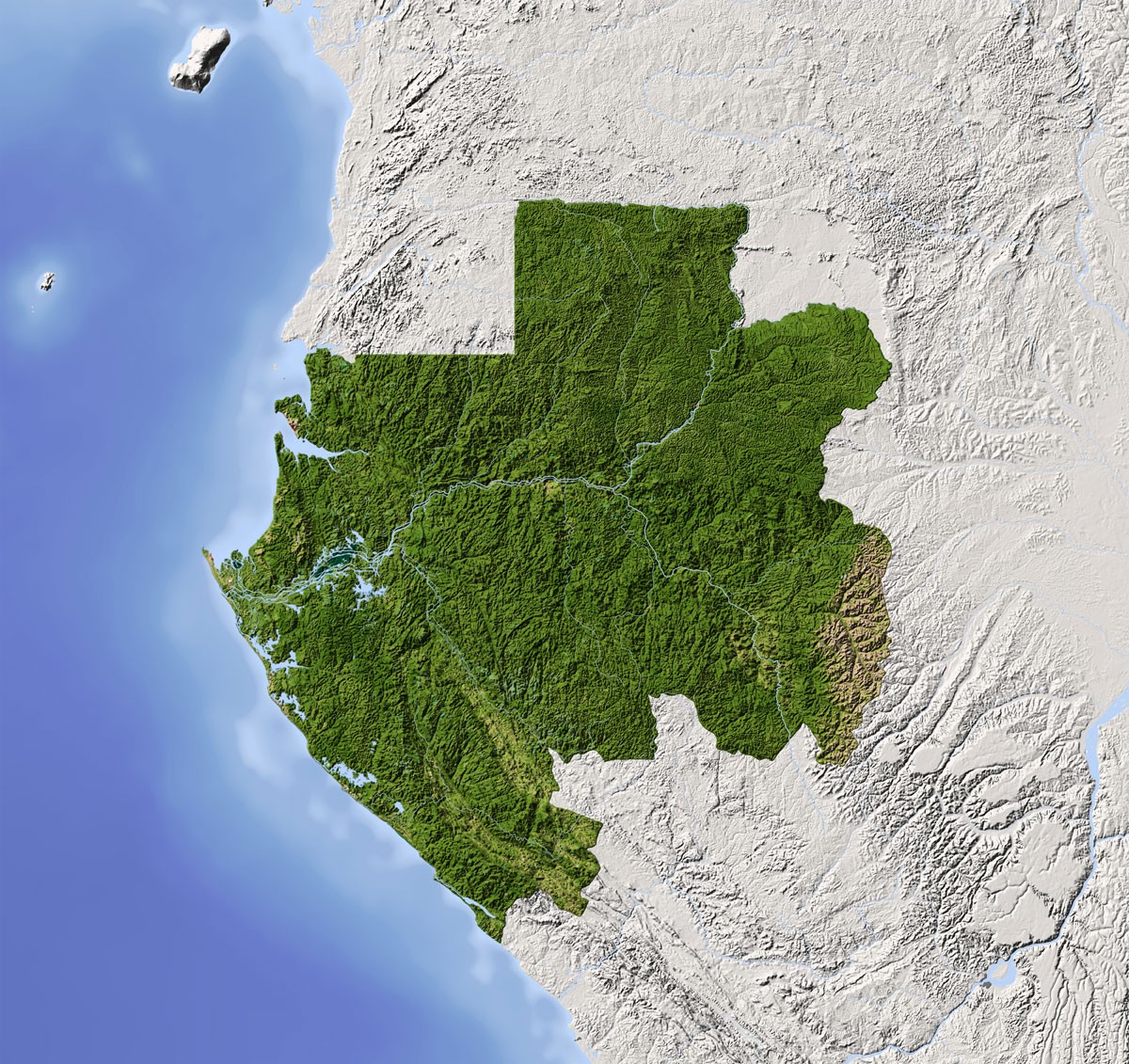
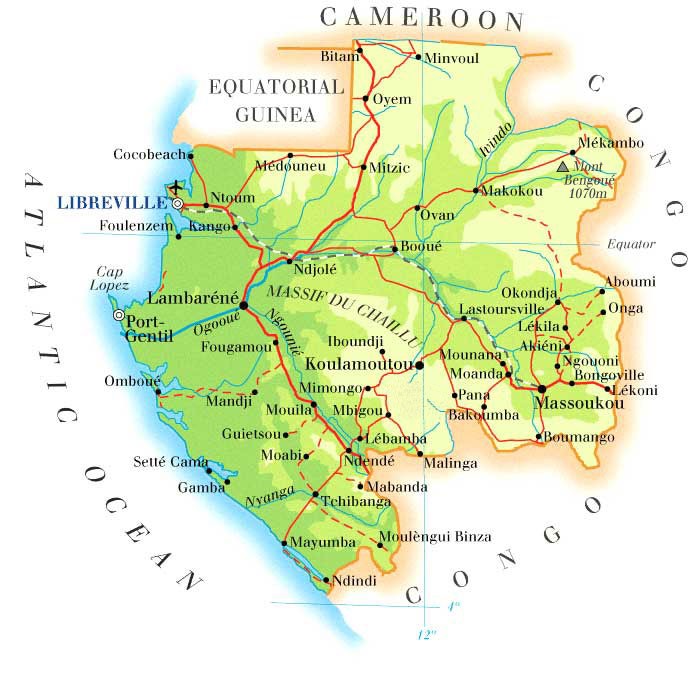
Gabon lies across the Equator on the west coast of Central Africa. In the west, a belt of hot, humid rainforest stretches all the way to the Atlantic coast. Lining the shore are mangrove forests, river estuaries and lagoons. Their warm waters are feeding grounds for hippopotamus, crocodiles and manatees. Inland, forested hills and mountains rise in the centre of the country, with savanna plains plains to the east. Gabon has a hot, tropical climate: although it is wet all year round, an especially rainy season falls between September and May.

People
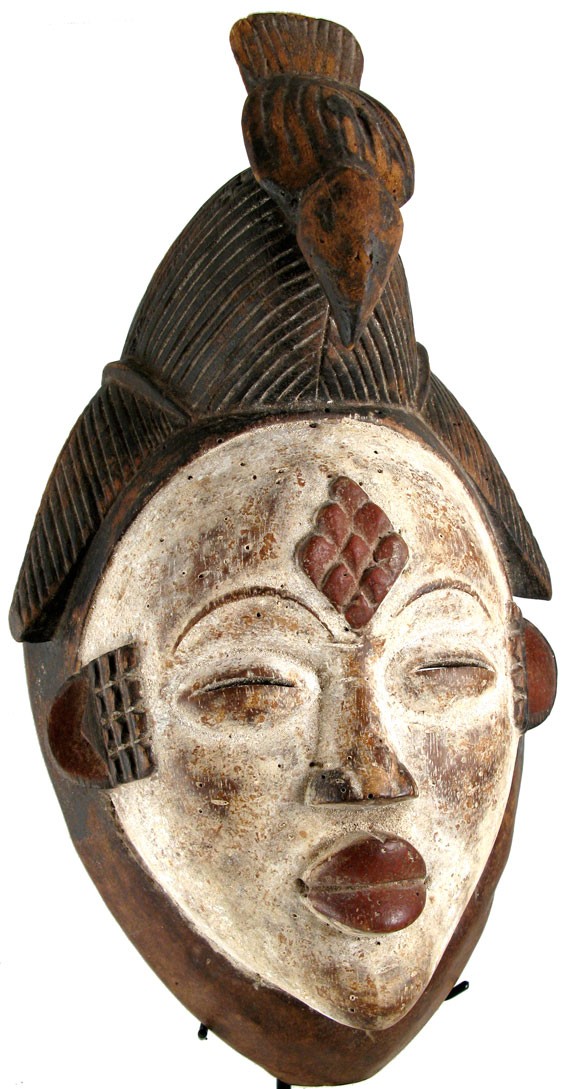
Most Gabonese are Bantu, whose ancestors first arrived in the region 700 years ago. Today the largest groups are the Fang and the Nzebi. Gabon’s different peoples live side-by-side all over the country. Although they speak several different languages, including Fang and Nzebi, most people can also speak some French, the country’s official language. The Gabonese government has used the wealth from oil to build new schools, and Gabonese people have better access to healthcare and education than in neighbouring countries.

Oil and tourism
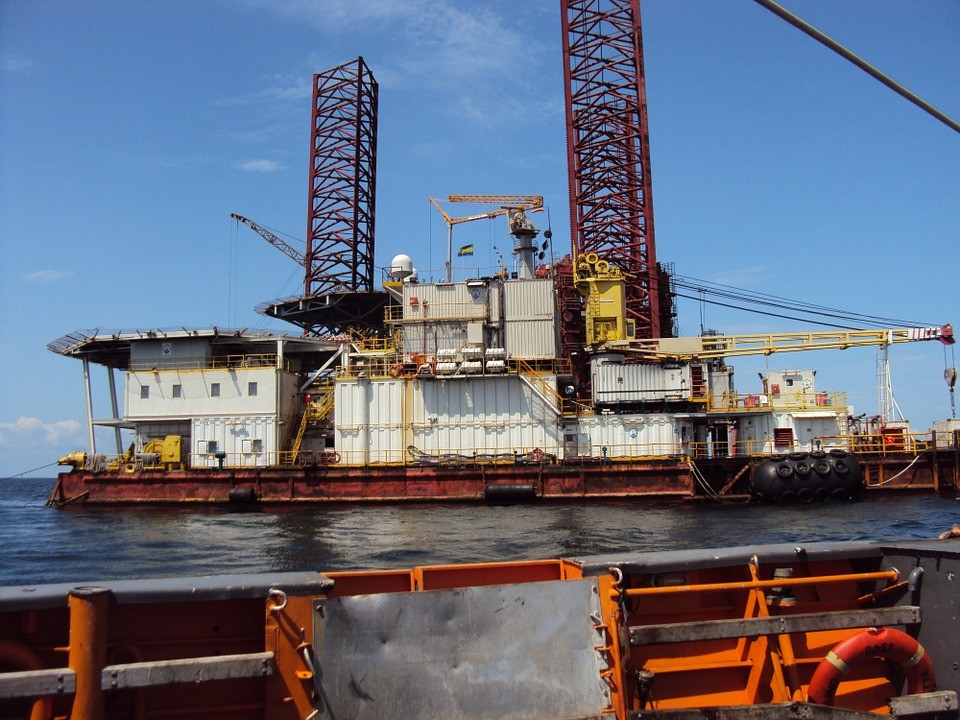
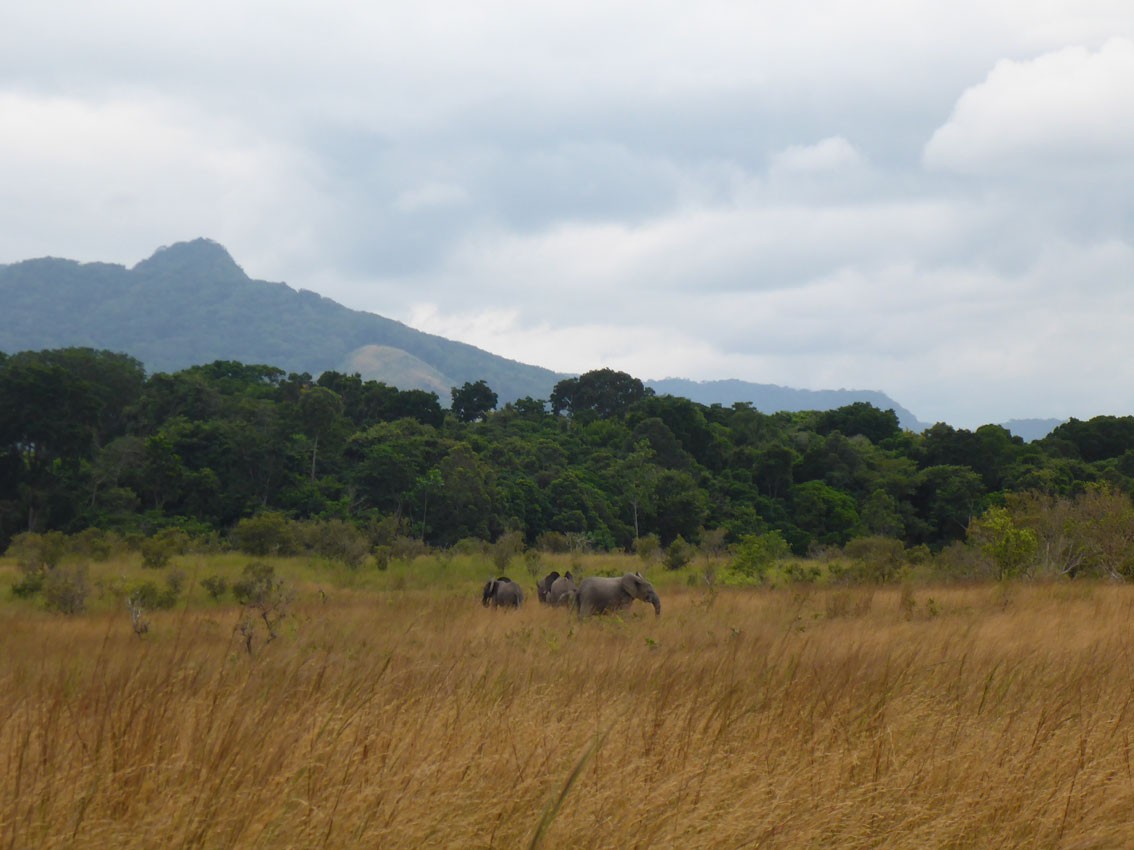
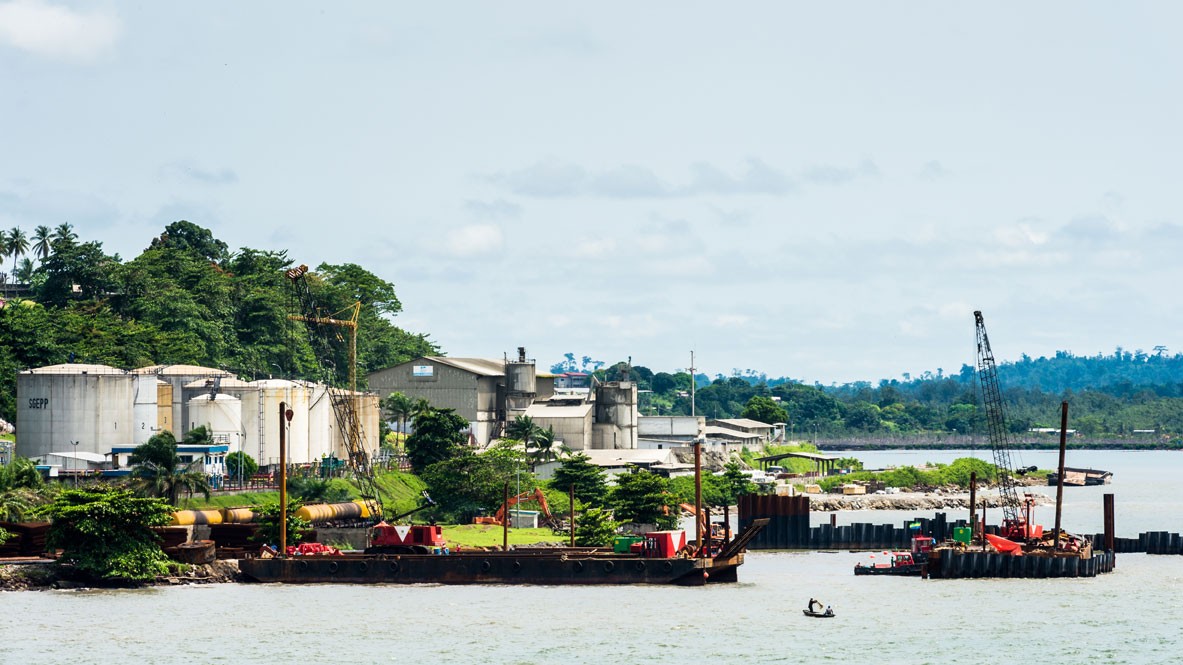
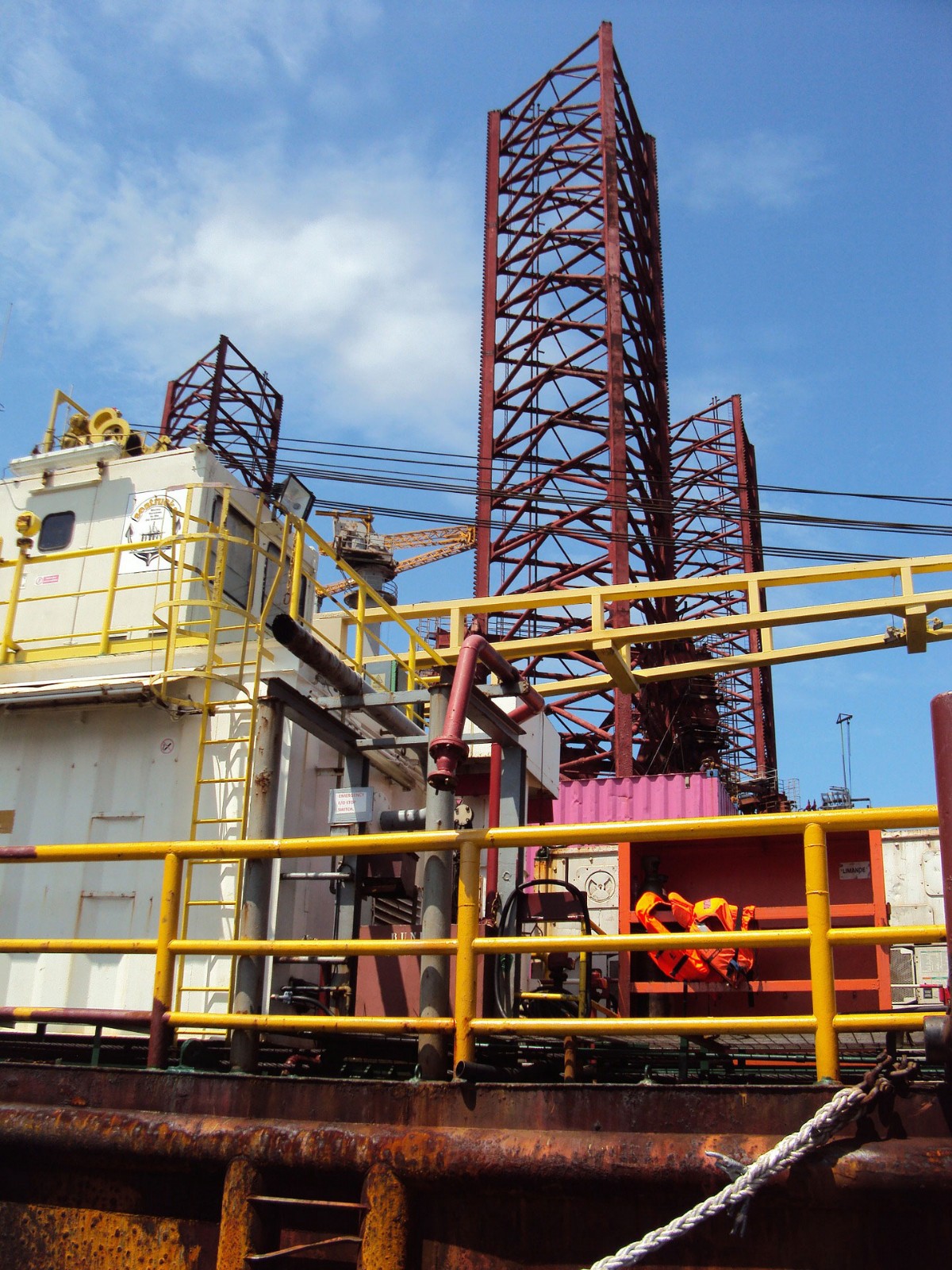
Oil is very important to Gabon’s economy. Substantial reserves were discovered offshore in the 1970s, making the country wealthier than many of its neighbours. Today, these oil reserves are decreasing, although oil still accounts for more than 80% of the country's export revenues. To try and reduce its dependency on oil, Gabon is developing other industries, such as eco-tourism (sustainable “green” tourism). The government created 13 new national parks in 2002, covering 10% of the country's total area, to protect its wildlife and attract visitors.
Farming
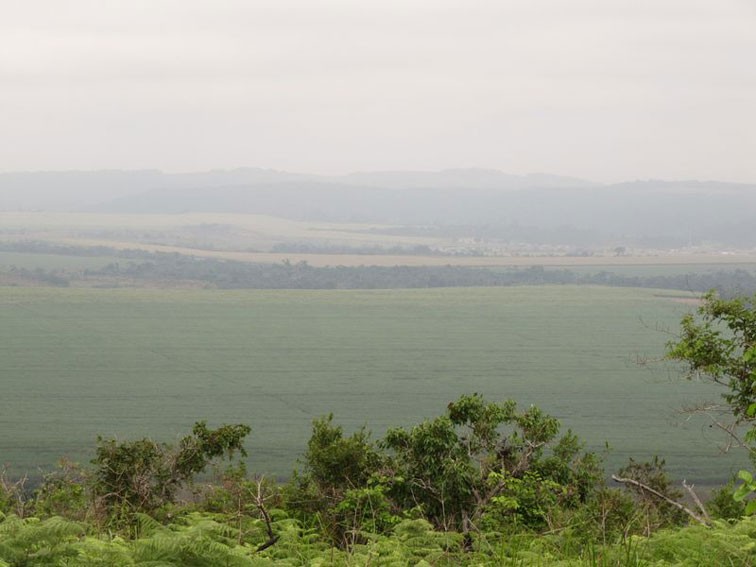
Most Gabonese, especially those in the countryside, are still quite poor. Many work as farmers, growing cassava and corn for their families or cocoa and sugar cane for export. Some of Gabon's rainforest is now being cleared to make way for palm oil plantations. Along the coast, fishermen catch tuna and sardines; some of the catch is taken to the cities to be sold or canned.
Consultant: Nicholas Harris
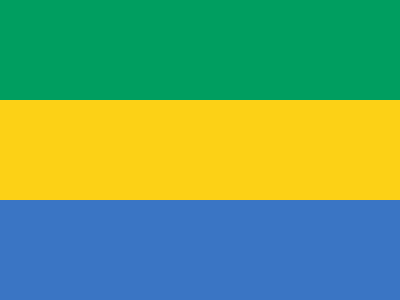
Facts about Gabon
Population 2,437,000 (2023 estimate)
Area 257,667 sq km
Highest point Mont Bengoué 1070 m (3510 ft)
Capital Libreville, metro area pop. 857,000
Other major cities Port-Gentil (Mandji) pop. 109,000
Languages French, Fang, other Bantu languages inc. Myene and Nzebi
Religions Christian 75%, animist and others 25%
Ethnicity Bantu African (inc. Fang, Bapounou, Nzebi, Obamba), small numbers of French
Currency Central African CFA franc
Chief exports crude oil, timber, manganese (a metal used in the production of steel, magnets and glass), uranium
History of Gabon
7000 BC
Babinga (Pygmy) people settle in the region
14th century
Bantu peoples, including the Mpongwe, arrive in the region
1470
Portuguese explorers and traders active on the Gabonese coast
16th century
English, French and Dutch traders set up slave-trading posts along the coast
1839
French sign an agreement with the local Mpongwe people and the coast becomes a French protectorate
1849
French Navy frees slaves aboard an illegal slave ship; the freed slaves found the city of Libreville (French for “free town”)
1910
Gabon becomes part of French Equatorial Africa, a union of all France’s territories in Central Africa
1958
Gabon’s people vote for it to become an autonomous republic (with more independence) within France
1960
Gabon becomes completely independent from France
1961
Leon M’ba is elected president
1964
The military remove M’ba from power but French troops help to re-establish his government
1967
Albert Bongo becomes president
1973
Bongo converts to Islam and changes his first name to “Omar”
1991
New multi-party system of politics is introduced
1993
Omar Bongo is re-elected (and again in 1998)
2003
A new law is introduced allowing Bongo to run for president as many times as he wants
2005
Supporters of the opposition party protest in the capital at Bongo's re-election
2009
President Bongo dies and his son, Ali Bongo, wins the presidential elections
2012
Gabon and Equatorial Guinea jointly host Africa’s biggest football tournament, the Africa Cup of Nations
2021
Gabon becomes the first country to receive payments from the Central African Forest Initiative (CAFI), a UN scheme set up to reward countries in the Congo Basin rainforest for reducing deforestation, for its success in protecting its forests.
2022
Gabon joins the Commonwealth
2023
(August) President Ali Bongo, widely reviled for enriching himself and his friends with Gabon's oil wealth, is deposed in a military coup shortly after being declared the winner in a general election. The coup brings an end to the 56-year-long rule of the Bongo family.
pics

Without in any way limiting Q-files Ltd’s exclusive rights under copyright, any use of this publication to “train” generative artificial intelligence (AI) technologies to generate text is expressly prohibited. Q-files Ltd reserves all rights to license use of this work for generative AI training and development of machine learning language models.