
Africa

CITE
We have made every effort to follow citation style rules, but there may be some minor differences. If in doubt, please refer to the appropriate citation style manual.
Rwanda. (2026). In Q-files Encyclopedia, Geography, Africa. Retrieved from
https://www.q-files.com/geography/africa/rwanda
"Rwanda." Geography, Africa, Q-files Encyclopedia, 30 Mar. 2026.
https://www.q-files.com/geography/africa/rwanda.
Accessed 6 Aug. 2026.
Rwanda 2026. Geography, Africa. Retrieved 6 August 2026, from
https://www.q-files.com/geography/africa/rwanda
Geography, Africa, s.v. "Rwanda," accessed August 6, 2026.
https://www.q-files.com/geography/africa/rwanda


Rwanda
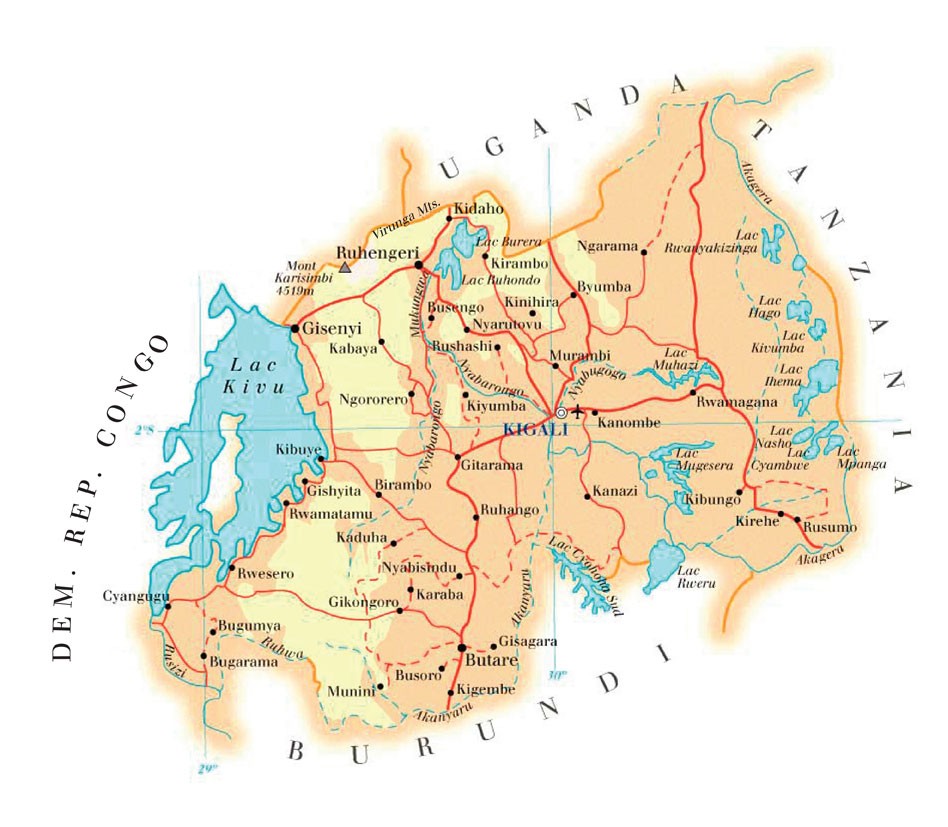
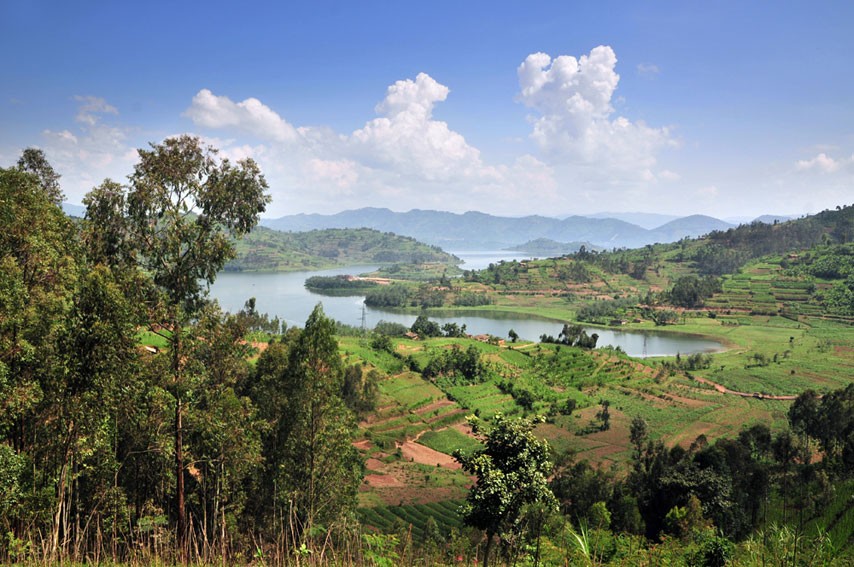
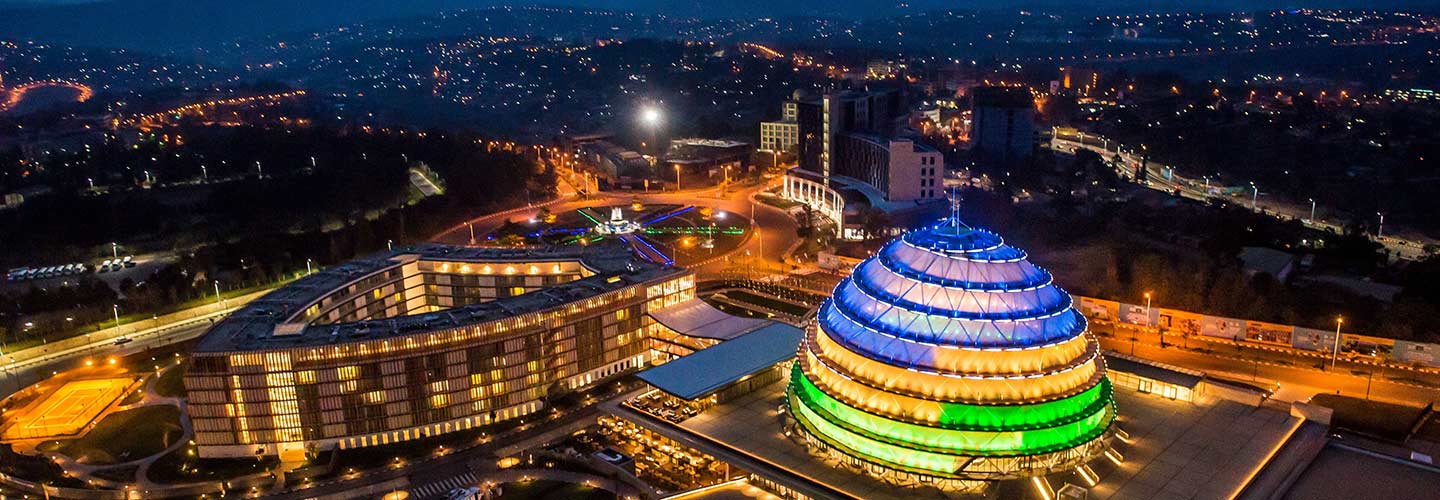
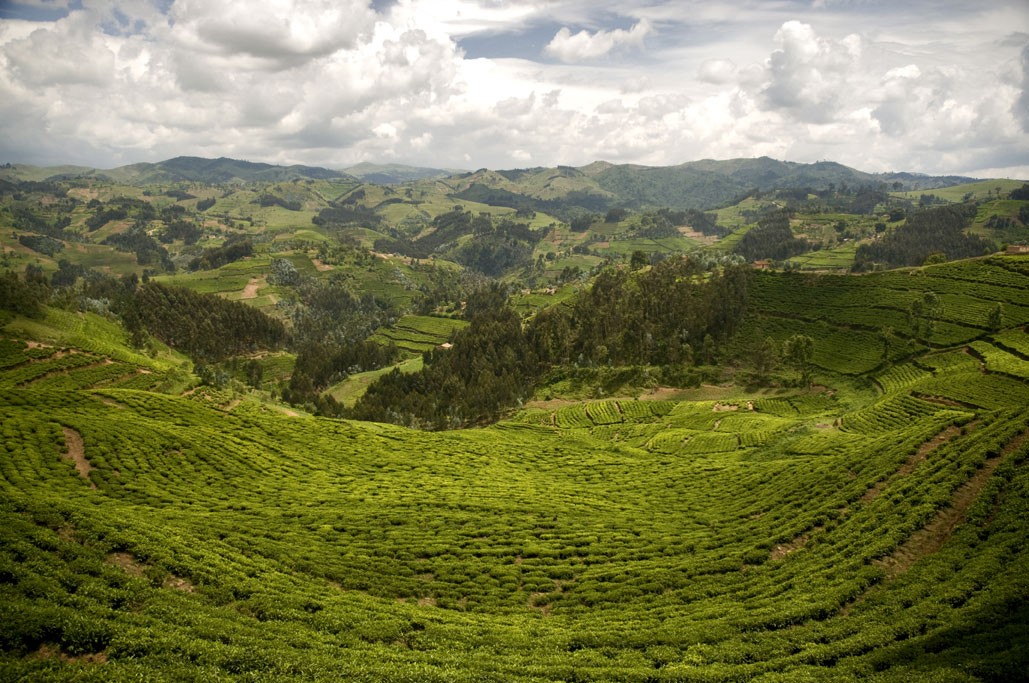
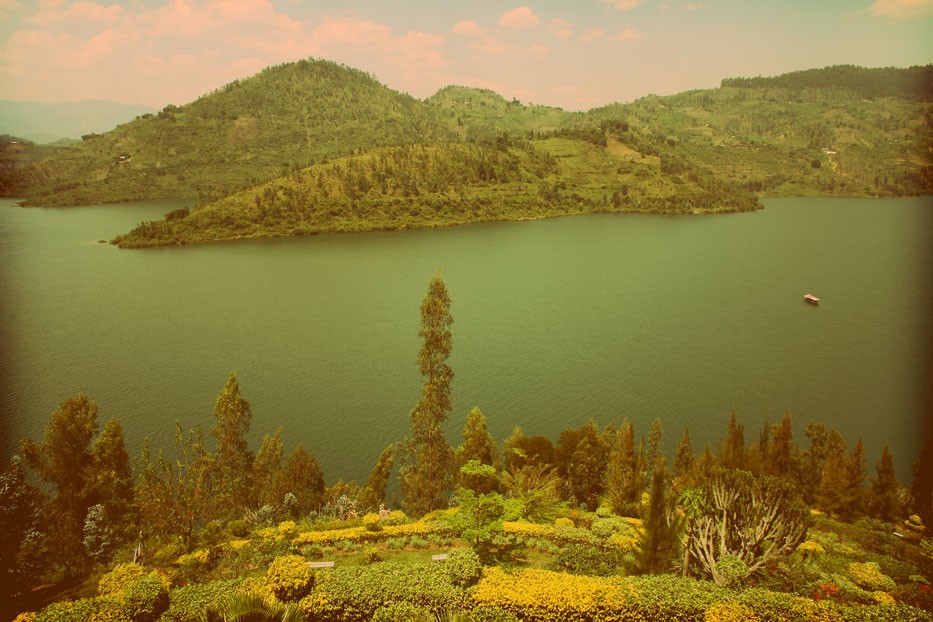
Rwanda lies in the Great Lakes region of East Africa. It shares Lake Kivu, on its western border, with the Democratic Republic of the Congo. Volcanic mountains, part of the Virunga chain, rise in northern Rwanda. Their lower slopes are covered by forests. Further east, the land levels out to a rolling, hilly plateau covered by savanna. Lying just south of the Equator, Rwanda has a warm, tropical climate, but its high elevation means that it is cooler than other equatorial countries. It has two seasons: rainy and dry. The mountainous west is cooler and often wetter than the rest of the country. Fighting between Hutu and Tutsi peoples during the civil war in the 1990s, which caused much loss of life and poverty, damaged Rwanda's economy. It has strengthened since then, partly due to a growth in tourism.

People
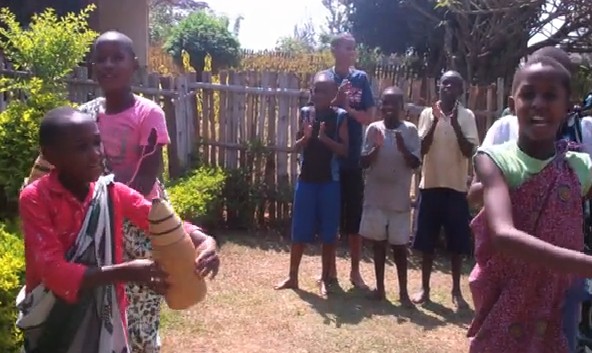
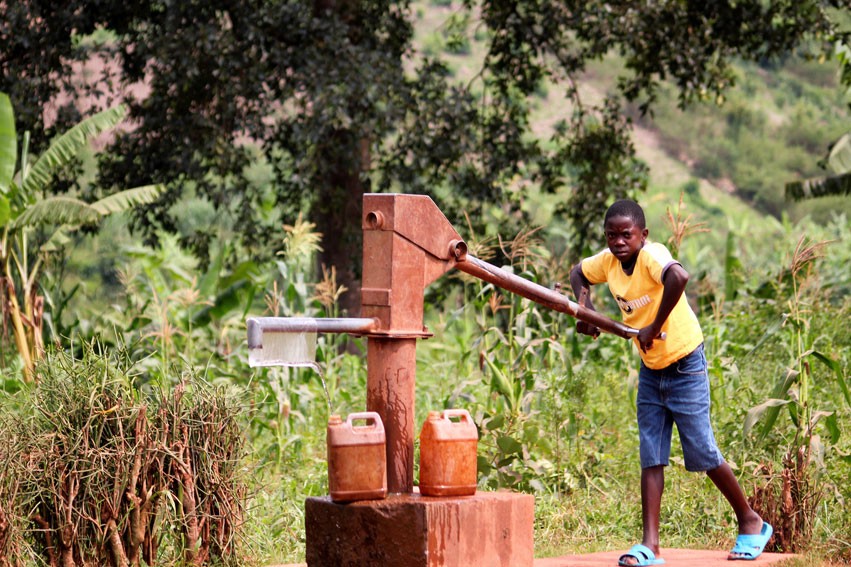
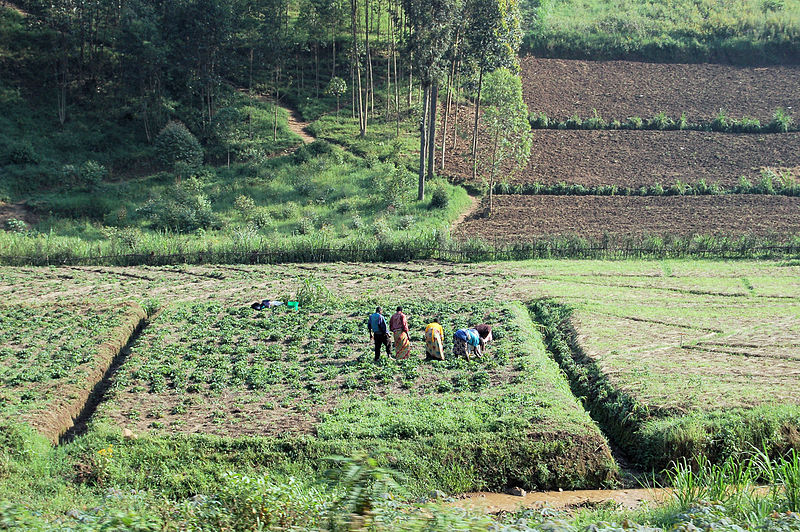
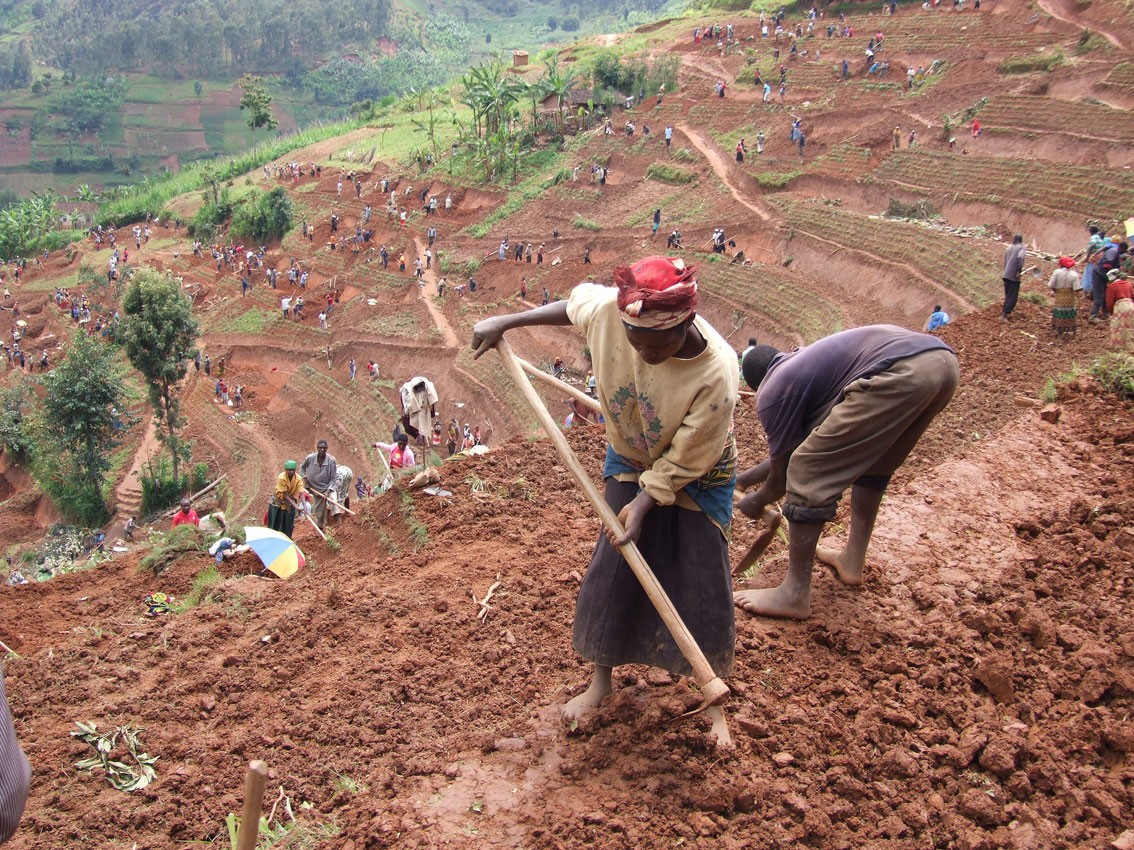
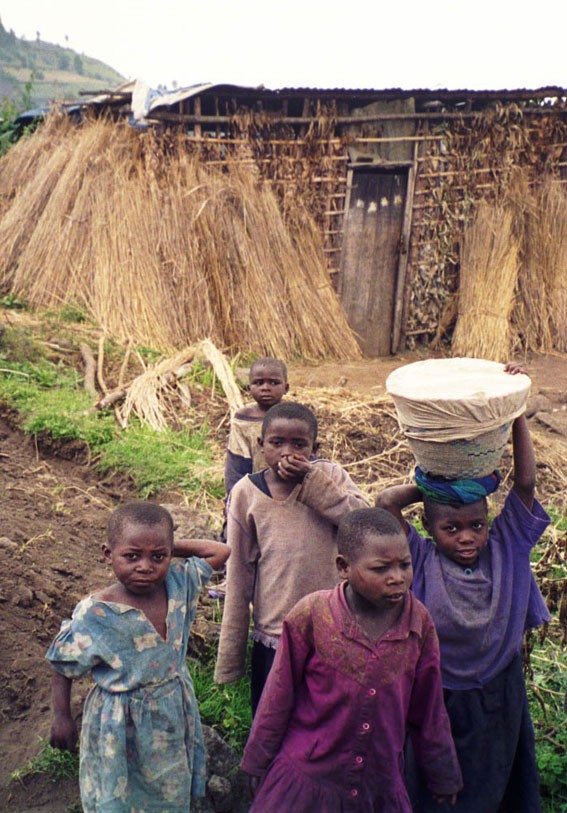
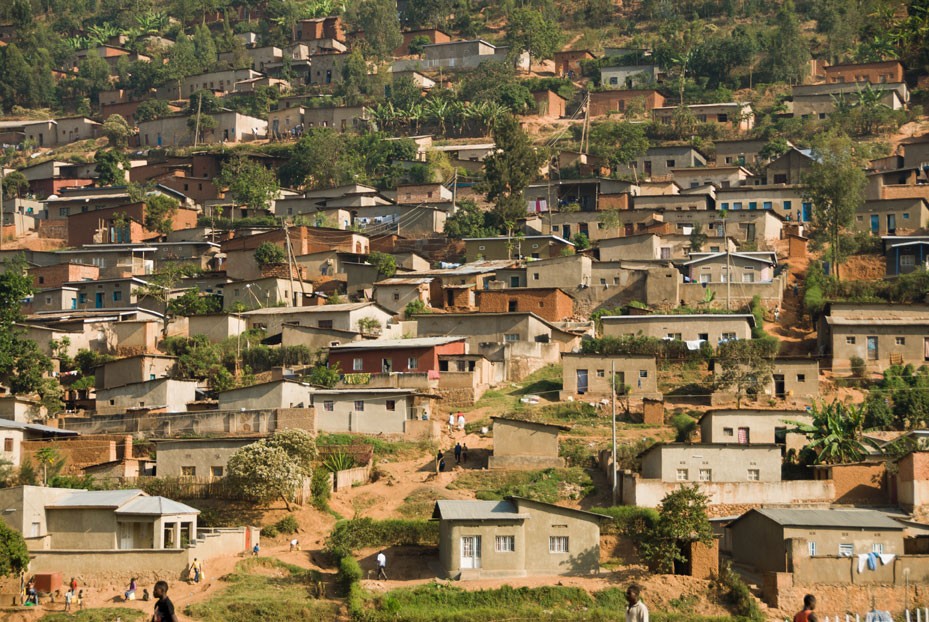
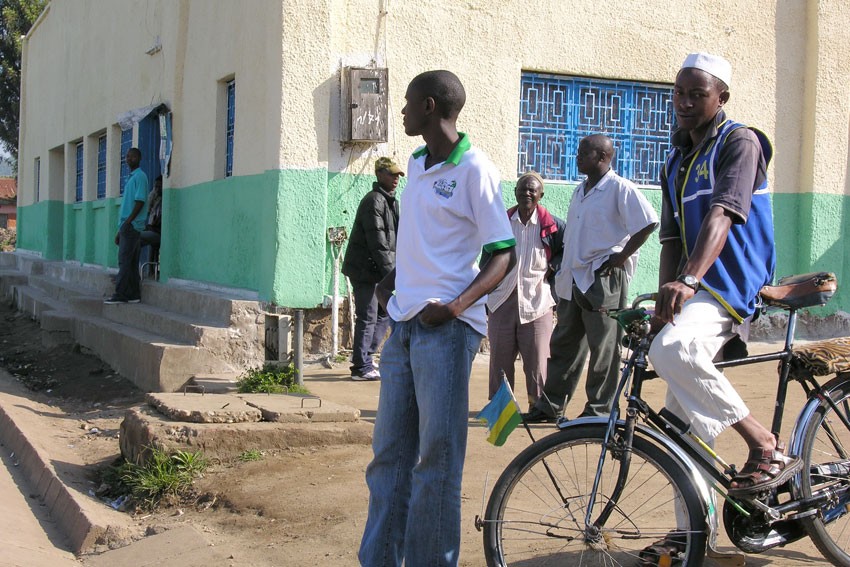
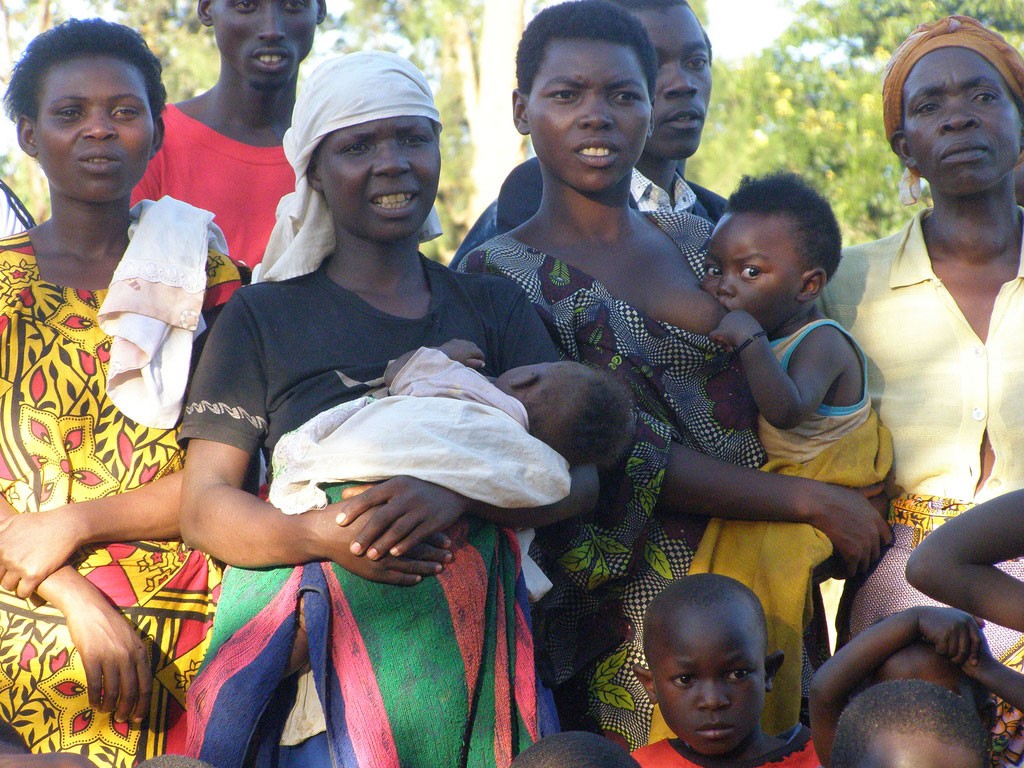
Rwanda is one of Africa’s smallest countries, but over 13 million people live there, making it one of the most densely populated. Most people live in the countryside and work as farmers. There are two main ethnic groups in Rwanda: the Hutu, who make up nearly 85% of the population, and the Tutsi. For centuries, relations between the Hutu and Tutsi have been simmering. In 1994, 800,000 Tutsi (and some Hutu) were killed in a brutal genocide (the mass murder of an entire people). Today Rwanda is a mostly peaceful country but tensions still remain between its people.
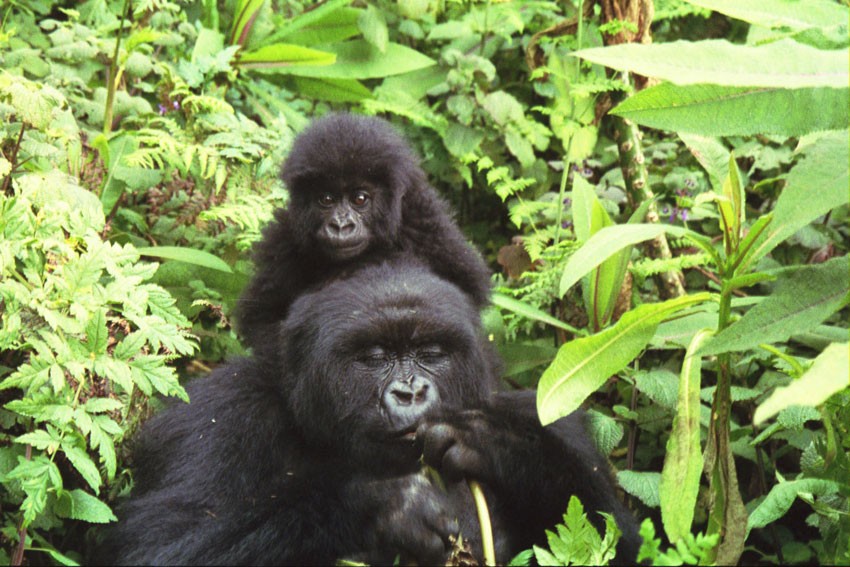
Decades of war and unrest have severely damaged Rwanda’s economy. Today, it is slowly recovering. In recent years, a large part of its foreign income has come from tourism, with thousands of visitors coming to see the rare mountain gorilla that lives only in the Virunga Mountains and the Bwindi Impenetrable National Park in Uganda.
Consultant: Nicholas Harris
Facts about Rwanda
Population 13,623,302 (2024 estimate)
Area 24,668 sq km
Highest point Mont Karisimbi 4519 m (14,826 ft)
Capital Kigali, population 1,745,555
Other major cities Gisenyi (pop. 270,000), Ruhengeri (135,000), Muhanga (previously Gitarama 85,000), Butare (75,000),
Languages Kinyarwanda, English, Swahili, French
Religions Christian (Roman Catholic) 50%, Christian (Protestant) 39%, other Christian 5%, Muslim 2%, others and none 4%
Ethnicity Hutu 84%, Tutsi 15%, Twa 1%
Currency Rwandan franc (RWF)
Chief exports gold, refined oil, coffee, tea, tin ore
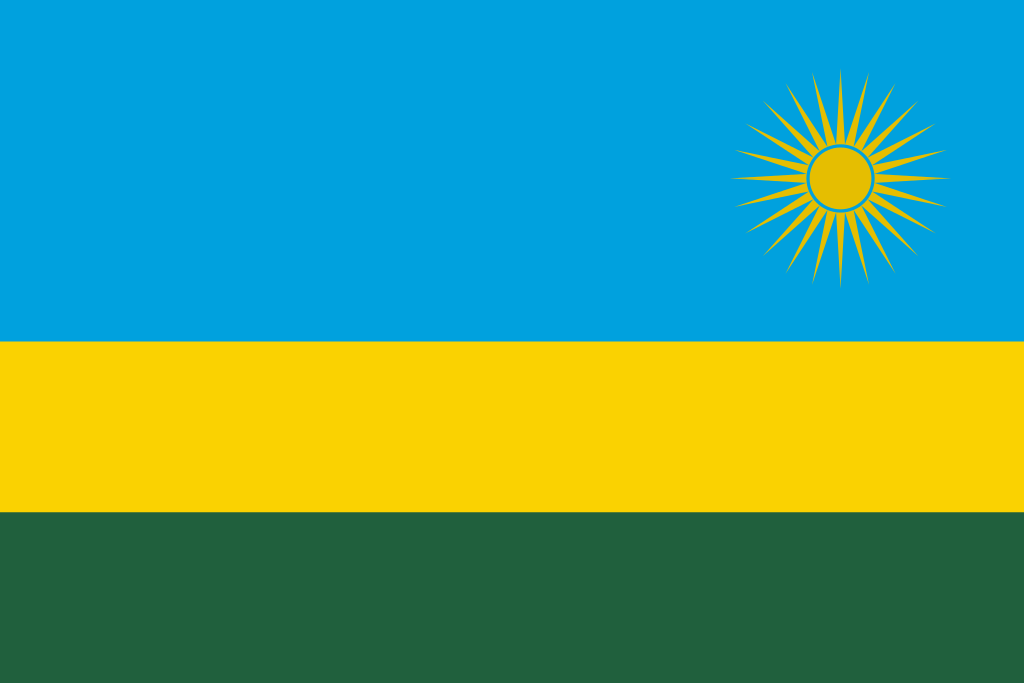
History of Rwanda
2000 BC
Hunter-gathering peoples, ancestors of the Twa, settle in the region
700 BC
Bantu peoples begin to arrive and settle in the area, pushing the Twa northwards into the mountains
600 BC–1400 AD
Bantu peoples (including Tutsi and Hutu) and Twa form mixed groups called clans
1400–1700
Clans begin to grow into larger kingdoms
1750s
Tutsi-ruled Kingdom of Rwanda becomes the most powerful in the region
1853–95
Tutsi King Kigeri Rwabugiri expands the Kingdom of Rwanda to include surrounding smaller kingdoms, creating a unified state
1884
The Kingdom of Rwanda becomes part of German East Africa
1894
German explorer Gustav Adolf von Götzen travels through the Kingdom
1916
Belgian troops occupy Rwanda and neighbouring Burundi during World War I
1923
Belgium takes official control of Ruanda-Urundi, as the territory is officially named (in 1924), and rules it indirectly (through Tutsi kings)
1957
First Hutu political parties are formed
1959
Violence breaks out between Tutsis and Hutus: Hutu activists kill thousands of Tutsis and force them into exile in Uganda
1961
Ruanda ends its monarchy and becomes the Republic of Rwanda
1962
Rwanda becomes independent: its new president, Gregoire Kayibanda, is a Hutu
1973
President Kayibanda’s government is overthrown in a military coup
1978
Military leader Habyarimana is elected president
1988
50,000 Hutu refugees arrive in Rwanda fleeing ethnic violence in Burundi
1990–93
Civil war breaks out as a rebel group, the Rwandan Patriotic Front (RPF) invades northern Rwanda from Uganda
1994
Habyarimana and the president of Burundi are killed when their plane is shot down. This sparks a major outbreak of violence known as the Rwandan Genocide: around 800,000 Tutsis, along with some Hutu supporters, (some 10% of the entire population) are killed by Hutu extremists in 100 days. Around one million people flee the country
1997–98
Rwandan troops fight in the civil war in neighbouring Democratic Republic of the Congo
2001
New members are elected to “gacaca” courts; ordinary Rwandans are to serve as judges on cases related to the 1994 genocide
2001
Rwanda creates a new flag and national anthem
2003–07
60,000 prisoners suspected of involvement in the 1994 genocide are released because of overcrowding in Rwandan prisons
2008
Rwanda joins the East African Community and English replaces French as the language of education
2011
Poverty rate stands at 45%. It has decreased from 57% in 2006
2012
Rwanda shuts down “gacaca” courts because they do not meet international legal standards
2017
First elected in 2008, Paul Kagame is re-elected president for a third term
2023
(May) Flooding and landslides following heavy rains kill at least 135 people in Rutsiro, Nyabihu, Rubavu and Ngororero. More than 4100 livestock also perish. Bridges, roads and more than 5000 homes are destroyed.
pics

Without in any way limiting Q-files Ltd’s exclusive rights under copyright, any use of this publication to “train” generative artificial intelligence (AI) technologies to generate text is expressly prohibited. Q-files Ltd reserves all rights to license use of this work for generative AI training and development of machine learning language models.