
Africa

CITE
We have made every effort to follow citation style rules, but there may be some minor differences. If in doubt, please refer to the appropriate citation style manual.
Burkina Faso. (2026). In Q-files Encyclopedia, Geography, Africa. Retrieved from
https://www.q-files.com/geography/africa/burkina-faso
"Burkina Faso." Geography, Africa, Q-files Encyclopedia, 30 Mar. 2026.
https://www.q-files.com/geography/africa/burkina-faso.
Accessed 22 Sep. 2026.
Burkina Faso 2026. Geography, Africa. Retrieved 22 September 2026, from
https://www.q-files.com/geography/africa/burkina-faso
Geography, Africa, s.v. "Burkina Faso," accessed September 22, 2026.
https://www.q-files.com/geography/africa/burkina-faso


Burkina Faso
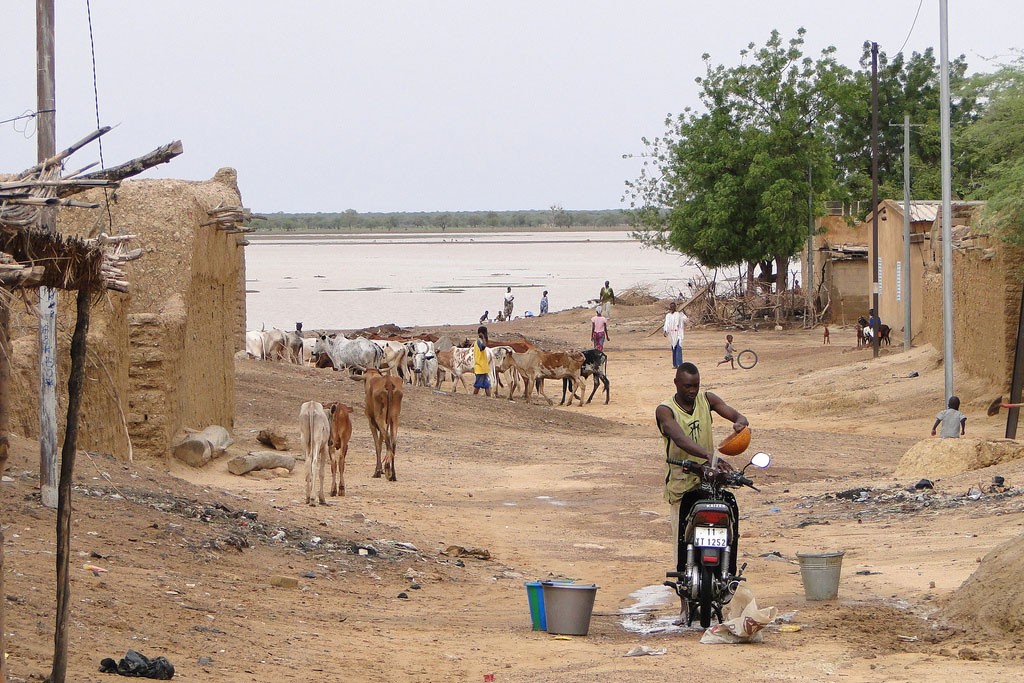
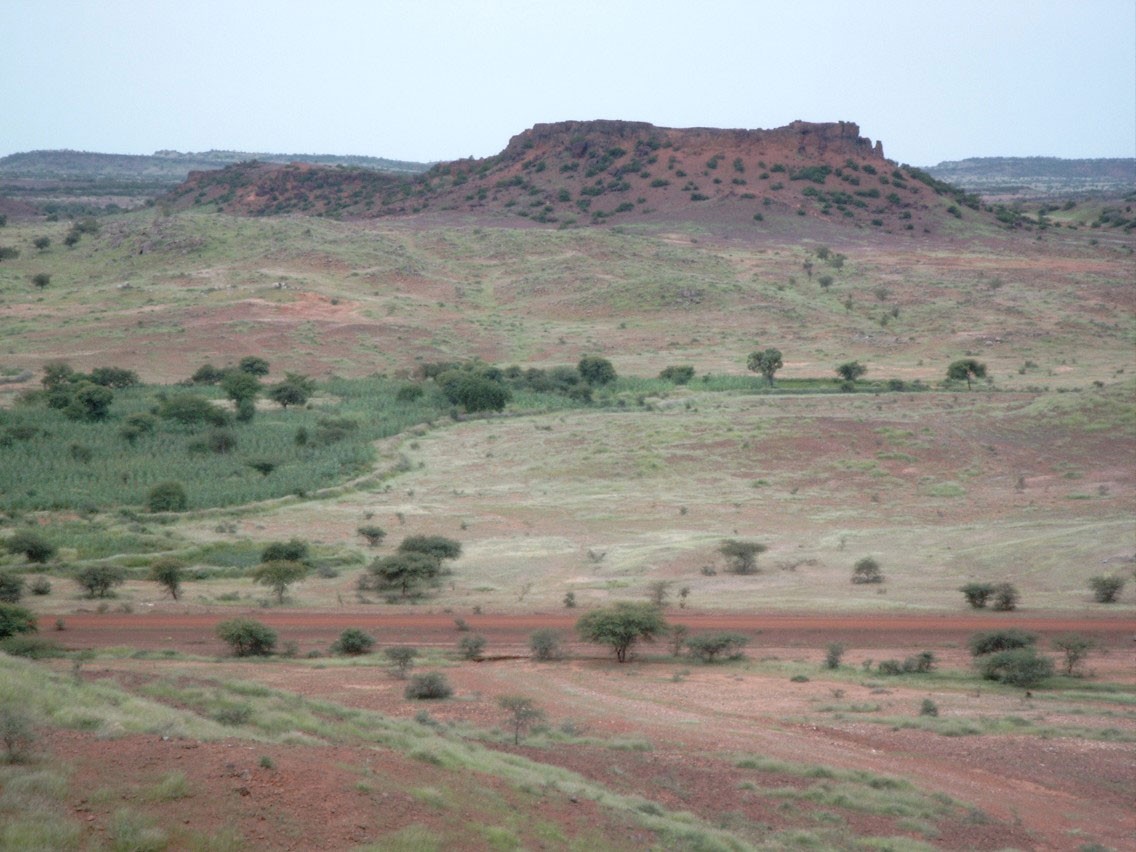
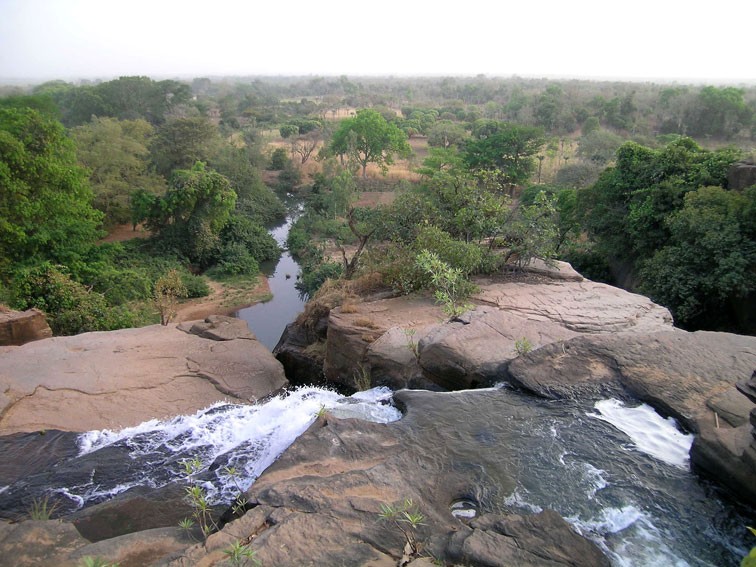
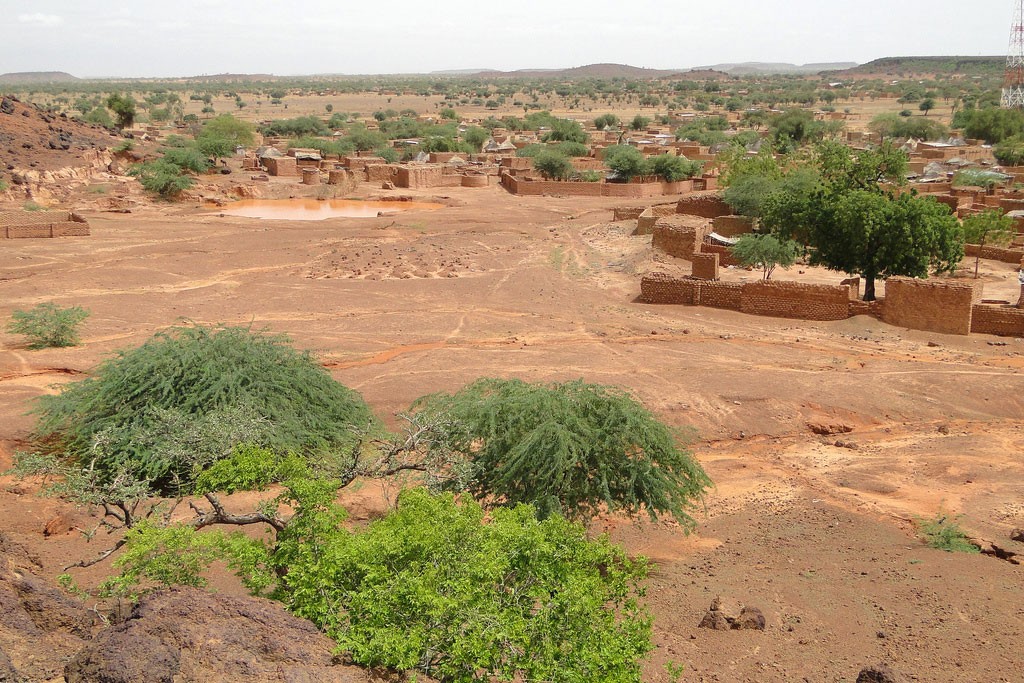
The south of Burkina Faso is a green, savanna plain scattered with forests and mango trees. In the southwest, the land rises to low hills. To the north, the land becomes drier: known as the Sahel, this dusty, semi-desert region merges into the Sahara Desert. Three rivers, the Black Volta (Mouhoun), the Red Volta (Nazinon) and the White Volta (Nakanbe), flow across the country on their way to join the main River Volta in Ghana. Burkina Faso has a hot, tropical climate, with a rainy season between June and October. Before it became independent from France in 1984, the country was known as Upper Volta. Its modern name, Burkina Faso, means “Land of Honest People”.


People
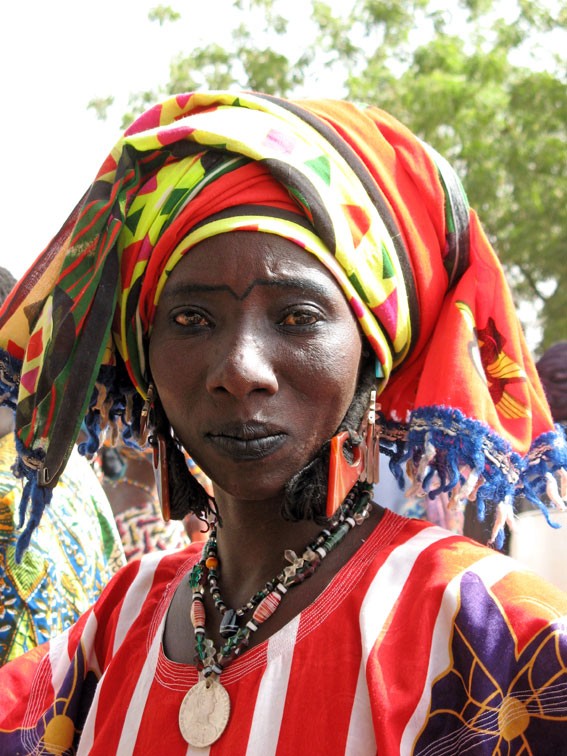
People from Burkina Faso are called Burkinabes. The largest ethnic group, the Mossi, make up half of the population and mainly live in the north. Other groups include the Bobo, in the southwest, and the Gourma in the east. Although the official language is French, people also speak the language of their ethnic group, such as Moré, spoken by the Mossi.
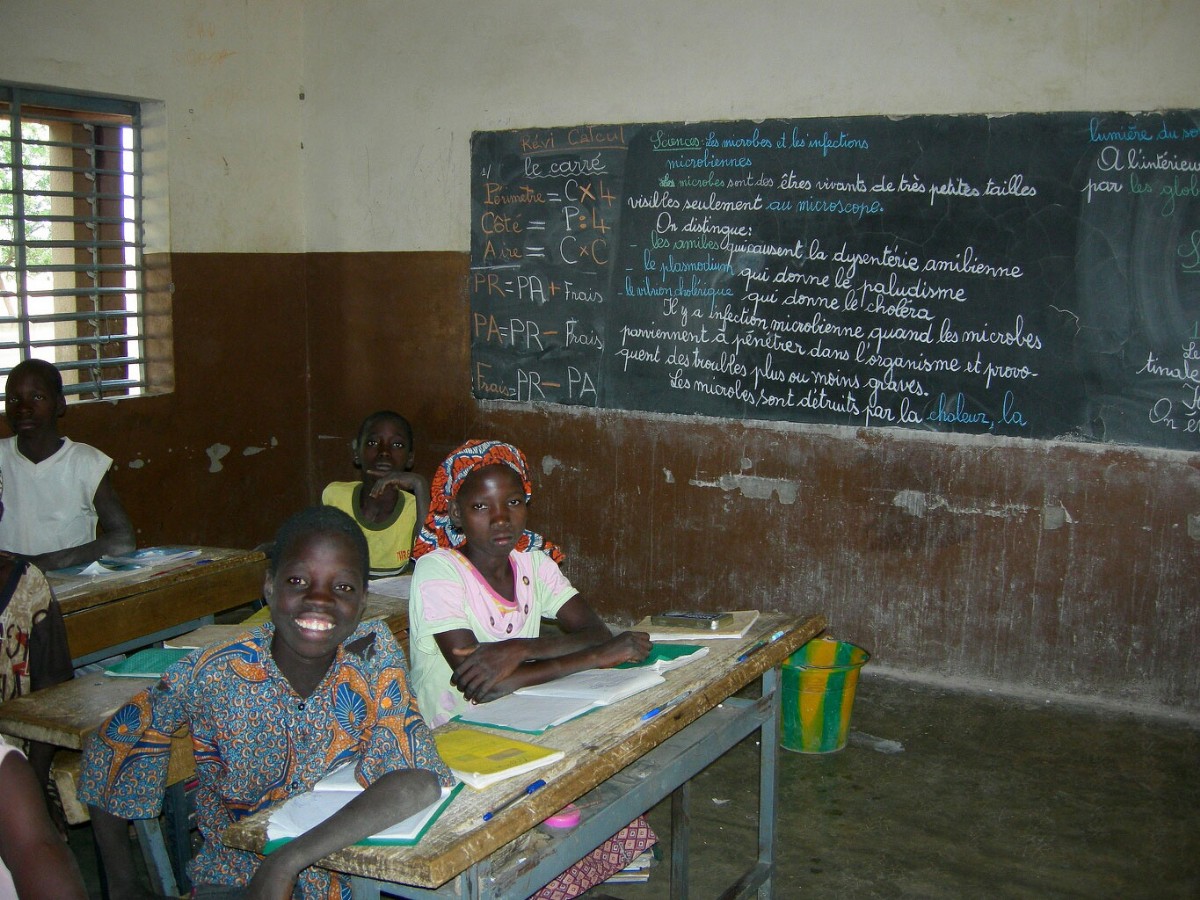
At school, children are taught in French. Because families have to pay to send children to school, many Burkinabe children do not get to finish their education. They often stay at home and help their families instead.
Economy
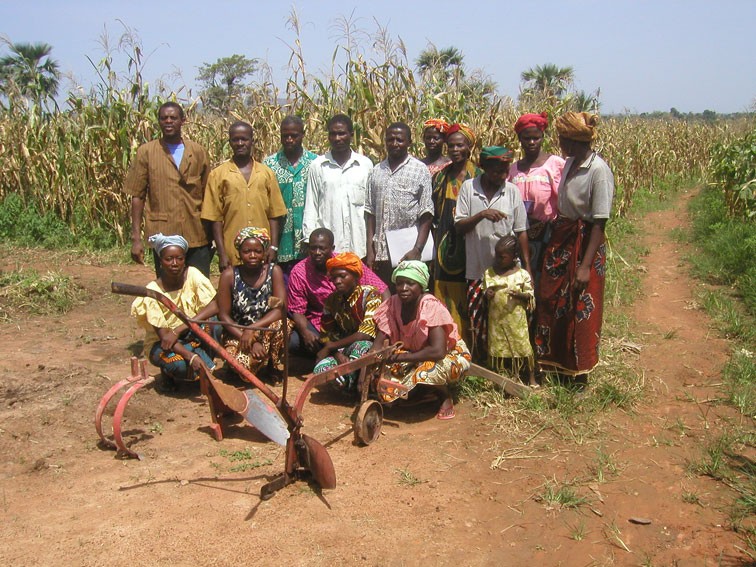
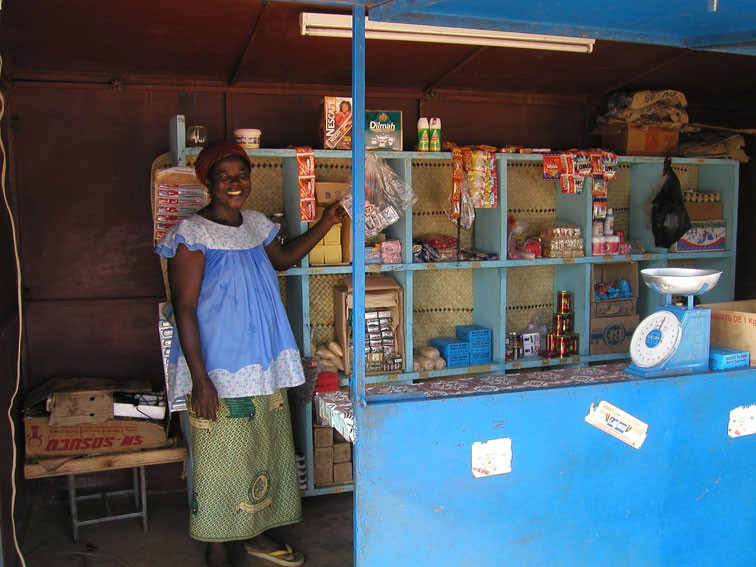
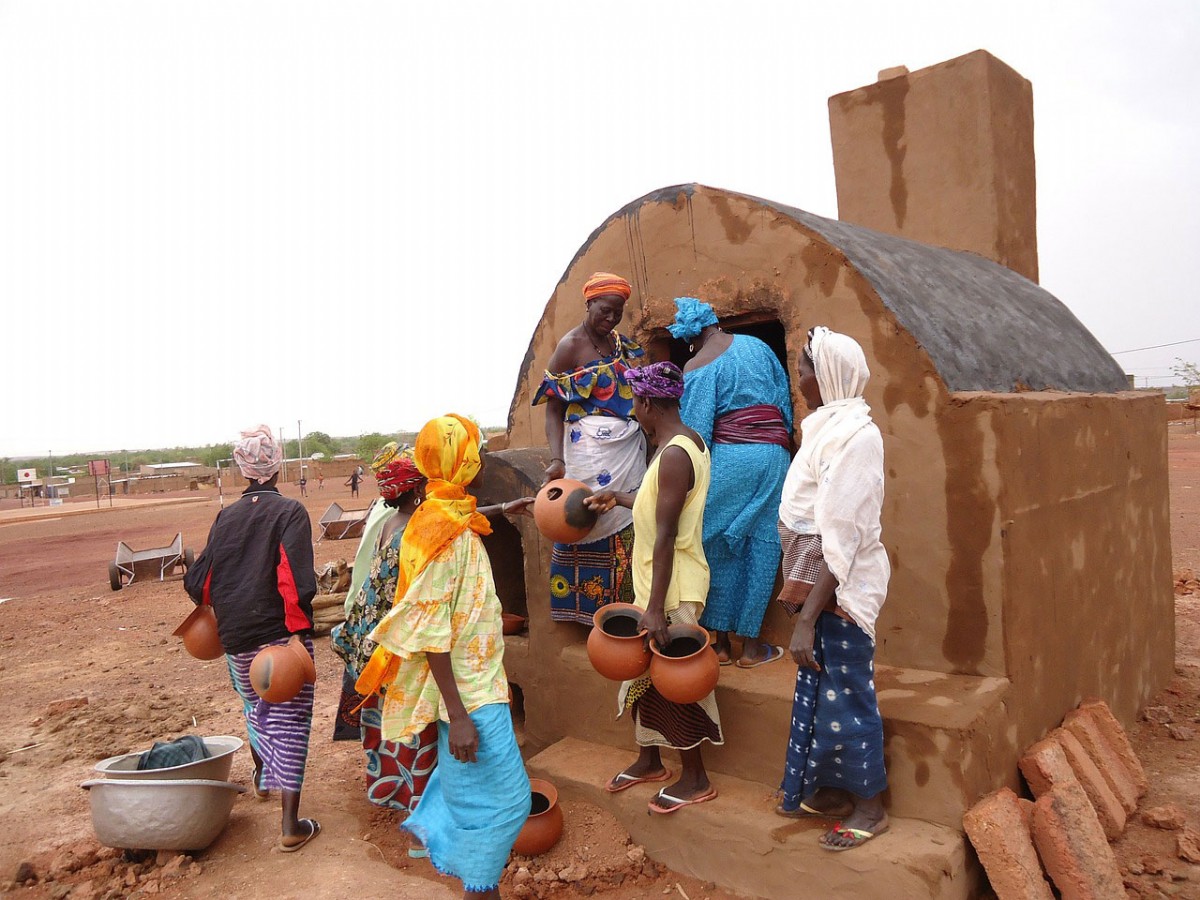
Most people in Burkina Faso rely on farming for a living. They work in the fields during the rainy season. Many farmers plant mango trees in between fields of maize, millet and cassava. Some also keep goats, sheep or cattle. During the dry season, many Burkinabe farm workers migrate to nearby countries to find work.
Consultant: Nicholas Harris
Facts about Burkina Faso
Population 22,489,126 (2023 estimate)
Area 273,800 sq km
Highest point Tena Kourou 749 m (2457 ft)
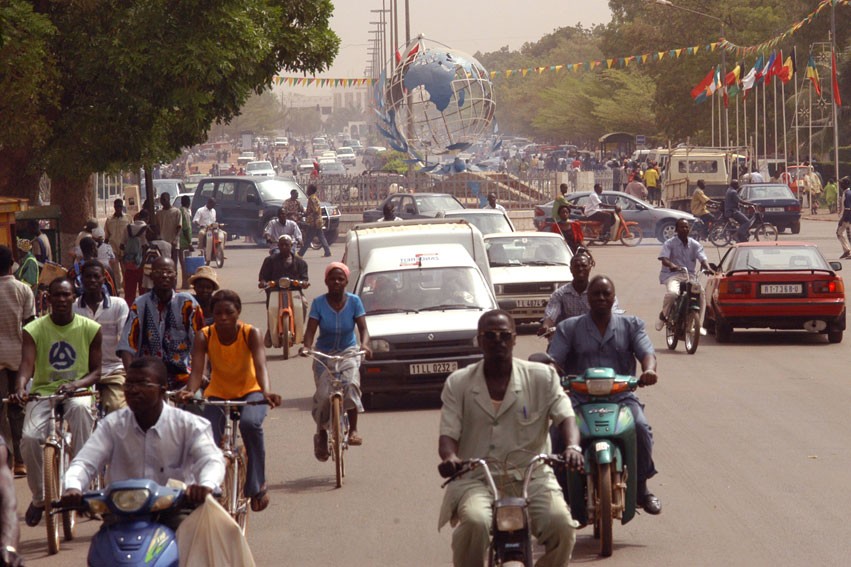
Capital Ouagadougou, population 2.4 million
Other major cities Bobo-Dioulasso (pop. 1,129,000)
Languages French, Moré, other indigenous languages
Religions Muslim 64%, Christian (Catholic) 20%, animist 9%, Christian (Protestant) 6%, others and none 1%
Ethnicity Mossi 52%, Gurunsi, Senufo, Lobi, Bobo, Mande, Fulani and others 48%
Currency West African CFA franc (XOF)
Chief exports gold, cotton, livestock
History of Burkina Faso
1000
Mossi people arrive in the eastern part of the region
1400s
Samo people arrive in the region
14th century
Mossi kingdom sets up several different kingdoms, including Tenkodogo and Ouagudougou
18th century
The Gwiriko Empire thrives in the west; Dyan, Lobi and Birifor peoples settle along the Black Volta
1896
The region comes under French rule as part of French West Africa
1915–16
Volta-Bani War is fought between Africans resisting colonial rule and the French Army. It is the biggest uprising against colonial rule anywhere in Africa
1919–32
The region becomes a French territory known as Haute Volta (Upper Volta). Cotton industries fail and the territory is split between Ivory Coast, French Sudan and Niger
1947–58
After World War II, France revives the colony of Upper Volta
1960
Upper Volta becomes independent with Maurice Yameogo as its president
1966
Yameogo is overthrown in a military coup
1984
President Thomas Sankara launches an ambitious programme for change, including a nationwide literacy campaign, land redistribution to peasants, railway and road construction, outlawing forced marriages and polygamy, vaccinating children against meningitis, yellow fever and measles, planting over 10,000,000 trees to halt desertification of the Sahel.
1984
Upper Volta is renamed Burkina Faso
1987
President Sankara is overthrown and killed in a military coup led by Blaise Compaoré, who on becoming president overturns nearly all of Sankara's policies.
1992
Multi-party elections are held for the first time since 1978
1999
Burkina Faso’s biggest gold mine closes
2009
New law is passed requiring at least one third of candidates put forward by political parties for election to be women
2011
Violent protests break out over the rising cost of living
2014
Burkinabe uprising: Blaise Compaoré, president since 1987, is ousted from power
2015
Military junta takes control (September); after elections, Roch Marc Christian Kaboré becomes president (December)
2016–present
Islamist terror groups operate across the borders with Mali and Niger, launching numerous attacks, including strikes on Ouagadougou (February 2016) and Solhan village near the Niger border (June 2021). More than a million people are forced to leave their homes.
2022
(January) Military junta and its "Patriotic Movement for Safeguard and Restoration" (MPSR) arrest and depose President Kaboré. They appoint Paul-Henri Sandaogo Damiba as interim president.
2022
(September) Army officers led by Captain Ibrahim Traore remove Damiba from the presidency and dissolve his government. They blame his inability to deal with a worsening Islamist insurgency.
pics


Without in any way limiting Q-files Ltd’s exclusive rights under copyright, any use of this publication to “train” generative artificial intelligence (AI) technologies to generate text is expressly prohibited. Q-files Ltd reserves all rights to license use of this work for generative AI training and development of machine learning language models.