
Africa

CITE
We have made every effort to follow citation style rules, but there may be some minor differences. If in doubt, please refer to the appropriate citation style manual.
Saint Helena, Ascension and Tristan da Cunha. (2026). In Q-files Encyclopedia, Geography, Africa. Retrieved from
https://www.q-files.com/geography/africa/saint-helena-ascension-and-tristan-da-cunha
"Saint Helena, Ascension and Tristan da Cunha." Geography, Africa, Q-files Encyclopedia, 30 Mar. 2026.
https://www.q-files.com/geography/africa/saint-helena-ascension-and-tristan-da-cunha.
Accessed 21 Sep. 2026.
Saint Helena, Ascension and Tristan da Cunha 2026. Geography, Africa. Retrieved 21 September 2026, from
https://www.q-files.com/geography/africa/saint-helena-ascension-and-tristan-da-cunha
Geography, Africa, s.v. "Saint Helena, Ascension and Tristan da Cunha," accessed September 21, 2026.
https://www.q-files.com/geography/africa/saint-helena-ascension-and-tristan-da-cunha


Saint Helena, Ascension and Tristan da Cunha
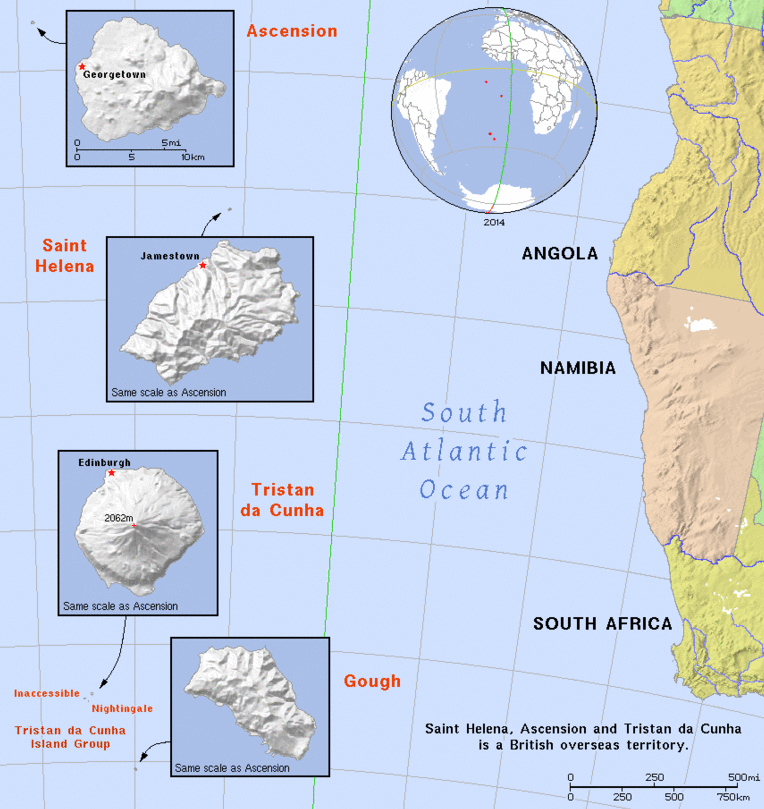
The tiny volcanic islands of Saint Helena, Ascension and Tristan da Cunha are among the most remote inhabited islands on Earth. Spread out across the South Atlantic Ocean, they are also remote from one another: the most northerly, Ascension, lies around 1100 kilometres (700 miles) northwest of Saint Helena, which itself lies 2100 km (1300 miles) north of the archipelago of Tristan da Cunha. The three islands form a single British Overseas Territory, but each has its own local governing council. Since 2002, the islanders have been British citizens, and many have since moved to the UK or the Falkland Islands to seek work.
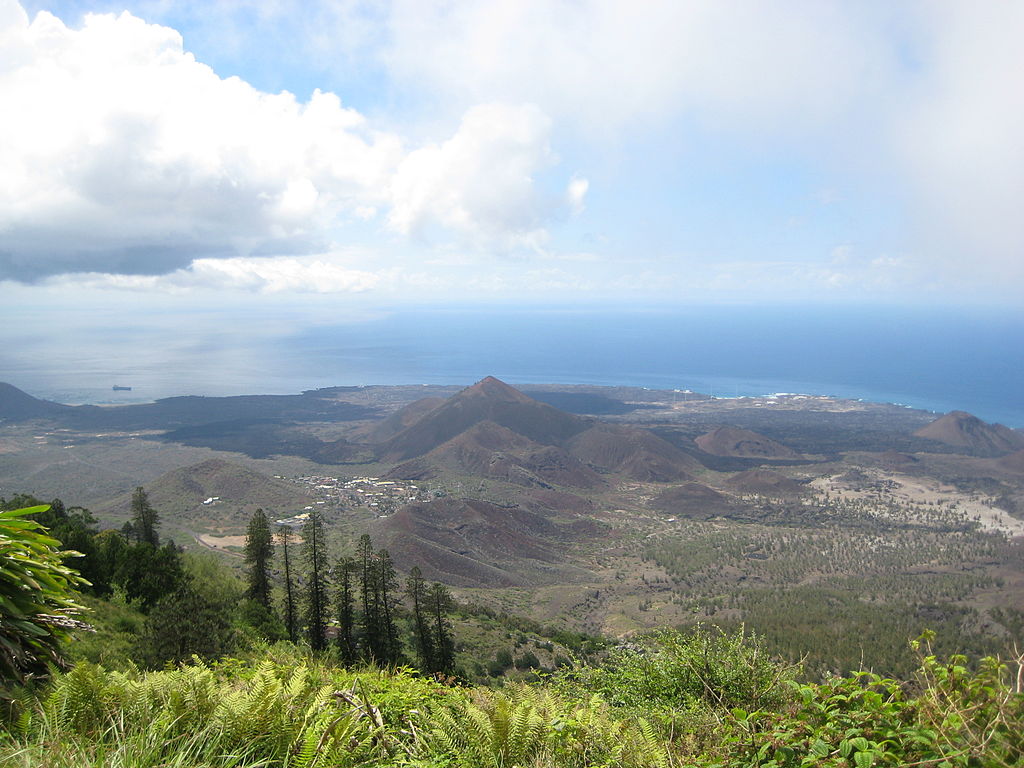
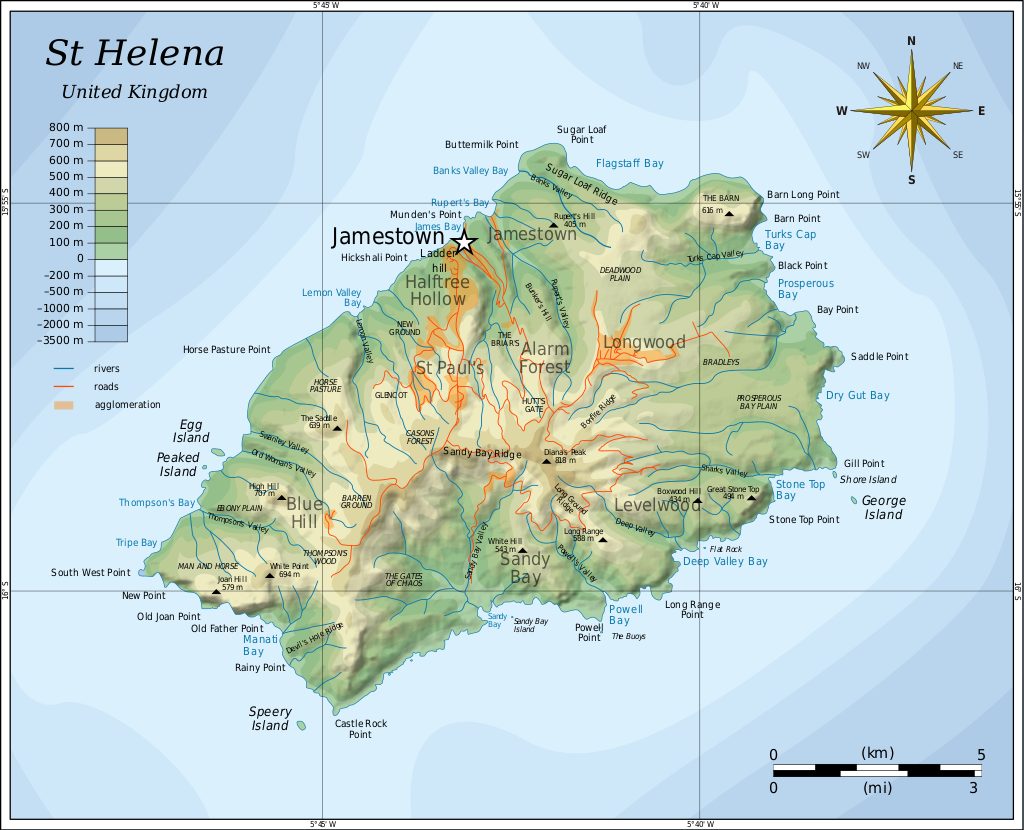
Saint Helena
Saint Helena has the largest population of the three islands: around 4500 people. They are descended from British settlers who made their homes on the island since it was first settled at the end of the 17th century, and from West Africans, Indians and Madagascans who were brought to the island as slaves in the 17th and 18th centuries.
Today, most islanders, known as “Saints”, make a living from fishing, farming or working for the government. Saint Helena has a warm, tropical climate all year round. A significant portion of the island's income comes from issuing its own postage stamps, which are in high demand with collectors all over the world.
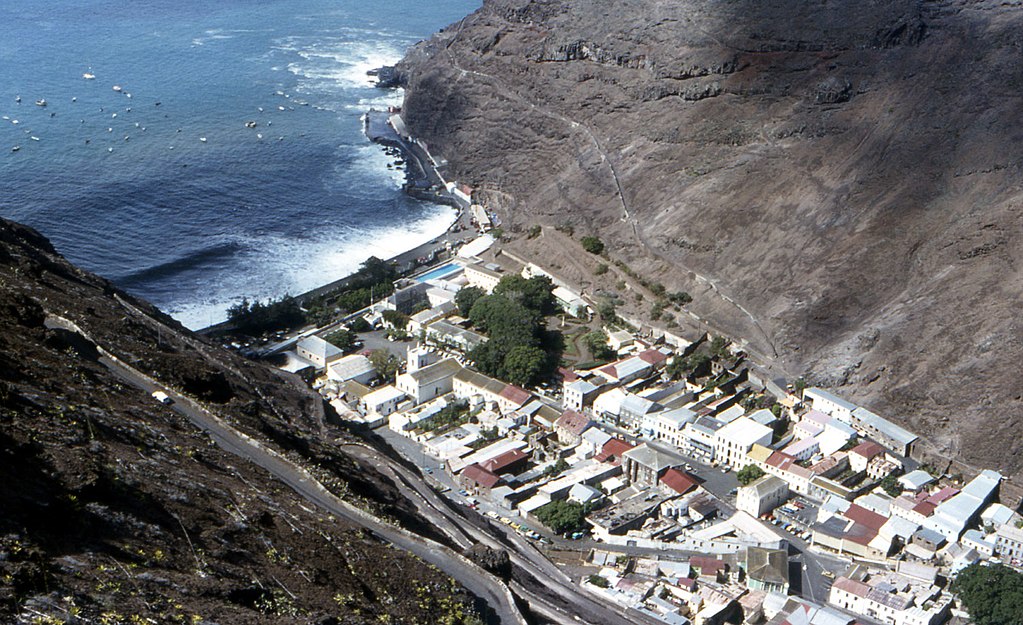
Ascension
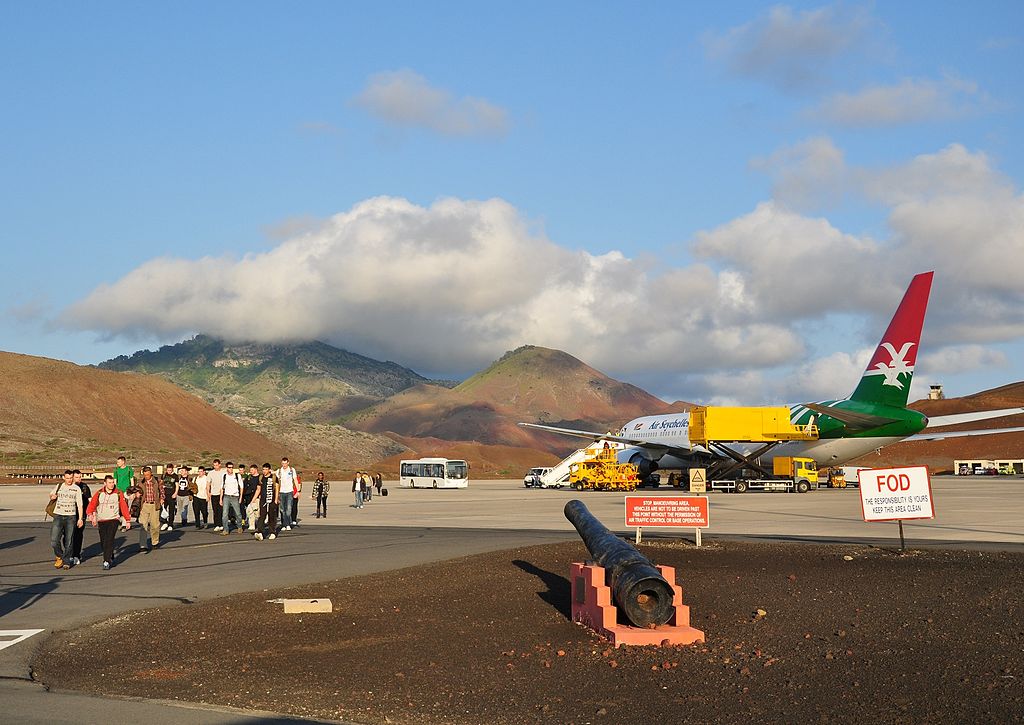
The UK and USA share an important military airbase on Ascension, and the island is home to air force workers and their families. None of Ascension’s local residents is classed as permanent, even though some have lived on the island for decades. Most come from Saint Helena.
Ascension has a barren landscape with a number of volcanic cones and extensive ancient lava flows. By the mid-19th century, most of its vegetation had been eaten to extinction by animals introduced to the island: goats, cats, rats and others.
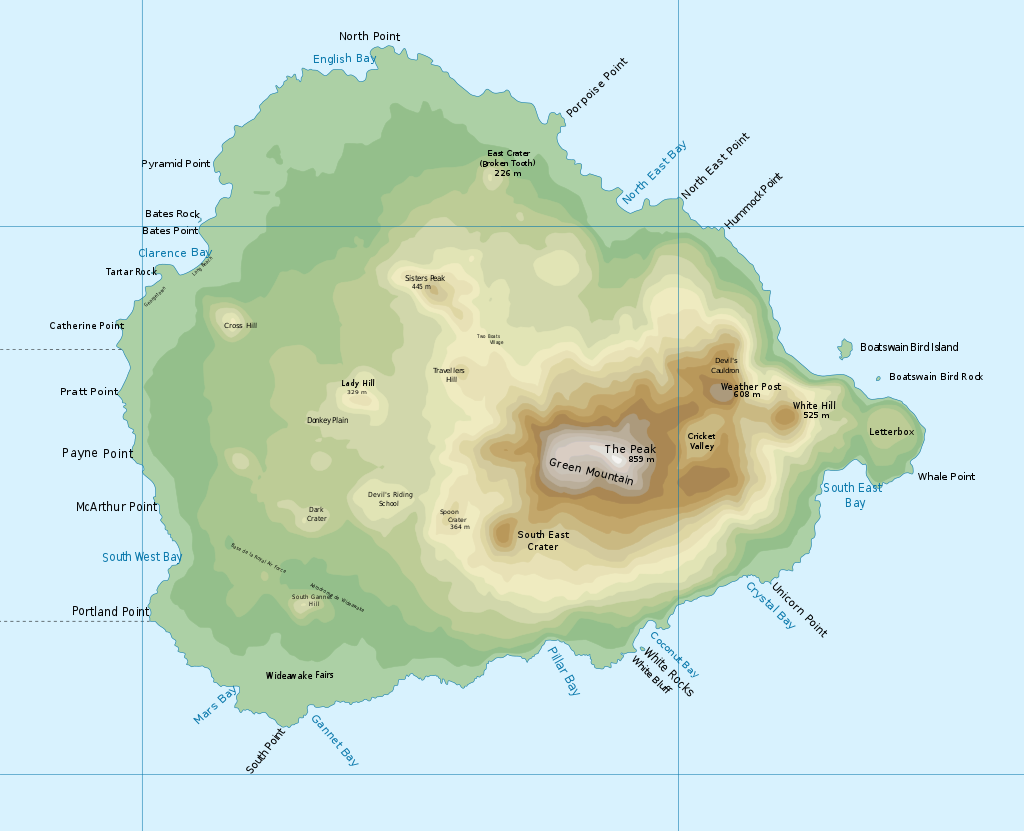
In the 19th century, the biologist Charles Darwin helped plan the introduction of trees and grasses to the island to provide shade and water, and these vegetated areas still exist today. Ascension is an important refuelling stop for planes making the long journey between the UK and the Falklands.
Tristan da Cunha
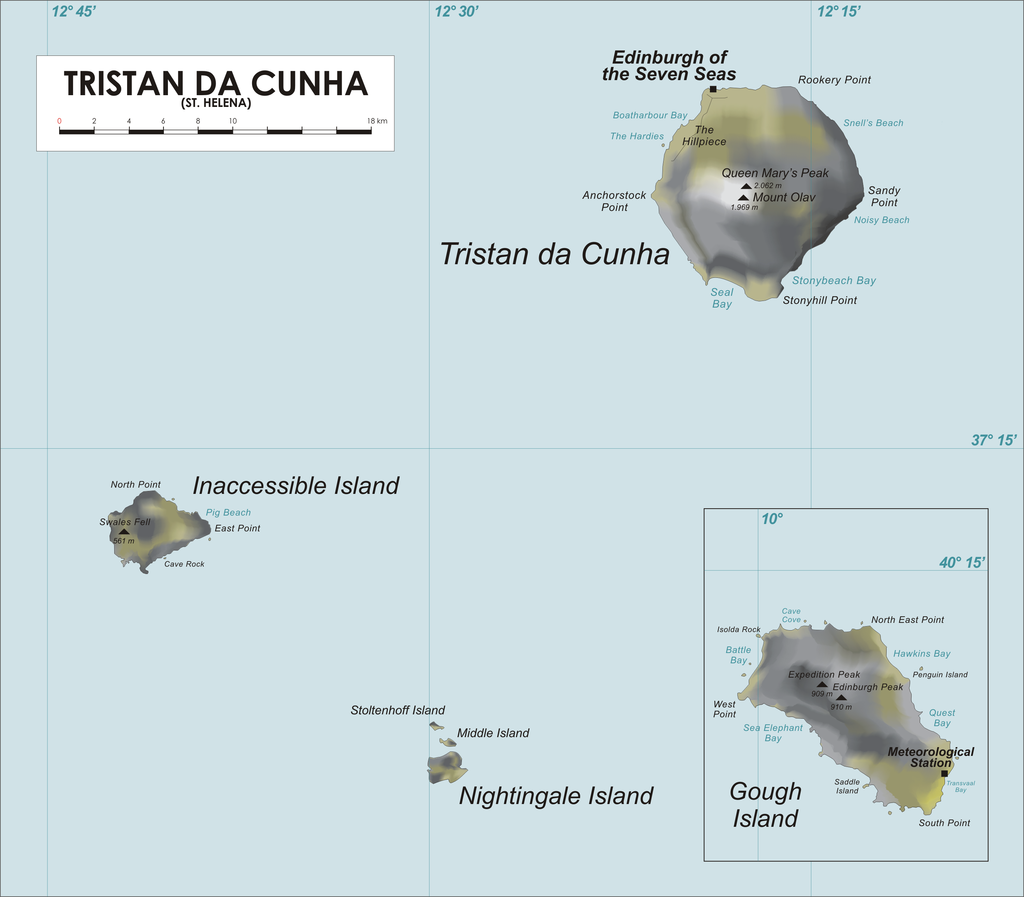
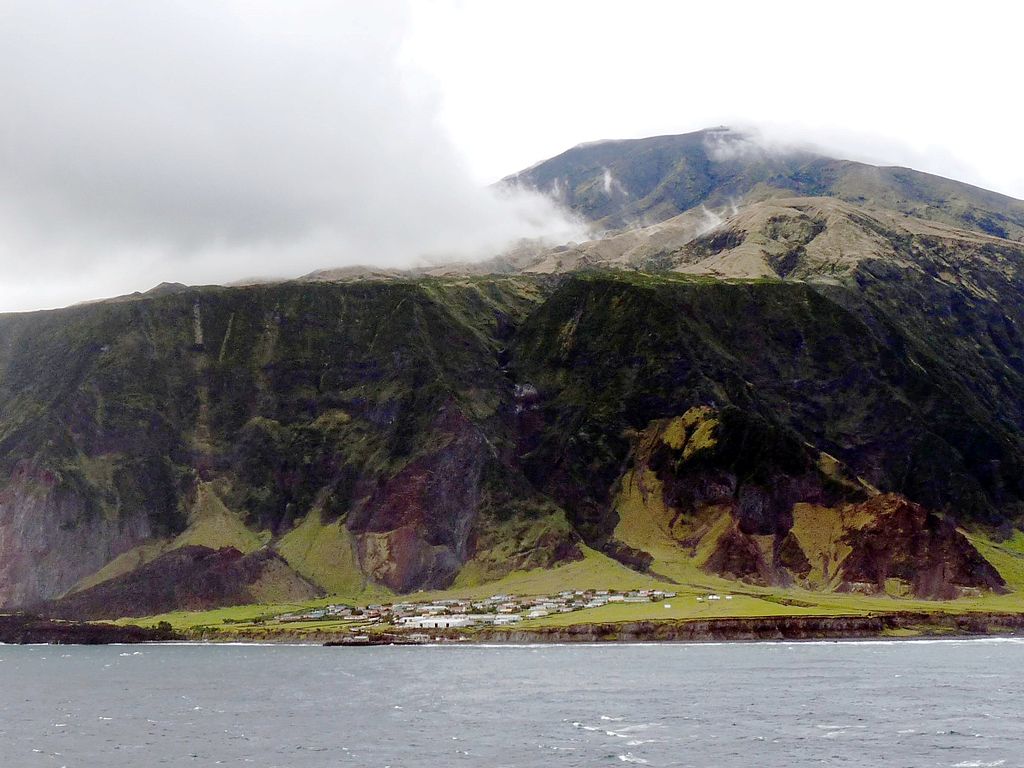
Tristan da Cunha is a group, or archipelago, of volcanic islands. It is made up of the main island, known locally as “Tristan”, as well as the smaller Nightingale islands, Gough Island and Inaccessible Island. Around 250 people live on Tristan, working as farmers. A small number of research scientists live on Gough Island, studying the birds and wildlife in the nature reserve. Gough and Inaccessible islands are nesting sites for birds, and have been made World Heritage sites to protect them. There is no airstrip, so the only way to reach Tristan da Cunha is by sea.
In November 2020, it was announced that almost 700,000 square kilometres (270,000 square milies) of the ocean waters surrounding Tristan da Cunha will become a marine protected area (MPA). It becomes the fourth largest such sanctuary in the world. Bottom-trawling fishing, deep-sea mining and other activities harmful to the ocean environment will banned in the MPA. This will help to safeguard the area’s marine wildlife, which includes sevengill sharks, yellow-nosed albatross, Atlantic petrels and rockhopper penguins.
Facts about Saint Helena, Ascension and Tristan da Cunha
Population 5633 (St Helena 4534; Ascension 806; Tristan da Cunha 293)
Area 394 sq km (152 sq mi)
Highest Point Queen Mary's Peak (Tristan da Cunha) 859 m (2818 ft)
Capital Jamestown (Saint Helena) pop. 1000
Other settlements Georgetown (Ascension), Edinburgh of the Seven Seas (Tristan da Cunha)
Languages English
Religions Christian (Protestant) 75.9%, Christian (Roman Catholic) 1.2%, others, none 18.8%
Ethnicity African descent 50%, white European 25%, Chinese 25%
Currency Saint Helenian pounds (SHP)/ Pound sterling (GBP)
Chief exports fish, coffee, handicrafts, postage stamps
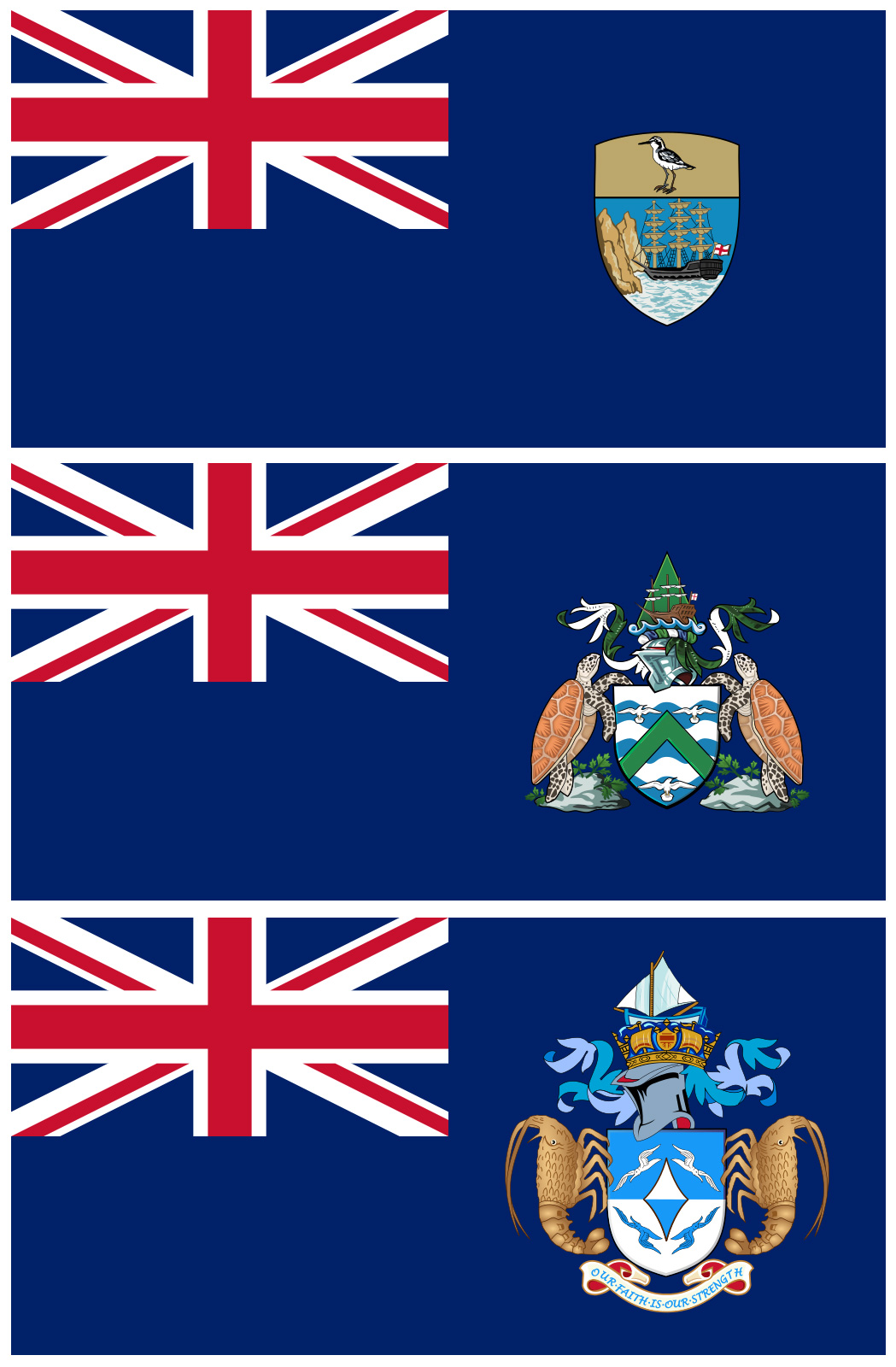
History of Saint Helena, Ascension and Tristan da Cunha
1501
Portuguese navigator João da Nova sights Ascension island on Ascension Day, and names it after this feast day
1502–03
Portuguese explorers discover Saint Helena
1506
The islands of Tristan da Cunha are first recorded as sighted by Portuguese explorer Tristão da Cunha, though rough seas prevent a landing
1657
St Helena comes under British rule, governed by the British East India Company
1777
William Bolts claims Tristan da Cunha for the Austrian Empire, naming it the Isles de Brabant
1815–21
French leader Napoleon Bonaparte is imprisoned by the British on the island of St. Helena
1815
Britain takes ownership of the uninhabited Ascension Island, and uses it as a base for the Royal Navy
1816
Tristan da Cunha comes under British rule as part of Cape Colony, British South Africa
1834
St Helena is made a British crown colony
1836
Charles Darwin visits Ascension aboard his ship, the Beagle
1900–01
More than 6000 Boer prisoners are held on the island during the Second Boer War in South Africa
1922
Ascension becomes a dependency of St Helena
1938
Tristan da Cunha becomes a dependency of St Helena
1942
During World War II, the US military builds the Wideawake airbase on Ascension
1961
All the inhabitants of Tristan da Cunha are evacuated to the UK following a major volcanic eruption. Most return two years later
1982
The British military uses Ascension as a base during the Falklands War
1995
Gough Island, part of Tristan da Cunha, is declared a UNESCO World Heritage Site. Neighbouring Inaccessible Island is added in 2004
2002
British Overseas Territories Act grants full British citizenship to the residents of all three islands
2009
A new agreement makes all three island groups equal dependencies under the British Crown, known as St Helena, Ascension and Tristan da Cunha
2016
A huge nature reserve is created in the ocean around Ascension Island to protect its marine wildlife
2020
Announcement that almost 700,000 sq km of the Atlantic Ocean surrounding Tristan da Cunha will become a marine protected area (MPA)
pics

Without in any way limiting Q-files Ltd’s exclusive rights under copyright, any use of this publication to “train” generative artificial intelligence (AI) technologies to generate text is expressly prohibited. Q-files Ltd reserves all rights to license use of this work for generative AI training and development of machine learning language models.