
Africa

CITE
We have made every effort to follow citation style rules, but there may be some minor differences. If in doubt, please refer to the appropriate citation style manual.
Uganda. (2026). In Q-files Encyclopedia, Geography, Africa. Retrieved from
https://www.q-files.com/geography/africa/uganda
"Uganda." Geography, Africa, Q-files Encyclopedia, 30 Mar. 2026.
https://www.q-files.com/geography/africa/uganda.
Accessed 6 Aug. 2026.
Uganda 2026. Geography, Africa. Retrieved 6 August 2026, from
https://www.q-files.com/geography/africa/uganda
Geography, Africa, s.v. "Uganda," accessed August 6, 2026.
https://www.q-files.com/geography/africa/uganda


Uganda
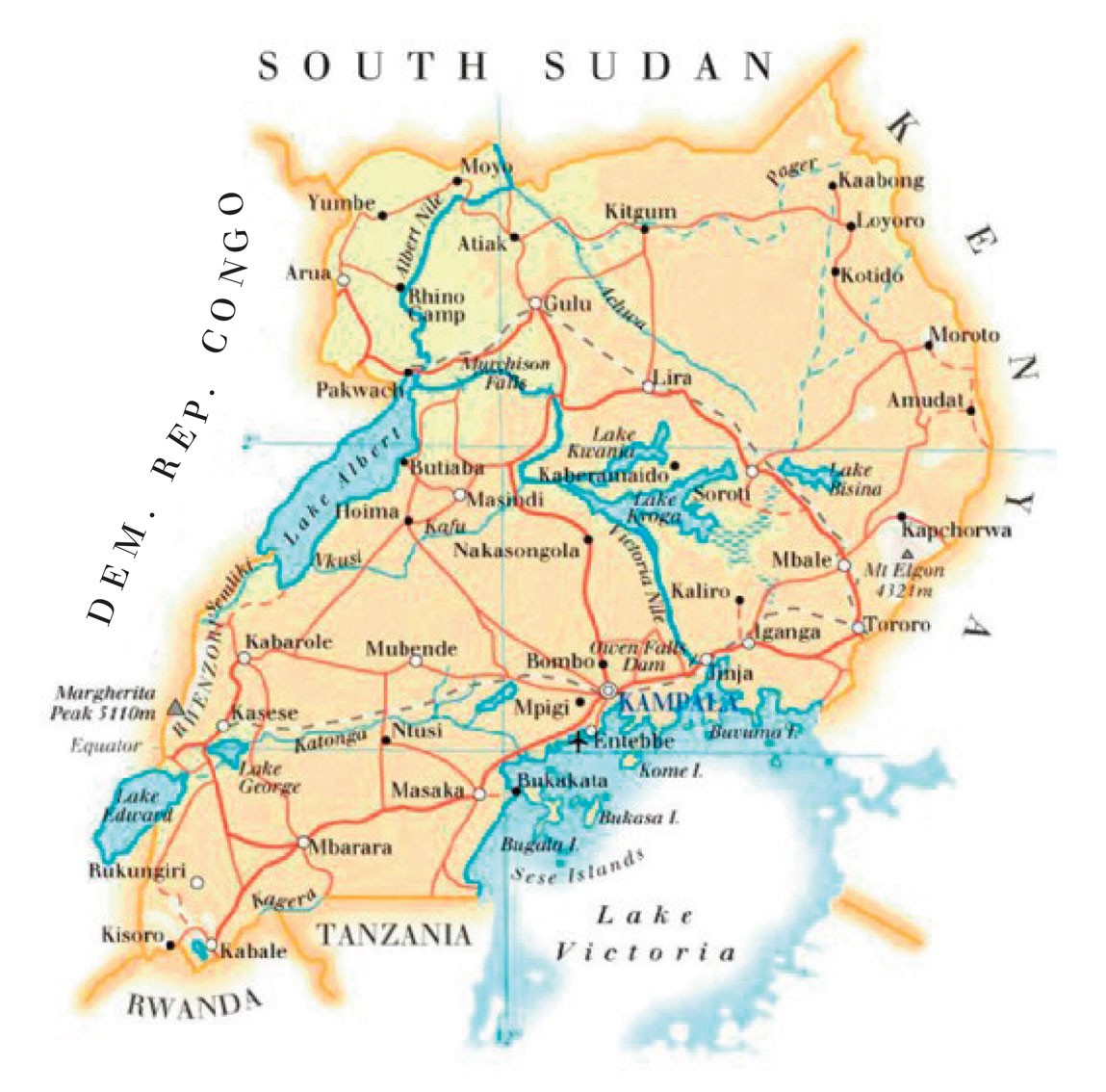
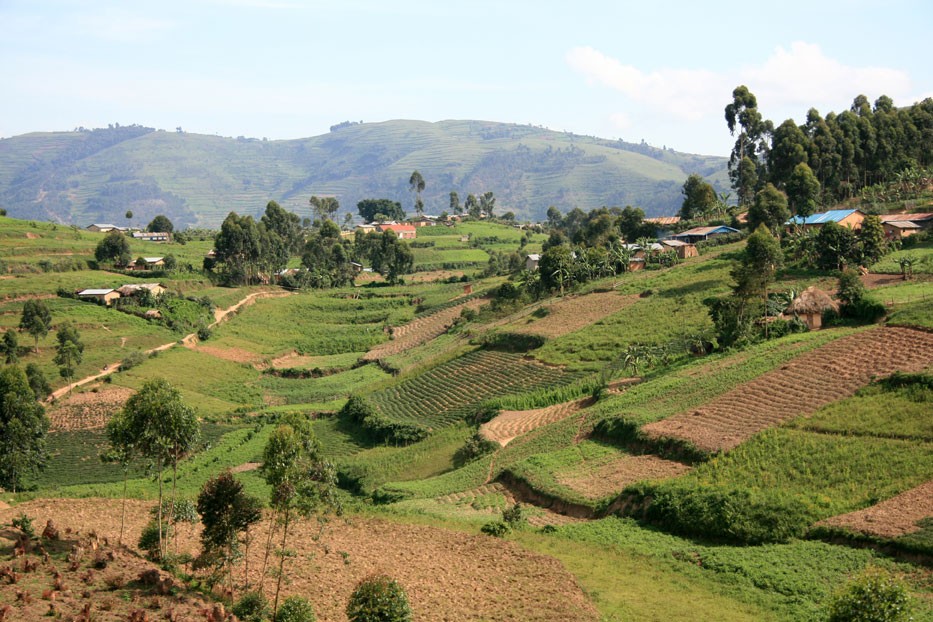
Most of Uganda lies on a high plateau, averaging around 1000 metres (3300 feet) above sea level. This plateau is surrounded by the mountains, valleys and freshwater lakes of East Africa’s Great Rift Valley. In the west, the Rwenzori mountain range is the location for Uganda’s highest mountain, the glacier-topped Margherita Peak. In the centre of the country lies swampy Lake Kyoga, while the south borders Lake Victoria, the largest freshwater lake in Africa. Although Uganda is on the equator, its high altitude gives it a milder climate than neighbouring countries. Southern Uganda has a high yearly rainfall, for which the clouds forming over Lake Victoria are responsible.

People


Uganda is home to at least 40 different ethnic groups. Bantu peoples live chiefly in the south, speaking Bantu languages such as Luganda. The north is home to Nilotic peoples, whose ancestors arrived in Uganda from Sudan and the Nile Valley.
In the 1890s, when Uganda was under British rule, 32,000 people from British India moved to Uganda to build a railway. Many stayed behind after its completion. After independence, there were 80,000 Southern Asians living in Uganda, running many of the nations most profitable businesses. In 1972, the then president of Uganda, Idi Amin, expelled all Indians and Pakistanis from the country. Many moved to the UK.
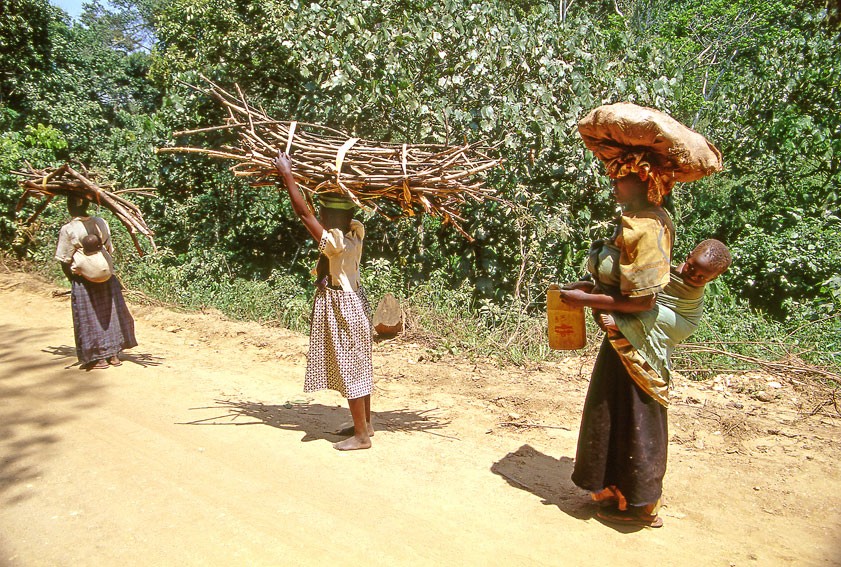
In the early 1990s, after decades of war and political upheaval, Uganda was one of the poorest countries in the world, with more than half of people living in poverty. Since then, the country has developed quickly, although still around 25% of people live on less than $1.90 (£1.55) a day, the measure of extreme poverty worldwide. Only around 1 in 20 people in Uganda has access to electricity. Most people in the countryside rely on firewood and charcoal for cooking and heating.


Economy
Uganda’s temperate, wet climate makes for good farming conditions, and crop exports have been vital to the country's economy. Around a fifth of Uganda’s population earns their income from coffee. In the future, Uganda aims to fully exploit its mineral resources, such as gold and tin. The country also has a small manufacturing industry, based around processing farm produce, building materials and goods such as plastics and soap.
In 2006, large reserves of oil were discovered in western Uganda. This, together with the potential for producing hydro-electric power from its many fast-flowing rivers, will enable Uganda to reduce its dependence on foreign oil, firewood and charcoal for energy supplies. Oil exports could make Uganda one of the wealthiest nations in Africa. With its spectacular landscape, rainforests and game parks, tourism is also a major source of income for Ugandans.


EACOP
The huge East African crude oil pipeline (EACOP) will take oil extracted from Lake Albert in Uganda's Tilenga and Kingfisher oil fields across Tanzania to the port of Tanga on the Indian Ocean coast. Backed by French and Chinese oil companies, construction is scheduled to begin in early 2024 and due to be completed in 2026. The project will result in 379 million tonnes of carbon emissions—more than 25 times the combined annual emissions of Uganda and Tanzania. EACOP is likely to displace tens of thousands of people and will cause irreversible damage to natural habitats and water sources. Peaceful protests in Uganda have been met with repression and arrests.

Consultant: Nicholas Harris
Facts about Uganda
Population 49,283,041 (2024 estimate)
Area 241,139 sq km (93,104 sq miles)
Highest point Margherita Peak 5110 m (16,762 ft)
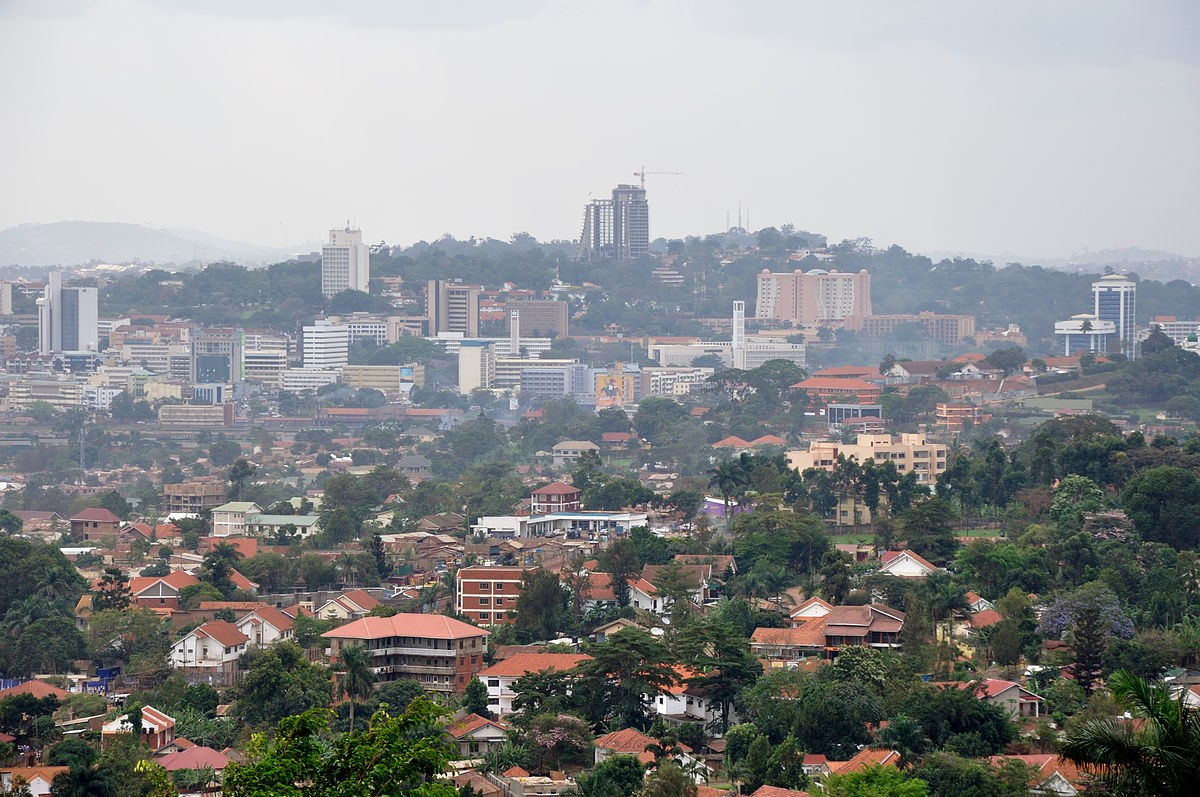
Capital Kampala (metro area population 6,709,900)
Other major cities Nansana (pop. 532,800), Kira (462,900), Mbarara (221,300)
Languages English and Swahili (official languages), Luganda, Lusoga, Runyankore-Rukiga
Religions Christian (Catholic) 42%, Christian (Protestant and other) 42%, Muslim 12%, other 4%
Ethnicity Baganda 17%, Banyankole 10%, Basoga 8%, Bakiga 7%, Iteso 6%, Langi 6%, Acholi 5%, Bagisu 5%, Lugbara 4%, other 32%
Currency Ugandan shilling (UGX)
Chief exports Coffee, tea, cotton, flowers, fish, palm oil, gold

History of Uganda
c.AD 120
The Luo, Nilotic people, move into the area that is now Uganda.
14th–15th century
The Chwezi people rule over the Empire of Kitara, including parts of modern-day Uganda, Rwanda, Burundi, northern Tanzania and eastern Democratic Republic of the Congo.
1830s
Arab traders arrive from the East African coast.
1860s
The first British explorers visit, searching for the source of the River Nile.
1894
British annex Buganda and adjoining territories to create the Uganda Protectorate, a protectorate of the British Empire
1890s
Britain brings thousands of Indian labourers to Uganda to work on the Uganda Railway.
1962
Uganda becomes independent from Britain.
1971
Idi Amin seizes control and rules as a dictator. Around 300,000 Ugandans die under his regime.
1978–79
As a result of war between Uganda and Tanzania, and opposition within Uganda, Idi Amin is ousted from power.
1986
Uganda elects a new president, Yoweri Kaguta Museveni. His government launches programmes to boost the economy, including rebuilding transport and communications systems, and to empower Uganda’s women and girls.
1998–2003
The Ugandan army fights in the Second Congo War against the government of the Democratic Republic of the Congo.
2011
Museveni wins a further term as president, amid accusations from the opposition that the elections were not fairly held
2021
Museveni wins a sixth term as president amid election violence and allegations of fraud. According to EU Council of Ministers, opposition candidates, including Museveni's main challenger Bobi Wine, were harassed by security forces, and the internet shut down by the government just ahead of polling day
pics
Without in any way limiting Q-files Ltd’s exclusive rights under copyright, any use of this publication to “train” generative artificial intelligence (AI) technologies to generate text is expressly prohibited. Q-files Ltd reserves all rights to license use of this work for generative AI training and development of machine learning language models.