
Africa

CITE
We have made every effort to follow citation style rules, but there may be some minor differences. If in doubt, please refer to the appropriate citation style manual.
Mayotte. (2026). In Q-files Encyclopedia, Geography, Africa. Retrieved from
https://www.q-files.com/geography/africa/mayotte
"Mayotte." Geography, Africa, Q-files Encyclopedia, 30 Mar. 2026.
https://www.q-files.com/geography/africa/mayotte.
Accessed 21 Sep. 2026.
Mayotte 2026. Geography, Africa. Retrieved 21 September 2026, from
https://www.q-files.com/geography/africa/mayotte
Geography, Africa, s.v. "Mayotte," accessed September 21, 2026.
https://www.q-files.com/geography/africa/mayotte


Mayotte
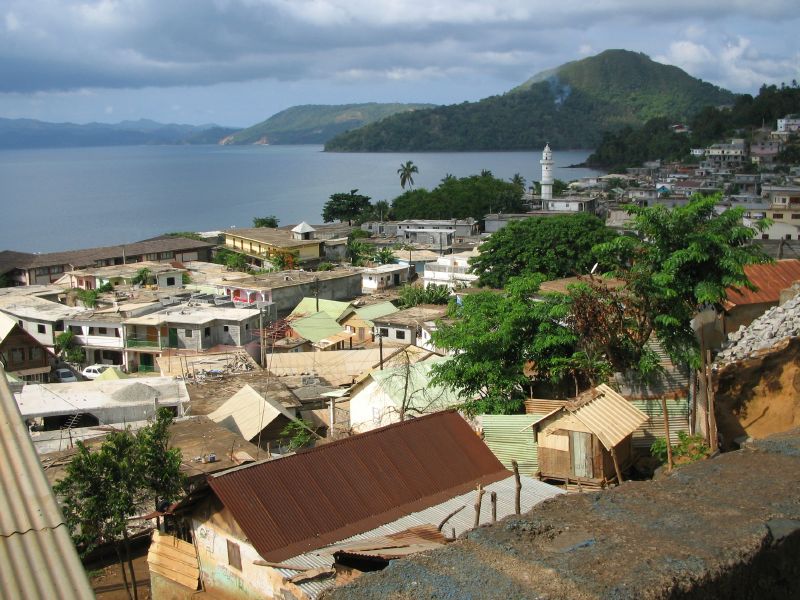
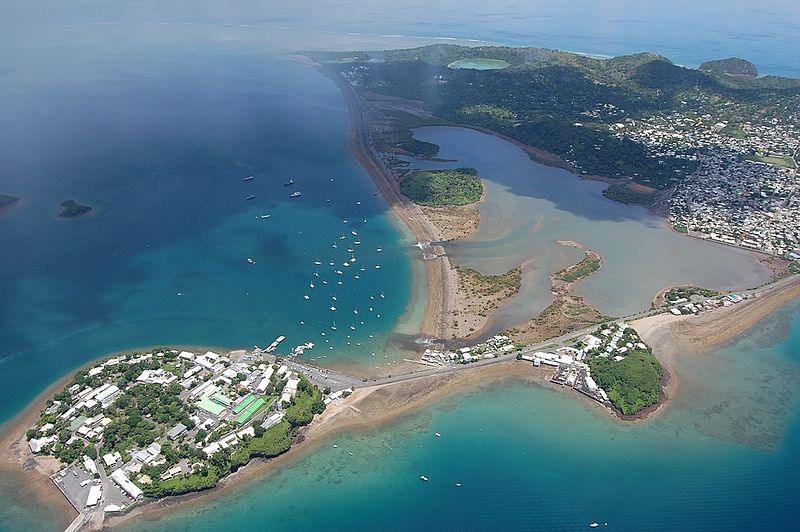
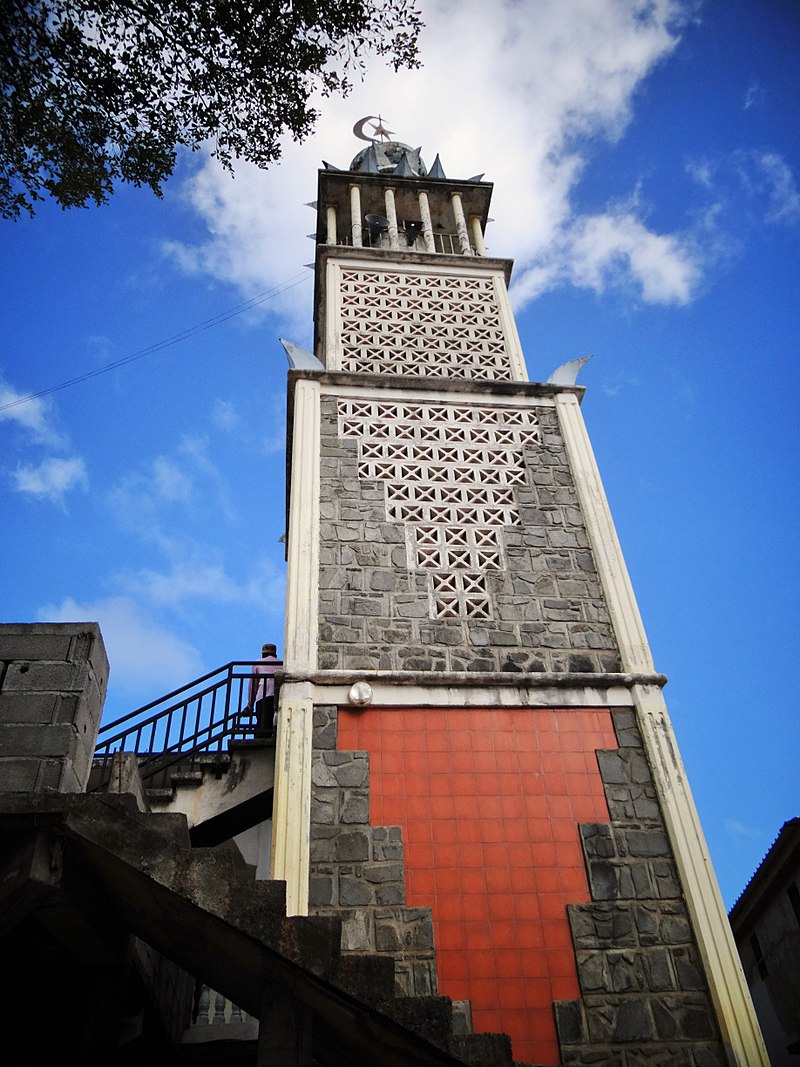
The island of Mayotte lies off the coast of southeastern Africa, between the much larger of Madagascar to the east and Mozambique. It is officially an overseas department of France. Mayotte forms part of the Comoro archipelago (island group), and the Comoros’ government also claims it as part of their nation. The main island, Grande-Terre (Maharé), is dominated by a huge dormant volcano, and has a hilly landscape cut through by deep ravines. A much smaller island, Petite-Terre (Pamanzi), lies off the east coast. Mayotte has a hot, tropical climate with a rainy monsoon season between November and May and cool, dry weather for the rest of the year. Locals know the island as “Maore”.


People and economy
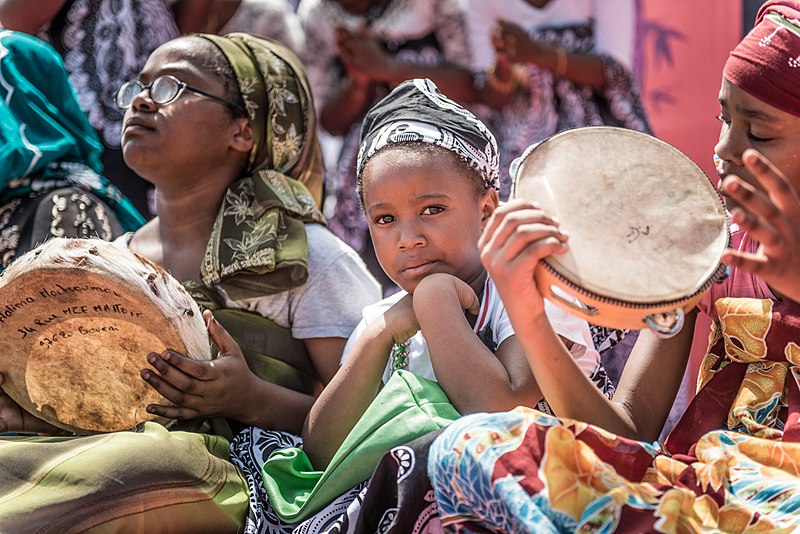
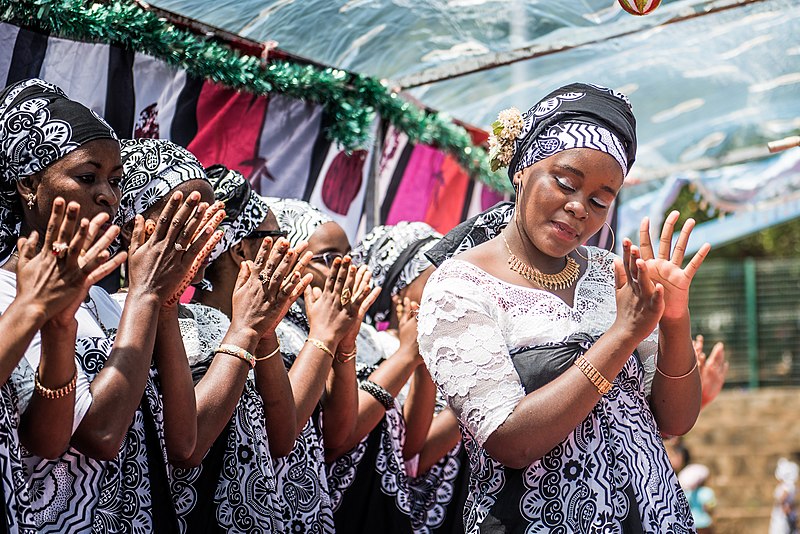
Mayotte’s native people are Comorians, known as “Mahorais”. Their ancestors are mainland Africans as well as Arab and Iranian traders who came to settle the islands in centuries past. Most people are Muslim. Even though Mayotte’s official language is French, it is not widely spoken. Instead, most people speak local languages such as Shimaore and Kibushi, a Malagasy language.
Around a third of Mayotte’s population is made up of immigrants who have moved here from neighbouring islands in search of work, or to claim French citizenship. Mayotte is much wealthier than the neighbouring Comoros, but there are not enough jobs for everyone and many still live in poverty. Comorians who have made the journey to Mayotte often live in shantytowns in poor conditions. Many are at risk of being sent back—Mayotte deports around 20,000 people each year.
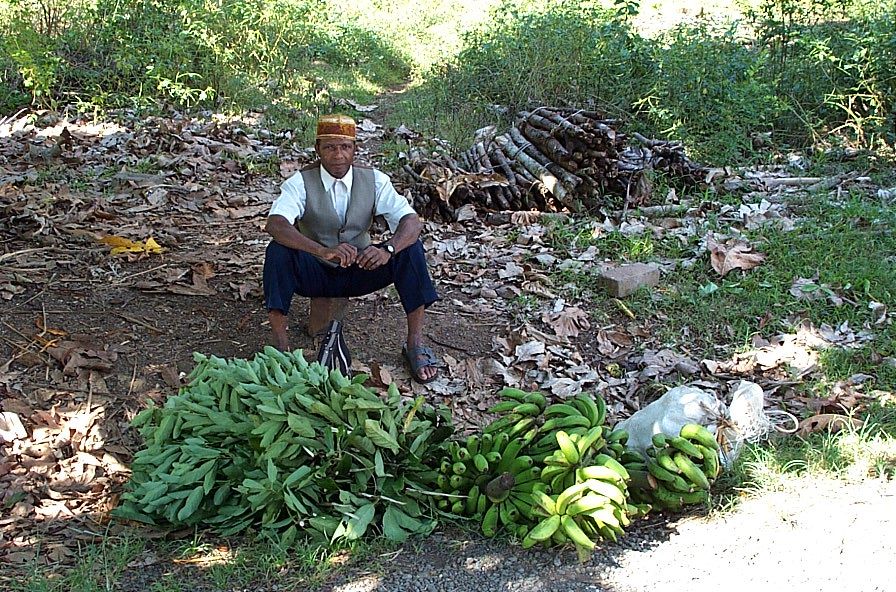
Traditionally, the Mayotte islanders have made a living from farming, growing bananas, mangoes and coconuts, as well as breadfruit and manioc. Tourism has also become an important source of income. But Mayotte is dependent on financial support from France.
Consultant: Nicholas Harris
Facts about Mayotte
Population 320,901 (2024 estimate)
Area 374 sq km (144 sq miles)
Highest point Benara, 660 m
Capital Mamoudzou, pop. 71,437
Languages Shimaore (a dialect of the Comorian language), French
Religions Muslim 97%, Christian (mostly Roman Catholic) 3%
Ethnicity Comorian 92%, Swahili 3%, French 2% Makua 1%, others 2%
Currency Euro (EUR)
Chief exports ylang-ylang (perfume essence), coconuts, copra, vanilla, cinnamon, coffee

History of Mayotte
1000 BC
Comoros archipelago first inhabited by Swahili-speaking Bantu people from East Africa
8th–13th centuries AD
People from Southeast Asia settle in the islands
15th century
Shirazi people from East Africa establish trading ports and bring in slaves from the African mainland; later, Arabs also settle in the islands
1503
Mayotte sighted and named (Espiritu Santu) by Portuguese explorers
1830s
Mayotte is conquered by the sultans of Comoros and kings from Madagascar
1841
French buy the island which they call Maore, and make it a French colony. They set up sugar plantations and bring hundreds of East Africans to the island to work on them
1885
France takes control over the entire Comoros archipelago and names it "Mayotte and dependencies"
1898
Two cyclones, huge tropical storms, sweep across the islands, destroying everything in their path. Mayotte’s population is entirely wiped out
1974
The other Comoros islands vote to become independent from France, while Mayotte votes to remain part of France
2011
Mayotte becomes an overseas department of France, giving it the same laws and social support system as France
2014
Mayotte is made a special territory of the European Union (EU).
2023
(April) Operation Wuambushu is launched by the French government to combat and expel illegal immigrants (from Comoros and Madagscar), destroying slums, and fighting crime on Mayotte. A second operation is launched in April 2024.
2024
(December) Mayotte is devastated by Cyclone Chido. Winds of at least 226 kilometres an hour (140 mph) destroy many buildings. Hundreds of people are feared dead.
pics
Without in any way limiting Q-files Ltd’s exclusive rights under copyright, any use of this publication to “train” generative artificial intelligence (AI) technologies to generate text is expressly prohibited. Q-files Ltd reserves all rights to license use of this work for generative AI training and development of machine learning language models.