
Africa

CITE
We have made every effort to follow citation style rules, but there may be some minor differences. If in doubt, please refer to the appropriate citation style manual.
Burundi. (2026). In Q-files Encyclopedia, Geography, Africa. Retrieved from
https://www.q-files.com/geography/africa/burundi
"Burundi." Geography, Africa, Q-files Encyclopedia, 30 Mar. 2026.
https://www.q-files.com/geography/africa/burundi.
Accessed 22 Sep. 2026.
Burundi 2026. Geography, Africa. Retrieved 22 September 2026, from
https://www.q-files.com/geography/africa/burundi
Geography, Africa, s.v. "Burundi," accessed September 22, 2026.
https://www.q-files.com/geography/africa/burundi


Burundi
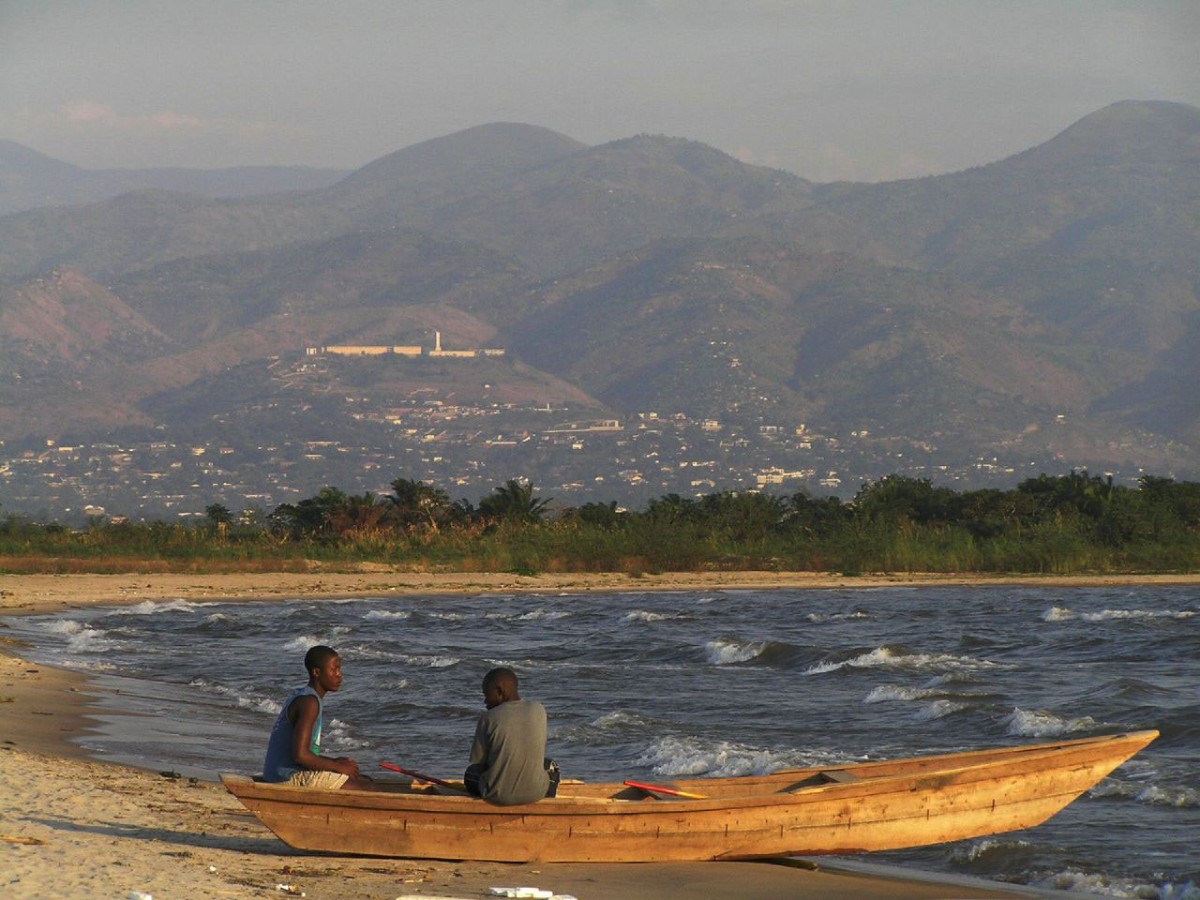
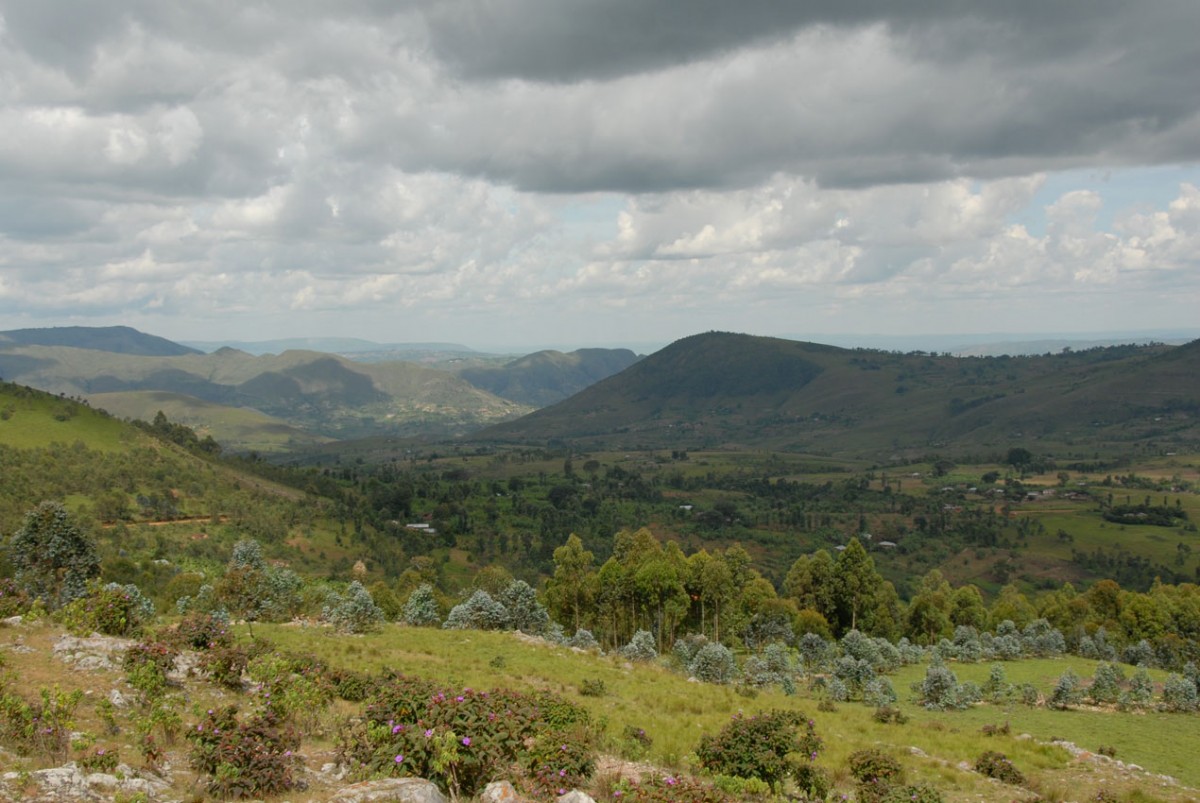
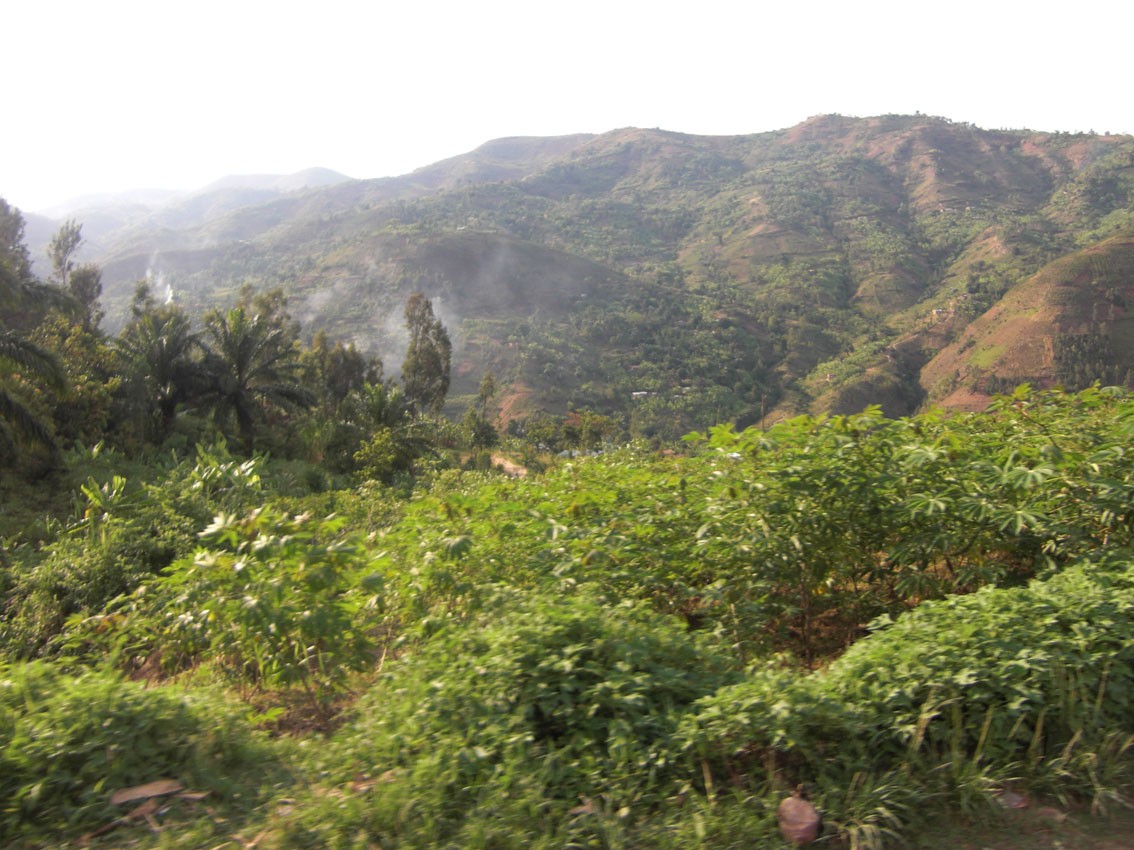
Burundi is a mostly mountainous country covered by woodlands and scrubland. In the west, some peaks rise as high as 2685 metres (8809 feet). Their western slopes plunge into East Africa’s Great Rift Valley, a gash in the Earth’s crust. Part of the country’s western border is formed by Lake Tanganyika, an enormous freshwater lake. Although it lies just south of the Equator, Burundi’s humid climate is kept cool by its high altitude. The shores of Lake Tanganyika have a hotter, more tropical climate. Since independence in 1962 Burundi has suffered from decades of civil war. Today, much of the country has been left damaged and undeveloped, while many people have fled the country.


People
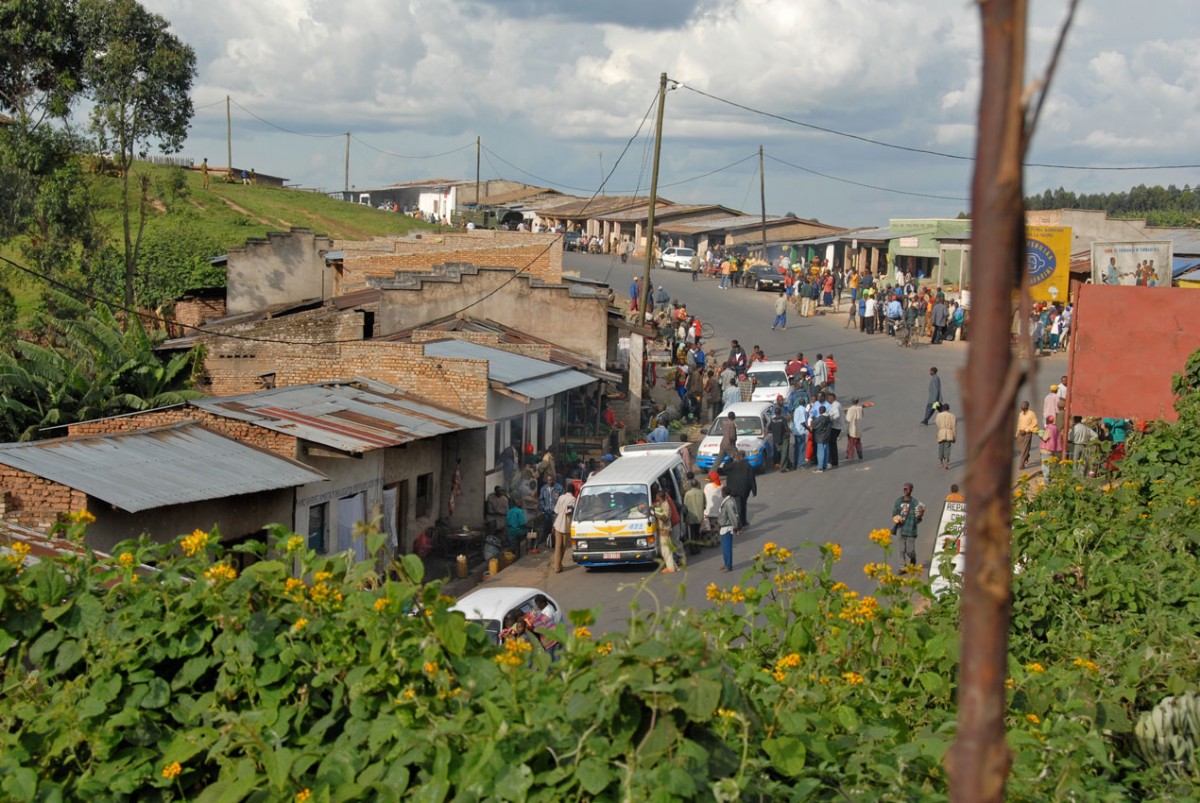
There are three main ethnic groups in Burundi: the Hutu, who make up about 85% of the population, the Tutsi, about 15%, and the Twa, who were some of the first people to live in the region. For centuries, there have been tensions between the country’s Hutu and Tutsi peoples. After independence, these tensions erupted into civil war. Since the 1960s, nearly half a million Burundians have been killed in ethnic violence, and many thousands more have fled to nearby Rwanda to escape the fighting. Children have been badly affected: many have lost their parents to the war or diseases such as HIV/AIDS. The war has also disrupted their education, with very few Burundian children being able to go to school.
Economy
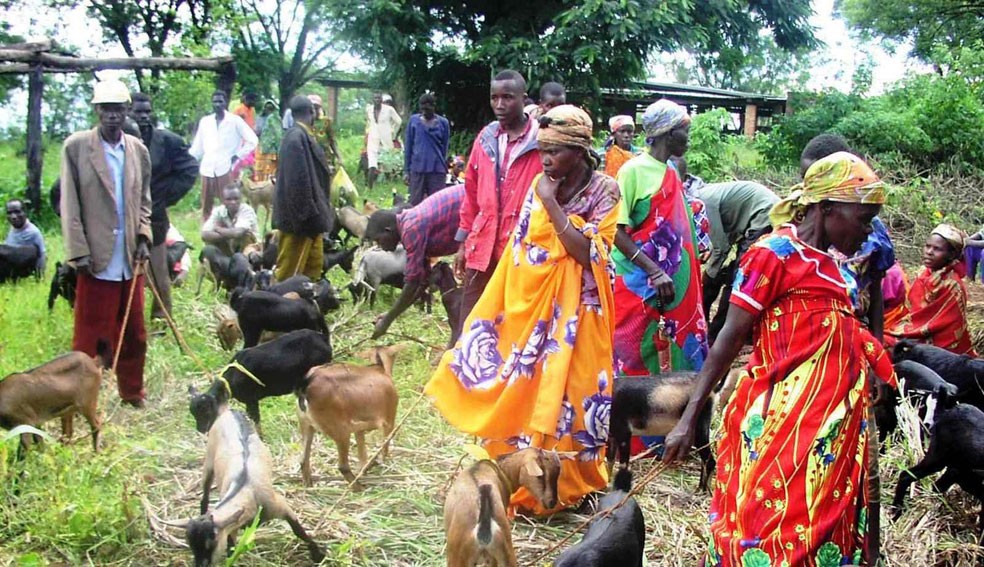
Burundi is one of the poorest countries in the world. Decades of war have left it extremely undeveloped, and around half of its people live in poverty, relying on foreign aid. Many young Burundians have left the country to look for jobs abroad. Nearly all of those who remain live in the countryside and work as farmers, growing just enough cassava, sweet potatoes, beans and corn for their own families. Some people keep cattle, goats and sheep.
The high, cool slopes of Burundi’s central highlands are perfect for growing coffee and tea. These are very important cash crops: together they make up a large part of the country’s foreign exports. Burundi is slowly developing, investing in education, electricity and healthcare, but the process will take many years.
Consultant: Nicholas Harris
Facts about Burundi
Population 14,151,540 (2024 estimate)
Area 25,680 sq km
Highest point Mount Karonje 2685 m (8809 ft)
Capital Gitega (pop. 135,467)
Other major cities Bujumbura (pop. 1,143,202), Muyinga (100,715)
Languages Kirundi, French, Swahili, Arabic
Religions Christian (Catholic) 62%, Christian (Protestant) 24%, Muslim 3%, others 11%
Ethnicity Hutu 85%, Tutsi 14%, Twa 1%
Currency Burundian franc (BIF)
Chief exports coffee, gold, tea, sugar, trucks


History of Burundi
1000s
Bantu (Hutu) peoples begin to arrive and settle in the area
1400s
Tutsi people arrive and settle in the region
1680
Powerful Kingdom of Burundi grows up in the east, expanding to include smaller clans and kingdoms
1858
British explorers Richard Burton and John Speke are among the first Europeans to visit the region
1890
Along with neighbouring Rwanda, Burundi becomes part of German East Africa
1916
Belgian troops occupy Rwanda and neighbouring Burundi during World War I
1923
Belgium takes official control of the region, now known as Ruanda-Urundi
1959
Refugees from Ruanda pour into Burundi, fleeing ethnic violence
1962
Burundi separates from Ruanda and becomes the independent Kingdom of Burundi, with Mwambutsa IV as king
1963
Thousands of Burundi’s Hutu people flee to Rwanda, escaping ethnic violence against them
1965
Hutus win a majority in the parliamentary elections but King Mwambutsa refuses to appoint a Hutu prime minister
1966
Michel Micombero overthrows the king and declares himself president of Burundi
1972
Hutu uprising in the south: about 120,000 Hutus and their supporters are killed by government forces
1988
Tutsis kill thousands of Hutus; thousands more flee across the border to Rwanda
1993
Pro-Hutu government comes to power, led by Melchior Ndadaye. Within months, he is assassinated by opposition supporters, sparking major ethnic violence: 300,000 people are killed
1994
The new Hutu president, Cyprien Ntaryamira, and the Rwandan president are killed when their plane is shot down in Rwanda. This sparks genocide (major ethnic violence) in neighbouring Rwanda, during which 800,000 people die
1996
Ex-president Pierre Buyoya seizes power
2000
Government signs a ceasefire with three Tutsi groups, but two main Hutu groups refuse to sign
2003
Rebel assault on the capital, Bujumbura, forces thousands to flee their homes
2006
Government announces that the country is now stable and lifts a curfew (ordering people to stay indoors at night) which has been in place for 34 years
2008
Fighting between government forces and rebels kills more than 100 people
2009
The FNL (National Liberation Force), a rebel group, gives up its weapons and becomes an official political party
2014
Burundi sends troops to help the peacekeeping effort in the Central African Republic
2015
Protests break out after President Pierre Nkurunziza announces he is to seek a third term in office
2019
Gitega officially becomes the capital
2020
After Nkurunziza announces he does not intend to serve another term, Evariste Ndayishimiye wins the general election and becomes president
pics
Without in any way limiting Q-files Ltd’s exclusive rights under copyright, any use of this publication to “train” generative artificial intelligence (AI) technologies to generate text is expressly prohibited. Q-files Ltd reserves all rights to license use of this work for generative AI training and development of machine learning language models.