
Africa

CITE
We have made every effort to follow citation style rules, but there may be some minor differences. If in doubt, please refer to the appropriate citation style manual.
Djibouti. (2026). In Q-files Encyclopedia, Geography, Africa. Retrieved from
https://www.q-files.com/geography/africa/djibouti
"Djibouti." Geography, Africa, Q-files Encyclopedia, 30 Mar. 2026.
https://www.q-files.com/geography/africa/djibouti.
Accessed 21 Sep. 2026.
Djibouti 2026. Geography, Africa. Retrieved 21 September 2026, from
https://www.q-files.com/geography/africa/djibouti
Geography, Africa, s.v. "Djibouti," accessed September 21, 2026.
https://www.q-files.com/geography/africa/djibouti


Djibouti
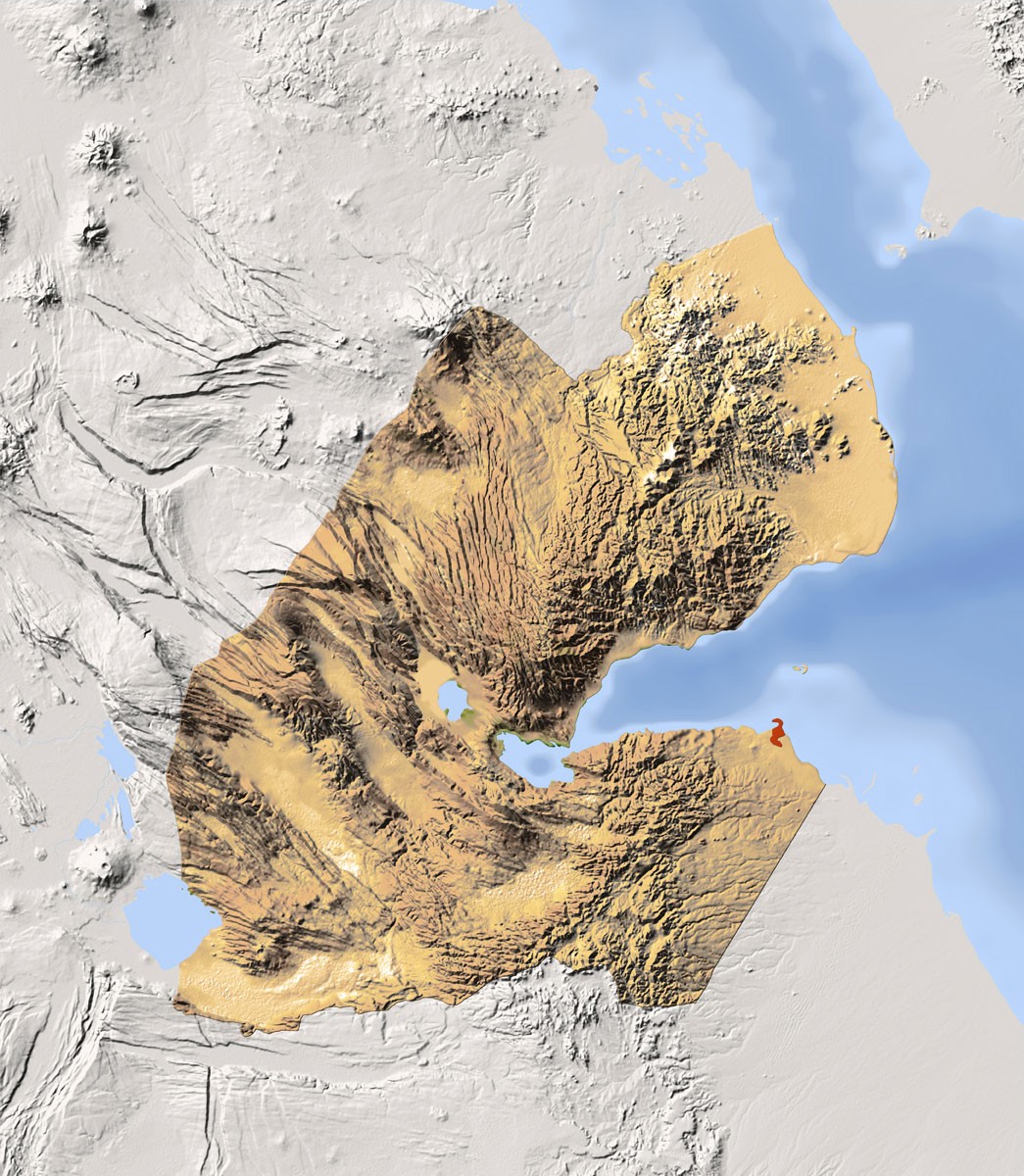
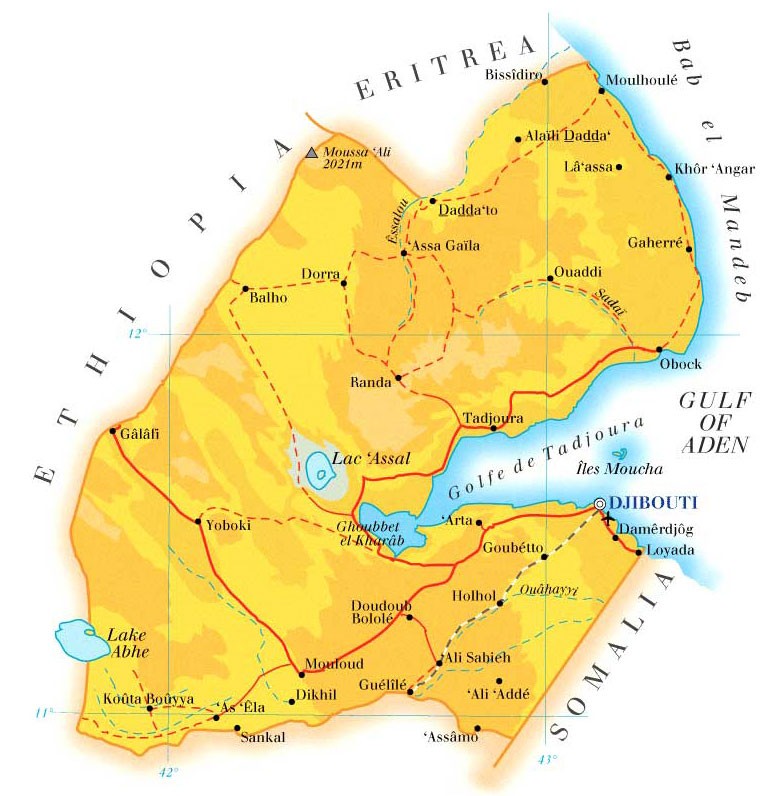
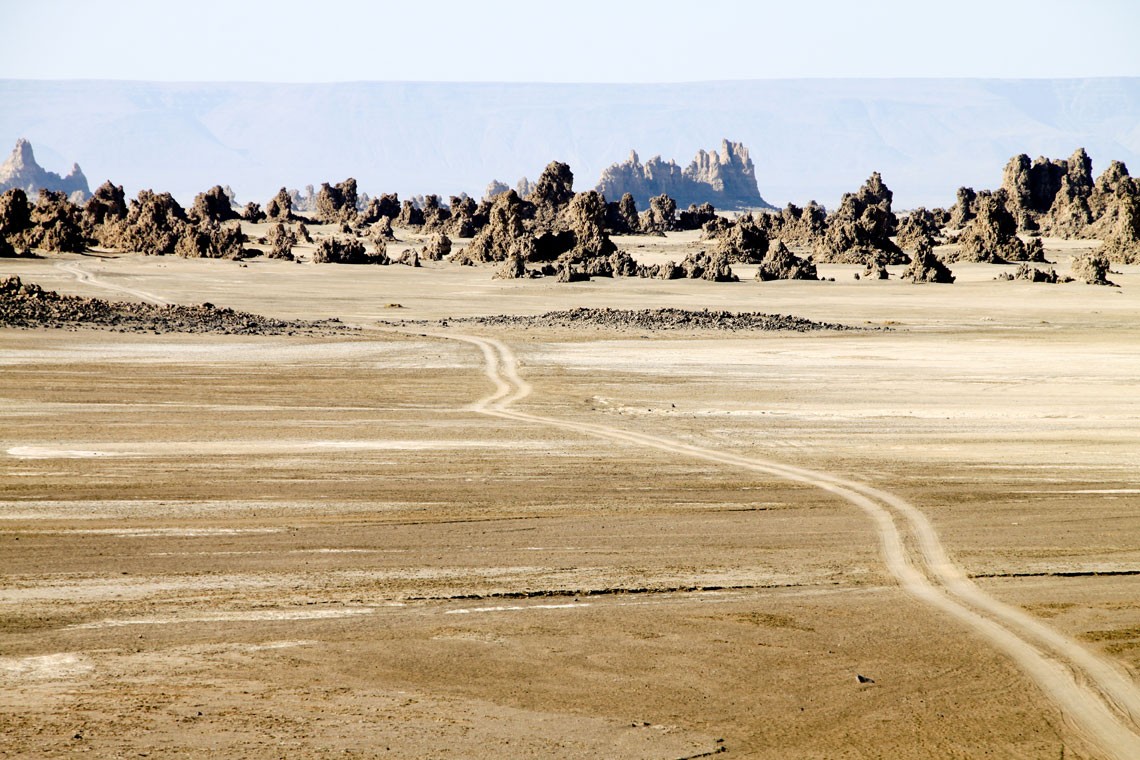
The tiny country of Djibouti lies on the Gulf of Aden at the mouth of the Red Sea. This position on some of the busiest shipping lanes in the world makes it strategically important: Djibouti controls access to the Red Sea. Outside the city, most of Djibouti’s land is hilly and rugged, a landscape of dry scrubland. Volcanic mountains rise in the middle of the country, while in the north a narrow strip of desert runs along the coast. The climate here is very hot and dry. In the hottest months, between May and October, a dry wind called the khamsin blows across Djibouti from the northeast carrying dust and sand.
People
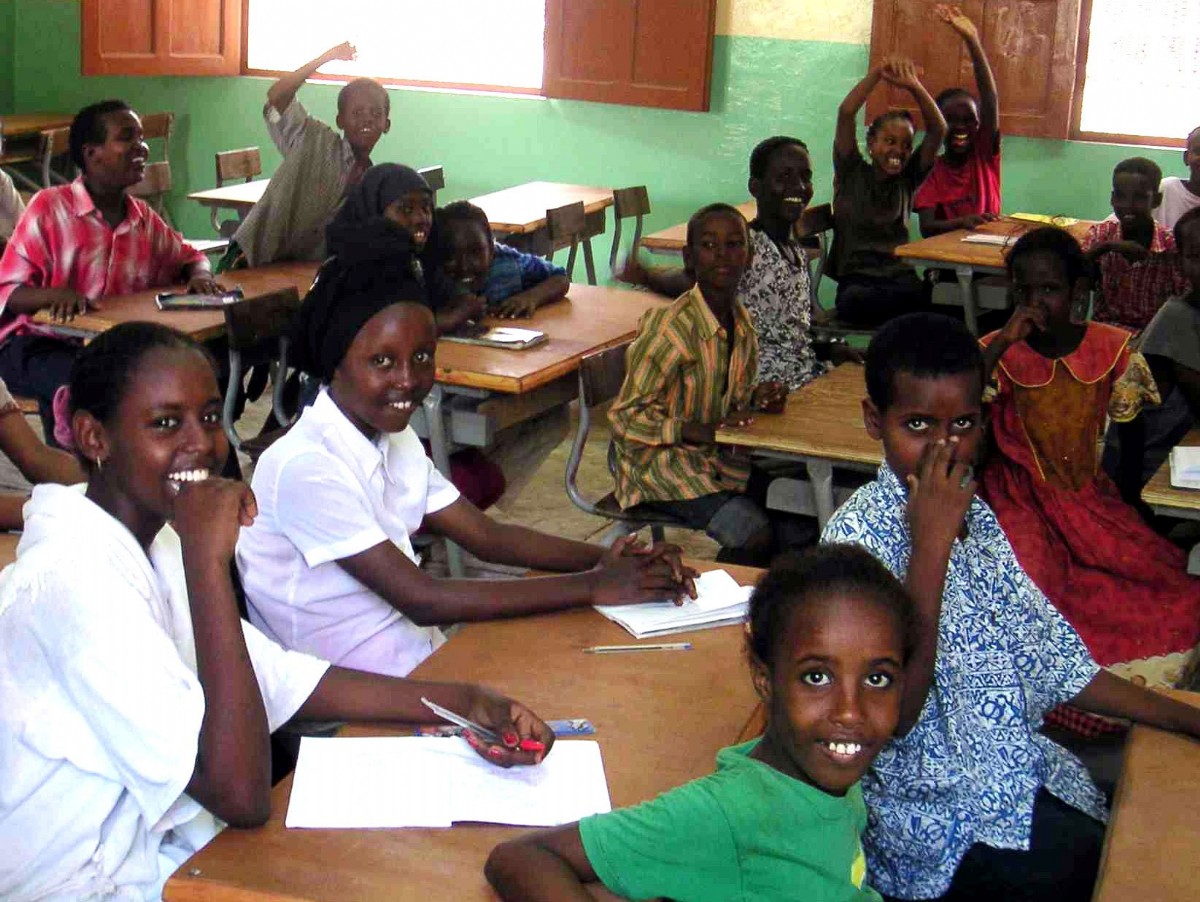
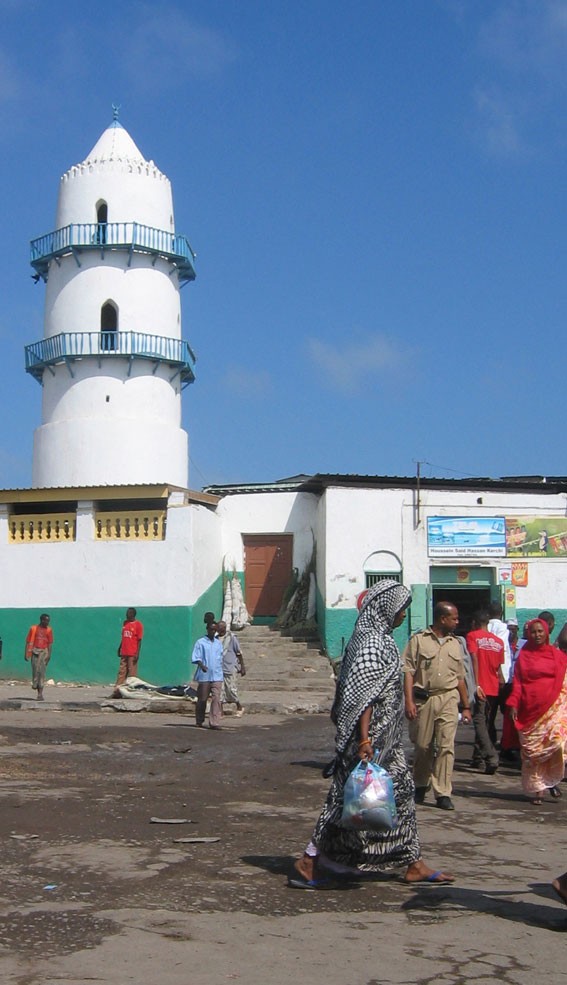
Two main ethnic groups make up the people of Djibouti: the Issas, a people originally from Somalia, and the Afars, an Ethiopian people. Nearly all its people are Muslim. More than half of the population live in the city of Djibouti. Nearly all the rest are nomadic farmers, herding sheep and goats from place to place in search of new pastures. Although Djibouti suffered from civil war in the early 1990s, today it is a mostly peaceful country.
Economy
Djibouti is a small country with few natural resources. It makes most of its income from shipping: the port of Djibouti is the largest in northeastern Africa. Ships pay fees to moor in the harbour as well as to pass through shipping routes Djibouti controls. Neighbouring countries, such as Ethiopia, transport their goods into Djibouti by air and rail, from where they are exported by sea. Djibouti is a poor country and it receives large amounts of international aid. The government is, however, investing in new industries, such as energy and salt production.

Consultant: Nicholas Harris
Facts about Djibouti
Population 1,066,809 (2024 census)
Area 23,180 sq km
Highest point Moussa Ali 2028 m (6654 ft)
Capital Djibouti, population 780,000
Other major cities Ali Sabieh (pop. 44,782)
Languages Arabic, French, Somali, Afar
Religions Muslim 94%, Christian 6%
Ethnicity Somali (Issa) 60%, Afar 35%, others 5%
Currency Djiboutian franc (DJF)
Chief exports vehicles and coffee (re-exported from other countries), hides and animal skins

History of Djibouti
825
Islam is introduced to Djibouti
1285
Ifat Sultanate, ruled by the Somali Walashma dynasty, grows up in the region that is now Djibouti
1862
France takes control of the region (known as Obock) from Somali and Afar Sultans
1888
France makes the region into a French colony, called French Somaliland
1892
Djibouti becomes the capital of French Somaliland
1897
Ethiopia takes control of parts of Djibouti
1917
Railway completed between Ethiopian capital Addis Ababa and the port of Djibouti
1946
French Somaliland is made an overseas territory of France, with its own representation in the French parliament
1967
Following a referendum on whether the territory should become independent, the people of French Somaliland vote to stay as a territory of France; it is renamed The French Territory of Afars and Issas
1977
The territory becomes an independent republic, called Djibouti. Hassan Gouled Aptidon is president
1979
A new political party, the People’s Progress Assembly Party, is set up to try and unite Afar and Issa peoples
1981
People’s Progress Assembly rules Djibouti as a one-party state
1992
Civil war: fighting breaks out between government troops and an Afar-led opposition group (FRUD) in the northeast
1994
Government signs a power-sharing agreement with FRUD and the civil war is officially over; some groups continue fighting
2000
Fighting ends as radical FRUD groups sign a peace agreement
2001–02
USA invades Afghanistan; German warships arrive in Djibouti to patrol Red Sea shipping lanes
2007–14
Inland areas of Djibouti suffer from drought and food shortages affect more than 50,000 people
pics

Without in any way limiting Q-files Ltd’s exclusive rights under copyright, any use of this publication to “train” generative artificial intelligence (AI) technologies to generate text is expressly prohibited. Q-files Ltd reserves all rights to license use of this work for generative AI training and development of machine learning language models.