
Africa

CITE
We have made every effort to follow citation style rules, but there may be some minor differences. If in doubt, please refer to the appropriate citation style manual.
Cameroon. (2026). In Q-files Encyclopedia, Geography, Africa. Retrieved from
https://www.q-files.com/geography/africa/cameroon
"Cameroon." Geography, Africa, Q-files Encyclopedia, 5 May. 2026.
https://www.q-files.com/geography/africa/cameroon.
Accessed 21 Sep. 2026.
Cameroon 2026. Geography, Africa. Retrieved 21 September 2026, from
https://www.q-files.com/geography/africa/cameroon
Geography, Africa, s.v. "Cameroon," accessed September 21, 2026.
https://www.q-files.com/geography/africa/cameroon


Cameroon
Sometimes referred to as a “miniature Africa”, Cameroon’s diverse landscape of savanna, deserts, mountains and rainforests represents all the main African ecosystems. Stretching across central Cameroon is a high, grassy plateau. North of these uplands are dry, rocky volcanic plains, while in the south the land slopes to tropical rainforests, some of the wettest places on Earth. These forests are important for Cameroon: its people have lived among them for thousands of years, and today the trees provide timber, a major export. Near the coast is Mount Cameroon, known locally as Mongo ma Ndemi ("Mountain of Greatness"), an active volcano. The higher of its two peaks, Fako, is Cameroon's highest point. Cameroon has a varied tropical climate: in the north, temperatures are hot with a short rainy season, while southern regions are wetter.


People
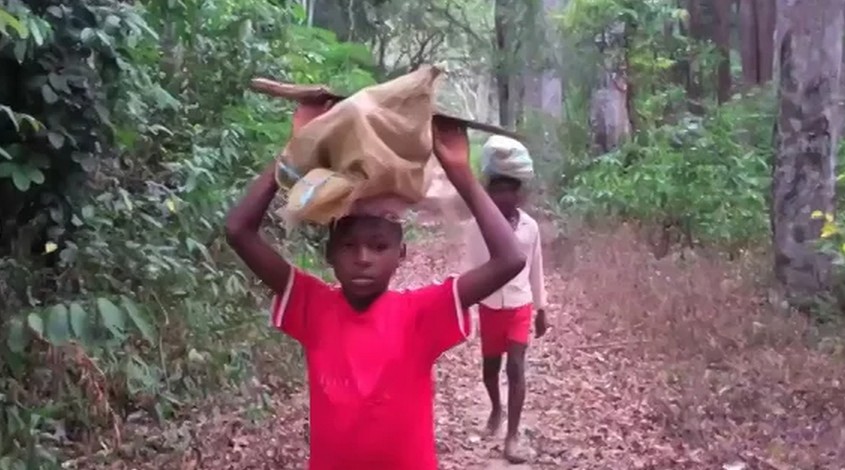
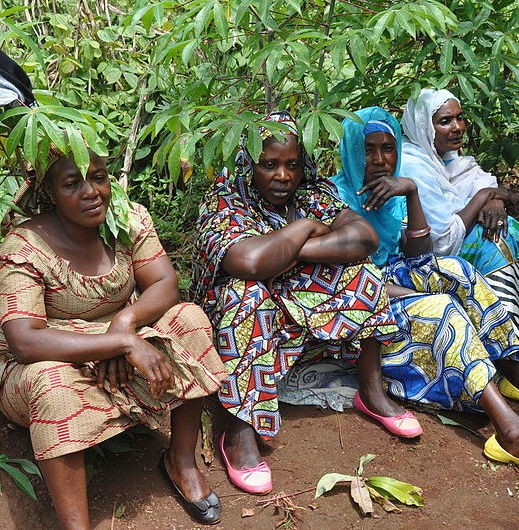
Cameroon is home to around 250 ethnic groups. In the north, the largest is the Fulani, a Muslim people who were historically nomads and cattle-herders. In southern Cameroon live Bantu peoples, including the Bassa and Douala. Some of the first people to settle in Cameroon were the Baka, who lived off rainforest plants as well as hunting wild pigs and antelopes. Around 30,000 Baka people, who stand no taller than 1.52 metres (5 feet), still live in the country’s southern rainforests.
Agriculture
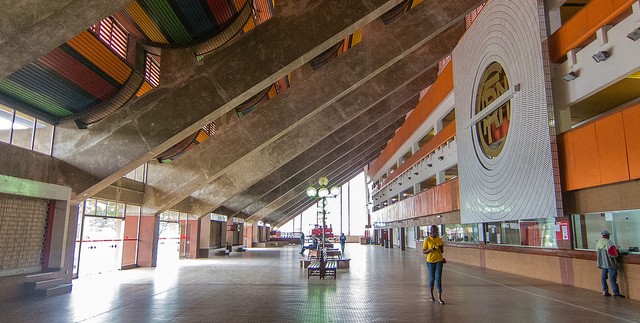
Around three-quarters of Cameroon’s population works in agriculture, mainly on small farms. Families grow crops such as millet for their families, and cash crops including coffee, cocoa and sugarcane to sell for export.
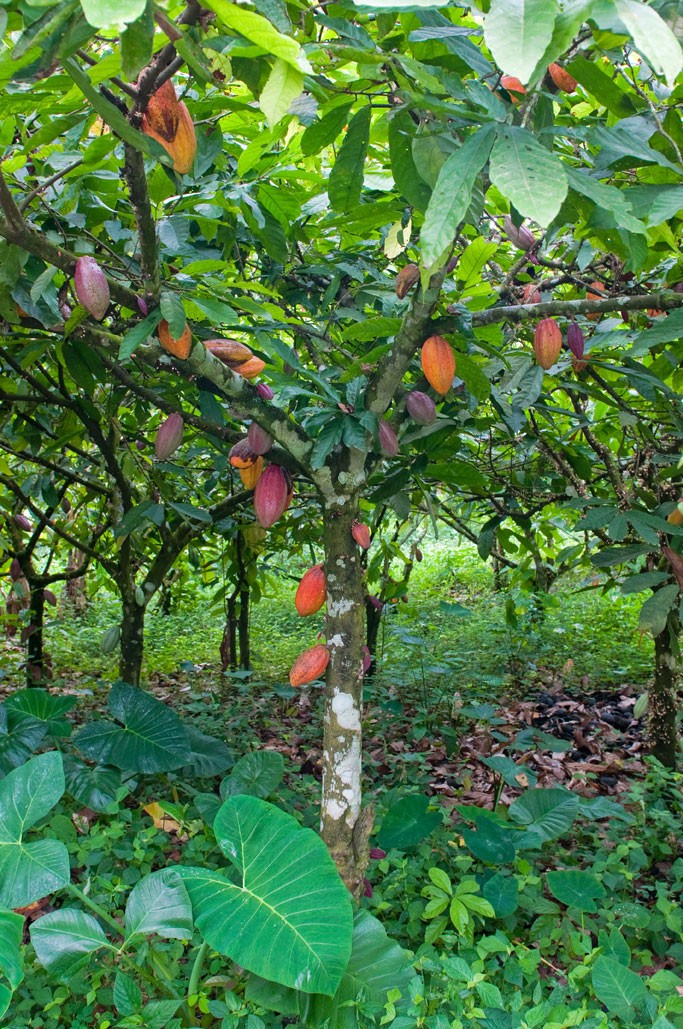
Cameroon is the fourth-largest producer of cocoa in the world. The hot, wet climate in the southwest of the country is perfect for growing cocoa trees, which are often planted in between other fruit trees to give them shade. Bananas, an important export, and rubber trees are also grown in this tropical region.
Economy
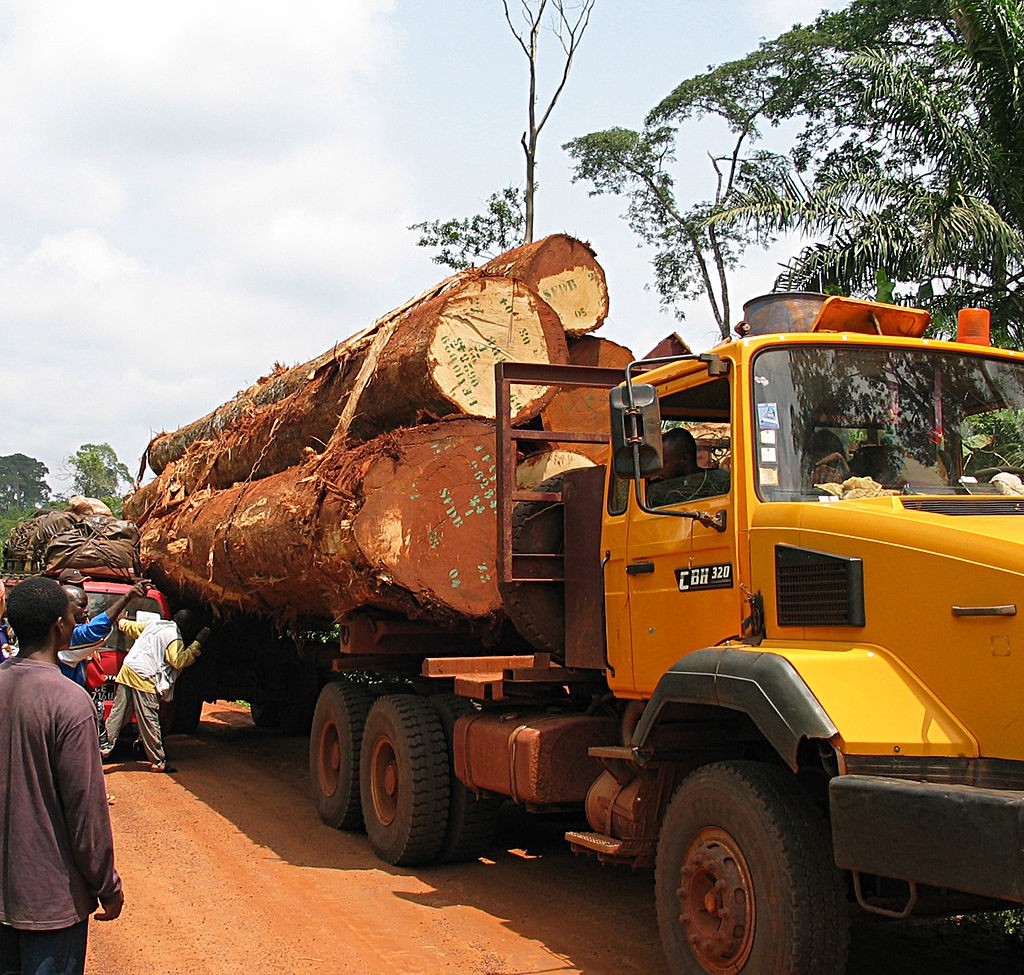
Since the 1970s, oil has been an important source of foreign income for Cameroon. The country also has valuable reserves of bauxite, the ore from which the metal aluminium is extracted. Cameroon is one of the world’s largest suppliers of timber. Woods such as mahogany and teak are in demand all over the world. Most of its raw timber is sold to China to be used in manufacturing wooden products, while processed wood is sold mainly to Europe. Some regions of Cameroon are experiencing deforestation; it is estimated that the country loses 1% of its forests every year.

Consultant: Nicholas Harris
Facts about Cameroon
Population 30,966,105 (2024 estimate)
Area 475,442 sq km (183,569 sq miles)
Highest point Fako (Mt Cameroon) 4040 m (13,255 ft)
Capital Yaoundé (population 2.8 million)
Other major cities Douala (5,066,000), Garoua (1,285,000), Bafoussam (1,146,000), Bamenda (600,000)
Languages Official languages: French (70%) and English (30%); 250 indigenous languages
Religions Christian (Catholic) 33%, Christian (Protestant) 27%, Muslim 31%, folk religions 2%, other 7%
Ethnicity Cameroon highland Bantu (Bamileke, Bamum, Tikar and others) 38%, southern rainforest Bantu (Beti-Pahuin, Bulu, Fang, Maka, Njem, Baka and others) 18%, coastal Bantu (Bassa, Douala and others) 12%, Kirdi 18%, Fulani and other Sahelian Muslims 14%
Currency Central African CFA franc (XAF)
Chief exports Oil and petroleum products, timber, cocoa beans, bauxite, coffee, cotton, bananas

History of Cameroon
c.50,000 years ago
The Baka and other peoples of short stature live in Cameroon’s southern and eastern forests.
2000 BC
Bantu people are living in the region of the modern border between Cameroon and Nigeria.
AD 1470s
Portuguese traders land on the coast of Cameroon.
c.1500
The Mandara Kingdom is established in the Mandara Mountains.
19th century
Muslim Fulani people move into the north of Cameroon from the western Sahel.
1884
Cameroon becomes a German colony and is named Kamerun.
1918
After Germany’s defeat in World War I, Britain and France divide Kamerun between them. Most is controlled by France, while Britain takes a strip along the Nigerian border.
1955
The Union of the Peoples of Cameroon begins fighting for independence from France.
1960
French-ruled Cameroon becomes independent and is named the Republic of Cameroun.
1961
The southern part of British Cameroons merges with the Republic of Cameroun, while the northern part joins neighbouring Nigeria.
1986
Poisonous gas released from the volcanic crater lake Nyos kills nearly 2000 people.
2008
Oil-rich Bakassi peninsula transferred from Nigeria to Cameroon
2016–17
Protesters from the mostly English-speaking Northwest and Southwest regions campaign for use of the English language in schools and courts
2017 onwards
Government attempts to suppress protests in Northwest and Southwest regions leads to separatists declaring independence for what they call the Federal Republic of Ambazonia. Fighting between separatist guerillas and government forces breaks out, resulting in 450,000 people fleeing their homes.
2018
Government declares victory over Islamist terrorist group Boko Haram on Cameroonian territory
pics

Without in any way limiting Q-files Ltd’s exclusive rights under copyright, any use of this publication to “train” generative artificial intelligence (AI) technologies to generate text is expressly prohibited. Q-files Ltd reserves all rights to license use of this work for generative AI training and development of machine learning language models.