
Africa

CITE
We have made every effort to follow citation style rules, but there may be some minor differences. If in doubt, please refer to the appropriate citation style manual.
Guinea. (2026). In Q-files Encyclopedia, Geography, Africa. Retrieved from
https://www.q-files.com/geography/africa/guinea
"Guinea." Geography, Africa, Q-files Encyclopedia, 30 Mar. 2026.
https://www.q-files.com/geography/africa/guinea.
Accessed 21 Sep. 2026.
Guinea 2026. Geography, Africa. Retrieved 21 September 2026, from
https://www.q-files.com/geography/africa/guinea
Geography, Africa, s.v. "Guinea," accessed September 21, 2026.
https://www.q-files.com/geography/africa/guinea


Guinea
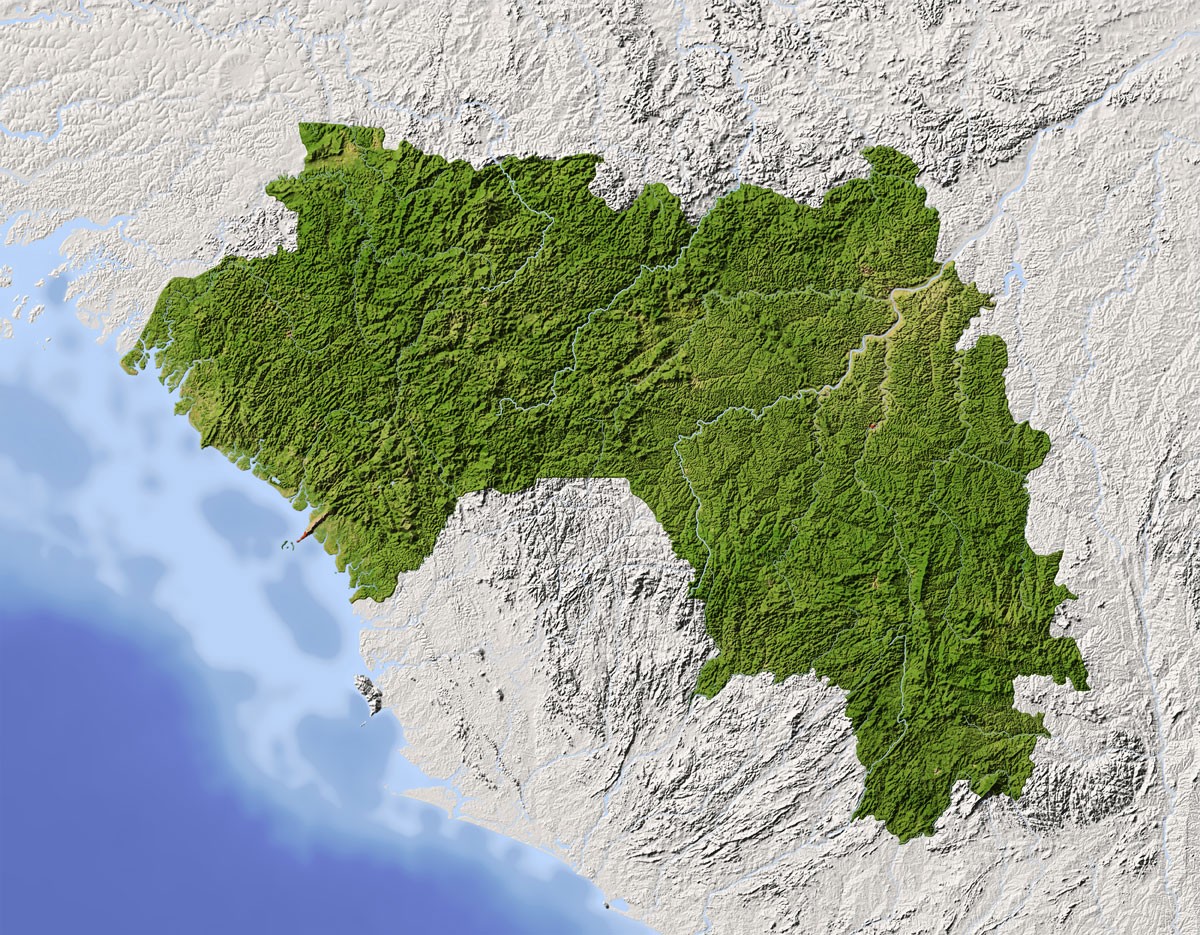
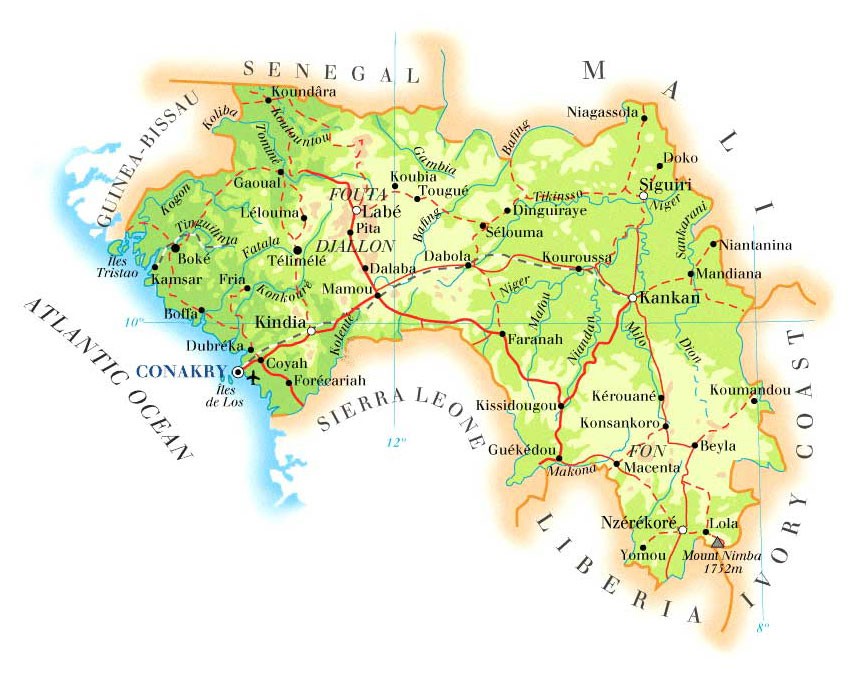
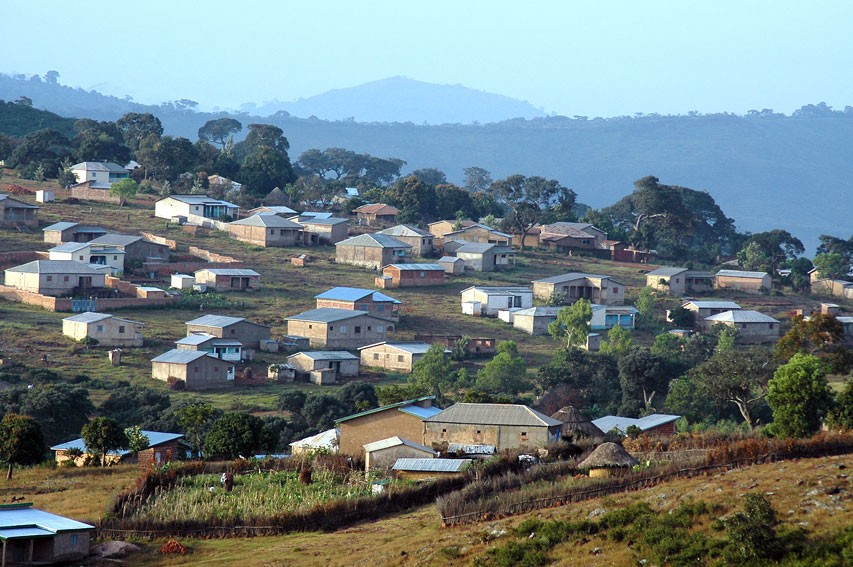
Guinea is a country in West Africa, about the same size as the United Kingdom. In the west there are swampy coastal lowlands and mangrove forests. Here, situated on the Atlantic coast, is the capital and port city of Conakry. Inland, central Guinea, the Fouta Djallon, is hilly and forested. Beyond these hills lie green savanna plains. Highlands, blanketed by rainforest, rise in the southeast of the country. This warm, fertile region is good for growing crops such as coffee. Most of Guinea has a hot, tropical climate with two seasons: rainy and dry. The coast is wettest; in the highlands, conditions are drier and slightly cooler.
People
The largest ethnic group in Guinea are the Fulani people, who make up around 40% of the population. They mainly live in the central part of the country. Another large group, the Malinké, live in the east, while the Soussou live along the western coast. Around 87% of the population are Muslims. Many Guineans, whether Muslim or Christian, also follow traditional beliefs such as animism.
Farming
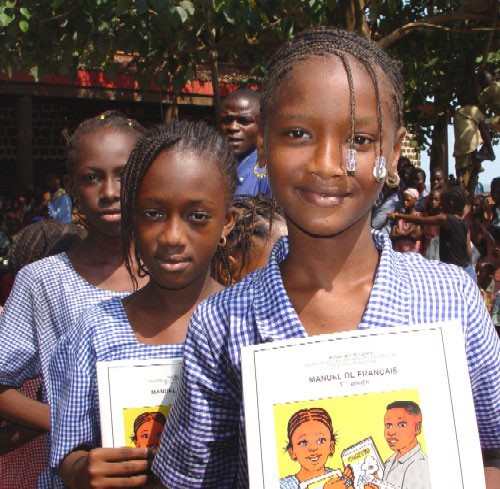
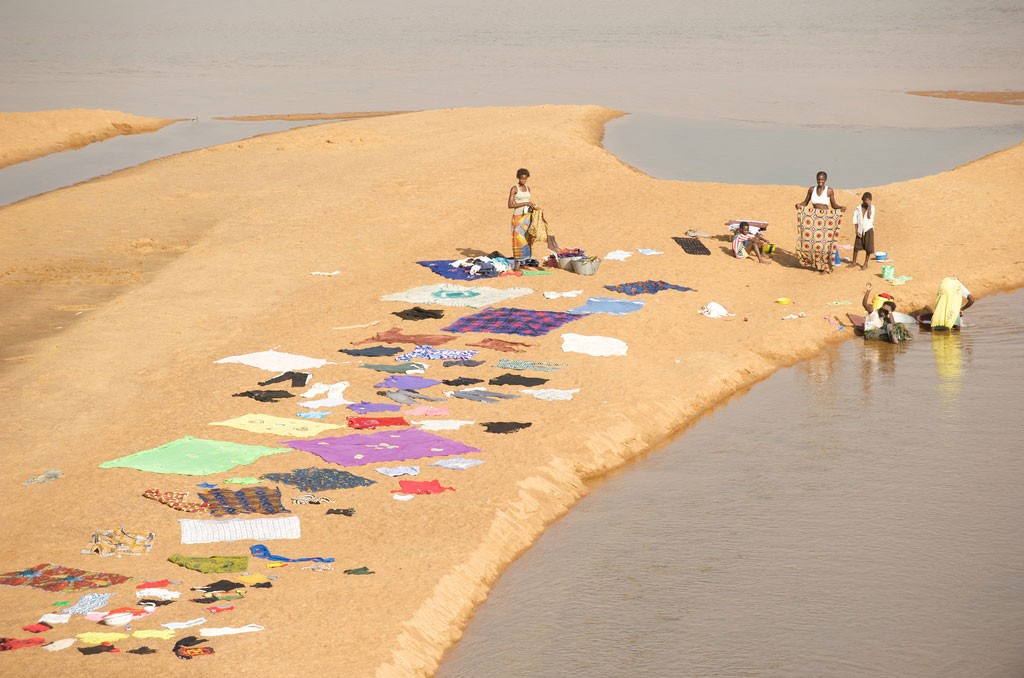
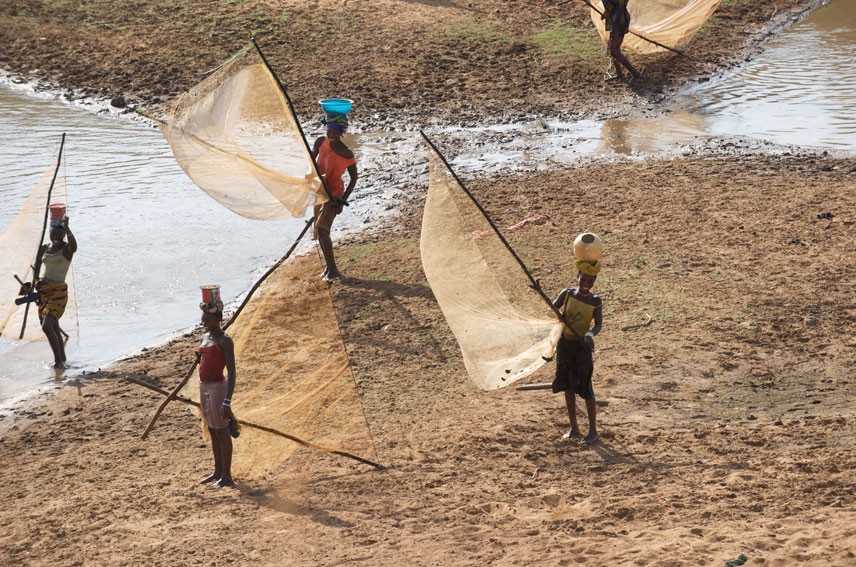
Guinea has some of West Africa’s richest natural resources, but remains one of its poorest nations. The land here is fertile, and nearly everyone in the countryside makes a living from farming and fishing. They grow rice, cassava and sweet potatoes for their families. Some people work on larger plantations growing pineapples and bananas for export. Many children only go to school for a few years before starting work on their families’ farms at a young age.
Minerals
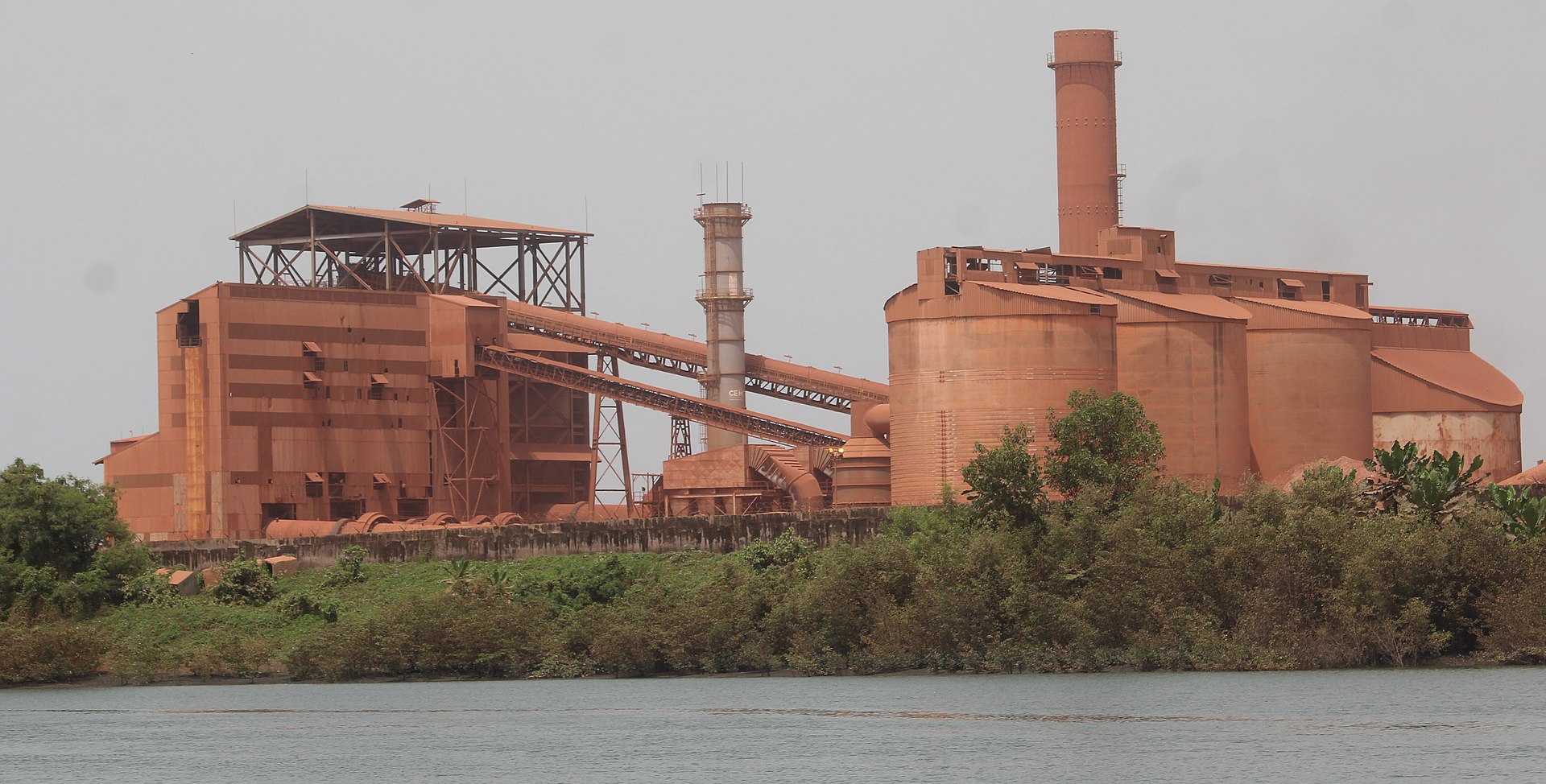
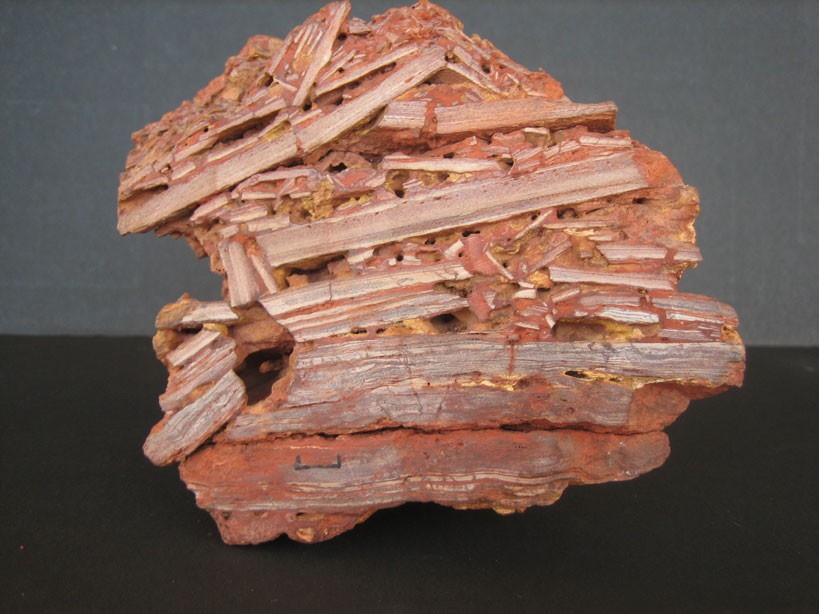
Guinea has huge deposits of diamonds and gold, as well as large reserves of iron ore. Its reserves of bauxite (the ore of the metal aluminium) are the largest in the world. After Australia, it is the world's second-largest producer of bauxite. Since Guinea became independent, however, a lack of political stability has made it hard for these industries to develop. Mining its rich reserves of iron ore will be difficult and expensive, as new mines, railways and port facilities will have to be built.
Consultant: Nicholas Harris
Facts about Guinea
Population 13,986,179 (2024 estimate)
Area 245,717 sq km
Highest point Mount Nimba 1752 m (5748 ft)
Capital Conakry, metro area population 2,178,600
Other major cities Nzérékoré (195,027), Kankan (190,722)
Languages French, indigenous languages
Religions Muslim 87%, Christian 3.5%, indigenous beliefs 9.5%
Ethnicity Fulani 40%, Malinké 30%, Soussou 20%, others 10%
Currency Guinean franc (GNF)
Chief exports bauxite, gold, diamonds, coffee, fish

History of Guinea
12th century
Sosso kingdom is briefly powerful in the region before being taken over by the Mali Empire
13th–15th centuries
The Islamic Mali Empire rules much of northern Guinea
1460
Songhai Empire, a smaller state within the Mali Empire, becomes more powerful and takes over the region
1580s
Moroccans invade but are unable to rule the whole kingdom; it splits into a number of smaller ones
1730s
Fulani peoples settle in central Guinea and set up a Muslim state
1880s
French colonists arrive on Guinea’s coast; they defeat local empires and take control of the region
1891
France claims Guinea as a French colony
1898
Samory Touré leads a rebellion against the French occupation but it is defeated by the French
1958
Guinea votes for immediate independence, rather than self-government under French control. It becomes independent, with Ahmed Sékou Touré as its president
1960
President Sékou Touré declares Guinea a one-party state; opponents to his regime are driven into exile
1965
Sékou Touré breaks off relations with France
1984
Sékou Touré dies and two colonels, Lansana Conté and Diarra Traoré, seize power
1993
First multi-party elections are held and Conté is elected president
1996
One-quarter of Guinea’s army protests against working conditions and pay, setting fire to the presidential palace
2005
President Conté narrowly escapes an assassination attempt
2007
People go on strike and protest violently against the rule of President Conté
2008
A military coup takes place after the death of President Conté
2009
Soldiers violently crush a protest against military ruler Moussa Camara at a stadium in Conakry, injuring over 1000 people and killing more than 150
2010
After the military government steps down, Alpha Condé, the first president to be peacefully and democratically elected, starts governing the country
2014
A serious outbreak of the deadly Ebola virus hits southern Guinea, killing more than 600 people within 6 months
2021
President Condé is captured by the country's armed forces in a coup. It follows a period of massive anti-government protests.
pics
Without in any way limiting Q-files Ltd’s exclusive rights under copyright, any use of this publication to “train” generative artificial intelligence (AI) technologies to generate text is expressly prohibited. Q-files Ltd reserves all rights to license use of this work for generative AI training and development of machine learning language models.