
Africa

CITE
We have made every effort to follow citation style rules, but there may be some minor differences. If in doubt, please refer to the appropriate citation style manual.
Lesotho. (2026). In Q-files Encyclopedia, Geography, Africa. Retrieved from
https://www.q-files.com/geography/africa/lesotho
"Lesotho." Geography, Africa, Q-files Encyclopedia, 30 Mar. 2026.
https://www.q-files.com/geography/africa/lesotho.
Accessed 21 Sep. 2026.
Lesotho 2026. Geography, Africa. Retrieved 21 September 2026, from
https://www.q-files.com/geography/africa/lesotho
Geography, Africa, s.v. "Lesotho," accessed September 21, 2026.
https://www.q-files.com/geography/africa/lesotho


Lesotho
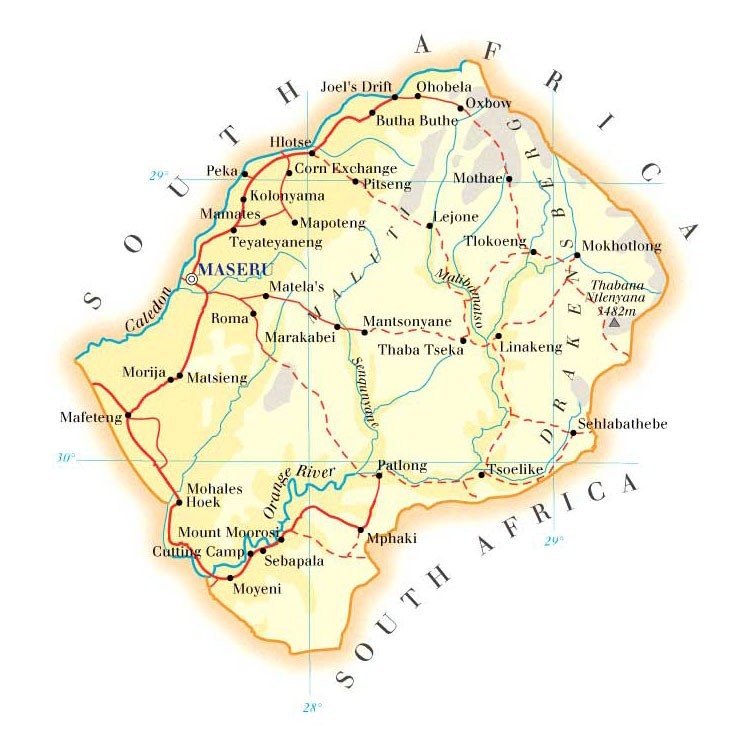
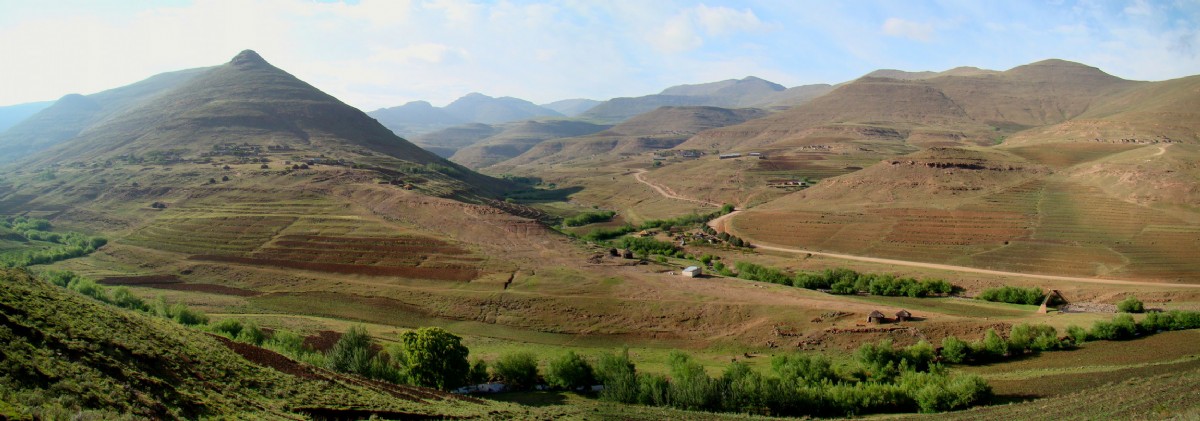
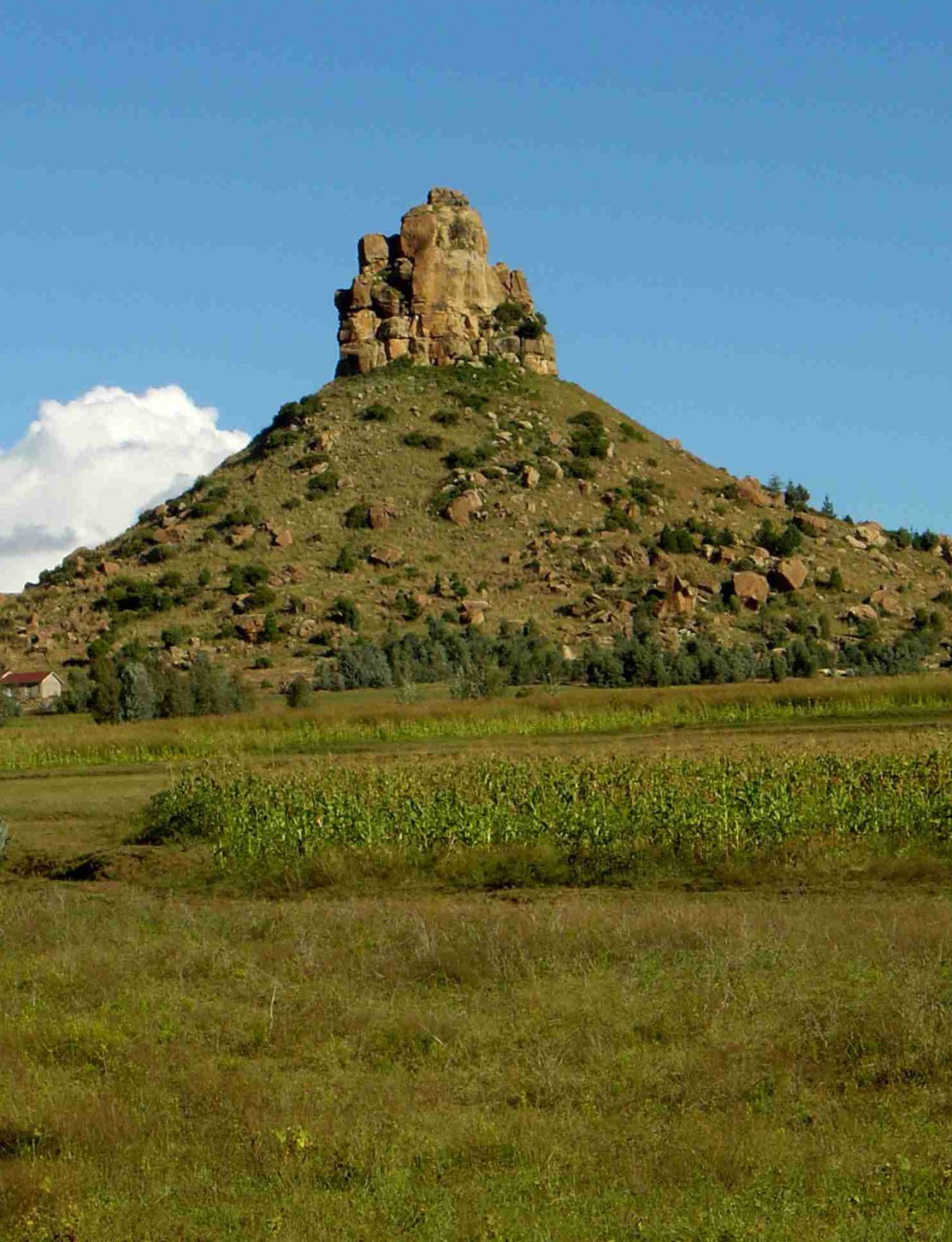
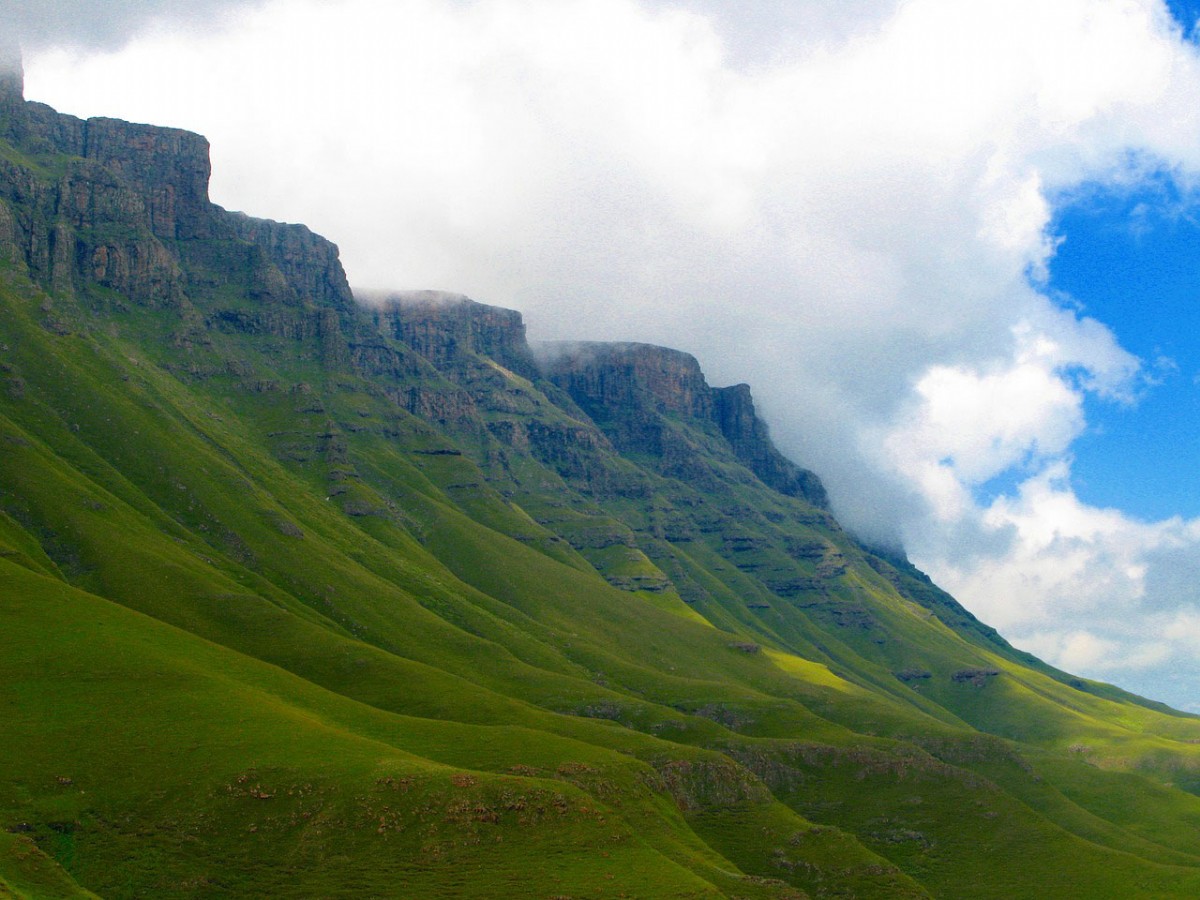
The tiny, mountainous country of Lesotho is completely surrounded by South Africa—it is an enclave. The River Caledon runs along its northern border, while the Orange River winds its way across the southern plateau. These two rivers provide Lesotho’s most important natural resources: water and hydropower. Lesotho has a rugged, upland landscape, formed by the Maluti (or Maloti) and Drakensberg mountain ranges in the central and eastern parts of the country. Because the altitude is so high, the climate in Lesotho is cool and continental. Summers are hot and dry, while winters can be cold and snowy. Sometimes temperatures in the highlands fall as low as -10°C (14°F).


Economy
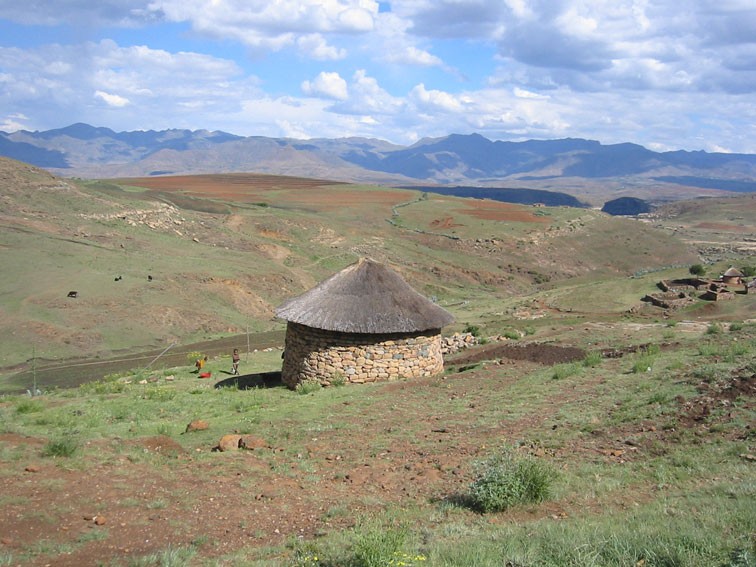
Even though very little of Lesotho is suitable for cultivation, a large number of its people farm small pockets of land in the foothills between the mountains. They grow corn, wheat and sorghum and raise cattle and goats. Many of the others work in mines and textile factories, or on large farms in neighbouring South Africa. These migrant workers send money home to their families—an important source of income. The rivers that run through Lesotho are vital to its economy. Dams on these rivers provide enough hydro-electric power for the country to be self-sufficient in energy. There is some left over to export to South Africa.
People
Most people in Lesotho are part of the Sotho (Basotho) ethnic group, and speak Sesotho, a Bantu language. Lesotho is a very poor country; about half its population, mostly rural dwellers, live below the international poverty line. The government invests a high proportion of its money in education, which means that most of its people can read and write. However, many people still do not have good access to healthcare, books and the internet.


Consultant: Nicholas Harris
Facts about Lesotho
Population 2,210,646 (2023 estimate)
Area 30,355 sq km
Highest point Thabana Ntlenyana 3482 m (11,424 ft)
Capital Maseru, population 519,186
Other major cities Teyateyaneng (pop. 75,115), Mafeteng (57,000)
Languages Sesotho, Zulu, Xhosa, English
Religions Christian 80%, indigenous beliefs 20%
Ethnicity Sotho 99%, Europeans and others 1%
Currency Lesotho loti (LSL)
Chief exports clothing and textiles, shoes, wool, live animals, electricity, water, diamonds
History of Lesotho
4th century
Bantu peoples from Central Africa settle in the region, calling themselves the Basotho
1818
Moshoeshoe I becomes king and unites the region’s Basotho tribes as a single kingdom called Basutoland
1834
Boer people begin to settle in the region
1856–68
Wars are fought between the Basotho and the Boer people who have settled on Basotho land
1868
The country comes under British protection
1871
The country becomes part of Cape Colony (modern-day South Africa), controlled by the British
1884
People revolt against the rule of Cape Colony and the country becomes a separate British colony, called Basutoland
1939–45
20,000 Sotho people serve in British forces during World War II
1950s
New political parties are set up and begin to call for independence
1966
The country becomes independent as the Kingdom of Lesotho, with Moshoeshoe II as king
1986
South Africa places a block on Lesotho’s borders, demanding anti-apartheid activists within Lesotho be expelled from the country
1995
Moshoeshoe II dies in a car crash and Letsie III becomes king
1998
Rioting breaks out over the result of the general election; troops from South Africa and Botswana are brought in to restore order
2004
A state of emergency is declared as hundreds of thousands of people face severe food shortages
2007
Lesotho suffers a severe drought, the worst in 30 years
2012
Lesotho faces its worst food shortage in living memory
pics

Without in any way limiting Q-files Ltd’s exclusive rights under copyright, any use of this publication to “train” generative artificial intelligence (AI) technologies to generate text is expressly prohibited. Q-files Ltd reserves all rights to license use of this work for generative AI training and development of machine learning language models.