
Africa

CITE
We have made every effort to follow citation style rules, but there may be some minor differences. If in doubt, please refer to the appropriate citation style manual.
Eswatini (Swaziland). (2026). In Q-files Encyclopedia, Geography, Africa. Retrieved from
https://www.q-files.com/geography/africa/eswatini-swaziland
"Eswatini (Swaziland)." Geography, Africa, Q-files Encyclopedia, 30 Mar. 2026.
https://www.q-files.com/geography/africa/eswatini-swaziland.
Accessed 22 Sep. 2026.
Eswatini (Swaziland) 2026. Geography, Africa. Retrieved 22 September 2026, from
https://www.q-files.com/geography/africa/eswatini-swaziland
Geography, Africa, s.v. "Eswatini (Swaziland)," accessed September 22, 2026.
https://www.q-files.com/geography/africa/eswatini-swaziland


Eswatini (Swaziland)
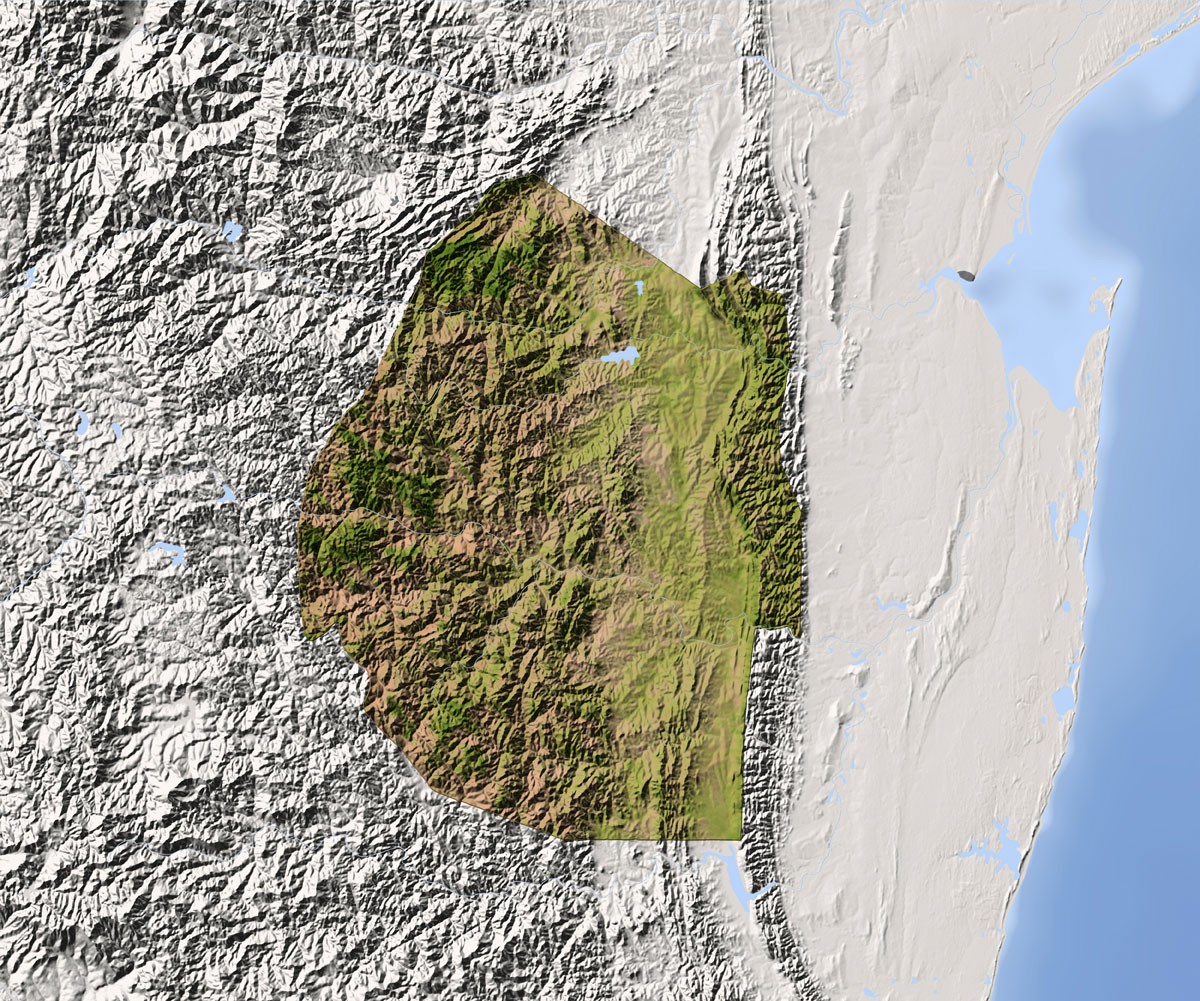
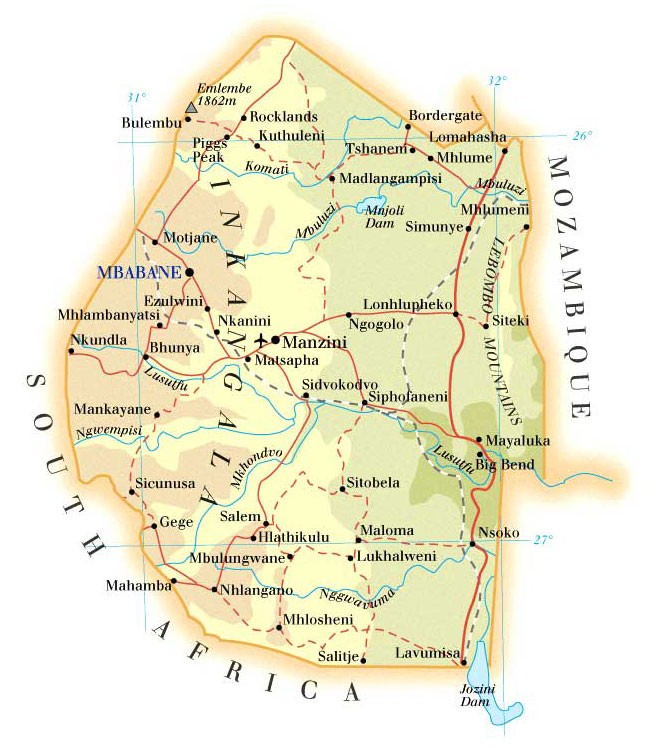
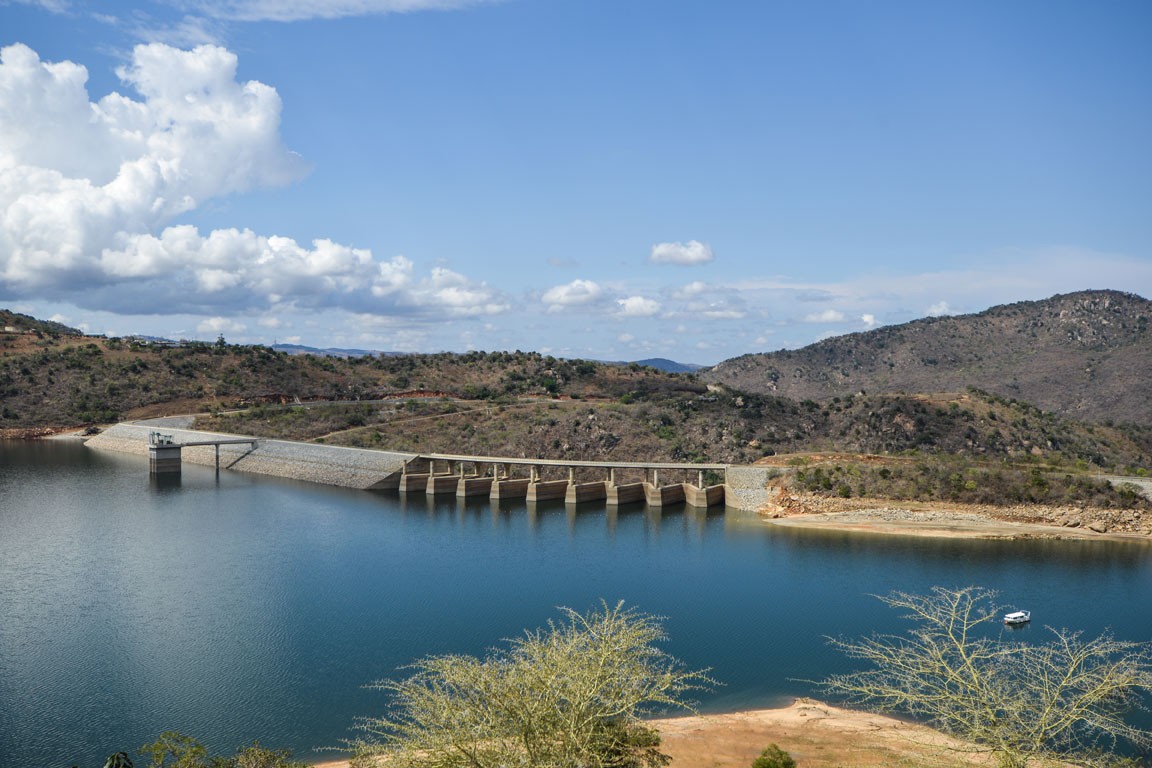
Eswatini—the new name (since April 2018) for Swaziland—is one of Africa’s smallest countries. This tiny, landlocked country lies almost completely surrounded by its neighbour, South Africa. To the east, the Lubombo Mountains form a border with Mozambique. In the west are the high, jagged mountains of the Drakensberg range: this region, known as the Highveld, has a cool, humid climate. The capital, Mbabane, is situated here. Further eastwards, the land slopes to the rolling savanna grasslands of the Middleveld and Lowveld, where the climate is drier and warmer.
People
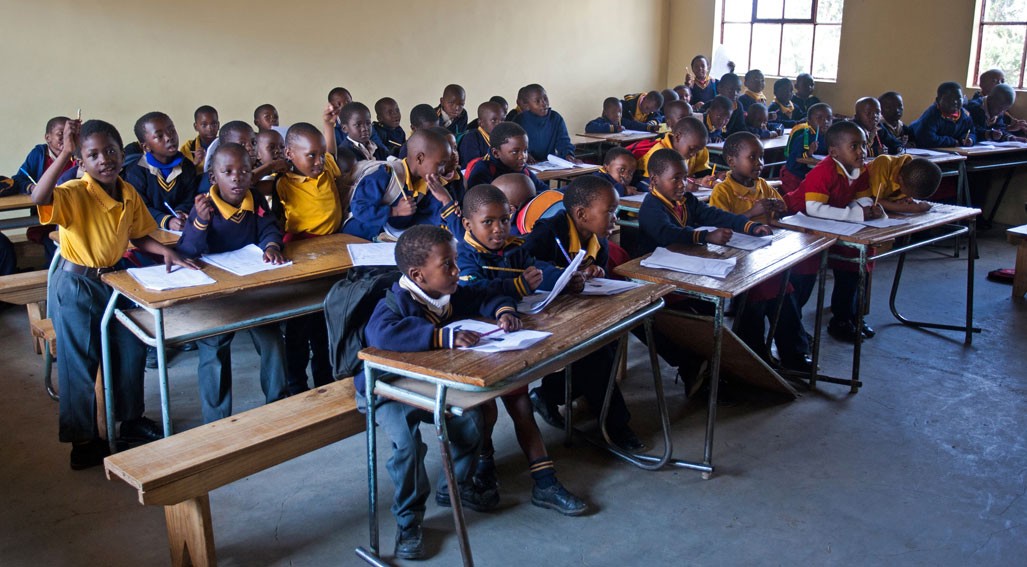
Nearly all Eswatini’s people are ethnic Swazi, a Bantu people whose ancestors came from Central Africa about 2000 years ago. They speak siSwati and English. There are also small numbers of Zulu and Afrikaners. Eswatini has a very high number of people suffering from HIV/AIDS. Thousands of children have lost their parents to the disease. As of 2022, Eswatini had the highest prevalence of HIV among adults aged 15 to 49 in the world: 26%.
Economy
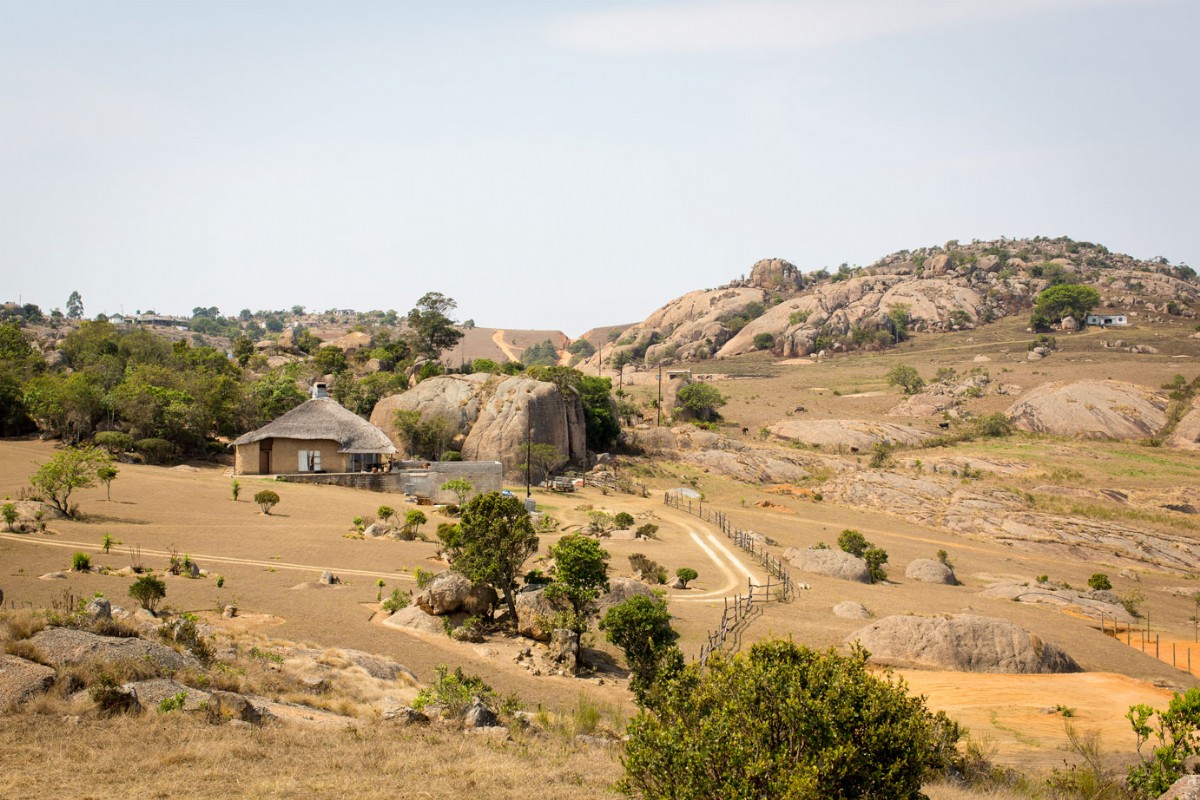
Many people work as farmers, growing maize and other food crops on communal farmland. Others work on larger farms growing sugar cane, or in the mining or timber industries. Eswatini’s economy is very closely linked with South Africa’s. Around half of its exports go to South Africa, and that country supplies nearly all the goods Eswatini imports.
Consultant: Nicholas Harris
Facts about Eswatini
Population 1,236,126 (2023 estimate)
Area 17,204 sq km
Highest point Emlembe 1862 m (6109 ft)
Capital Mbabane, population 76,218
Other major cities Manzini (pop. 110,500), Big Bend (10,300)
Languages siSwati, English
Religions Zionist 40%, Christian (Roman Catholic) 20%, Muslim 10%, others 30%
Ethnicity Swazi 97%, European and others 3%
Currency Swazi Lilangeni (SZL)
Chief exports sugar, wood pulp, cotton, refrigerators, citrus fruits


History of Eswatini
4th century
Bantu-speaking peoples from Central and eastern Africa settle in the region
1750s
King Ngwane III unites early Swazi tribes in the region under the Ngwane Kingdom
1815
King Ndvungunye is killed by lightning
1839–68
Mswati II becomes king and expands Swazi territory northward
1879
British control large areas of the region
1894
Rule of Swaziland is shared between Britain and the Boer Republic of Transvaal (part of modern-day South Africa)
1899–1902
Swaziland is drawn into the Boer War between Britain and the two Afrikaner republics (Transvaal and the Orange Free State)
1902
The capital, Mbabane, is founded; it will become the centre of British government
1907
Swaziland becomes a territory of the British Empire
1921
King Sobhuza II comes to power; he reigns until 1982
1964
Swaziland’s first constitution is formed, along with a political party, the Imbokodvo National Movement (INM)
1968
Swaziland becomes independent
1979
A new parliament is formed
1992
King Mswati dissolves parliament and begins to rule by decree (with absolute power)
1997
Half Swaziland’s workforce goes on strike; the government declares it illegal
2004
The United Nations declares that Swaziland has the world’s highest rate of HIV/AIDS infection
2011
Pro-democracy protests in Manzini suppressed by police
2012
Ellinah Wamukoya becomes Swaziland’s—and Africa’s—first female bishop
2018
King Mswati announces on his birthday that the country is changing its name from Swaziland to Eswatini (eSwatini in the Swazi language)
2021
Protests, including rioting and looting, are met by police violence. They follow announcement that petitions to the king seeking reforms will be refused.
pics
Without in any way limiting Q-files Ltd’s exclusive rights under copyright, any use of this publication to “train” generative artificial intelligence (AI) technologies to generate text is expressly prohibited. Q-files Ltd reserves all rights to license use of this work for generative AI training and development of machine learning language models.