
Design

CITE
We have made every effort to follow citation style rules, but there may be some minor differences. If in doubt, please refer to the appropriate citation style manual.
Furniture. (2026). In Q-files Encyclopedia, Culture, Design. Retrieved from
https://www.q-files.com/culture/design/furniture
"Furniture." Culture, Design, Q-files Encyclopedia, 13 May. 2026.
https://www.q-files.com/culture/design/furniture.
Accessed 22 Sep. 2026.
Furniture 2026. Culture, Design. Retrieved 22 September 2026, from
https://www.q-files.com/culture/design/furniture
Culture, Design, s.v. "Furniture," accessed September 22, 2026.
https://www.q-files.com/culture/design/furniture


Furniture
The movable items that we use to make our homes more comfortable are called furniture. They include tables, chairs, beds, wardrobes, bookshelves and cabinets. Before the mid-1600s, most people had very little furniture in their homes—beds and stools were the only essential pieces. Craftworkers in the 17th-century developed most of the furniture we recognize today, such as sofas, side-tables and writing desks. Throughout history, different design styles and fashions have influenced the way that furniture looks. A person who builds furniture is called a carpenter, a joiner or a cabinet-maker.
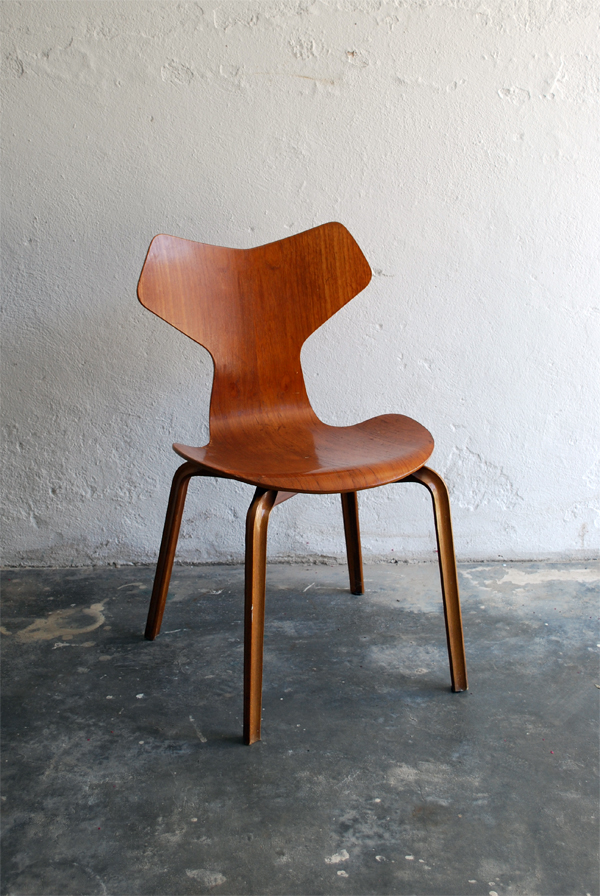

Early furniture
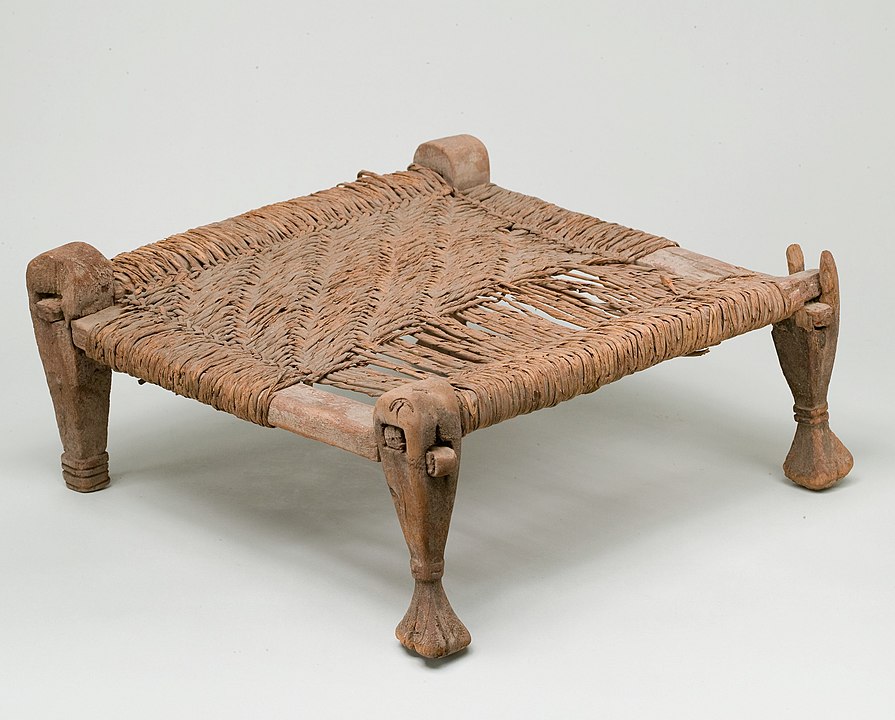
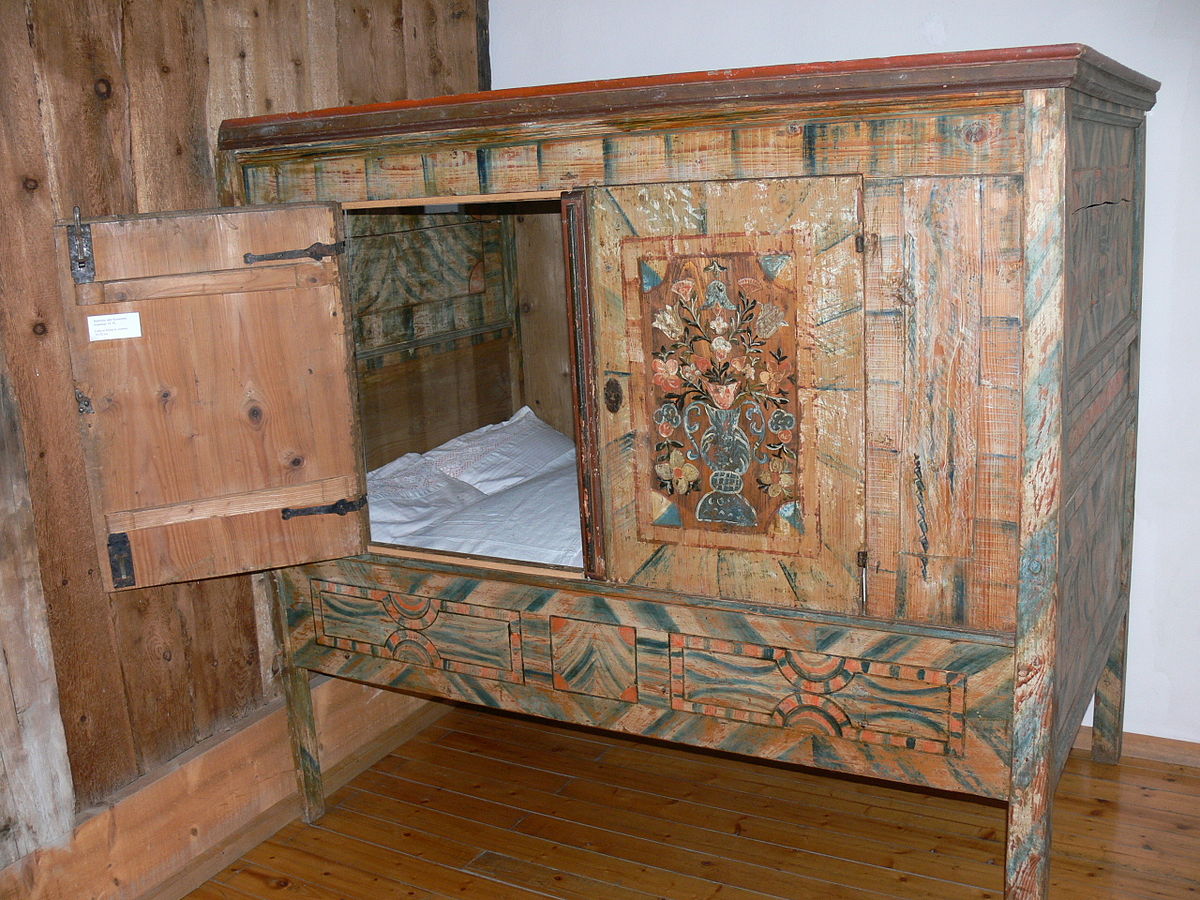
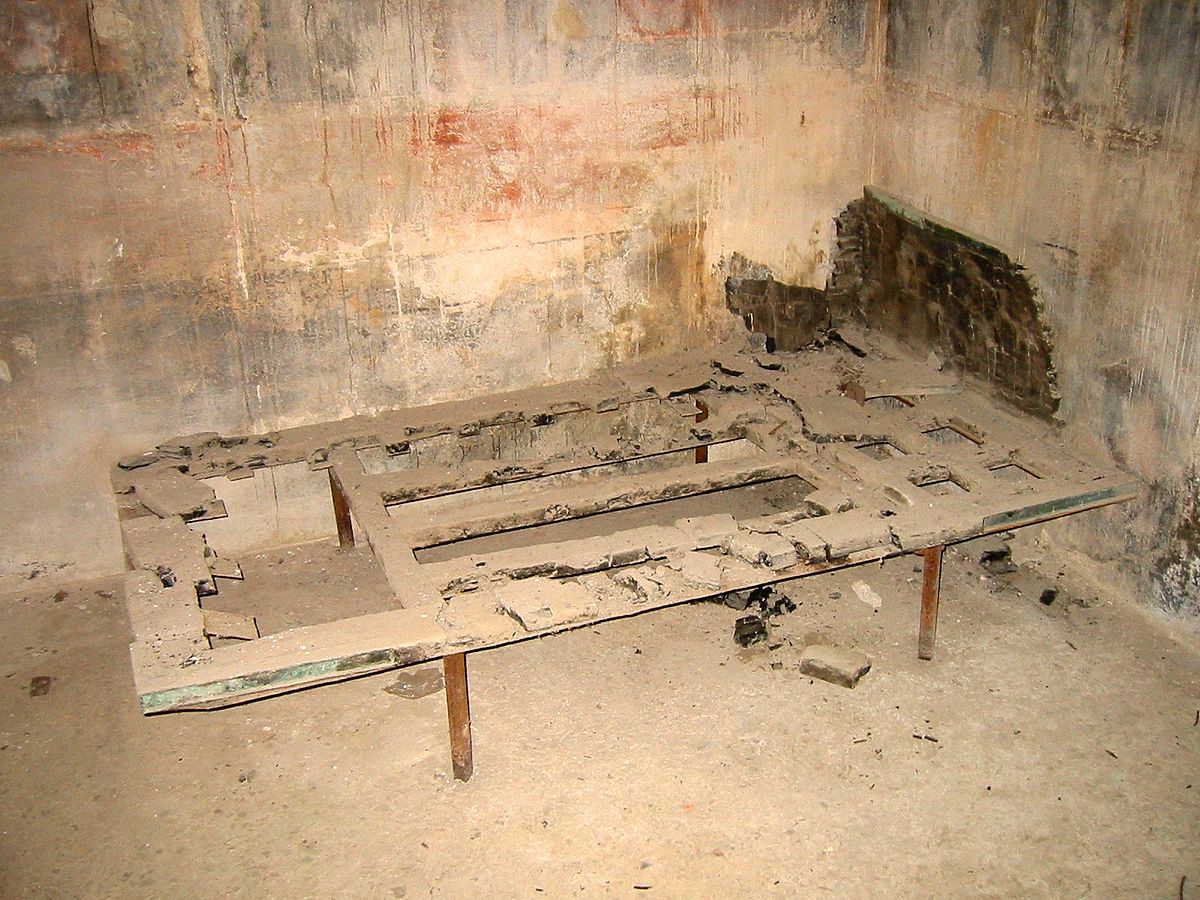
The first furniture was extremely simple. Our Neolithic ancestors used logs or stone blocks as chairs and tables. The earliest beds would have been piles of leaves or straw on the ground. As people settled and built permanent homes in villages, they raised their beds above the ground to shield themselves from draughts and water. Raised stone beds have been found in Skara Brae, Scotland, dating back to around 3000 BC.
The Romans were the first to make beds which we would recognize today. Their beds had woven bases to support mattresses stuffed with straw, and they slept under wool blankets.
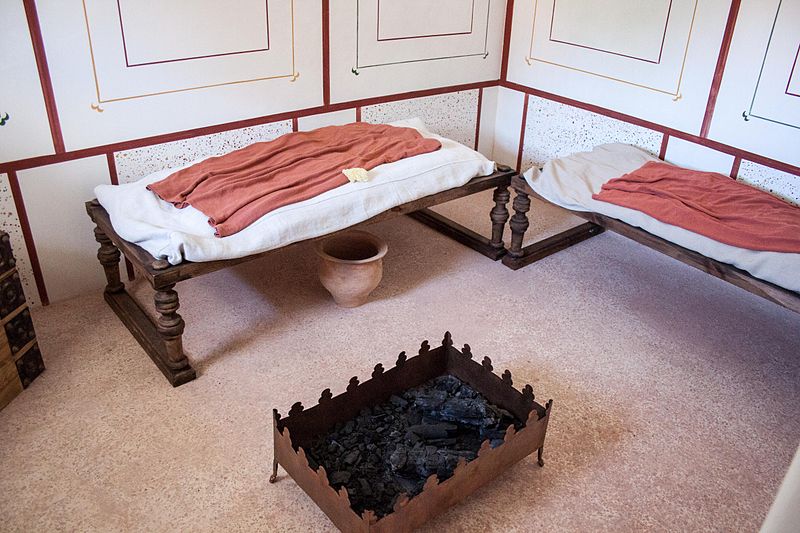
As civilizations developed, furniture became a status symbol showing the importance of the owner or user. Great rulers sat on thrones, highly-decorated chairs which were decorated with gold or silver to show off their wealth and power.
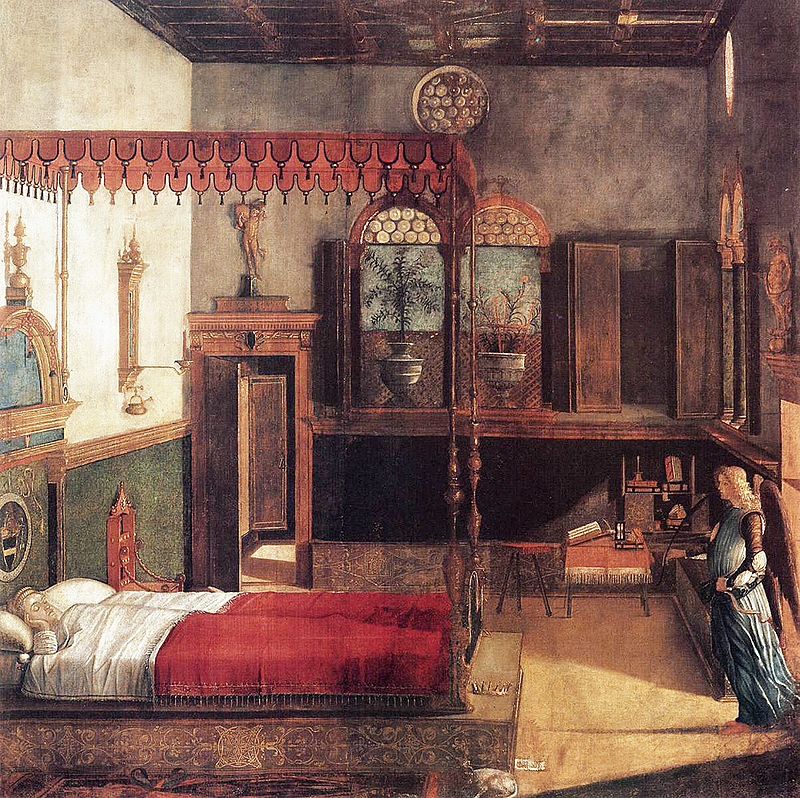
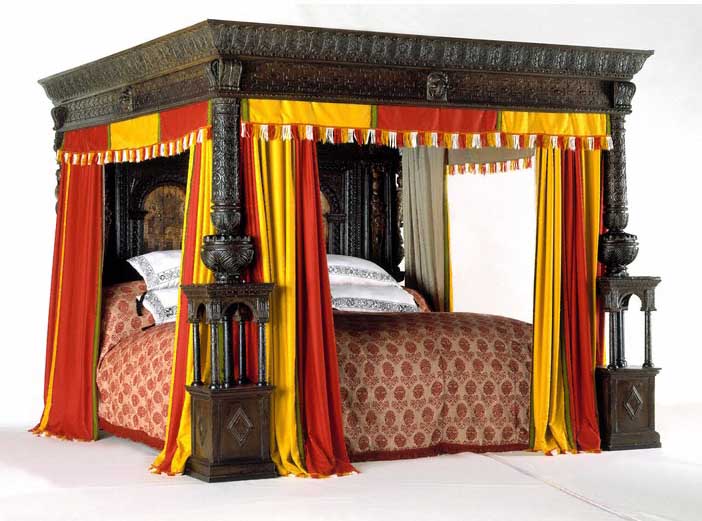
Four-poster beds first became popular in medieval Europe. Curtains could be drawn around them to keep the occupier warm at night. More elegant versions were decorated with intricate carvings and had high, wide bases. Rich people even conducted formal meetings with visitors while sitting up in their beds. Mattresses were stuffed with straw until the 14th century, when feather mattresses became more common. These prized possessions were passed down through generations.
Baroque
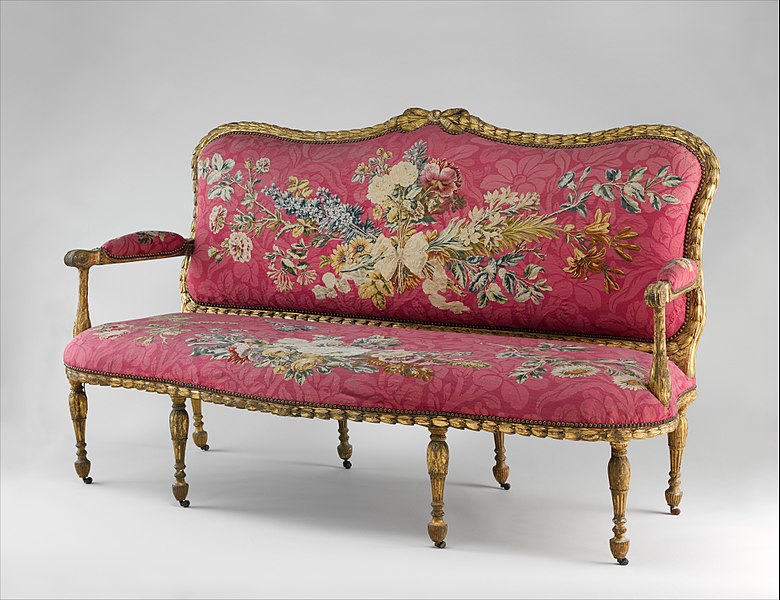
Many modern items of furniture, such as side-tables, writing desks, wardrobes and sofas, were invented by craftworkers in the late 1600s. The first sofas appeared in the 1690s in France, where it had become fashionable for chairs to be upholstered (padded and covered with fabric). They were referred to as “double armchairs” to begin with, but later named “sophas” after the Arabic word for cushion. Furniture-makers quickly found ways to make them more comfortable and soon they were found in every household, from the homes of the French royal court to the ordinary working people.
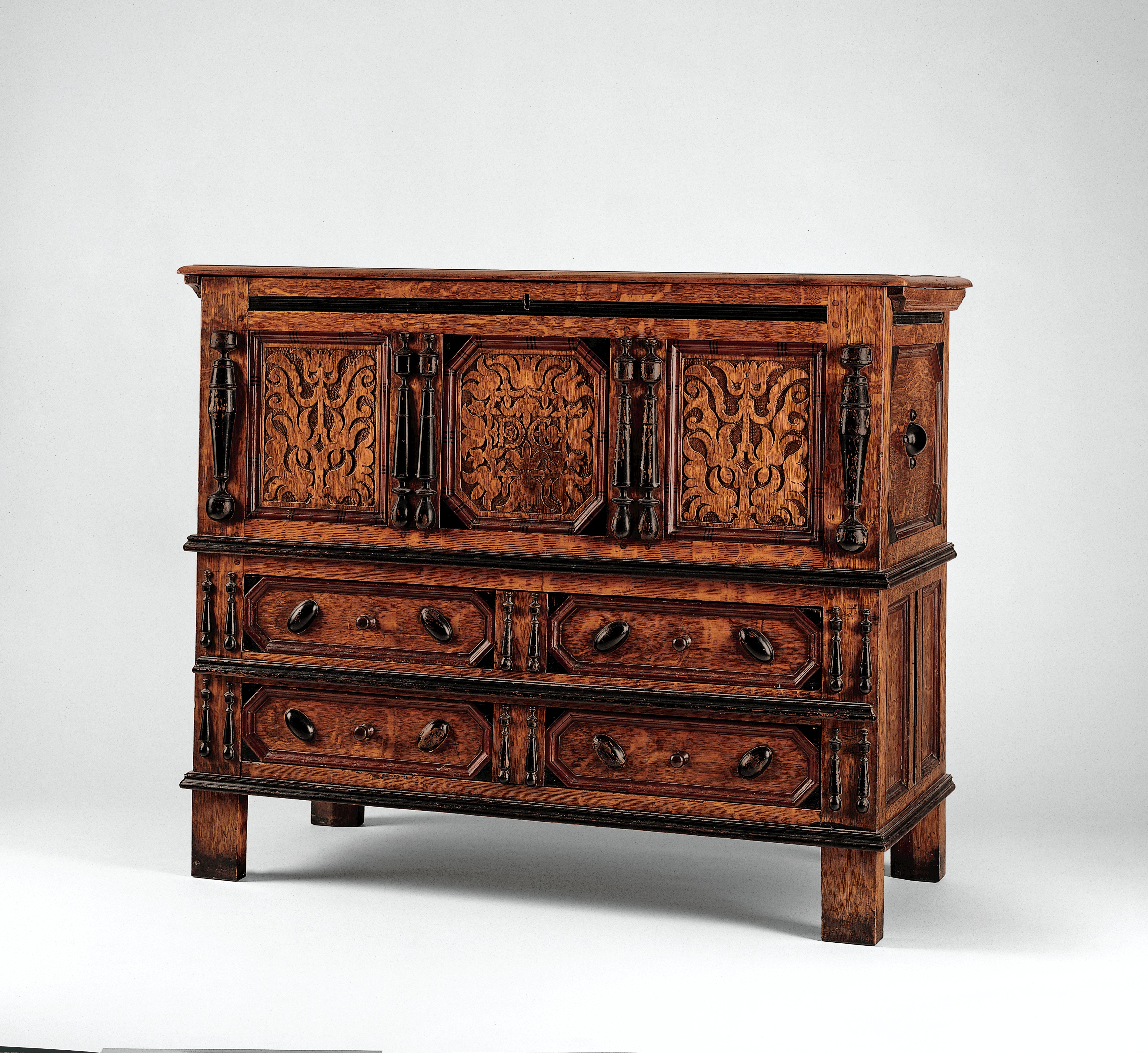
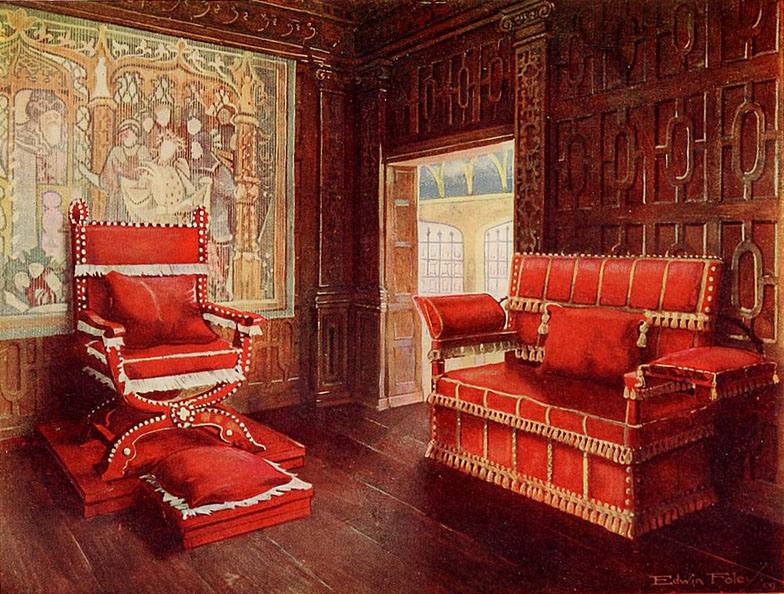
The Baroque furniture of the late 17th century was generally large and richly decorated. Wooden furniture was made from oak or walnut and carved with intricate designs. The wing-backed chair, with its high back and sides, was popular as it could shield the sitter from draughts. Glass mirrors came from Venice, and were expensive—only found in the wealthiest homes and royal palaces. They were more widely available by the end of the century.
Marquetry
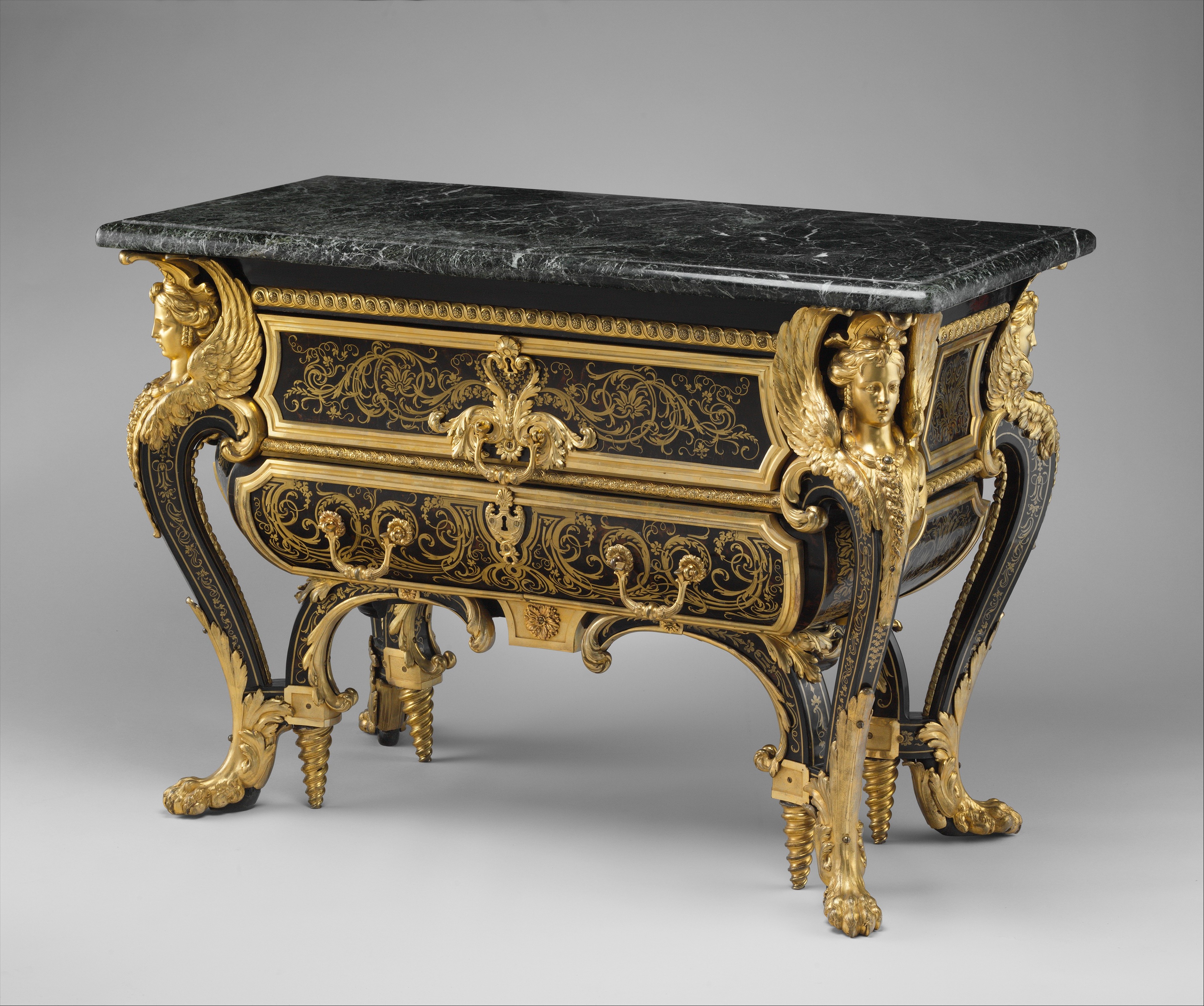
Skilled cabinet-makers combined the natural colours of different woods to make patterns in their designs. They decorated their pieces by fixing small pieces of tortoiseshell and brass into the surface of the wood: a technique called marquetry. This art was perfected by a French cabinet-maker, André Charles Boulle (1642–1732) who worked for King Louis XIV. His designs were so admired that they were copied all over Europe for 200 years.
Régence

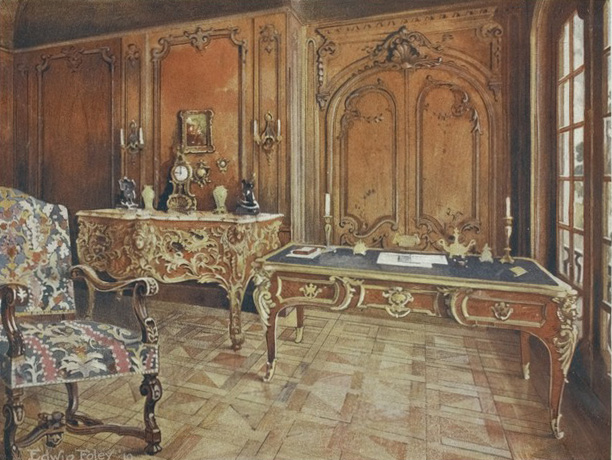
In the first decades of the 18th century, Baroque furniture styles fell out of fashion and were replaced by a new style from France known as Style Louis XV or Régence. Designs from this period featured curvy shapes taken from the natural world such as flower stems and vines. The edges of mirrors and other furniture were decorated using a technique called gilding, which involved applying a paper-thin layer of gold.
Rococo
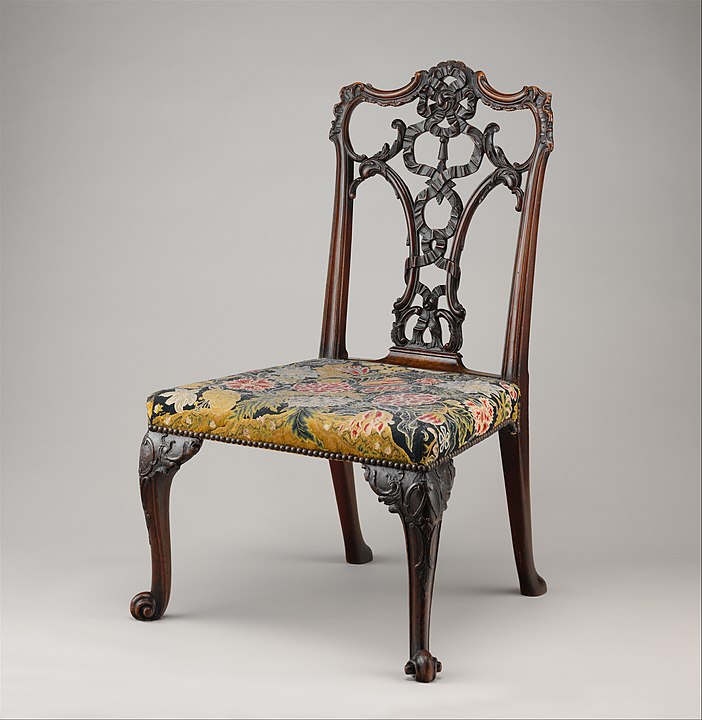
Furniture design reached new heights in the Rococo period of the mid-18th century, when detailed wooden carvings of flowers, vines and shells became fashionable. Rococo designs were lighter and more elegant than Baroque. The carving was done in separate craft workshops by sculptors. The most famous cabinet-maker of the time in England was Thomas Chippendale (1718–79). His ribband-back chair featured a carved design like ribbons tied in a bow. Towards the end of the 18th century, straight lines became popular again as the Neoclassical style came into fashion. Its carved columns and leaf patterns were inspired by Ancient Greece and Rome.
19th century
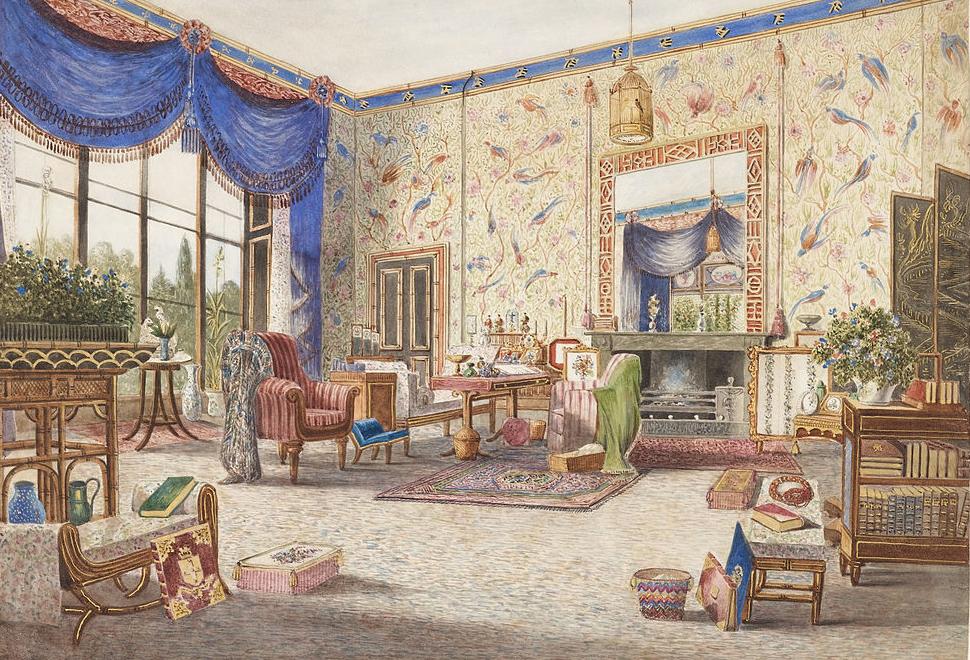
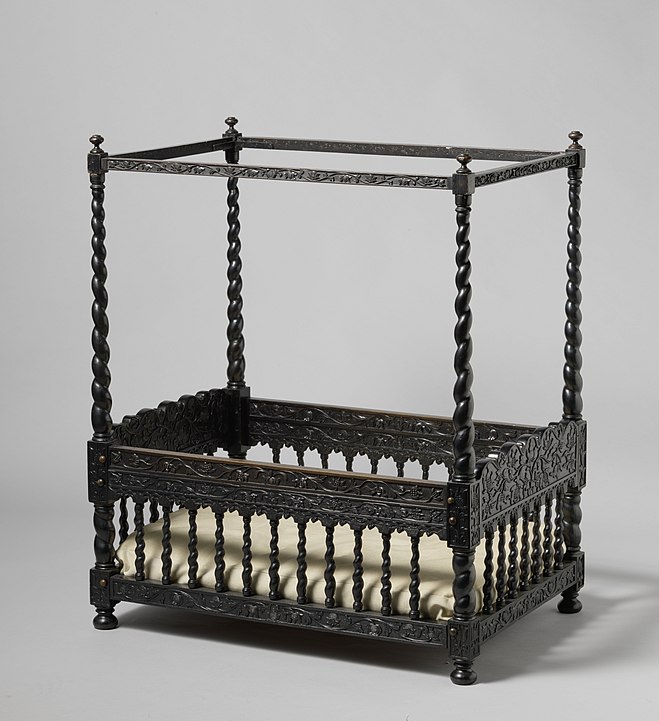
In the early 19th century, the classical world of Greece and Rome continued to inspire furniture design. Some cabinet-makers even tried to copy classical designs exactly. There was also a trend in the West for furniture harking back to the Gothic style of the Middle Ages, as well as designs inspired by Chinese art, with black-and-gold decoration. It became fashionable to mix many different styles of furniture together in the same room, a design style known as eclecticism.
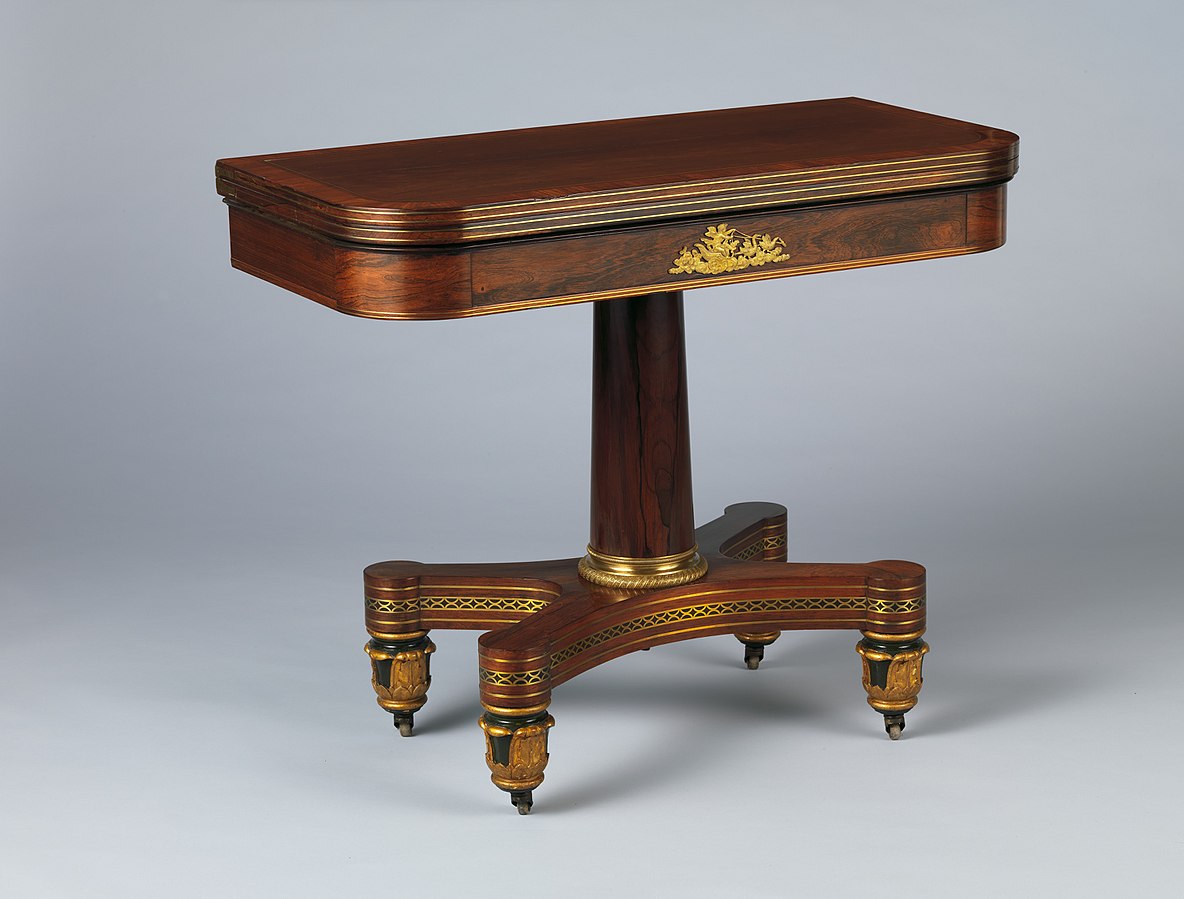
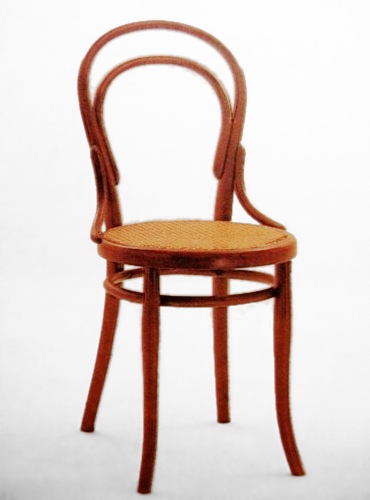
By the mid-19th century the Industrial Revolution was well underway. Furniture no longer needed to be made by craftspeople in workshops, but instead could be produced in factories much more quickly. New machines, running on steam power, could speed up processes such as cutting out pieces. Designs could be mass-produced, meaning the finished products would cost less to buy.
In 1859, the Austrian-German cabinet-maker Michael Thonet designed the “No.14 chair”. His simple design used six pieces of wood, which were bent into shape in a factory and assembled by factory workers. It was the first mass-produced piece of furniture, and one of the best-selling chairs ever made. It was exported for use in coffee shops all over the world.
At the end of the 19th century, designers of the Arts and Crafts movement reacted against the mass-production of furniture. Designers such as William Morris created handmade furniture in simple shapes with painted decoration. They believed that furniture should as beautiful as pieces of art, and available to everybody.
20th century
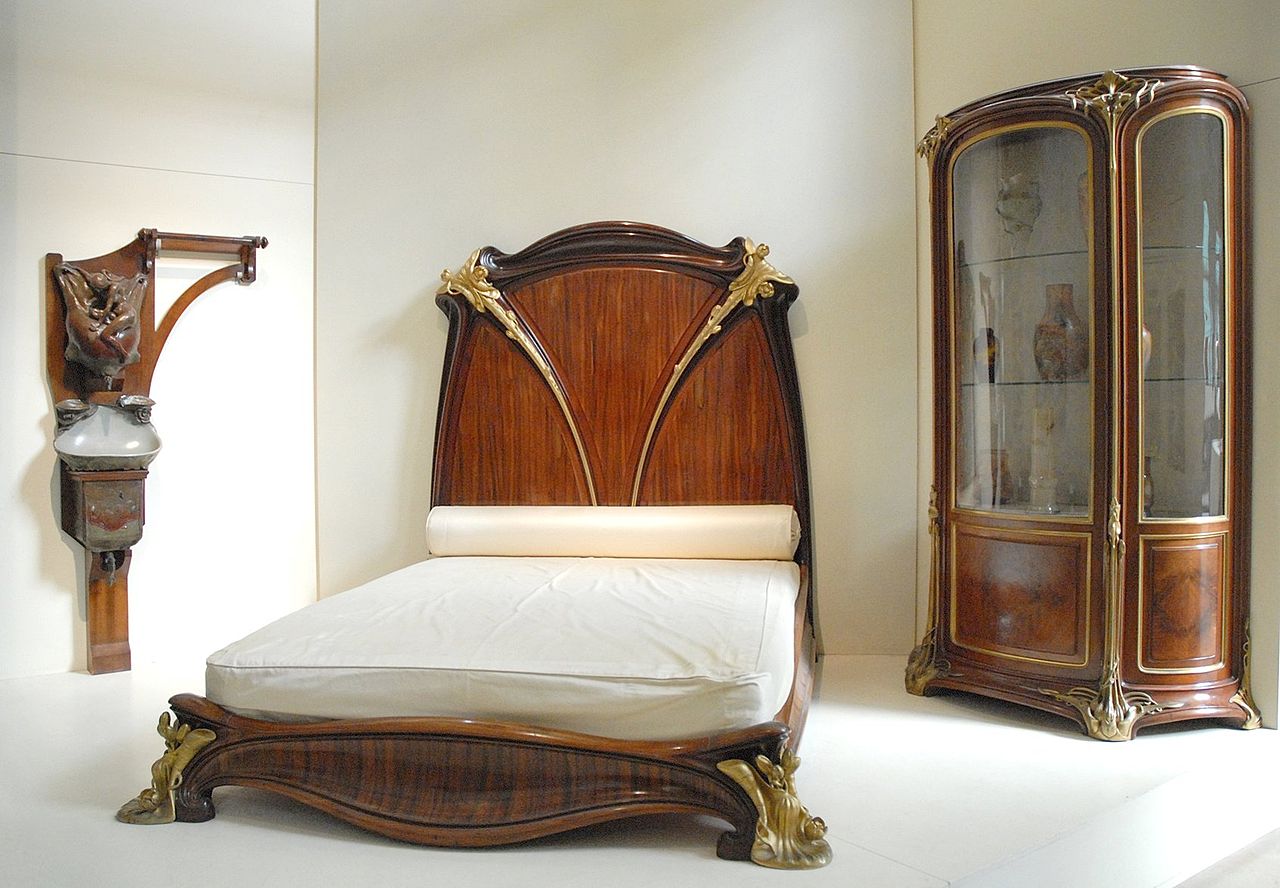
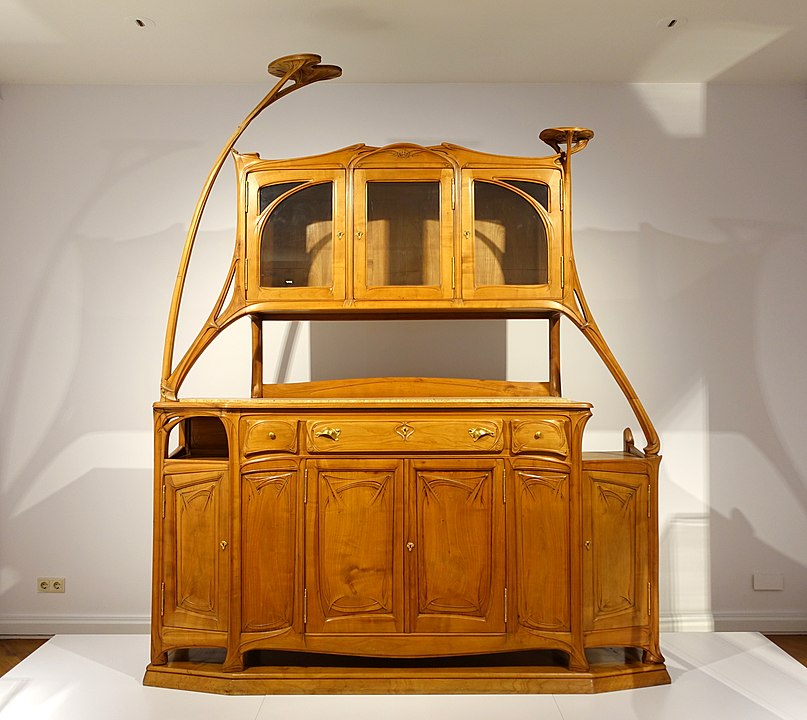
In the early years of the 20th century, a new modern style took hold, known as Art Nouveau. Its designs imitated the curving lines of plants and flowers, but involved much less decoration than styles of the past.
From the 1910s onwards, the Art Deco style began to replace the flowing lines of Art Nouveau. It was inspired by Cubist painters, as well as by the treasures of ancient Egypt, revealed after Tutankhamun's tomb was discovered in 1922. Art Deco furniture was designed with straight sides and decorated with geometric panels. Chairs and tables were given sleek, narrow legs. Designers used exotic (unusual) materials, such as ebony wood and snakeskin, as well as more modern ones, such as chrome-plated steel.
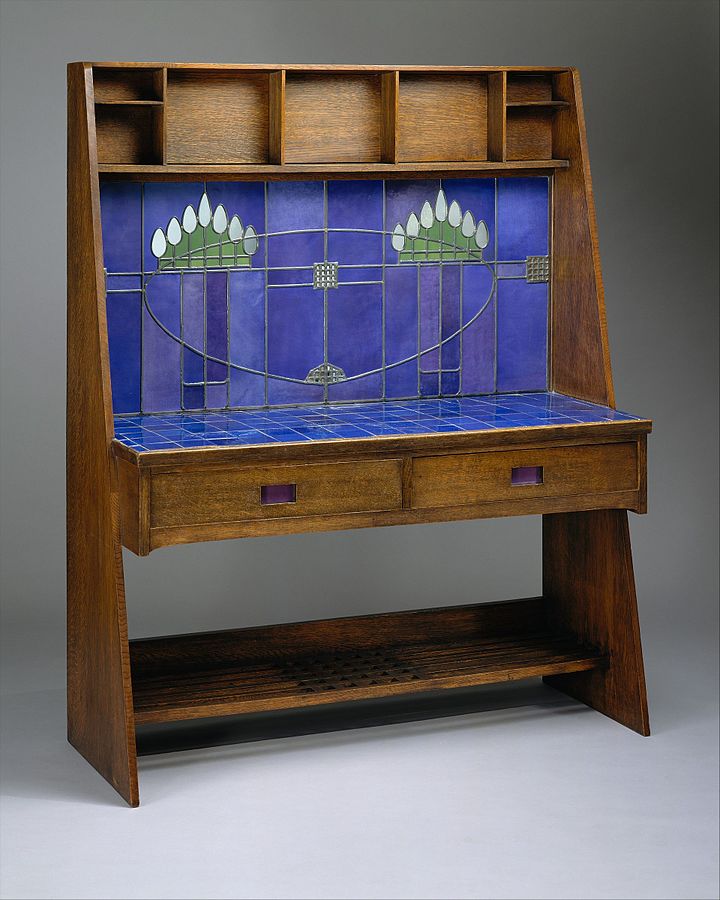
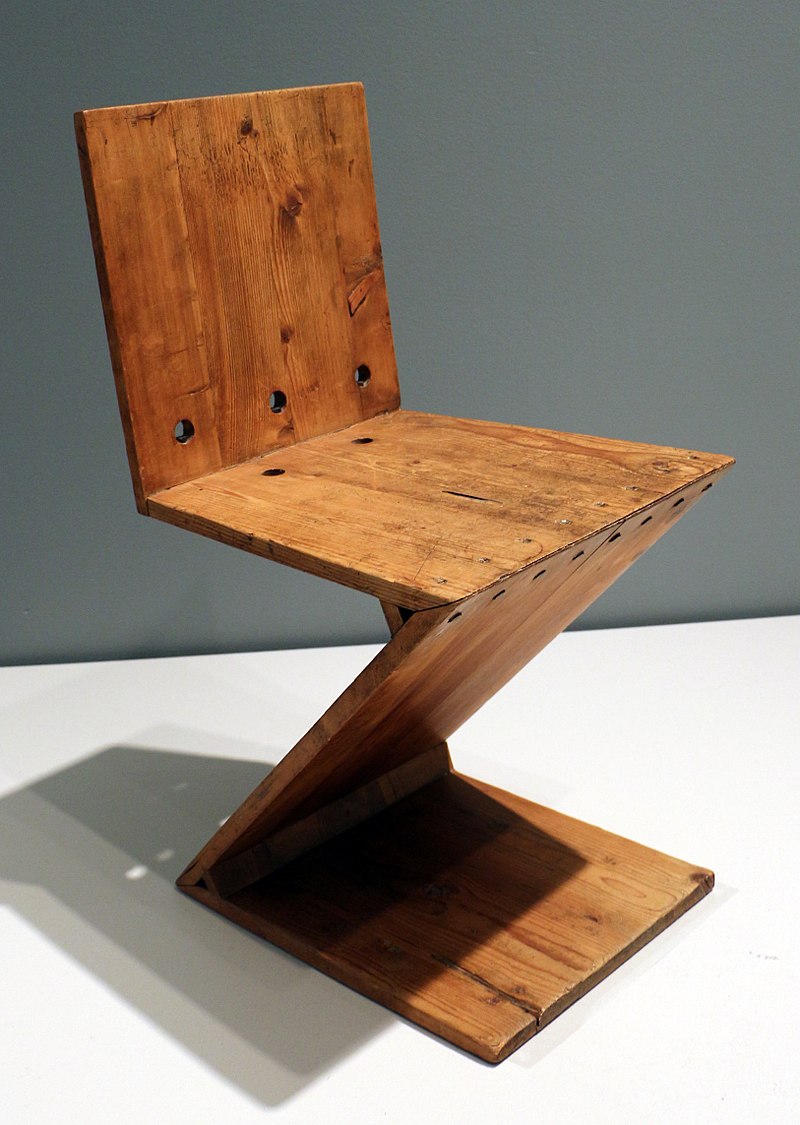
After World War I, a new movement called Modernism changed the way furniture was designed forever. At its centre was the Bauhaus school of design which opened in Weimar, Germany, in 1919. Bauhaus designs had simple, sleek shapes and hardly any decoration. Bauhaus designers Mies van de Rohe and Lilly Reich created the “Barcelona chair” for the International Exposition of 1929, held in Barcelona. With its stainless steel legs and padded leather seat, it quickly became a design classic.
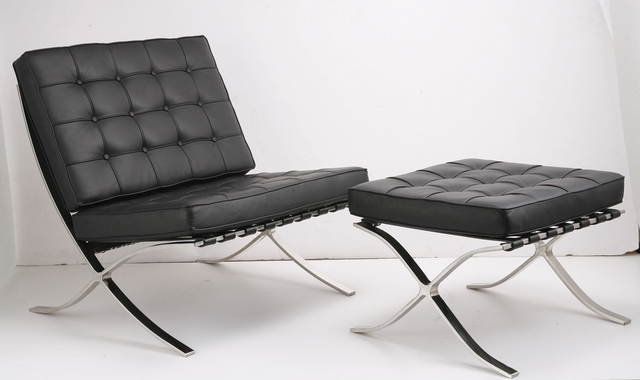
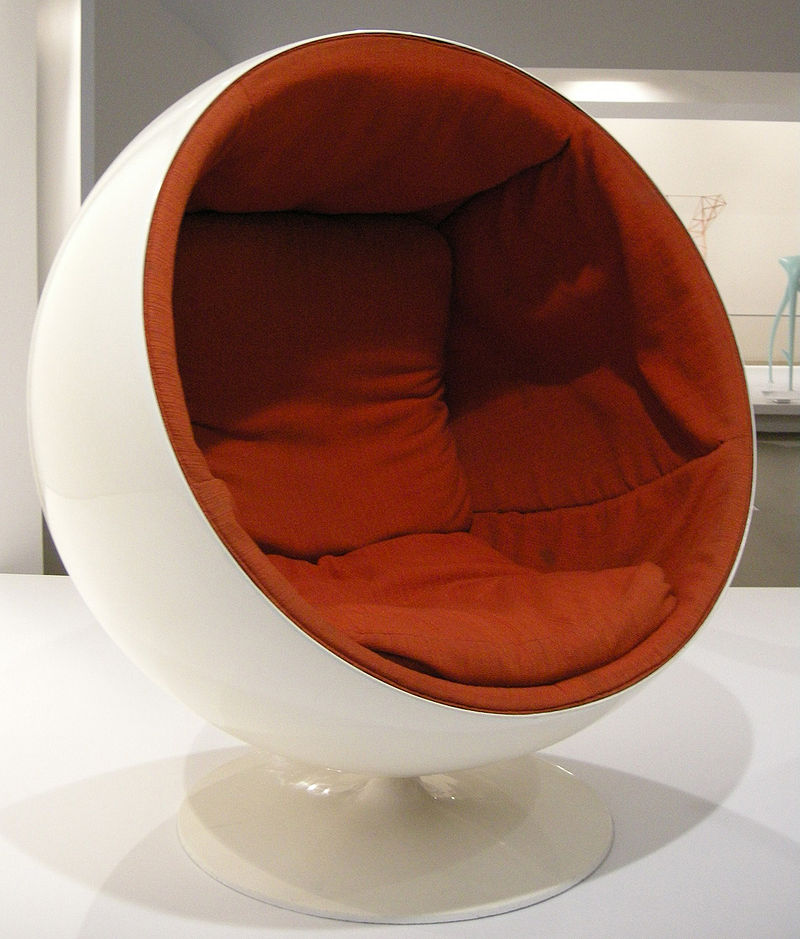
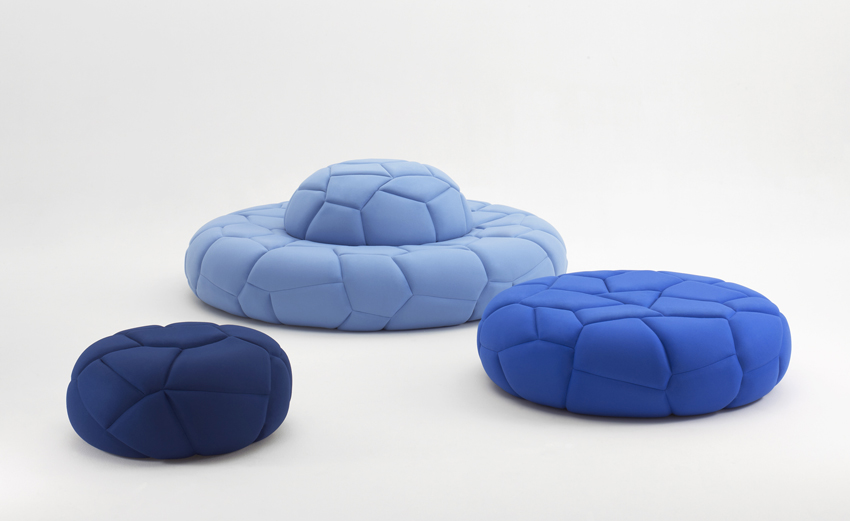
The invention of plastic in the mid-20th century brought about another change in furniture-making. New methods such as casting and moulding (pouring molten plastic into a mould to make a shape) were developed to make plastic furniture, which was quick and cheap to produce.
The first journeys into space during this period inspired a flurry of space-age designs, moulded from a single piece of plastic in futuristic “bubble” shapes. They looked like furniture that might be found in a spacecraft, or on another planet.
Mid-century modern
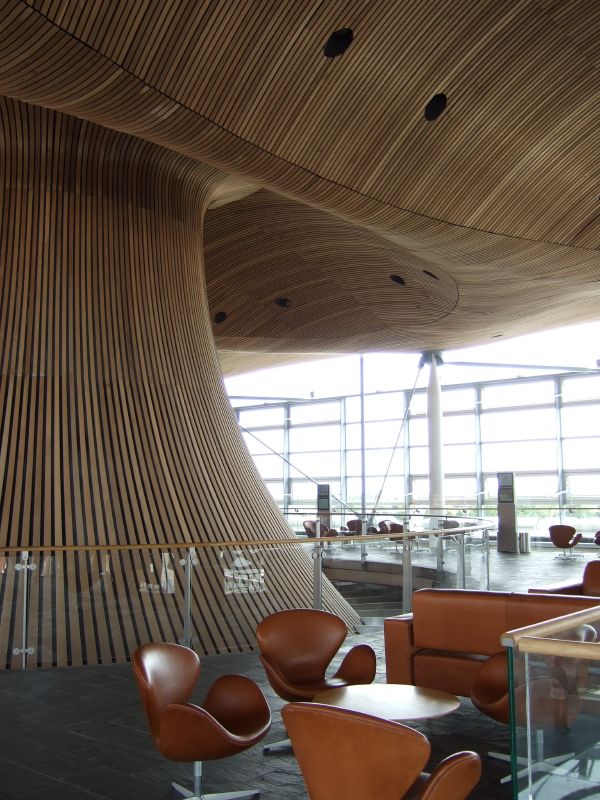
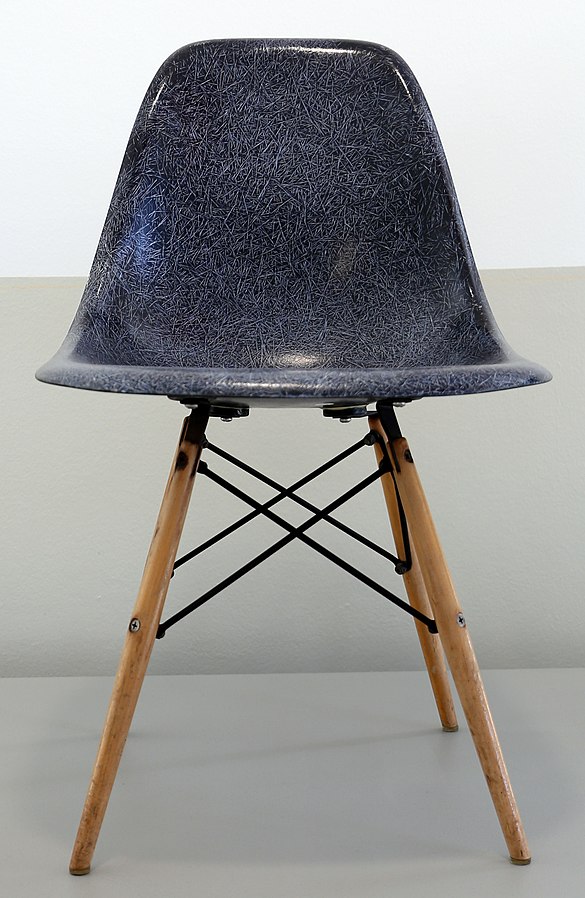
After World War II there was a demand for furniture that could be manufactured quickly and inexpensively. The 1950s and 60s saw the rise of simple, sleek furniture designs to meet this challenge. Designers such as Charles and Ray Eames became famous for the furniture they made using plywood, moulded plastic and fibreglass. In 1958, the Danish designer Arne Jacobsen came up with the “Egg” and “Swan” chairs, designs so popular that they are still being produced more than 60 years later.
Contemporary furniture
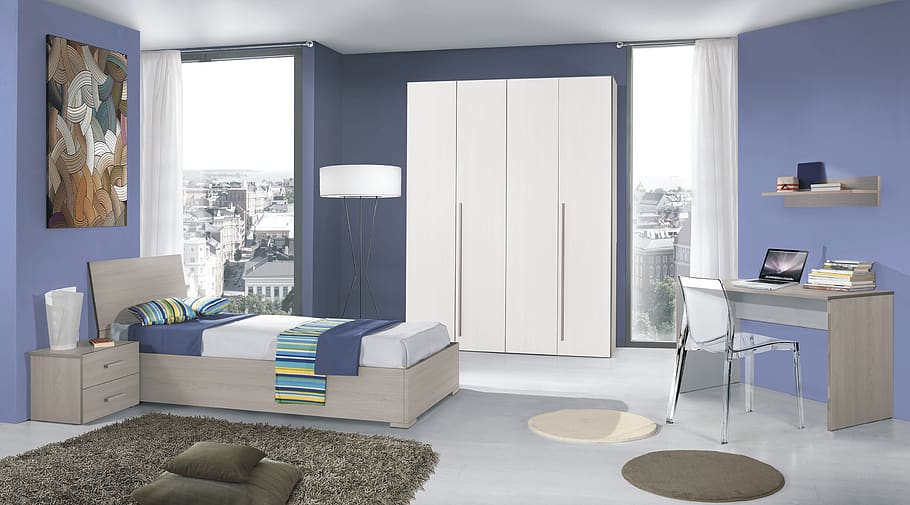

Typical furniture designs of the 1970s and 80s used bright plastics and fabrics with colourful patterns. Shiny fabrics such as vinyl and leather were another popular choice for sofas, armchairs and beanbags. Everyday furniture by the Swedish company IKEA first became fashionable in the 1970s and 80s. It was made from inexpensive materials such as chipboard (a mix of wood shavings and glue) and tubular steel (hollow pipes of steel). Today IKEA is the largest furniture company in the world, with stores in 52 countries.
Contemporary furniture is practical and elegant, without decoration. It is inspired by the Bauhaus, mid-century modern and Scandinavian design styles of the 20th century. Designers often create a concept (idea) for their furniture, so that it has a meaning behind it as well as an attractive design. They use sustainable materials in order to make their designs more eco-friendly.
pics

Without in any way limiting Q-files Ltd’s exclusive rights under copyright, any use of this publication to “train” generative artificial intelligence (AI) technologies to generate text is expressly prohibited. Q-files Ltd reserves all rights to license use of this work for generative AI training and development of machine learning language models.