
Art

CITE
We have made every effort to follow citation style rules, but there may be some minor differences. If in doubt, please refer to the appropriate citation style manual.
History of Western art A-Z. (2026). In Q-files Encyclopedia, Culture, Art. Retrieved from
https://www.q-files.com/culture/art/history-of-western-art-a-z
"History of Western art A-Z." Culture, Art, Q-files Encyclopedia, 12 Jun. 2026.
https://www.q-files.com/culture/art/history-of-western-art-a-z.
Accessed 6 Aug. 2026.
History of Western art A-Z 2026. Culture, Art. Retrieved 6 August 2026, from
https://www.q-files.com/culture/art/history-of-western-art-a-z
Culture, Art, s.v. "History of Western art A-Z," accessed August 6, 2026.
https://www.q-files.com/culture/art/history-of-western-art-a-z


History of Western art A-Z
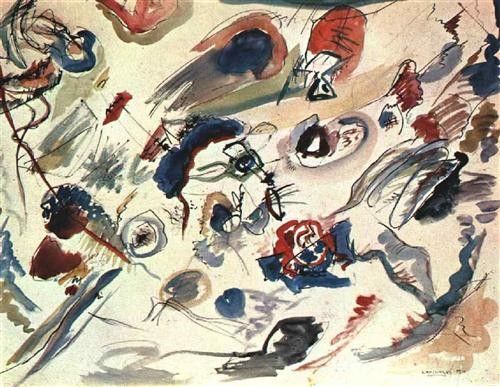
Abstract art Abstract art is a style of art in which there are no recognizable shapes and objects at all, only lines, colours and textures. It came about because by the end of the 19th century, many artists felt the need to create new kinds of art which would reflect the fundamental changes taking place in society and technology. The Swedish artist Hilma af Klint (1862–1944) painted the first entirely abstract paintings in the early 20th century, some years before the better-known Russian artist Wassily Kandinsky (1866–1944).
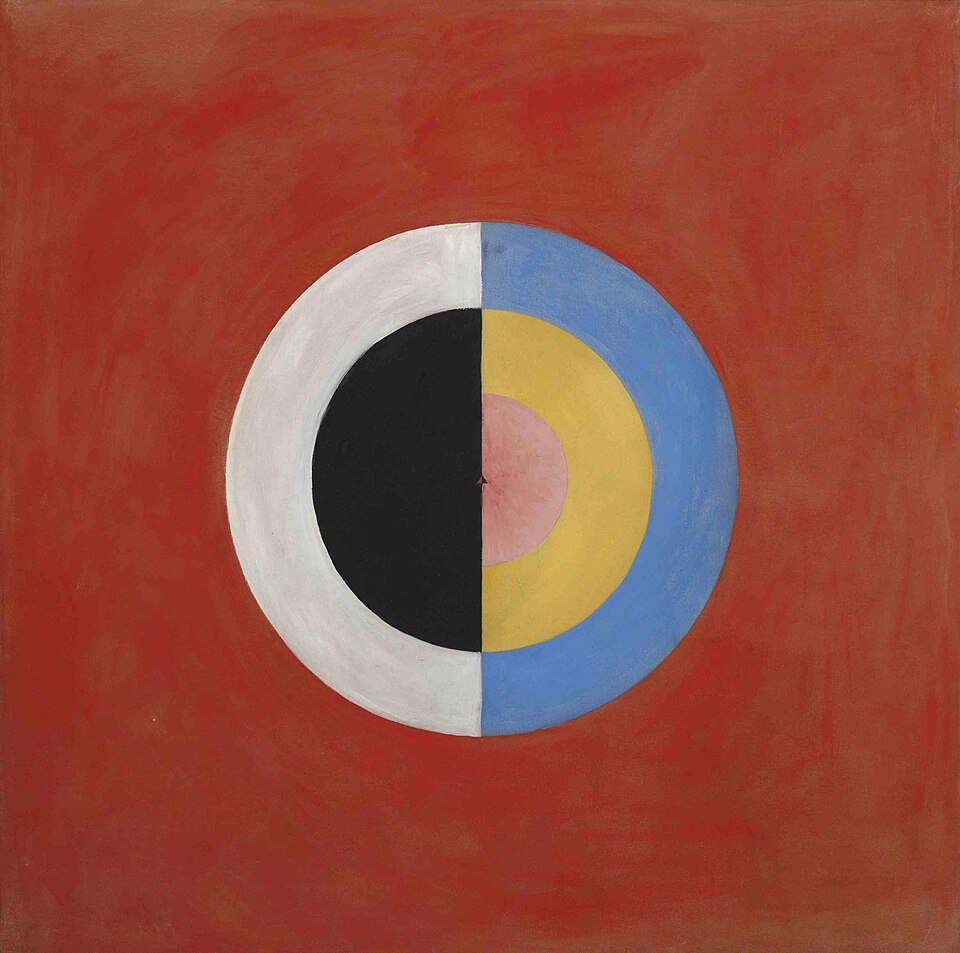
Abstract Expressionism The first important American art movement was called Abstract Expressionism. Painters from this group fell into two main groups: action and colour field painters. The action painters included Jackson Pollock (1912–56) and Willem de Kooning (1904–97). Pollock created vast works by pouring paint from a can and dripping or flicking it from a brush straight on to the surface. No one part of the painting was more important than any other. The colour field painters included Mark Rothko (1903–70) and Barnett Newman (1905–70). Both these painters used large expanses of a single colour, sometimes next to or gently fading into another, contrasting colour. Colour field paintings are often very large.
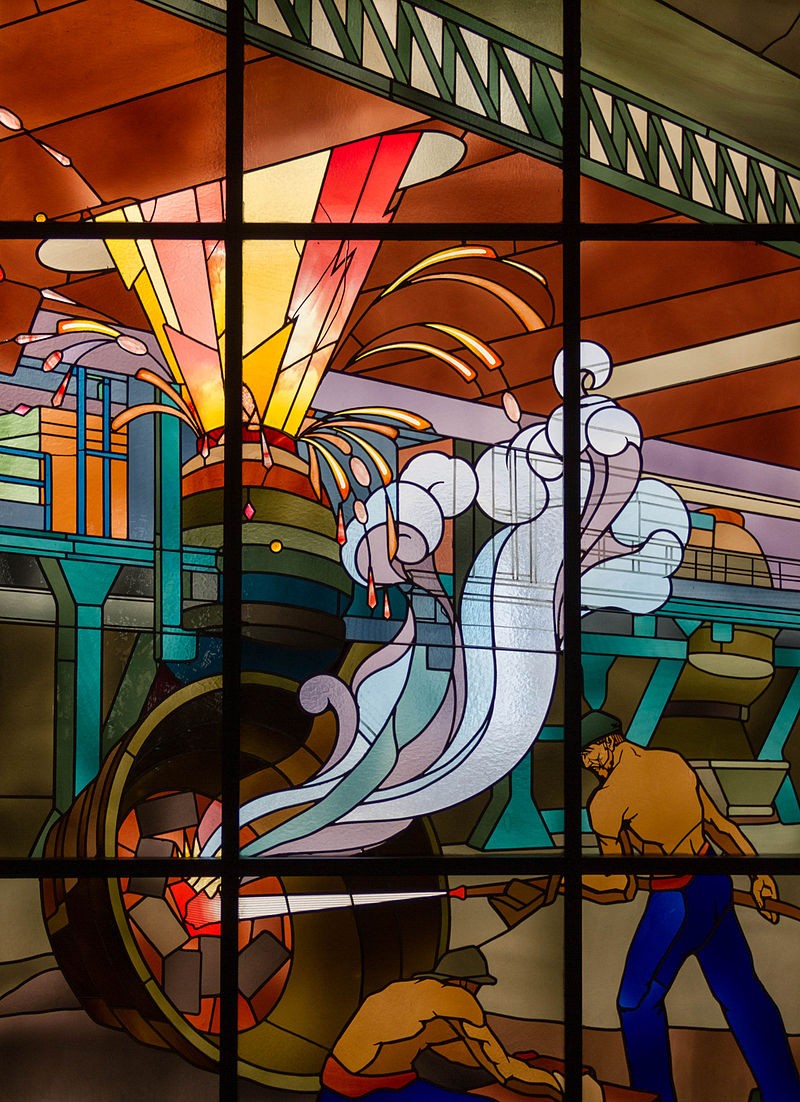
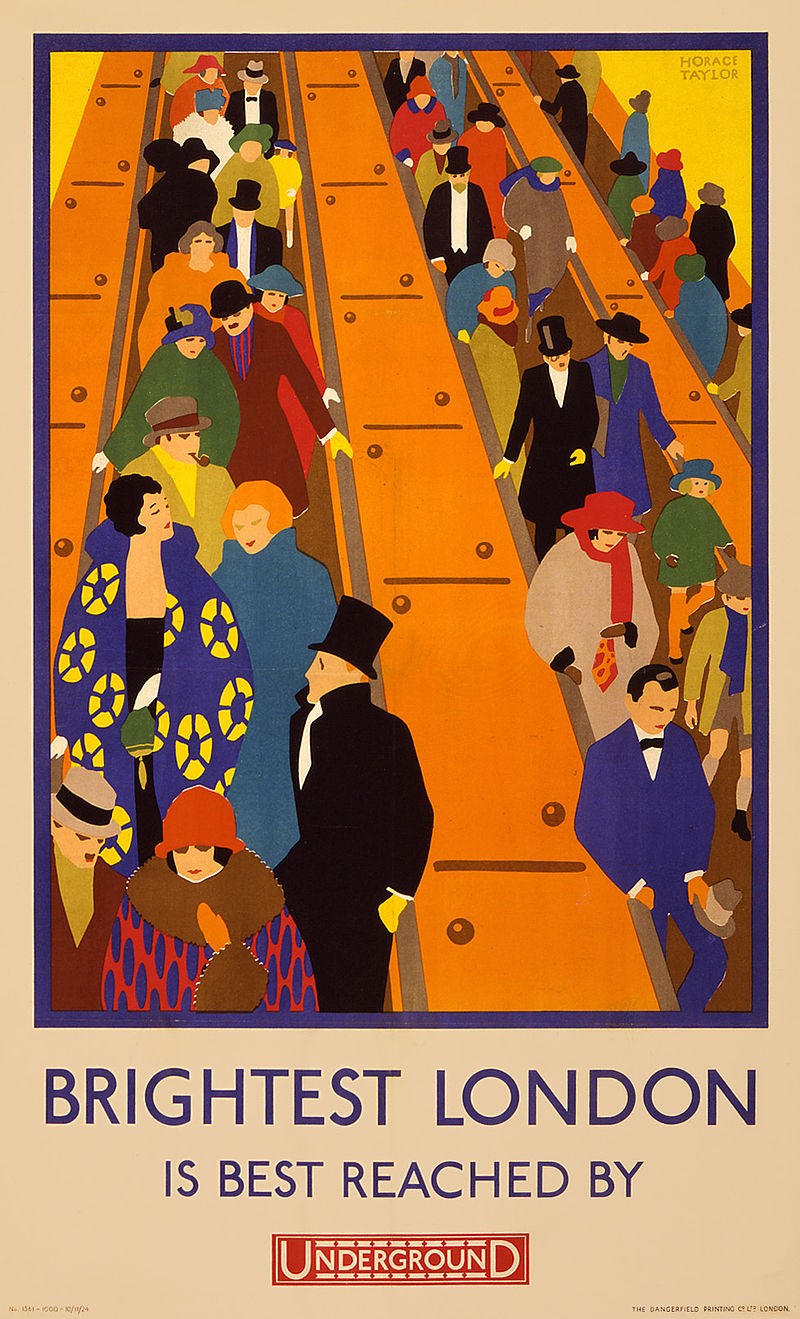
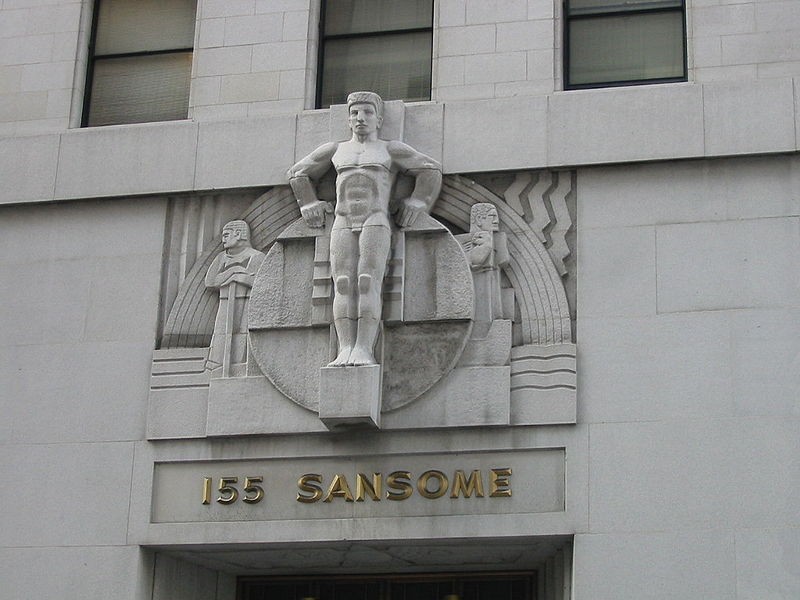
Art Deco A style of art and architecture based on elegant, symmetrical, geometric shapes and highly intense colours, celebrating the advance of industry and technology. It was popular in the 1920s and 30s, and is seen in furniture, pottery, textiles, jewellery and glassware. Art Deco took inspiration from a range of influences, ranging from ancient Egyptian art, the design of modern ships, trains and cars. In architecture it combined the white walls and strong shapes of the Bauhaus designers with more colourful, jazzy decoration.
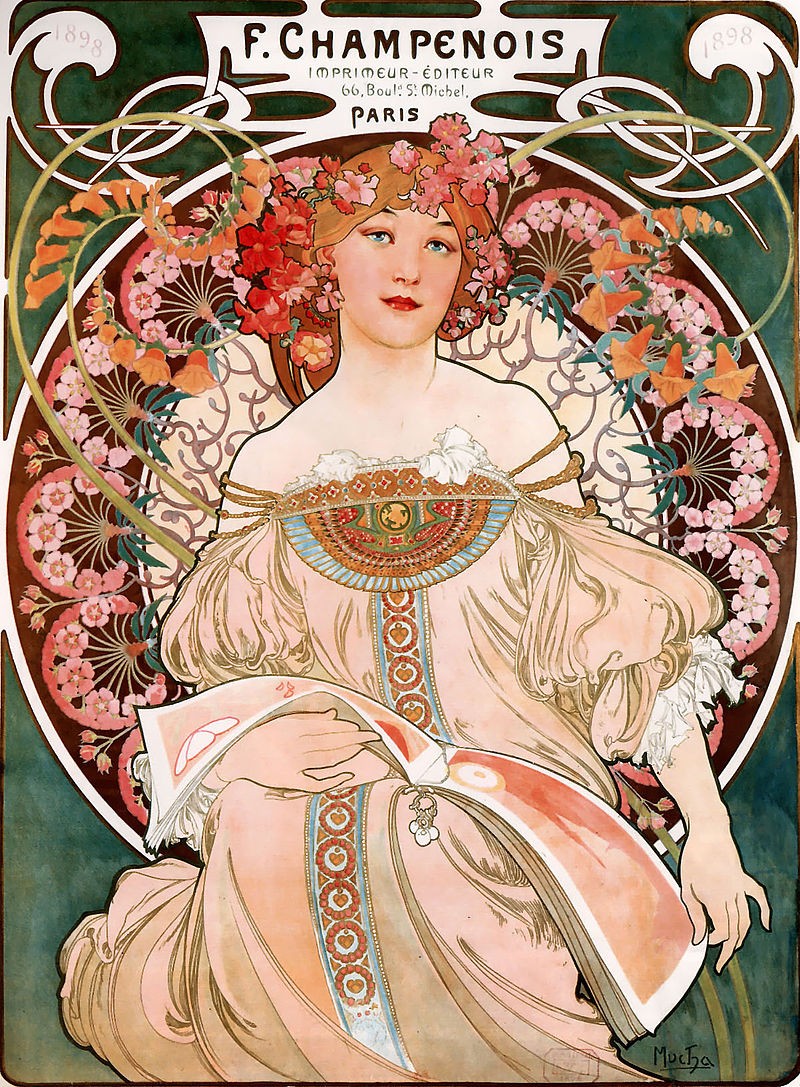
Art Nouveau A decorative style popular from 1890s to World War I, especially in the decorative arts—for example, interior design, glasswork and jewellery—as well as posters and painting. Art Nouveau often featured flowers, leaves or tendrils, or the long, flowing hair of women. Artists who worked in this style included Austrian artist Gustav Klimt (1862–1918), Czech artist Alphonse Mucha (1860–1939), Aubrey Beardsley (1872–98), Antoni Gaudí (1852–1926) and Henri de Toulouse-Lautrec (1864–1901).
Avant-garde Although “avant-garde” was originally used to describe to new approaches to art in the 19th and early 20th centuries, it can be applied to all art that pushes the boundaries of ideas. The term is still used today to describe art that goes beyond what is accepted as the norm.
Barbizon French landscape painters who lived in the village of Barbizon in the period 1840–70, and who painted directly from nature. Theodore Rousseau (1812–67) and Jean-François Millet (1814–75) were artists of this group.
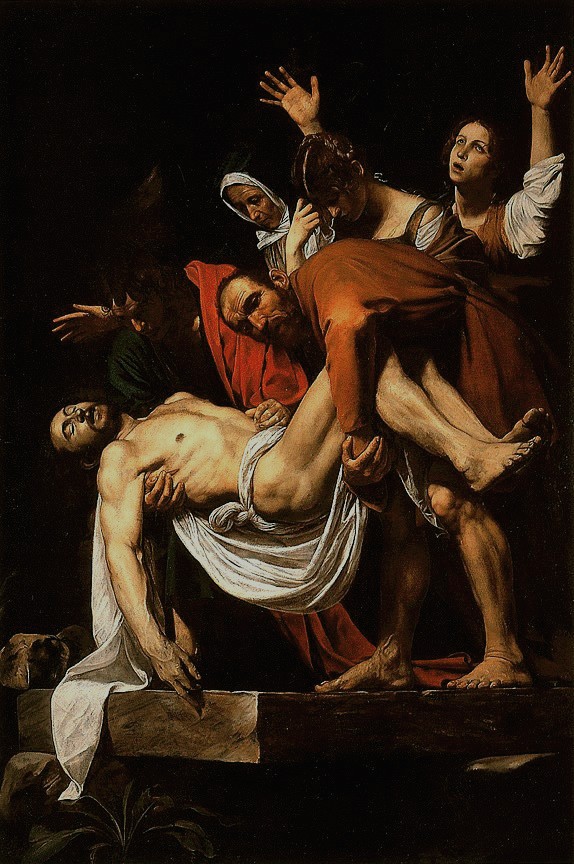
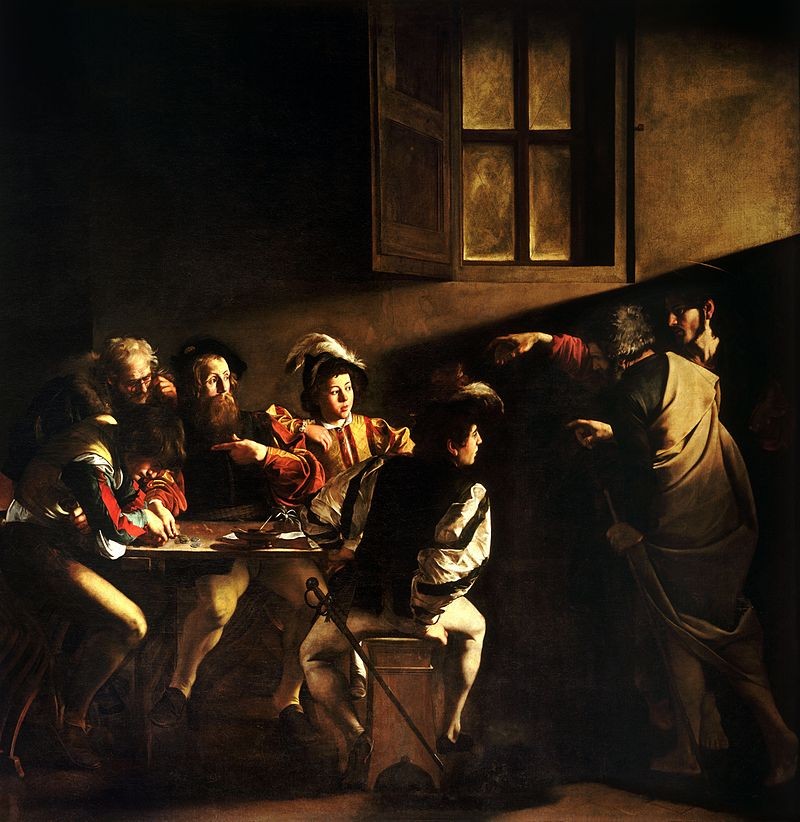
Baroque Baroque art emerged in Europe around 1600 and lasted until the 1700s. It was a colourful and showy style of art and architecture. Many paintings were originally intended to be hung in churches, but artists also produced portraits of kings and queens and scenes from daily life. The style was was developed by artists such as Caravaggio (1571–1610), who produced dramatic scenes characterized by their great contrast in light and shade, Velasquez (1599–1660) who painted formal portraits of members of the Spanish royal court, and Nicolas Poussin (1594–1665), who produced paintings of religious or mythological subjects, often with large landscapes. Dutch Baroque painters of the 1600s—the Dutch Golden Age—included the portraitist Frans Hals (c.1582–1666), Vermeer (1632–75), who concentrated on domestic scenes and Rembrandt (1606–69), a master of all subjects. Italian sculptor Gian Lorenzo Bernini (1598–1680) established the dramatic Baroque style in sculpture.
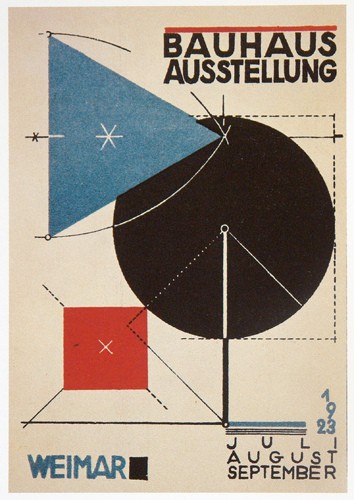
Bauhaus A modernist school of art, design and architecture founded in Weimar, Germany by architect Walter Gropius in 1919. Its central idea was the "total" work of art, or Gesamtkunstwerk, in which all arts, including fine art, industrial design, graphic design, typography, interior design and architecture, would be brought together. Although the school was forced to close by the Nazis in 1933, its influence became far-reaching. Among its followers were Swiss artist Paul Klee (1879–1940), Russian artist Wassily Kandinsky (1866–1944), Hungarian artist László Moholy-Nagy (1895–1946), Hungarian architect Marcel Breuer (1902–81) and German architect Ludwig Mies van der Rohe (1886–1969).
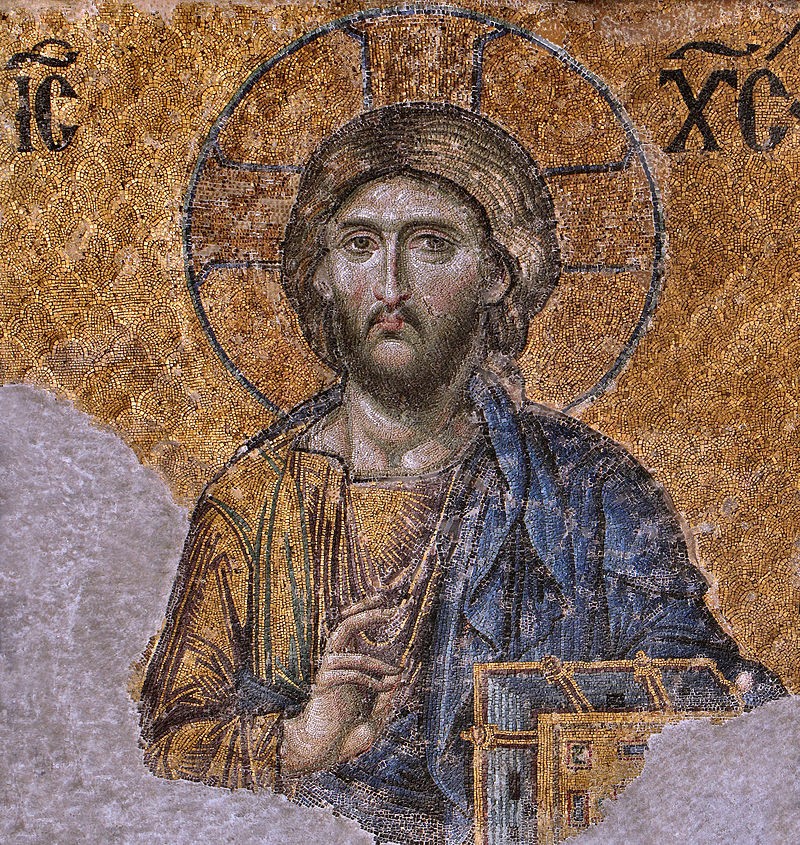
Byzantine art The art of the Byzantine Empire emerged around 500 AD and lasted until the fall of Constantinople to the Ottomans in 1453. It began with mosaics decorating the walls and domes of churches, as well as fresco wall-paintings. Another art form was the icon (from the Greek word eikon meaning “image”), sacred images usually painted on wooden panels in monasteries. Byzantine artists also created illuminated manuscripts for bibles. The Byzantine art style later spread to Italy where it influenced early Renaissance artists. Duccio (c.1255–1319) produced Byzantine-inspired panel-paintings and altarpieces, while Cimabue (1240–1302) and especially Giotto (1266–1337) started to make their figures more lifelike and three-dimensional, using light and shadow.
Classical The art of ancient Greece and Rome, beginning around 750 BC in Greece, ending in the 5th century AD with the collapse of the Western Roman Empire. Greek architects established a simple, harmonious style based on balance and proportion that was followed by Roman architecture. Most examples of Greek painting that survive today are found on vases, which artists decorated with both geometric patterns and detailed figures using a limited range of colours.

Classical art reached perhaps its greatest expression in ancient Greek sculpture, particularly of the human body. Working in marble or bronze, sculptors produced representations of gods and other mythical figures in a lifelike style, often creating poses with flowing curves. The influence of the art of the Classical age has continued over the next two thousand years, fading then reviving from one period to the next.
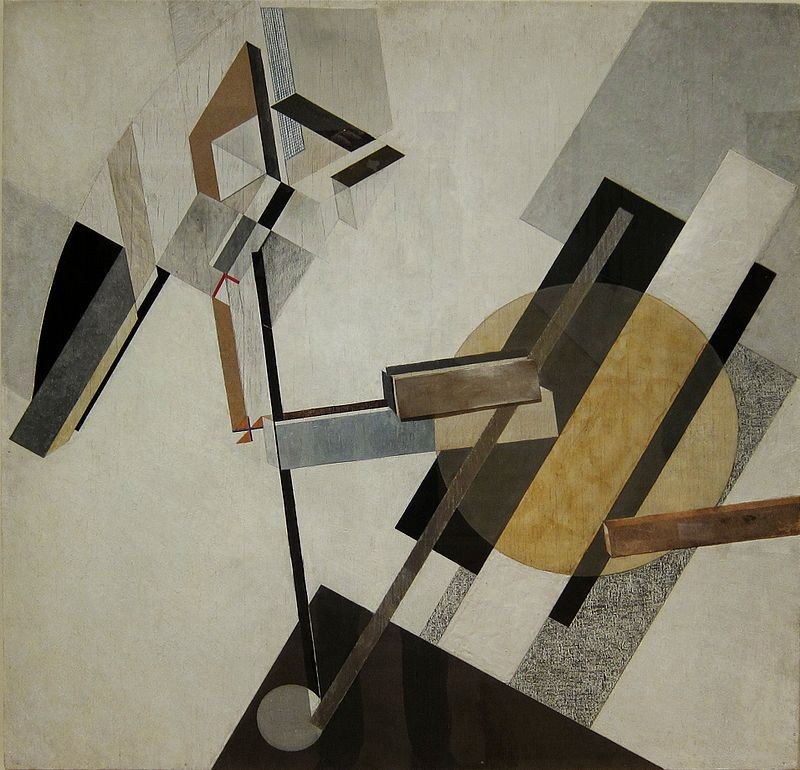
Constructivism Developed in the Soviet Union after World War I and spreading across the art world between the wars, Constructivists believed art should accurately reflect the modern industrial world. Constructivist art was abstract, often geometric and pared down to its basic elements. It had a major influence on modern sculpture. Constructivists include Vladimir Tatlin (1885–1953), Naum Gabo (1890–1977), Antoine Pevsner (1886–1962) and El Lissitzky (1890–1941).
Contemporary The art of today, produced by artists who are living in the 21st century.
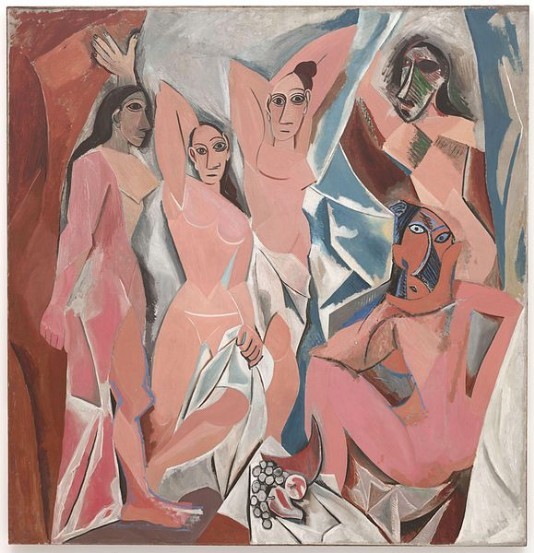
Cubism Led by Pablo Picasso (1881–1973) and Georges Braque (1882–1963), the Cubist movement developed in Paris between 1907 and 1911. Instead of using a single viewpoint, the artists depicted their subjects—often a still life of everyday objects such as a bottle or chair—from several different points of view all shown side by side, using a collection of cubes, spheres and other geometric shapes. Some Cubist paintings include pieces of newspaper and other items stuck on the surface, or show the letters of a word.
Dada Reacting to the horrors of World War I, Dada artists’ aim was to shock: they revelled in revolt, absurdity and irreverence (in one Dada exhibition, axes were provided for visitors to smash the works on show). Among leading Dadaists were Marcel Duchamp (1887–1968), one of whose works featured a moustache and goatee beard added to the Mona Lisa, and German artists George Grosz (1893–1959), Otto Dix (1891–1969) and Max Ernst (1891–1976).
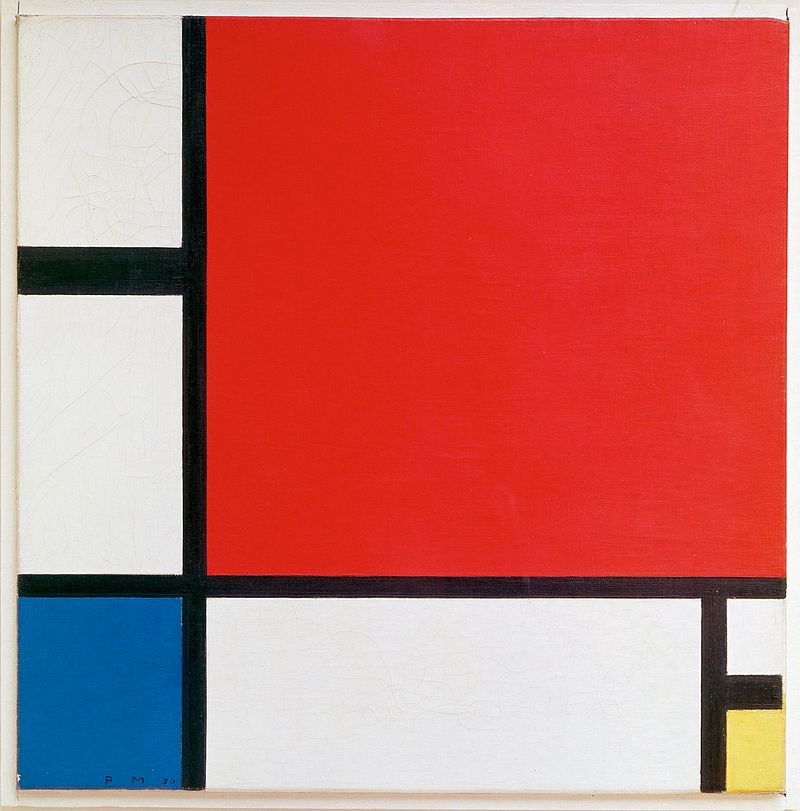
De Stijl A movement that favoured abstraction and simplicity, based on geometric shapes, with primary colours, along with black and white. Piet Mondrian (1872–1944) was the group’s leading figure.
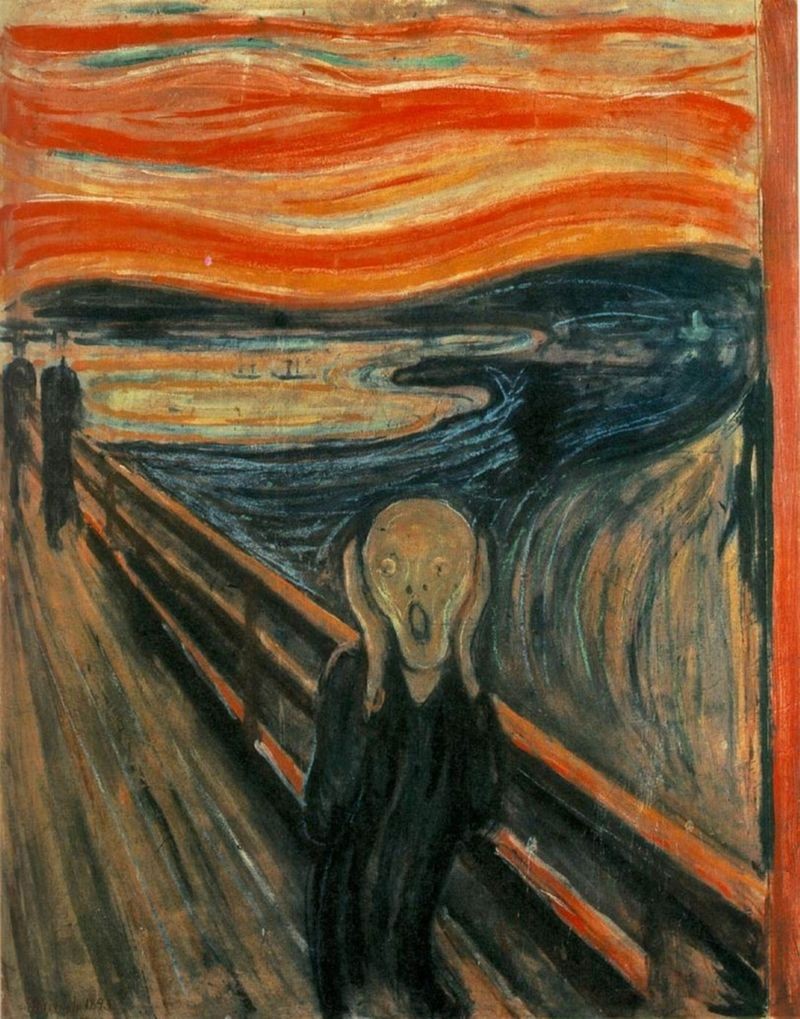
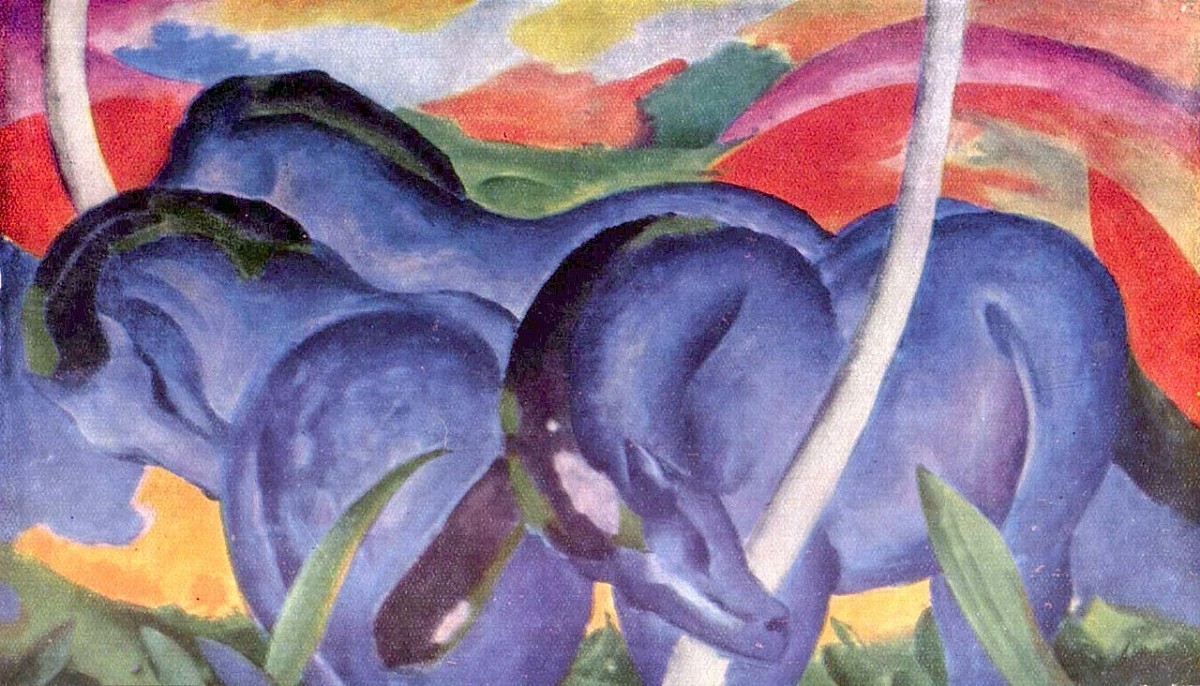
Expressionism Expressionist painting concentrates on the emotional response of the artist to the subject, not on the subject itself. The movement was inspired by the painting The Scream by the Norwegian artist Edvard Munch (1863–1944), depicting the anxieties of modern life. The Expressionist movement began in Dresden, Germany in 1905, where four painters led by Ernst Ludwig Kirchner (1880–1938) founded a group called Die Brücke (German for "The Bridge"). In 1911 the Russian painter Wassily Kandinsky (1866–1944), the Swiss painter Paul Klee (1879–1940) and others, including Franz Marc (1880–1916), established Der Blaue Reiter ("The Blue Rider"), a like-minded group.
Fauvism In 1905 Henri Matisse (1869–1954) and André Derain (1880–1954) worked together in the fishing village of Collioure in the south of France. By the end of the summer, they had created a new style that became known as Fauvism, from the French word fauves, or "wild beasts". The Fauvists used bold, bright colours and painted in short, quick brushstrokes. They often painted their subjects in unnatural colours, such as a red sky or bright green river, and with distorted shapes. Later Matisse painted pictures using rich colours and strong outlines and with little detail. Towards the end of his life he produced a series of bright pictures cut out of coloured paper.
Figurative Not all modern art is abstract. Many painters have found new ways to paint the human figure. Francis Bacon (1909–92) painted people in extreme pain or suffering. His most famous works were a series of Screaming Popes based on a portrait of Pope Innocent X by the 17th-century Spanish painter, Velasquez. Lucian Freud (1922–2011) used coarse, wide brushstrokes to paint the human nude, making their flesh appear pale and flabby.
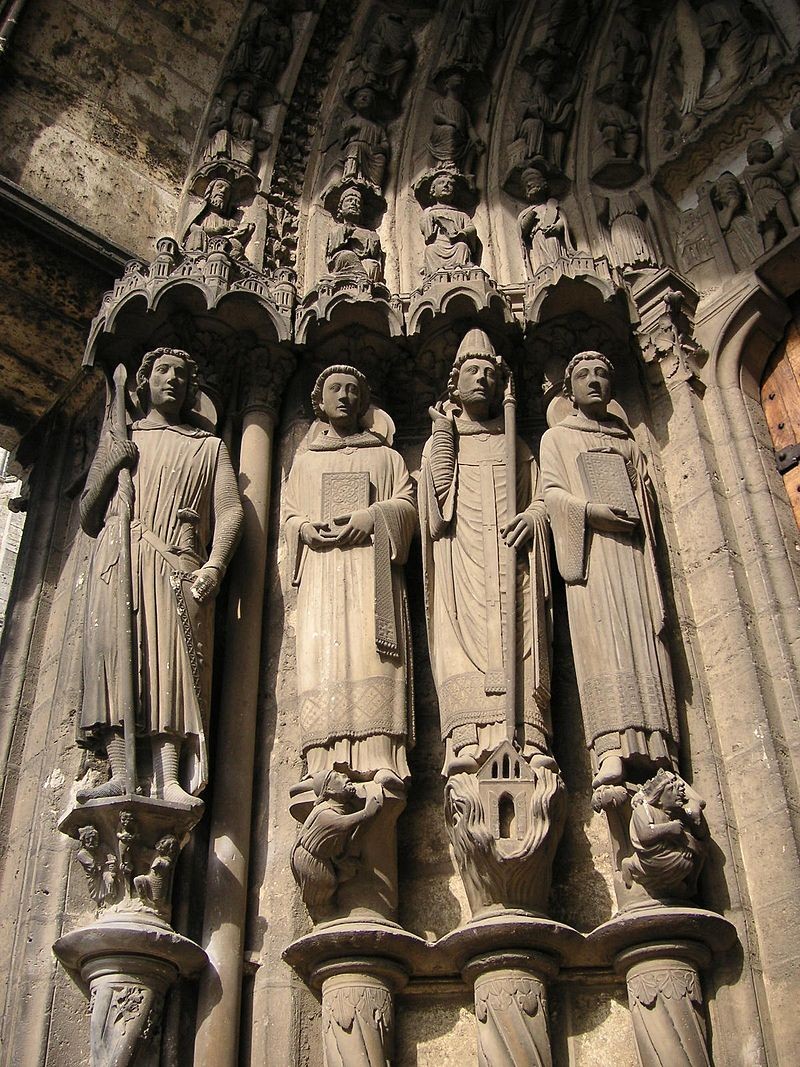
Gothic A style of medieval art that developed in Northern France out of Romanesque art in the 12th century AD, led by Gothic architecture. Gothic artists focused on sculpture, panel painting, stained glass and frescoes, as well as illuminated manuscripts, nearly all of which were created by monks. Gothic sculpture featured on the walls and facades of cathedrals and abbeys. More realistic than the “stiff” appearance of Romanesque sculptures, they often depicted biblical stories and the lives of saints. Images of the Virgin Mary changed from the Byzantine iconic form to a more realistic, human one.
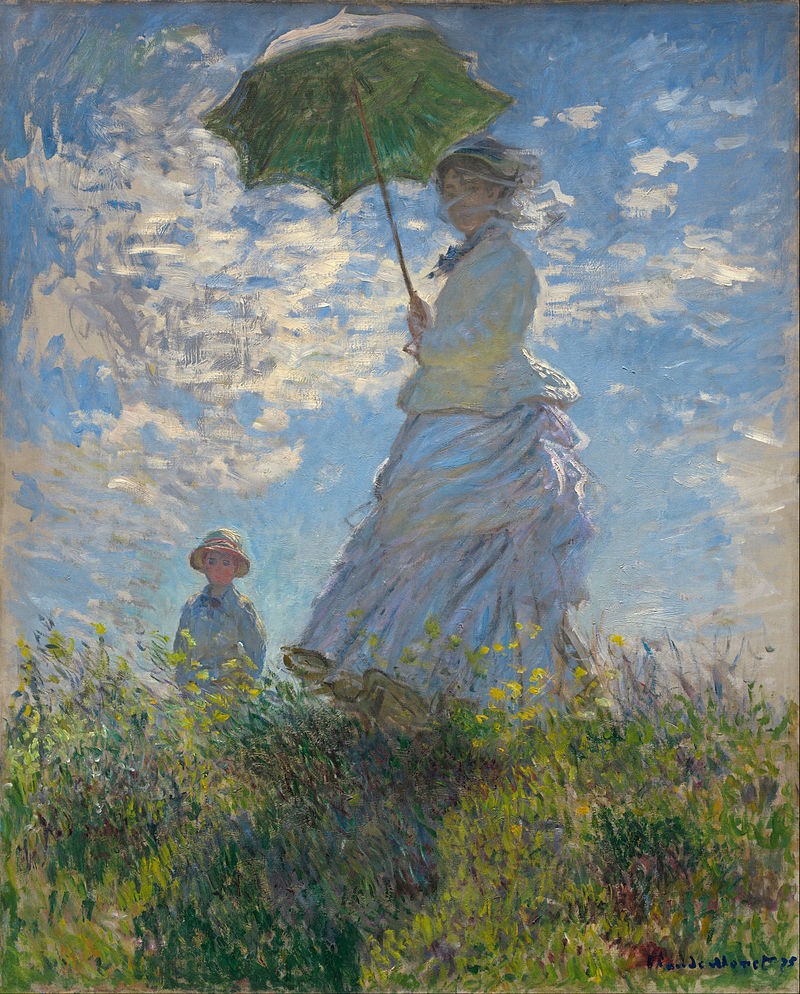
Impressionism The Impressionists were a group of French painters who became well known during the 1870s and 1880s. Many Impressionists often painted in the open air rather than in a studio. In this way, they captured an immediate impression of a scene. They painted realistic scenes of everyday life and concentrated on the overall effect rather than its details. The Impressionists painted freely and quickly, often using short, thin brushstrokes of colour to produce a shimmering effect. They were not a single school of painters. Edgar Degas (1834–1917), for example, favoured accurate drawing over the use of colour and painted indoor, rather than outdoor scenes. The group also included Claude Monet (1840–1926), Pierre-Auguste Renoir (1841–1919), Alfred Sisley (1839–99), Camille Pissarro (1830–1903) and Berthe Morisot (1841–95).
Mannerism The name given to the style adopted by followers of Renaissance masters Raphael and Michelangelo from around 1520 to 1600. While Renaissance artists favoured proportion and ideal beauty, the mannerists chose to create artificial compositions and distort the human figure in order to produce works of sophisticated elegance. Mannerist artists included Tintoretto (1518–94), El Greco (1541–1614), Jacopo da Pontormo (1494–1557), Parmigianino (1503–40) and the sculptor Benvenuto Cellini (1500–71).
Minimalism Minimalist art uses simplicity and size to great effect. Carl Andre (1935–2024) arranged bricks and other materials in shapes on the floor. Dan Flavin (1933–96) made vast wall sculptures out of coloured fluorescent light bulbs while Richard Serra (1938–2024) filled whole galleries with curved sheets of lead or rusting steel. Related to the Minimalists are those artists who use the landscape to make art. They include Robert Smithson (1938–73), who built a spiral jetty of rock and earth into the Great Salt Lake in Utah, USA.
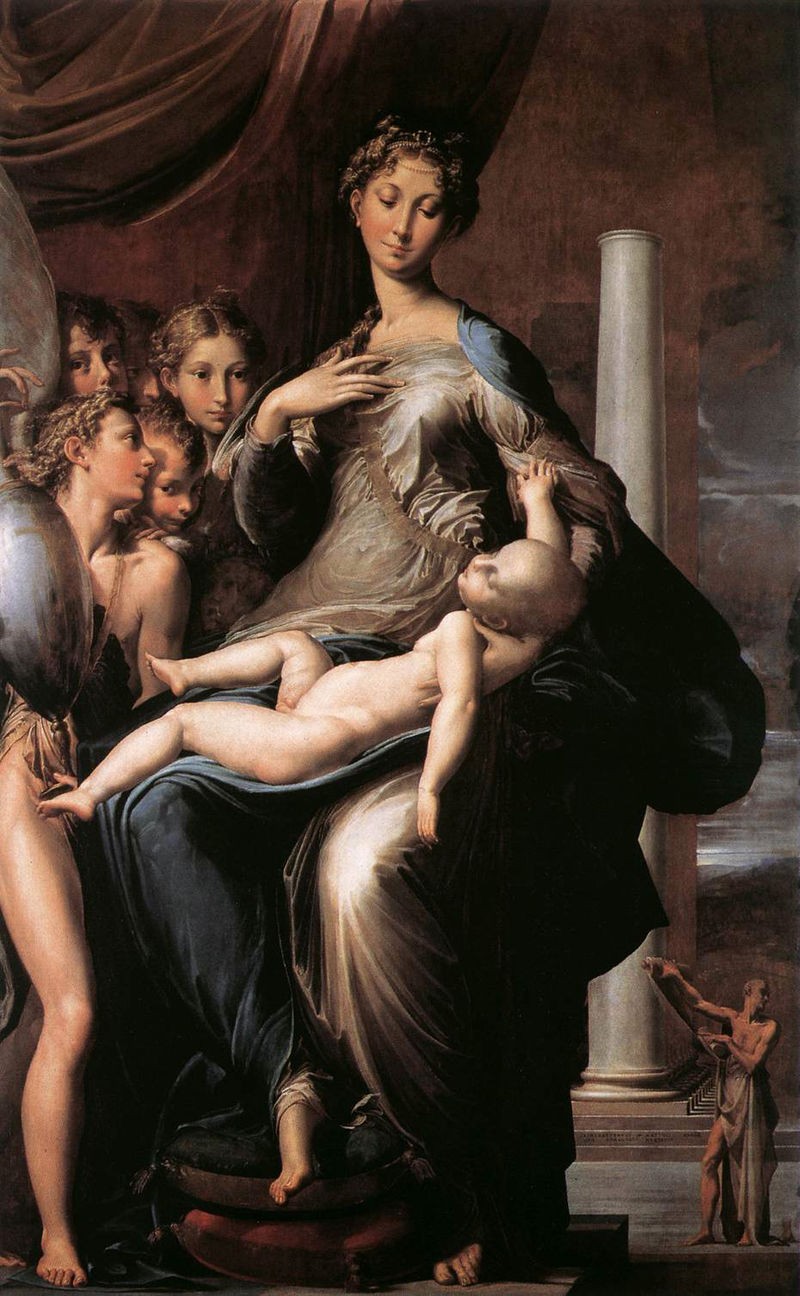
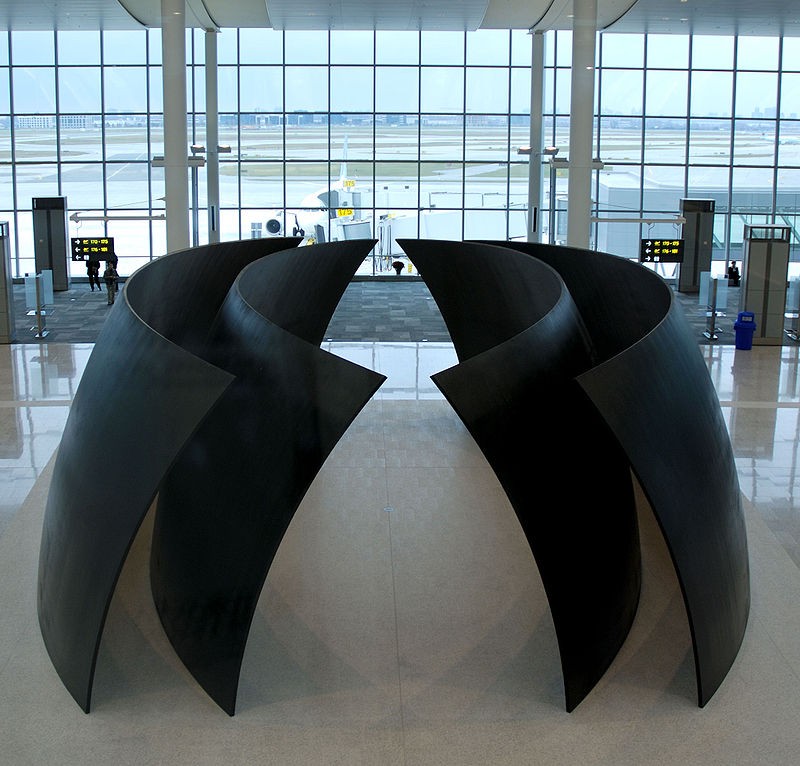
Modernism Modernism refers to art produced from roughly the 1860s until the 1970s. Art produced more recently is known as Postmodern or Contemporary art. Modernism began as a rebellion against the traditions and practices that came before, such as painting a story or scene. It experimented with new ideas and new ways of seeing. Modern art is often (but not always) abstract in its subject matter. It can be beautiful but is often sharp and strong. Modernism embraces many different styles and movements, including Post-Impressionism, Cubism, Fauvism, Expressionism, Surrealism, Abstract Expressionism, Minimalism and Pop art.
Neoclassicism A French art movement, flourishing between 1750 and 1880, that originated as a reaction to the Baroque. It sought to revive the ideals of ancient Greek and Roman art. Neoclassic artists used classical themes to express their ideas about courage, sacrifice and love of country. They included Jacques-Louis David (1748–1825), who painted heroic scenes from ancient history and from the French Revolution, Jean-Auguste-Dominque Ingres (1780–1867), who painted classical nudes and detailed portraits, Angelica Kauffman (1741–1807), a painter of historical and theatrical scenes, and Antonio Canova (1757–1822), who was famous for his marble sculptures.

Op art Op art, or Optical art, is the term used to describe paintings that seem to vibrate and shimmer through their clever use of patterns and colours to create these optical effects. Popular in the 1960s and 70s, the movement’s leading figures are Victor Vasarely (1906–97) and Bridget Riley (born 1931).
Pop art Pop art emerged in Britain and the USA during the 1950s. Pop artists used images from commercial art, such as adverts and posters, in their work. They painted in clean lines with blocks of flat colour. Peter Blake (born 1932) designed the famous record sleeve for the Beatles’ Sgt. Pepper’s Lonely Hearts Club Band LP in 1967, which featured the Beatles in military-style uniforms surrounded by 60 famous people, including Karl Marx and Oscar Wilde. Roy Lichtenstein (1923–97) based his paintings on cartoons, complete with the dots of colour that occur in printing. The most famous Pop Artist was probably Andy Warhol (1928–87), who painted an image of a can of soup and mass-produced silkscreen images of Marilyn Monroe and other people. The British artist David Hockney (1937–2026) painted bright pictures of Californian swimming pools when living in the USA.
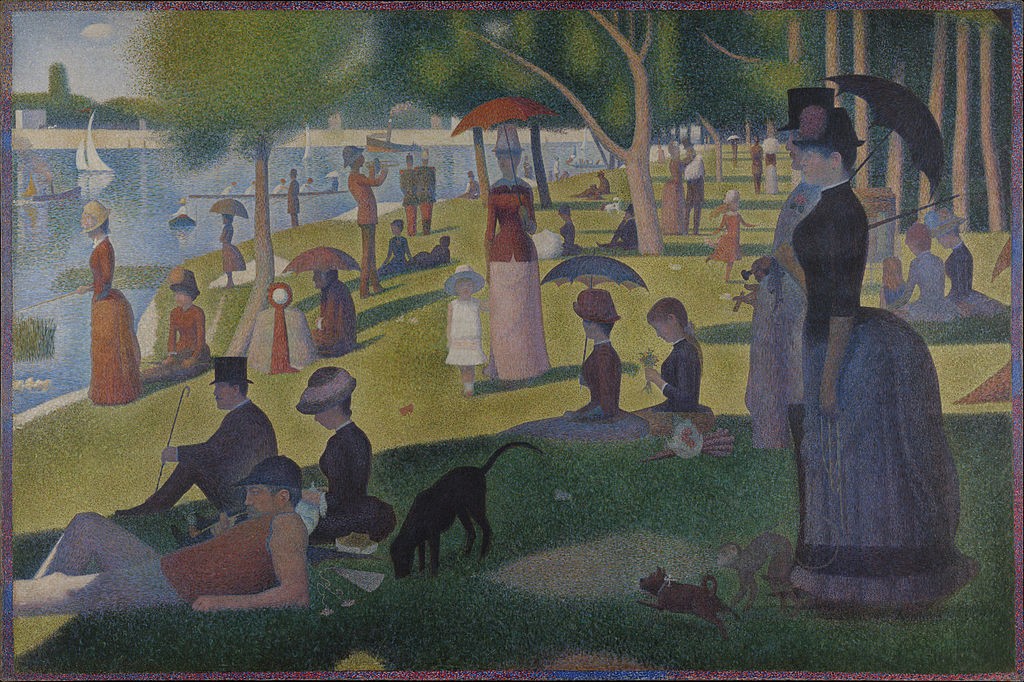
Post-Impressionism From around 1880 onwards, some French artists turned away from what they saw as the limitations of the Impressionist style and developed their own individual styles of painting. This is known as Post-Impressionism. George Seurat (1859–91) applied small dots of colour to the canvas in a style known as divisionism or pointillism, Paul Cézanne (1839–1906) began to break up his landscapes into slabs of colour and form, Paul Gauguin (1848–1903) painted the landscape and natives of the South Seas in unusual colours, and Vincent van Gogh (1853–90) developed a distinctive style using bright colours and swirls of paint.

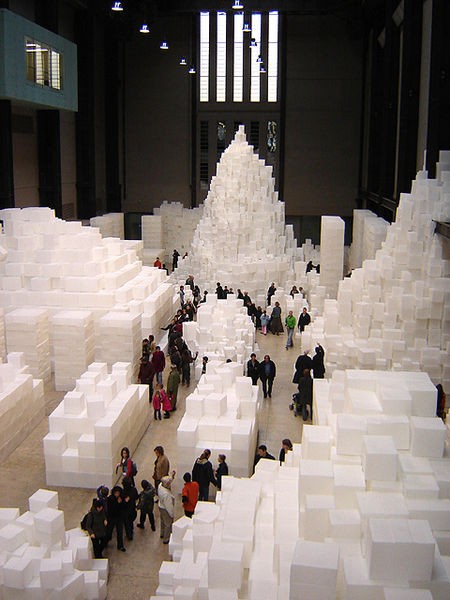
Postmodernism A term that came into common use in the 1970s, it embraces a number of art movements that represented a move away from the “highbrow” nature of modernism in the 1960s. Using a range of media such as performance art, installation (three-dimensional works that are often designed to occupy a particular space), multimedia, digital and video, postmodern art attempts to break down the barrier between fine arts and popular culture.
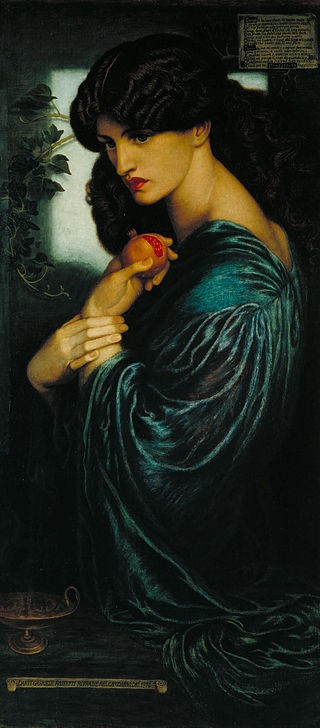
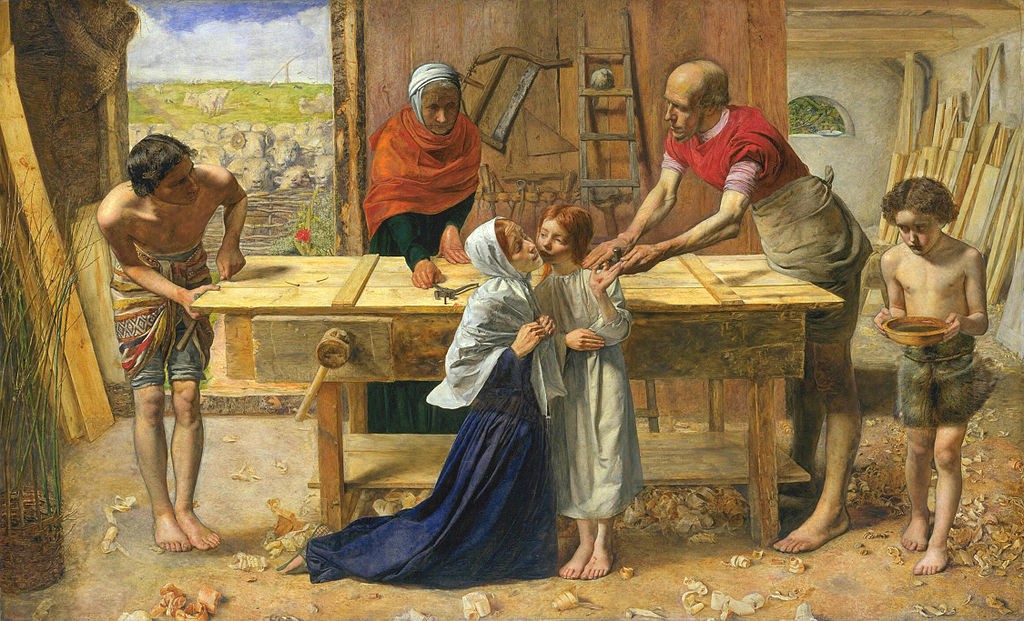
Pre-Raphaelite The Pre-Raphaelite Brotherhood was founded in London in 1848 by William Holman Hunt (1827–1910) and John Everett Millais (1829–96). The Pre-Raphaelites aimed to rediscover the painting styles of artists working earlier than the time of Raphael. They focused on serious religious or literary subjects—particularly those dealing with love and death—painted with realism. A second phase of the movement, beginning around 1860, was led by Dante Gabriel Rossetti (1828–82), William Morris (1834–96) and Edward Burne-Jones (1833–98).
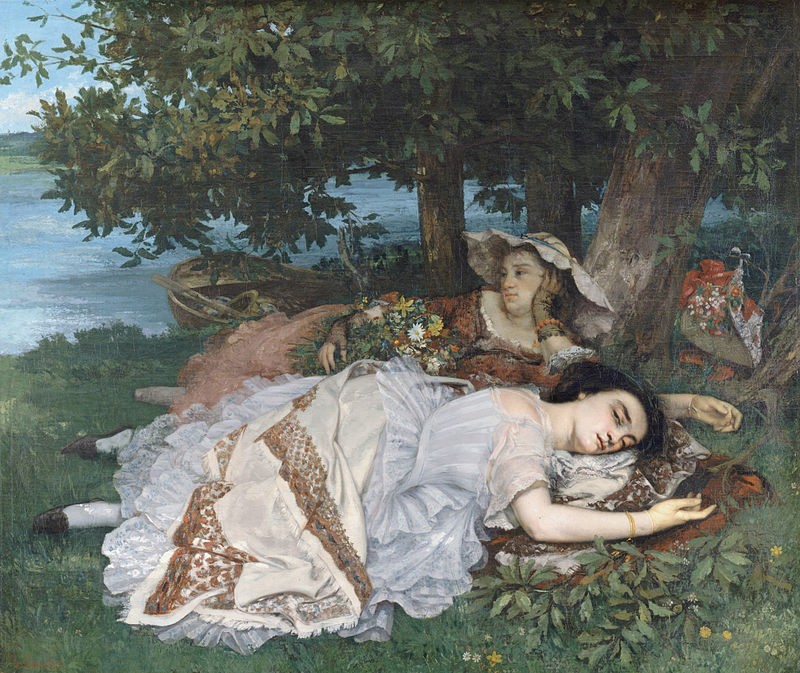
Realism A mid-19th century movement in which artists rejected both Neoclassicism and Romanticism to paint scenes and events as they actually appeared. Realist art often depicted everyday subjects with an underlying social or political message. Gustave Courbet (1819–77), Jean-François Millet (1814–75), Jean-Baptiste-Camille Corot (1796–1875), James Abbott McNeill Whistler (1834–1903) and John Singer Sargent (1856–1925) were all artists of the Realism movement.
Renaissance The Renaissance was a period of artistic rebirth that was especially strong in Italy during the 1400s and continued through the 1500s. Artists such as Piero della Francesca (1415–92) and Sandro Botticelli (1445–1510) mastered the art of perspective, portraying three-dimensional space and depth in a two-dimensional (flat) form. Renaissance art reached its height in the paintings of Leonardo da Vinci (1452–1519), Michelangelo (1475–1564) and Raphael (1483–1520) and featured portraits and scenes from Greek mythology and history as well as religious scenes. Renaissance artists were also active in Germany and the Low Countries. Northern Renaissance artists included Jan van Eyck (c.1390–1441), Hieronymus Bosch (1450–1516), Pieter Bruegel the Elder (1525–1569) and Albrecht Dürer (1471–1528).
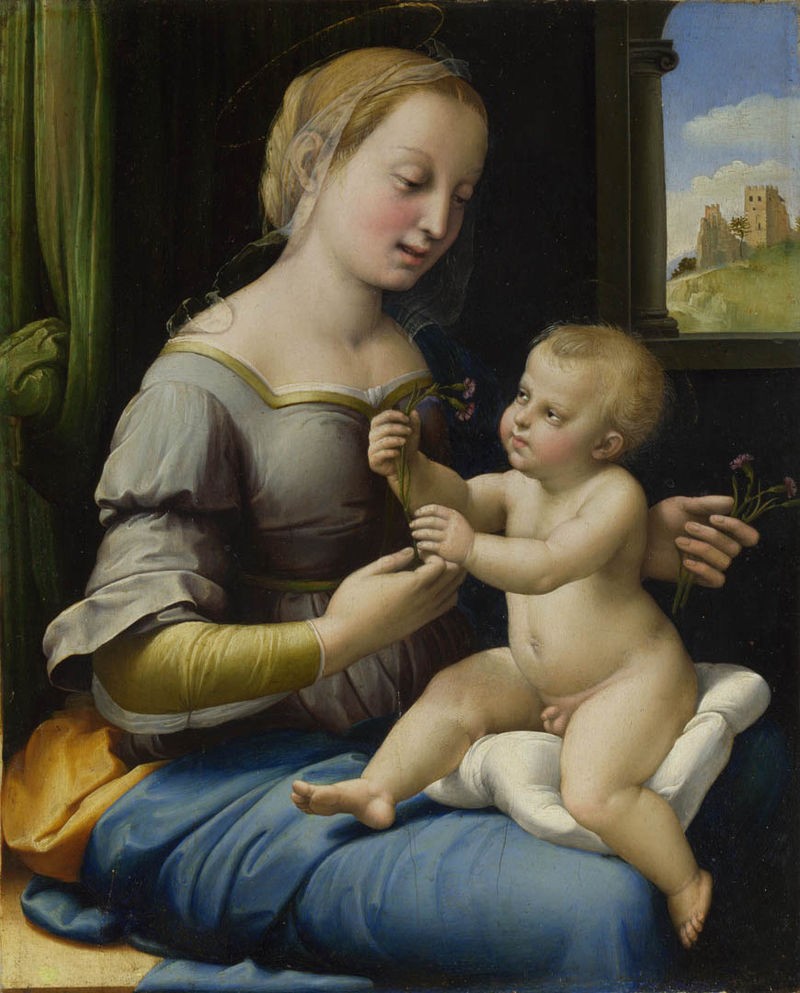
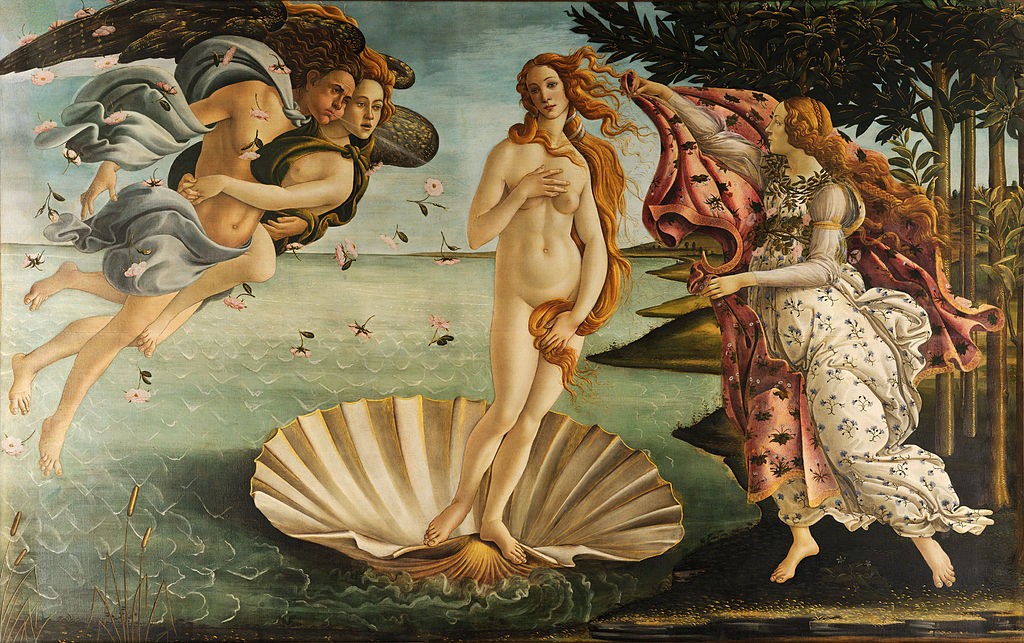
Rococo In the 1700s, Baroque gave way to the new Rococo style: less grand, lighter in mood, more graceful, and favouring pastel colours. The style emerged in Paris high society and was primarily used in interior decoration.

Romanesque While Byzantine art developed in the eastern part of the old Roman Empire, the Romanesque style was the art of western medieval Europe from around 1000 to 1150 (known as Norman in Britain). It was a fusion of several styles including Roman (many churches of this period use a Roman semicircular arch), Byzantine and Germanic. Stone sculptures of biblical figures and pictorial stained glass became part of the fabric of many churches, while metalwork, including decoration in enamel, was a sophisticated art form. Artists continued the tradition of illuminated manuscripts and wall paintings. The Romanesque style eventually evolved into the Gothic art style.
Romanticism Beginning around 1800, the Romantic style was a reaction against Neoclassicism. It was more emotional in its subject matter, often taking on political themes. Eugène Delacroix (1798–1863) painted a group of French revolutionaries in Liberty Leading the People (1830) while the Spanish artist Francisco Goya (1746–1828) painted anti-war scenes.
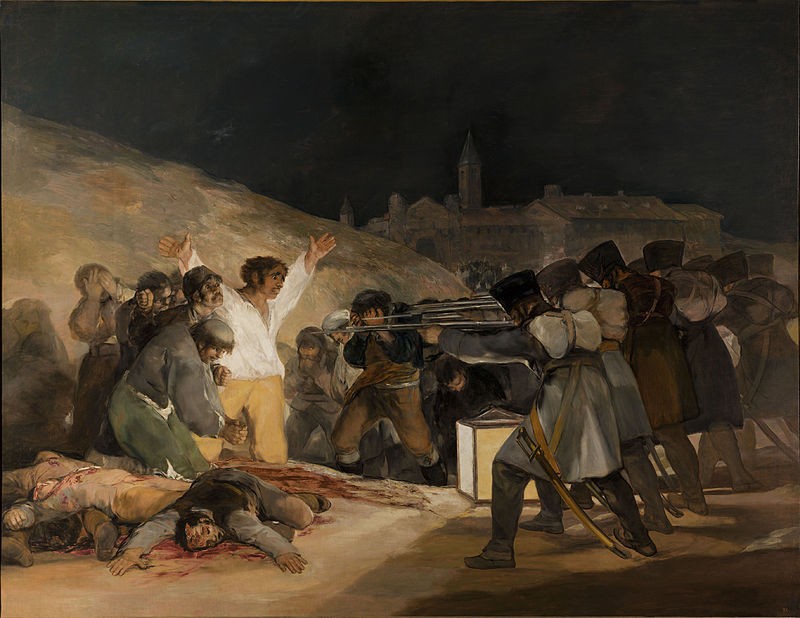
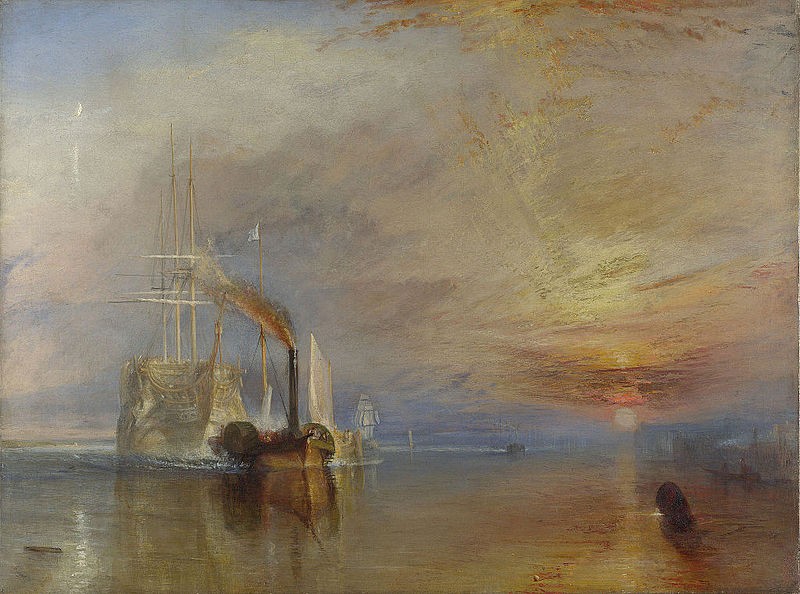
In England, J.M.W. Turner (1775–1851) painted atmospheric landscapes, brilliantly creating the effect of light through the use of colour. Although Romanticism and Neoclassicism represented opposing approaches to art, together they dominated European art styles for generations, and many artists were influenced by both. Artists created Romantic work using a Neoclassical visual style, for example. Other artists closely associated with Romanticism included Caspar David Friedrich (1774–1840), William Blake (1757–1827) and John Constable (1776–1837).
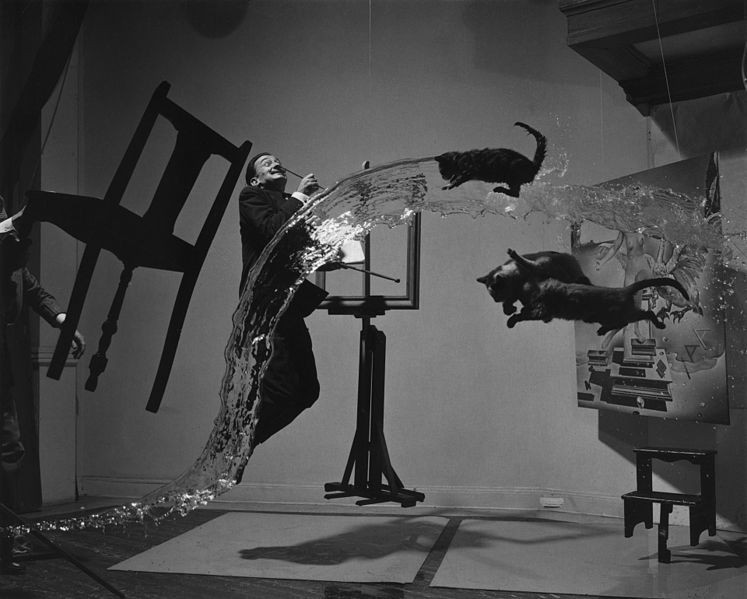
Surrealism Surrealism was an art movement concerned with dreams and the imagination. Many surrealist paintings contained strange scenes in highly realistic detail. Surrealism flourished in Europe in the 1920s and 1930s. Giorgio de Chirico (1888–1978) painted empty streets and faceless statues. The most famous painting of René Magritte (1898–1967) was a simple image of a pipe for smoking tobacco. Underneath the pipe are the words Ceci n’est pas une pipe ("This is not a pipe"). The most famous Surrealist painter was Salvador Dalí (1904–89). Dalí painted melting clock faces, distorted bodies and empty spaces. He even made a telephone with a lobster for a mouthpiece.

Symbolism Symbolist painters turned away from the realistic depiction of the natural world, seen in Impressionism and Realism, in favour of imaginary dream worlds inhabited by figures from literature and mythology. Their art suggested ideas through the use of pictorial symbols. The symbols the artists used were often intensely personal; their work explored psychological themes related to love, fear and death. The leading figures of the movement, which developed between 1885 and 1910, included Odilon Redon (1840–1916), Paul Gauguin (1848–1903), Edvard Munch (1863–1944), Gustav Klimt (1862–1918) and Edward Burne-Jones (1833–98).
Consultant: Philip Wilkinson
pics
Without in any way limiting Q-files Ltd’s exclusive rights under copyright, any use of this publication to “train” generative artificial intelligence (AI) technologies to generate text is expressly prohibited. Q-files Ltd reserves all rights to license use of this work for generative AI training and development of machine learning language models.