
Art

CITE
We have made every effort to follow citation style rules, but there may be some minor differences. If in doubt, please refer to the appropriate citation style manual.
Photography. (2026). In Q-files Encyclopedia, Culture, Art. Retrieved from
https://www.q-files.com/culture/art/photography
"Photography." Culture, Art, Q-files Encyclopedia, 11 Jun. 2026.
https://www.q-files.com/culture/art/photography.
Accessed 6 Aug. 2026.
Photography 2026. Culture, Art. Retrieved 6 August 2026, from
https://www.q-files.com/culture/art/photography
Culture, Art, s.v. "Photography," accessed August 6, 2026.
https://www.q-files.com/culture/art/photography


Photography
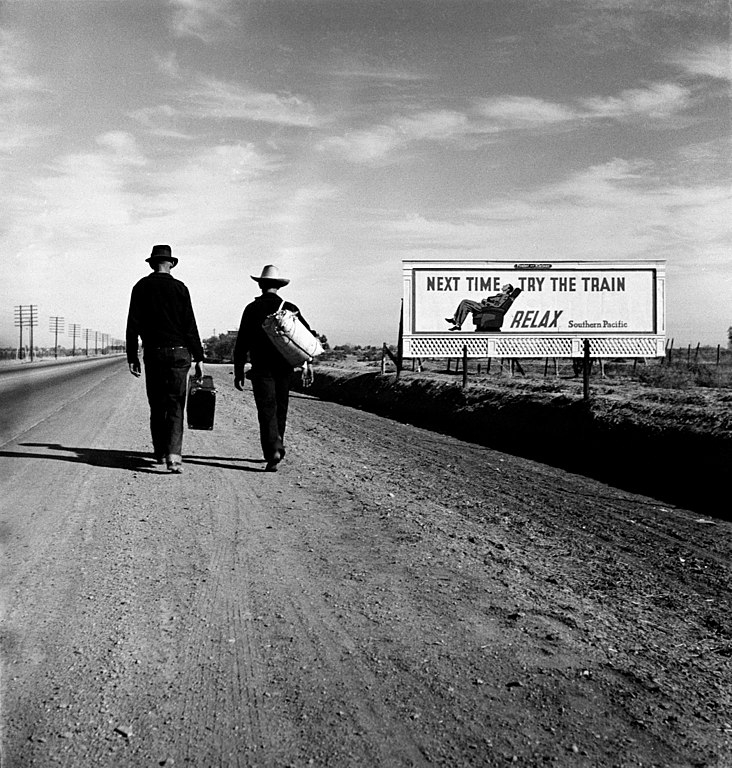
Photography is the art of taking pictures with a camera. When photography was first invented in the 1820s and 30s, people questioned whether photography could be considered art, and painters both feared and admired the new technology. But over the next 50 years, photography became established as a new art form. Portrait photographers such as Annie Leibovitz and Henri Cartier-Bresson captured people’s personalities and the way they live, while photojournalists such as Dorothea Lange used the medium to tell important stories. Landscape photographers such as Ansel Adams depicted the beauty and power of nature. Photography also has an important role to play in science.
Painters and photography
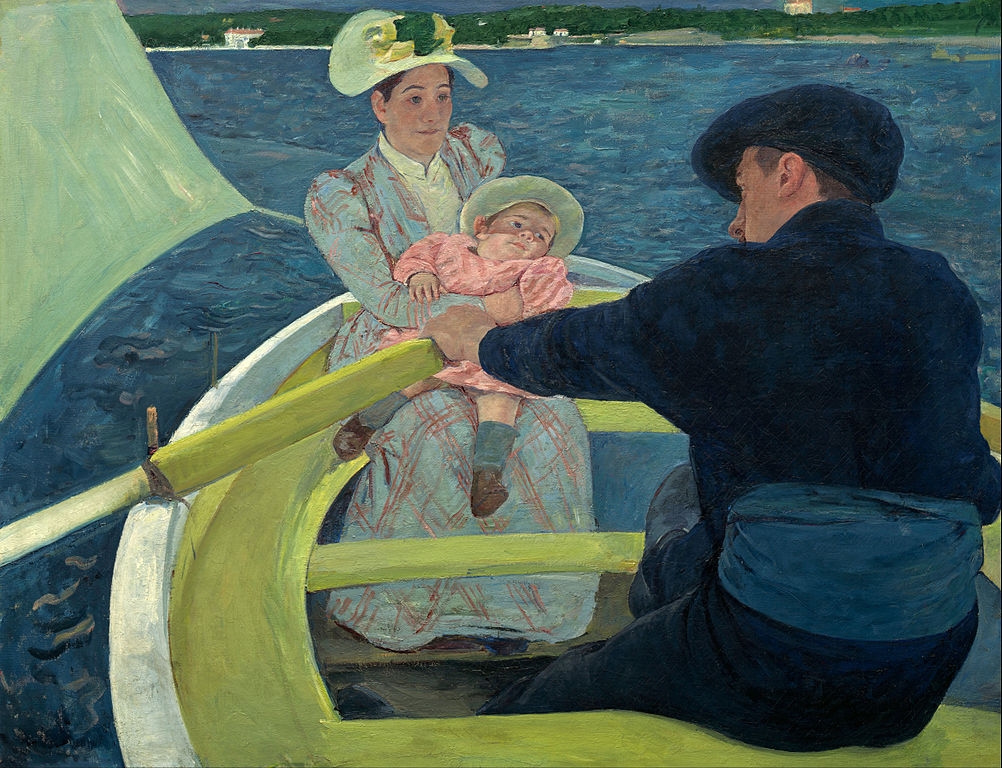
The invention of photography had a huge influence on the world of painting. At first, painters were suspicious of photography, fearing that it would one day take over from painting and make their work irrelevant. But other painters saw it as a different way of capturing an image of the world around them.
Vincent Van Gogh (1853–90) and James McNeill Whistler (1834–1903) argued that photography would never replace painting because it created only an accurate image of a subject, while a painting could capture emotions.
Over time, painters began to accept photography, finding it useful for providing source material (photographs to draw from) or inspiration. In 1864, Leonida Caldesi published a book of photos of paintings in the National Gallery which enabled artists to study them without having to travel to London.
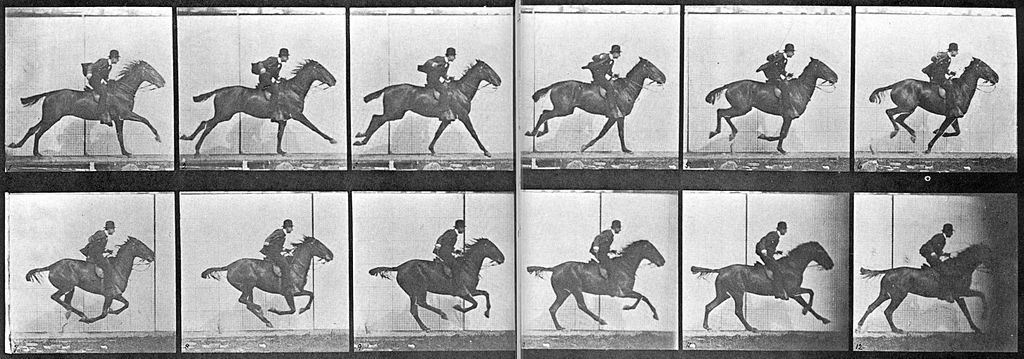
In the 1880s, the photographer Eadweard Muybridge set up his camera to take hundreds of photos of animals running. His early "stop-motion" sequences showed that when horses run, there is a moment when all four of their hooves are off the ground. This was something it was impossible to see just by looking. His photographic studies would forever change the way that artists drew animals and people in motion.
First photographers
The first photographers were inspired by painters. They composed their photographs carefully, sometimes staging scenes from literature or myths. They used soft (rather than sharp) focus to give their photos character, making them look mysterious or suggesting emotion.
Sometimes photographers used special lighting effects when composing their photos to create strong contrasts between light and dark areas in the picture. This technique, called chiaroscuro (Italian for "light-dark"), was borrowed from painting, and was originally used by artists such as Caravaggio, Rembrandt and Joseph Wright of Derby. The use of chiaroscuro helped create powerful, atmospheric images.
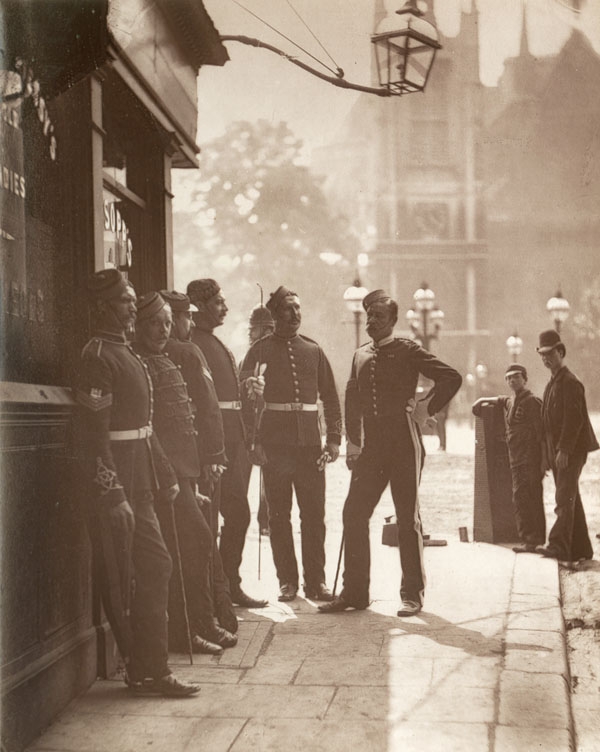
Early portraits
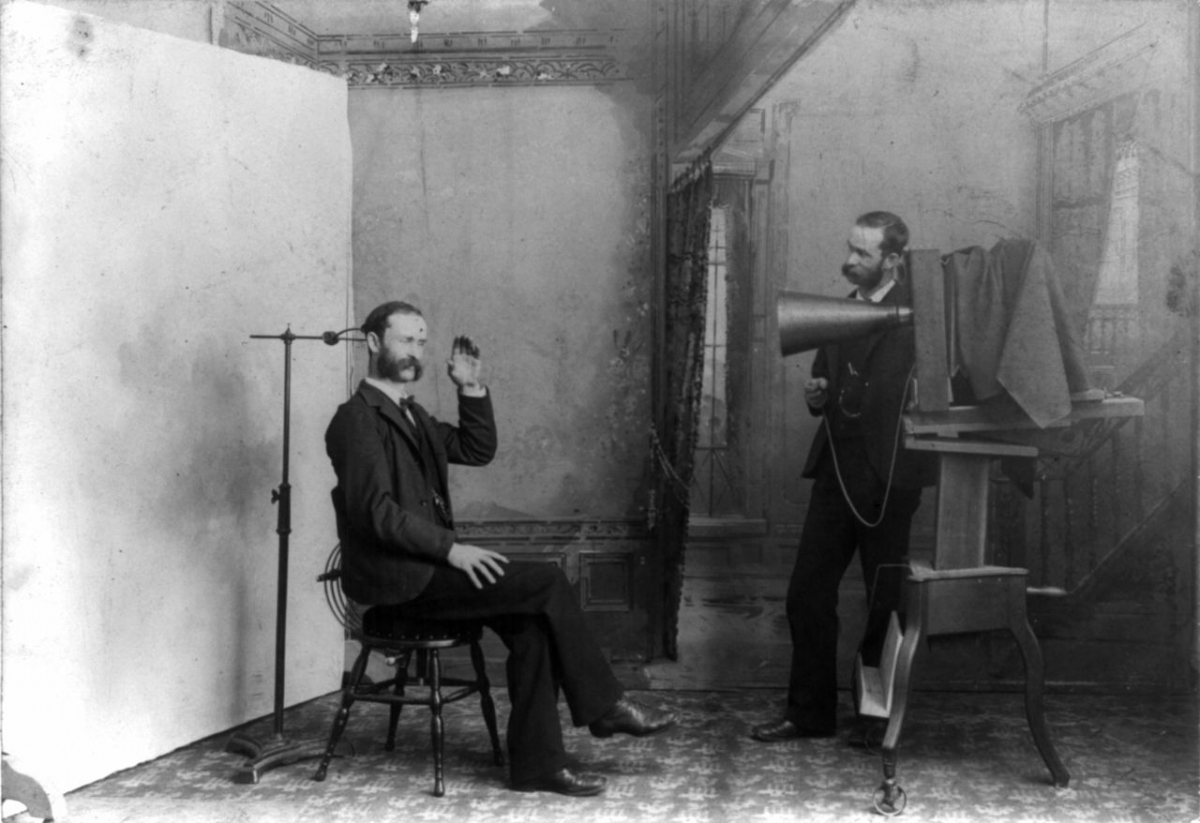
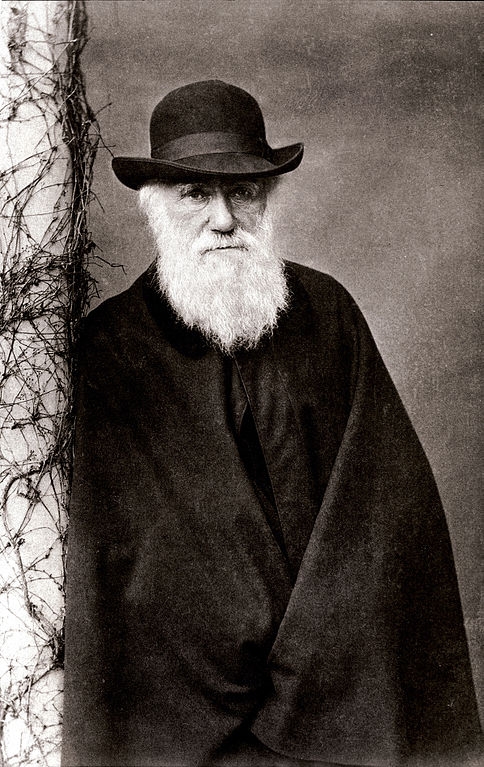
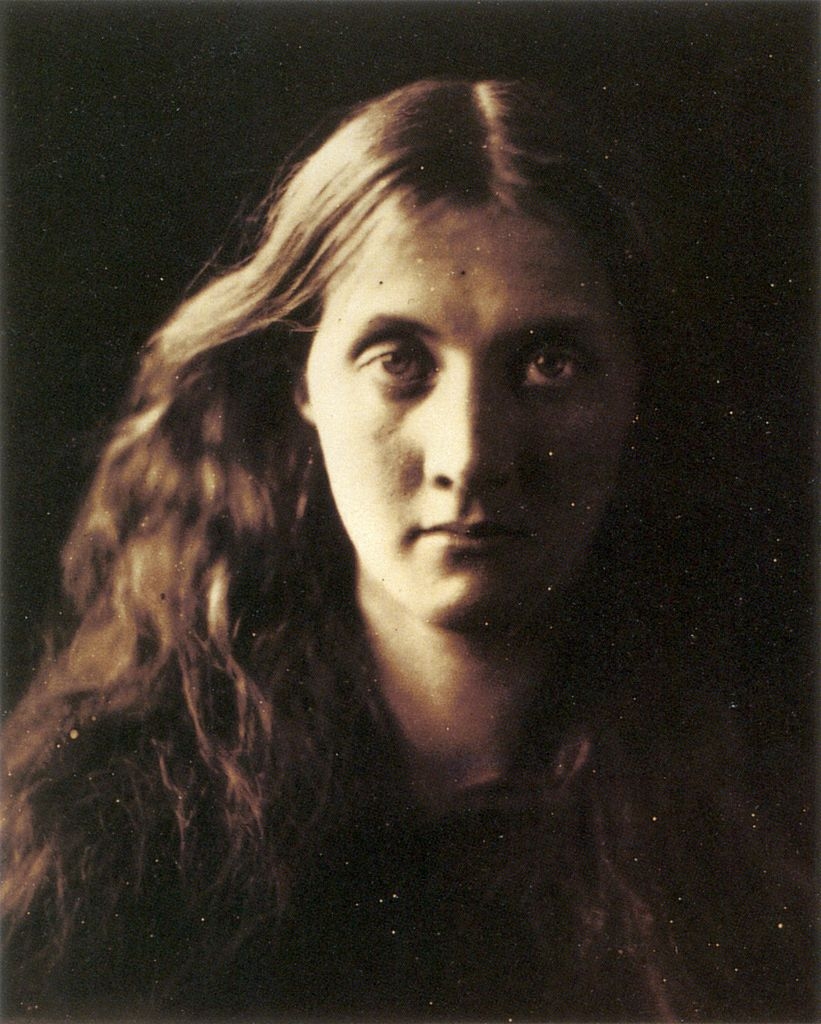
Before photography, portraits could only be paintings or silhouettes (cut-outs of a person’s profile), which were expensive to buy. But because a photo was cheaper—and quicker—to make than a painting, portrait photography soon became popular. The photographer Julia Margaret Cameron (1815–79) was well-known for her portraits of famous people, such as the scientist Charles Darwin (pictured left) and the poet Alfred, Lord Tennyson.
Photographers were not able to capture moving subjects, because a photograph needed a long exposure, and anything moving would become a blur. So people having their portrait taken might have to sit absolutely still for 10 minutes, with their head supported by a brace to prevent any movement.
Capturing the landscape
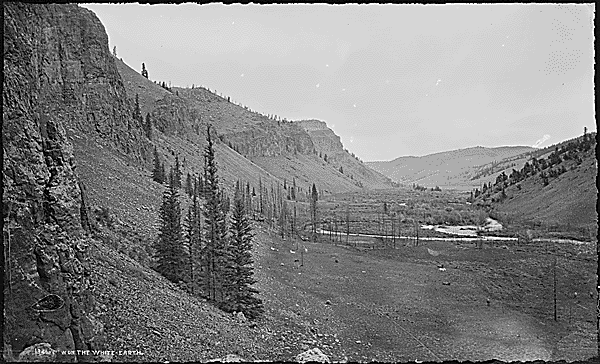
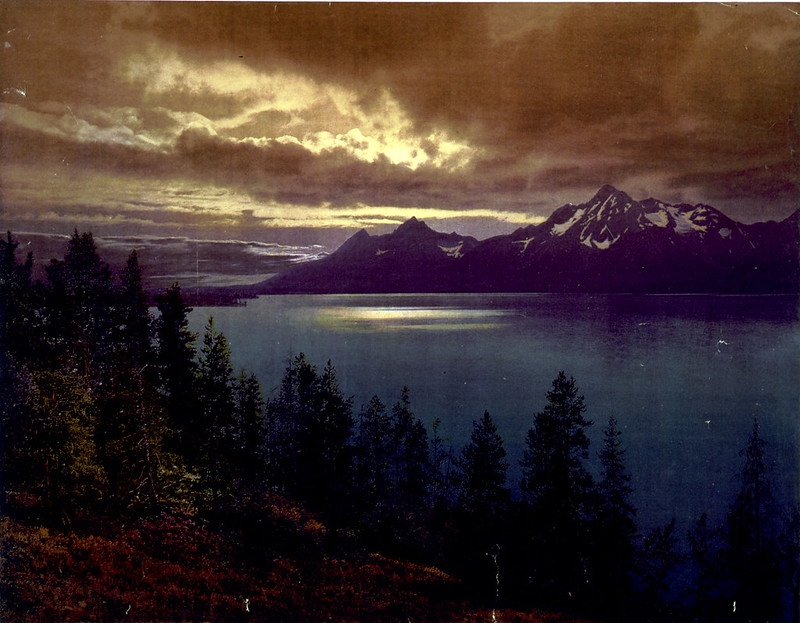
Some of the earliest uses of photography were to make records of the landscape. In the mid-19th century, the US government sent photographers to take pictures of unexplored areas of America. Photos of the American West by William Henry Jackson (1843–1942) helped persuade the government to preserve the country’s wild landscapes and create the Yellowstone National Park in 1872. Jackson carried heavy glass photographic plates with him on his expeditions. They had to be exposed and developed as soon as the picture was taken, so chemicals and a mobile darkroom also travelled with him. Once, his horse stumbled, breaking the fragile glass plates, causing him to lose a month’s work. He had to retrace his journey to take some of his best photographs all over again.
Documentary photography
With the invention of rolls of film and the box camera in the 1880s, photographers could move around with their cameras. Now they could capture (or “document”) more natural scenes of everyday life, as well as historical events. Their photographs could be used to illustrate—and tell—stories. At the same time, new printing technology meant that photographs were becoming easy to reproduce in newspapers: documentary photography was born.
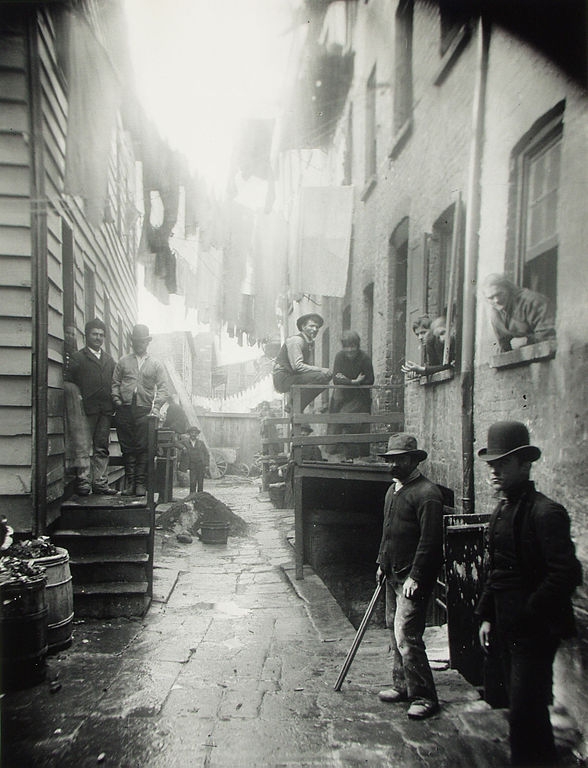
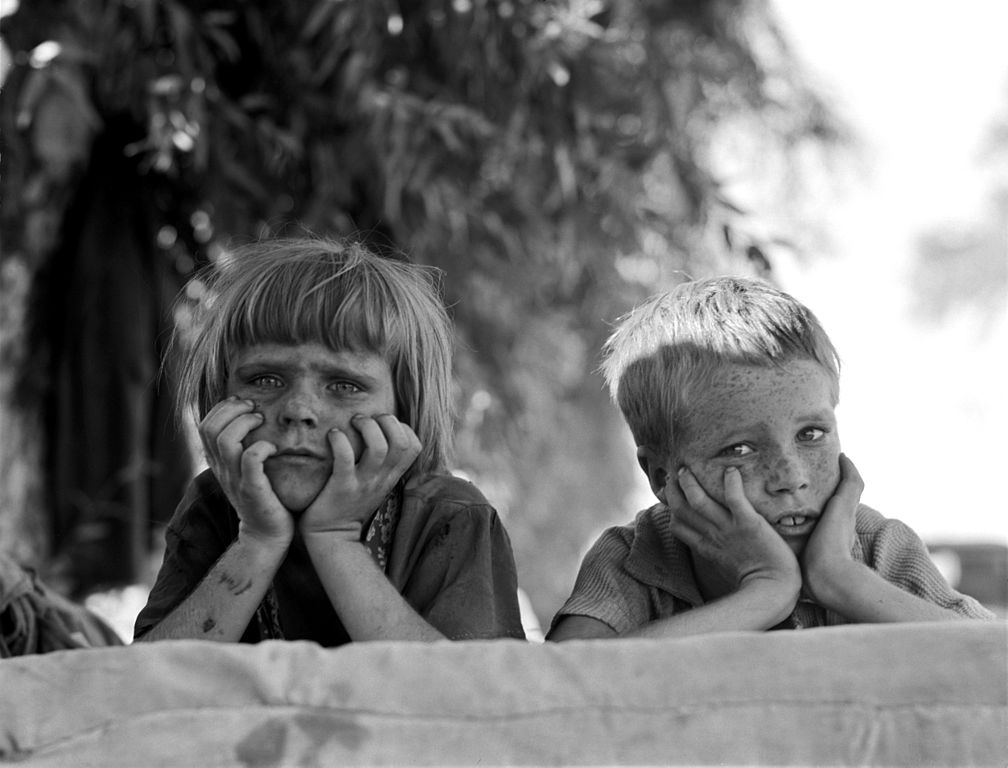
In the 1890s, Jacob Riis (1849–1914) photographed the slums (poor, crowded housing) in New York City, and his work helped to change living conditions for poor people. During the Great Depression in the US in the 1930s, photographers such as Dorothea Lange (1895–1965) took pictures of farm workers and homeless people, raising awareness of their terrible living conditions.
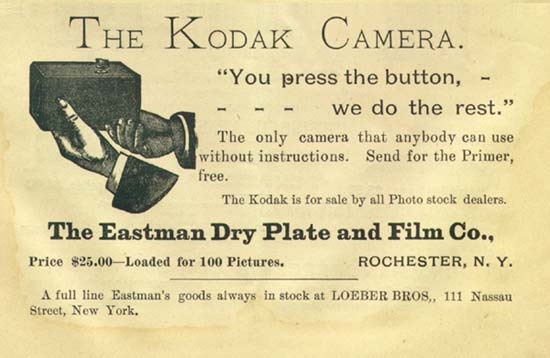
It was not just professional photographers who captured everyday life. The arrival of cheap box cameras in the shops made it affordable for lots of people to have a go at photography. In 1888 Kodak advertised a new camera with the slogan “You press the button ... we do the rest”. Amateur photographers no longer needed to know how to develop film in a darkroom. They could now take photos and then send their camera back to the manufacturers to develop the film.
Modernist photography
In the early 20th century, photographers began taking a new style of photo which did not try to imitate the qualities of paintings. Alfred Stieglitz (1864–1946) took a photograph of people travelling aboard a ship bound for Europe, called The Steerage (1907). It was widely considered to be the first modernist photograph: it captured people in their natural environment, while at the same time being beautiful to look at.
Stieglitz had an important influence on photography. As well as being a photographer himself, he set up galleries in New York in the early 1900s to exhibit the work of other photographers. It was largely because of his efforts to promote photographers' work that people began to recognize photography as an art form, and art collectors became interested in buying photos.

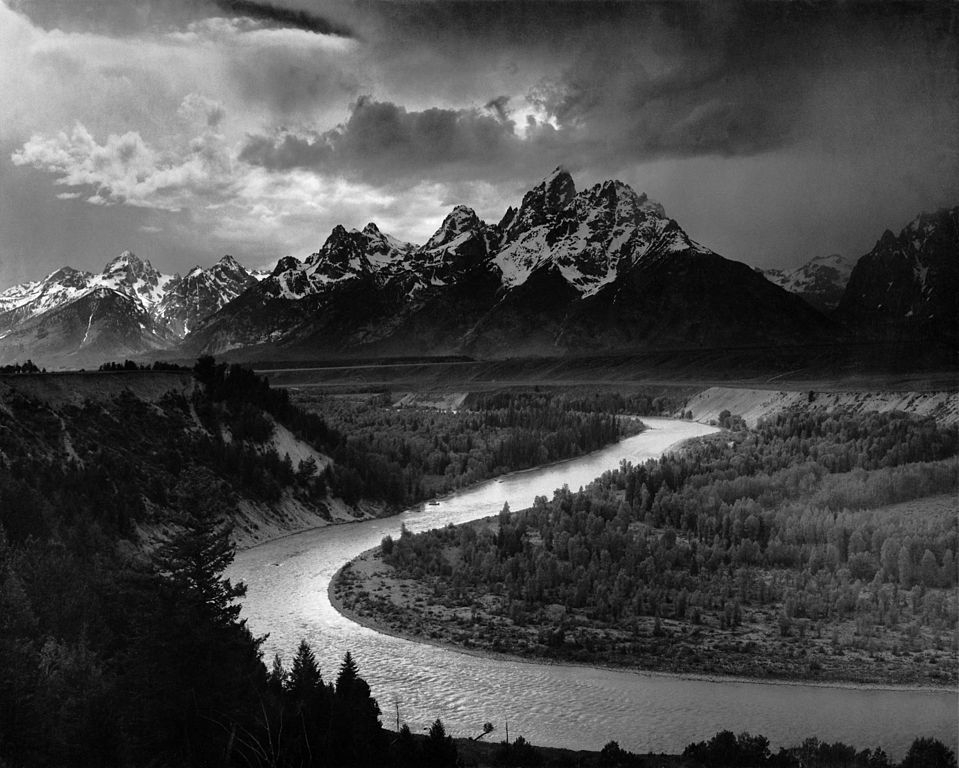
By the 1920s, nearly all photographers were working in the new modern style. An American landscape photographer called Ansel Adams (1902–84) became famous for his black-and-white photos, full of fine detail, of the American wilderness.
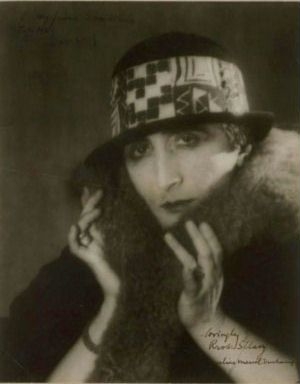
In the 1920s American artist Man Ray (1890–1976) made striking close-up portraits of writers and artists, including the painters Pablo Picasso and Salvador Dali and the author James Joyce. Working in Paris in the 1920s, he took many photos of the artist's model Kiki de Montparnasse (Alice Prin) as well as African subjects. He also produced photograms, which he called "rayographs" after himself. These were photographic images made without a camera by placing objects directly on to photographic paper and then exposing it to light.
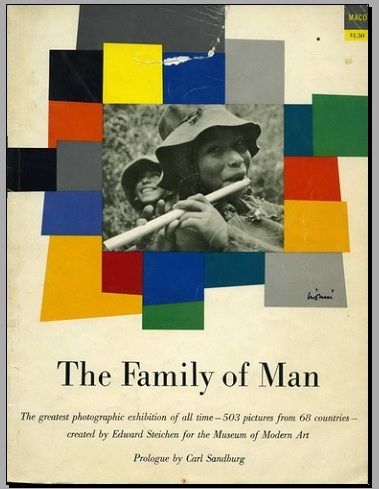
The Family of Man
In 1955, there was a huge photography exhibition at the New York Museum of Modern Art (MoMA), called The Family of Man. It showed the work of more than 250 photographers from 68 countries, and was designed to try and capture a portrait of the world at the time. The exhibition’s director Edward Steichen called photography a “universal language”—a way of communicating that could be understood by everybody, no matter where they came from. The exhibition was so popular that for the next eight years, it was shown all over the world. It remains the most-viewed photography exhibition of all time.
Street photography
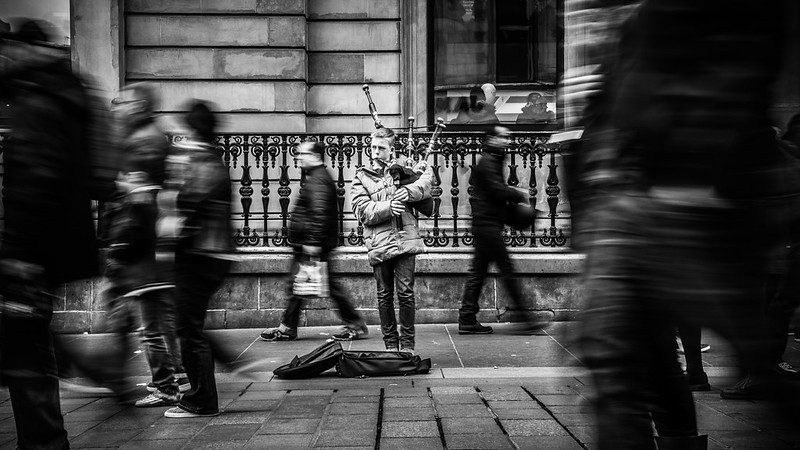
Small, portable cameras became widely available in the 1940s, allowing photographers to walk the streets taking un-posed, natural photographs of people they happened to meet. This became known as “street photography”. French photographer Henri Cartier-Bresson (1908–2004) travelled around the world in the 1940s, 50s and 60s, both documenting some of the great events of the 20th century and making black-and-white portraits that captured seemingly unimportant moments of everyday life. His special talent was wait for exactly the right moment (what he called the "decisive moment") to press the shutter on his camera.
Swiss photographer Robert Frank (1924–2019) published a book of photographs called The Americans (1958) showing scenes of American life from an outsider’s perspective. In the 1960s Diane Arbus (1923–71) took pictures of people she met on the streets of New York. They were often people whose appearance marked them out as unusual in some way.

Modern portraiture
After World War II, new styles of portraiture became popular. Irving Penn (1917–2009) took dramatic pictures of models and famous people against plain white backgrounds in the 1940s and 50s. His minimalistic portraits skilfully capture their subjects’ personalities. Annie Leibovitz (born 1949) became famous for her 1970s portraits of musicians for the magazine Rolling Stone. Peruvian photographer Mario Testino (born 1954) is known especially for his portraits of celebrities published in the fashion magazine Vogue.
Science and forensics
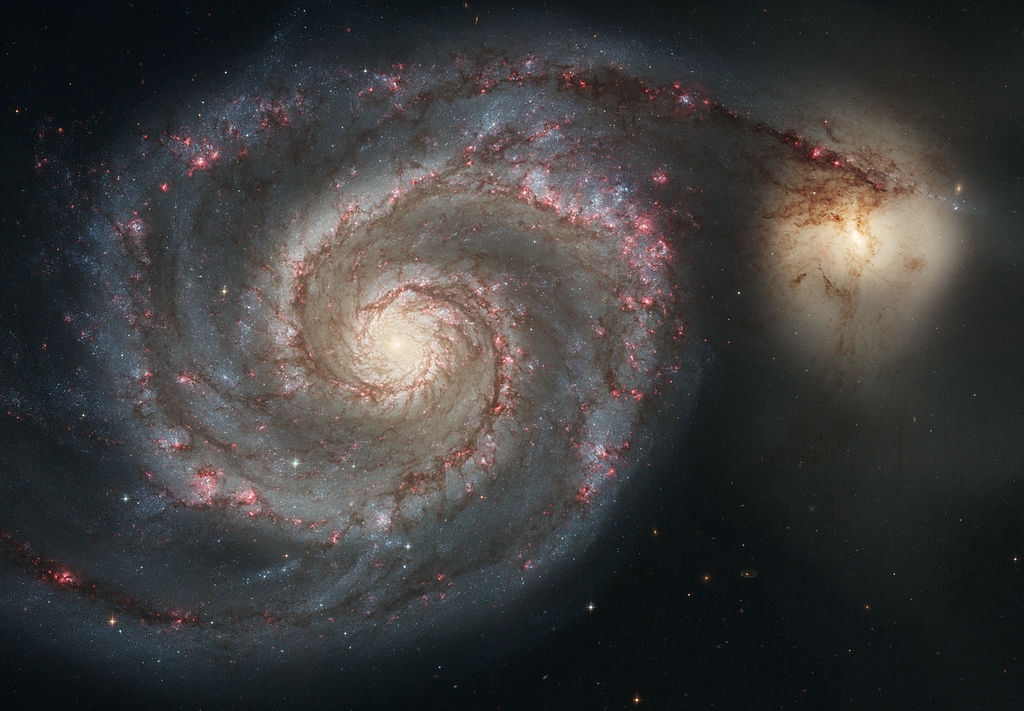
As well as being an art form, photography has many practical uses. In medicine, photography is used to collect information about the human body. Tiny cameras can take photographs inside the body, which are used to diagnose illnesses or share new findings in medicine. By attaching a camera to the eyepiece of a microscope (photomicroscopy), biologists can photograph minuscule creatures and plants, producing what are called micrographs. Photography is also important in astronomy (astrophotography). Using long-term exposure by digital cameras linked to telescopes, images of objects otherwise invisible to the human eye, such as dim stars, nebulae and galaxies (above), can be made. Forensic investigators (right) take pictures of a crime scene to collect photographic evidence that may be used in a trial.

Digital photography
Digital cameras were invented in the early 1990s. By the end of the decade, many professional photographers were switching to digital photography because they could submit their shots for publication more quickly. They could also see a preview of the photograph they had taken on the camera. Digital photographs can be edited using computer software (a process called digital manipulation) to create special effects, or to erase parts of the photograph.


Many artist photographers still shoot on film, but others have adopted digital photography to make their artwork. British artist Martin Parr (1952–2025) was known for his colourful photographs of holidaymakers. Jeff Wall (born 1946) uses photomontage (joining together several pictures) to create images that look like scenes from films. Cindy Sherman (born 1954) makes self-portraits that explore ideas about identity, by dressing up and posing for photos that look as if they are candid (un-posed).
Photography today
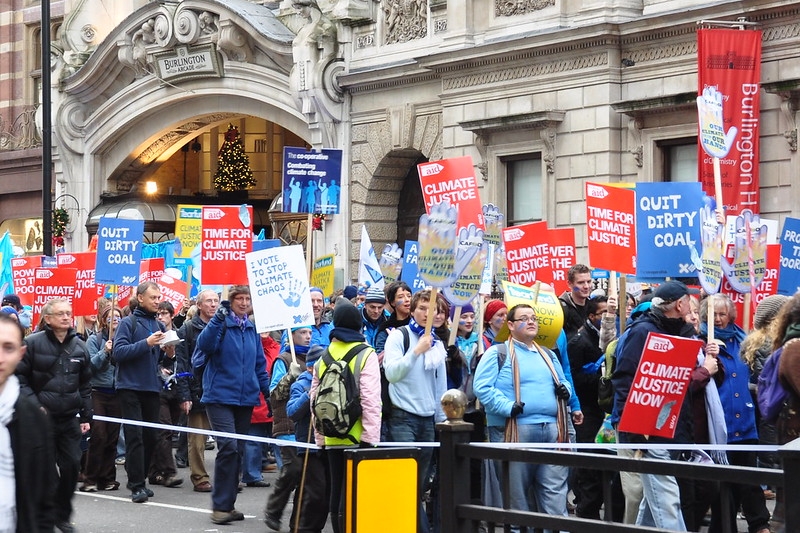
Cameras were built into phones from the early 2000s, meaning that everyone with a smartphone carries a digital camera in their pocket. People can now easily document their everyday lives as well as events such as political protests or incidents that occur unexpectedly. The popularity of social media sites such as Facebook and Instagram allow photographs to be shared more quickly and widely than ever before—between 3 and 3.5 billion photographs are uploaded to the internet each day.

Consultant: Philip Wilkinson
pics
Without in any way limiting Q-files Ltd’s exclusive rights under copyright, any use of this publication to “train” generative artificial intelligence (AI) technologies to generate text is expressly prohibited. Q-files Ltd reserves all rights to license use of this work for generative AI training and development of machine learning language models.