
Art

CITE
We have made every effort to follow citation style rules, but there may be some minor differences. If in doubt, please refer to the appropriate citation style manual.
Rembrandt. (2026). In Q-files Encyclopedia, Culture, Art. Retrieved from
https://www.q-files.com/culture/art/rembrandt
"Rembrandt." Culture, Art, Q-files Encyclopedia, 11 Jun. 2026.
https://www.q-files.com/culture/art/rembrandt.
Accessed 6 Aug. 2026.
Rembrandt 2026. Culture, Art. Retrieved 6 August 2026, from
https://www.q-files.com/culture/art/rembrandt
Culture, Art, s.v. "Rembrandt," accessed August 6, 2026.
https://www.q-files.com/culture/art/rembrandt


Rembrandt
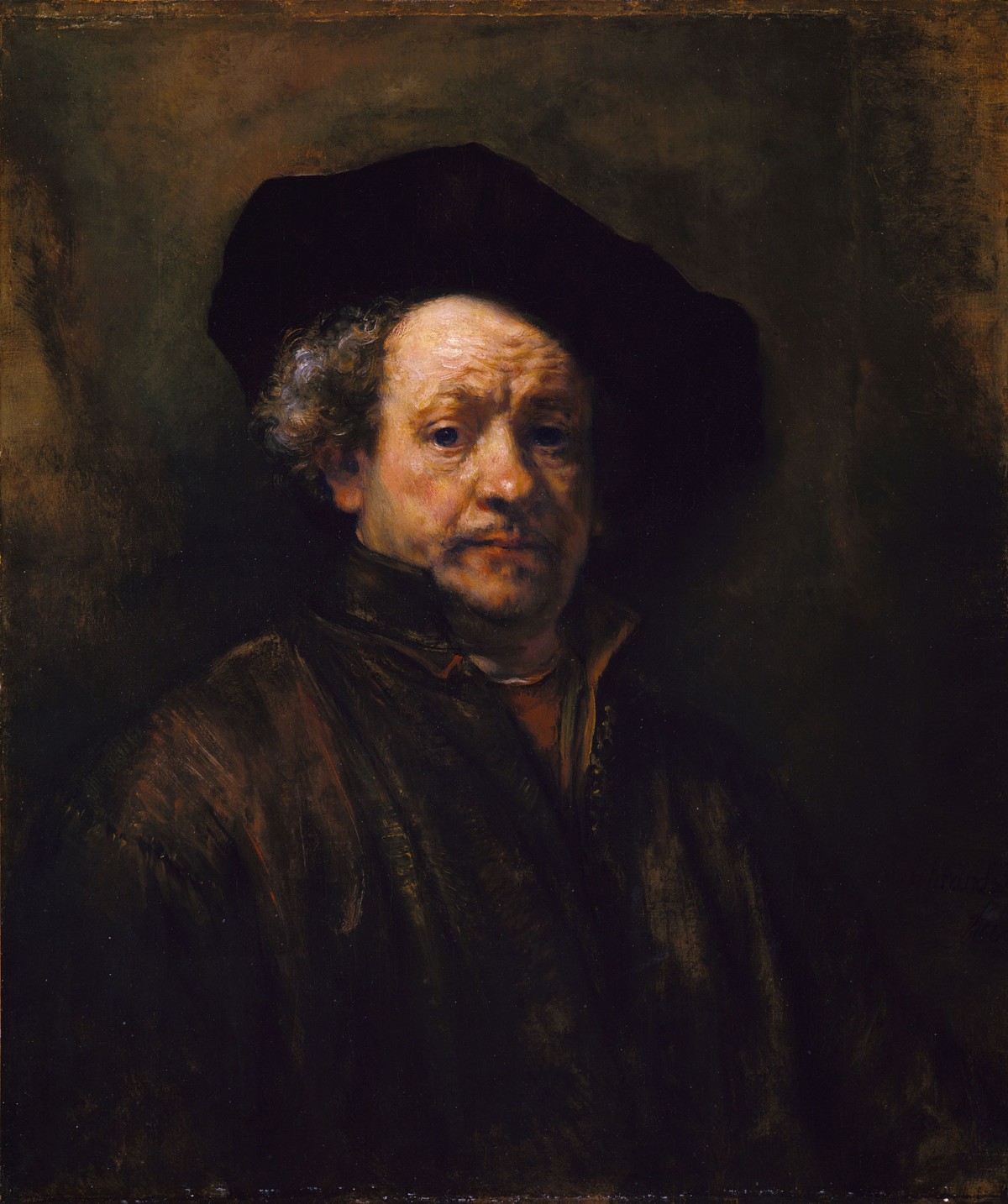
The painter Rembrandt (1606–69) lived and worked in the mid-1600s in the Dutch Republic during the Dutch Golden Age. Widely acknowledged to be one of the greatest European painters of all time, he made his name painting portraits of the rich people of Amsterdam, where he lived, but he also painted many self-portraits and religious and other subjects. His 300 or so paintings all reveal much about the lives of the people they show. A successful artist in his own lifetime, he nevertheless suffered personal tragedy and financial hardship in his later years.
Early life
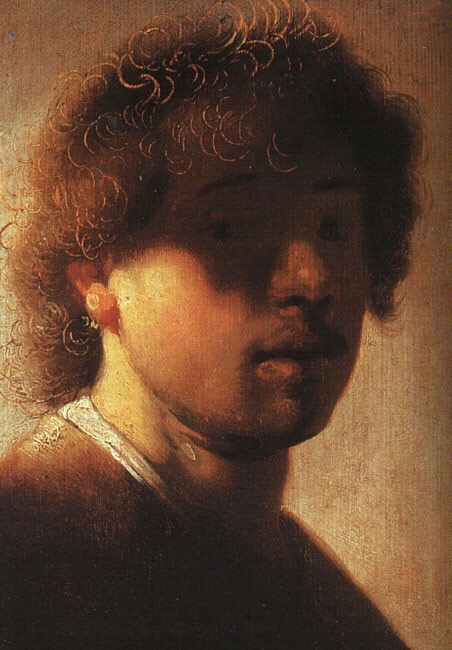
Rembrandt Harmenszoon van Rijn was born in the Dutch town of Leiden on 15th July 1606. His father was a prosperous miller. He studied at the University of Leiden but was more interested in painting. In around 1621 he was apprenticed to Jacob van Swanenburgh, a famous painter of historical subjects, for three years before opening his own studio in 1624 or 1625. In 1631 he moved to Amsterdam, where he lived and worked for the rest of his life.
Tragedy and hardship
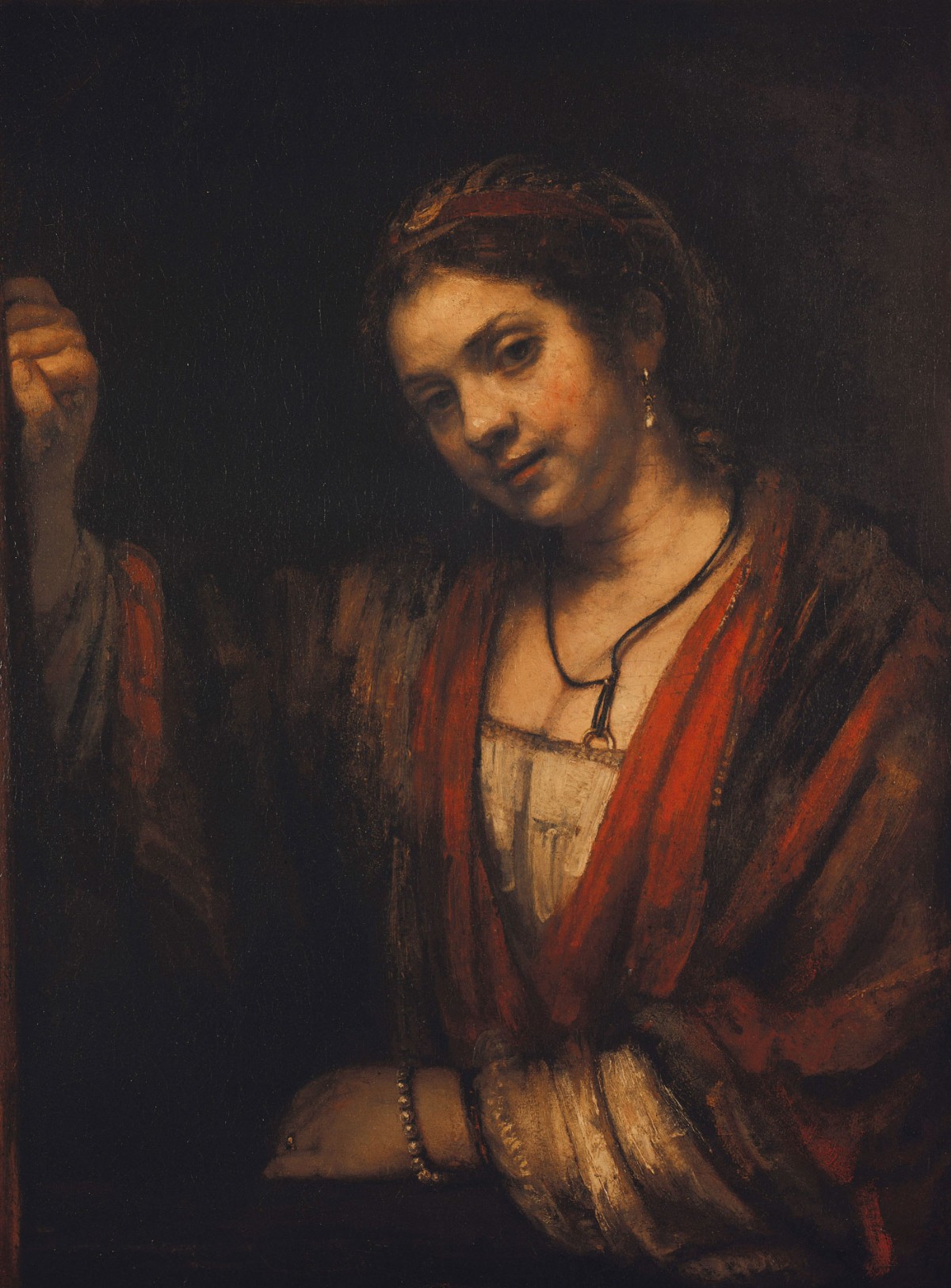
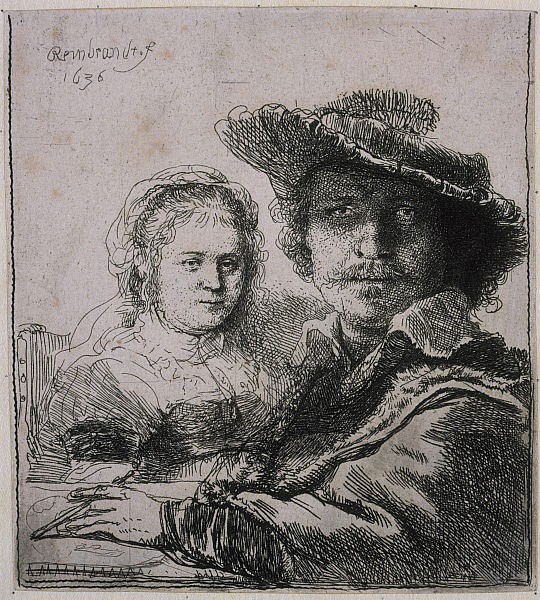
In 1634 Rembrandt married Saskia van Uylenburgh. They had four children, of whom three died as babies. Unfortunately, Saskia herself died in 1642. Rembrandt then took on a young servant, Hendrickje Stoffels. She was his favourite model and later became his partner. She gave birth to a daughter Cornelia. Rembrandt was an extremely successful painter but in later life had many money worries. In 1656 he had to sell many of his belongings in order to avoid bankruptcy. His later life was also marked by tragedy, as both Hendrickje and his only son, Titus, died before him. Rembrandt himself died on 4th October 1669, aged 63, and was buried in Amsterdam.
Self-portraits
During his lifetime, Rembrandt painted around 70 portraits of himself. Half of them are paintings, the other half drawings or prints. The portraits painted and drawn when he was young show a confident and successful man. Later portraits show a wiser, more thoughtful person, clearly worried about his life and work. His self-portraits are considered to be among the most successful portraits ever produced, as they show Rembrandt’s ability to depict feelings and emotions.
The Anatomy Lesson of Dr Nicolaes Tulp
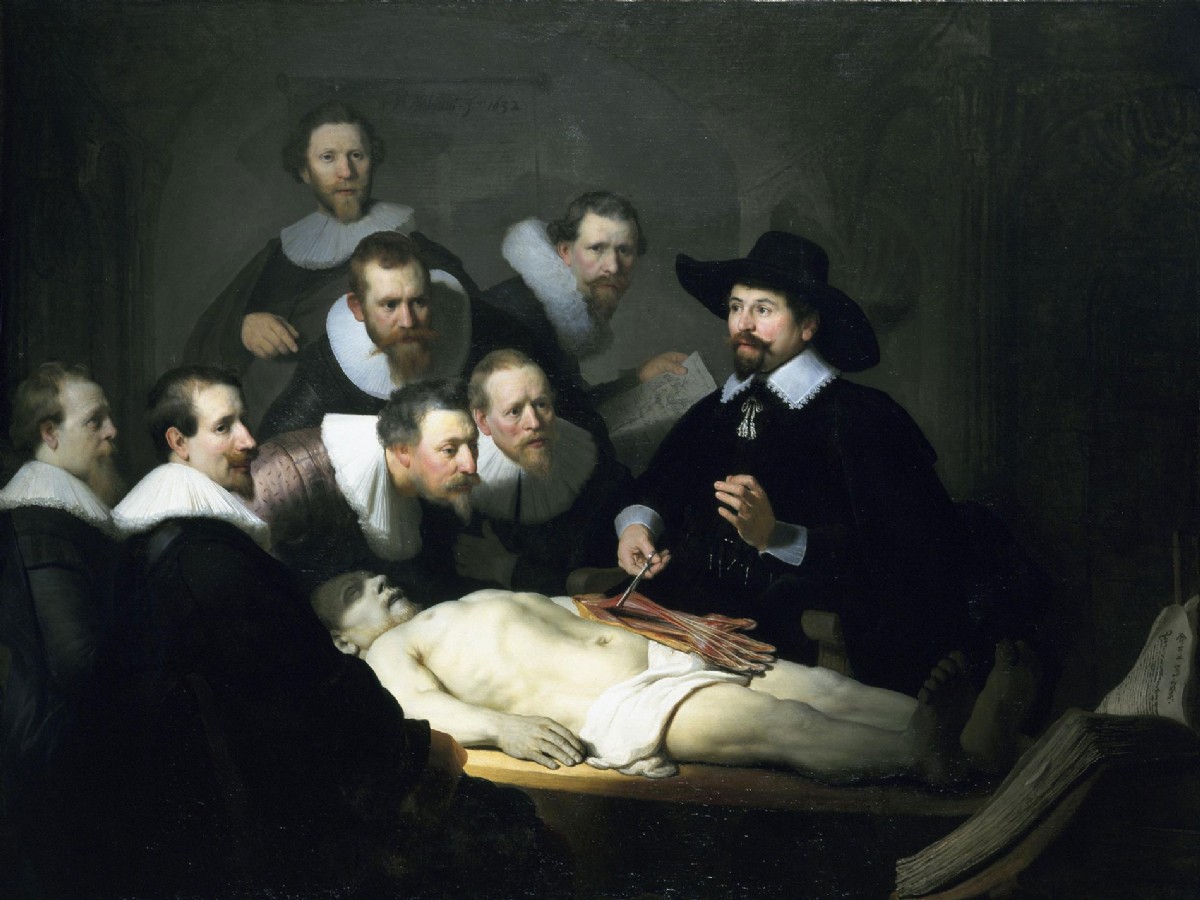
In 1632 Rembrandt painted a group portrait of medical experts examining the arm muscles of a dead man under the instruction of Dr Nicolaes Tulp, who was the City Anatomist of the Amsterdam Guild of Surgeons. Some of the students are, in fact, real-life doctors who paid Rembrandt to be included in the painting. Anatomy lessons were social occasions at the time: anyone could attend an anatomy lesson if they paid an entrance fee to the room. The painting is signed Rembrant 1632, the first time Rembrandt signed one of his paintings fully, rather than initialling it as before.
The Night Watch
The Night Watch is one of Rembrandt’s most famous paintings. It is also his largest, measuring 3.6 by 4.5 metres (12 by 14.3 feet). The painting is officially called The Company of Captain Frans Banning Cocq and Lieutenant Willem van Ruytenburch Preparing to March Out. It shows a company of local militia or civic guards getting themselves ready to protect their city. The painting is full of atmosphere and drama, as the men prepare their weapons. Today, it hangs in the Rijksmuseum in Amsterdam, the Netherlands.


In 1715 the decision was taken to move the painting to the Arquebusiers Guild Hall in Amsterdam’s city hall. City officials wanted the painting to hang between two doors. On discovering that it was too big to fit, they had it cut down to size, slicing 60 centimetres (2 feet) off the left-hand edge. By 1790, the painting's varnish had darkened enough to suggest it was a night scene, giving it the name we know it by today. The grimy varnish was cleaned off in 1946, but the name stuck.
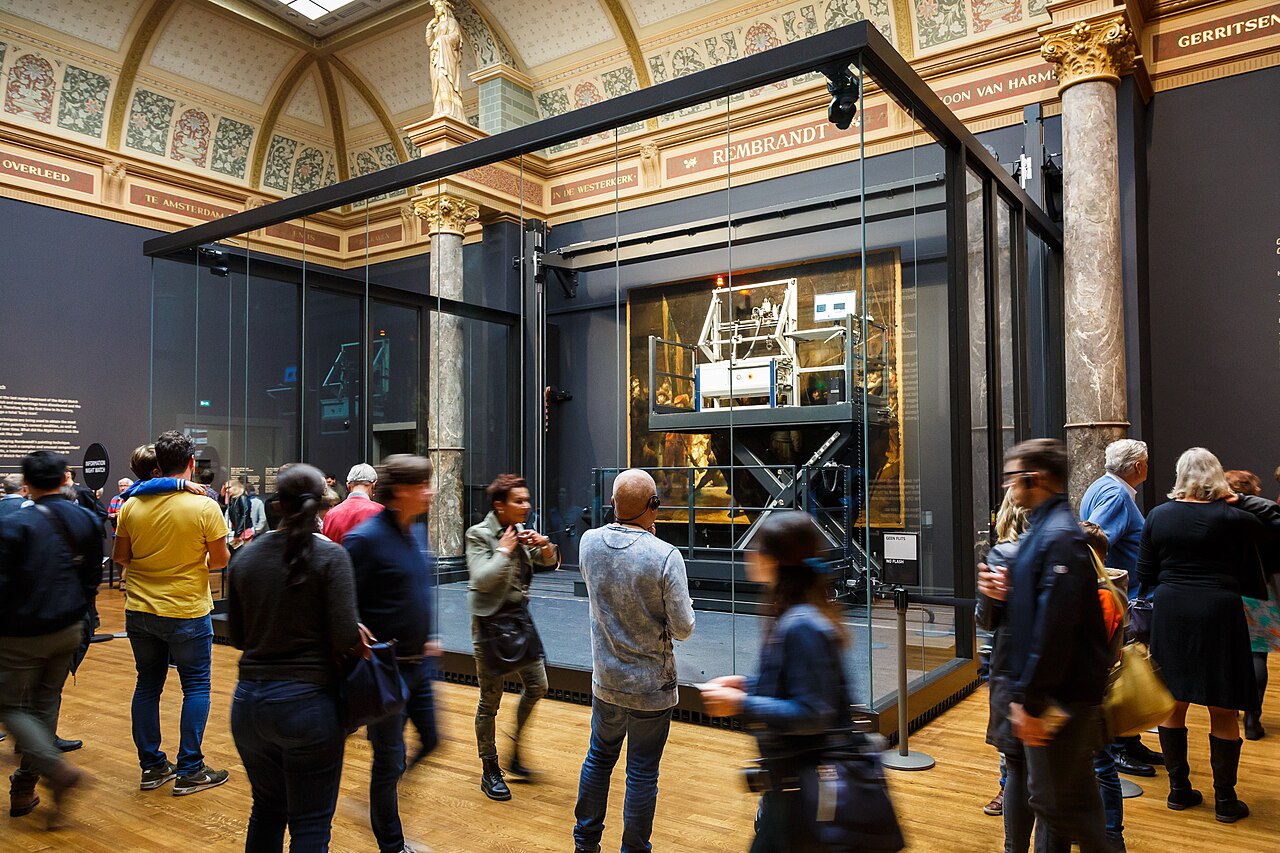
After five years of intensive research, during which the entire painting was mapped "layer by layer and pigment by pigment", a restoration of The Night Watch got underway in November 2024. Currently, the varnish applied during a 1975–76 restoration project is being carefully removed using microfibre cloths and cotton swabs. Called Operation Night Watch, the restoration work is being carried out inside a glass chamber in full view of visitors to the Rijksmuseum. It is planned for completion in 2030.
Consultant: Philip Wilkinson
pics
Without in any way limiting Q-files Ltd’s exclusive rights under copyright, any use of this publication to “train” generative artificial intelligence (AI) technologies to generate text is expressly prohibited. Q-files Ltd reserves all rights to license use of this work for generative AI training and development of machine learning language models.