
Art

CITE
We have made every effort to follow citation style rules, but there may be some minor differences. If in doubt, please refer to the appropriate citation style manual.
Michelangelo. (2026). In Q-files Encyclopedia, Culture, Art. Retrieved from
https://www.q-files.com/culture/art/michelangelo
"Michelangelo." Culture, Art, Q-files Encyclopedia, 13 May. 2026.
https://www.q-files.com/culture/art/michelangelo.
Accessed 21 Sep. 2026.
Michelangelo 2026. Culture, Art. Retrieved 21 September 2026, from
https://www.q-files.com/culture/art/michelangelo
Culture, Art, s.v. "Michelangelo," accessed September 21, 2026.
https://www.q-files.com/culture/art/michelangelo


Michelangelo
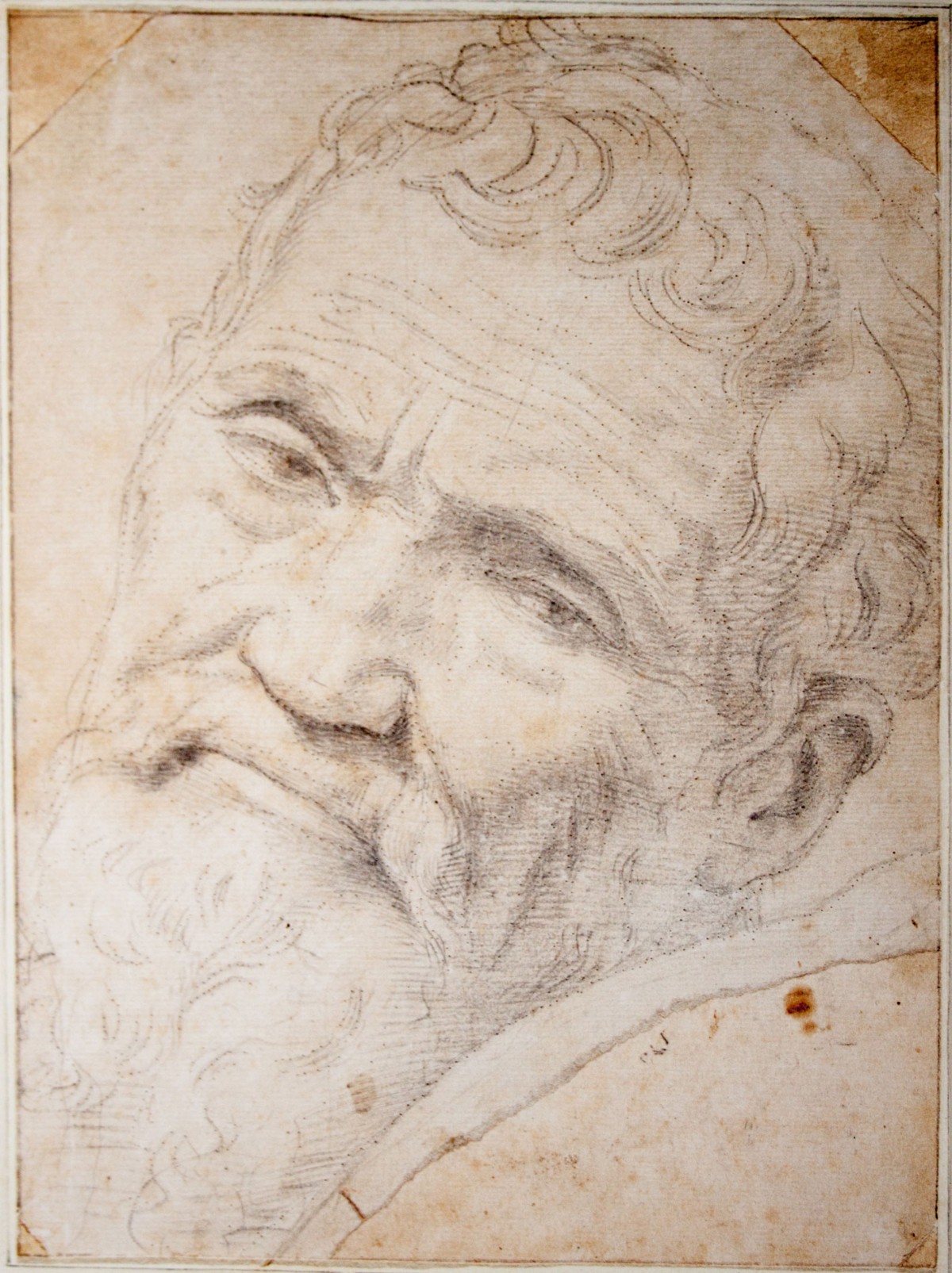
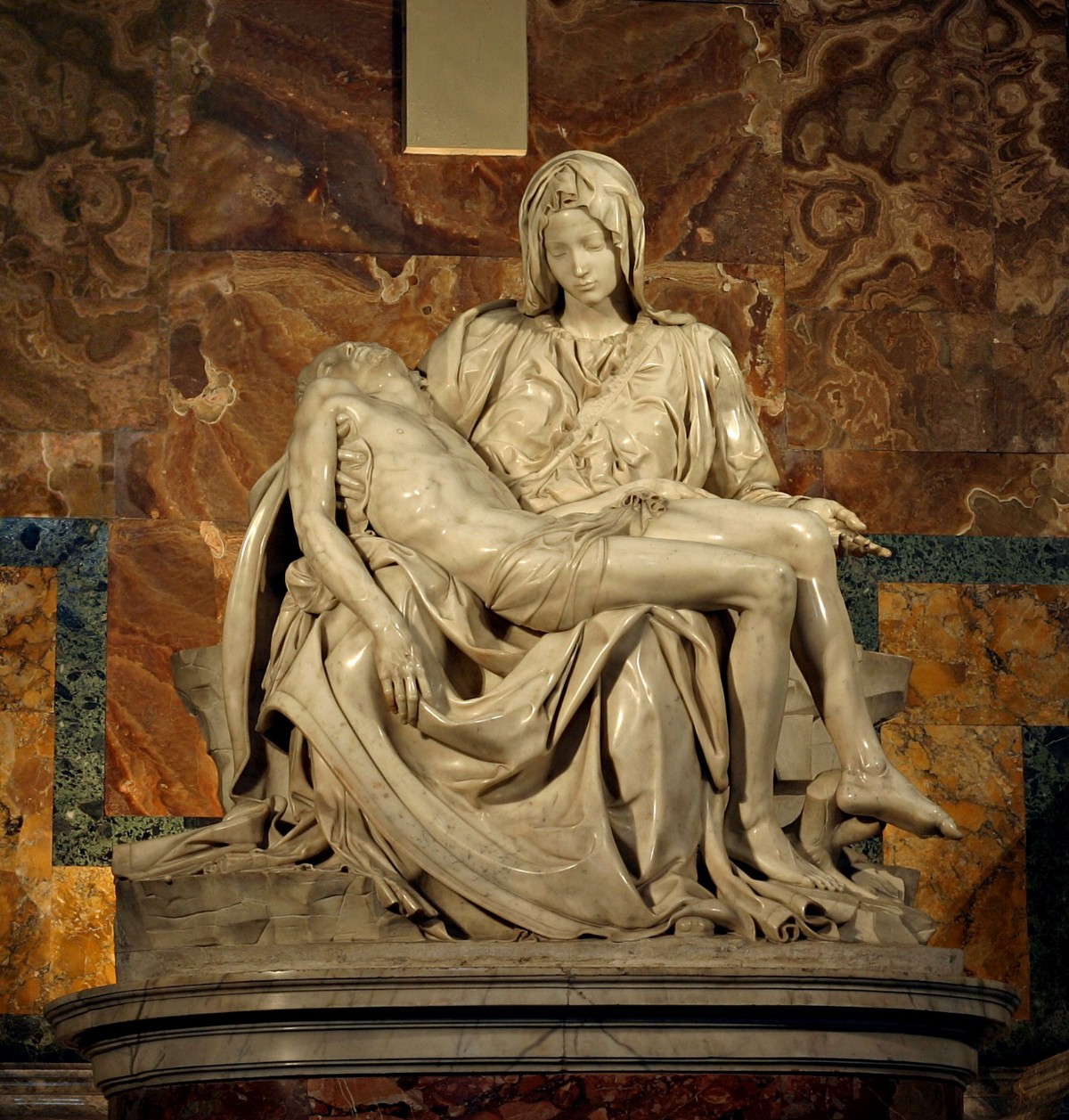
The Italian sculptor, painter, architect and poet Michelangelo (1475–1564) was one of the greatest artists who ever lived. He worked in the early 1500s in Italy during the Renaissance, a period of great artistic and cultural change. Michelangelo was considered a genius during his own lifetime—he was known as Il Divino, “the divine one”. He created his two most famous sculptures, the Pietà and David, before the age of 30, and then, even though he had a low opinion of painting, produced two masterpieces in the Sistine Chapel in Rome. Michelangelo was the first western artist to have biographies of him published while he was still alive.
Early life
Michelangelo di Lodovico Buonarroti Simoni was born in Caprese in Tuscany, Italy, on 6th March 1475. His father was a government official. In 1488, aged just 13, Michelangelo began to study art with the painter Domenico Ghirlandaio. A year later, Lorenzo de’ Medici, the ruler of Florence, asked Ghirlandaio for two of his best pupils to come and work for him. Michelangelo was one of the chosen two. He studied sculpture in Florence, where he began to produce his first works.
In 1496 Michelangelo moved to Rome, where he produced one of his most famous sculptures, the marble Pietà, which shows Mary holding the body of Jesus on her lap. The year 1499 found Michelangelo back in Florence to complete the enormous statue of David as well as other works.
Rome
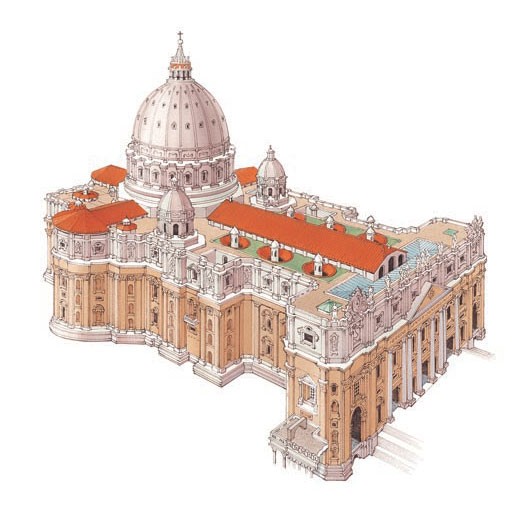
In 1505 the newly elected Pope Julius II invited Michelangelo back to Rome. There he designed and built the pope’s tomb, which took more than 40 years, and worked on the paintings on the ceilings and walls of the Sistine Chapel, one of the chapels in the papal palace in the Vatican City. In 1546 he was appointed the main architect of the new St Peter’s Basilica, the centre of the Roman Catholic faith. He worked on the building up until his death on 18th February 1564, just short of his 89th birthday.
David
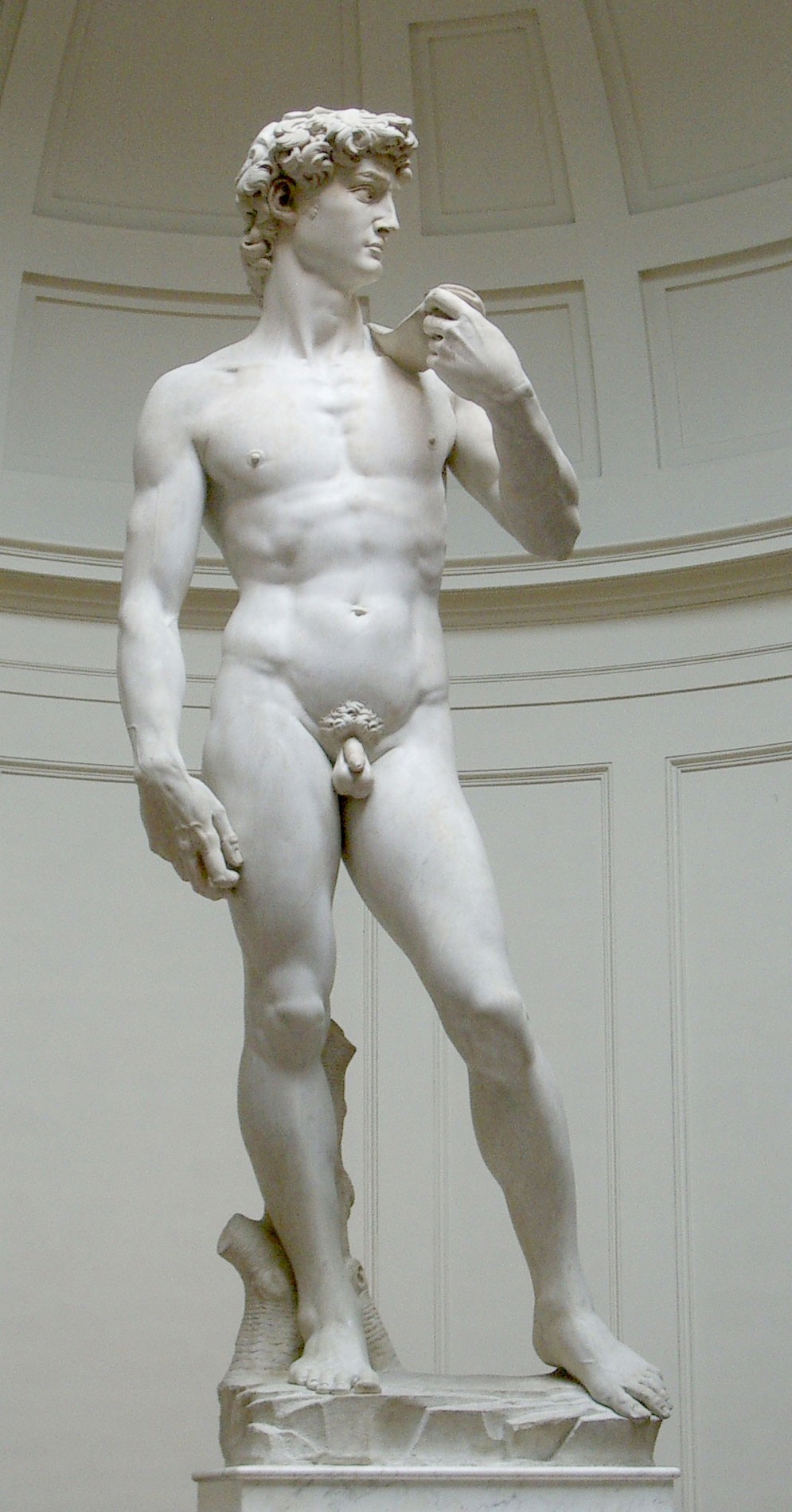
Michelangelo was an expert sculptor, producing a series of fine works out of solid blocks of marble. In 1501, he was asked to complete a statue of David, the boy in the Bible who defeated the giant Goliath and grew up to become King of Israel. Work had begun on the marble statue by another sculptor in 1464 but had stopped soon afterwards with only the legs and feet complete. Michelangelo worked on the sculpture for three years.
When it was complete, the naked statue of David measured 5.17 metres (nearly 17 feet) tall. It was originally meant to be placed on the roof of Florence Cathedral, but because it was so big, it ended up next to the entrance of the Palazzo Vecchio, the town hall of Florence. In 1873 the sculpture was moved indoors to the Accademia Gallery, also in Florence, where it can still be seen today.
Sistine Chapel
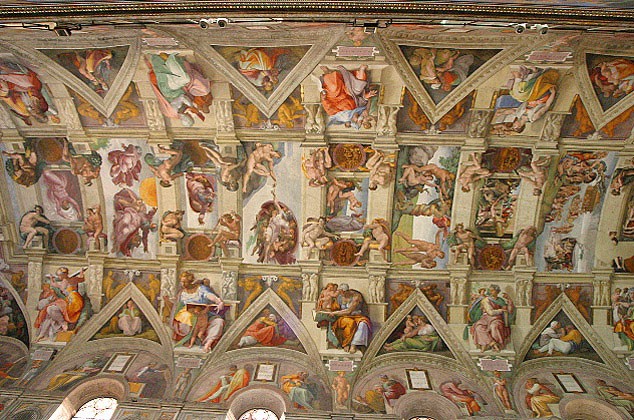
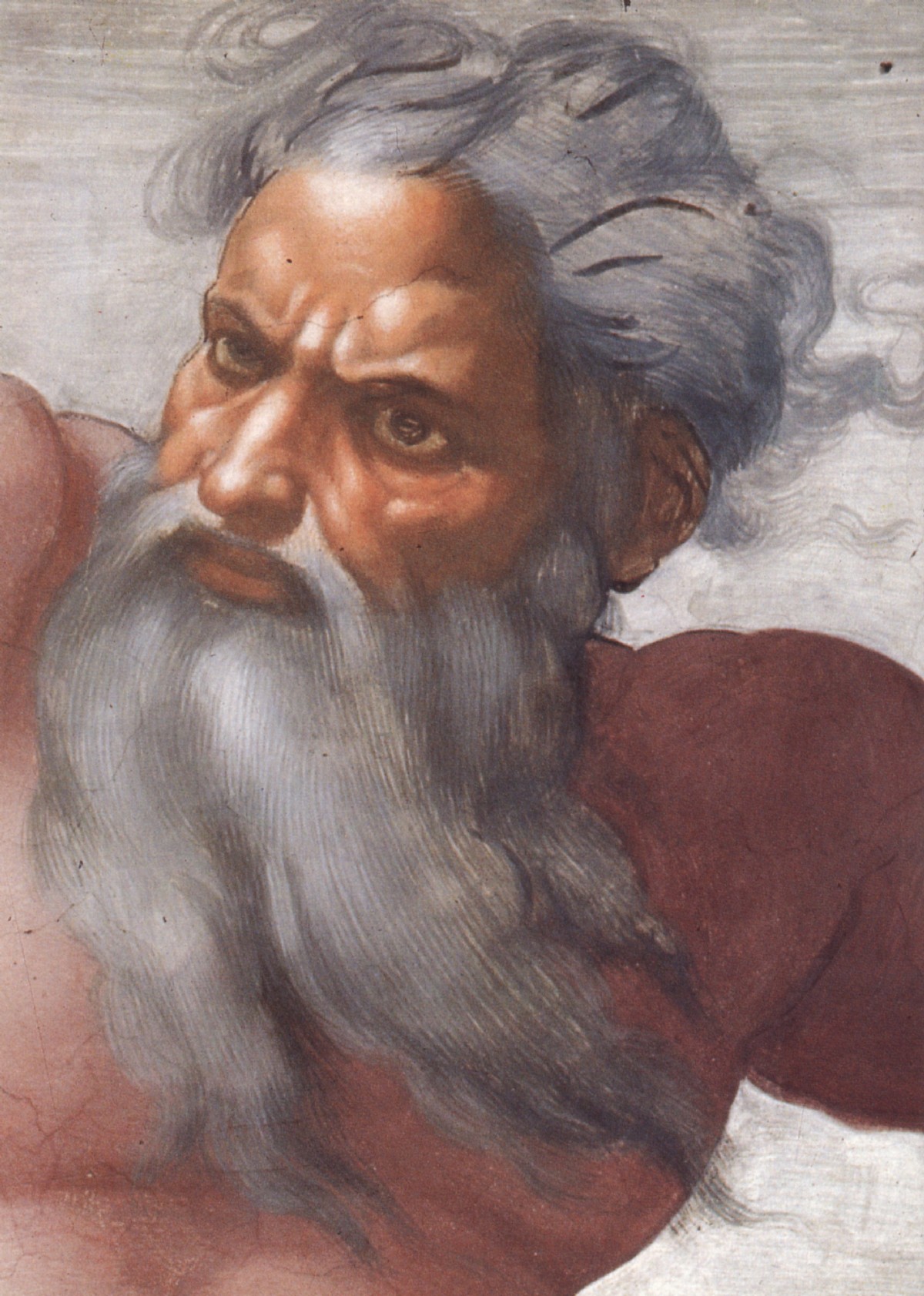
In the early 1500s, Michelangelo was asked by Pope Julius II to paint the ceiling of the Sistine Chapel in Rome. He came up with a design representing nine scenes from the Book of Genesis, the first book in the Bible that describes the creation of the world and humankind by God. The most famous scene shows the hand of God stretching towards—but not quite touching—the hand of Adam, the first man.
The composition is vast, measuring 40.5 metres long and 14 metres wide (113 by 46 feet). It includes 343 figures and took Michelangelo from 1508 to 1512 to complete. Michelangelo had a special scaffold built to reach the ceiling and painted, mostly in a standing position, with his head tilted uncomfortably. The painting is a fresco: paint is applied to wet plaster which then dries, making the paint actually part of the wall or ceiling. In 1534 Michelangelo returned to the Sistine Chapel to produce another large fresco, this time on the altar wall. This fresco, which took seven years to paint, shows the Second Coming of Christ and the last judgement of humanity by God.
Consultant: Philip Wilkinson
pics
Without in any way limiting Q-files Ltd’s exclusive rights under copyright, any use of this publication to “train” generative artificial intelligence (AI) technologies to generate text is expressly prohibited. Q-files Ltd reserves all rights to license use of this work for generative AI training and development of machine learning language models.