
Literature

CITE
We have made every effort to follow citation style rules, but there may be some minor differences. If in doubt, please refer to the appropriate citation style manual.
Famous poets A-Z. (2026). In Q-files Encyclopedia, Culture, Literature. Retrieved from
https://www.q-files.com/culture/literature/famous-poets-a-z
"Famous poets A-Z." Culture, Literature, Q-files Encyclopedia, 13 May. 2026.
https://www.q-files.com/culture/literature/famous-poets-a-z.
Accessed 6 Aug. 2026.
Famous poets A-Z 2026. Culture, Literature. Retrieved 6 August 2026, from
https://www.q-files.com/culture/literature/famous-poets-a-z
Culture, Literature, s.v. "Famous poets A-Z," accessed August 6, 2026.
https://www.q-files.com/culture/literature/famous-poets-a-z


Famous poets A-Z
Anna Akhamatova
Anna Akhamatova (1889–1966) was a Russian poet. She is known especially for her love poems and Requiem, a collection of poetry that describes suffering under Stalin in Soviet-era Russia. Akhamatova made her name with the passionate love poems of her first collection, Evening (1912). During the 1920s, she and many other Russian poets were persecuted by Stalin for being “anti-revolutionary” and her work was banned. In the late 1930s, as Stalin’s regime of terror grew and her husband and son were imprisoned, Akhamatova began composing her most famous work Requiem. It was a sequence of poems in memory of people who had suffered and died under Stalin’s regime.
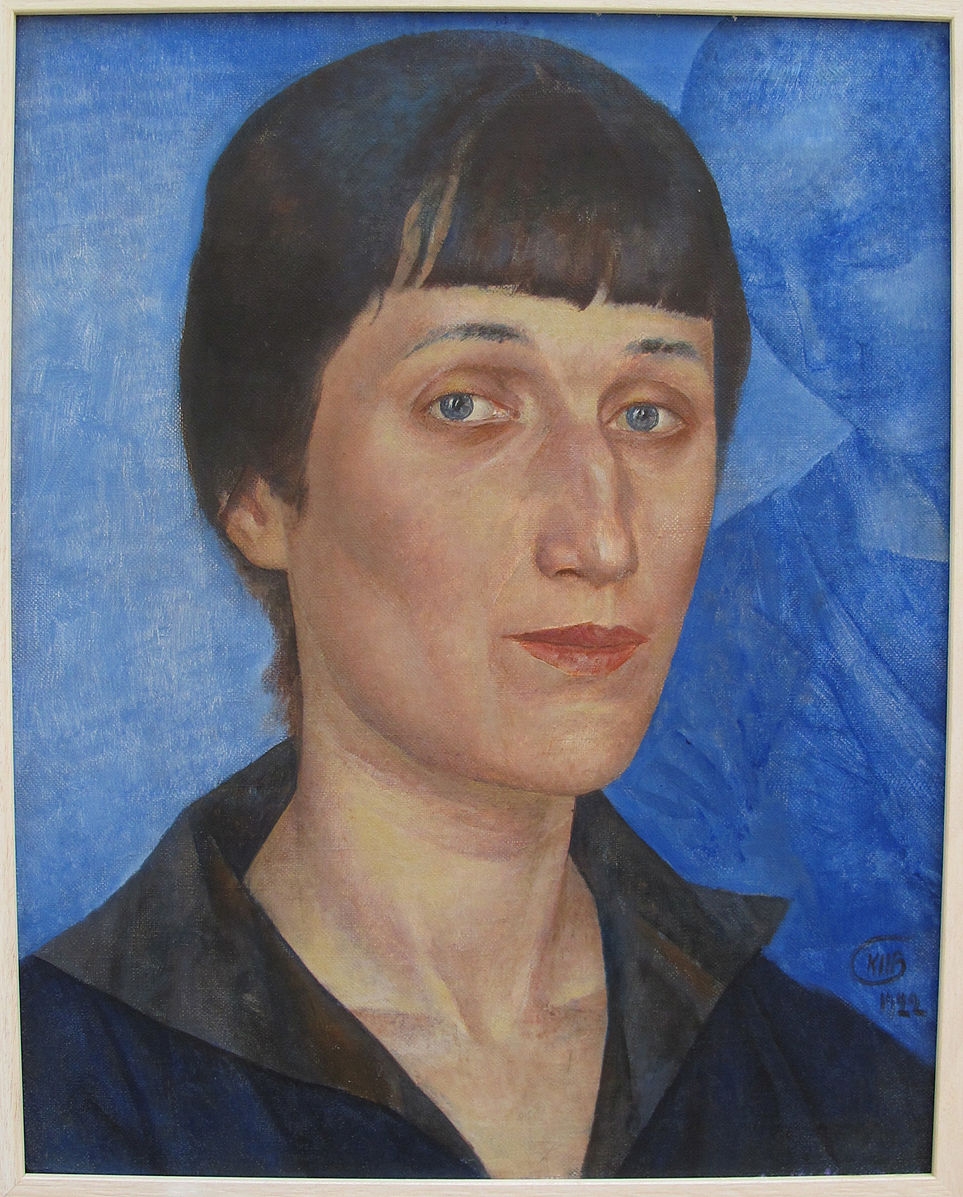
At this time Akhamatova wrote nothing down. She and her friends memorized everything she had written so it would not be discovered and confiscated. In this way, her poetry was passed on to fellow Russians, and became a source of courage to them. In 1960 her collected poems were published in the Soviet Union and she quickly became known as one of the greatest poets of the 20th century.
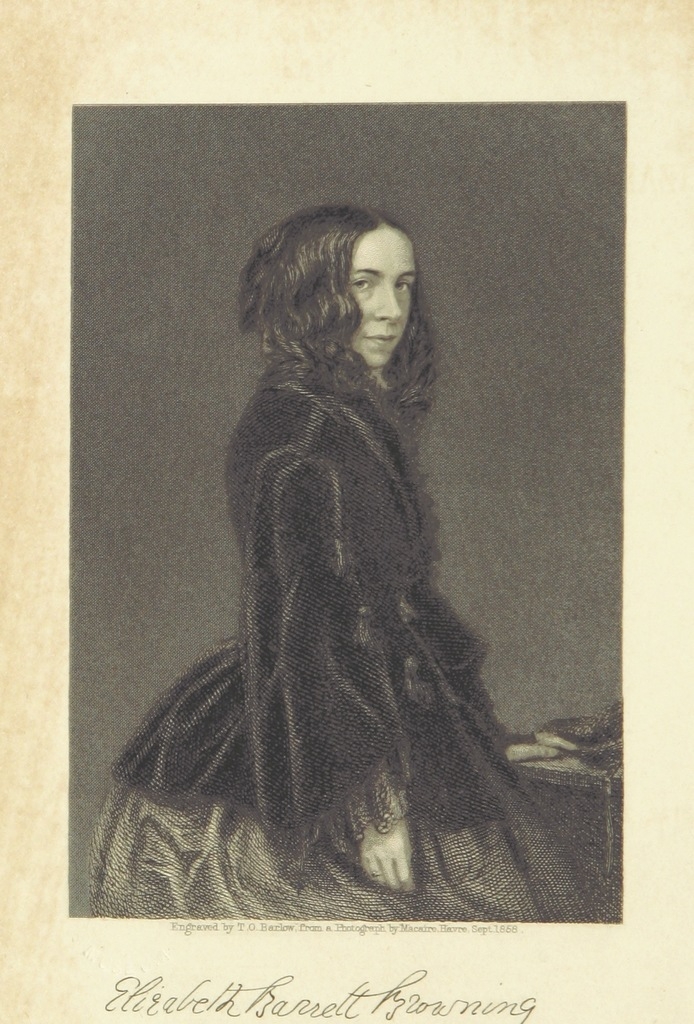
Elizabeth Barrett Browning
English poet Elizabeth Barrett Browning (born Elizabeth Barrett Moulton-Barrett, 1806–61) was one of the major English Romantic poets. She is best known for Aurora Leigh (1856), a book-length poem about the life of a woman, and a collection of love poems called Sonnets from the Portuguese (1850). After meeting and marrying the poet Robert Browning, she and her husband moved to Italy in 1846, where she would live for the rest of her life. Browning’s most famous love poems, such as Sonnet 43 (“How do I love thee? Let me count the ways”), were addressed to her husband. Barrett Browning believed strongly in women's rights and social reform—that the society she lived in needed changing.
Later in her life, Barrett Browning wrote poems condemning the slave trade and child labour. Her poem The Cry Of The Children (1843) is about children working in a factory in terrible conditions. By the time of her death in 1861, Barrett Browning was considered one of the greatest poets in Victorian England, and her love poems are still greatly admired today.
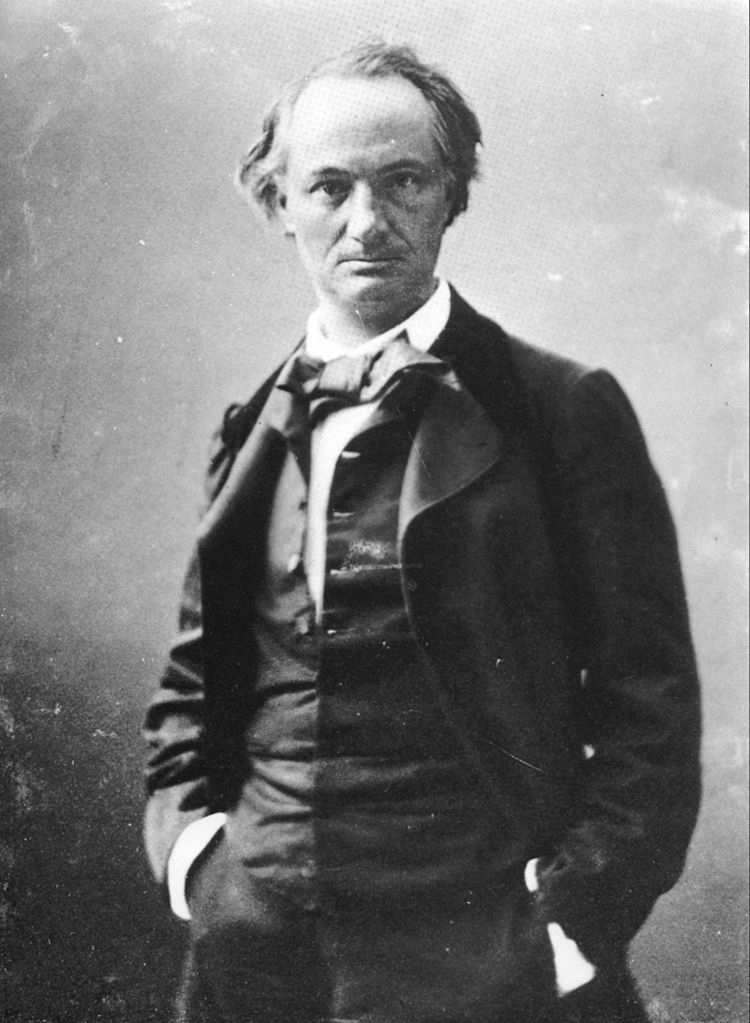
Charles Baudelaire
Charles Baudelaire (1821–67) was a French poet. His most famous work is the 1857 collection of poems entitled Les Fleurs du Mal (The Flowers of Evil). Baudelaire’s poems were often about close relationships and death. He wrote about these controversial topics in a new, open way, which won him many admirers, but angered his critics, who found his poetry offensive. When Les Fleurs du Mal appeared, Baudelaire and his publisher were prosecuted and some of his poems were banned in France for 100 years.
Later in his life, Baudelaire wrote prose poems: short, poetic pieces of writing that did not have the traditional structure of poetry. Many were about the beauty of everyday life in the city. For this reason, Baudelaire is regarded as one of the first Modernist poets, one who found a new way to write about a world that was changing quickly.
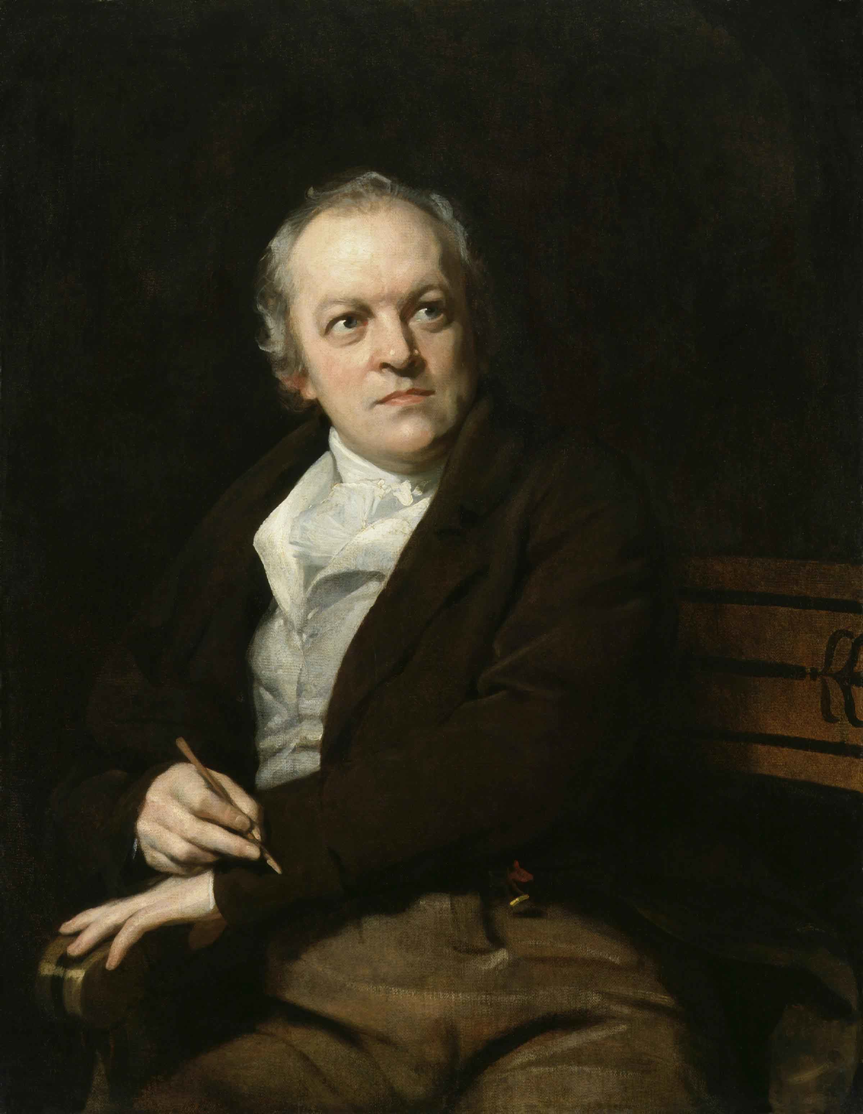
William Blake
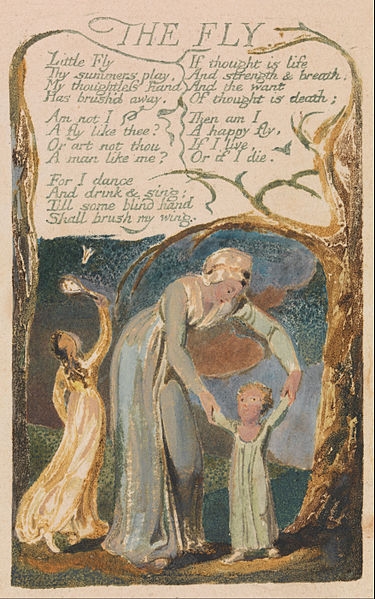
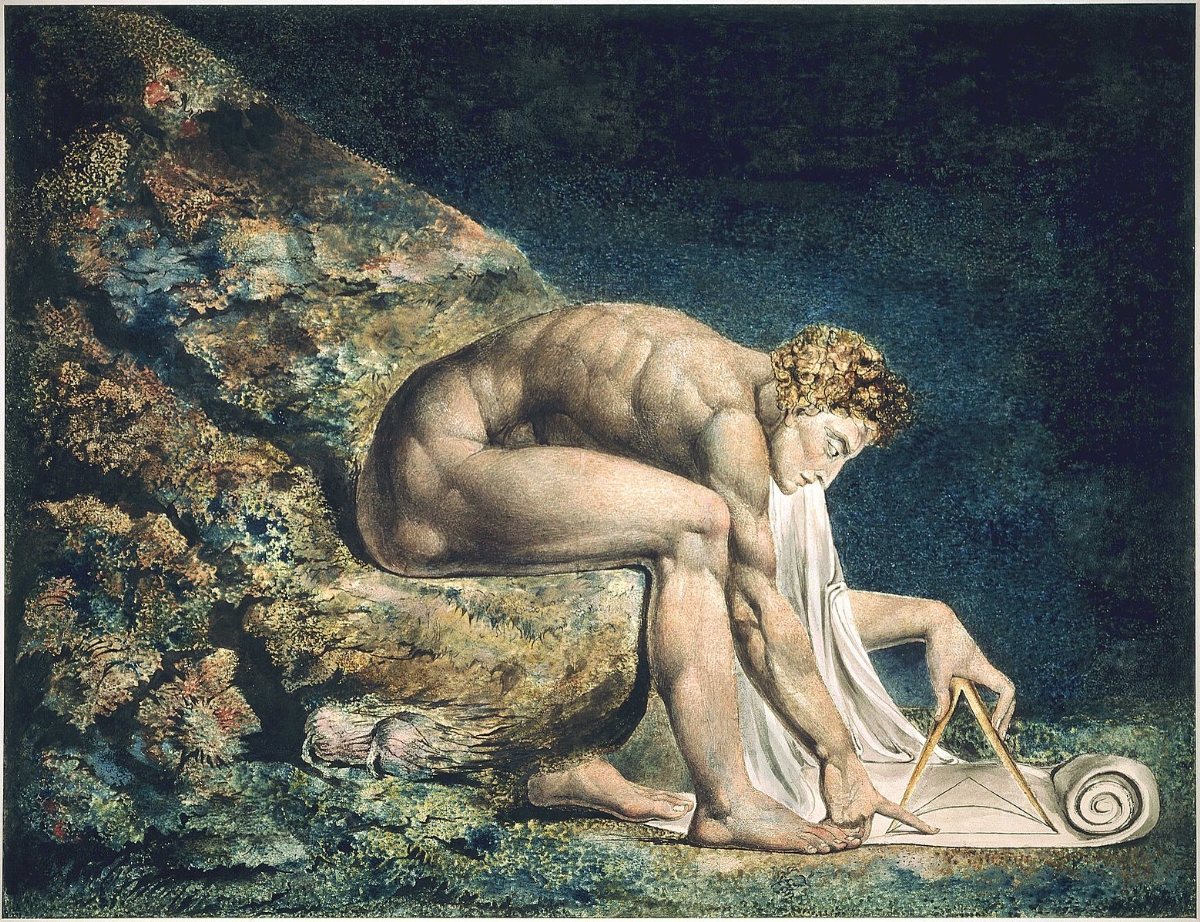
William Blake (1757–1827) was an English poet, printmaker and painter. He is best known for poems such as The Tyger (1794) (“Tyger, tiger, burning bright”) and Jerusalem (1808). From an early age, he was a “visionary”: he claimed he could see visions of angels and spirits. As a child, he became apprentice to an engraver, before working as an illustrator creating engravings (prints) for newspapers. In his 20s, Blake set up a printing press and began to write and illustrate his own poems. He engraved the writing and images together in reverse into a printing plate, which he could then print many times. He called these prints "illuminated manuscripts".
The French Revolution in 1789 inspired a time of political protest and change in England, and Blake produced his best known work during this period. In 1789, he published a collection of illuminated poetry called Songs of Innocence, and followed it five years later with Songs of Experience (1794). On first reading, the poems seem as simple as nursery rhymes, but Blake meant them to be harsh criticisms of the way the Church and the government’s laws restricted people's freedoms and made the poor suffer. Blake was a religious man, but he did not agree with many of the Church's actions.
Blake never became rich or famous during his lifetime, but his influence as one of the first Romantic poets was enormous. His powerful, emotional poetry influenced later poets such as Coleridge, Wordsworth and Walt Whitman.
Gwendolyn Brooks
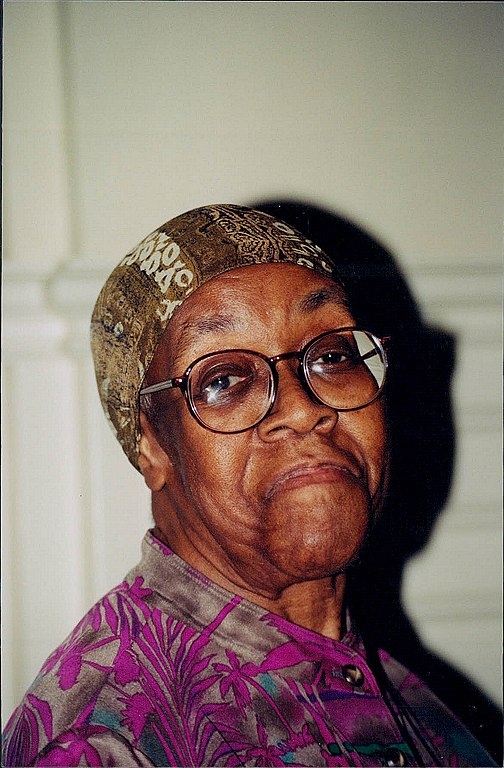
Gwendolyn Brooks (1917–2000) was an American poet best known for writing poetry about the everyday lives of black Americans. The poems of her first collection A Street In Bronzeville (1945) were studies of the people she saw from her window in Chicago. Although some of her poems were written in traditional forms, such as sonnets, others were free verse (poems without fixed line length or rhyming structure) and inspired by the rhythms of jazz. Brooks’ second collection Annie Allen was a book of poems following the life of a young black woman growing up in Chicago. It won her a major literary award, the 1950 Pulitzer Prize for Literature. Brooks was the first African American to win it.
In the 1960s Brooks’ poetry became more political. In The Bean Eaters (1960) she wrote about the struggles of black Americans in the civil rights movement. The collection included her well-known poem We Real Cool, which describes a hopeless feeling amongst a group of young people playing pool. Brooks received recognition during her lifetime: in 1985 she was made the poet laureate (national poet) of the United States. She was a central figure in 20th-century African American literature.
Robert Burns
Robert Burns (1759–96) was a Scottish poet, known for his poems and songs in Scots and English. Burns was born to a farming family and worked all his life as a farmer. His song Auld Lang Syne is traditionally sung at New Year in English-speaking countries. Another song, Scots Wha Hae (1793), is still sung in Scotland to this day—for a long time, it was the unofficial Scottish national anthem.
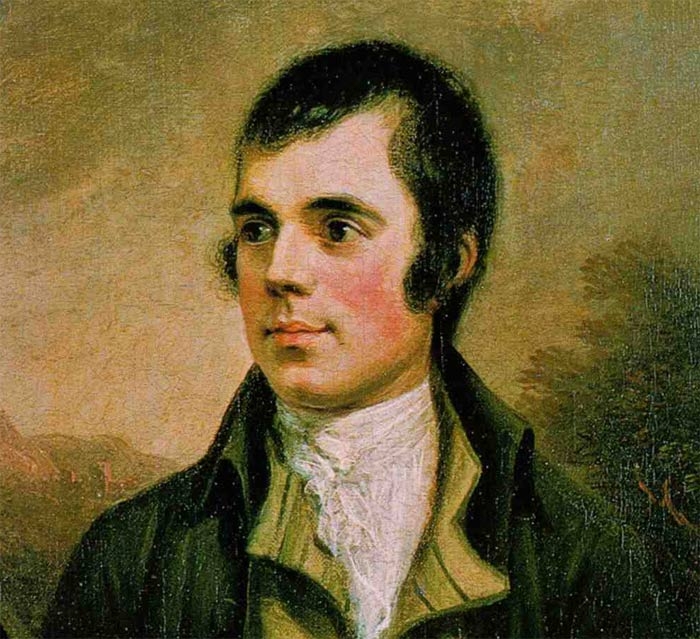
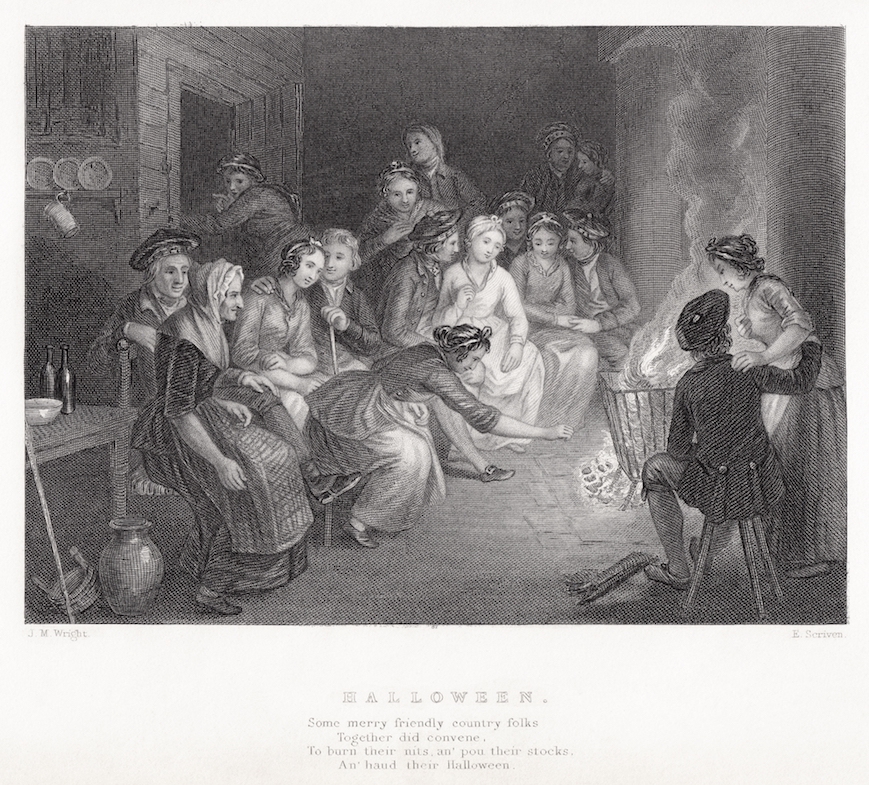
When Burns’ first book Poems, Chiefly in the Scottish Dialect, was published in 1786, it was an immediate success and made his name as a poet. His poems were part of the tradition of Romanticism, inspired by folk tales and the Scottish countryside. Burns died aged just 37. He is remembered today as the national poet of Scotland, and Scottish people around the world celebrate his life on “Burns Night”, his birthday, 25th January.
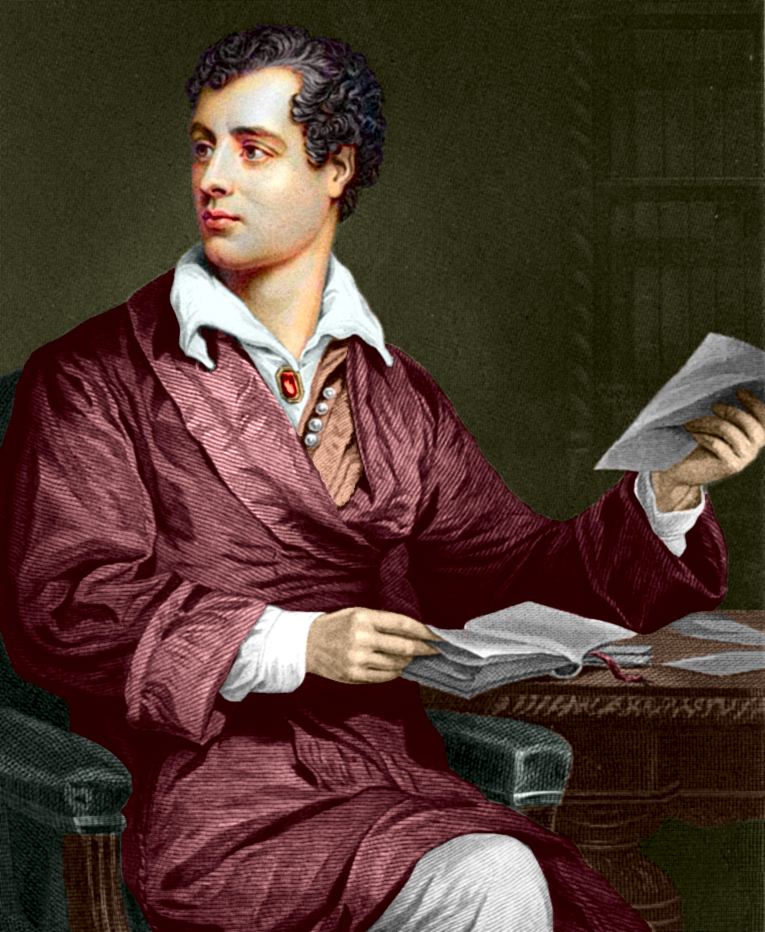
Lord Byron
George Gordon Byron, known as Lord Byron (1788–1824), was an English Romantic poet. His flamboyant lifestyle and many scandalous relationships made him a celebrity in early 19th-century London. Byron’s first major poem was Childe Harold’s Pilgrimage (1812–18). Inspired by his own travels, it was a long, melancholy poem about a young man’s adventures abroad. In 1816 Byron left England for good and went to live in Europe, spending time in Switzerland and Italy. He had many love affairs during this time, and wrote about some of them in his long poem Don Juan (1819–24). Byron’s poetry was controversial, but very popular.
Aged 35, Byron devoted himself to helping Greece fight in their war of independence from the Ottoman Empire. A wealthy man, he used his riches to support the revolution, even taking up command of a group of Greek fighters. Before going into battle, he became ill and died from a fever aged just 36. Lord Byron is remembered both as a national hero in Greece and for his contribution to English literature.
Geoffrey Chaucer
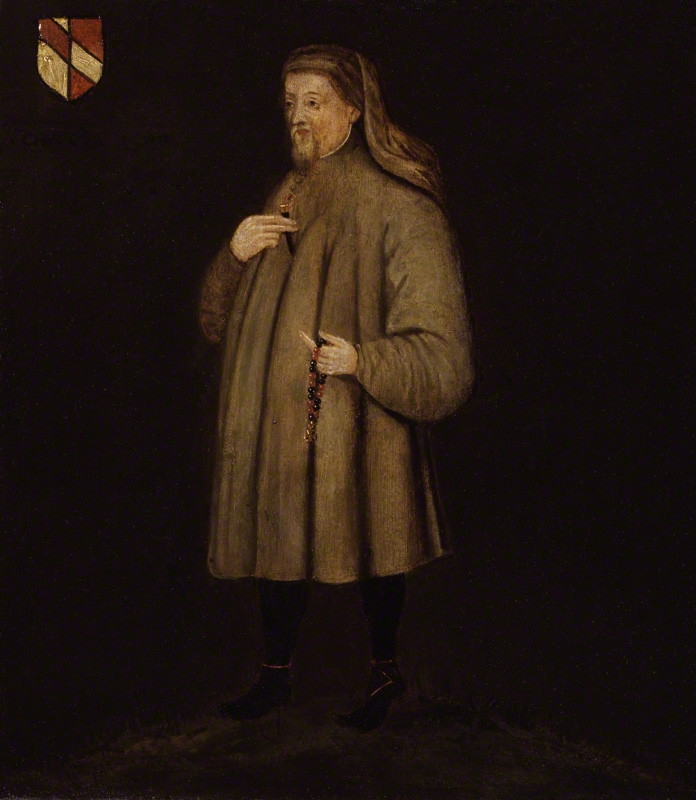
Geoffrey Chaucer (c.1343–1400) was the first great English poet to write in everyday English, rather than in Latin or French, the language of court at the time. Poems such as Troilus and Criseyde (c.1385) made Chaucer famous during his lifetime.
His best-known work is The Canterbury Tales (1387–1400), a collection of 24 stories told in verse. Chaucer presented them as the stories told by a group of pilgrims who decide to have a storytelling contest as they journey together to Canterbury. Stories such as the Knight’s Tale introduce lively characters from all walks of life that reflected the English society of the time. The Canterbury Tales was published 70 years after his death and was immediately popular. It is regarded as a major milestone in English literature today. When Chaucer died, he was the first writer to be given the honour of being buried in Westminster Abbey, in what is known today as “Poets’ Corner”.
John Clare
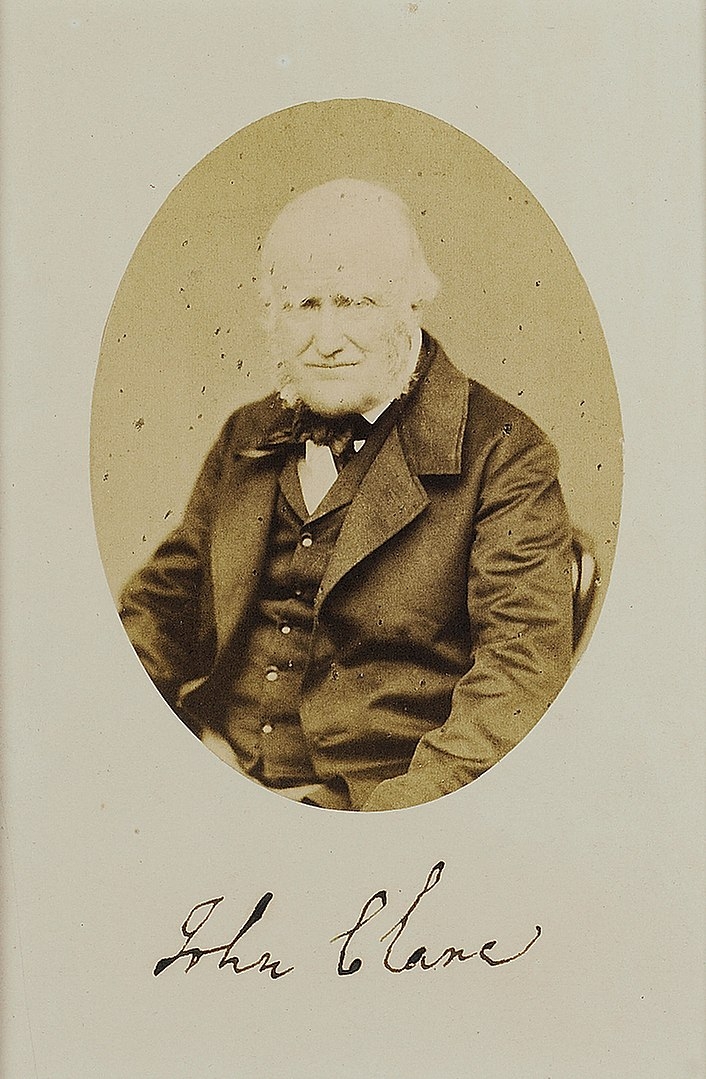
John Clare (1793–1864) was an English poet. His poetry celebrated nature and the English countryside at a time when it was under threat from the Industrial Revolution. Known in his time as “the Northamptonshire peasant poet”, Clare had a vast knowledge of the natural world and loved birds—his poetry mentions more than 147 species. He found them mysterious and was especially intrigued by their nests, celebrating them in poems such as The Yellowhammer. Clare wrote his earliest poems on scraps of grocer’s wrapping paper he hid from his mother, who needed them to light the fire. Many of his poems were written in rhyming couplets (pairs of lines that rhyme). Others were sonnets, 14-line rhyming poems.
As an elderly man Clare suffered from depression and was admitted to a hospital where he lived for the last 20 years of his life. Here he wrote some of his most philosophical and sorrowful poetry, such as I Am (1845), a poem about freedom. John Clare is remembered today as a great nature poet.
Samuel Taylor Coleridge
Samuel Taylor Coleridge (1772–1834) was an English poet. Along with William Wordsworth, his work began the English Romantic movement, a new way of writing poetry which was more expressive and based on emotion than it had been in the past. Coleridge’s first success came in his 20s, when he published some of his poems in an experimental book he made with Wordsworth. Named Lyrical Ballads (1798), it made his name.
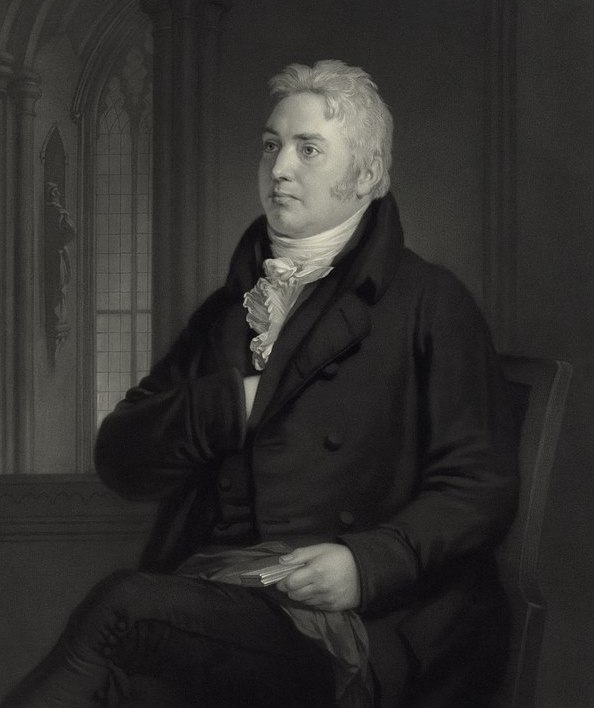
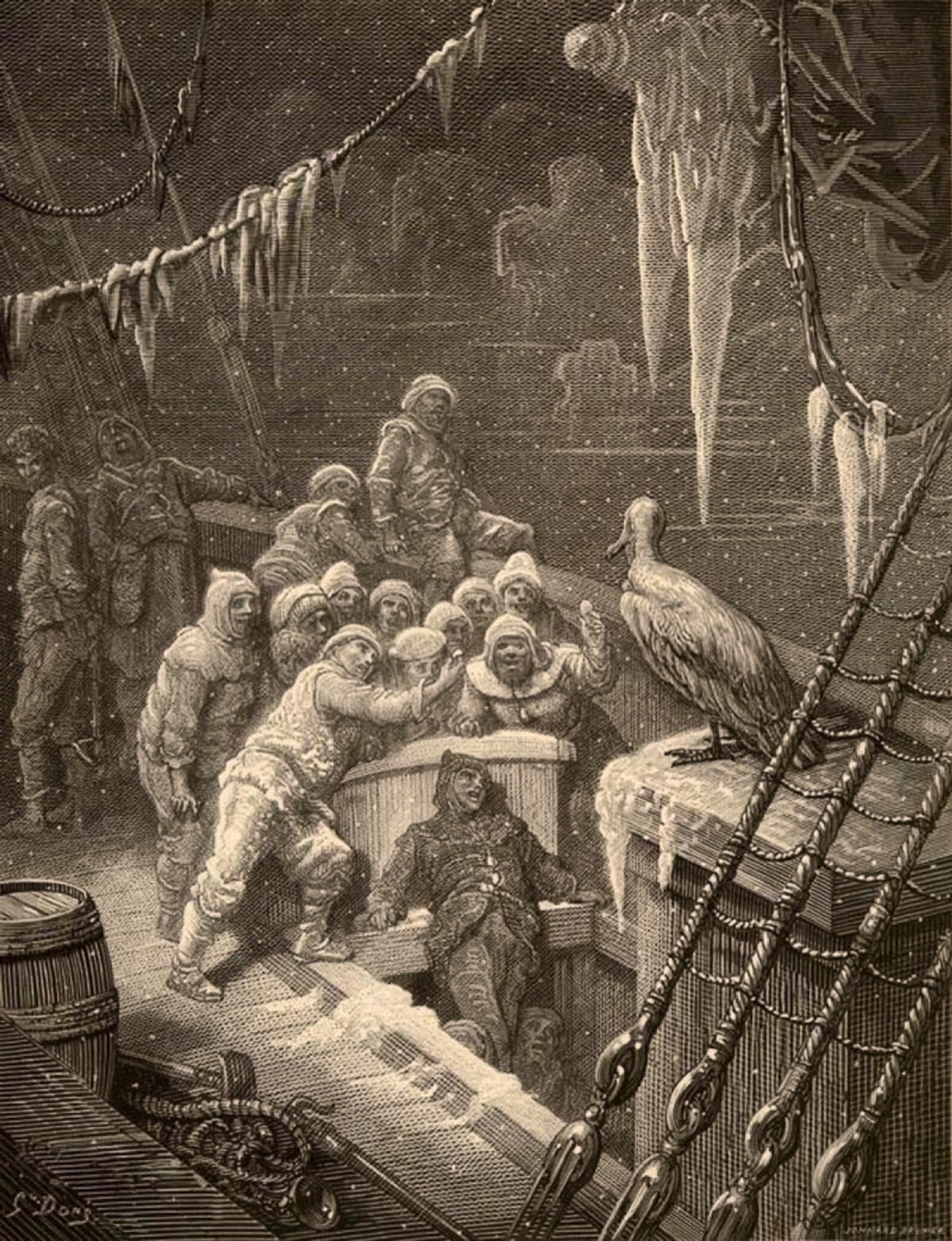
In Coleridge’s most famous poem The Rime of the Ancient Mariner (1798), an old sailor—the “Mariner”—tells the story of a disastrous sea voyage in which he kills an albatross, bringing bad luck to his ship. After his fellow sailors die of thirst, the Mariner is full of remorse for his sins, realising that he should respect all God’s creatures. He survives, but is forced to wander the earth telling his story to others.
Coleridge’s poetry was full of surprising images and often included supernatural themes, such as ghosts of people brought back from the dead. His poems were inspired by dreams and visions—he composed his poem Kubla Khan (1797) after waking from a vivid dream about the Orient (modern-day east Asia). Samuel Taylor Coleridge is remembered today as one of the most important figures in English poetry.
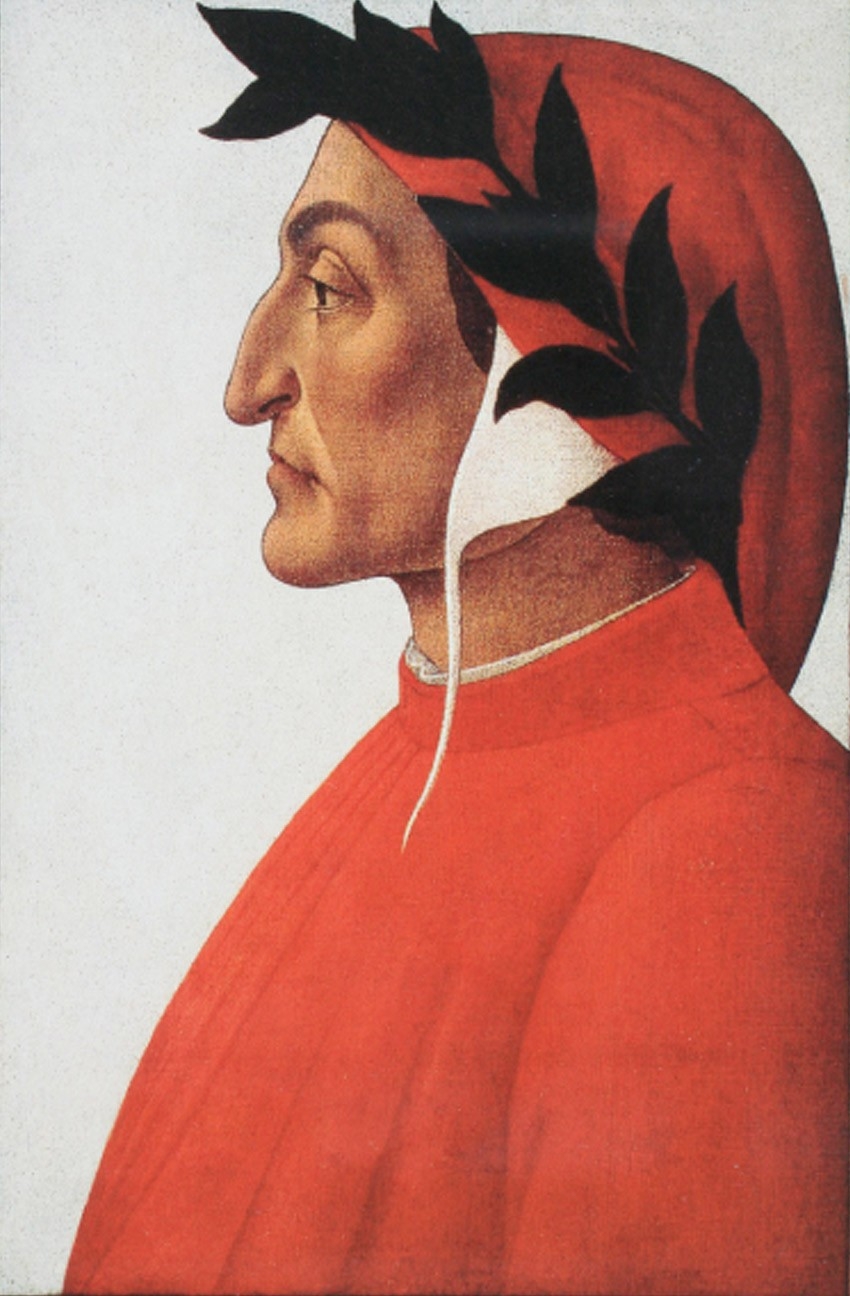
Dante
Medieval Italian poet Dante Alighieri (c. 1265–1321) is best-known for his long three-part poem The Divine Comedy. It describes the journey of a man through Hell (Inferno) and Purgatory (Purgatorio) into Paradise (Paradiso). The Divine Comedy is considered one of the most important works in all literature. Dante invented a form of poetry called terza rima. It is made up of stanzas (verses), each of which have three lines. The first and last lines of each stanza rhyme with the middle line of the previous one.
Dante wanted his work to be read by everybody. Unlike most other poets of his time who wrote in Latin, he wrote in an everyday form of Italian that most people understood. His work became so famous that this variation of Italian became the new main language of Italy. In the centuries after it was written, The Divine Comedy was translated into French, Spanish and other languages. But, although the poem’s popularity and influence quickly spread throughout Europe, it was 500 years before it appeared in English, in 1802.
Emily Dickinson
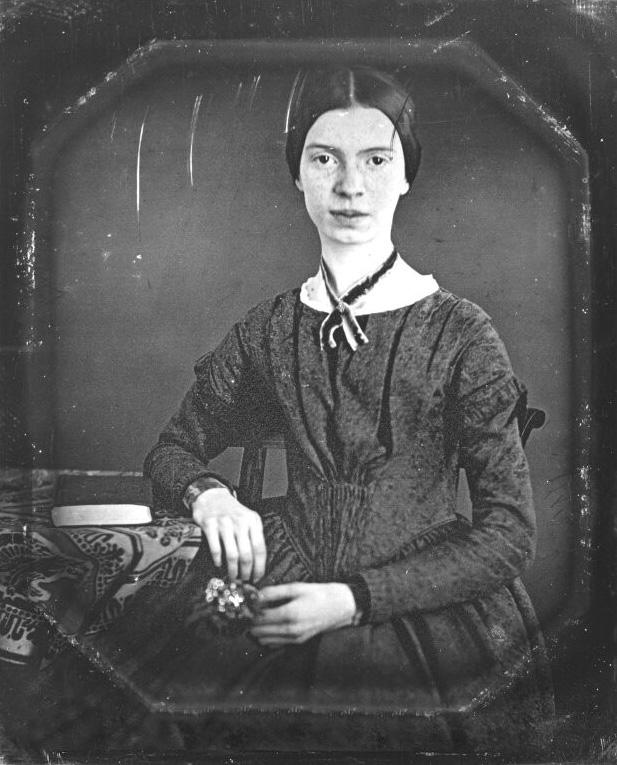
Emily Dickinson (1806–61) was an American poet. She spent nearly all her life with her family living in the house where she grew up: “The Homestead”, in Amherst, Massachusetts. She wrote more than 1800 poems, fewer than 10 of which have titles.
Dickinson’s poems were about love and longing. Many of them explore ideas about religion, and some were composed with the distinctive metre and rhythm of Christian hymns. Her compressed, broken style, full of interruptions, “dashes” and exclamations, was original and very unusual. Dickinson’s work was unknown during her lifetime except to a few friends. When it was discovered and published after her death, she became known as a major figure in American literature.
John Donne
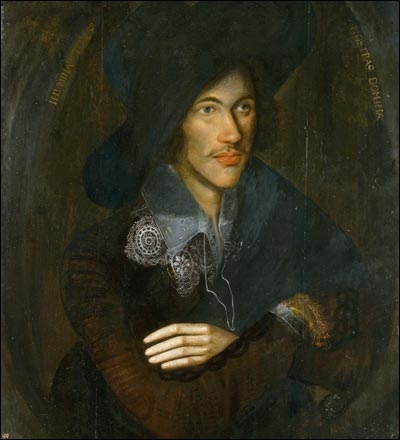
English poet John Donne (pronounced DUN, 1572–1631) wrote some of the greatest love poems of the 17th century. He was one of the Metaphysical poets, a group of poets who explored philosophical ideas in their work, especially about love. Donne often expressed his ideas through unusual metaphors (images of one thing used to explain or describe another). In one poem, A Valediction: Forbidding Mourning, he describes two lovers as the points of a pair of compasses, an instrument used for drawing circles. Donne filled his poems with imagery from astronomy, medicine and world exploration.
In later life Donne became a priest, and became known for his poetic, well written sermons. Very few of his poems were published during his lifetime, and his work was not widely read again until the beginning of the 20th century.
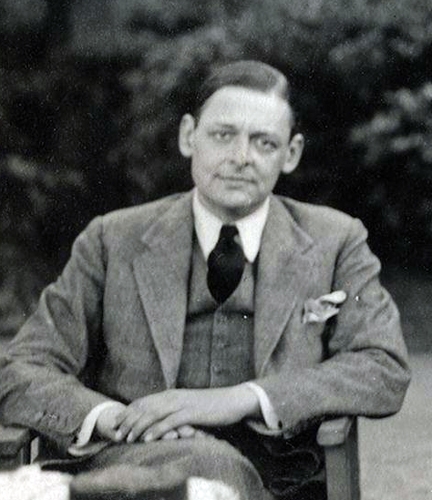
T. S. Eliot
One of the major poets of the 20th century, Thomas Stearns Eliot (better known as T. S. Eliot, 1888–1965), was born in St Louis, Missouri but lived most of his life in England. He is known for poems such as Gerontion (1919), The Waste Land (1922) and Old Possum’s Book of Practical Cats (1939).
When it was first published, Gerontion shocked readers; nothing like it had ever been read before in English. The Waste Land, with its unusual, broken imagery of Britain in the 1920s was also revolutionary—and was immediately successful. Because of the experimental way Eliot wrote about human experience, The Waste Land became known as a major work of Modernist literature.
Eliot saw that modern life was complex, and he wanted to reflect that complexity in his poetry. He used references to Greek myths; The Waste Land includes quotations in foreign languages such as German and Sanskrit, an ancient language. Eliot’s masterpiece was Four Quartets (1936–42). Its four long poems are loosely based on the "classical" elements: air, earth, water and fire. Its themes of despair and confusion were said to reflect the state of the Western world as World War II broke out. Eliot was awarded the Nobel Prize for Literature in 1948.
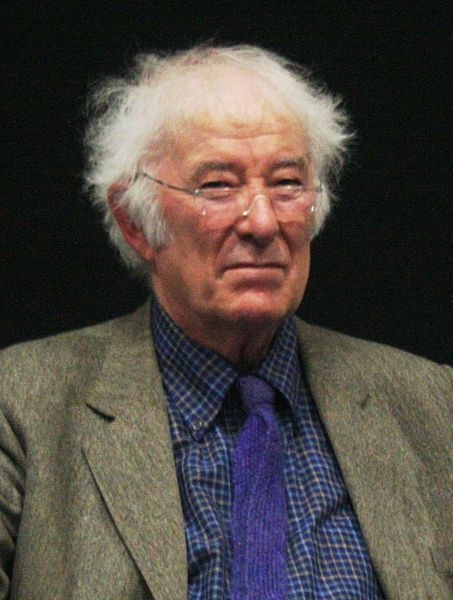
Seamus Heaney
Irish poet Seamus Heaney (1939–2013) was one of the major poets of the 20th century. Many of his best-known poems are about nature and his native Ireland. Growing up in the Northern Irish countryside, Heaney was fascinated by the natural world as a child. This inspired his first poetry collection, Death of a Naturalist (1966). A later collection, North (1975) captured the violence and political unrest of the Troubles in Northern Ireland.
Heaney wrote in everyday language that reflected the rhythms of ordinary speech. His poems often examine one of his own memories in detail. Some, such as Digging (1966), remember a person who has died. Heaney worked as a professor in Ireland and in the USA, and travelled widely to share his ideas about poetry. In 1995 he was awarded the Nobel Prize for Literature.
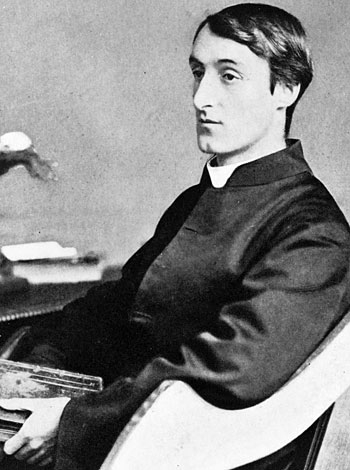
Gerard Manley Hopkins
Gerard Manley Hopkins (1844–89) was an English poet, whose unusual style had a strong influence on modern poetry. Hopkins was a Jesuit (Catholic) priest. Many of his poems celebrate the beauty and majesty of nature, which he saw as God’s creation. In his sonnet The Windhover, he praises the beauty of a bird of prey in flight.
Hopkins invented a type of metre he called “sprung rhythm”, which was close to the rhythm of natural speech. He also frequently used alliteration, the repeated use of the same consonant at the beginning of words. When his poems are read aloud, they sound musical and full of energy. Although Hopkins wrote poetry all his life, he did not attempt to get it published. His work only became well known when a friend collected his poems together and published them 30 years after his death.
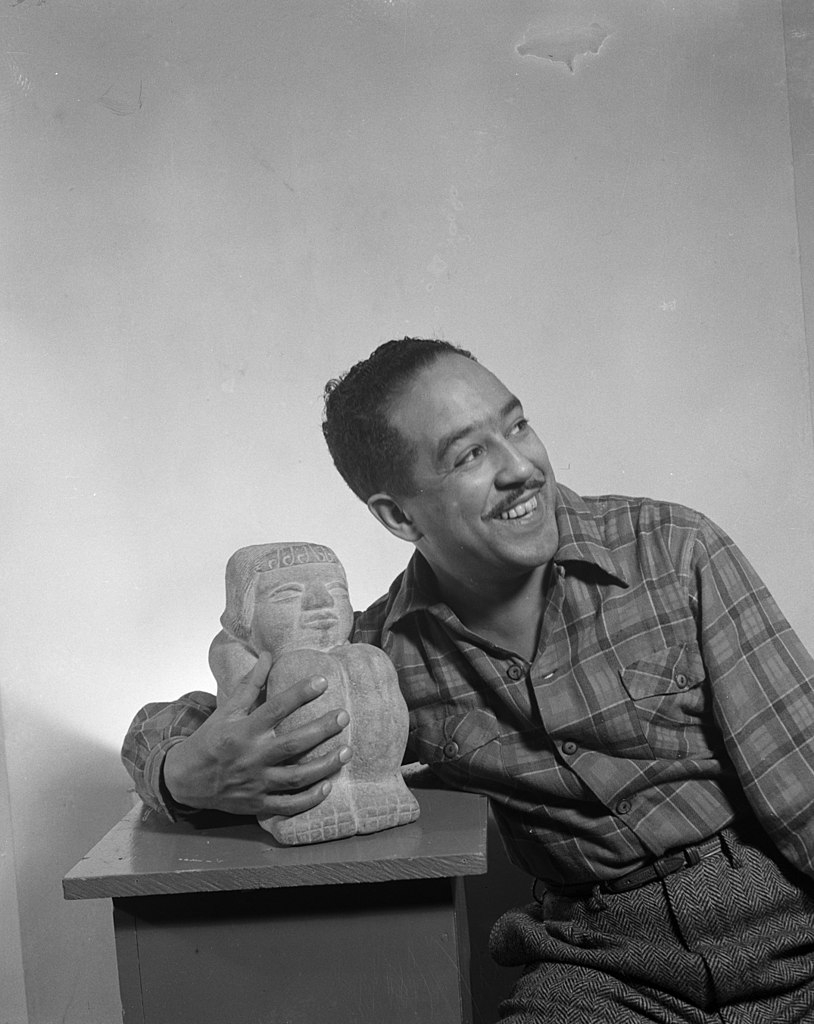
Langston Hughes
Langston Hughes (1902–67) was an African American poet and writer whose work became popular during the 1920s Harlem Renaissance. This was a time when New York’s Harlem neighbourhood became well known for the work by black artists, writers and jazz musicians. Hughes’ first collection was The Weary Blues (1926). He soon became known as one of the first poets to write about the everyday lives of black Americans, and to address his poems to them. Hughes was strongly influenced by jazz, and some of his poems became known as “jazz poetry”. His long poem Montage of a Dream Deferred (1951) followed some of the rhythms and structures of jazz music. It described the lives of the people of Harlem over a single day.
Ted Hughes
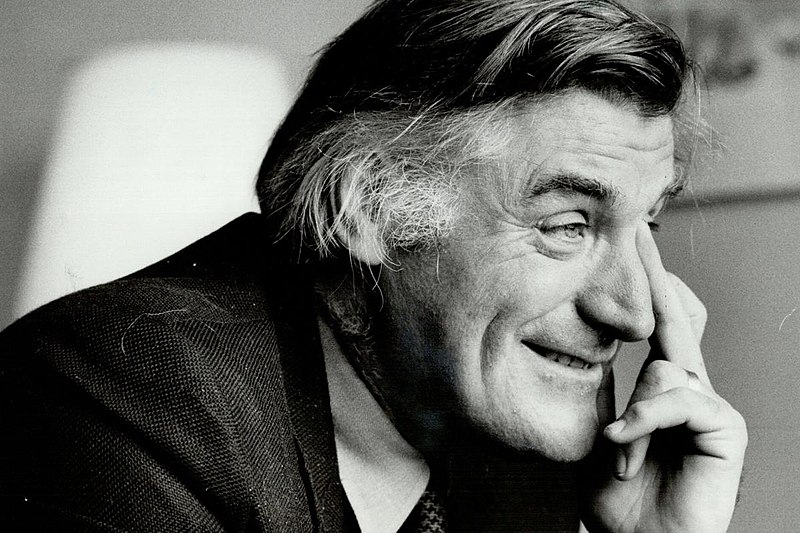
Ted Hughes (1930–98) was an English poet and children’s author. As a child growing up in Yorkshire, Hughes was fascinated by animals. He wrote poems about nature throughout his life, often using it to explore love and grief. His first book of poems The Hawk In The Rain (1957) began his career as a poet. Hughes married the American poet Sylvia Plath in 1963. Her death in 1963 affected him hugely and he stopped writing poetry for some time.
In 1970 Hughes published Crow, the collection of poems that is considered his masterpiece. It tells the sorrowful and disturbing story of a crow who goes on a journey to find the Creator that made him. Unlike his earlier work, Crow was inspired by folk tales and myths. Ted Hughes also wrote books for children, such as The Iron Man (1968) about a metal giant who meets a small boy and helps to defend the world from an alien dragon. In 1984 Hughes was appointed Poet Laureate.
John Keats
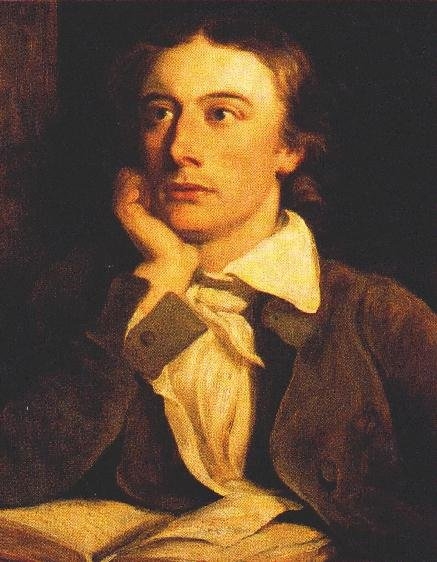
John Keats (1795–1821) was an English poet. During his short life, he wrote some of the best known Romantic poetry, including Bright star, would I were steadfast as thou art (1818), a love sonnet, and Endymion (1818), based on the Greek myth of a shepherd who falls in love with the goddess of the Moon.
Many of Keats’ poems describe strong emotions and encounters with nature. He is especially well known for a collection of odes (short poems in praise of something) that he wrote in 1819. Ode To a Nightingale is about listening to a bird singing and the feelings it stirs in the poem’s speaker. In Autumn, Keats describes the ways that autumn slowly changes the English landscape. Keats died from tuberculosis aged just 25. Over the next century his poetry became extremely popular.
Federico García Lorca
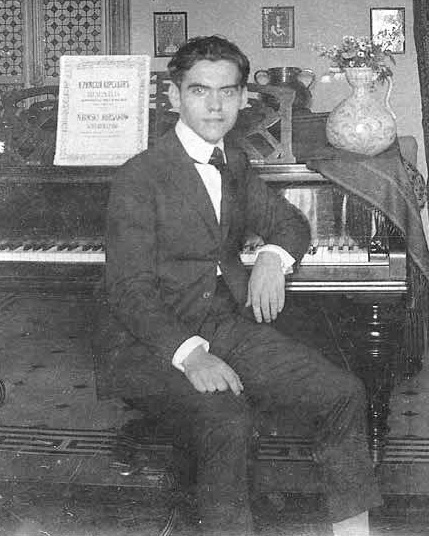
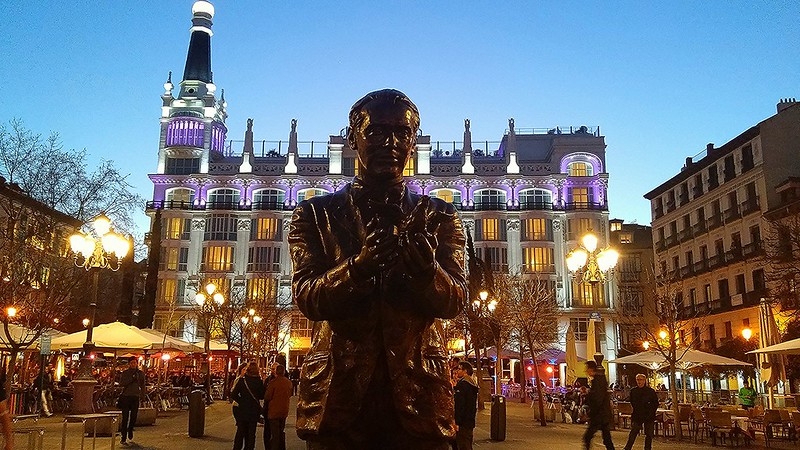
Federico García Lorca (1898–1936) was a Spanish poet and playwright. He was one of the first Spanish poets to be influenced by new movements such as Futurism, Surrealism and Symbolism. Lorca was fascinated by duende, the emotional "darkness" that he felt when he was writing his best poetry. As a young man, Lorca became part of a group of influential poets and artists including the painter Salvador Dali, called Generación del 27 (Generation of 27). In 1928 he published his most famous book of poetry Romancero Gitano (Gypsy Ballads). Inspired by the folk tales he heard in the Spanish countryside, it was instantly popular.
In the last few years of his life, Lorca wrote little poetry, concentrating instead on plays. "Theatre," he wrote, "is poetry that rises from the book and becomes human enough to talk and shout, weep and despair." The three plays known as his "rural trilogy", Blood Wedding, Yerma and The House of Bernarda Alba, explored controversial themes such as class, feminism and homosexuality. Lorca lived only to the age of 38. He was murdered by Nationalist forces at the beginning of the Spanish Civil War.
John Milton
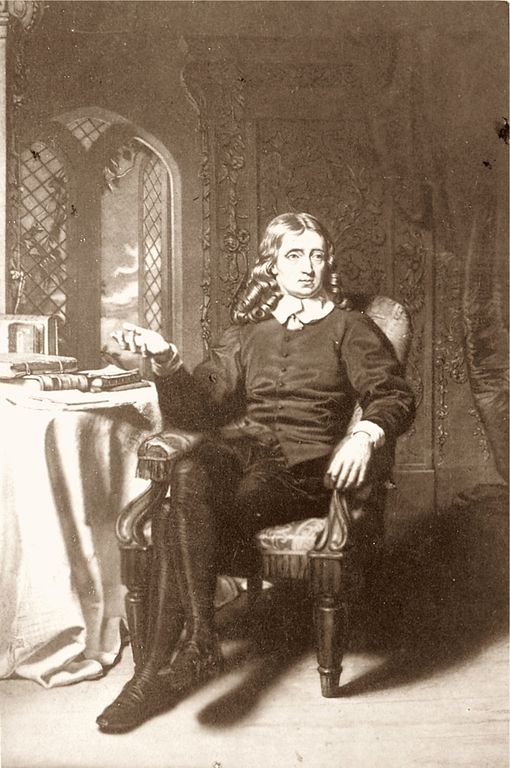
John Milton (1608–74) was an English poet. He was a supporter of the Commonwealth following Parliament's victory in the English Civil War and wrote political pamphlets to attack monarchical rule. Milton's most famous work Paradise Lost is an epic poem written in blank (non-rhyming) verse. It tells the biblical story of Adam and Eve, who are tempted to eat the forbidden apple in the Garden of Eden. In so doing they lose their innocence and are made to leave the garden—to give up their paradise. The poem also describes the Devil’s attempts to ruin the Earth, God’s creation.
Milton wrote Paradise Lost towards the end of his life, when he was blind. He had to dictate it to his friends, who wrote it down for him. By the end of his life, Milton was famous all over the world, and today he is considered a major 17th century poet.
Pablo Neruda
Ricardo Eliécer Neftalí Reyes Basoalto, known by his pen name Pablo Neruda (1904–73), was a Chilean poet. He is well-known for his love poetry, such as Twenty Love Poems and a Song of Despair (1924). Neruda wrote in Spanish, but his poetry was translated all over the world during his lifetime.
Neruda was also a politician: he worked as a diplomat in a number of countries. His collection Residencia en la Tierra (Residence on Earth, 1933–35), written while he was working abroad, made him internationally famous. Its poems were about despair at the problems faced by humankind.
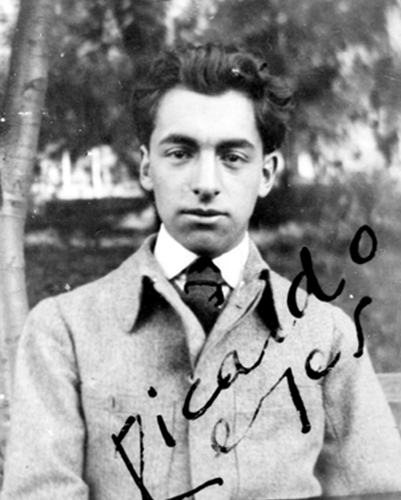
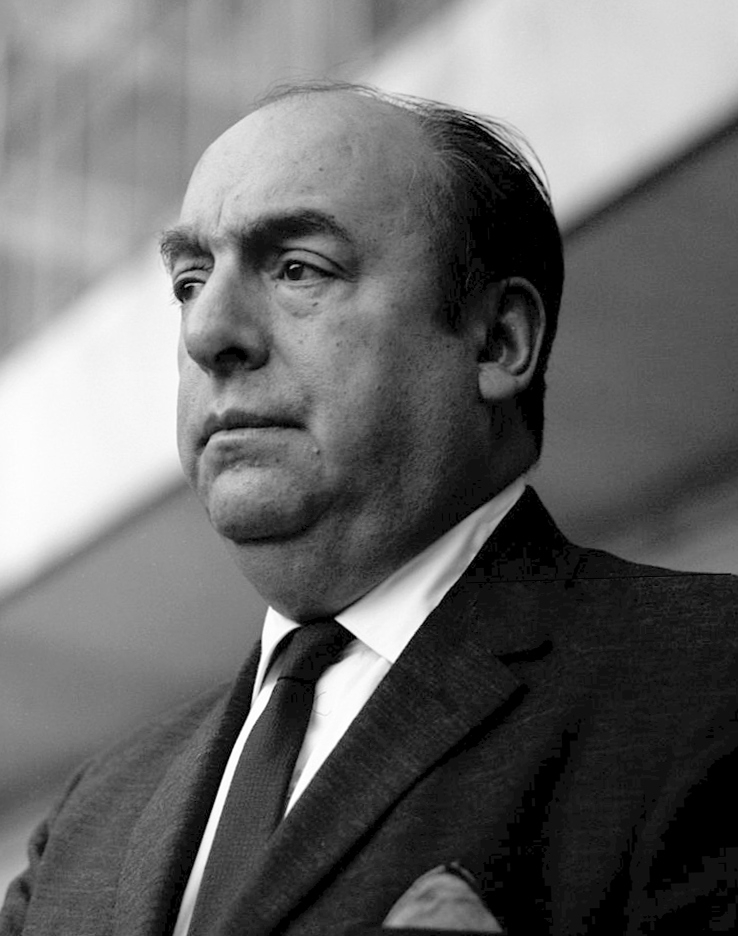
Neruda’s Communist beliefs caused him to be exiled from Chile in 1948. In later life, Neruda wrote poems about love and nature. He wanted to write poetry in a simple, clear style so that everybody could understand it. He was awarded the Nobel Prize for Literature in 1971. Having returned to Chile to work for the government of Salvador Allende, Neruda was suffering from cancer by the time Allende's government was overthrown by General Augusto Pinochet in 1973. Neruda's death that year is nevertheless rumoured to have been a murder carried out by the Pinochet regime.
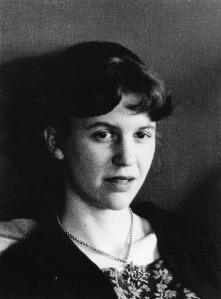
Sylvia Plath
Sylvia Plath (1932–63) was an American poet and novelist. She is best known for her poetry collections The Colossus (1960) and Ariel (1965), as well as for her 1963 novel The Bell Jar. As a young woman, Plath won a scholarship to study in England, where she met and married the poet Ted Hughes. Plath’s style of poetry was known as "confessional". She wrote about personal moments from her own life and difficult childhood. Her novel The Bell Jar is partly autobiographical (based on her own life). It tells the story of a young woman who, like Plath, suffered a nervous breakdown while working in New York. Many of Plath’s poems show her fascination with the way the mind and imagination work to create powerful feelings. For much of her life Plath suffered from depression, and she died by suicide at the age of 30. Her most famous poetry collection Ariel was published two years after her death.
Edgar Allan Poe
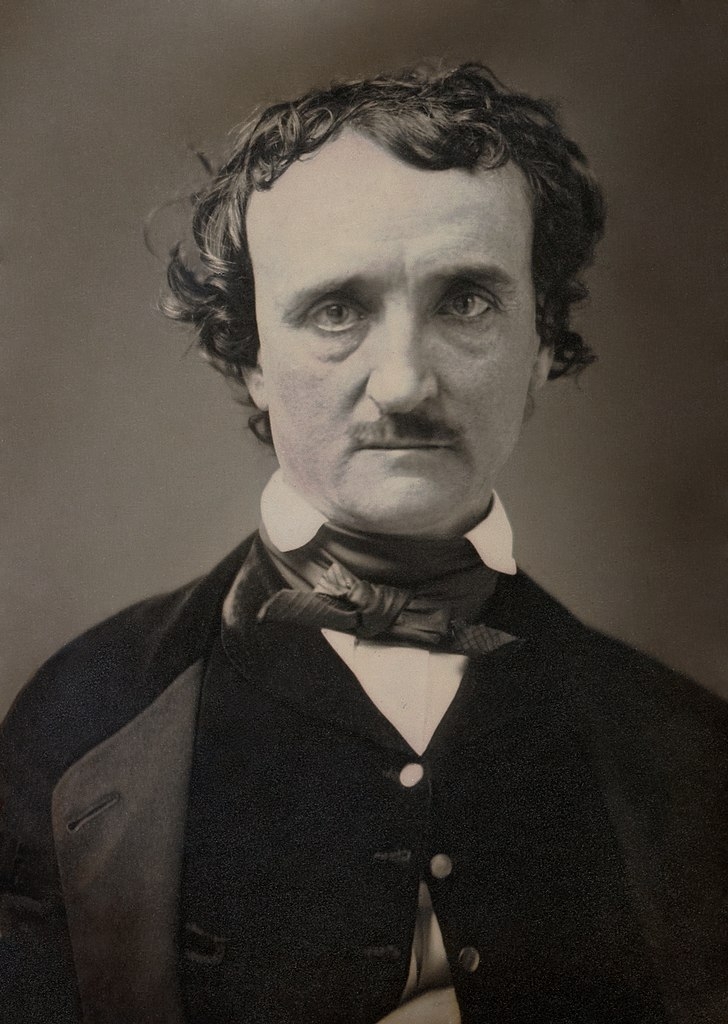
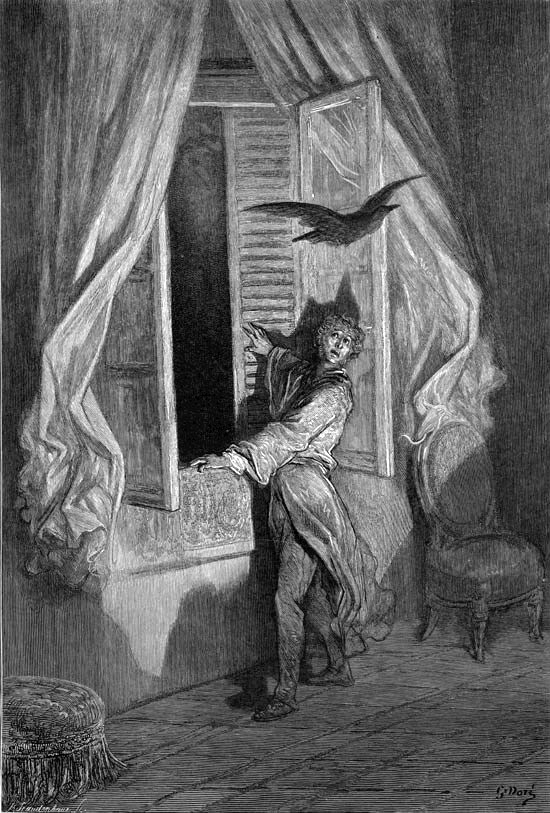
Edgar Allan Poe (1809–49) was an American poet and writer of short stories. His best-known poem The Raven made him internationally famous when it was published in 1845. It is about a young scholar who dreams of meeting his lost lover again in the afterlife, but is disturbed by a raven with a solemn message. Poe composed his poetry to be read aloud. He used repetition, internal rhyme and alliteration to give his poems power and sometimes an eerie, sing-song quality.
When the poet Baudelaire translated Poe’s work into French in the 1850s, Poe became popular in France, influencing a group of writers known as the Symbolists. They admired the way Poe used symbols in his work to suggest emotion, such as the bird in The Raven constantly knocking at the door—a symbol of unending grief and loss. Poe is also well known for his short stories. The Murders in the Rue Morgue (1841) was one of the earliest modern detective stories, inspiring Arthur Conan Doyle’s stories about Sherlock Holmes.
Ezra Pound
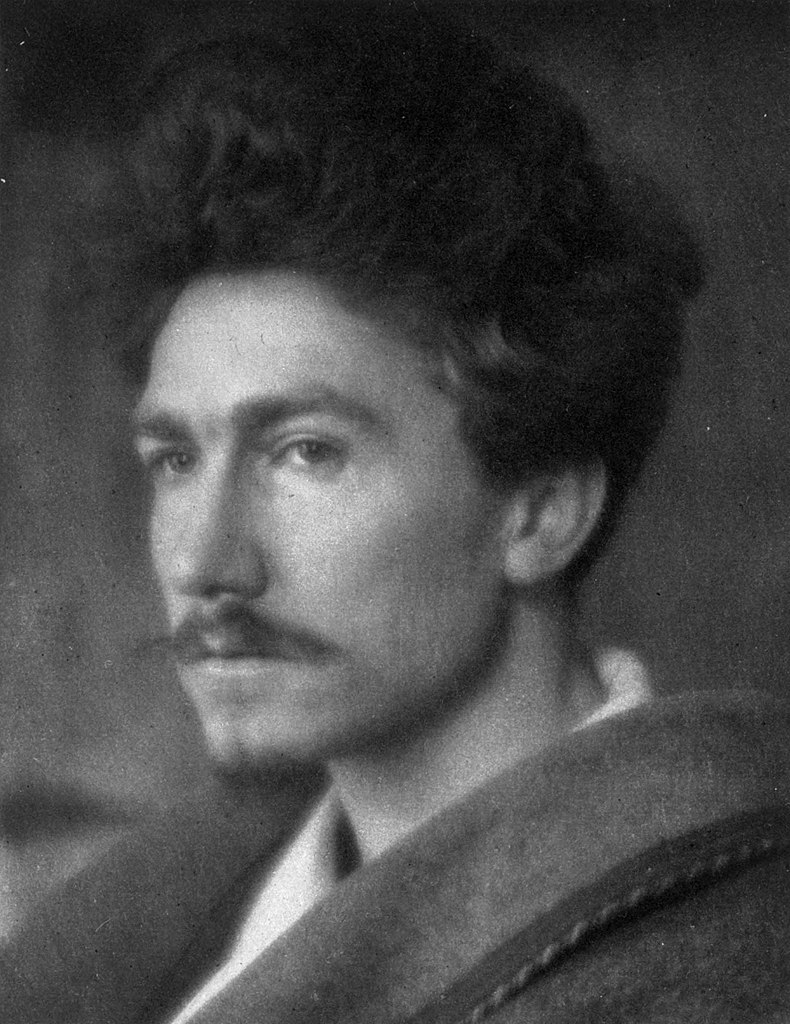
Ezra Pound (1885–1972) was an American poet. In the early 20th century, he helped introduce a completely new type of poetry called Modernism that would change the way poetry was written in English. Pound was born in Idaho, but spent much of his life in London, Paris and Italy. He worked as a literary editor, publishing work by the poets T. S. Eliot, William Carlos Williams and W. B. Yeats. Pound and a group of his friends came up with a modern way of writing poetry they called Imagism. They wanted to create powerful scenes using clear, everyday language. One of Pound’s Imagist poems, In The Station of the Metro (1913) is just two lines long, and describes a crowd of people at the station.
Pound later moved away from Imagism and spent the rest of his working life creating a long poem in 120 sections called The Cantos (1915–62). It mixes together Greek myths, tales from history and passages in many different languages. Although parts of it were published throughout his lifetime, it was never finished. A Fascist sympathizer, he was arrested by US forces during World War II and spent many years in a psychiatric hospital in America, before returning to Italy.
Christina Rossetti
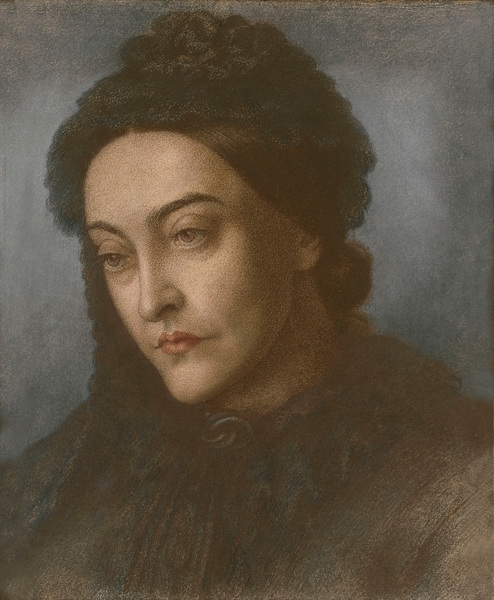
Christina Rossetti (1830–94) was one of the great poets of Victorian England. She was born into an artistic English-Italian family living in London, and wrote poetry from an early age. One of her most famous poems, Goblin Market (1862), is a fairy tale about temptation and the friendship between women. Rossetti wrote in a clear, rhyming style. She was a devout Anglo-Catholic and many of her later poems are about her relationship with God. She also wrote poems which examined the natural world closely. One of her poems, In The Bleak Midwinter (1872), has become a well loved Christmas carol.
Rumi
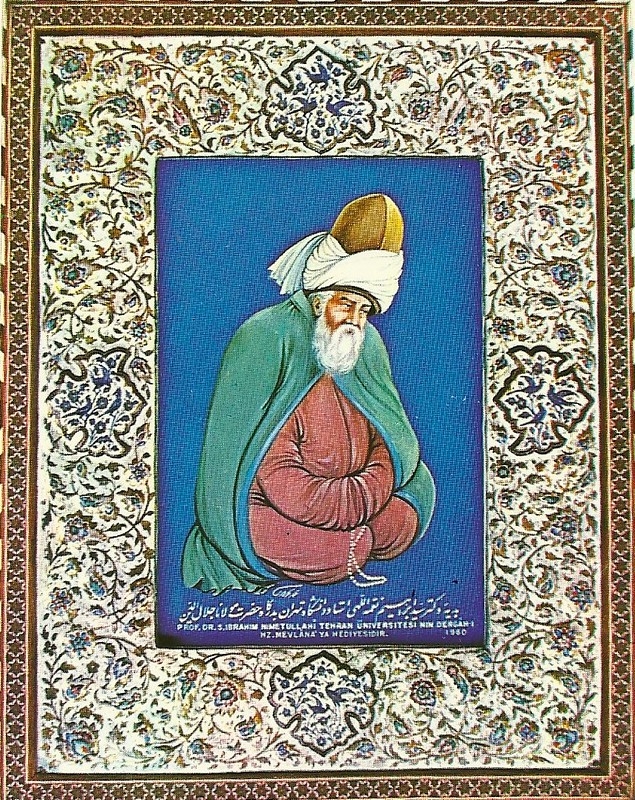
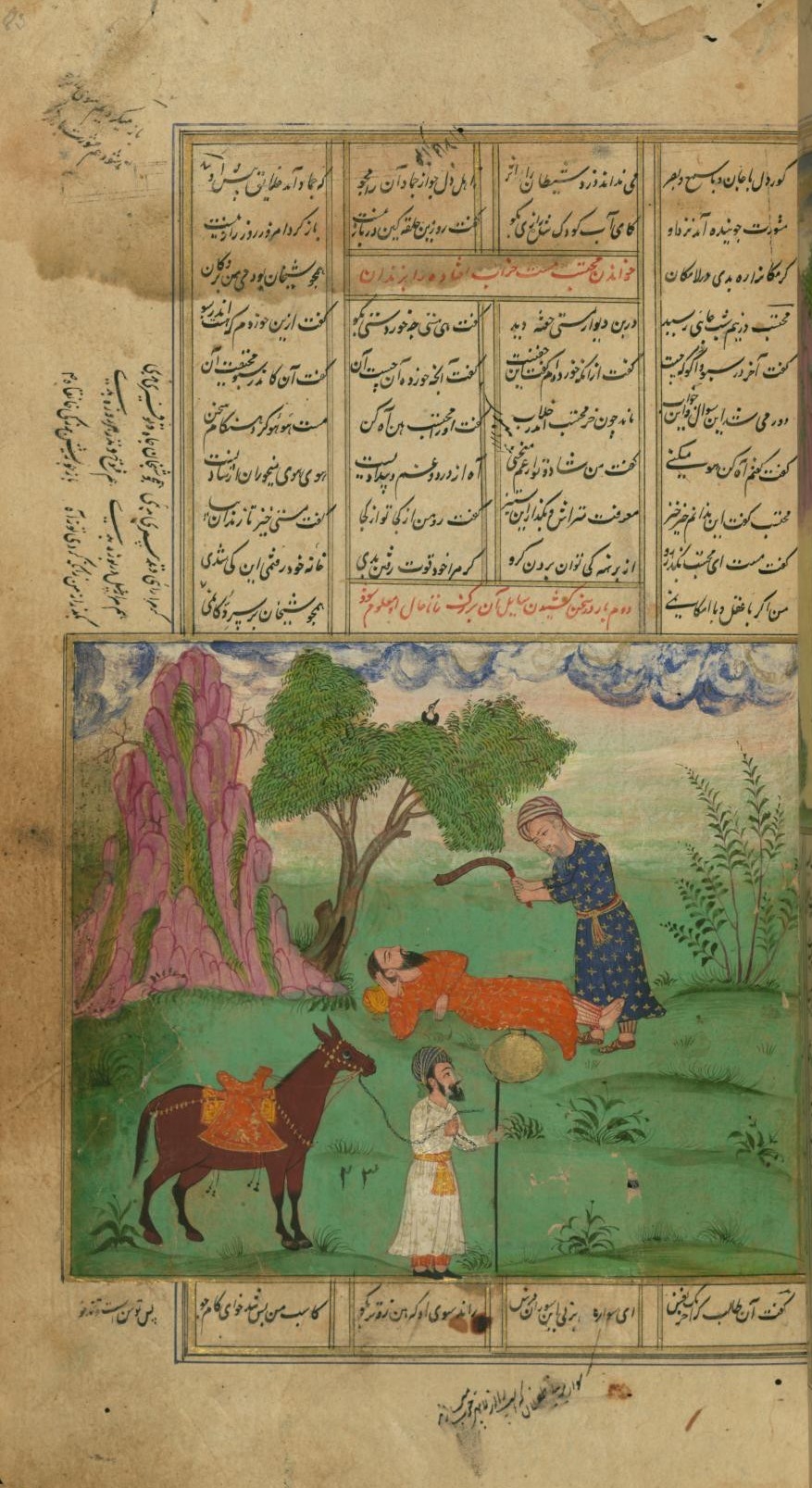
Jalal al-Din Rumi (1207–73) was a medieval Persian poet. The son of a Sufi scholar, he was also a Sufi mystic: an Islamic spiritual teacher and philosopher. Rumi was born in Balkh, then a centre of Persian culture in what is now Afghanistan. For most of his life he lived in the Seljuk Sultanate of Rum in Anatolia (today, Turkey).
One of Rumi’s best-known works is Divan-e Shams-e Tabrizi (The Works of Shams Tabriz). It was a collection of poems about love and loss dedicated to his beloved teacher Shams. As an older man, Rumi wrote his other masterpiece, Masnavi (Spiritual Couplets, 1258–73). A long poem made up of six books, it teaches Muslims how to become closer to God. It soon became an influential work across the Muslim world.
Rumi mainly wrote in Persian, but he also used Turkish, Arabic and Greek. Many of his poems tell stories, and were written to be accompanied by music and sung at spiritual gatherings. They are full of his ideas about how we should live and show love to one another. Rumi used an Arabic poetic form called the ghazal. Usually a love poem, it is made up of couplets (pairs of lines that rhyme) which follow a strict rhyming pattern. More than 800 years after his birth, Rumi’s poetry remains popular today all over the world.
William Shakespeare
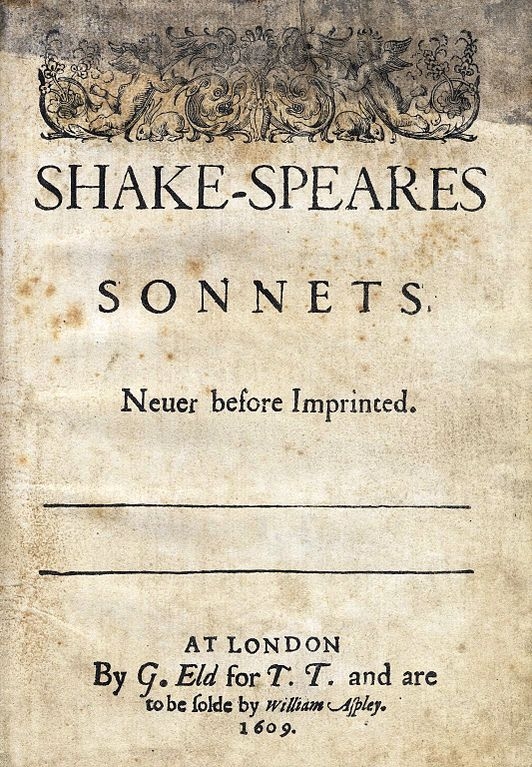
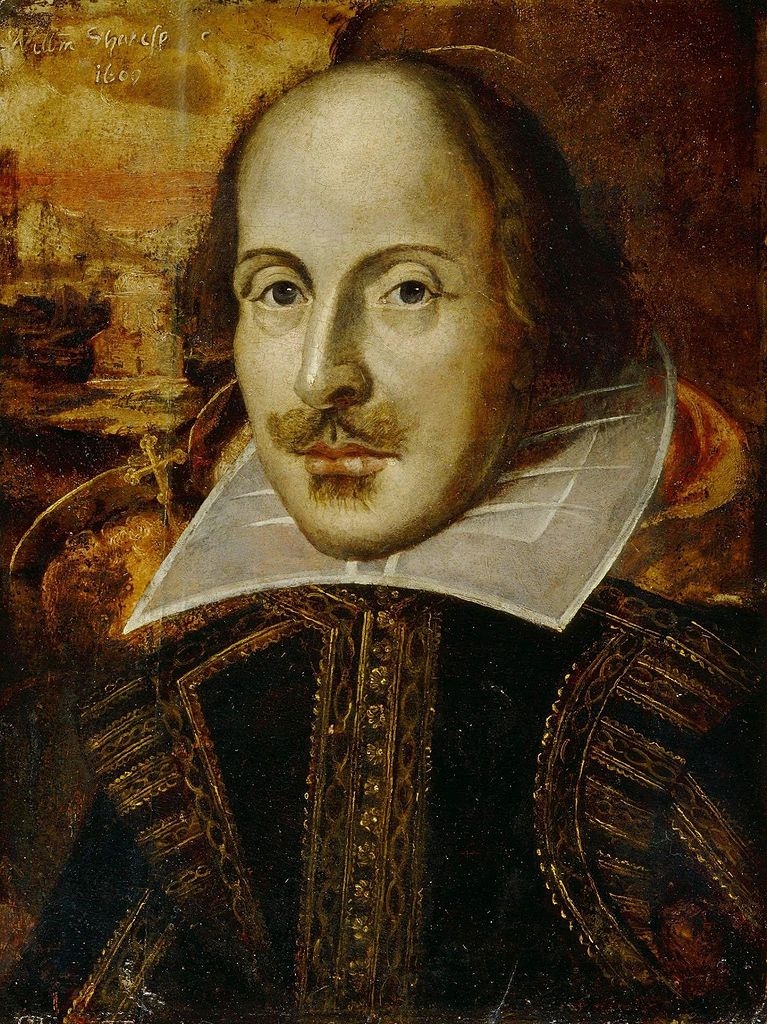
Although he is best known for his plays, the English playwright and poet William Shakespeare (1564–1616) wrote some of the greatest love poetry in the English language. Shakespeare wrote 154 sonnets, as well as four long poems and a number of other short verses. His sonnets are about love, beauty, death and other serious subjects.
A Shakespeare sonnet consists of 14 lines divided up into three groups of four lines, known as quatrains, and a final couplet of two lines. In the quatrains, rhymes occur at the end of alternate lines—the end of lines 1 and 3, and then 2 and 4—while the couplet contains two rhyming lines.
Most of the sonnets are addressed to a Fair Youth, an unnamed young man, while a few are for a Dark Lady. The final two are written to the love god, Cupid. It is not known who the Fair Youth was, although a dedication at the beginning of the first edition of the sonnets, a book published by Thomas Thorpe, is addressed to a Mr W. H. A number of noble people who supported Shakespeare have been suggested as this unknown person, with the most likely candidate being his patron, Henry Wriothesley, the Earl of Southampton. The identity of the Dark Lady is unknown.
Percy Bysshe Shelley
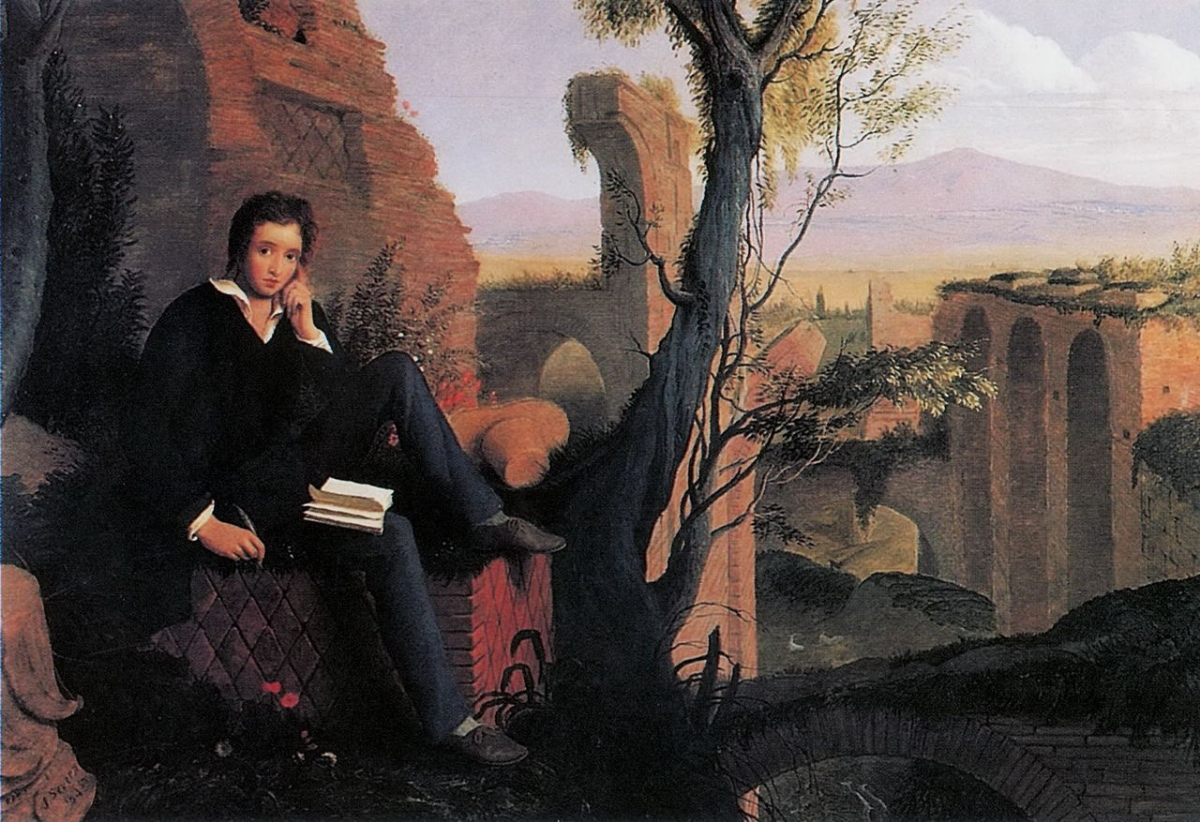
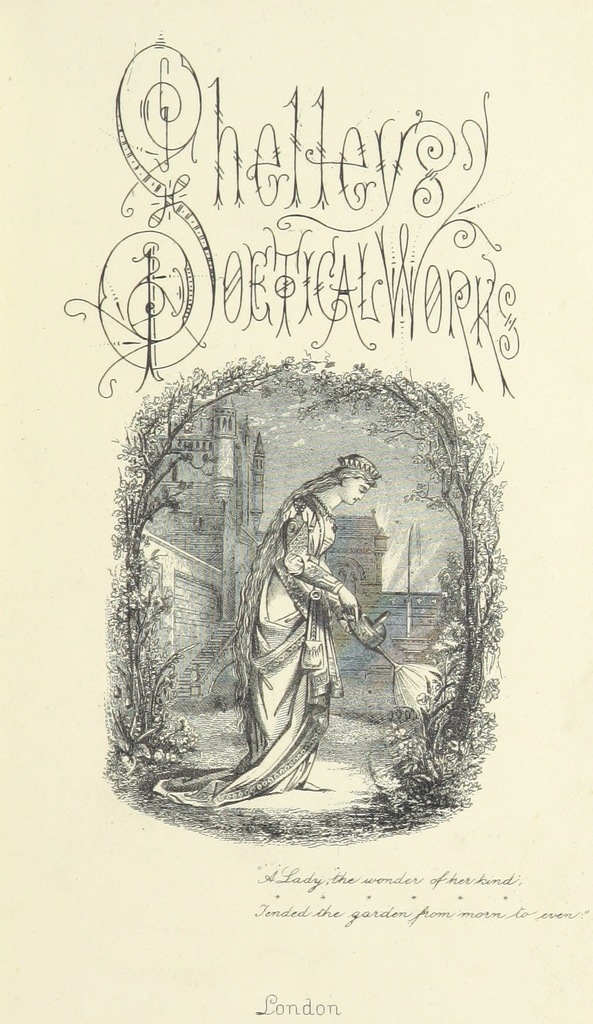
Percy Bysshe Shelley (1792–1822) was one of the great Romantic English poets, famous for poems such as Ode to the West Wind (1819) and Ozymandias (1817). Shelley was known in his time as a “radical” because he did not agree with religion or traditional ideas about marriage. He and his wife Mary Shelley, the author of Frankenstein, spent much of their lives together touring Europe. Their travels inspired Shelley’s poetry, and many of his poems, such as Mont Blanc,a poem celebrating Europe’s highest mountain, are about the beauty of nature.
Shelley wrote some of his finest work during a tragic period in his life in which two of his children died. Prometheus Unbound (1818–19) is a lyrical drama (a play made up of poetry). It was based on the Greek myth of Prometheus, who is punished and tortured by the king of the gods. His poem Adonais (1821) was written in memory of his friend, the poet John Keats. Shelley died suddenly by drowning when his boat was sunk by a storm off the coast of Italy. He was aged just 30.
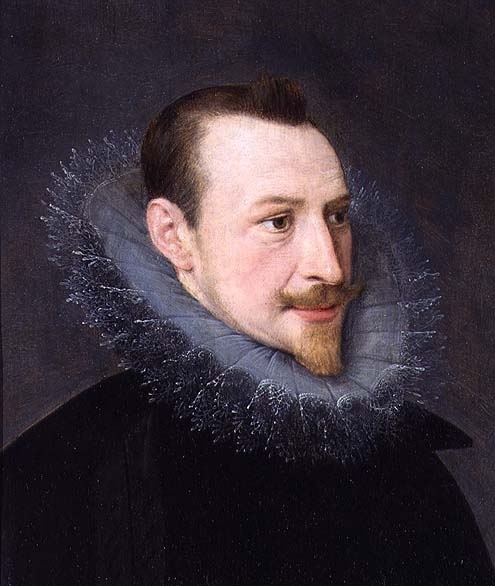
Edmund Spenser
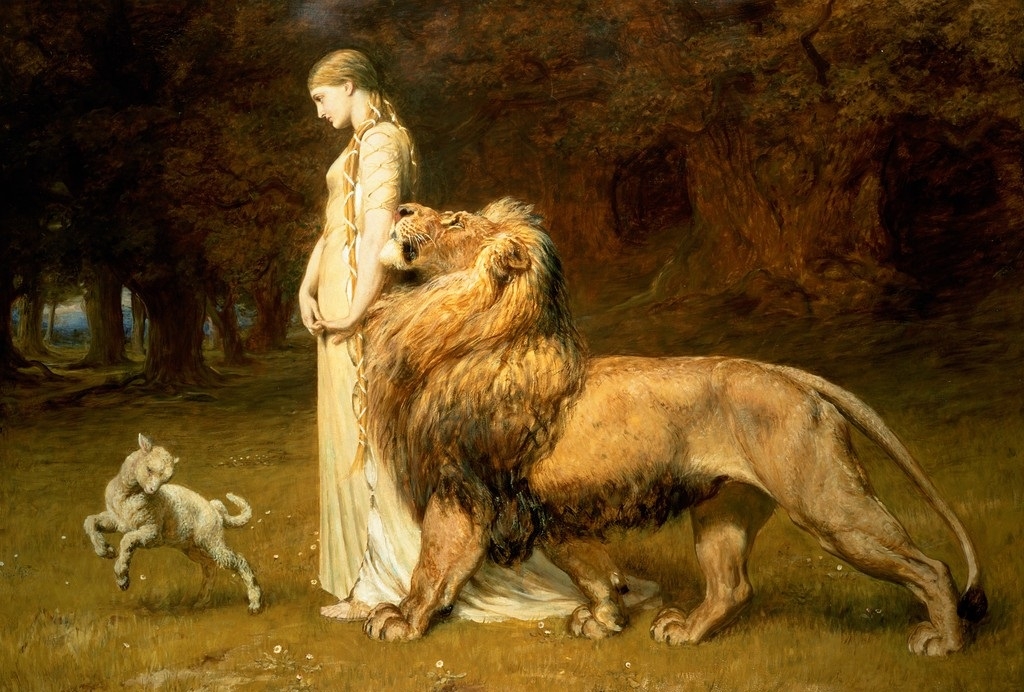
Edmund Spenser (1552–99) was a great English poet of the Renaissance period. He wrote his masterpiece The Faerie Queene (1590) in praise of Queen Elizabeth I. It was an epic poem: a long poem based on events from history, like Homer’s Odyssey. Spenser was the first to write epic poems of this kind in English, and they had a huge influence on English literature. The Faerie Queene impressed Queen Elizabeth’s court and won Spenser a yearly salary for the rest of his life.
Spenser is also well known for his sonnets. He wrote a cycle of 89 love sonnets called Amoretti (1595), dedicated to the woman who would later become his second wife, Elizabeth Boyle.
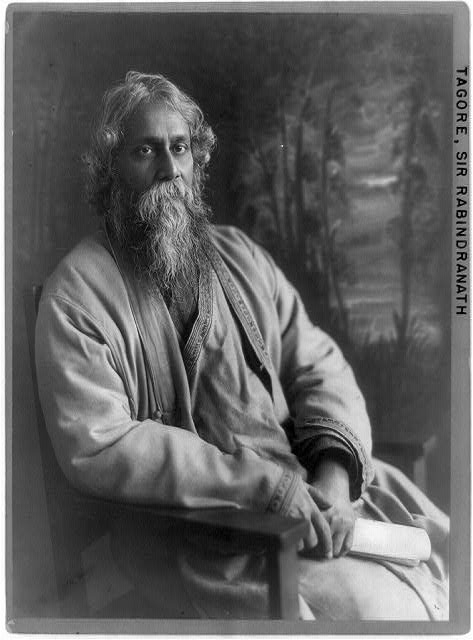
Rabindranath Tagore
Rabindranath Tagore (1861–1941) was an Indian poet, musician and artist. His best-known collection of poems Gitanjali (Song Offerings, 1910) won him the Nobel Prize for Literature in 1913. Tagore wrote his poems in Bengali. He translated them into English himself, often changing them significantly in the process. Tagore was inspired by traditional Bengali folk music, as well as medieval Bengali poets and Sufi mystics (spiritual philosophers) such as Kabir. Many of his poems are about religious devotion and love. Later in life he wrote in support of Indian independence from Britain.
Tagore also wrote more than 2000 songs during his life. One of them was chosen as the Indian national anthem, Jana Gana Mana, and another as the national anthem of Bangladesh. Today he is known in India as Kabiguru, meaning “finest poet”.
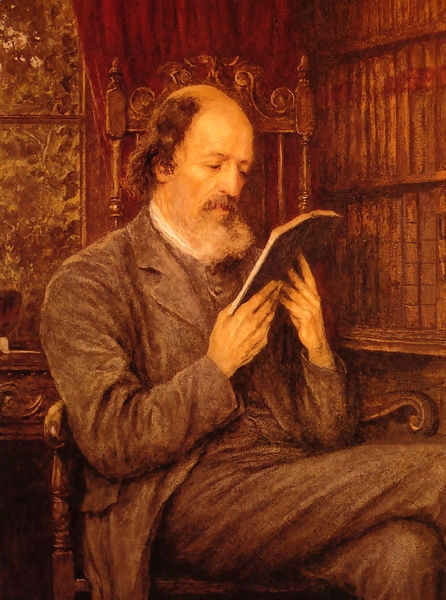
Alfred, Lord Tennyson
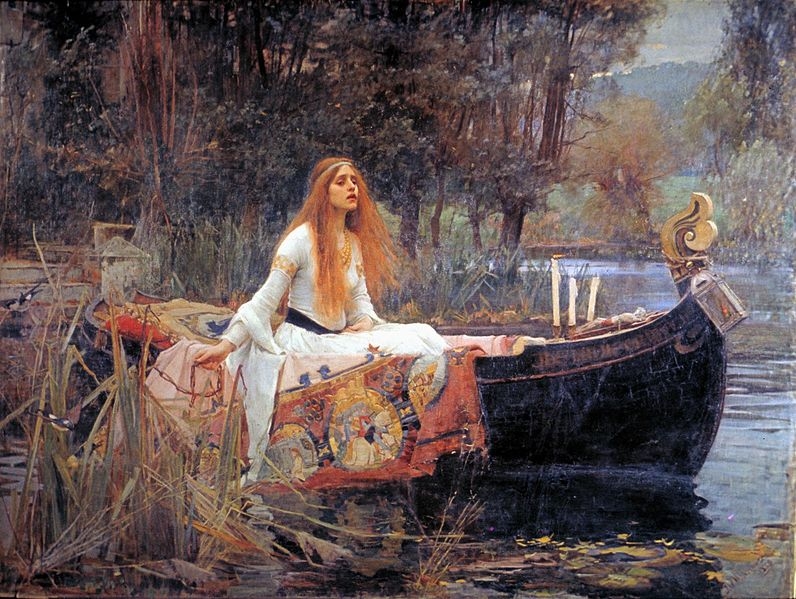
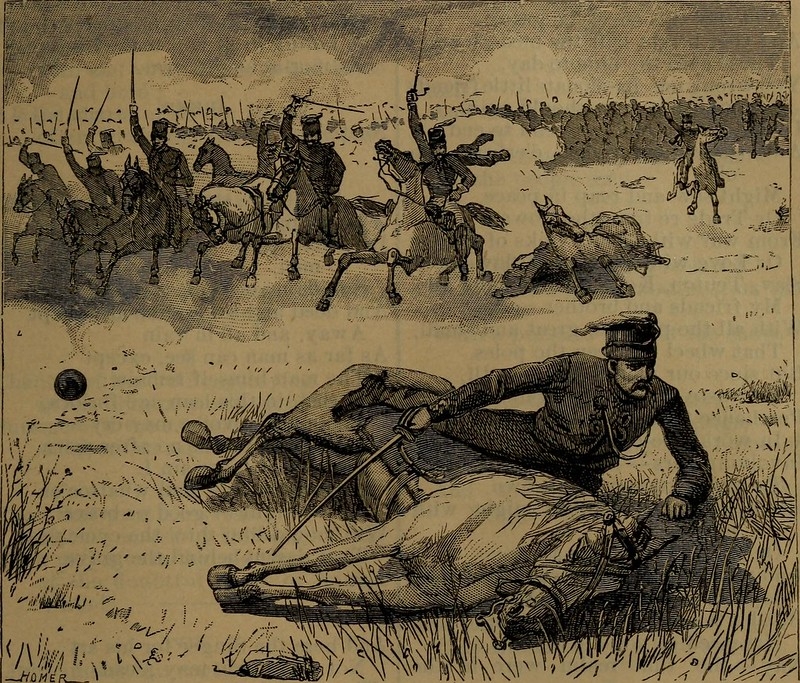
The English poet Alfred Tennyson (1809–92) was one of the most famous poets of Victorian times. He was the English Poet Laureate for more than 40 years. Some of Tennyson’s most famous poems were based on legends about King Arthur. Morte d'Arthur (1842) recounts the last moments of Arthur’s life. The Lady of Shalott (1842) is the tragic story of a woman who escapes from her prison in a tower near Camelot, Arthur’s castle. His poem The Charge of the Light Brigade (1854) was inspired by a tragic battle in the Crimean War. It uses a strong, almost musical rhythm to give a sense of the soldiers riding into battle on horseback.
Tennyson was also wrote about death and mourning. He spent over a decade working on a long poem, In Memoriam A.H.H. (1850) in memory of his friend, Arthur Henry Hallam, who died suddenly at the age of 22. The poem includes the famous lines "'Tis better to have loved and lost than never to have loved at all", and "Nature, red in tooth and claw". Much admired by Queen Victoria, Tennyson was made a Lord in 1884. When he died he was buried in Westminster Abbey.
Dylan Thomas
Dylan Thomas (1914–53) was a Welsh poet, best known for his poems such as Do not go gentle into that good night (written in 1952 for his father, who was dying), his collection Deaths and Entrances (1946) and his "play for voices" Under Milk Wood (1954).
Although Thomas was writing at the same time as great Modernist poets such as T. S. Eliot and Ezra Pound, his poetry was not considered especially experimental or “modern”. Instead, he was known for the romantic imagery and strong rhythms he used in his poetry which made it sound almost musical. Like the Victorian poet Gerard Manley Hopkins, he used internal rhyme and alliteration to create energy in his poems. Thomas wrote poems about love, nature and death, as well as poems examining his own life (Poem in October, 1944).
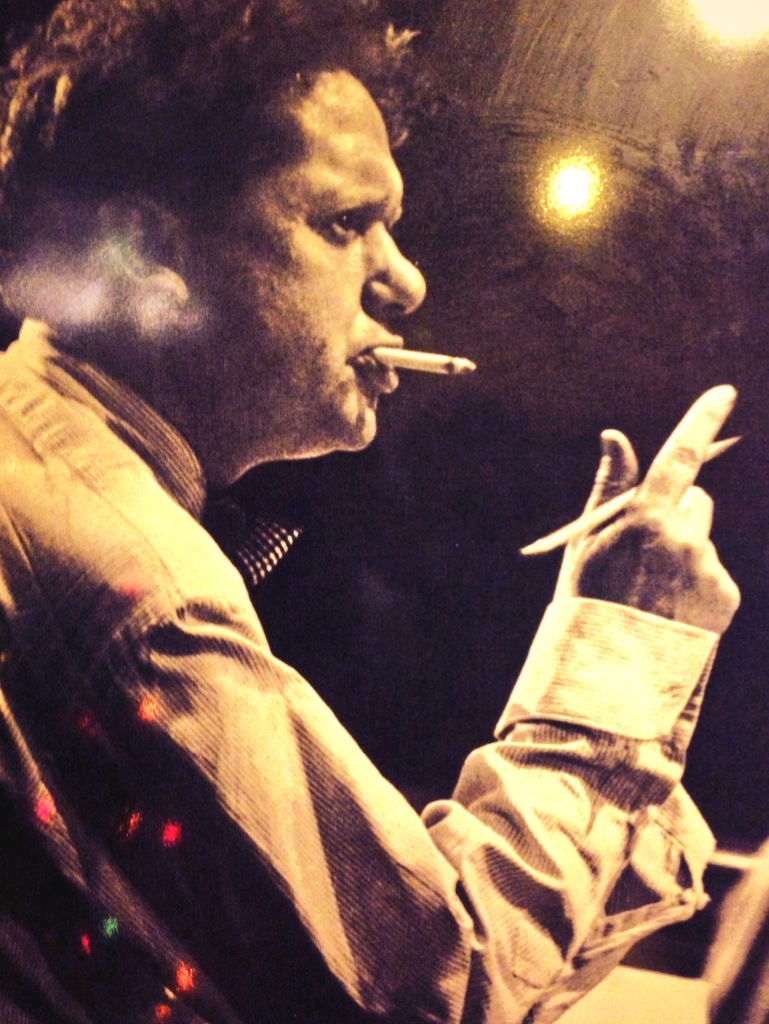
Thomas's work was popular in his lifetime, but he and his family often struggled for money. He made a living working as a reporter and scriptwriter while working on his poetry. As he became more well known in his late thirties, Thomas made a living by giving readings of his work. While giving a tour of his work in the USA, he became ill and died in New York, aged 39.
Walt Whitman
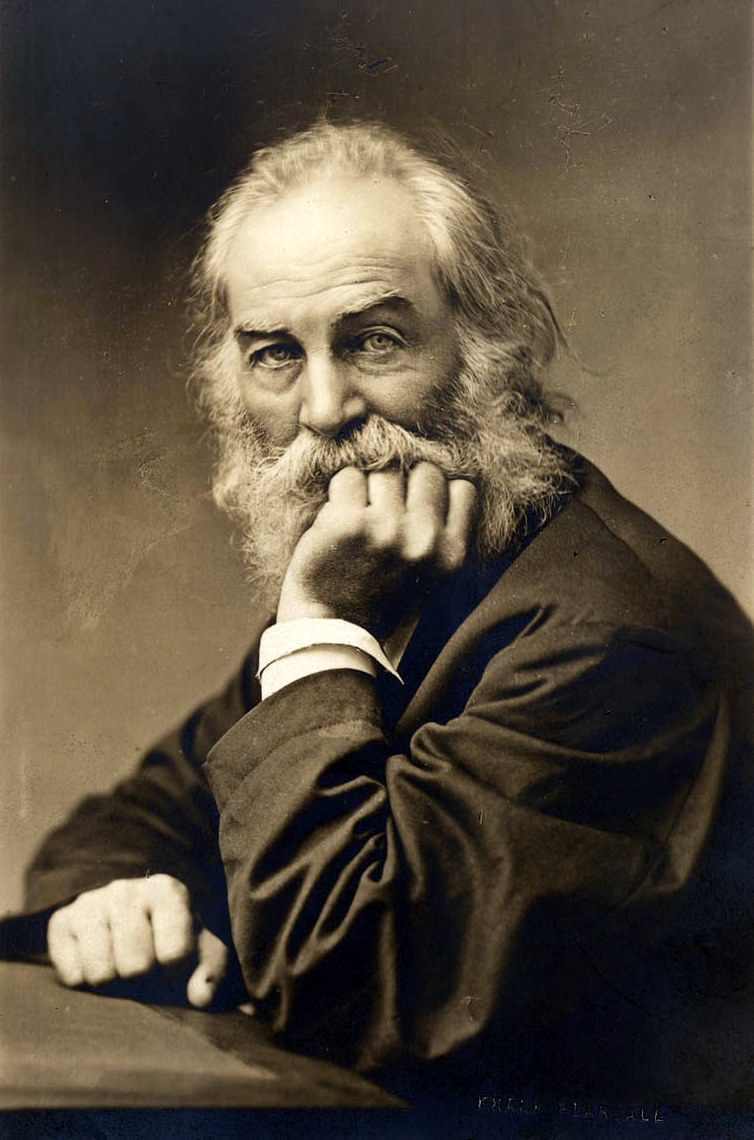
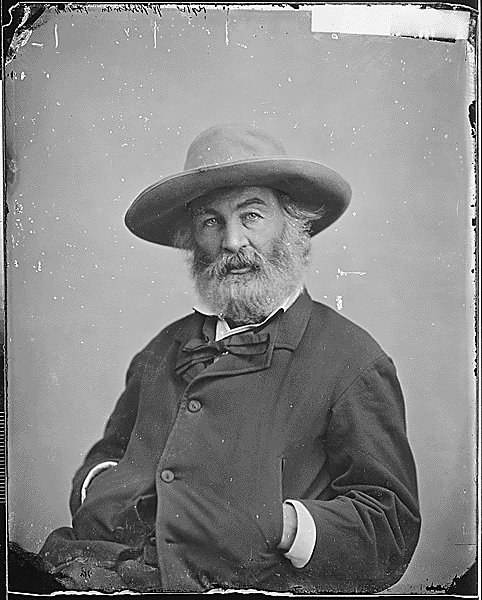
Walt Whitman (1819–92) was an American poet, best known for Leaves of Grass (1855). The collection did not sell well at first, but over the next 20 years Whitman gradually gained recognition as a poet. He was praised for the way he wrote about America, its people and politics. Two of his well known poems, O Captain! My Captain! and When Lilacs Last in the Dooryard Bloom'd, were written on the death of Abraham Lincoln.
Many of Whitman's poems, such as Song of Myself and I Sing The Body Electric (from Leaves of Grass) celebrated personal freedom. Unlike other American poets writing at the time, Whitman wrote in free verse, a style of poetry without metre or strict line lengths. His work sounded rhythmic and musical when it was read aloud, and it inspired the spoken-word poetry of the 1960s Beat poets.
William Carlos Williams
William Carlos Williams (1883–1963) was an American poet. His experimental poetry made him one of the Imagists, poets who used clear language to build up a scene in the reader’s mind. His famous line, “No ideas but in things”, encouraged a whole generation of poets to pay attention to plain objects in order to express ideas about modern life. As a young man at college, Williams met the poet Ezra Pound. Along with others, they experimented with a new way of writing poetry and founded the Imagist movement. One of Williams’ best-known Imagist poems, The Red Wheelbarrow (1923), focuses the reader’s attention on a red wheelbarrow in the rain.
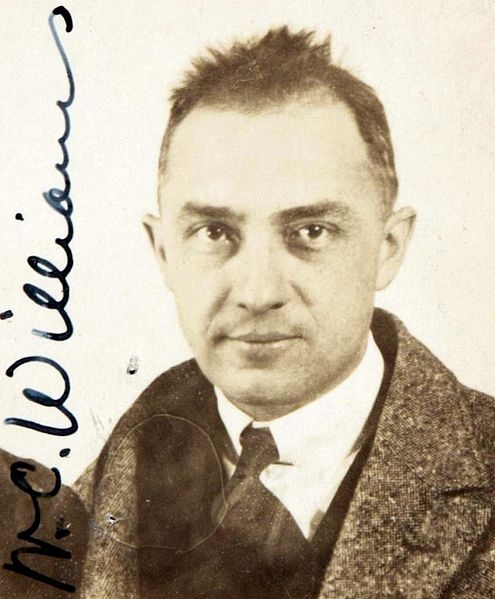
As Imagism sparked another experimental movement called Modernism in Europe, Williams began to move away from it, creating his own version of American Modernism. He wanted his poetry to reflect the way American people spoke and lived their everyday lives. His long poem, Paterson (1946–58) was a study of the city of Paterson, New Jersey, and an attempt to try and capture American life as he saw it. He was inspired by walking around the city, observing people and hearing their conversations. Williams worked as a doctor all his life, and he was inspired by the lives of the patients he treated. He is remembered as one of the major American poets of the 20th century.
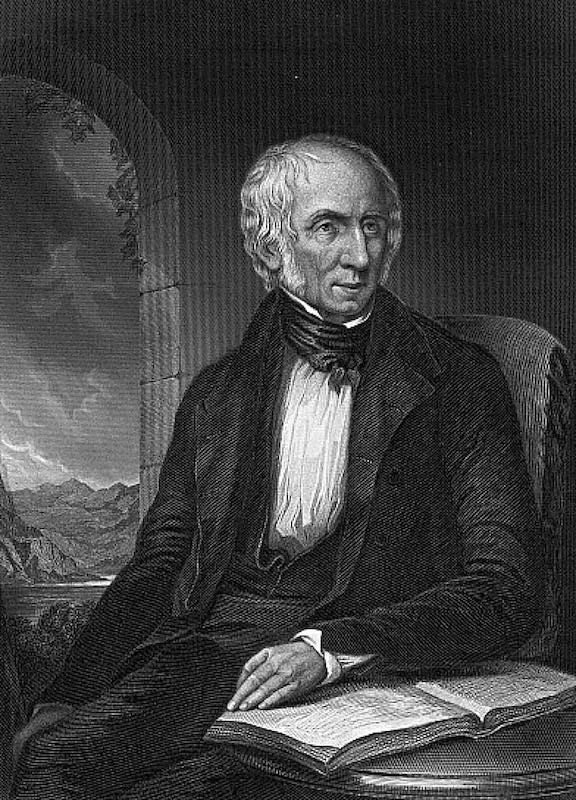
William Wordsworth
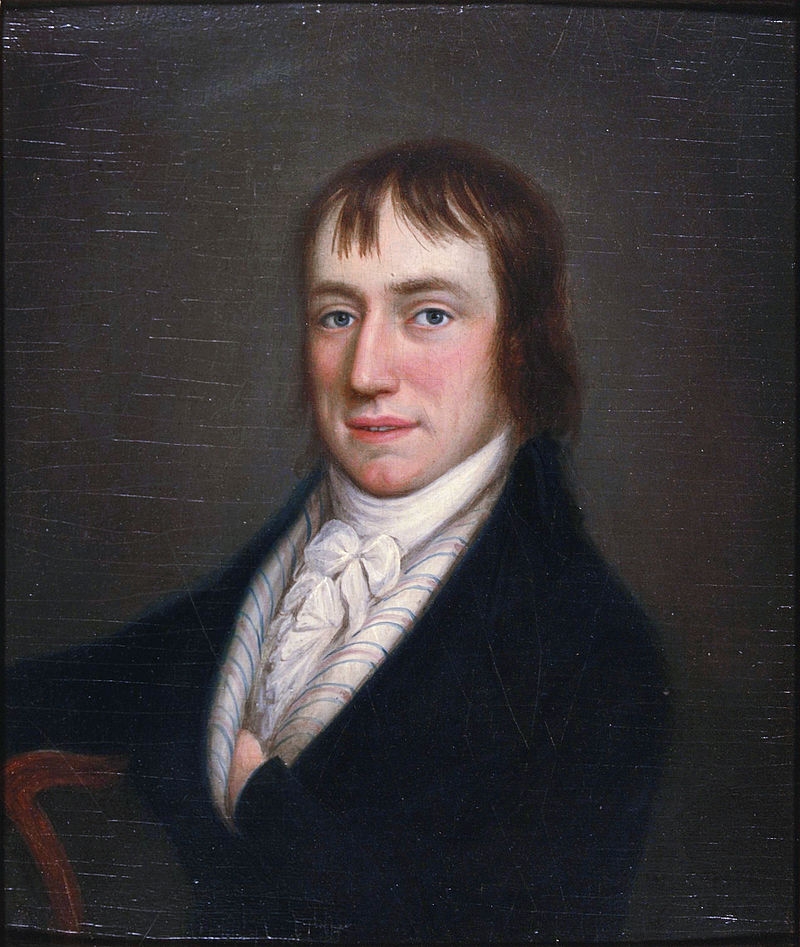
William Wordsworth (1770–1850) was an English poet. Together with his friend, Samuel Taylor Coleridge, he published a collection of poems called Lyrical Ballads (1798). It included Tintern Abbey, written in praise of the landscape along the River Wye. The Lyrical Ballads sparked a new type of English poetry, known as Romantic poetry, that focused on emotions and was written in everyday language.
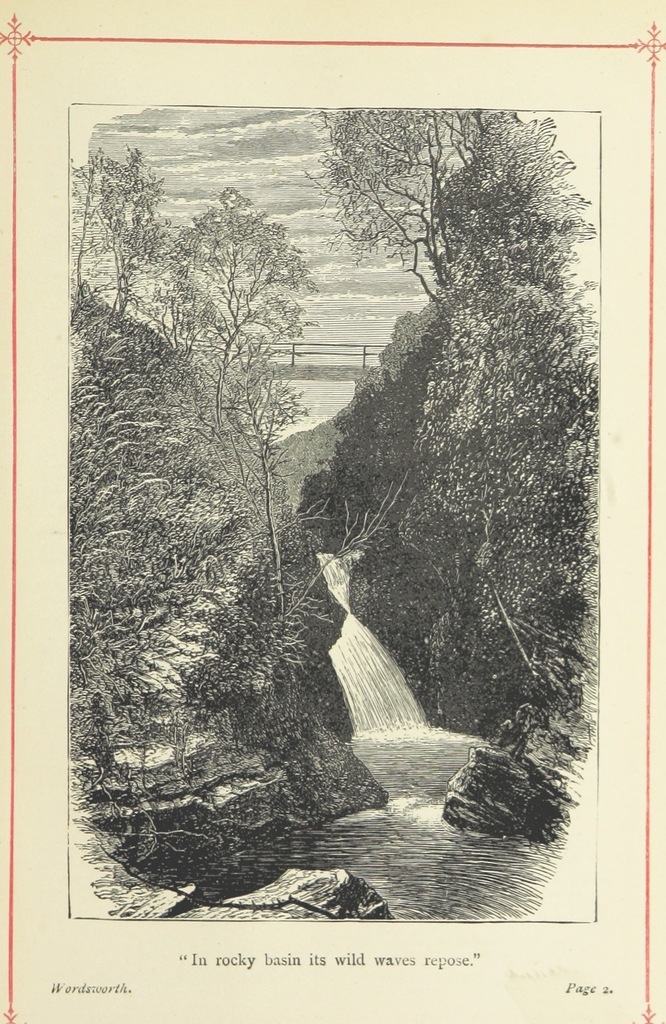
Wordsworth loved nature and lived for much of his life with his family in the Lake District in northwest England. This landscape inspired some of his most famous poems, such as I Wandered Lonely as a Cloud (1804): “When all at once I saw a crowd, / A host, of golden daffodils”. Wordsworth’s major poem The Prelude was autobiographical (based on his own life). Widely considered to be his greatest work, Wordsworth began work on it in 1798. It was eventually published in 1850, three months after his death.
W. B. Yeats
William Butler Yeats (1865–1939) was an Irish poet. Yeats’ early poetry was inspired by Irish folk tales. During the late 1800s he wrote traditional, lyrical poems (poems describing a feeling about something or someone), following the example of Percy Bysshe Shelley and others. Such poems included The Wanderings of Oisin (1889) and The Lake Isle of Innisfree (1890). By the early 1910s he had changed his style. Unlike many other well known poets writing at the time, such as T. S. Eliot, Yeats continued to use rhyme and structured his poems in stanzas (verses). But the language of his poetry became more direct, with lines reflecting the rhythm of conversation. He also began to use symbolism in his poems—words and imagery that suggested more than one meaning.
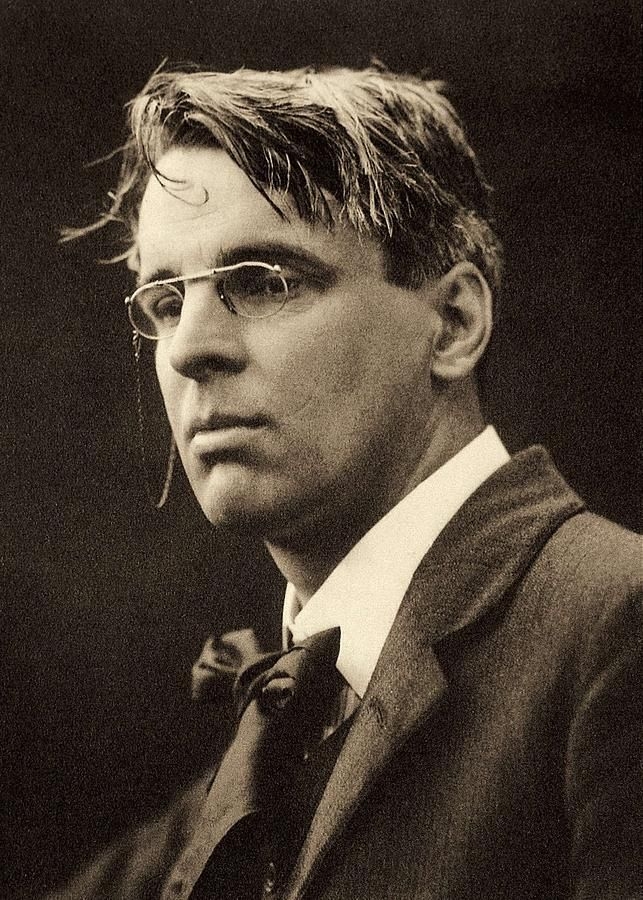
When the Irish Civil War broke out in 1922, Yeats wrote poems about the terror and violence in Ireland. In 1923 Yeats was awarded the Nobel Prize for Literature. He went on to write some of his most famous work, including the collection The Tower (1928). Its title poem is about a man coming to terms with old age.
Consultant: Philip Wilkinson
pics
Without in any way limiting Q-files Ltd’s exclusive rights under copyright, any use of this publication to “train” generative artificial intelligence (AI) technologies to generate text is expressly prohibited. Q-files Ltd reserves all rights to license use of this work for generative AI training and development of machine learning language models.