
Literature

CITE
We have made every effort to follow citation style rules, but there may be some minor differences. If in doubt, please refer to the appropriate citation style manual.
Children's authors A-Z. (2026). In Q-files Encyclopedia, Culture, Literature. Retrieved from
https://www.q-files.com/culture/literature/childrens-authors-a-z
"Children's authors A-Z." Culture, Literature, Q-files Encyclopedia, 13 May. 2026.
https://www.q-files.com/culture/literature/childrens-authors-a-z.
Accessed 21 Sep. 2026.
Children's authors A-Z 2026. Culture, Literature. Retrieved 21 September 2026, from
https://www.q-files.com/culture/literature/childrens-authors-a-z
Culture, Literature, s.v. "Children's authors A-Z," accessed September 21, 2026.
https://www.q-files.com/culture/literature/childrens-authors-a-z


Children's authors A-Z
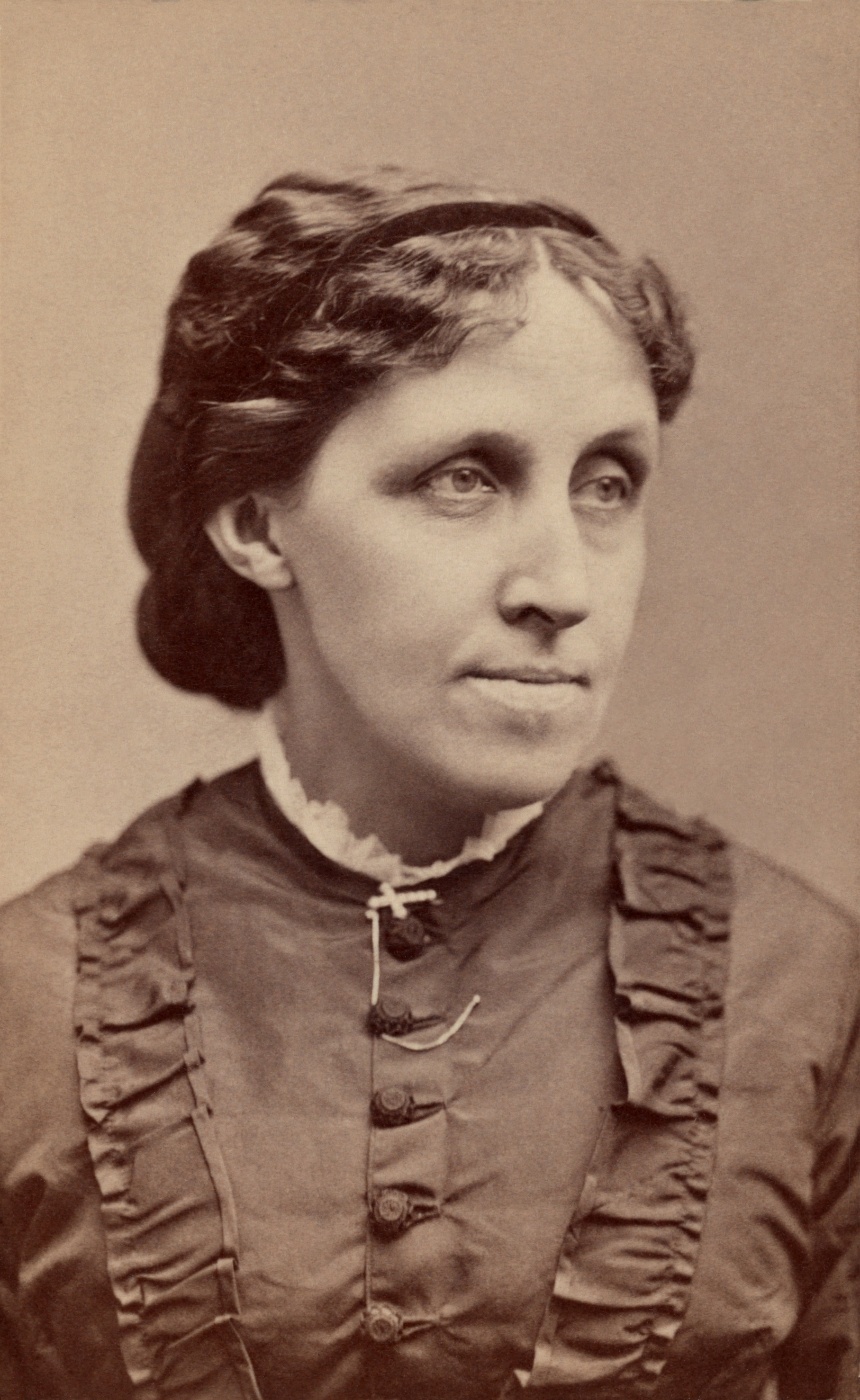
Louisa May Alcott
Louisa May Alcott (1832–88) was the American author of Little Women (1868), a book about four sisters, Meg, Jo, Beth and Amy, growing up in Concord, Massachusetts. Alcott based the story, an account of the everyday lives of girls, on her own childhood growing up with her sisters. She based the story’s main character, Jo, on herself. Alcott was already writing books for children and adults in the 1860s, but Little Women was her first major success; it made her famous. She wrote two sequels about the family, Little Men (1871) about the children Jo teaches at school, and Jo’s Boys (1886) following the stories of Jo’s sons.
Alcott was praised as a writer for the way she wrote about everyday life—and especially about girls and women—in a natural style. She was well known as a feminist for writing about issues affecting women. More than 150 years after it was first published, Little Women is still popular today.

Hans Christian Andersen
Hans Christian Andersen (1805–75) was a Danish writer best known for his fairy tales for children such as The Little Mermaid, Thumbelina, The Emperor’s New Clothes, The Snow Queen and The Princess and the Pea.
Andersen was born in Odense, Denmark. As a young man he won some money from the Danish king for his poetry and short stories, which allowed him to travel across Europe and write. He began working on a collection of fairy tales. In 1845 they were translated into English, which meant they reached a wider audience. Andersen's fairy tales quickly became classics.
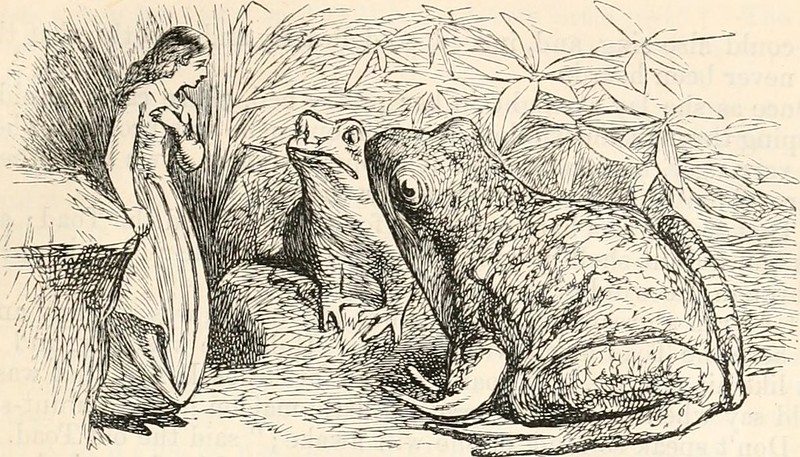
In Andersen’s tales, magical things happen: toys come to life and animals can talk to people. Thumbelina (1835) is about the adventures of a tiny girl small enough to sleep in a walnut shell. The Little Mermaid (1837) tells the story of a mermaid who gives up her life under the sea in exchange for a human soul. Some of Andersen’s tales were inspired by the folk tales he listened to as a boy, such as the Arabian Nights and those by the Brothers Grimm, while others were of his own creation. Andersen's stories have been translated into more than 125 languages, and have inspired films, plays, musicals and ballets all over the world.
J. M. Barrie
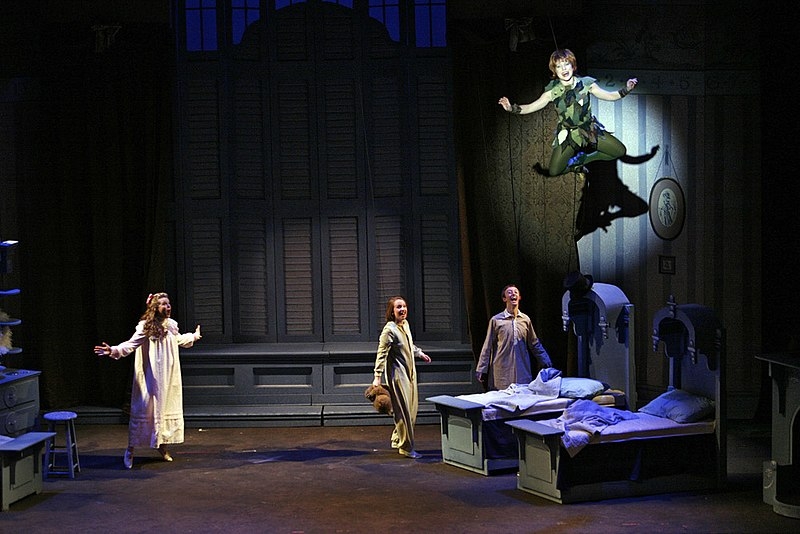
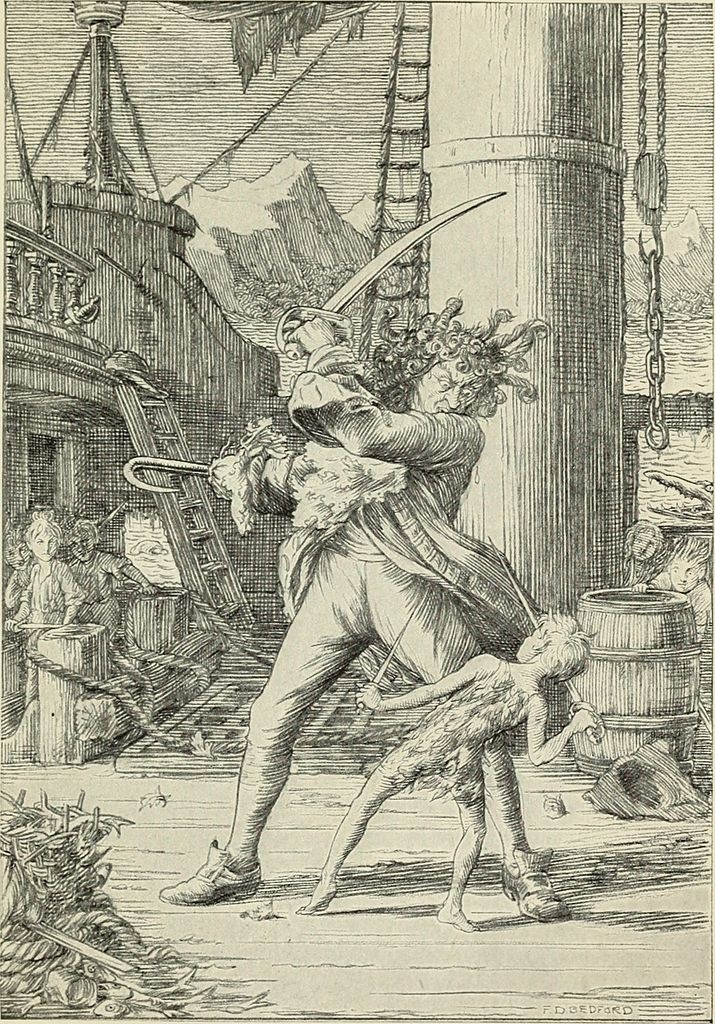
Sir James Matthew Barrie (1860–1937) was a Scottish author and playwright. He is best known for creating the character, Peter Pan. He first appeared in a play called Peter Pan; or, the Boy Who Wouldn’t Grow Up (1904). It tells the story of a mischievous little boy called Peter who can fly. He lives in a faraway place called Neverland where he never grows old. Wendy Darling and her brothers John and Michael meet him one night and escape with him to Neverland, where they meet the Lost Boys, the princess Tiger Lily, a fairy named Tinker Bell and the bloodthirsty pirate, Captain Hook.
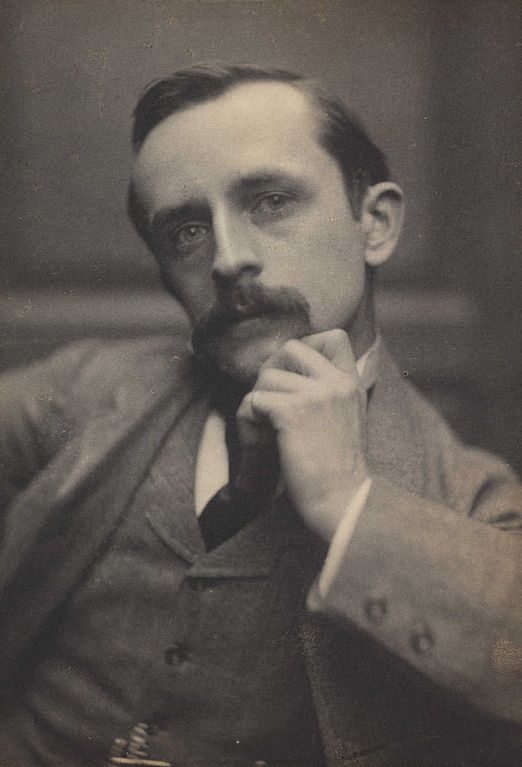
Barrie was born in Scotland. After attending university in Edinburgh, he moved to London where he began writing plays. He was already a successful playwright when he wrote Peter Pan in the early 1900s. The play quickly became popular and 1911 Barrie adapted it into a novel called Peter and Wendy. The story has since been adapted several times into films, some of which are sequels featuring the characters, such as the 1991 film Hook.
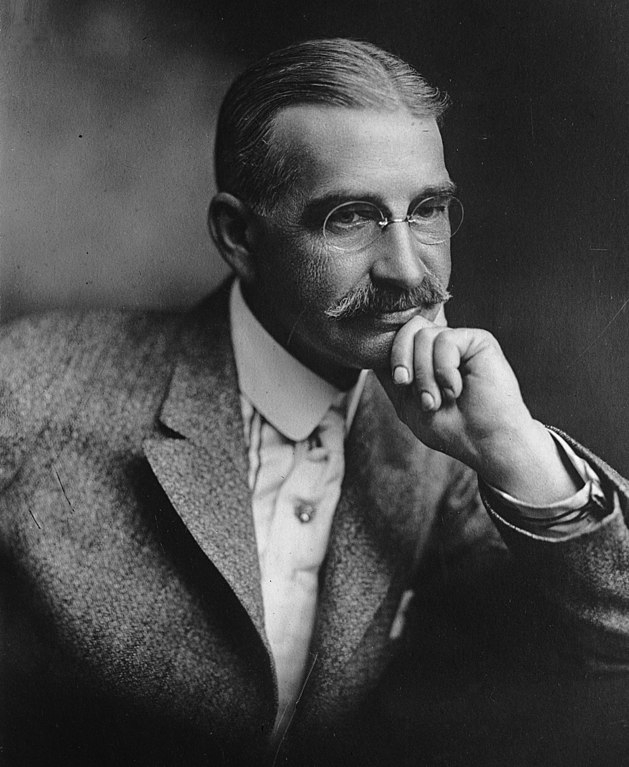
L. Frank Baum
American author Lyman Frank Baum (1856–1919) wrote the children’s novel The Wonderful Wizard of Oz. It tells the story of Dorothy and her pet dog Toto, who are swept away from their home in Kansas by a tornado and transported to the fairy-tale land of Oz. Here she meets the Scarecrow, the Tin Woodman and the Cowardly Lion. They journey together to find the Wizard of Oz, who promises to grant each of them what they wish for if they can defeat the Wicked Witch of the West. Today, it is one of the most famous American children’s stories. Baum wrote 13 sequels to The Wonderful Wizard of Oz but his first story remained the most successful. In 1939, 20 years after his death, it was adapted into the musical film, The Wizard of Oz, which became a cinema classic for its use of Technicolor and songs such as "Over the Rainbow".

Malorie Blackman
Malorie Blackman (born 1962) is a British author of books for children and young adults. She is known especially for her award-winning series Noughts and Crosses (2001–21). Set in a divided world, the books explore racism, violence and love.
Blackman is also known for her books for younger children, such as Pig Heart Boy (1997), a science fiction novel about a boy who needs a heart transplant and receives a pig’s heart in an experimental operation. Whizziwig (1995) is a story about two friends who discover a tiny alien that can grant wishes. Blackman’s Betsy Biggalow series of books (1992–96) follow the adventures of Betsy, a little girl growing up in the Caribbean. Blackman was the UK Children’s Laureate, or national children’s writer, in 2013–15.

Enid Blyton
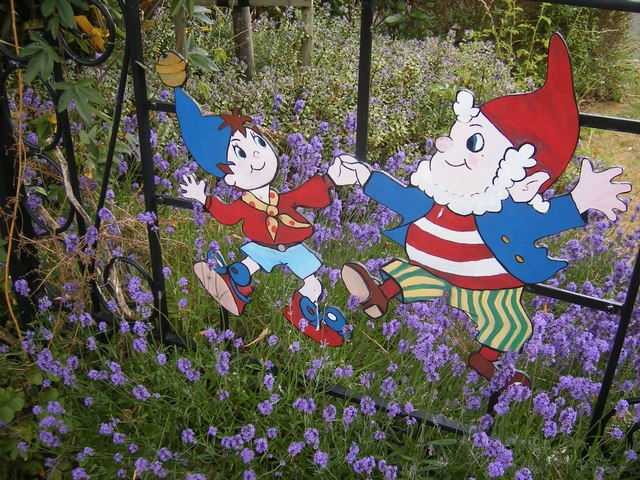
Enid Blyton (1897–1968) was an English children’s author best known for writing the series of adventure books The Famous Five (1942–62), The Secret Seven (1949–63), and, for younger children, Noddy (1949–63). The Famous Five books follow the holiday adventures of four friends and their dog Timmy, while the children in The Secret Seven society work together to try and solve mysteries in their local area. Blyton is also well known for her stories set in girls’ boarding schools, such as the Malory Towers (1946–51) and St. Clare’s (1941–45) series. Their stories of the girls’ friendships and mischievous pranks at school are still popular today.
Blyton was born in London, England. As a young woman she became a teacher and began writing stories and articles for children’s magazines before turning to writing books. Many of the books for which she is most famous were written during the 1940s, such as The Magical Faraway Tree (1943) and First Term at Malory Towers (1946). Blyton wrote around 800 books during her lifetime. To date, her books have sold over 600 million copies, making her one of the best selling authors of all time.
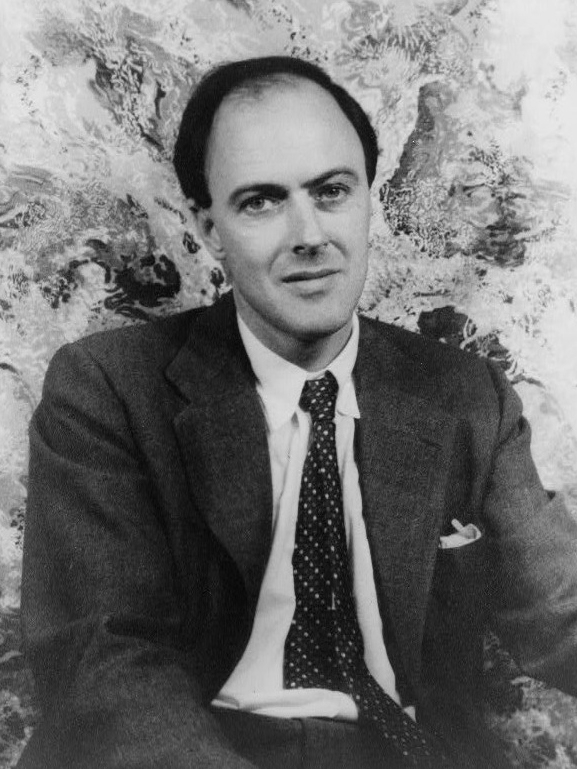
Roald Dahl
Roald Dahl (1916–90) was a British children’s author, famous for books such as Charlie and the Chocolate Factory (1964), Fantastic Mr Fox (1970), The BFG (1982) and Matilda (1988). Dahl was born in Wales to Norwegian parents. As a young man he fought in World War II as a fighter pilot and was badly injured. When he recovered, he began writing. At first he wrote short stories for adults. One of Dahl's first books for children was James and the Giant Peach (1961). It is about a boy who sets off on an adventure aboard a magical giant peach. A great success, it was followed by Charlie and the Chocolate Factory, in which a boy wins a Golden Ticket to visit Willy Wonka’s chocolate factory and has a life-changing experience.
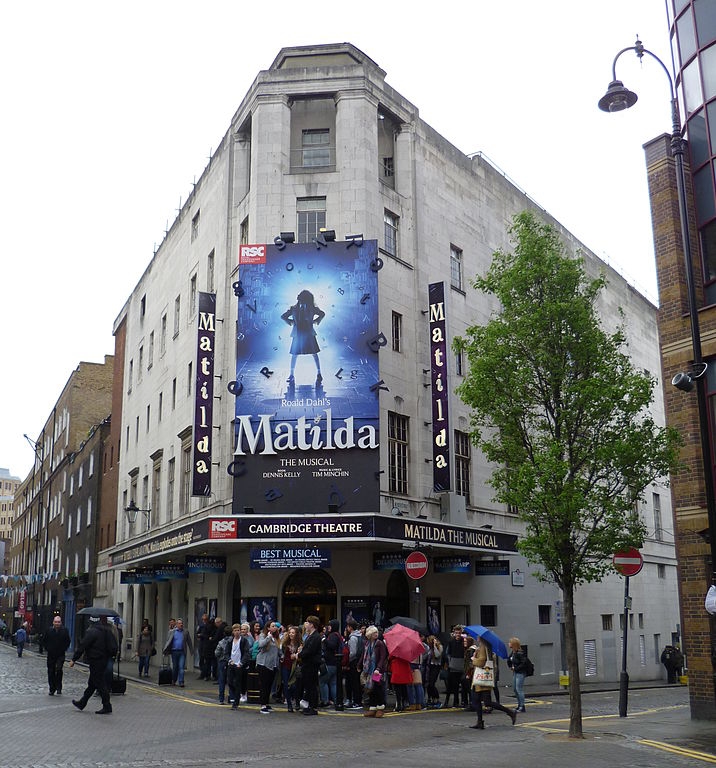
Dahl’s last children’s book, Matilda, was about a young girl who loves reading and has extraordinary powers. It remains his best selling book. Matilda won the Children’s Book Award when it was published, and was adapted into a film in 1996.
Julia Donaldson
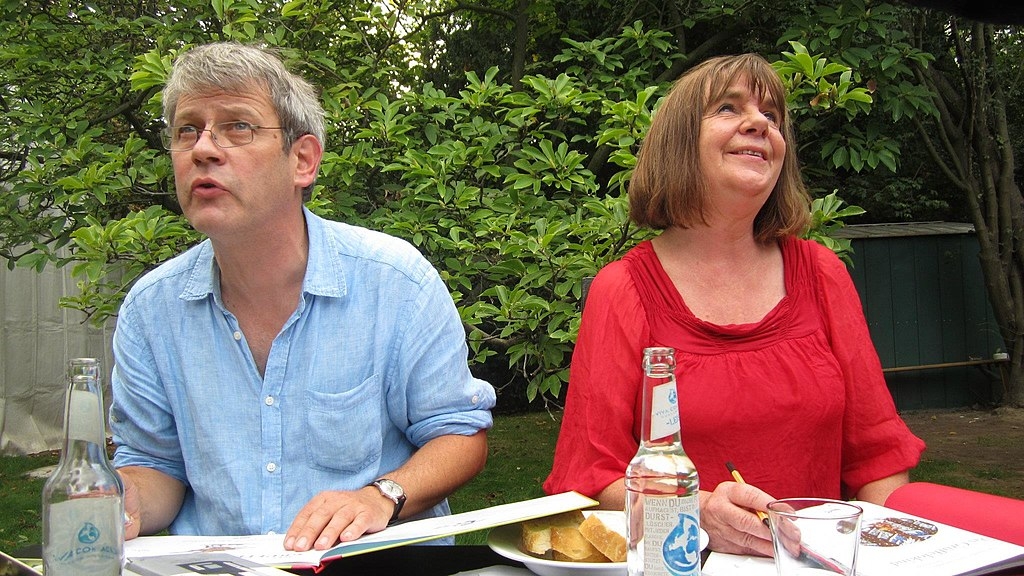
Julia Donaldson (born 1948) is an English children’s author, known especially for picture books such as The Gruffalo (1999) and Room on the Broom (2001). Donaldson began her career writing songs for children’s television. In 1993, one of her songs, A Squash and a Squeeze, was made into a children’s picture book, and she turned to writing books for very young children.
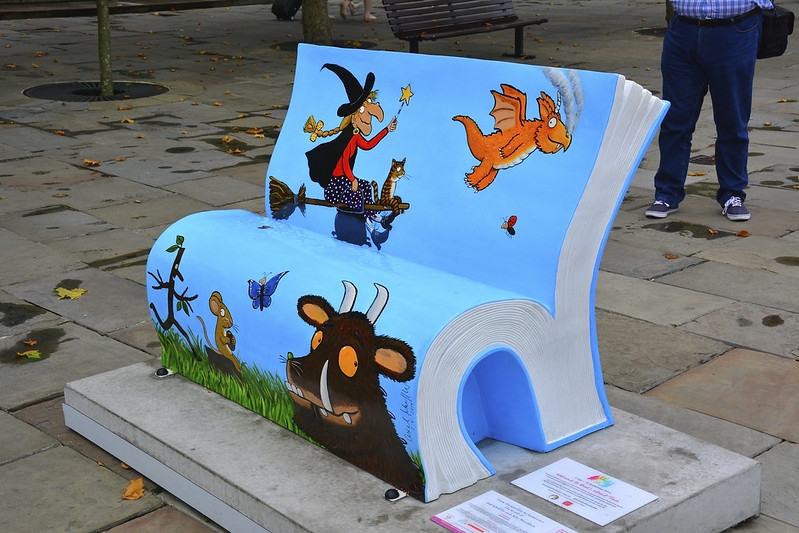
Donaldson's most famous book, The Gruffalo, was published in 1999. Illustrated by Axel Scheffler, it tells the story of a mouse who walks through a forest, scaring away the creatures it meets by telling them about a monster named the gruffalo, which he thinks does not exist.
From 2011 to 2013, Donaldson was the UK Children’s Laureate (national children’s writer). Using her influence, she worked to ensure that all children in the UK would be able to use public libraries.
Anne Fine
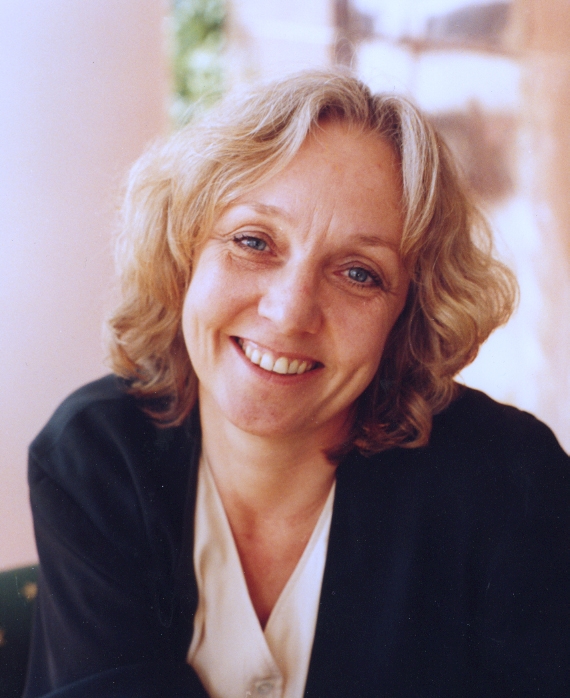
Anne Fine (born 1947) is an English author best known for writing children’s books such as Goggle-Eyes (1989) and The Diary of a Killer Cat (1994). Fine’s books are often funny, at the same time dealing with serious issues such as bullying and divorce. In her book Madame Doubtfire (1987), a divorced father disguises himself as a nanny so that he can spend more time with his children. It was adapted into a film, Mrs Doubtfire, in 1993. Bill’s New Frock (1989) is about a boy who wakes one morning to find himself turned into a girl.
Fine grew up in Leicester. She loved writing stories as a child, and she began writing books for children when her daughter was born. From 2001 to 2003, she was the UK Children’s Laureate (national children’s writer), in recognition of her outstanding success as a children’s author.
Kenneth Grahame
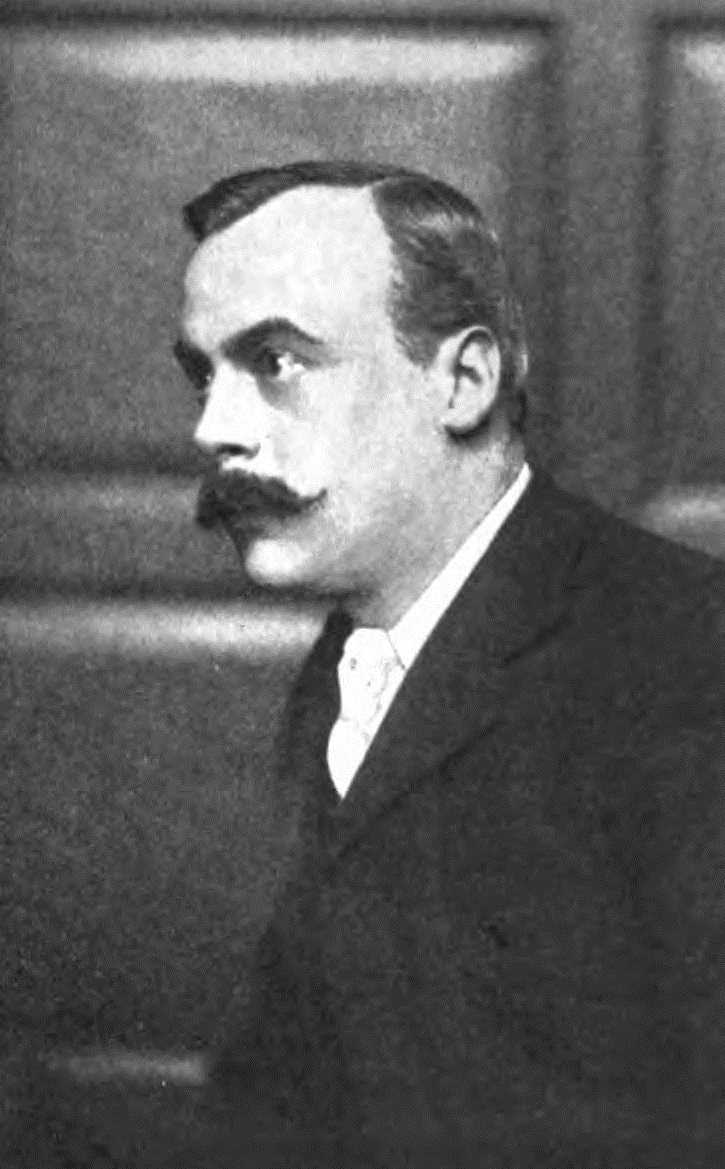
Scottish author Kenneth Grahame (1859–1932) wrote the classic children’s book The Wind in The Willows (1908). It follows the adventures of animal friends Mole, Rat, Badger and the Toad. The story takes place along the river, in Badger’s home in the Wild Wood and at Toad’s grand home, named Toad Hall. In the story, Toad’s friends try to help him when his reckless behaviour (he becomes obsessed with driving—and crashing—motorcars) gets out of hand.
Grahame was born in Edinburgh but spent his childhood living with his grandmother and siblings in a small countryside village in Berkshire, England. Here his uncle took them out in a boat on the River Thames, an experience which would later inspire Grahame to write The Wind in the Willows.

When Grahame had a son of his own, he invented bedtime stories for him based on his own childhood adventures by the river. Later, he published them as The Wind In The Willows. It was illustrated by E. H. Shepard, who also illustrated A. A Milne’s Winnie The Pooh.
Brothers Grimm
Jacob (1785–1863) and Wilhelm Grimm (1786–1859) were German authors, famous for their collection of fairy tales. Children's and Household Tales (Kinder- und Hausmärchen) was published in two parts in 1812 and 1815, and included many stories well known today, such as Cinderella, Hansel and Gretel and Sleeping Beauty. Originally consisting of 156 stories, it is known today as Grimm’s Fairy Tales.
The brothers were born into a big family. They worked hard to get a good education when their father died, and soon became respected scholars. They became interested in German literature and folklore, and began to collect together folk tales from all around Europe and publish them. It was the first time that this had been done.
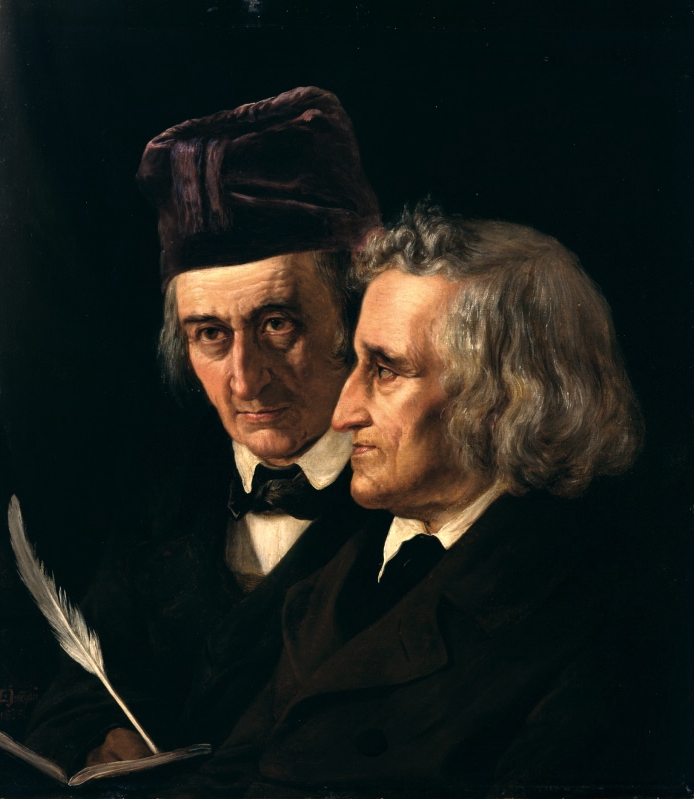

When the Grimms' first book was published, it was considered unsuitable for children because many of the fairy tales had violent, scary endings. The collection had a huge influence on European culture. People from many countries were inspired to study their own folk traditions seriously.
The Grimm brothers added to their collection over the years: the final edition of 1857 had grown to 211 stories. Many of the fairy tales have been adapted for theatre and film over the last 200 years, most famously by Walt Disney.
Tove Jansson
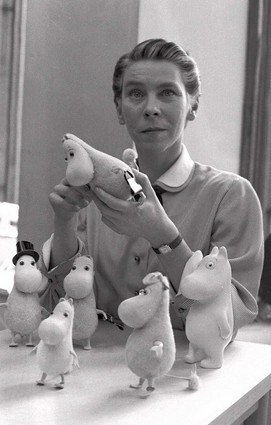
Tove Jansson (1914–2001) was a Finnish author. Her Moomin series of books (1945-93) tells stories about a family of trolls called Moomins, who live in their home in Moominvalley. The stories have been translated into 45 languages and are well loved all over the world. There are even Moomin theme parks in Finland and Japan.
Jansson was born in Helsinki. She spoke and wrote in Swedish. She studied art, and began her career as a visual artist, painting and drawing comics. Jansson’s family was artistic: her father was a sculptor and her mother an illustrator. Her brother Lars worked with her on some of the Moomin cartoons. Though she worked in Helsinki during the winter, Jansson spent summers staying on a remote Finnish island with her partner, who was also an artist. This inspired the setting for the Moomin books as well as books for adults such as The Summer Book (1972). In 1966 Jansson was awarded the prestigious Hans Christian Andersen Medal for her work.
Judith Kerr
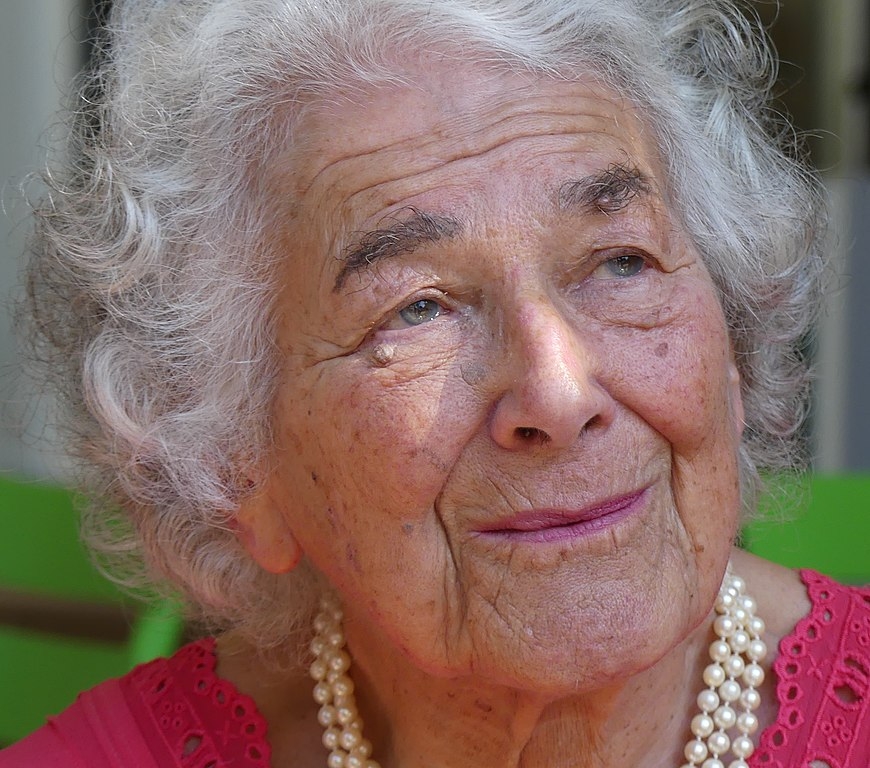
Judith Kerr (1923–2019) was a children’s author and illustrator, known especially for her books The Tiger Who Came to Tea (1968) and the Mog series (1970–2002), about a family cat named Mog. Kerr was born in Berlin, Germany, but her family emigrated to Britain when the Nazis came to power in the early 1930s. She wrote about her experience of leaving Germany as a young girl in her book When Hitler Stole Pink Rabbit (1971).
Kerr wanted to be an author from a young age, and began to write and illustrate her own picture books when she had children of her own. Her first book was The Tiger Who Came to Tea, a story about a girl and her mother who receive an unexpected visit from a tiger. For her Mog books, she based the character of Mog on her own tabby cat, who sat on her lap as she drew, and Mog’s home on her own house in north London.
Dick King-Smith
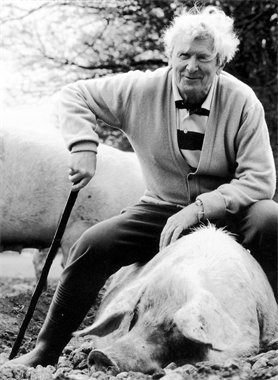
Ronald Gordon King-Smith, better known as Dick King-Smith (1922–2011), was an English children’s author. He wrote more than a hundred books, including The Sheep-Pig (1983), a story of a pig who learns how to be a sheepdog and herd sheep. King-Smith loved animals, and worked as a farmer in Gloucestershire, before becoming a children’s writer. His favourite animals on the farm were pigs, although his family also kept budgerigars and tortoises, dogs and cats.
Nearly all King-Smith's books feature the animals and pets he loved, and many are set on farms. His first book The Fox Busters (1978) was about a group of chickens who work together to defeat a fox. The Sophie series (1988–95) tells the story of an animal-loving girl who saves up her pocket money to buy a farm.
C. S. Lewis
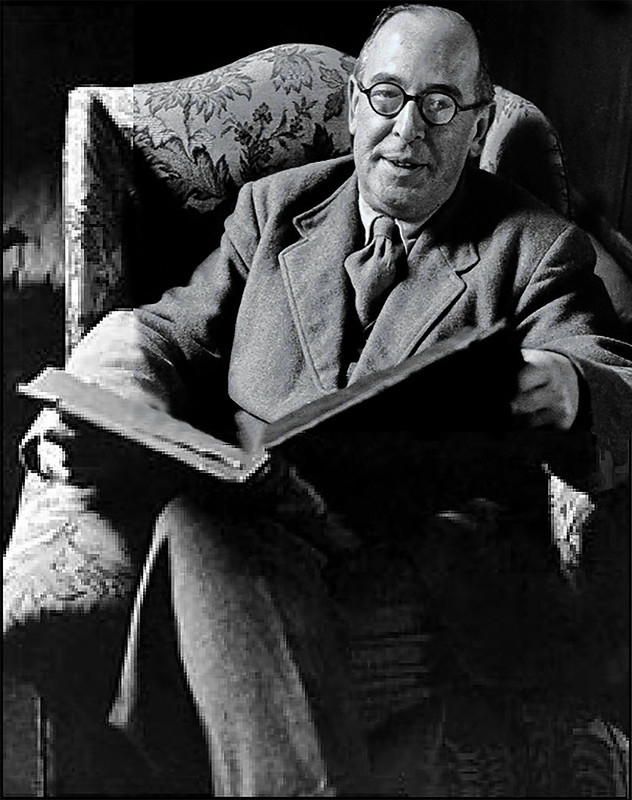
Clive Staples Lewis (1898–63) was a British author best known for writing The Chronicles of Narnia (1950–56), a series of fantasy novels. He invented a world called Narnia, home to mythical creatures and ruled over by Aslan the lion. The books follow the adventures of children who cross into Narnia from Earth.
In The Lion, The Witch and the Wardrobe (1950), four siblings find Narnia when they step into a wardrobe. Lewis wrote it during World War II, inspired by three evacuee children who came to stay with him during the war.
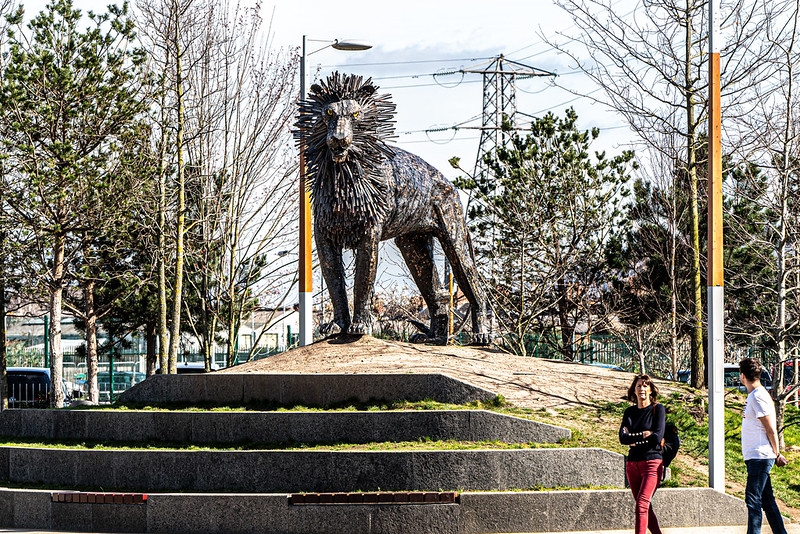
Lewis was born in Belfast, Northern Ireland. As a young man he studied at Oxford University, but his studies were interrupted when he signed up to fight in World War I and was wounded. When he returned to Oxford he became friends with the author J. R. R. Tolkien, author of The Lord of the Rings. Lewis wrote and spoke about the influence of his Christian faith on his work. His Chronicles of Narnia were his most successful books, selling millions of copies all over the world.
Astrid Lindgren
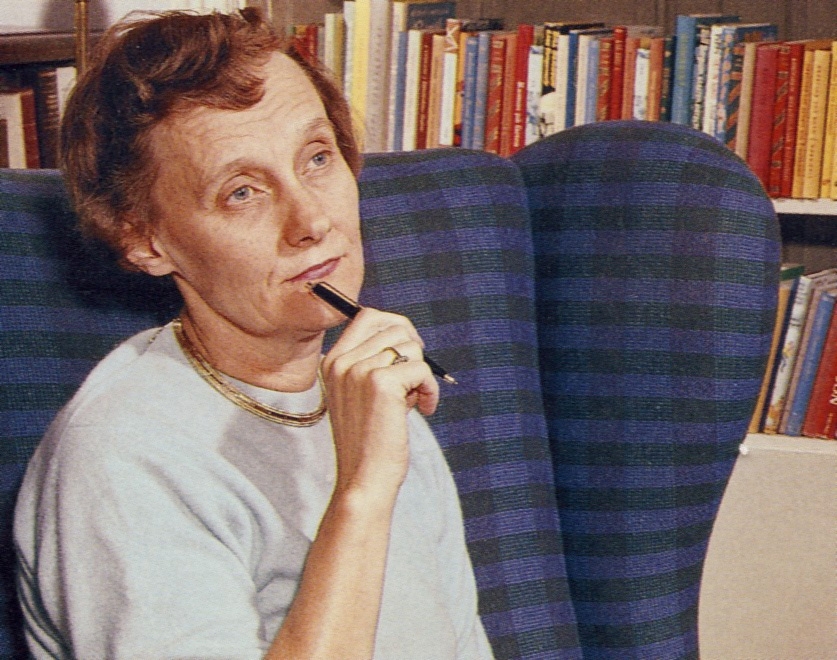
Astrid Lindgren (1907–2002) was a Swedish author, best known for her Pippi Longstocking series (1945–69). The books tell stories about Pippi, a nine-year-old girl who lives with her pet horse and monkey in a house called Villa Villekulla.
Lindgren grew up on a farm in Småland, southern Sweden. She first invented the Pippi Longstocking stories for her daughter in 1941. She wrote them down a few years later and submitted them to a competition, which she won. Her books have since become so popular they have been translated into 107 languages, making her one of the most translated children’s authors in the world.
As well as being a writer, Lindgren was an activist who campaigned for the rights of women and children. She helped to introduce a law in Sweden in 1979 making violence towards children illegal.

A. A. Milne
Alan Alexander Milne (1882–1956) was an English author, most famous for writing stories and poems about Winnie-the-Pooh, a toy bear. Milne began his career as a playwright, but when his son, Christopher Robin, was born in 1920 he began to write nursery rhymes and children’s stories about him and the toys he played with: Winnie-the-Pooh, Tigger, Eeyore and Kanga. Two more characters, Owl and Rabbit, were created by Milne. He based the story’s setting, Hundred-Acre Wood, on the woods near his own home.
Winnie-the-Pooh was published in 1926, illustrated by E. H. Shepard, and was followed by The House At Pooh Corner two years later. They were very successful, and quickly brought Milne and his family a lot of attention. Milne stopped writing Pooh stories soon afterwards, dismayed by the effect that the fame had on his son. The books and their characters have been extremely popular all over the world.

L.M Montgomery
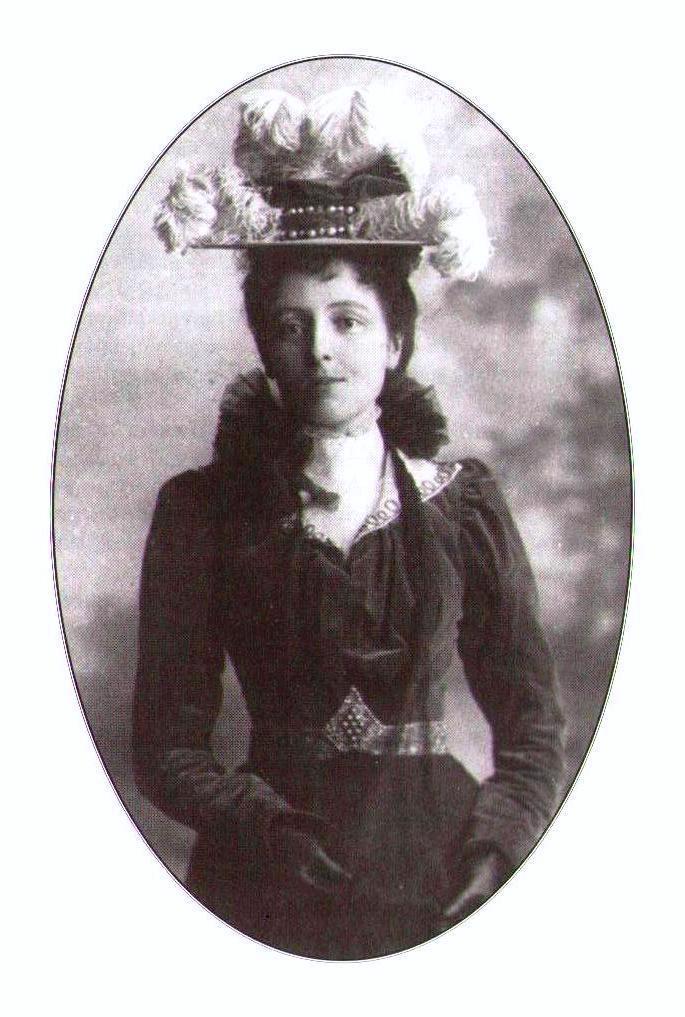
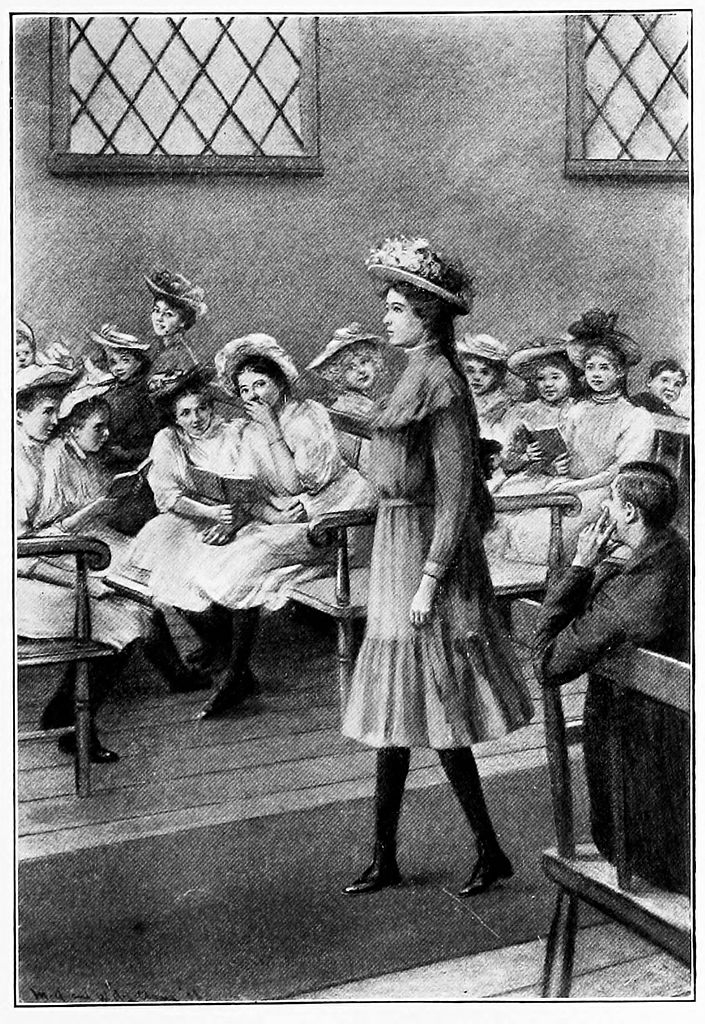
Canadian author Lucy Maud Montgomery (1874–1942) is best known for writing Anne of Green Gables (1908). In the book, an orphaned girl named Anne arrives to help work on a family farm, run by middle-aged brother and sister Matthew and Marilla Cuthbert—who had actually wanted to adopt a boy to help them. The story follows Anne's adventures in her new life.
The book is set on Prince Edward Island, a small island off the east coast of Canada where Montgomery herself was born and spent most of her life. The book was an instant success. Montgomery went on to write five more novels about Anne, but the first remained the most popular, selling more than 50 million copies.
Michael Morpurgo
Sir Michael Morpurgo (born Michael Bridge, 1943) is an English children’s author, known for books such as War Horse (1982), Why The Whales Came (1985) and The Butterfly Lion (1996). He was born in St Albans, England. While working as a teacher, he realised that he wanted to write for children. Morpurgo’s books are often about the relationships between children and animals, and many explore difficult themes such as war. War Horse explores the experiences of World War I through the story of a horse named Joey. The multi-award-winning Private Peaceful (2003) follows two brothers fighting in the trenches of World War I and deals with the senselessness of war. Why The Whales Came was inspired by the Cornish landscape Morpurgo has loved all his life.
In 1976 Morpurgo and his wife set up a charity helping children who live in cities to experience life in the countryside by staying on a farm. Today, it has helped more than 80,000 children to take a break from the city and experience nature.


Beatrix Potter
Beatrix Potter (1866–1943) was an English writer, illustrator and natural scientist. Her children’s stories about animals, such as The Tale of Peter Rabbit (1902) and The Tale of Jemima Puddle-Duck (1908), have been classics for more than a hundred years.
As a child growing up in the Lake District, Potter loved to draw and paint animals and plants. Later, she worked as a scientific illustrator, making many detailed studies of plants, especially fungi. Potter liked to send “picture letters”—illustrated stories in letters—to entertain her friend’s children. The Tale of Peter Rabbit began as a letter to her friend’s young son. When the story was published as a book in 1902 it was an immediate success. She went on to write the rest of the 23 children's tales she is best known for today.

Potter’s most popular stories were those about rabbits. Some of them featured her pet rabbits Benjamin and Peter. In 1905, Potter bought a farm in the Lake District and kept sheep. Over the following decades, she purchased 14 more farms in the surrounding area to help preserve the countryside.
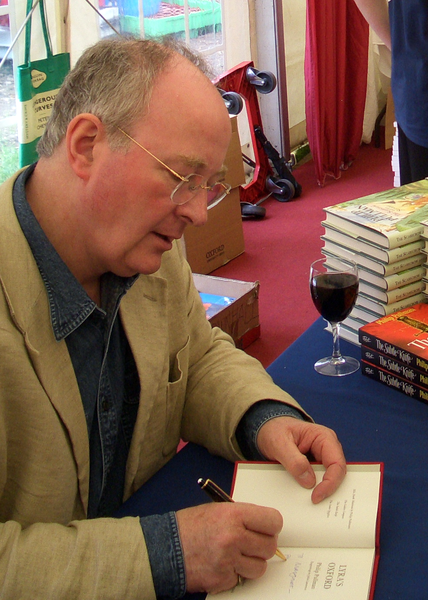
Philip Pullman
Sir Philip Pullman (born 1946) is an English author, best known for his trilogy of fantasy novels, His Dark Materials. The first book, Northern Lights (1995), tells the story of Lyra, a girl who journeys to the Arctic to find her missing friend. In The Subtle Knife (1997) Lyra continues her adventures with a new companion, Will, and in the final book The Amber Spyglass (2000), they discover new universes together. The books have been translated into 40 languages, and sold more than 17 million copies.
Pullman began writing for children when he was working as a teacher, and has since written nearly 20 books. He lives near Oxford, which features as the setting for His Dark Materials.
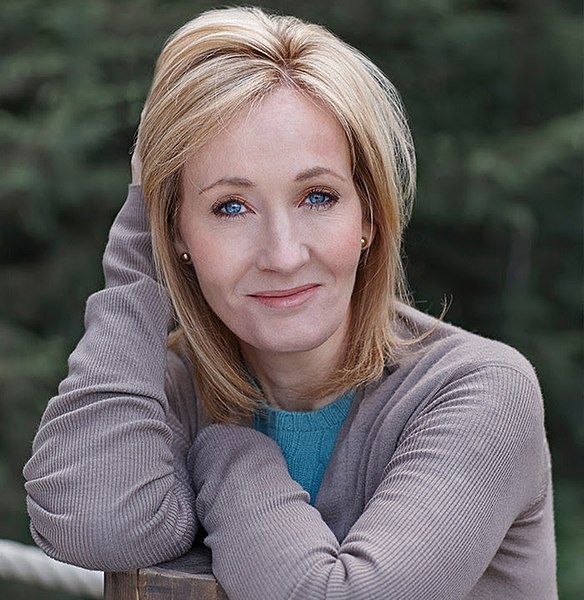
J.K Rowling
English writer Joanne Rowling (pronounced "rolling", born 1965) is famous worldwide as the author of the seven Harry Potter books (1997–2007). They tell the stories of a young wizard named Harry and his friends Hermione Granger and Ron Weasley, and of their schooldays at Hogwarts School of Witchcraft and Wizardry. As he grows older, Harry learns that he must defeat his enemy Lord Voldemort, the leader of a group of evil wizards and witches dedicated to ridding the wizarding world of Muggles (non-magical people) and making him its ruler.
Rowling wrote the first book, Harry Potter and the Philosopher’s Stone (1997), in cafe in Edinburgh. It was rejected 12 times by publishers before it was finally accepted. The books were adapted into a series of extremely popular films between 2001 and 2011. Together, the Harry Potter books have sold over 500 million copies worldwide, making them the best selling book series in history. Their success has made J. K. Rowling one of the world’s most famous living authors.
Antoine de
Saint-Exupéry
Antoine de Saint-Exupéry (1900–44) was the French author of The Little Prince (Le Petit Prince, 1943). In the book, a pilot crashes in the desert and meets a little prince, who tells him about his travels on different planets. Since it was first published the book has sold over 140 million copies. Before he wrote The Little Prince, Saint-Exupéry was a famous pilot. He himself crashed his plane in the desert and was stranded for several days, an event that occurs at the beginning of the book. He wrote about this experience in Wind, Sand and Stars (Terre des hommes, 1939). Saint-Exupéry always took a notebook with him when he flew, and sometimes scribbled down ideas while he was in mid-air. In 1944, he disappeared while flying on a mission over the Mediterranean Sea.

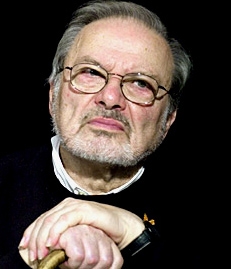
Maurice Sendak
American author and illustrator Maurice Sendak (1928–2012) is best known for his popular children’s book, Where The Wild Things Are (1963). It tells the story of Max, a little boy dressed in a wolf costume who escapes to an imaginary world of wild, monstrous creatures. Max roams around with them and becomes their king, before returning to the reality of his bedroom. Sendak based his drawings of the monsters in Where The Wild Things Are on the uncles and aunts he remembered visiting him as a boy. More than 50 years after it was first published, the book is still a bestseller.
Sendak grew up in New York, the youngest of three children born to Polish Jewish immigrants. He began his career as an illustrator, but soon turned to writing and illustrating his own picture books. He illustrated more than a hundred books during his lifetime, and wrote 20 more of his own, including Outside Over There (1981), a story about girl named Ida, who must rescue her baby sister after she was stolen by goblins.
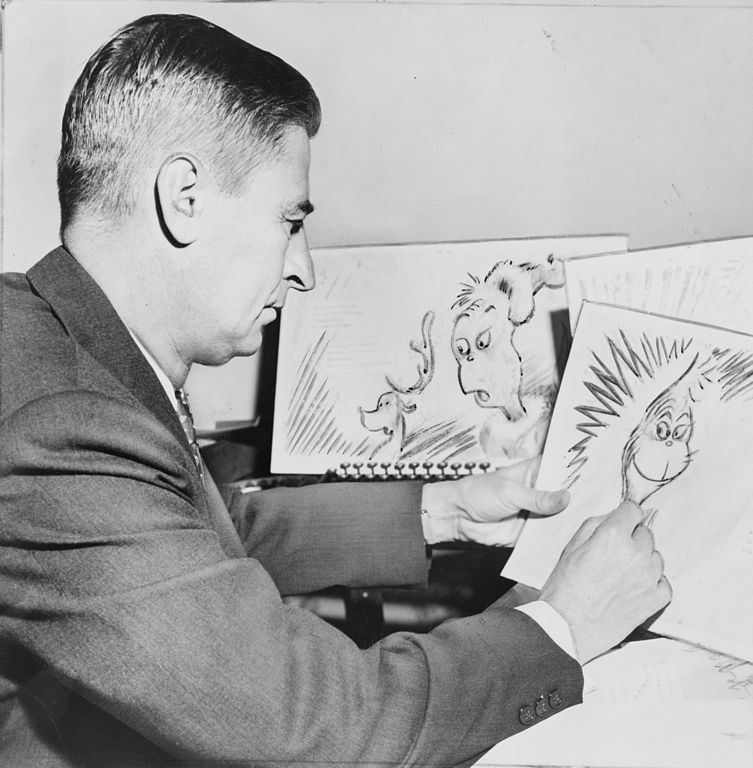
Dr. Seuss
Theodor Seuss Geisel (1904–91) was an American children’s writer, illustrator and filmmaker. He wrote and illustrated more than 40 books for children under the pen name Dr. Seuss. Geisel began his career drawing cartoons for newspapers. During World War II, he worked as a filmmaker, and when he returned, he began writing children’s books. His first major success was The Cat In The Hat (1957), a story about a cat who visits children in their home and creates chaos. He was asked to write it using a list of words set by his publisher, to help children learn to read. Written in a playful, rhyming style, it quickly became a bestseller.
Another hugely popular Dr. Seuss book, Green Eggs and Ham (1960), uses just 50 words to tell the story of Sam-I-Am and a dish of “green eggs and ham”. It is one of the bestselling children’s books of all time.
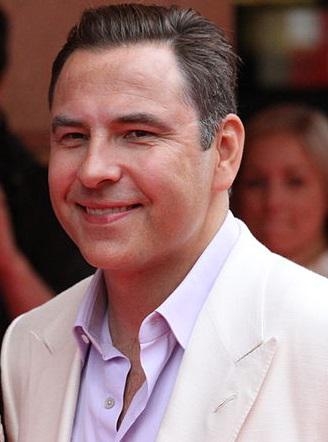
David Walliams
David Walliams (born David Williams, 1971) is an English writer, actor and comedian. His first children's novel, The Boy in the Dress (2008), is about a boy who likes to dress in girls’ clothes. His popular fourth book, Gangsta Granny (2011), tells the story of Ben and his grandmother, who plot to steal the Crown Jewels together. Walliams' books often explore the themes of friendship and family relationships in a light-hearted way. Grandpa’s Great Escape (2015) features a boy trying to rescue his grandfather from a care home.
Walliams is well known for doing long sponsored swims in aid of charity. They include English Channel (2006), the Strait of Gibraltar (2008) and the length of the River Thames (2011).

Jacqueline Wilson
Dame Jacqueline Wilson (born 1945) is an English children’s author. Wilson is known for writing about difficult family relationships, and her books often feature children whose parents are divorced or raising a family alone. In her novel Double Act (1995), a pair of twins adjust to life with their new step-mum Rose, while the sisters in The Illustrated Mum (1999) struggle with their mum’s mental illness.
Wilson’s first major success was with The Story of Tracy Beaker (1991), a book about a girl and her friends growing up in care. It was adapted for television in a popular series in 2002. She wrote three sequels: The Dare Game, Starring Tracy Beaker and Tracy Beaker's Thumping Heart.

Wilson grew up in Kingston-on-Thames. She wanted to be a writer from an early age, and her first job was working on a teenage magazine. Before she began writing the children’s books she is known for today, Wilson wrote crime novels for adults. She was the UK Children’s Laureate (national children’s writer) in 2005–07.
Diana Wynne Jones
Diana Wynne Jones (1934–2011) was a British author of fantasy and science fiction. She wrote books for children and young adults including Howl’s Moving Castle (1986) and the Chrestomanci series (1977–2006). Howl’s Moving Castle is about a young woman who begins working for a wizard called Howl and enters into his magical world. The seven books of the Chrestomanci series tell stories about people using magic and travelling between a group of parallel worlds called the Related Worlds.
Wynne Jones was born in London. During World War II she was evacuated to Wales as a five-year-old. She studied English literature at Oxford University, where she attended lectures given by J. R. R. Tolkien. She won many awards for her writing.

Consultant: Philip Wilkinson
pics



Without in any way limiting Q-files Ltd’s exclusive rights under copyright, any use of this publication to “train” generative artificial intelligence (AI) technologies to generate text is expressly prohibited. Q-files Ltd reserves all rights to license use of this work for generative AI training and development of machine learning language models.