
Slavery

CITE
We have made every effort to follow citation style rules, but there may be some minor differences. If in doubt, please refer to the appropriate citation style manual.
Slavery in the Caribbean. (2023). In Q-files Encyclopedia, History, Slavery. Retrieved from
https://www.q-files.com/history/slavery/slavery-in-the-caribbean
"Slavery in the Caribbean." History, Slavery, Q-files Encyclopedia, 17 Oct. 2023.
https://www.q-files.com/history/slavery/slavery-in-the-caribbean.
Accessed 30 Oct. 2026.
Slavery in the Caribbean 2023. History, Slavery. Retrieved 30 October 2026, from
https://www.q-files.com/history/slavery/slavery-in-the-caribbean
History, Slavery, s.v. "Slavery in the Caribbean," accessed October 30, 2026.
https://www.q-files.com/history/slavery/slavery-in-the-caribbean


Slavery in the Caribbean
Shortly after the arrival of Christopher Columbus on the shores of Caribbean islands in 1492, the Spanish began colonizing them. They set up plantations growing tobacco—later switching to sugar cane—on a number of islands, and forced the native population work as farm labourers. They were soon replaced by enslaved Africans brought across the Atlantic Ocean. This was the beginning of the Atlantic slave trade. During the 17th century France, the Netherlands and England also began setting up colonies on the Caribbean islands. The slave trade lasted until the mid-19th century. Slavery itself was abolished during the course of that century, but the Caribbean islands remained under European rule, most with the majority of their populations of African ancestry—as they are today.


Spanish enslavers
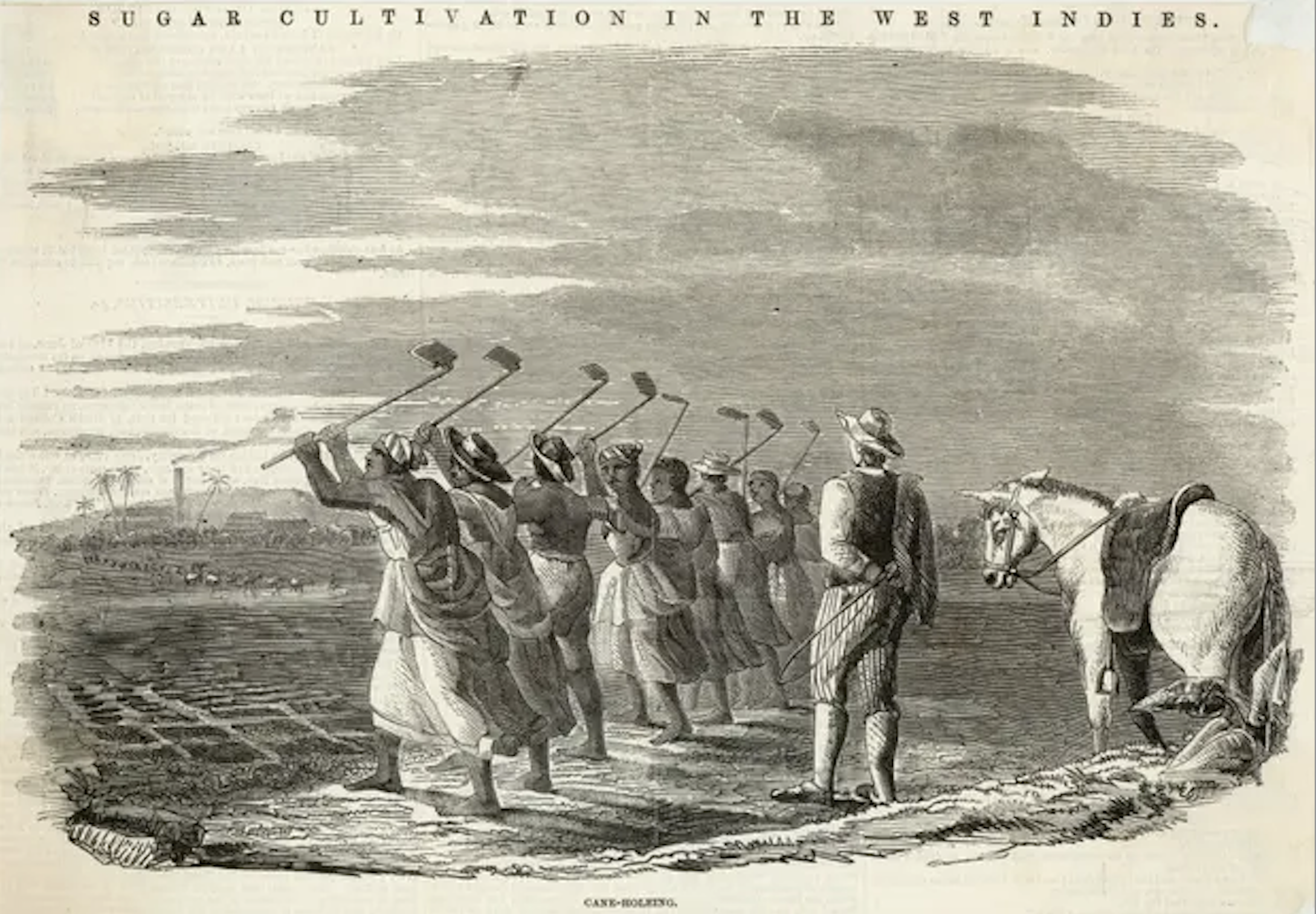
The Spanish were the first Europeans to bring African slaves to the Caribbean. Columbus claimed the islands he discovered, including Cuba, Hispaniola and Puerto Rico, for the Spanish crown, and colonists wasted little time in setting up gold mines and crop plantations in the new lands. They soon discovered that sugar cane in particular grew well in the hot, humid climate of the Caribbean. Sugar was increasingly popular in Europe, as it could be used to sweeten the new drinks that were also arriving from overseas: coffee, tea and cocoa.
The Spanish colonists forced the native populations of the Caribbean islands to work as slave labourers on their new plantations. But because so many of them died, either from ill-treatment or from epidemics (many perished from European diseases brought by the colonists to which they had no natural immunity), there was soon a labour shortage. So captives were brought in from Africa to work as slaves on the plantations. The first African slaves arrived in Hispaniola in 1501.
Fair treatment of the native population of the New World, the Amerindians (or Indios as they were known to the Spanish), had become a key issue for the Spanish crown. Following calls for reform from people such as the Dominican friar Bartolomé de Las Casas, Emperor Charles V decided to abolish the enslavement of indigenous people by decree in his Leyes Nuevas (New Laws) of November 1542.
But sugar cane production based on slave labour was a highly profitable business, so the colonists switched to importing enslaved Africans—who were not protected by the Leyes Nuevas—instead.

The Spanish hired traders from Portugal or Genoa (later the Netherlands, France and Britain) to supply the African slaves they required. These traders were obliged to pay the Spanish crown for the right to do so. This monopoly contract was known as the Asiento de Negros (meaning "the contract of blacks").

In 1789 the Spanish crown led an effort to reform slavery, as the demand for slave labour in Cuba and Puerto Rico continued to grow. The crown issued a decree called El Código Negro (The Black Code). Amongst other reforms, it restricted the number of work hours, limited punishments, forbade the sale of young children away from their mothers and set out the terms under which slaves could buy their freedom. But slave owners often flouted the laws.
English enslavers
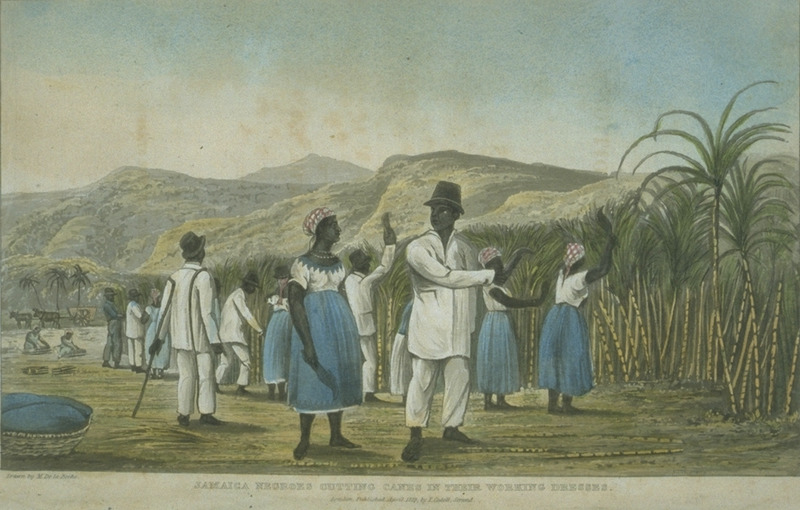
For the English, it was the islands of the Caribbean Sea, rather than the colonies they established along the Atlantic coast of North America, that proved to be their most profitable colonies during the 17th century, the period in which they began to seek overseas possessions. The first successful Caribbean island settlements established by the English were on St Kitts (1624), Barbados (1627), Nevis (1628) and Antigua (1632). The Bahamas were acquired in 1649 and Jamaica was captured from the Spanish in 1655.
English settlers founded plantations of sugar cane and tobacco on their island colonies. As in the Spanish and Portuguese colonies of South America, they relied on slave labour to work the plantations. The Royal African Company was set up in 1672 (it was originally established in 1660 as the Company of Royal Adventurers Trading to Africa) to organize the capture and shipping of African slaves both to the Caribbean islands and to England's North American colonies.


Barbados
In the early years of English settlement on Barbados following its acquisition of the island in 1627 the majority of the labour was provided by indentured servants (people contracted to work without salary for a specific number of years). These were mainly people from the British Isles.
But with the introduction of sugar cane in the 1640s and the establishment of plantations, this source of labour soon proved insufficient. To the English planters, African enslaved labour was necessary for them to be able to profit from the growing market for sugar in Europe.

In 1644, the population of Barbados was about 30,000, of which only about 800 were of African descent. By 1660, there were 27,000 black Africans and 26,000 white Europeans. By 1700, there were 15,000 white Europeans and 50,000 enslaved Africans.
Atlantic slave trade
West Africa (part of which became known as the "Slave Coast"), Angola and later Central Africa, were the principal sources of enslaved people to meet the demand for labour in the Americas. Although other European countries, including France and the Netherlands, also took part, England—later, Britain—became the leading slave trading nation. Until the abolition of the slave trade in 1807, it was responsible for the transportation of around 2.5 million Africans to the Americas—about 40% of all slaves shipped across the Atlantic.
The Atlantic slave trade was called the “triangular trade” because it was made up of three stages. Ships sailed to West Africa from Europe loaded with goods to exchange for slaves—cloth, guns and alcohol, for example. Captives were then transported across the Atlantic, along a route that became known as the Middle Passage. In the Caribbean islands the captives were sold and the money used to buy cotton, sugar, rum and tobacco, which were then shipped back to Europe.


After arriving in the Caribbean, the slaves were sold at auctions called scrambles. The price in 1700 was about £20 a slave. Often parents were separated from children, and husbands from wives. Many slaves were then sent to "seasoning camps" where they were trained to obey their new masters, often using brutal methods. It is thought up to a half of all slaves sent to these camps died there, mostly from diseases such as dysentery.

French enslavers
By the 1770s, France was transporting approximately 11,000 enslaved Africans per year to the French West Indies, including the islands of Martinique and Guadeloupe and their largest Caribbean colony, Saint-Domingue (now Haiti).
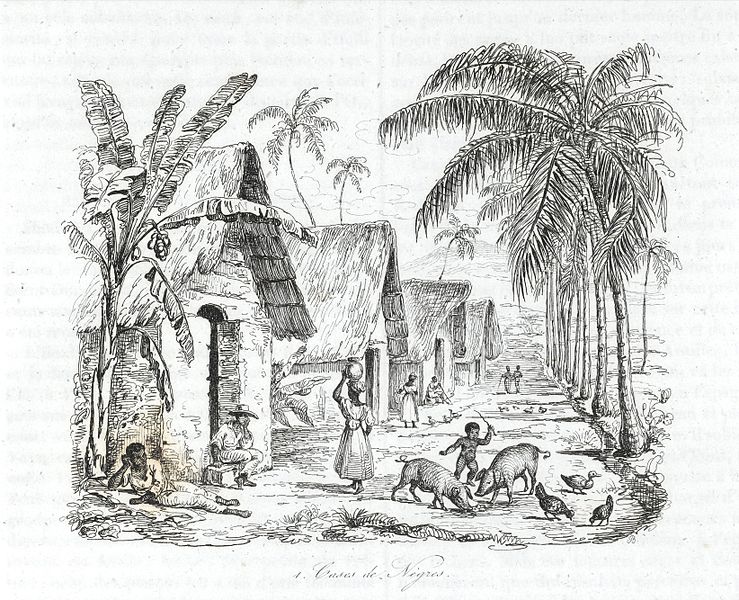

Following the Treaty of Ryswick of 1697, the island of Hispaniola had been divided between France (who had arrived on the island in 1625) and Spain, the original colonizers. France took the western third and named it Saint-Domingue. Turning the land over to coffee and sugar cane plantations, the French imported thousands of slaves from Africa. Saint-Domingue became one of the most brutal slave colonies in the whole Caribbean. The death rate from yellow fever was so high that at least 50% of the slaves from Africa died within a year of arriving. In response, the planters worked their slaves as hard as possible, providing them only the bare minimum of food and shelter. Their brutal calculation was that the enslaved Africans would soon die anyway of disease.
Haitian Revolution
By the 1780s, the enslaved African population of Saint-Domingue reached around 600,000 people, compared with around 40,000 white colonists and 28,000 gens de couleur—mixed race descendants of white male colonists and black female slaves, known as French Creoles, who had been released from slavery.
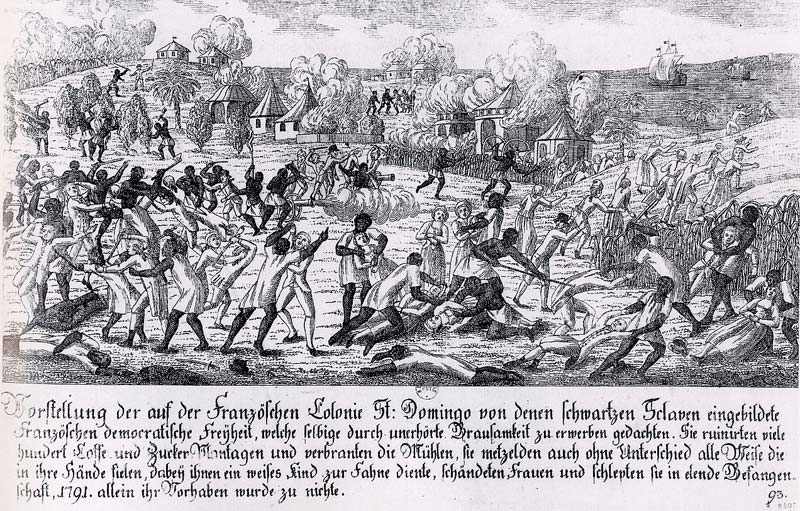
The brutal conditions under which Saint-Domingue's enslaved black people were forced to live and work pushed them to the limit. In August 1791, two years after Revolution had broken out in France, a slave uprising led by Toussaint Louverture, a soldier and a freed former slave, a broke out. Within weeks, the number of slaves who joined the revolt in the north of the colony reached 100,000. As the violence escalated, the slaves killed 4000 whites and burned or destroyed hundreds of plantations. In September 1791, the surviving whites struck back, killing about 15,000 black rebels.
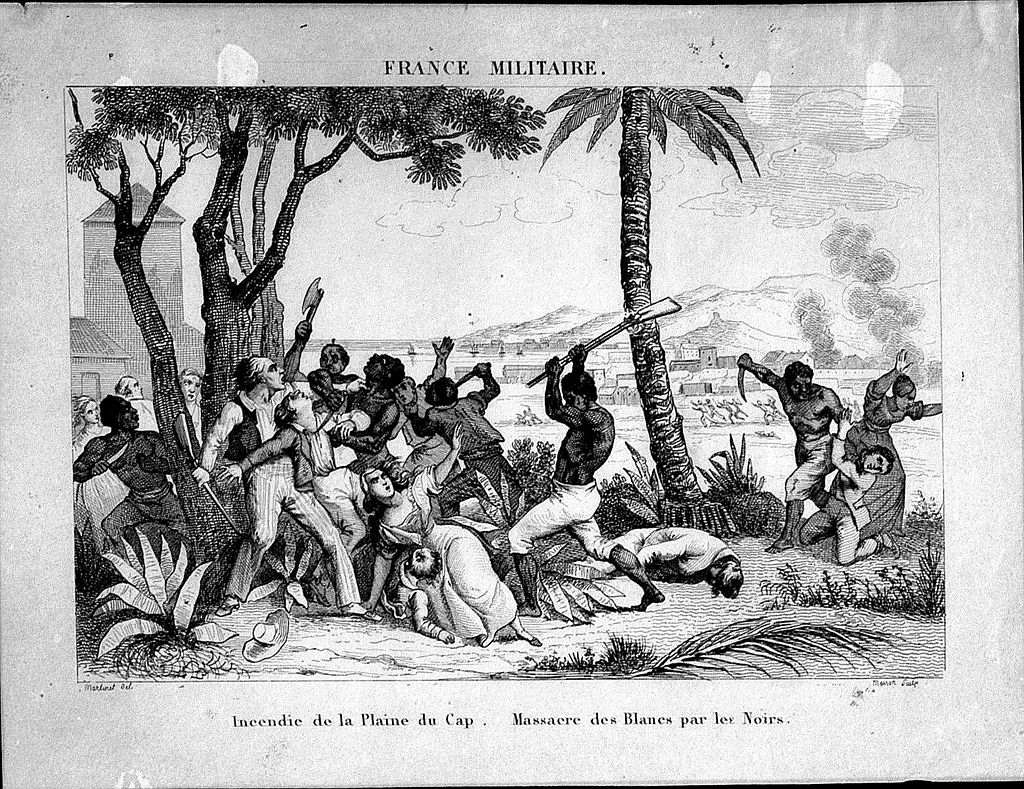
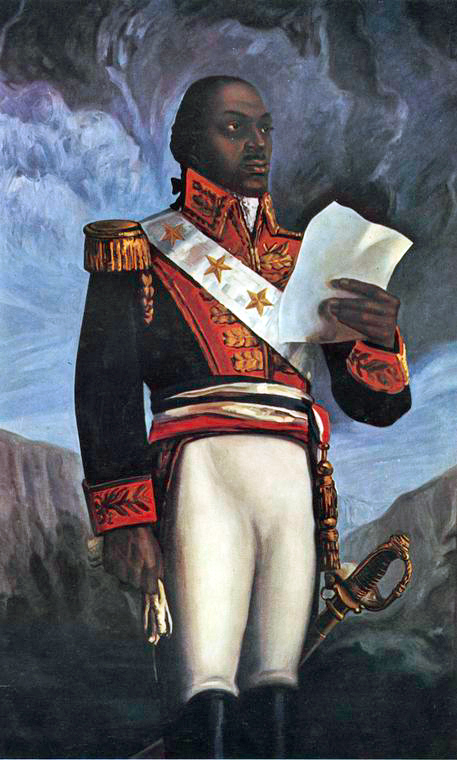
Determined to stop the rebellion, the French Assembly sent troops. The British—who went to war with France in 1793—and Spanish, who controlled the rest of the island of Hispaniola, joined the conflict against France. They supplied the rebels with food, arms and military advisors. To prevent disaster and secure the colony for France, Saint-Domingue's governors proclaimed the abolition of slavery. This was confirmed by the French government on 4th February 1794.
But the French slave-owners on the island, fearing the collapse of their plantations, threatened to hand over the colony to the British (slavery was still allowed in the British Empire). The British saw an opportunity to take control of Saint-Domingue and sent 30,000 troops of their own, but their numbers were decimated by yellow fever. Toussaint Louverture's forces successfully expelled the Spanish in 1794 before forcing the British to withdraw in 1798.
After Louverture took control of Saint-Domingue in 1801, Napoleon Bonaparte, who had become First Consul of France in 1799, decided to restore French rule and re-establish slavery. In 1802 Napoleon sent 30,000 troops to Saint-Domingue. A rebel army, made up of both ex-slaves and gens de couleur led by Jean-Jacques Dessalines and Henri Christophe, fought against the French invasion force—which soon became severely depleted by deaths from yellow fever.

After a bloody war, during which Christophe, Louverture and Dessalines all surrendered to the French, and Polish troops switched sides to support the rebels, the rebel forces finally defeated the French army at the Battle of Vertières in November 1803. On 1st January 1804, Dessalines became the leader of the new free republic of Haiti, the world’s first (and only) state to arise from a successful slave rebellion.

Dutch enslavers
Operating from their trading posts along the Slave Coast (present-day Ghana, Benin, Togo and Nigeria), between 1621 and 1872 the Dutch West India Company shipped many thousands of enslaved Africans across the Atlantic Ocean to Dutch colonies in the Americas. These included the coastal region between the Orinoco and Amazon rivers in South America, known as Guiana. The part actually settled and controlled by the Netherlands after territory was lost to Portugal, Britain and France became known as Surinam or Dutch Guiana. The Dutch also colonized various Caribbean islands, including Sint Maarten, Bonaire and Curaçao, and controlled a sizeable portion of northern Brazil between 1630 and 1654, after which it was taken over by Portugal.
The planters of Surinam—along with the other Dutch colonies in the Guianas before they were taken over by the British (Berbice, Essequibo, Demerara and Pomeroon)—grew coffee, cocoa, sugar cane and cotton in plantations along the territory's rivers. For labour, they relied heavily on African slaves. The Netherlands abolished slavery in Surinam in 1863, under a gradual process that required slaves to work on for a further 10 years but with pay.

Life as a slave


Plantation owners sought to strip enslaved African people of their identities and cultures from the day they arrived in the Americas. They were given new names to replace their African ones and forced to speak the language of their owners. This process was known as "seasoning" and often lasted between one and three years.
The slaves faced extremely harsh working conditions, working for up to 18 hours a day, often in searing temperatures. Overseers were quick to use the whip on anyone they deemed to be slacking. Any act seen as defiance or resistance was brutally punished. Despite the powerful forces ranged against them, enslaved people found ways to resist their harsh treatment. Many would deliberately work slowly or damage their tools. Some would attempt to run away, risking severe punishment if caught.
The death rate on the plantations was high, a result of overwork, poor nutrition and work conditions, brutality and disease. But rather than improving conditions for their existing slaves, many plantation owners preferred to import new slaves to replace those who died—the cheaper option. In 1798 the British Parliament passed the Amelioration Act. This meant that enslaved people in the Caribbean colonies could be forced to work for a maximum of 14 hours a day. Owners who mistreated them faced fines. In reality, the Act did little to protect the rights of enslaved populations.


Despite the hardship, communities of enslaved people grew up, with many marrying and bringing up families. On Sundays they would work on their own small plots of land, known as "provision grounds", which often lay at some distance from their villages. The soil was stony and of poor quality. Here they would grow sweet potatoes, yams and plantains, and raise chickens or pigs. They sold any surplus produce along with crafts such as pottery at markets. The money they earned could be saved up, eventually enabling them to buy their freedom.

Maroons
Enslaved people who escaped from their owners formed were known (by Europeans) as "maroons". Having got away from the plantations, they lived a life of freedom, often in mountainous regions. Across the Caribbean, in Surinam, Puerto Rico, Cuba and Jamaica, maroons formed communities and grew their own crops. They often raided the plantations where they were once slaves, burning crops, stealing livestock and tools, killing their former slave masters and encouraging the slaves they released to join their communities.
In the 1730s, the maroons of Jamaica, a mixture of indigenous islanders and runaway enslaved people, took part in a guerrilla war against British forces. The First Maroon War ended with a peace treaty in 1739, in which the maroons were given land in return for a promise not to accept any further runaways.

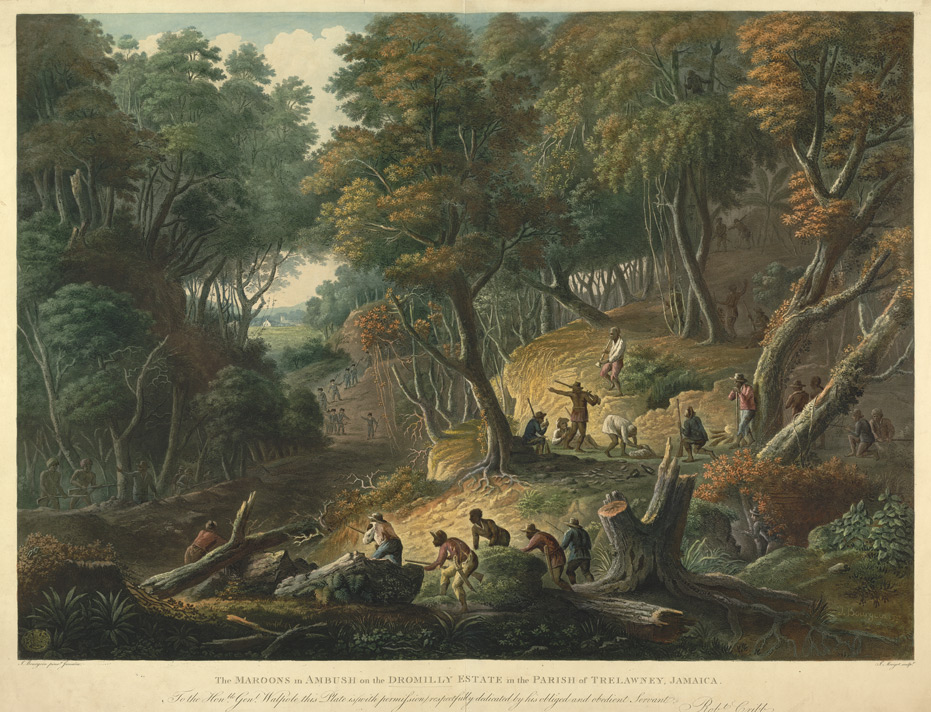
A second short war broke out in 1795 following an uprising by the maroons of Trelawny, who fought a guerrilla campaign against the British army in the mountains and forests of Jamaica. After eventually surrendering, most of the Trelawny maroons were deported to another British colony: Nova Scotia in Canada.
Slave rebellions
Following the 1807 Abolition of the Slave Trade Act, many enslaved people in the British West Indies believed they would be granted their freedom. The act did make it illegal to buy and sell people but it did not grant freedom for those already enslaved. This disappointment combined with the success of the Haiti's independence in 1804 caused enslaved people to rise up against their masters with greater urgency in the first decades of the 19th century.

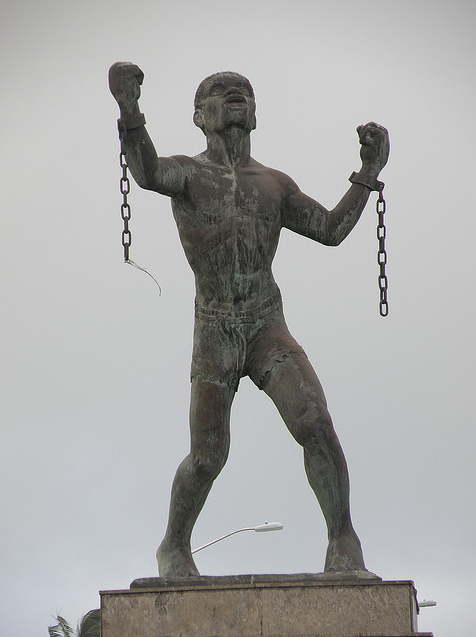
In 1815, a rumour spread among the enslaved population of Barbados that, following discussions in the British Parliament, they would shortly be emancipated (granted their freedom). When this failed to happen, they rebelled. A man named Bussa led 400 rebels into battle at Bailey's Plantation on 16th April 1816, but they were soon overcome by the superior firepower of the colonial militia. Bussa was killed in battle, 144 were executed afterwards and 132 sent to other islands, in order to prevent another rebellion breaking out on Barbados.
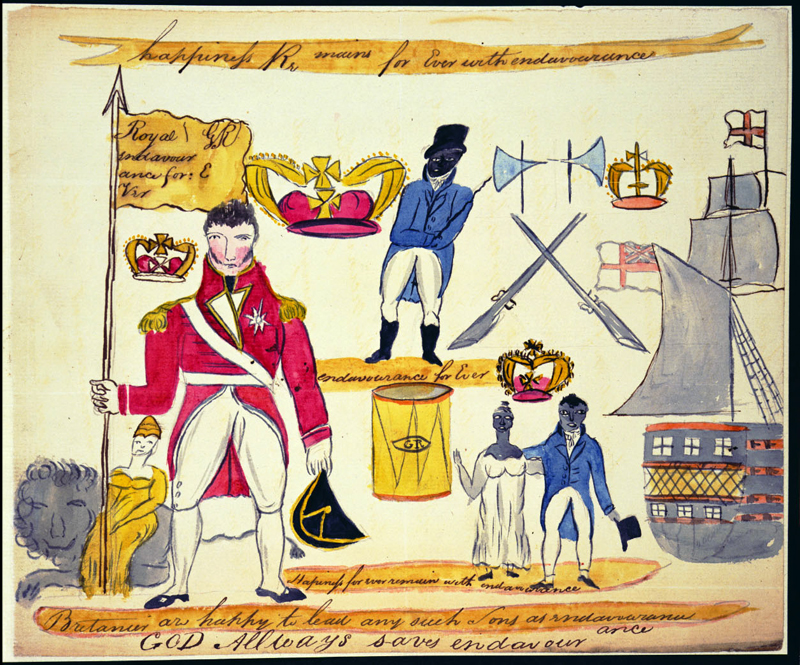
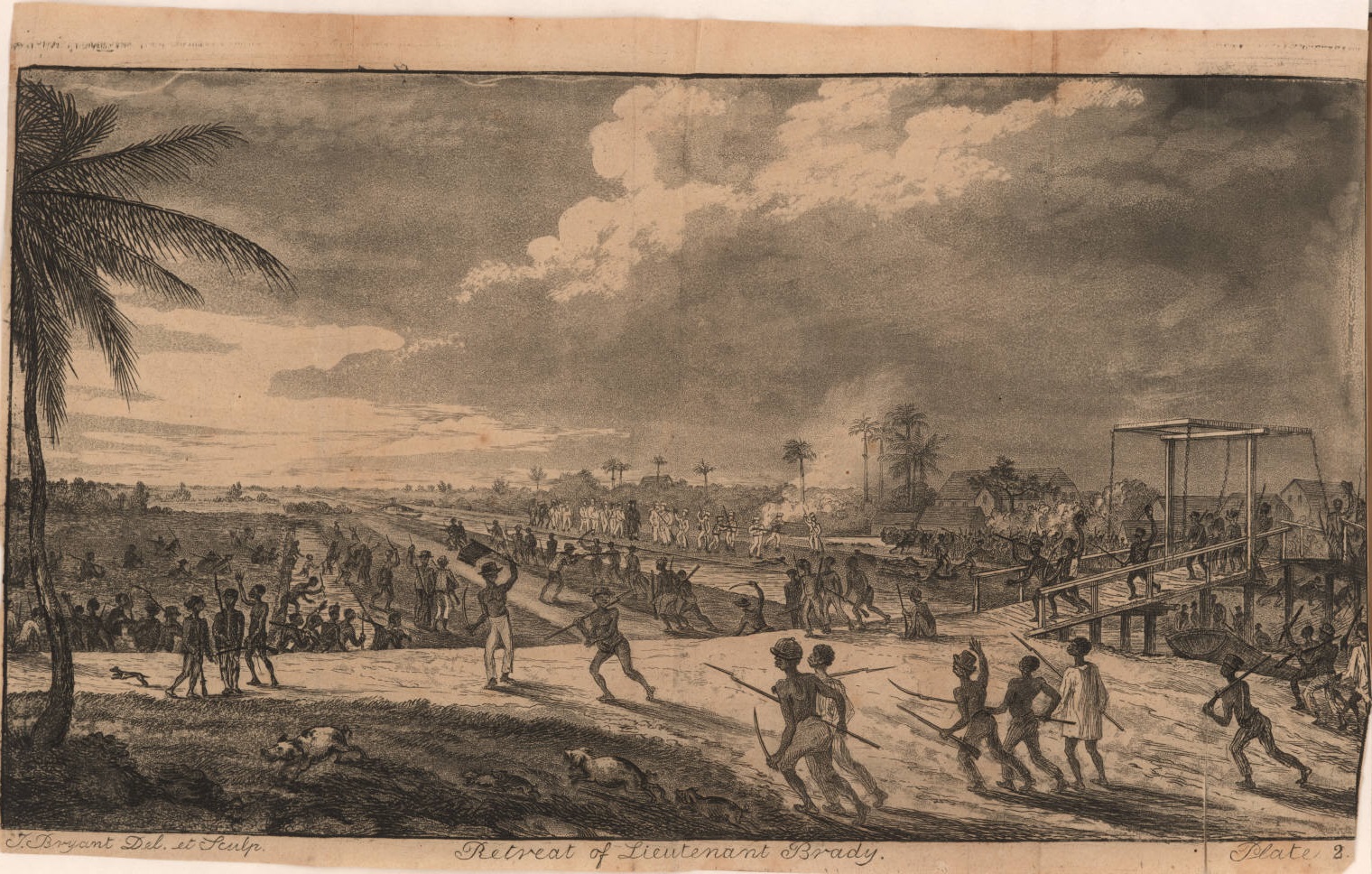
The Demerara rebellion of 1823 was an uprising involving more than 13,000 enslaved people that took place in the colony of Demerara-Essequibo (in presert-day Guyana). Conditions were brutal on the sugar plantations, among the most profitable in the world. In the belief that the British Parliament had passed a law for emancipation but that it was being withheld by the colonial rulers, the slaves rose up in anger on 18th August 1823. They were led by Jack Gladstone, a slave at the Success Plantation forced to take the name of his owner John Gladstone, along with other members of a church group and its white English pastor, John Smith.
The rebels' goal was a peaceful one—to secure better conditions—and few of the white planters were harmed. But after just two days, the rebellion was brutally crushed by British soldiers under the command of Lt Col John Leahy. More than 250 slaves were killed while a further 22 were executed afterwards, their heads or bodies put on public display as a warning to survivors. Sentenced to death, Smith died in prison, a martyr for the abolitionist cause.

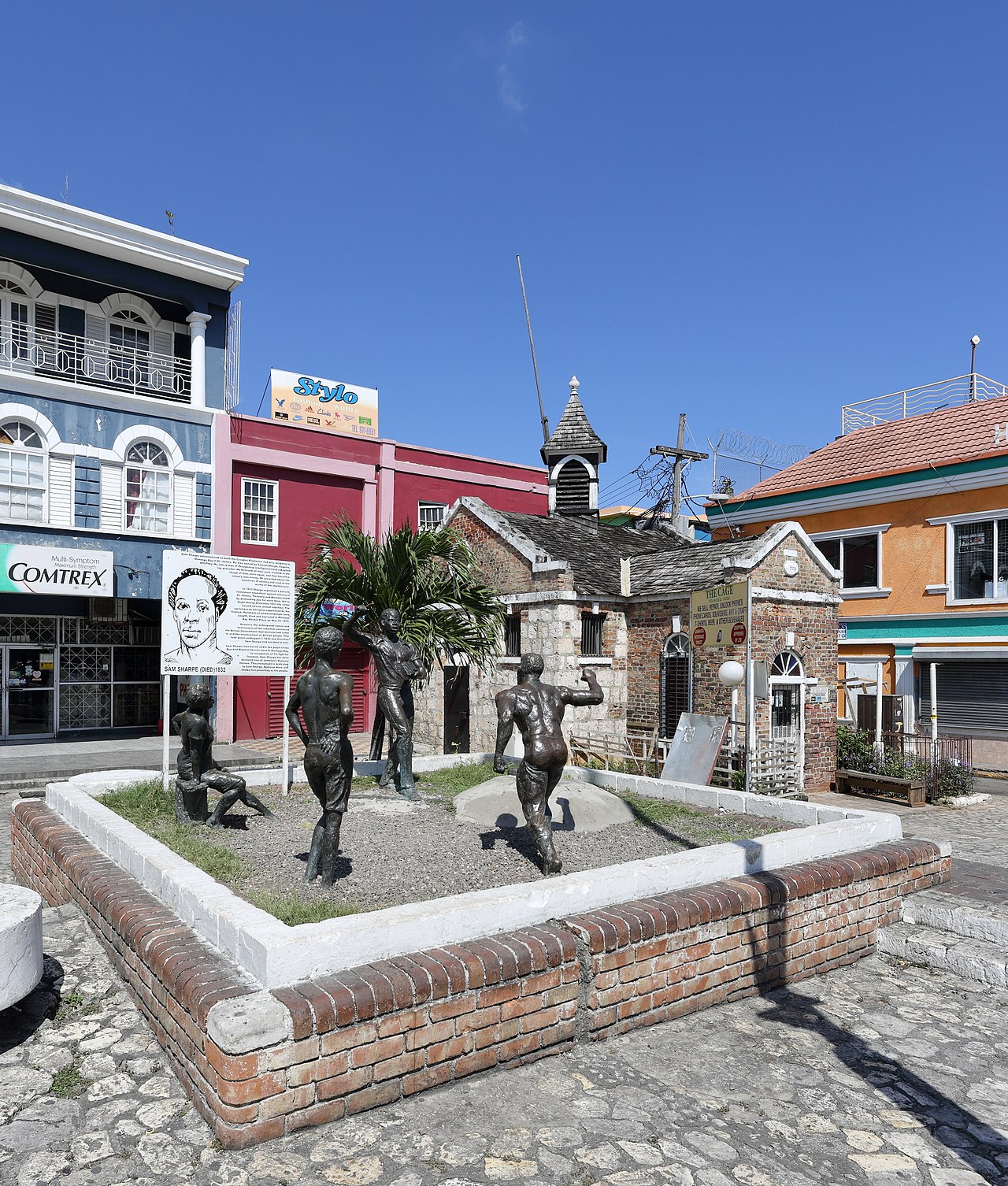
In Jamaica, discontent among slaves rose after the governor announced in 1831 that the longed-for emancipation would not be granted. Led by Baptist preacher Sam Sharpe, enslaved black workers decided to call a peaceful general strike, resolving to stay away from work until their demands—more freedom and a working wage—were met by the plantation owners. As many as 60,000 of Jamaica's 300,000 slaves joined the rebellion, making it the largest slave uprising in the British West Indies. It was known as the Baptist War, or Christmas Rebellion.
Violence broke out on 27th December 1831, when slaves set fire to Kensington Estate in the hills above Montego Bay. With the help of the Jamaican maroons, the rebellion was suppressed by British Forces over a period of 11 days. The reaction of the colonial authorities was brutal: around 500 slaves were killed during the revolt. Sam Sharpe was publicly executed, along with 138 others. White missionaries suspected of having encouraged the rebellion, were arrested and publicly humiliated.
Consultant: Philip Parker
pics
Without in any way limiting Q-files Ltd’s exclusive rights under copyright, any use of this publication to “train” generative artificial intelligence (AI) technologies to generate text is expressly prohibited. Q-files Ltd reserves all rights to license use of this work for generative AI training and development of machine learning language models.