
Environment

CITE
We have made every effort to follow citation style rules, but there may be some minor differences. If in doubt, please refer to the appropriate citation style manual.
Data centres. (2026). In Q-files Encyclopedia, Geography, Environment. Retrieved from
https://www.q-files.com/geography/environment/data-centres
"Data centres." Geography, Environment, Q-files Encyclopedia, 23 Jul. 2026.
https://www.q-files.com/geography/environment/data-centres.
Accessed 21 Sep. 2026.
Data centres 2026. Geography, Environment. Retrieved 21 September 2026, from
https://www.q-files.com/geography/environment/data-centres
Geography, Environment, s.v. "Data centres," accessed September 21, 2026.
https://www.q-files.com/geography/environment/data-centres


Data centres
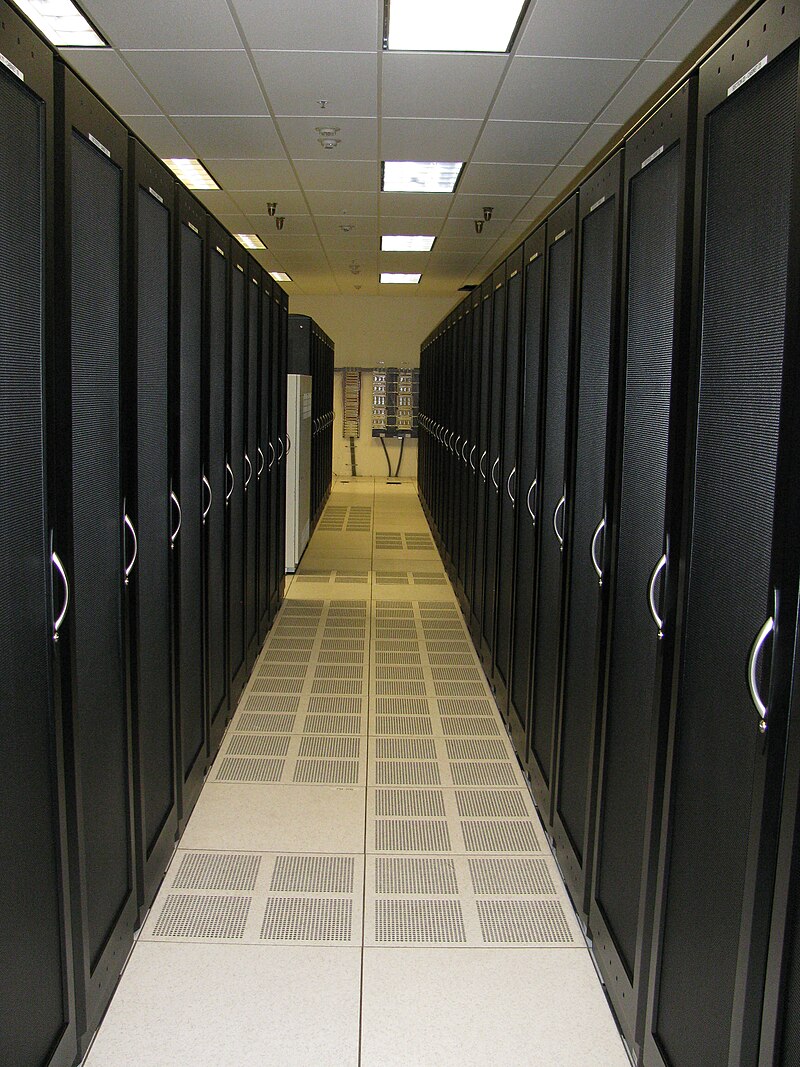
A data centre is a large building used to house computer systems and information technology (IT) equipment. It contains a network of servers, storage systems and networking equipment. This is designed to store and process the enormous quantities of data needed for AI, streaming services and other digital activity, such as online banking, cloud computing and telecommunications. In many countries, data centres have become part of the national infrastructure, alongside essential services such as water, electricity and the emergency services. With the boom in AI in the 2020s, the building of more data centres has accelerated. However, there are concerns about the huge amount of energy and water the new data centres will consume.

Electrical power
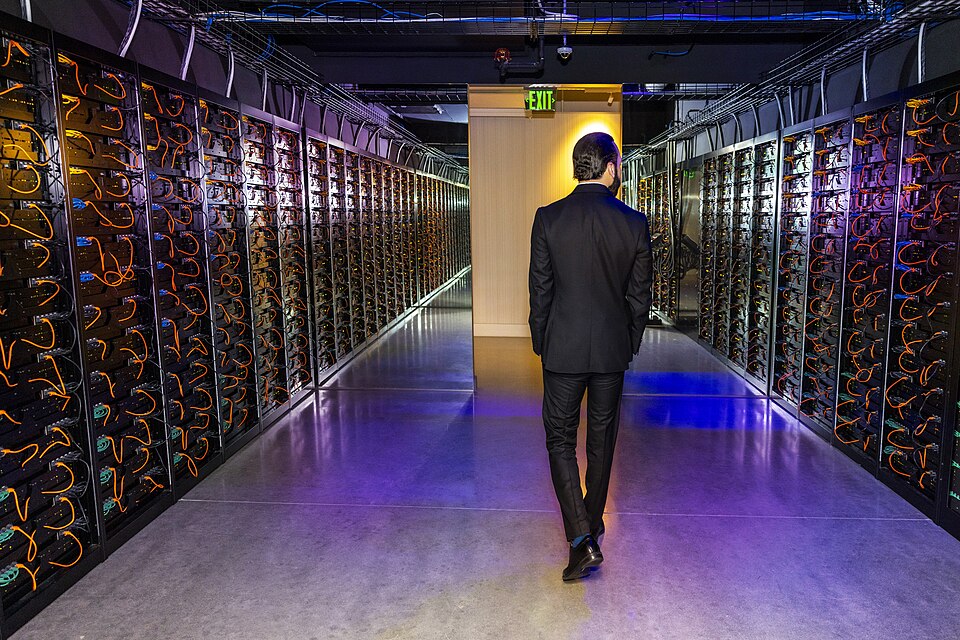
Data centres require a great deal of electrical power, needed to power both the IT equipment and air cooling systems, essential to the prevention of damage to equipment caused by overheating. Electricity consumption by data centres across the world in 2024 was about 1.5% of total global electricity usage. This amount could double by 2030, driven chiefly by the computing power needed for both training and delivering AI.
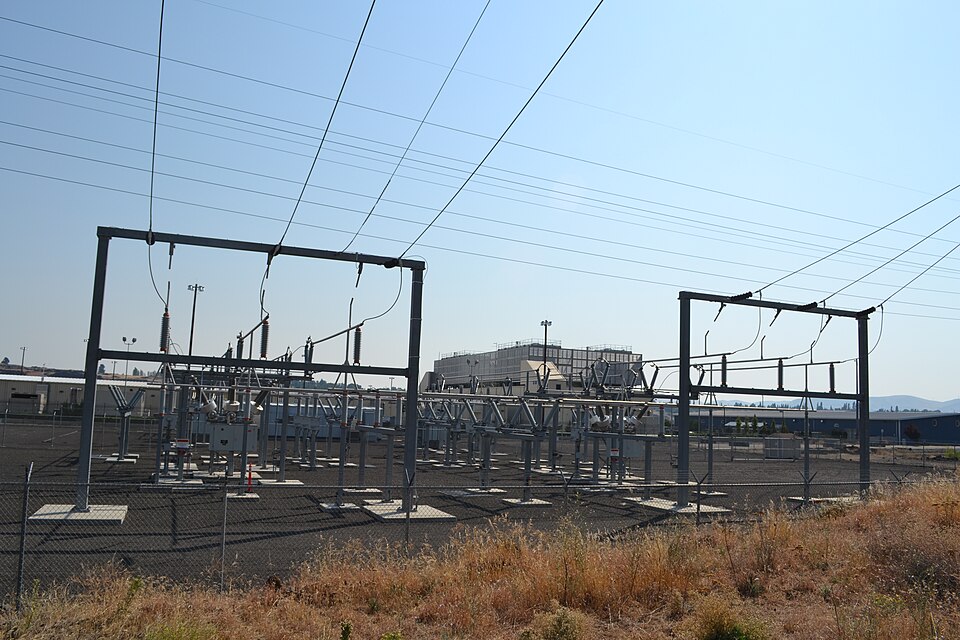
A major issue for new data centres is obtaining sufficient electrical power, placing a huge strain on local power grids. In Ireland, for example, data centres consume over 20% of the country's electricity, while in Virginia, which has the highest concentration of data centres in the US, the figure is more than 25%.
In India, the world's largest data centre operator, Amazon, leases a large number of data centres. Known as colocation units, they are shared with other companies. In 2023, Amazon’s Mumbai colocation data centres used enough electricity to power over 400,000 households for a year.
To meet this huge demand, some of India's coal-fuelled thermal power stations—many due to be closed—are kept in operation. Diesel generators are used for backup at the data centres, to ensure they are not affected by blackouts. Emissions from both contribute to greenhouses gases driving global warming. They also add to air pollution. For example, toxic heavy metals in coal ash from Tata’s coal power station in Mahul, a suburb of Mumbai, are likely to cause health issues for local residents.

Water usage
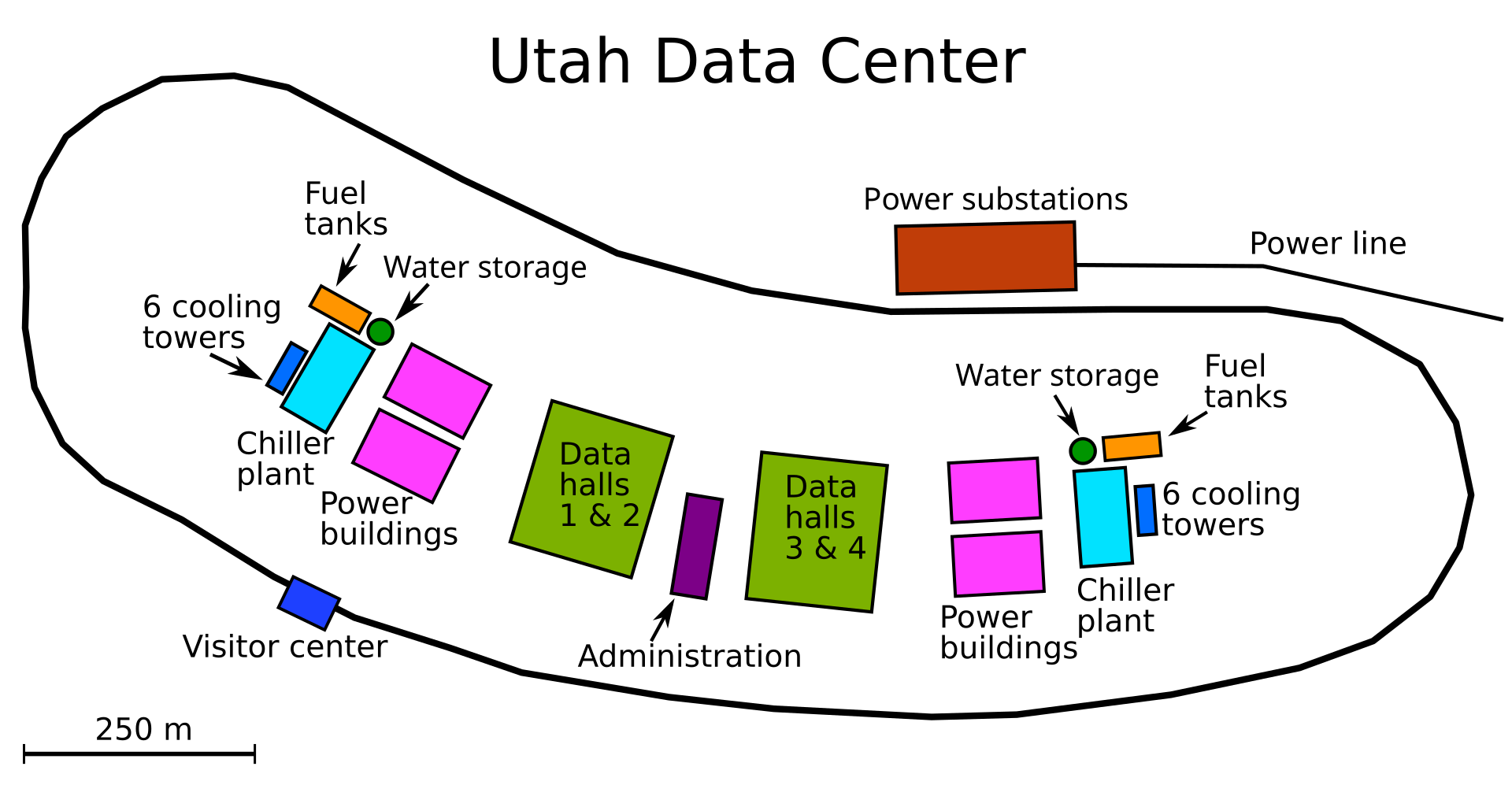
Data centres also need vast amounts of water. It is used for humidification (adding moisture to the air inside the building), evaporative cooling systems (in which the air is cooled before it enters the rooms of servers) and cooling towers (where water is used to remove heat from the data centre).
Data centres' water usage worldwide is estimated at 560 billion litres annually. As with electricity usage, this figure is likely to double by 2030 due to increasing AI demand. Since 2022, more than two-thirds of all new data centres have been built in water-stressed areas such as Texas, Nevada and Arizona in the US, Saudi Arabia and India. In these parts of the world, freshwater scarcity is already a significant environmental issue.

pics
Without in any way limiting Q-files Ltd’s exclusive rights under copyright, any use of this publication to “train” generative artificial intelligence (AI) technologies to generate text is expressly prohibited. Q-files Ltd reserves all rights to license use of this work for generative AI training and development of machine learning language models.