
States of the US

CITE
We have made every effort to follow citation style rules, but there may be some minor differences. If in doubt, please refer to the appropriate citation style manual.
Virginia. (2026). In Q-files Encyclopedia, Geography, States of the US. Retrieved from
https://www.q-files.com/geography/states-of-the-us/virginia
"Virginia." Geography, States of the US, Q-files Encyclopedia, 1 Apr. 2026.
https://www.q-files.com/geography/states-of-the-us/virginia.
Accessed 6 Aug. 2026.
Virginia 2026. Geography, States of the US. Retrieved 6 August 2026, from
https://www.q-files.com/geography/states-of-the-us/virginia
Geography, States of the US, s.v. "Virginia," accessed August 6, 2026.
https://www.q-files.com/geography/states-of-the-us/virginia


Virginia
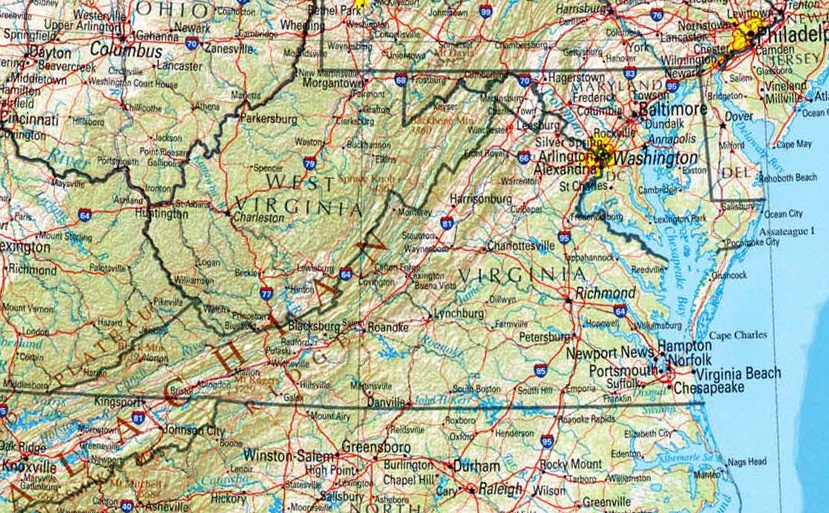
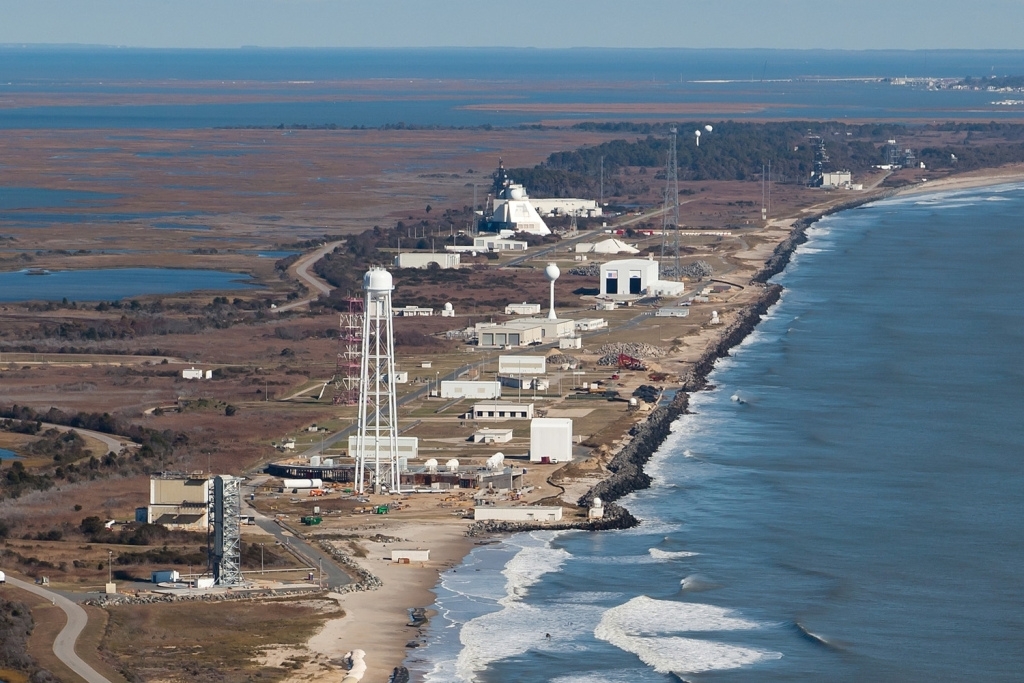
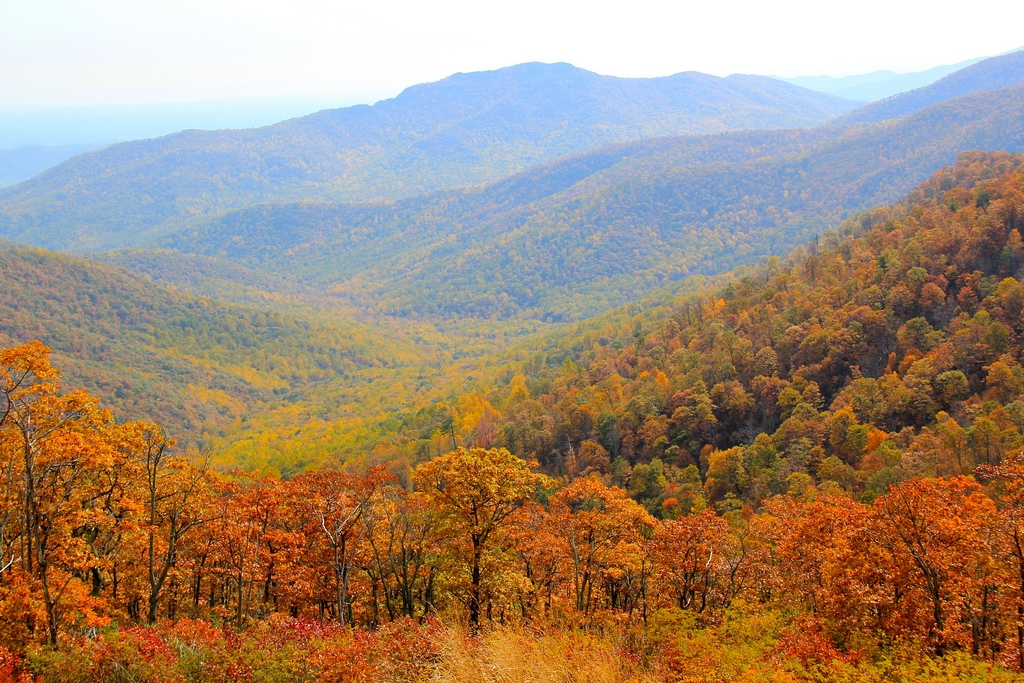
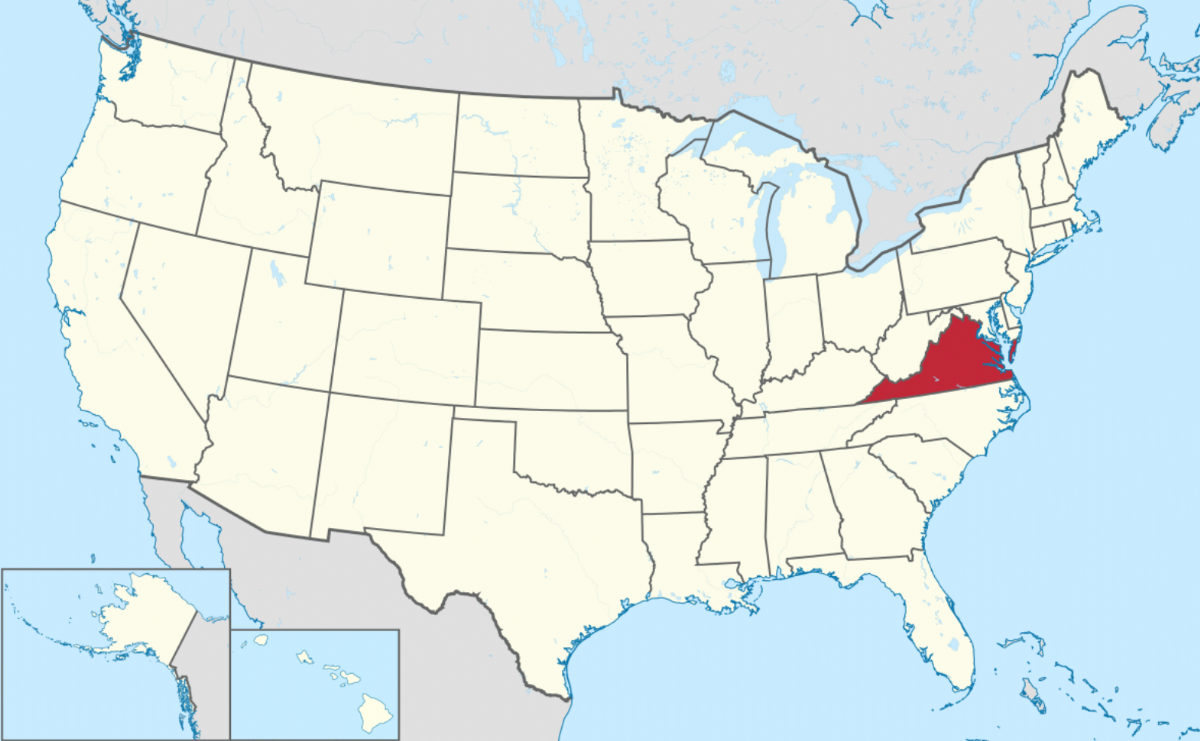
Virginia is located in the southeastern United States. A small portion of the state, the Eastern Shore, occupies the lower part of the Delmarva Peninsula east of Chesapeake Bay. A flat, coastal plain, known as the Tidewater Region, an area of marsh, swamp and forest, makes up east Virginia. The rolling hills of the Piedmont lie to the west, which rise steeply to the Blue Ridge Mountains. Beyond are a series of valley and ridges, before the land levels out as the Cumberland Plateau in the far southwest.

Name
The name Virginia may have been proposed by Englishman Sir Walter Raleigh (1552–1618) for his new colony in America, naming it after Queen Elizabeth I, known as the "Virgin Queen”. Alternatively, "Virginia" may have come from Wingina, the name of the leader of the native Algonquian-speaking people at the time Raleigh was seeking to establish his colony on Roanoke Island in 1585.
However the name was arrived at, Virginia was originally the name given to the entire east coastal region of America, extending from Maine to South Carolina, including the island of Bermuda.
Climate
Most of Virginia east of the Blue Ridge Mountains has a humid subtropical climate. It becomes increasingly hot and humid going south and east. In the mountainous areas west of the Blue Ridge, the climate is continental, with large temperature differences between summer and winter. Severe weather, including tornadoes, hurricanes—especially near the mouth of Chesapeake Bay—and thunderstorms are a feature of Virginia’s climate. Heavy falls of rain and snow occur when winds, known as nor’easters, move down the Atlantic coast in winter.
Economy
Many Virginians work for federal government agencies in the Washington, D.C. metropolitan area. Also based in Northern Virginia (known as the “Dulles Technology Corridor”) are software, IT and defence contracting companies. This part of Virginia has the highest concentration of data centres in the US. The state hosts more than 400, including hyperscales— huge data centres used by companies with vast data processing and storage needs, such as Amazon, Google and Meta. Microchips are the state's most valuable export.
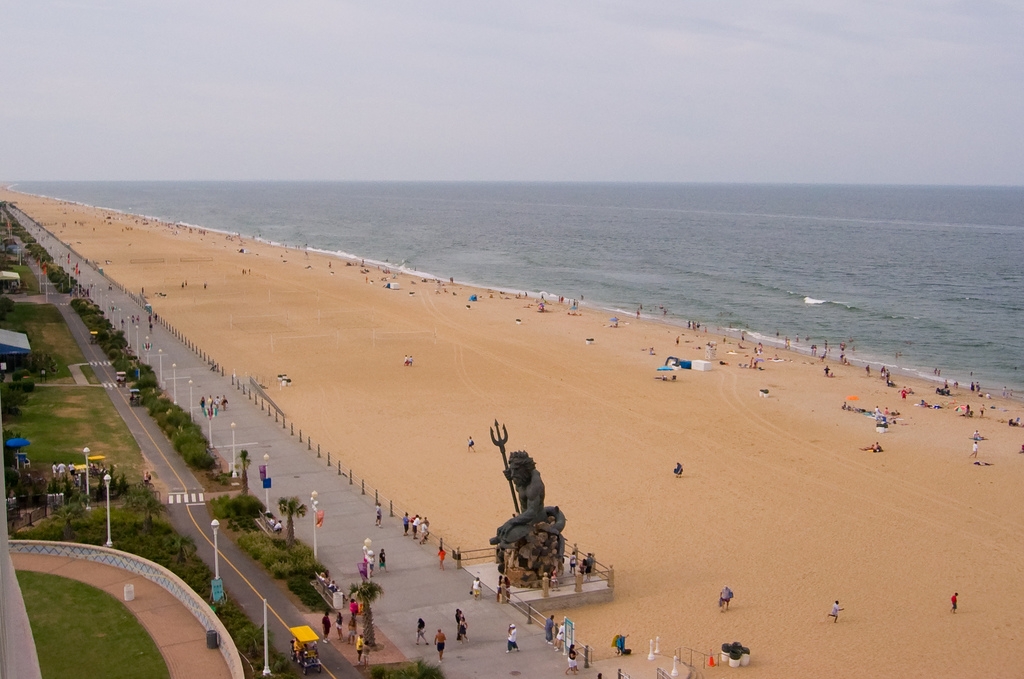
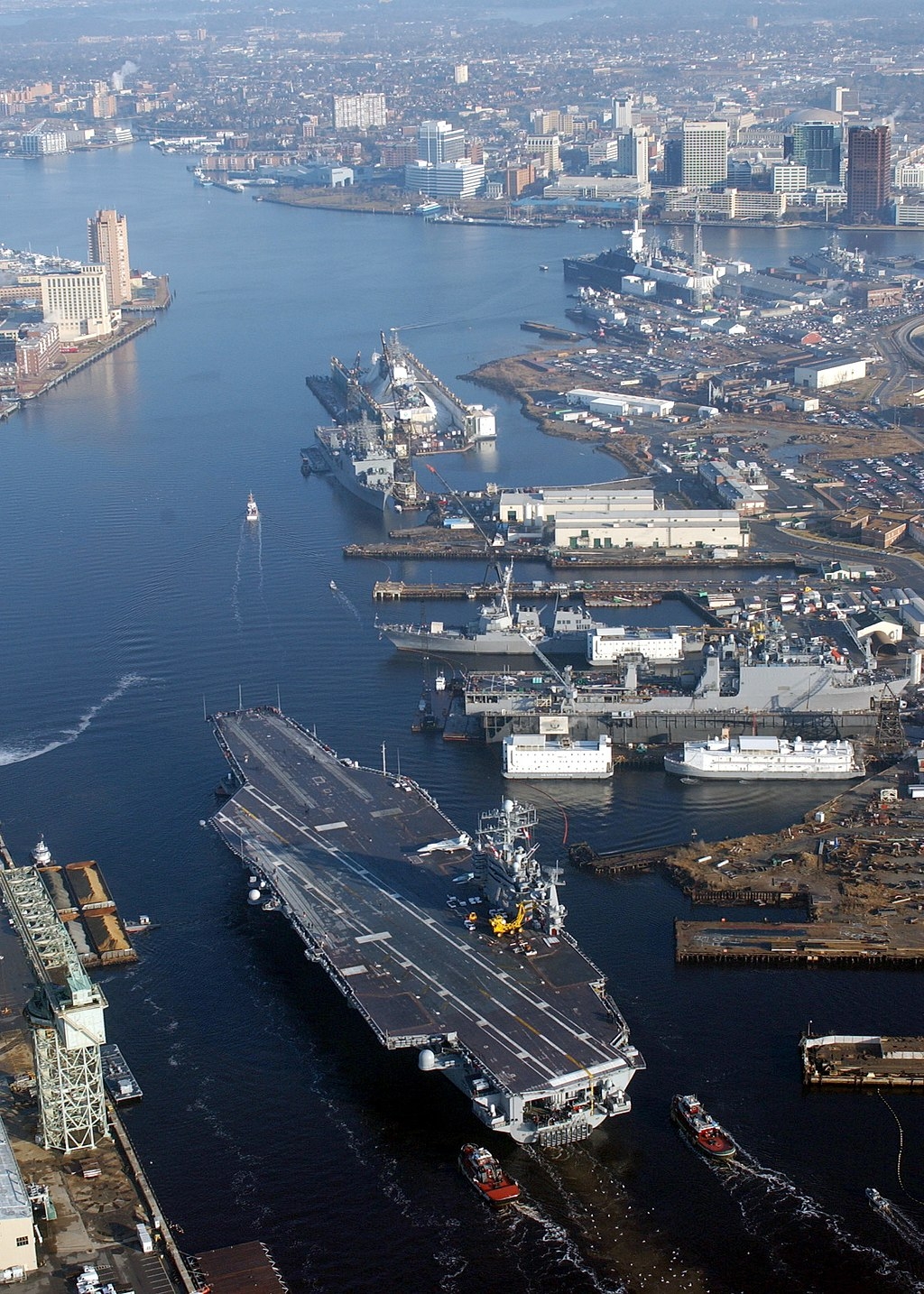
Other leading industries include tourism and the manufacture of chemicals, electrical equipment, and food, textile and paper products. A number of shipyards are concentrated at Hampton Roads, especially in Newport News and Portsmouth. Norfolk is a major US naval base.
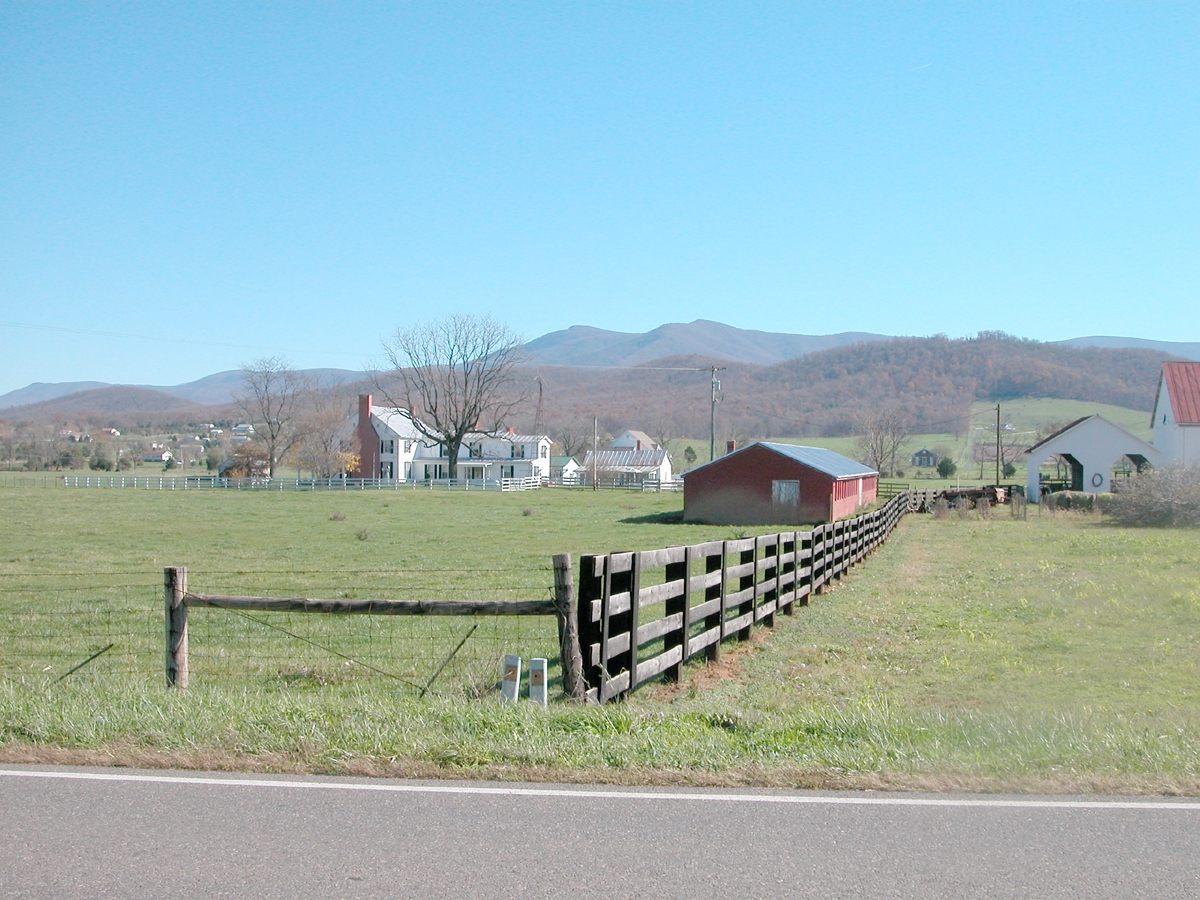
Farming is Virginia’s largest single industry. Major crops include tomatoes, apples (especially in the Shenandoah Valley), soya beans, tobacco, peanuts, potatoes, sweet potatoes and hay. Wine production is also important. Beef cattle and poultry are also widely raised, especially in the Valley of Virginia. The seafood industry, particularly catches of crab and oyster, is significant along the coast. Coal is the state's leading mined product; stone, cement, sand and gravel are also produced.

Facts about Virginia
Area 42,774 sq miles (110,786 sq km)
Highest point Mount Rogers 5720 ft (1743 m)
Population 8,715,698
Capital Richmond
Largest cities Virginia Beach, 453,649; Chesapeake, 253,886; Arlington, 235,463; Norfolk, 230,930; Richmond, 229,247; Newport News, 183,118; Alexandria, 155,230; Hampton, 137,098; Suffolk, 100,659; Roanoke, 97,171
Nicknames The Old Dominion, Mother of Presidents
State bird Cardinal
State flower American dogwood
State tree American dogwood
Consultant: Nicholas Harris
History of Virginia
Before 16th Century
Native American peoples of the Iroquoian (including Nottoway and Meherrin), Algonquian (including Nanticoke, Piscataway, Powhatan and Chowanoke) and Eastern Siouan groups inhabit today’s Virginia at the time the first Europeans arrive
1584
Queen Elizabeth I of England grants Walter Raleigh a charter to found a colony north of Spanish Florida. He sends an expedition to the Atlantic coast of North America. Raleigh’s colony, on Roanoke Island (in Outer Banks, North Carolina), established in 1585, along with another one set up in 1587 (the “Lost Colony”), are both abandoned
1607
The London Company (later, the Virginia Company) establishes the Colony of Virginia as the first permanent New World English colony. Named after King James I, Jamestown, the first permanent English settlement in the "New World", is founded by Christopher Newport
1609–10
Starving Time: only a handful of settlers survive the terrible winter
1612
Tobacco becomes the main cash crop in the colony; taking over more land to grow tobacco leads to the destruction of forests and encroachment on Native American hunting grounds
1610–46
Anglo-Powhatan Wars: three wars fought between the settlers of the Virginia Colony and Native Americans of the Powhatan Confederacy
1614
Settlers and natives conclude a peace at the end of the first Anglo-Powhatan War; it is sealed by the marriage of Pocahontas, daughter of chief Powhatan, to the colonist John Rolfe
1619
The Virginia House of Burgesses is established by the Virginia Company; it is first legislative assembly of elected representatives in North America
1622
Indian Massacre: Powhatan's younger brother and successor Opechancanough leads the Powhatan Confederacy in a surprise attack on the colony, killing 350 settlers (about one third of the total community). After a series of battles, peace is finally concluded in 1632
1624
The Virginia Company's charter is cancelled and the colony is transferred to royal authority as a crown colony
1646
Following the assassination of Opechancanough (1645), the Powhatan Confederacy disintegrates. A boundary between the Virginia Colony and Tributary Indian tribes is established by treaty
1632
The fortified settlement of Middle Plantation is founded
1662
A law makes slavery hereditary based on the mother's status
1676
Bacon's Rebellion: Virginian settlers led by Nathaniel Bacon rebel against the rule of Governor William Berkeley and capture Jamestown; Bacon dies and the uprising is ruthlessly put down
1677
Treaty of Middle Plantation signed by King Charles II of England and representatives from various Virginia Native American tribes: the native peoples are guaranteed their homeland territories so long as they are obedient to the English Crown
late 17th century
Tens of thousands of slaves from Africa are brought by Dutch and English slave ships to the Virginia Colony, where they are forced to work on tobacco plantations
1699
Colonial capital is moved from Jamestown to Middle Plantation, now renamed Williamsburg, in honour of King William III of England
early 1700s
English and Germans immigrants, along with French Huguenots, settle areas of Virginia farther west and south; German Lutherans, English Quakers, Scotch-Irish Presbyterians and Welsh Baptists from Pennsylvania settle in the Shenandoah valley after 1730
1747
A group of Virginians form the Ohio Company, with the backing of the British crown, which encourages settlement and trade in the Ohio Country west of the Appalachian Mountains; this brings conflict with France, which claims the area as part of their colony of New France, triggering the French and Indian War (1756–1763)
1776
Virginia’s leaders declare independence from the British Empire
1781
Combined American patriot and French land forces led by George Washington and Comte de Rochambeau trap the British army on the Virginia Peninsula, and defeat them at the Siege of Yorktown. The British surrender leads to peace negotiations in Paris and American independence
1784
Virginia gives up its claim to the Northwest Territory (which it seized from the British in 1779) to the US federal government
1790
Virginia cedes a portion of its lands to the United States for the creation of the District of Columbia (which is given back, or retroceded, in 1846)
1792
Kentucky, a Virginia county since 1776, is admitted to the Union as a separate state
1831
Nat Turner's slave rebellion is suppressed
1861
Virginia votes to secede (break away) from the Union and joins the Confederate States, which choose Richmond as their capital. After the Wheeling Convention, 48 counties in northwest Virginia break away from the rest of Virginia to form the new state of West Virginia, which remains loyal to the Union
1861–65
Virginia is the chief battleground of the Civil War, with major conflicts at Bull Run and Fredericksburg (1862) and Chancellorsville (1863)
1870
After the Virginia assembly ratifies (signs up to) the 14th and 15th amendments to the Constitution, the state is readmitted to the Union
1902
Segregationists in the Democratic Party rewrite the state constitution to include voter registration measures that effectively disenfranchise most African Americans and many poor whites
1944
African American Irene Morgan refuses to give up her seat on an interstate bus and is arrested in Middlesex County, Virginia. She wins her case in the Supreme Court, but Virginia continues to enforce interstate bus segregation. In 1947, activists organize the Journey of Reconciliation through Virginia and neighbouring states in an act of civil disobedience.
1989
Douglas Wilder becomes the first African American to be elected as governor in the US
2001
The Pentagon, built during World War II in Arlington County, Virginia, across the Potomac River from Washington, D.C, as the headquarters for the Department of Defense, is one of the targets of the 9/11 attacks; 189 people die at the site when a jet passenger plane is deliberately crashed into the building
2016
Major blizzard in January produces the state's highest recorded snowfall of 36.6 inches (93 cm) near Bluemont
2017
White supremacist James Alex Fields, Jr. deliberately drives his car into a crowd of people peacefully protesting the Unite the Right rally in Charlottesville, murdering one person and injuring 35. Fields' action is declared by many to be an act of domestic terrorism.
pics
Without in any way limiting Q-files Ltd’s exclusive rights under copyright, any use of this publication to “train” generative artificial intelligence (AI) technologies to generate text is expressly prohibited. Q-files Ltd reserves all rights to license use of this work for generative AI training and development of machine learning language models.