
States of the US

CITE
We have made every effort to follow citation style rules, but there may be some minor differences. If in doubt, please refer to the appropriate citation style manual.
Washington. (2026). In Q-files Encyclopedia, Geography, States of the US. Retrieved from
https://www.q-files.com/geography/states-of-the-us/washington
"Washington." Geography, States of the US, Q-files Encyclopedia, 1 Apr. 2026.
https://www.q-files.com/geography/states-of-the-us/washington.
Accessed 22 Sep. 2026.
Washington 2026. Geography, States of the US. Retrieved 22 September 2026, from
https://www.q-files.com/geography/states-of-the-us/washington
Geography, States of the US, s.v. "Washington," accessed September 22, 2026.
https://www.q-files.com/geography/states-of-the-us/washington


Washington
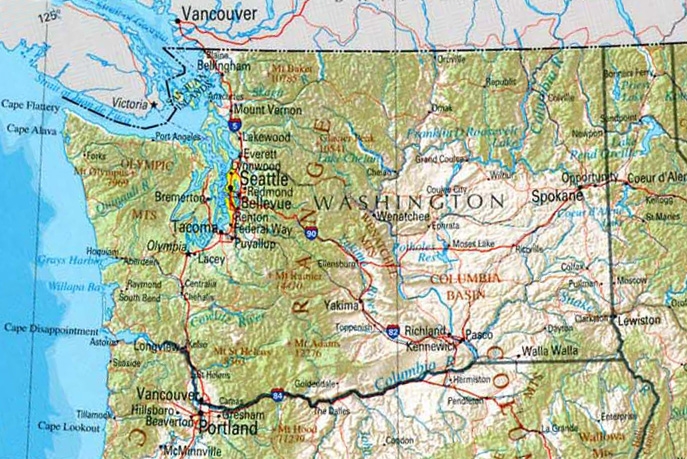
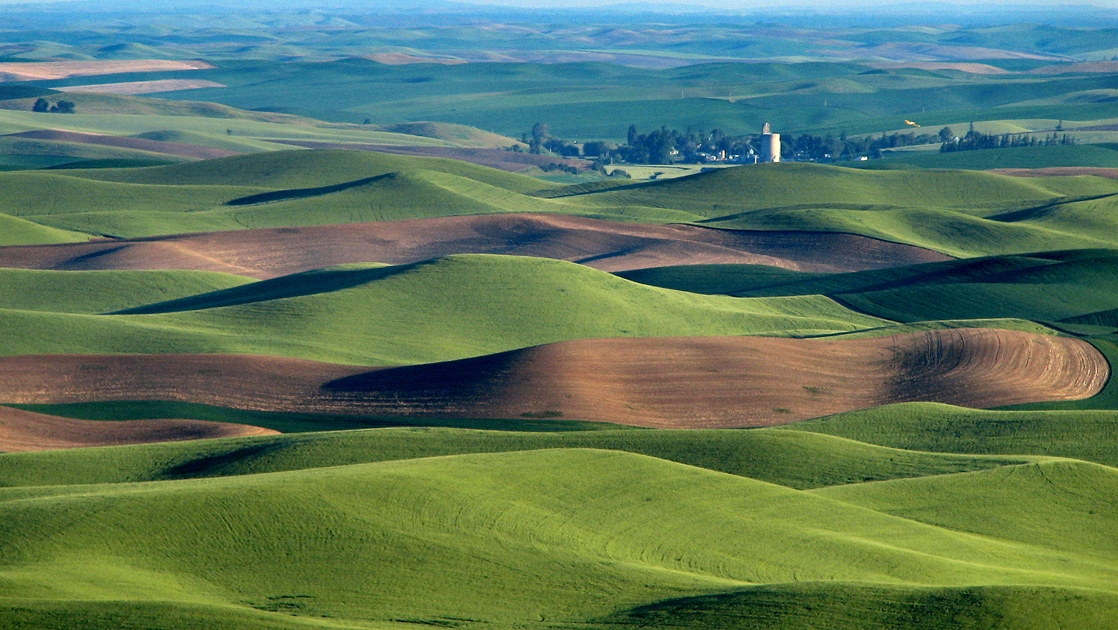
Washington state is located in the northwestern region of the United States. The Cascade Range mountain range runs north-south through the state, dividing it into two distinct regions. To the east is the Columbia Plateau and the basin of the Columbia River and its tributaries. The southeastern Palouse hills are semi-arid grasslands, now mostly converted into farmland. To the west of the Cascades lie the coastal lowlands around Puget Sound and, bordering the Pacific coast, the Coast Ranges.


Name
Washington was named after George Washington, the first President of the United States, by an act of Congress during the creation of Washington Territory in 1853. The territory was originally to be named “Territory of Columbia" after the Columbia River, but Kentucky representative Richard H. Stanton thought there might be confusion with the District of Columbia and proposed naming the new territory after President Washington instead.
To distinguish it from the national capital, Washington is often referred to as "Washington state" or "the state of Washington". Washingtonians refer to their state as simply "Washington" and the nation's capital as ”Washington, D.C.", "the other Washington", or just "D.C."
Climate
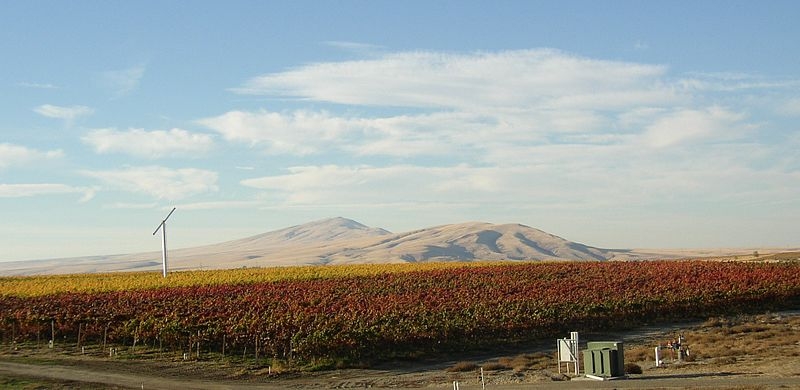
The area west of the Cascade Mountains has a maritime climate, with mild temperatures and high rainfall. Anticyclones in the north Pacific Ocean bring cool air and dry summers. Chinook winds from the southwest bring relatively warm, wet weather for the rest of the year. Washington's coastal region is one of the wettest areas in the US, with up to 160 inches (410 centimetres) of rain falling in some upland areas annually. Downpours, especially in winter months, occur when the "Pineapple Express" low pressure systems are active. By contrast, eastern Washington, lying in the rain shadow of Cascades (which block the eastwards movement of moist ocean air) has a semi-arid climate.


Economy
With much of its upland area thickly forested, Washington is a leading timber producer. Commercial fishing, especially of salmon, is important. Washington is second only to California in the production of wine, made from grapes grown in the hilly, semi-arid Palouse region of the southeast. This region, transformed by irrigation, also grows vast quantities of fruit and vegetables and is a major wheat-producing area. Cattle, dairy, sheep and poultry are raised in this region.
Manufacturing industries in Washington include aircraft, telecommunications, food processing, computer software, electronics, biotechnology, metals (especially aluminium), timber and paper products, chemicals and machinery.
The headquarters of many of America’s largest and best-known corporations, such as Boeing Commercial Airplanes, Microsoft, Amazon.com, Starbucks, Nordstrom and Costco, are located in or near Seattle. Tourism, especially in the state’s national parks, is a major industry.
Because of the steep drop from its source to mouth, the Columbia is one of the greatest sources of hydro-electric power in the world. Washington has over 1200 dams, including the Grand Coulee, built to generate power, but also for irrigation for the dry Columbia Plateau and the Yakima and Wenatchee valleys, flood control and water storage. Some dams, especially those on the Columbia, block the migration of salmon upstream to breed, threatening their populations.

Seattle
A European settlement was first established on the eastern shore of Elliott Bay in 1852 by a group led by Arthur Denny. Originally called Duwamps, it became Seattle the following year, named after Chief Si'ahl (Sealth) of the Native American Duwamish and Suquamish tribes. The city grew up around the timber industry. After 1897, Seattle became the main transport and supply point for the miners in Alaska and the Yukon during the Klondike Gold Rush—and boomed as an exchange centre of precious metals. Shipbuilding in the early 20th century also contributed to its growth.
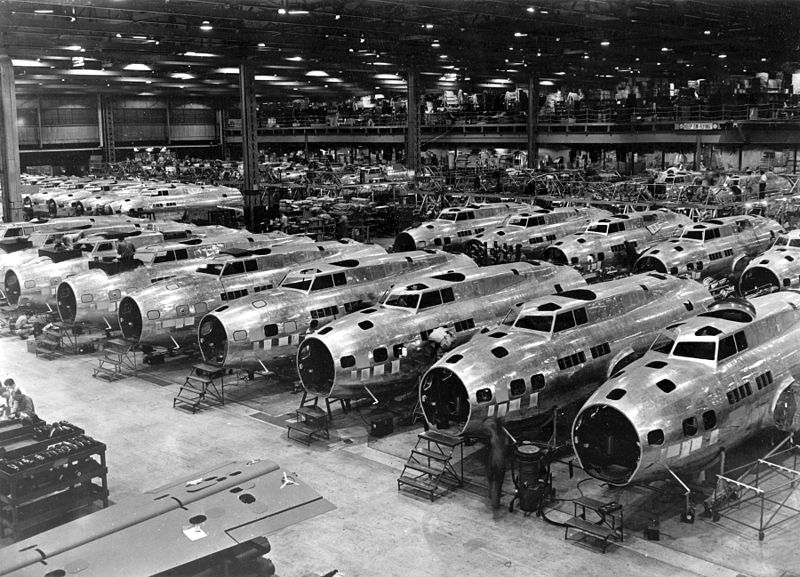

In the first half of the 20th century, the local Boeing company established Seattle as a centre for aircraft manufacture. The Seattle area became a centre for technology in the 1980s when Microsoft established itself there. Starbucks Coffee opened its first outlet in the city in 1971. Internet retailer giant Amazon was founded there in 1994. Since then, Seattle has grown rapidly as other technology and biotechnology companies set up in the city. It is also a major port for US trade with East Asia.

Facts about Washington
Area 71,362 sq miles (184,827 sq km)
Highest point Mount Rainier 14,411 ft (4393 m)
Population 7,812,880
Capital Olympia (pop. 55,733)
Largest cities Seattle, 755,078; Spokane, 229,447; Tacoma, 222,906; Vancouver, 196,442; Bellevue, 151,574; Kent, 133,378; Everett, 111,180; Spokane Valley, 108,235; Renton, 104,491
Nickname The Evergreen State
State bird Willow goldfinch
State flower Coast rhododendron
State tree Western hemlock
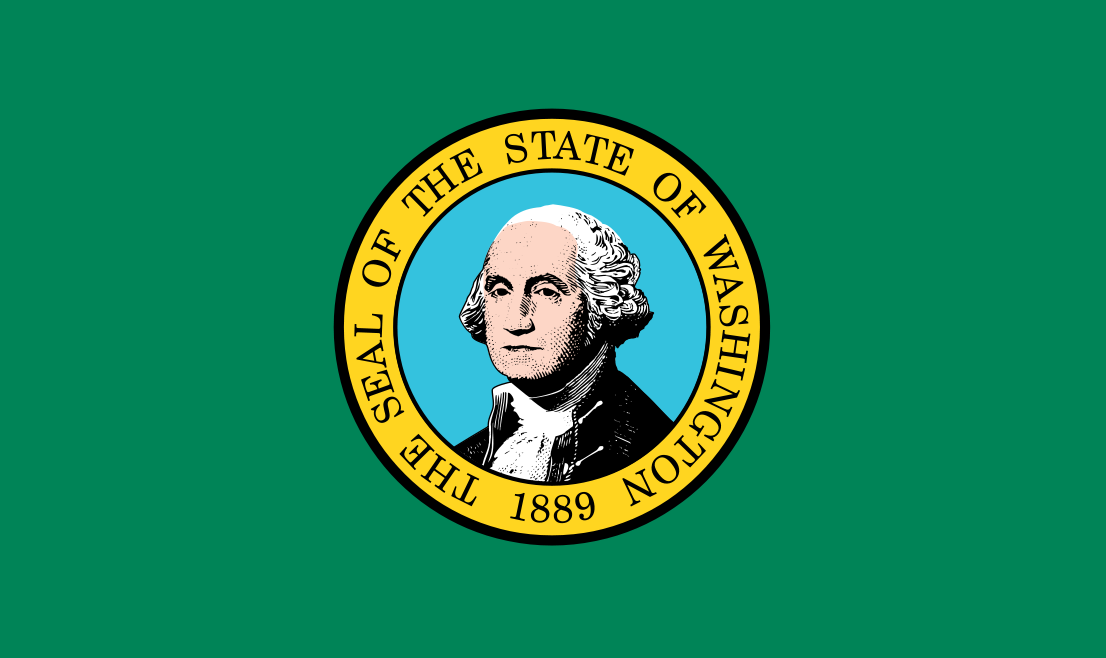

Consultant: Nicholas Harris
History of Washington
before 18th century
Native American peoples, such as the Cayuse, Yakima and Nez Percé, live in the area at the time the first European explorers arrive
1775
Spanish Captain Bruno de Heceta lands on the coast of Washington. He claims all the coastal lands up to Prince William Sound for Spain
1790s
The British-Spanish Nootka Conventions, a series of three agreements between Spain and Great Britain, open the Northwest Coast to explorers and traders from Britain
1792
British explorer George Vancouver and the American fur trader Robert Gray cross paths along the Washington coast. Vancouver maps the Puget Sound while Gray sails up the Columbia, claiming the region for the US
1805–06
Lewis and Clark explore the Columbia River region and coastal areas
1811
British Canadian David Thompson, travelling down the Columbia River, camps at the confluence with the Snake River and claims the region for Great Britain
1818
Britain and the United States agree to "joint occupancy" of lands between the Continental Divide and the Pacific Ocean, including the Columbia River country
1846
Britain cedes all claims to land south of the 49th parallel to the US in the Oregon Treaty
1847
Oregon Territory, including the Washington area, is established
1853
Oregon Territory is divided: Washington Territory, containing a part of what is now Idaho (made part of Idaho Territory in 1863), is set up
1850s–60s
White incomers establish timber industry and settlements (including Seattle) in Puget Sound country. Gold prospectors also pour into the area. Chinese labourers arrive to work in the mines
1879s
German, Scandinavian, Russian, Dutch and Japanese immigrants arrive in Washington
1883
First transcontinental railroad linked to Washington is completed, leading to major influx of settlers
1889
Washington is admitted to the Union as the 42nd state
1897
Seattle, the chief departure point for the Klondike during the Gold Rush, becomes a boomtown
1910
William E. Boeing buys Heath's shipyard in Seattle which later (1916) becomes his first aeroplane factory
1942
Grand Coulee Dam, the largest concrete structure in the United States, is completed
1971
Starbucks Coffee opens its first outlet in Seattle
1979
Founded by Paul Allen and Bill Gates in Albuquerque, New Mexico in 1975, Microsoft computer software company moves to its new home in Bellevue, Washington
1980
Mount St Helens erupts, destroying a large part of the top of the volcano, flattening nearby forests and killing 57 people
1994
Amazon is founded by Jeff Bezos from his garage in Bellevue, originally as an online marketplace for books
1999
"Battle of Seattle": protests against the World Trade Organization (WTO) take place in Seattle. At least 40,000 people including organizations in environment issues, labour unions, student groups and religious groups, protest against economic globalization
2021
Western North America heat wave kills 91 people in Washington
pics

Without in any way limiting Q-files Ltd’s exclusive rights under copyright, any use of this publication to “train” generative artificial intelligence (AI) technologies to generate text is expressly prohibited. Q-files Ltd reserves all rights to license use of this work for generative AI training and development of machine learning language models.