
States of the US

CITE
We have made every effort to follow citation style rules, but there may be some minor differences. If in doubt, please refer to the appropriate citation style manual.
Missouri. (2026). In Q-files Encyclopedia, Geography, States of the US. Retrieved from
https://www.q-files.com/geography/states-of-the-us/missouri
"Missouri." Geography, States of the US, Q-files Encyclopedia, 2 Sep. 2026.
https://www.q-files.com/geography/states-of-the-us/missouri.
Accessed 21 Sep. 2026.
Missouri 2026. Geography, States of the US. Retrieved 21 September 2026, from
https://www.q-files.com/geography/states-of-the-us/missouri
Geography, States of the US, s.v. "Missouri," accessed September 21, 2026.
https://www.q-files.com/geography/states-of-the-us/missouri


Missouri
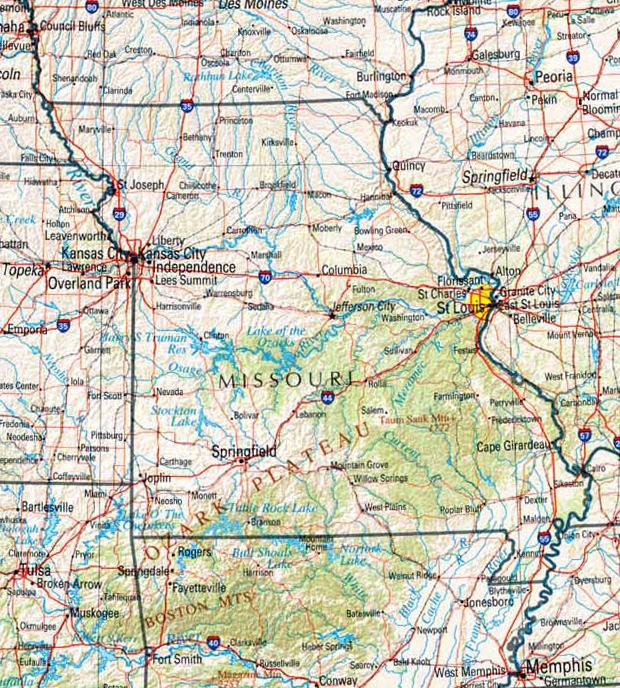
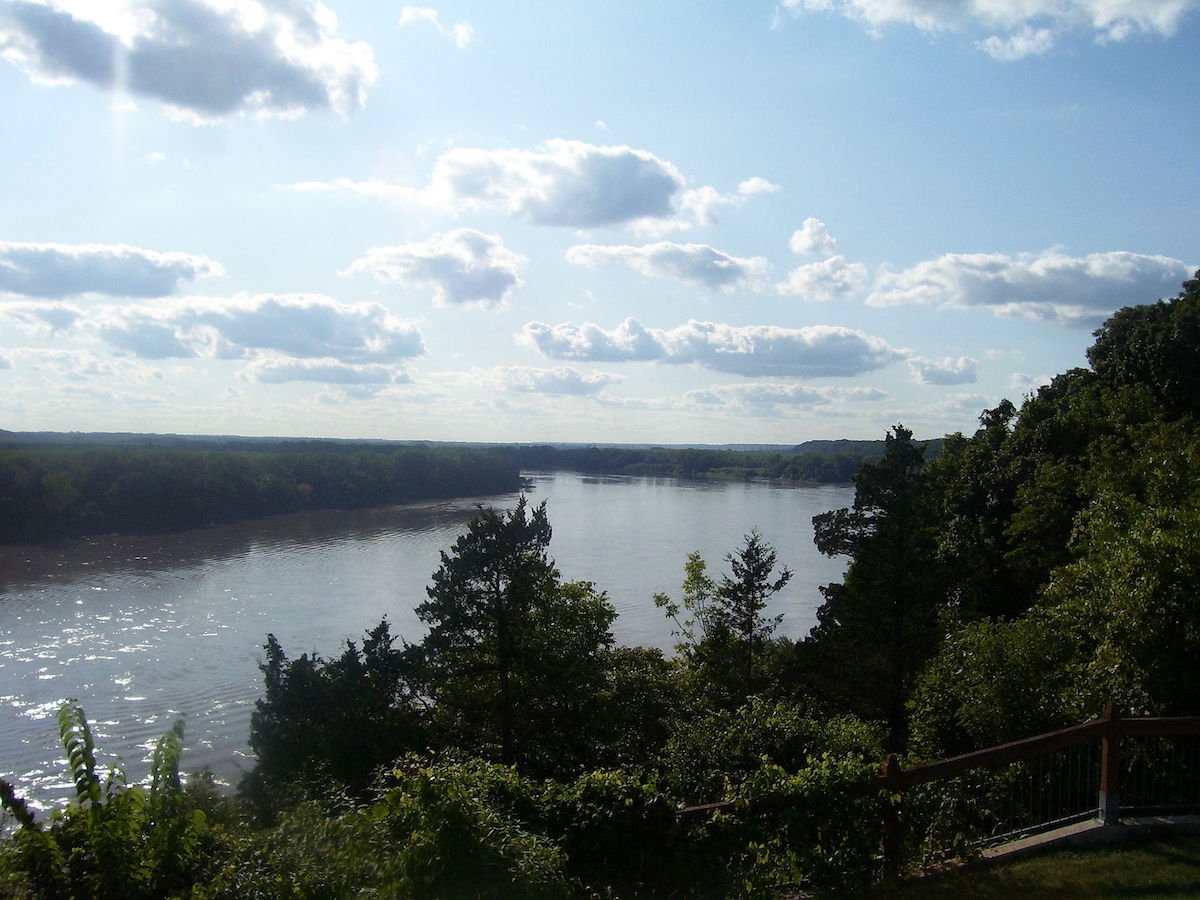
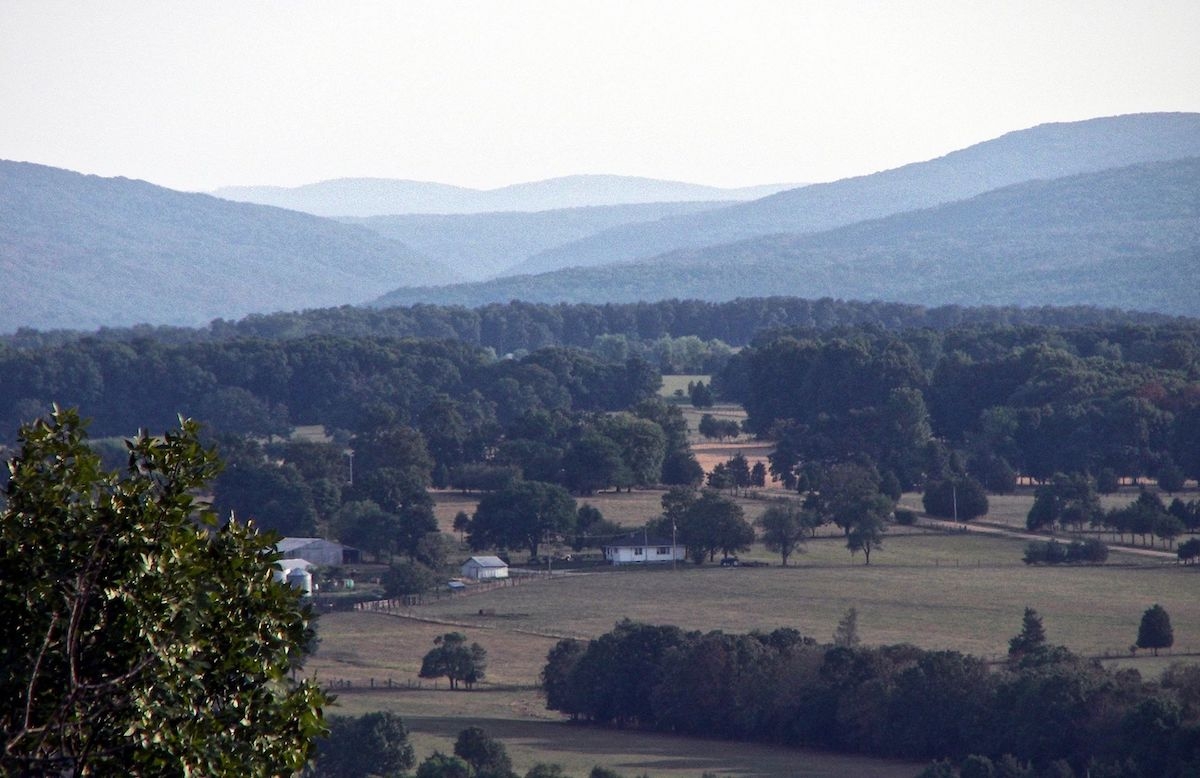
The state of Missouri is located in the Midwest region of the United States. The Missouri River flows through the state, meeting the Mississippi (which forms the state's eastern border) just north of St Louis. North of the river are low, rolling hills and plains covered by glacial till: clay, sand, gravel and boulders laid down by an ice sheet that once covered the area. South of the river is the Ozark Mountains, a plateau crossed by deep valleys. The limestone, or karst, topography of the Ozarks features many caves and sinkholes. The plateau gives way to plains in the southwest. This southeastern corner, known as the Bootheel (named after its shape), is part of the Mississippi alluvial plain. It is the flattest and most fertile part of the state.
Name
The state is named after the Missouri River. The river takes its name from the Native American Missouri, a Siouan-speaking people. The Illini, another native people, knew them as the ouemessourita or wimihsoorita, meaning "those who have dugout canoes”. The Illini were the first native peoples encountered by Europeans exploring the region, so it was their name for their neighbours that stuck. It was later simplified to “Missouri”.
Climate
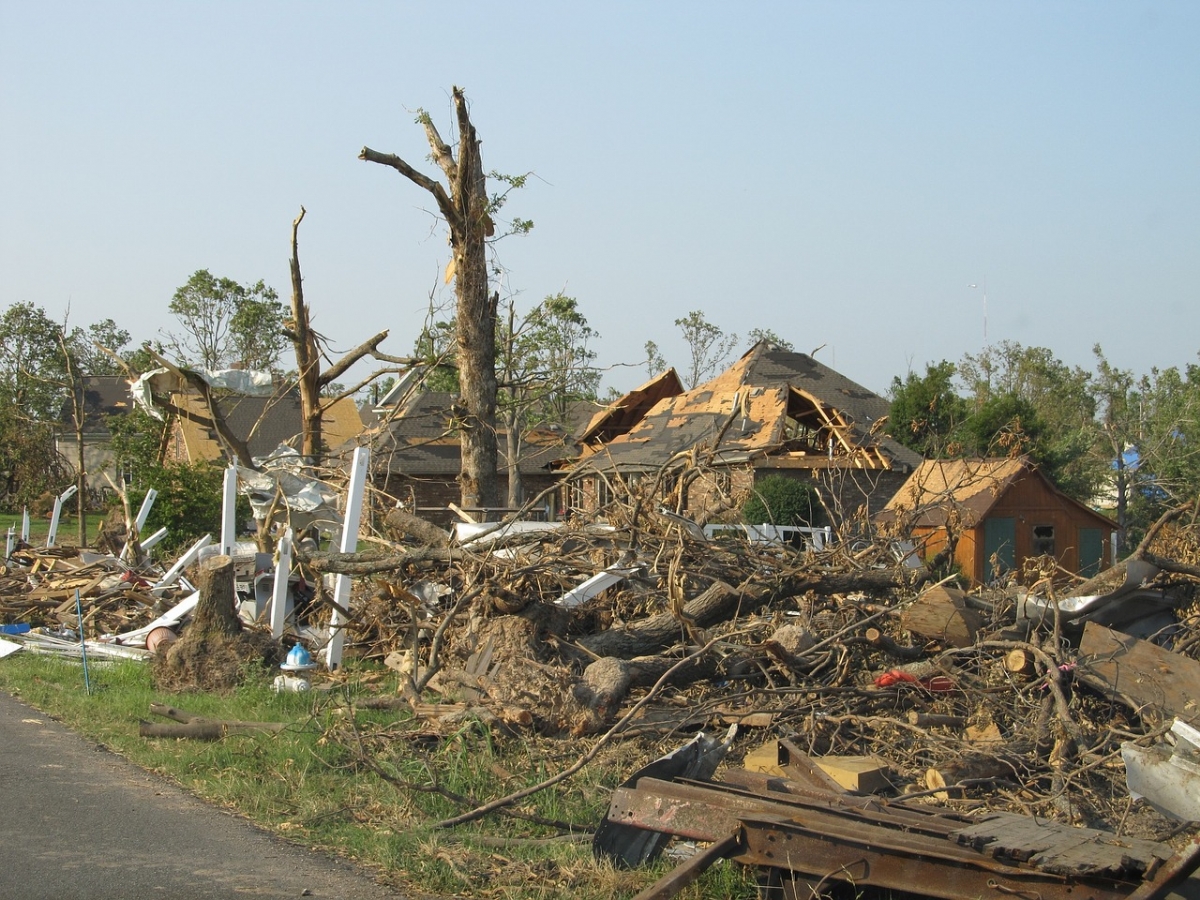
Missouri has a continental climate, with hot, humid summers and cold, snowy winters. In the southern part of the state, including the Bootheel, the climate becomes subtropical. Missouri frequently experiences extremes in temperature. Its weather is influenced either by air flowing south from the cold Arctic, or by air from the hot and humid Gulf of Mexico drifting north. Located in Tornado Alley, Missouri often experiences severe thunderstorms as well as dangerous tornadoes.
Economy
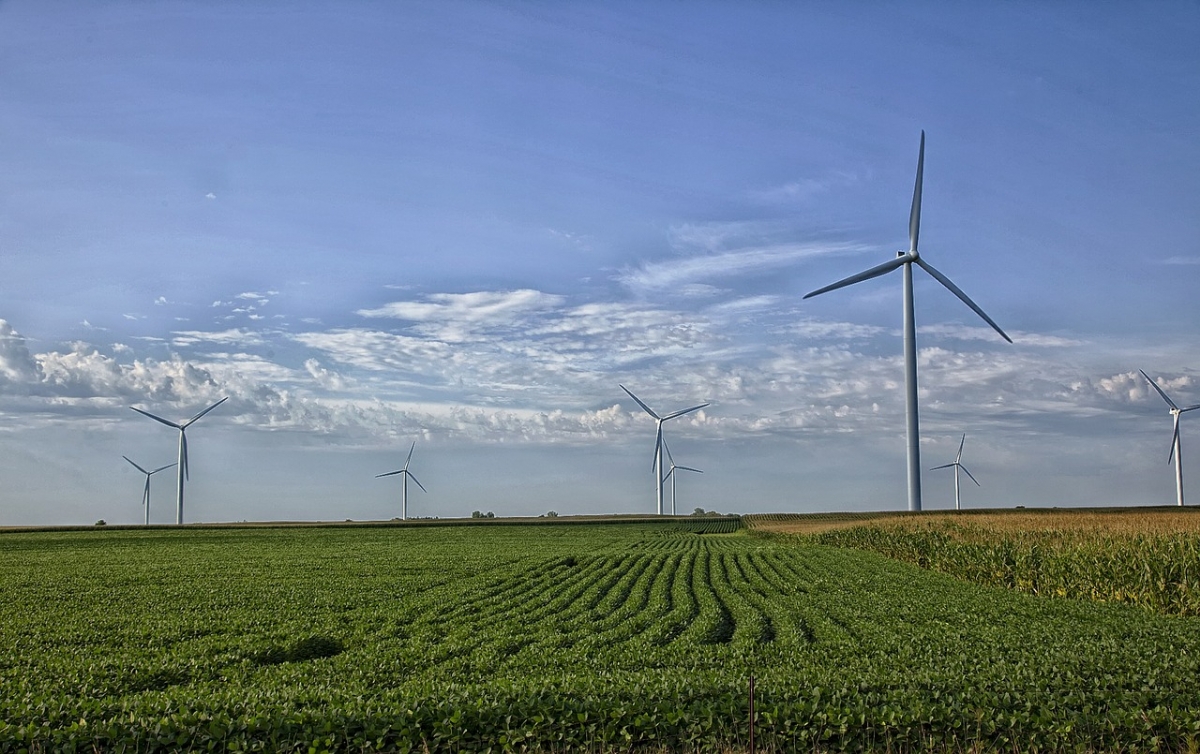
The chief agricultural products of Missouri are beef, pork, poultry and eggs, soya beans, dairy products, hay, maize and sorghum. Cotton and rice are cultivated on the Mississippi floodplain. Major industries include aerospace, biotechnology, cars and trucks, metals, chemicals, electrical equipment, food processing, wine and beer. Missouri also produces cement and lead.
St Louis
The city of St Louis was founded in 1764 by French fur traders Pierre Laclède and Auguste Chouteau. They named it after King Louis IX (1214–70) of France, who was later declared a saint. In 1803 the United States acquired a vast territory from France—including what is now the state of Missouri—as part of the Louisiana Purchase. Many American explorers, settlers and trappers all set out from the St Louis area on their way to the American West. During the 19th century, St Louis developed as a centre for the fur trade, and later as both a busy port on the Mississippi River and major rail hub. By 1870, it had become the fourth largest city in the United States. In 1904, St Louis hosted both the World’s Fair and the Summer Olympics.
Today, the St Louis metropolitan area is home to nearly 3 million people. Manufacturing is important to the city's economy: its industries include cars, aerospace, food processing, brewing and medical and pharmaceutical research. Gateway Arch, the 630-foot-high (192-metre) stainless steel monument standing in the city on the banks of the Mississippi, symbolizes St Louis as the Gateway to the West.

Facts about Missouri
Area 68,886 sq miles (178,415 sq km)
Highest point Taum Sauk Mountain 1772 ft (540 m)
Population 6,196,156
Capital Jefferson City (pop. 42,552)
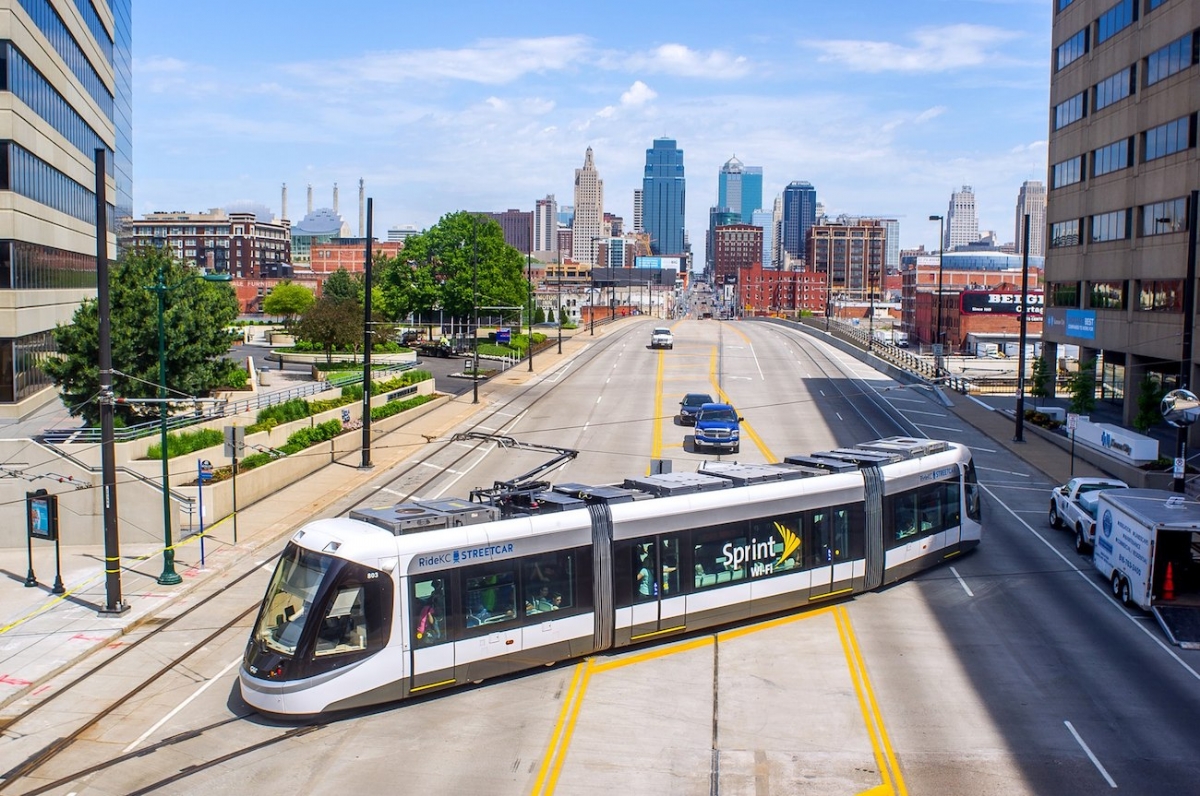
Largest cities Kansas City, 510,704; St Louis, 281,754; Springfield, 170,188; Columbia, 129,330; Independence, 120,922; Lee's Summit, 104,184; O'Fallon, 94,074
Nicknames Show me State, Cave State
State bird Bluebird
State flower Hawthorn
State tree Flowering dogwood
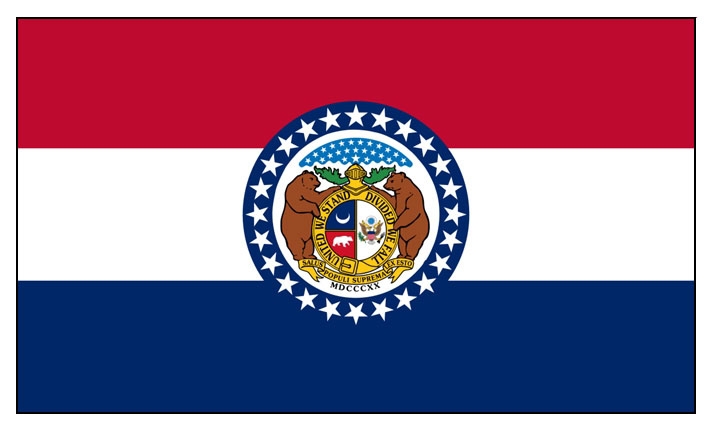
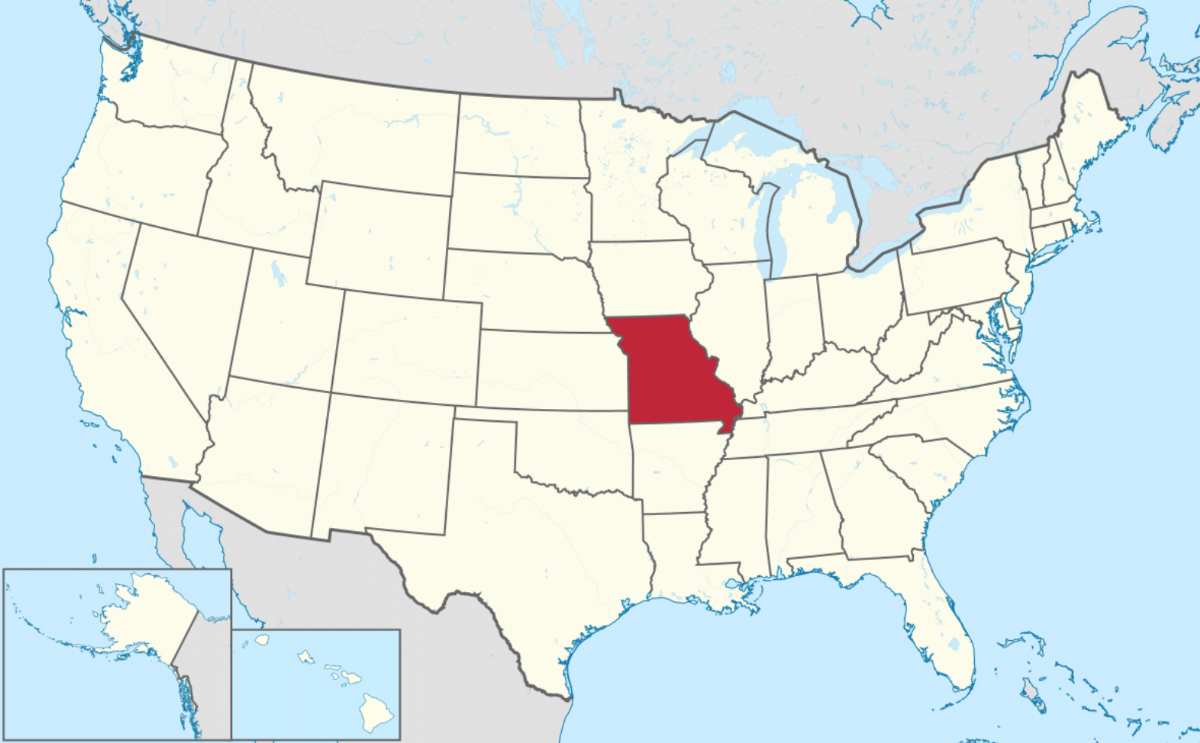
Consultant: Nicholas Harris
History of Missouri
1000–1400
Mississippian culture: cities featuring massive earthwork mounds are built by the Native Americans in what is now Missouri
17th century
The area is inhabited by Native American Osage and Missouri peoples when French explorers Jacques Marquette and Louis Jolliet first travel down the Mississippi River
1682
Robert de La Salle claims the entire Mississippi Basin, including what is now Missouri state, for France, naming the territory Louisiana
1735
The first European settlement in Missouri is founded by French fur traders at present-day Sainte Genevieve; it becomes a thriving farming community, shipping tons of grain each year down the Mississippi River to Lower Louisiana for trade
1762
Control of the area of Louisiana west of the Mississippi is handed over to Spain by France
1764
St Louis is founded by French fur traders, Pierre Laclède and Auguste Chouteau; it becomes the centre of the fur trade with Native American tribes along the Missouri and Mississippi rivers
1800
Louisiana Territory (including the Missouri area) is regained by France under the Treaty of San Ildefonso
1803
Louisiana Purchase: Napoleon Bonaparte sells Louisiana to the US
1804
Missouri gains the nickname “Gateway to the West” because St Charles, just to the west of St Louis, serves as a major departure point for expeditions, such as the Lewis and Clark Expedition of that year, heading to the American West
1812
The Territory of Missouri, which includes much of the large area acquired in the Louisiana Purchase of 1803 (except the newly created Louisiana state in the south), is established
1810s–20s
Steamboats are first used on the Mississippi, enabling rice, timber and other goods to be transported by ship; St Louis expands rapidly as a port with this greatly increased river trade
early 19th century
Planters from the South arrive in Missouri, bringing with them enslaved African Americans as agricultural labourers. Plantations for growing hemp are established on the flatlands along the Missouri River, an area that becomes known as "Little Dixie"
1819
All of Missouri Territory south of the 36°30' parallel, except the Missouri Bootheel, becomes the new Territory of Arkansaw (later Arkansas)
1820
Missouri Compromise: Maine is admitted to the Union as a free state along with Missouri as a slave state, thus maintaining the balance of free states (in the North) and slave states (in the South). As part of the compromise, slavery is prohibited north of the 36°30' parallel, excluding Missouri
1826
State capital is established at Jefferson City
early 1830s
Mormon migrants begin settling near Independence, but conflicts over religion and slavery arise between them and the plantation owners, leading to the Mormon War of 1838; Mormons are expelled the following year
mid-19th century
German and Irish immigrants arrive and settle mainly in the St Louis area
1855–56
Tensions erupt into open warfare between pro-slavery and anti-slavery forces along the border between Missouri and Kansas
1861
Confederacy recognizes Missouri’s secession (breaking away) from the Union, even though the state government does not vote for it
1861–65
Civil War: fighting in the state consists chiefly of guerrilla warfare in which “citizen soldiers”, such as Frank and Jesse James, flourish as outlaws
1870s–90s
Kansas City becomes the rail centre of the West, and its population increases rapidly
1874
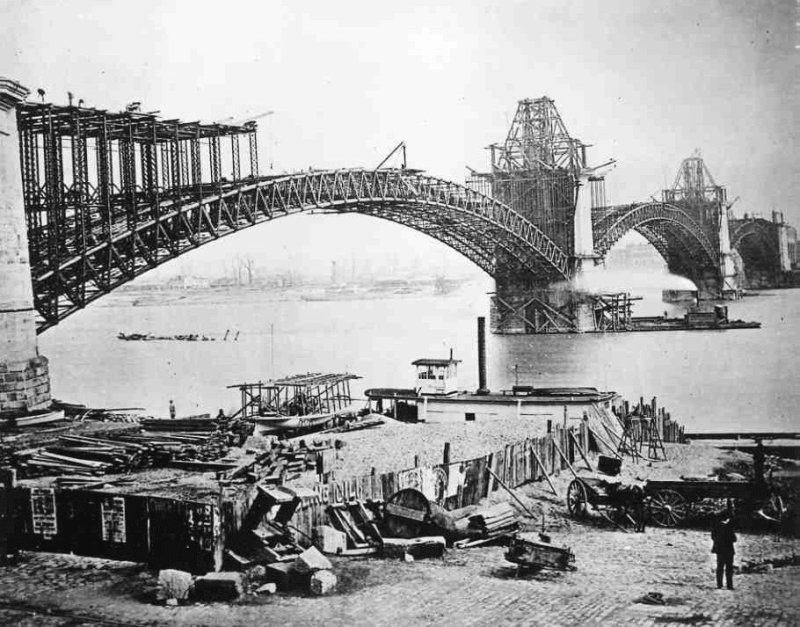
Eads Bridge, a combined road and railway bridge over the Mississippi River connecting the cities of St Louis, Missouri and East St Louis, Illinois, is completed. It is the first bridge across the Mississippi south of the confluence with the Missouri, and will later become the oldest bridge on the entire river
1904
St Louis hosts both the World’s Fair and the Summer Olympics
1910
Hallmark Cards, Inc., the oldest and largest manufacturer of greeting cards in the US, is founded in 1910 by the Hall brothers, Joyce ("J.C"), Rollie and William, in Kansas City, Missouri
1943
The George Washington Carver National Monument near Diamond, Missouri, becomes the first US National Monument dedicated to a non-President and the first for an African American. Carver was an agricultural scientist and inventor who developed methods to prevent soil depletion
1965
The Gateway Arch, a 192-m (630-ft) high monument in St Louis, the world's tallest arch, is completed. Built as a monument to the westward expansion of the US, it is officially dedicated to "the American people"
2014
Michael Brown Jr., an 18-year-old black man, is fatally shot by white police officer Darren Wilson in the city of Ferguson, Missouri, a suburb of St Louis. Witnesses claim Brown had his hands up in surrender and said "don't shoot". The shooting ignites unrest in Ferguson and the police are criticized for their response. The US Department of Justice later concludes that Wilson shot Brown in self-defence and he is not charged.
pics
Without in any way limiting Q-files Ltd’s exclusive rights under copyright, any use of this publication to “train” generative artificial intelligence (AI) technologies to generate text is expressly prohibited. Q-files Ltd reserves all rights to license use of this work for generative AI training and development of machine learning language models.