
States of the US

CITE
We have made every effort to follow citation style rules, but there may be some minor differences. If in doubt, please refer to the appropriate citation style manual.
Hawaii. (2026). In Q-files Encyclopedia, Geography, States of the US. Retrieved from
https://www.q-files.com/geography/states-of-the-us/hawaii
"Hawaii." Geography, States of the US, Q-files Encyclopedia, 1 Apr. 2026.
https://www.q-files.com/geography/states-of-the-us/hawaii.
Accessed 21 Sep. 2026.
Hawaii 2026. Geography, States of the US. Retrieved 21 September 2026, from
https://www.q-files.com/geography/states-of-the-us/hawaii
Geography, States of the US, s.v. "Hawaii," accessed September 21, 2026.
https://www.q-files.com/geography/states-of-the-us/hawaii


Hawaii
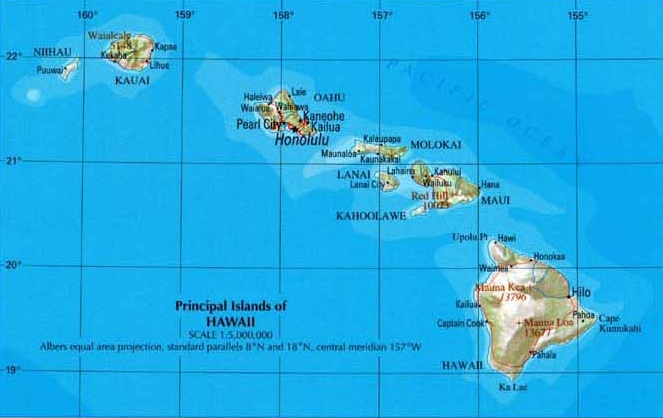
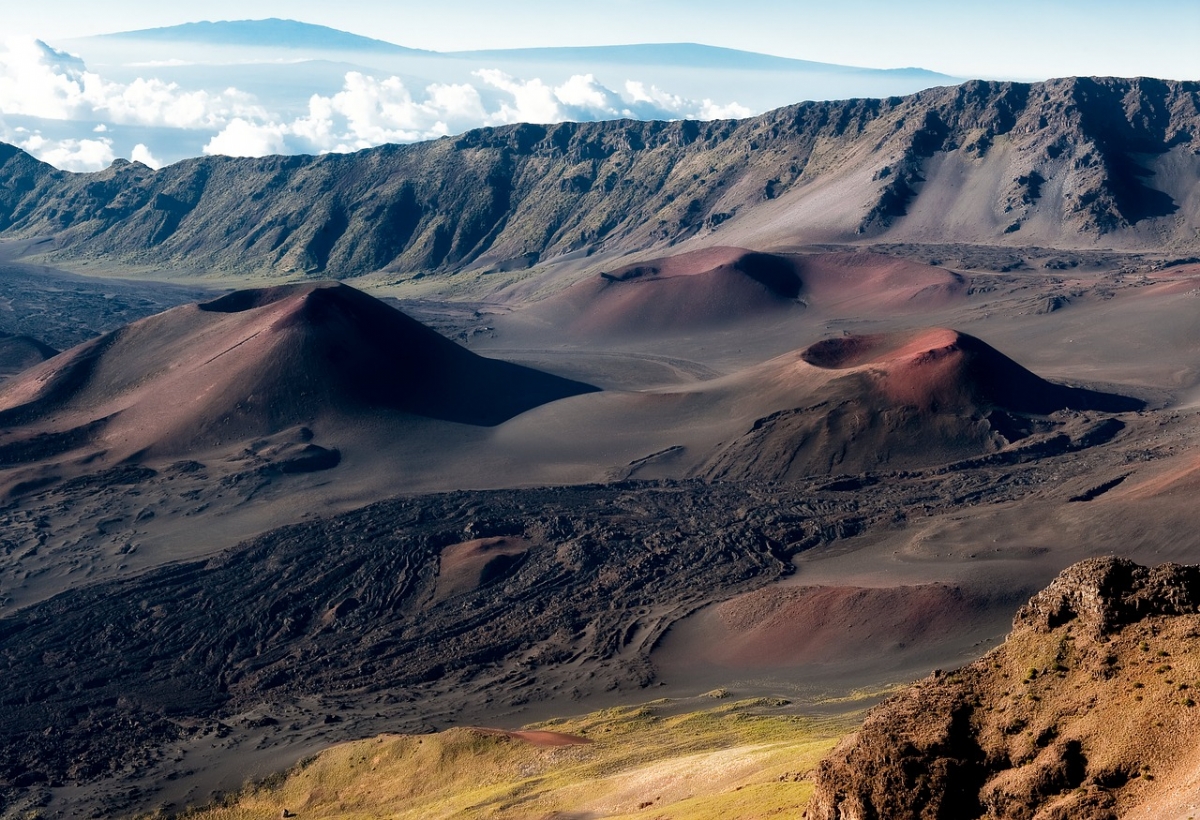
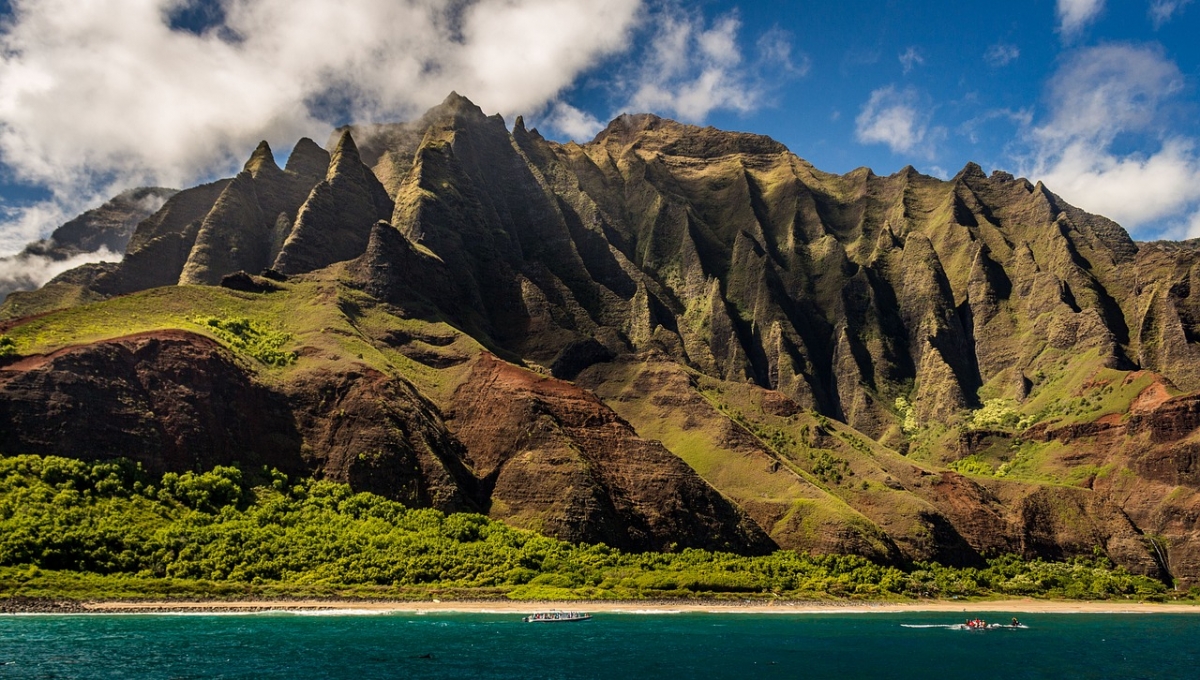
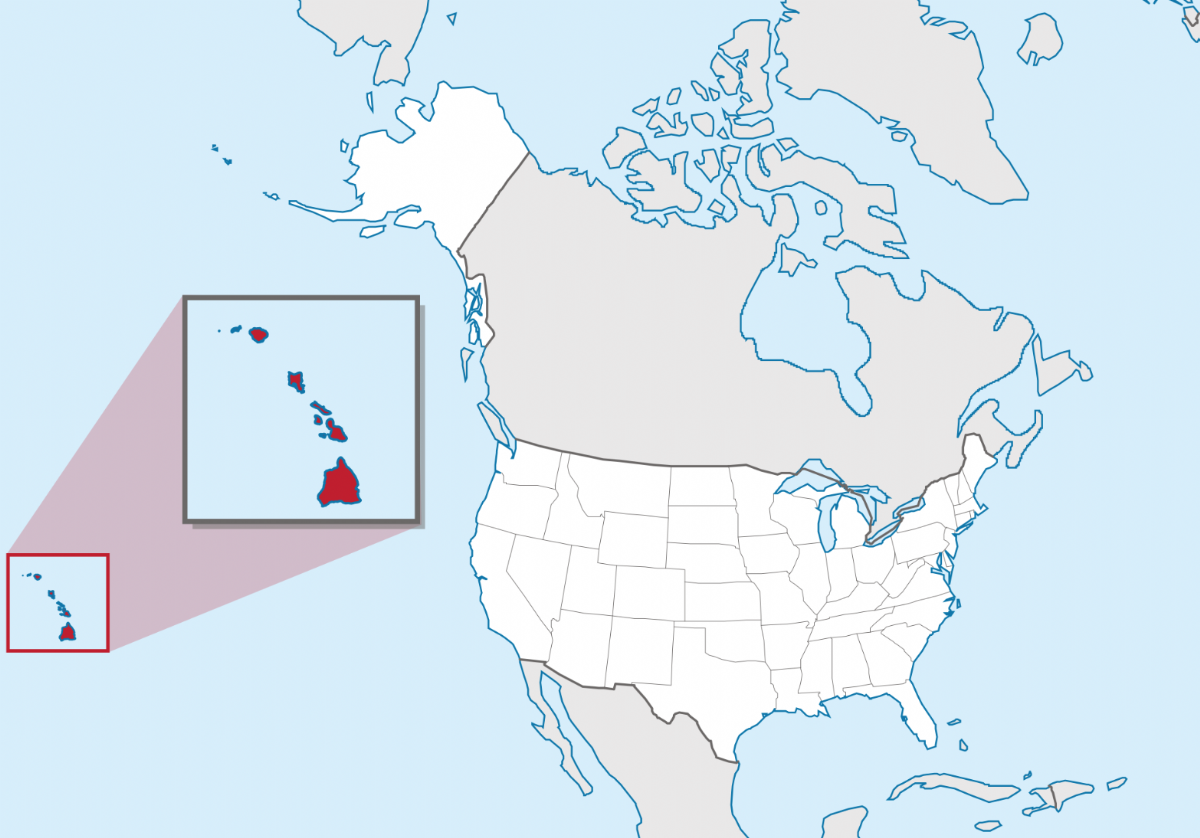
The Hawaiian Islands, located in the central Pacific Ocean, are of volcanic origin (see the Hot-spot volcanoes page to find out how they were formed). The state includes most of the Hawaii archipelago, which consists of hundreds of islands spread out over 1500 miles (2400 kilometres). The eight main islands lie at the southeastern end of the archipelago. All are surrounded by coral reefs. Hawaii is the largest of the group and is often called the "Big Island”.
Name
The state of Hawaii takes its name from its largest island. According to Hawaiian myth, the legendary figure Hawaiiloa discovered the islands when they were first settled. The British explorer James Cook, who named the archipelago the Sandwich Islands after his sponsor, John Montagu, 4th Earl of Sandwich, recorded the native name for the islands as “Owyhee”. In other related Polynesian languages the word for “homeland” is quite similar. In the Maori language, for example, it is Hawaiki; in Samoan it is Savaii.
Climate
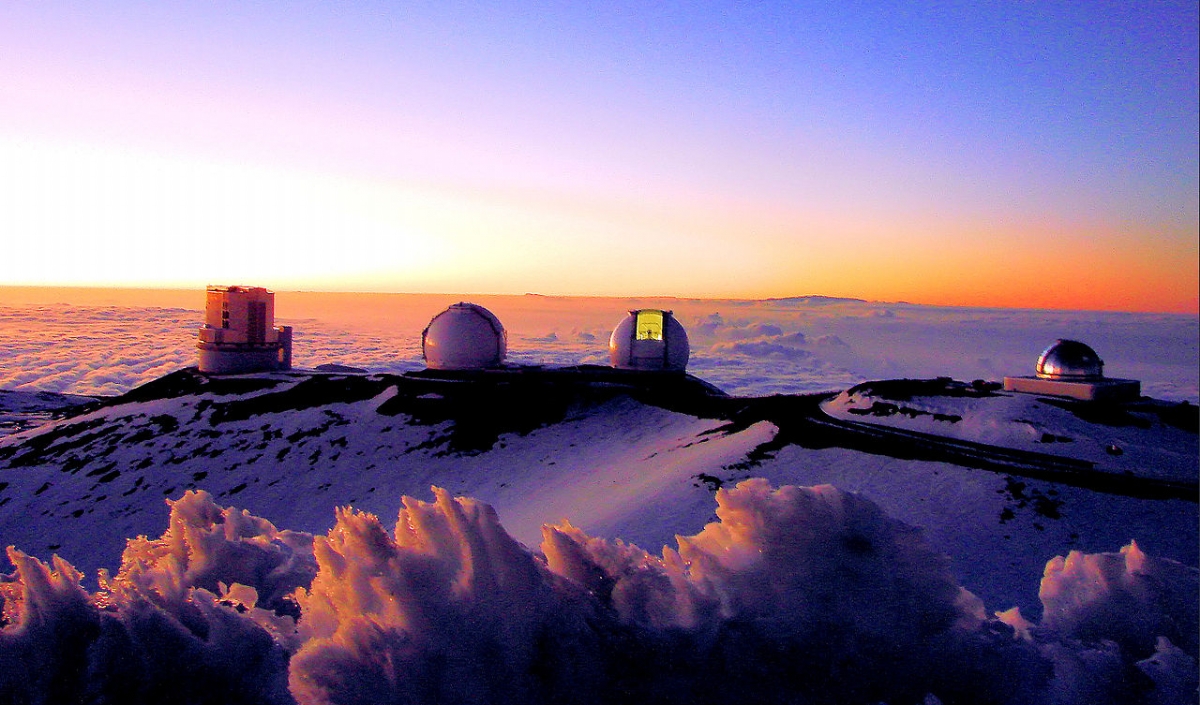
Although Hawaii is situated in the tropics, only its coastal areas experience tropical climates. At sea level, it is warm to hot all year round. There is only a small variation in temperature range: it seldom rises above 90°F (32°C) or drops below 65°F (18°C). Temperatures are lower at higher altitudes, with the highest peaks often receiving snowfall during the winter.
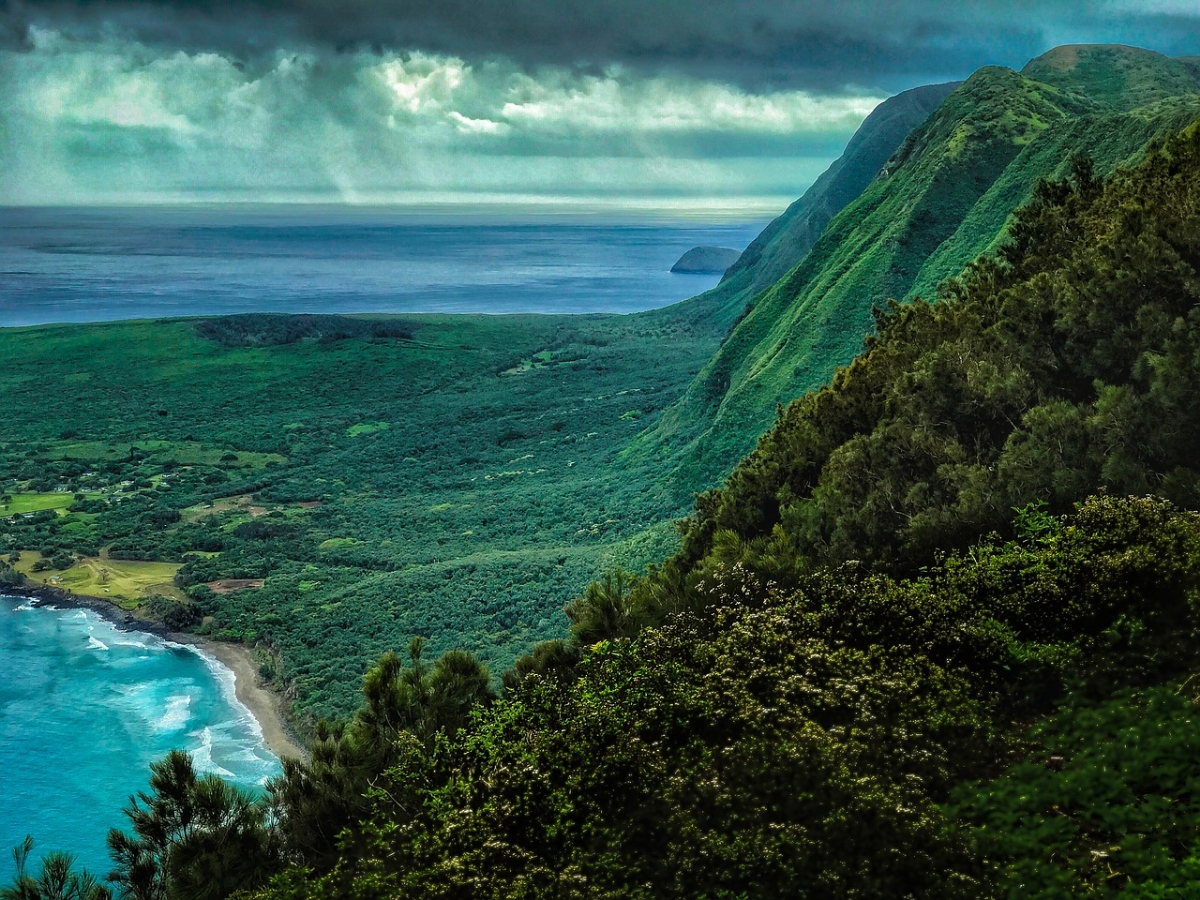
The islands receive most of their rainfall from trade winds on their northern and eastern sides. Light showers are frequent throughout the year, with storms bringing heavy rainfall in winter months (October to April). Mount Waialeale on Kauai has the second-highest average annual rainfall on Earth: about 460 inches (1200 centimetres) per year.
Economy
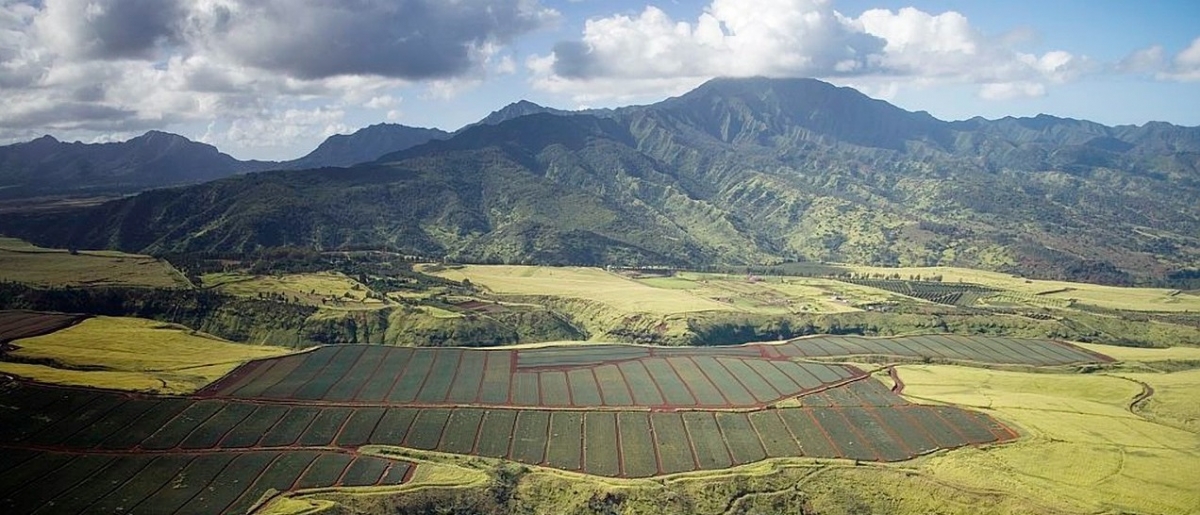
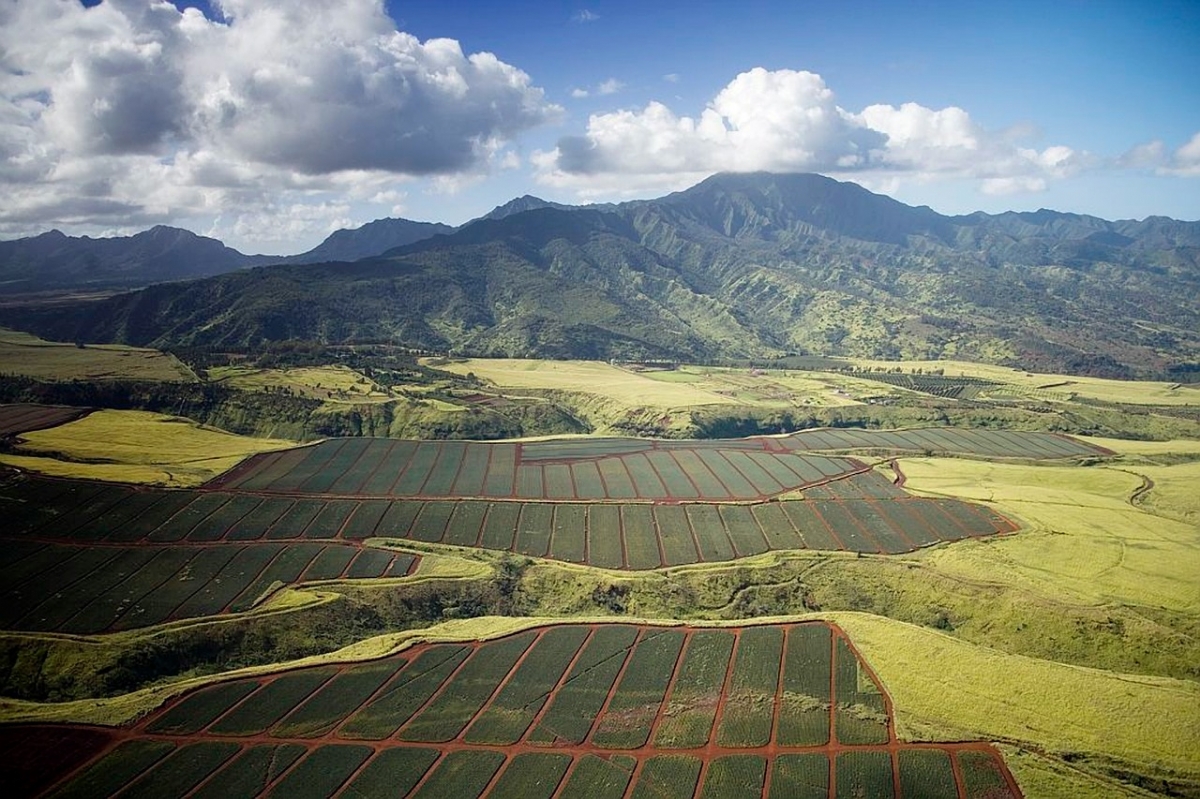
With its excellent, warm climate, tourism is Hawaii’s largest industry. The state's food exports include coffee, macadamia nuts, pineapples, bananas, greenhouse vegetables, livestock, sugar cane and honey. Commercial fishing, especially tuna, is also significant. Hawaii's climate has benefitted the seed (mostly of maize) industry: researchers are able to test up to three generations of crops per year on the islands.
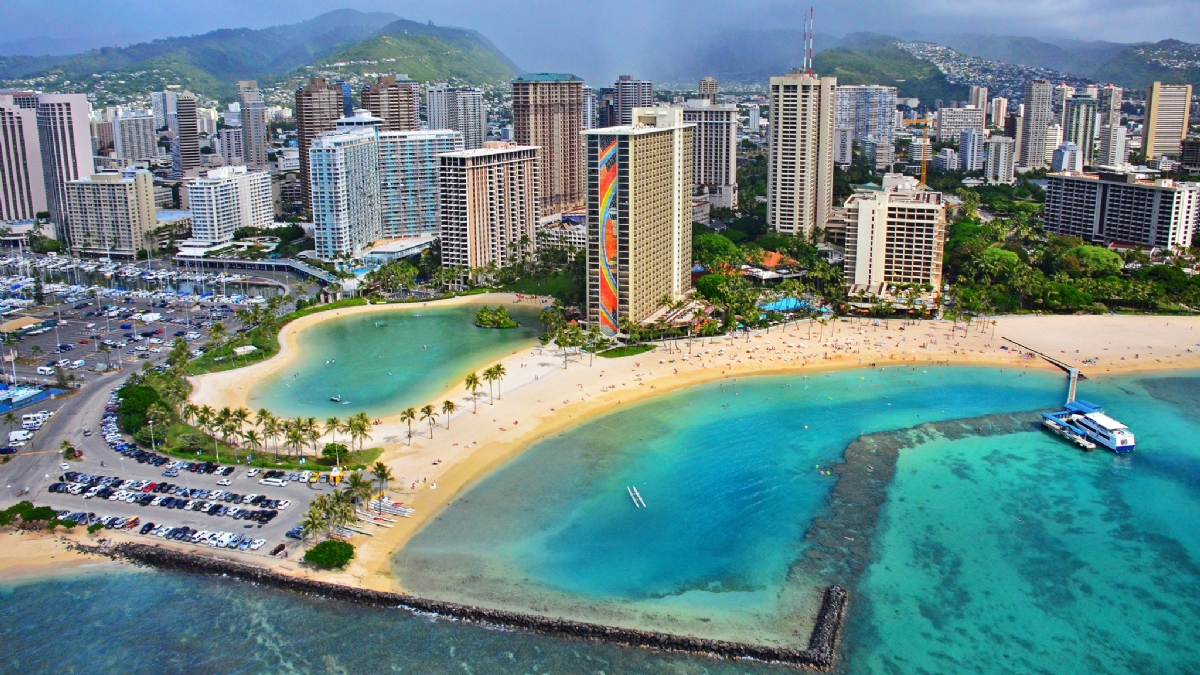
Facts about Hawaii
Area 6423 sq miles (16,637 sq km)
Highest point Mauna Kea 13,796 ft (4205 m)
Population 1,435,138
Capital Honolulu
Largest cities Honolulu, 350,964; East Honolulu, 50,922; Pearl City, 45,295; Hilo, 44,186; Waipahu, 43,485;
Nickname Aloha State
State bird Nene (Hawaiian goose)
State flower Pua aloalo (yellow hibiscus)
State tree Kukui (candlenut)
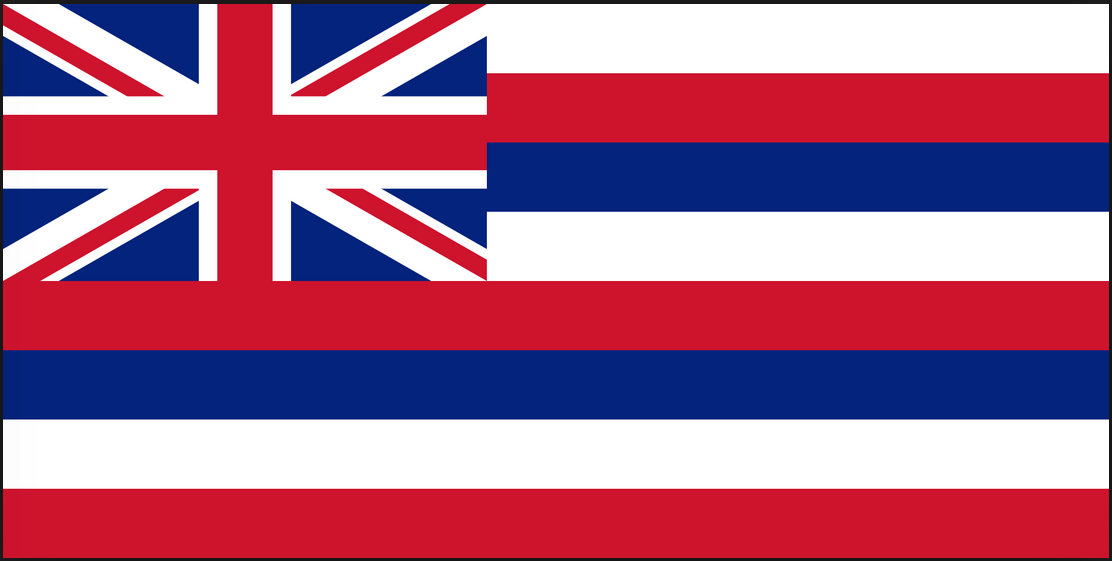
Consultant: Nicholas Harris
History of Hawaii
between AD 300 and 800
Hawaii is settled by Polynesians sailing from other Pacific islands
1778
Hawaii is first visited by Europeans when British explorer Captain James Cook arrives; he calls the island group the Sandwich Islands, after his sponsor John Montagu, 4th Earl of Sandwich
1790
Kilauea erupts, killing thousands of local people
1810
King Kamehameha I becomes the sole sovereign of all the islands, until this time fought over by warring kings.
early 19th century
American traders harvest the islands' sandalwood and sell it to the Chinese. But Europeans and Americans bring with them infectious diseases, which devastate the native population (during the 1850s, measles killed a fifth of Hawaii's people). Native cultural traditions and religion also break down during this time.
1820s
Missionaries establish schools and preach Christianity
1840
Constitutional monarchy is established with Kamehameha III as king; American influence grows
1850s
Sugar industry is established
1887
King Kalakaua is forced by Euro-Americans to sign a new Constitution, stripping him of much of his authority. United States establishes a naval base at Pearl Harbor, leading to an increase in the amount of sugar produced and exported to the US
1893
Queen Liliuokalani is overthrown by resident Euro-Americans; Hawaii becomes a protectorate of the United States
1894
Republic of Hawaii is established with American Sanford B. Dole as president
1898
Hawaii is annexed by the United States
1900
Hawaii becomes a US Territory, with Dole as governor
1941
Japanese make a surprise attack on the naval base at Pearl Harbor, bringing the US into World War II. During the war the Hawaiian Islands are the chief Pacific base for US forces
1959
Hawaii is admitted to the Union as the 50th state
1993
US Congress passes a resolution apologizing for the overthrow of the Hawaiian Kingdom in 1893
2008
The election of Barack Obama as president marks the first time someone born in Hawaii has been elected to the office
2018
Kilauea erupts, creating lava flows that burn dozens of homes
2022
(November) Mauna Loa (“Long Mountain” in Hawaiian), the biggest active volcano in the world, begins erupting for the first time since 1984
2023
(August) A series of wildfires break out, most of them on the island of Maui. The fires, driven by dry, gusty winds, lead to evacuations, cause widespread damage and kill more than 115 people in the town of Lahaina. A state of emergency is declared for the whole state.
pics
Without in any way limiting Q-files Ltd’s exclusive rights under copyright, any use of this publication to “train” generative artificial intelligence (AI) technologies to generate text is expressly prohibited. Q-files Ltd reserves all rights to license use of this work for generative AI training and development of machine learning language models.