
States of the US

CITE
We have made every effort to follow citation style rules, but there may be some minor differences. If in doubt, please refer to the appropriate citation style manual.
Indiana. (2026). In Q-files Encyclopedia, Geography, States of the US. Retrieved from
https://www.q-files.com/geography/states-of-the-us/indiana
"Indiana." Geography, States of the US, Q-files Encyclopedia, 2 Sep. 2026.
https://www.q-files.com/geography/states-of-the-us/indiana.
Accessed 21 Sep. 2026.
Indiana 2026. Geography, States of the US. Retrieved 21 September 2026, from
https://www.q-files.com/geography/states-of-the-us/indiana
Geography, States of the US, s.v. "Indiana," accessed September 21, 2026.
https://www.q-files.com/geography/states-of-the-us/indiana


Indiana
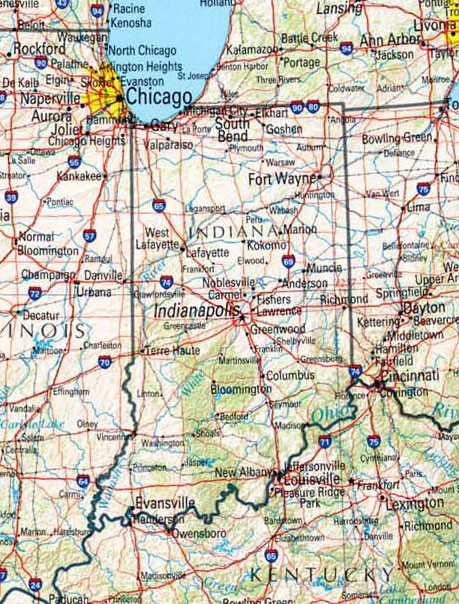
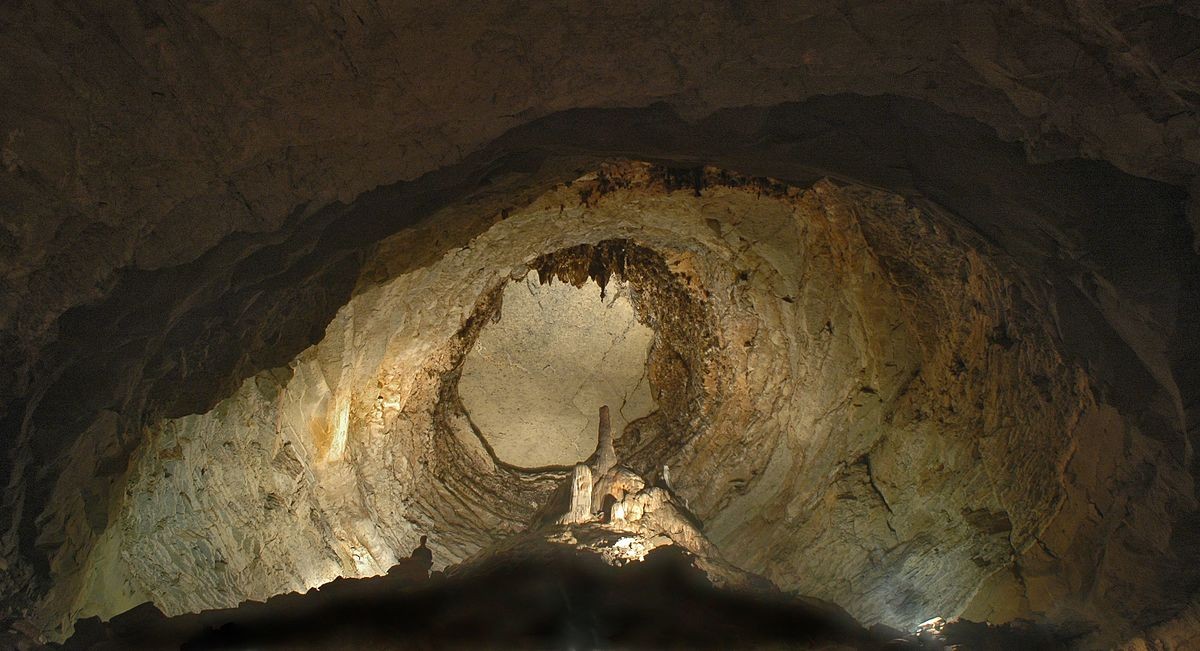
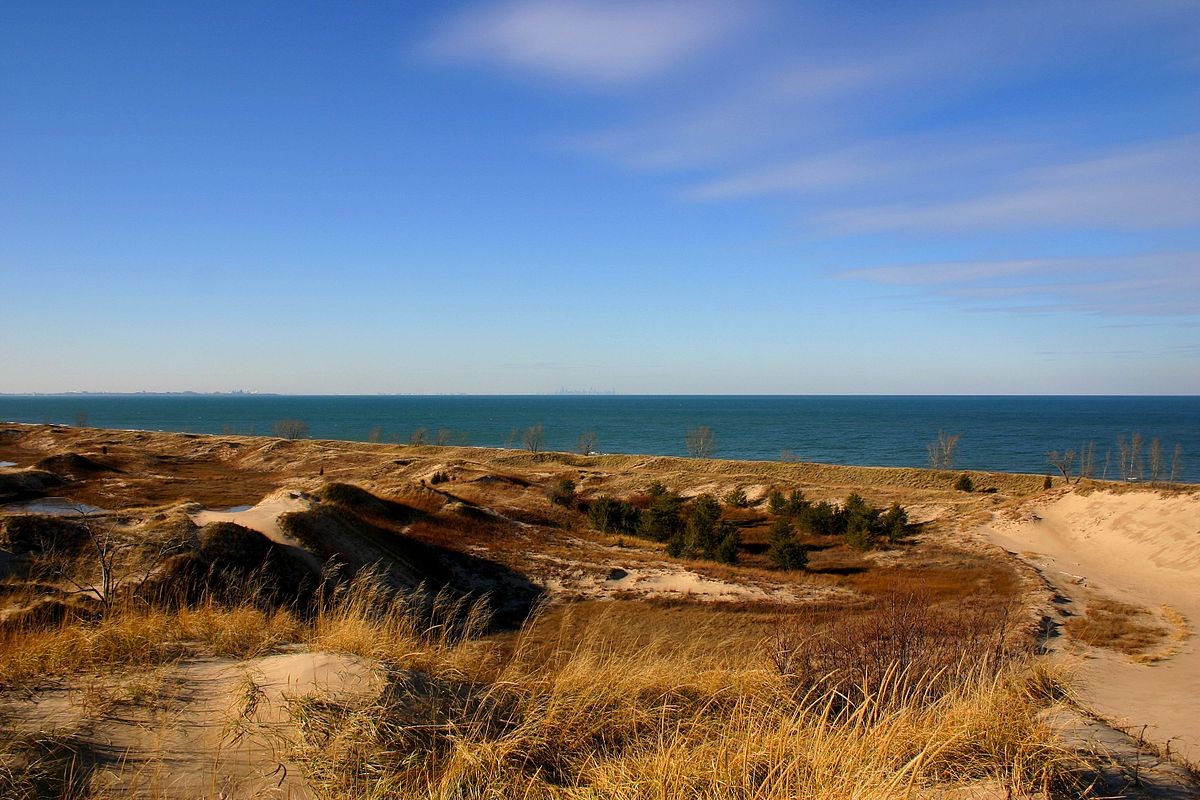
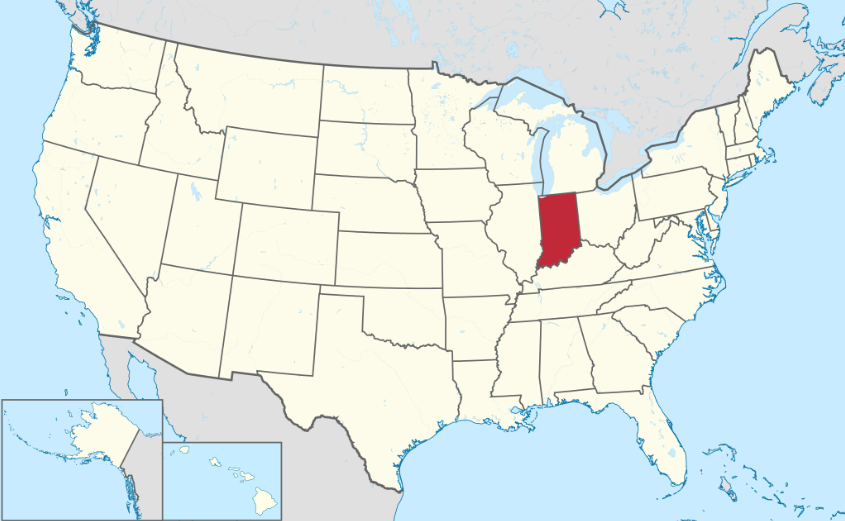
Indiana is located in the Midwest region of the United States. Apart from the Lake Michigan shoreline in the northwest, where there are high sand dunes, most of northern and central Indiana is flat with low rolling hills. The fertile soil is a mix of glacial sands, gravel and clay, which makes for exceptional farmland. Rivers such as the Wabash and Sugar Creek have carved deep valleys in the plain. There are numerous kettle lakes—formed by waters of the melting ice cap at the end of the Ice Ages—in the north. Southern Indiana consists of fertile valleys interspersed with rugged, hilly terrain. Here are found limestone caves, such as the Wyandotte Caves, and mineral springs, including French Lick and West Baden Springs.
Name
The name Indiana means "Land of the Indians", or simply "Indian Land". In 1800, the US Congress divided the Northwest Territory into two areas, naming the western part Indiana Territory. In 1816, part of this became the area set aside for the new state of the same name.
Climate
Nearly all of Indiana has a continental climate: cold winters and warm, wet summers. The extreme south has a subtropical climate, with more rainfall and warmer temperatures than other parts of the state. Average annual snowfall is higher close to the Lake Michigan shoreline in the northwest.
Economy
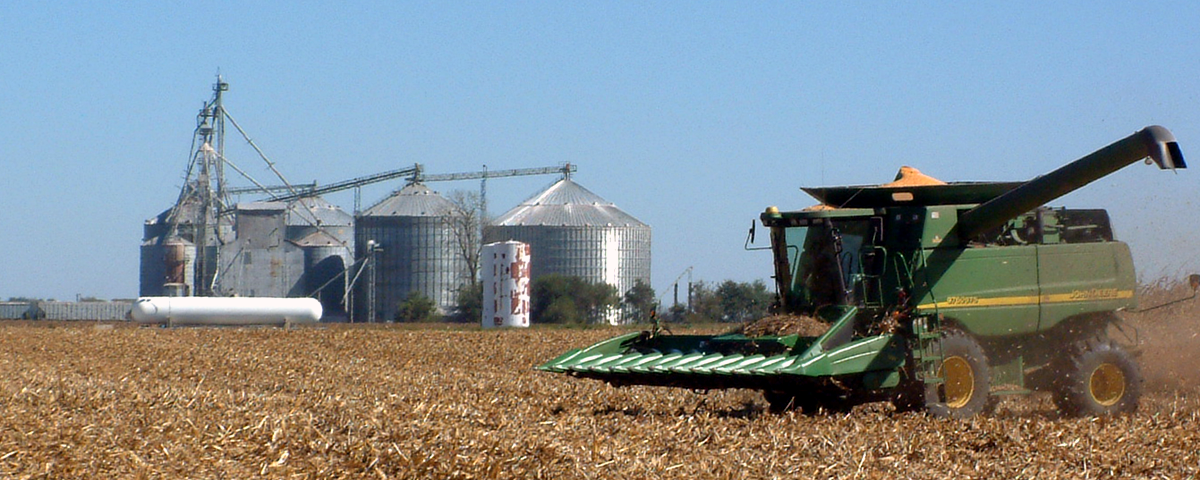
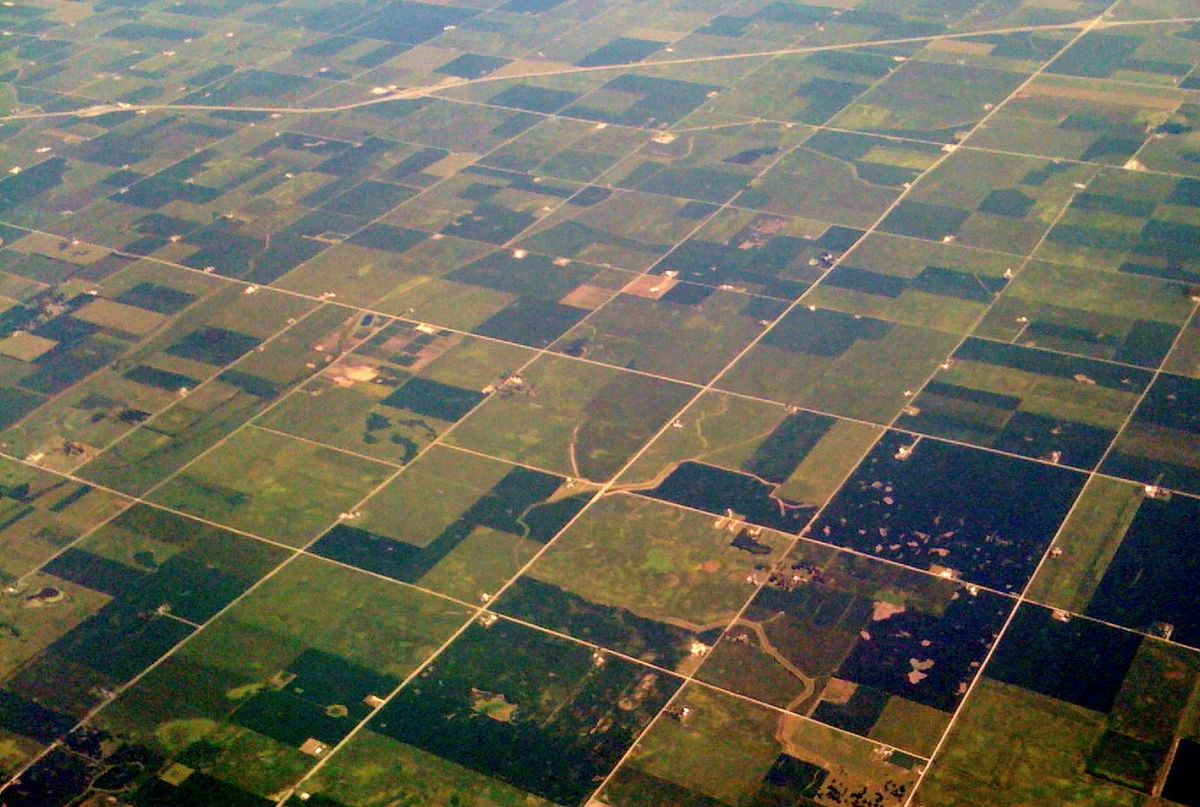
With its long growing season, fertile soils and favourable climate, Indiana is rich farming land. Although it is mainly a manufacturing state, about three quarters of the land is devoted to agriculture. Grain crops, mainly maize and wheat, are important, as are poultry, pigs and dairy farming. Among the other important crops are soya beans, hay, fruit and vegetables.
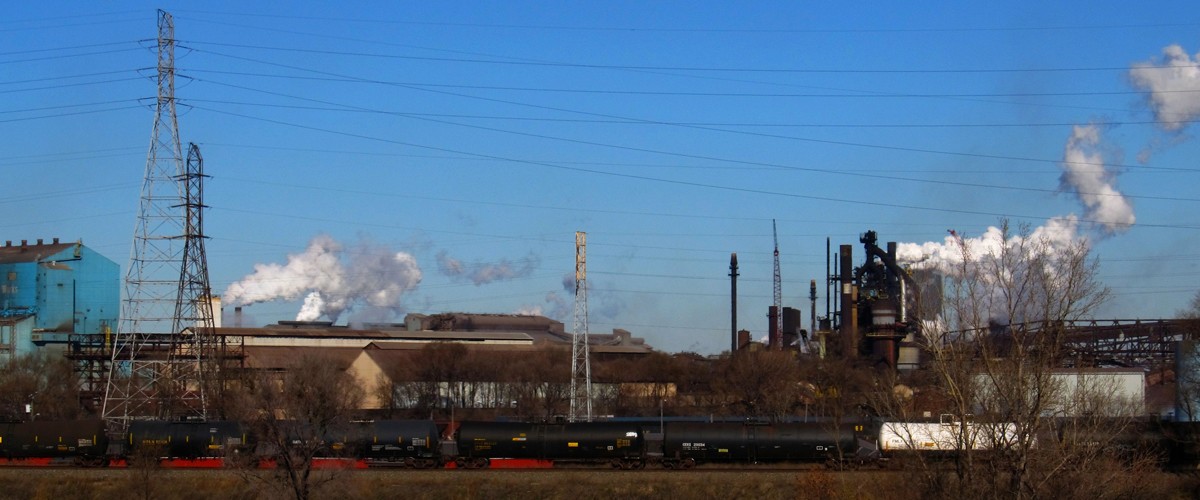
Indiana's Lake Michigan waterfront was once a thriving industrial area, with factories producing iron and steel, vehicles, aircraft engines, farm machinery, electrical equipment, pharmaceuticals and furniture. From the 1980s, the region experienced significant decline, along with the rest of the midwestern Rust Belt. The area around Indianapolis has enjoyed significant growth in recent years.
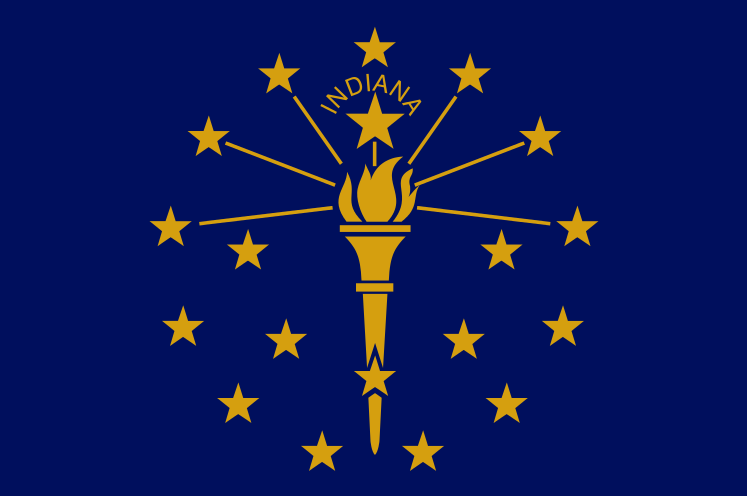
Facts about Indiana
Area 35,867 sq miles (92,896 sq km)
Highest point Hoosier Hill 1257 ft (383 m)
Population 6,862,199
Capital Indianapolis
Largest cities Indianapolis, 879,293; Fort Wayne, 269,994; Evansville, 115,332; Fishers, 104,094; South Bend, 103,395; Carmel, 102,296; Bloomington, 78,840; Hammond, 76,193; Noblesville, 73,916
Nickname Hoosier State
State bird Cardinal
State flower Peony
State tree Tulip tree
Consultant: Nicholas Harris
History of Indiana
17th century
Native American peoples living in the area at the time of European exploration include the Shawnee, Miami and Illini; later, they are joined by refugee tribes from eastern regions, including the Delaware, who settle in the White and Whitewater river valleys
1679
French explorer René-Robert de La Salle is the first European to cross into Indiana, arriving in present-day South Bend at the Saint Joseph River
1700s
Most of the settlers in the area are French Canadian missionaries or fur traders; trading posts are established near Vincennes, Fort Wayne and Fort Ouiatenon
1732
Vincennes, the first permanent settlement, is fortified; British colonists arrive from the east and fight the French Canadians for control of the fur trade
1763
With the British victory in the French and Indian War (also known as the Seven Years' War), the French are forced to cede all their lands in North America east of the Mississippi River—including the area of Indiana—to the British; they reserve it for Native American settlement
1783
At the end of the American Revolutionary War, by the Treaty of Paris, Britain cedes its claim to the land south of the Great Lakes (the “Old Northwest”) to the newly formed US, including Native American lands
1787
Present-day Indiana is included as part of the US Northwest Territory
1800
Congress separates Ohio from the Northwest Territory, renaming the rest of the land (which includes the present-day states of Indiana, Illinois and Wisconsin along with parts of Michigan and Minnesota) Indiana Territory; Vincennes is established as the capital
1810
The Shawnee chief Tecumseh encourages the Native Americans to resist European settlement
1811
US forces led by General William Henry Harrison defeat Native American forces in the Battle of Tippecanoe
1813
Tecumseh’s Confederacy comes to an end when he is killed during the Battle of Thames
1816
Indiana is admitted into the Union as the 19th state
1825
The state capital is moved to Indianapolis
1826
By the Treaty of Mississinwas in 1826 (and the earlier St Mary's Purchase of 1818), the US acquires all remaining reserved Native American lands in the northeast; most tribes in Indiana are removed to lands west of the Mississippi River
1811
The arrival of steamboats on the Ohio River in 1811 and the National Road at Richmond in 1829 encourages settlement of northern and western Indiana; Many European immigrants arrive, especially from Germany, Ireland and England
late 19th century
Industrial development comes to Indiana's Lake Michigan shoreline; marshlands are drained and factories and oil refineries are built
1880s–1910s
Indiana gas boom: a period of active drilling and production of natural gas in the Trenton Gas Field
1909
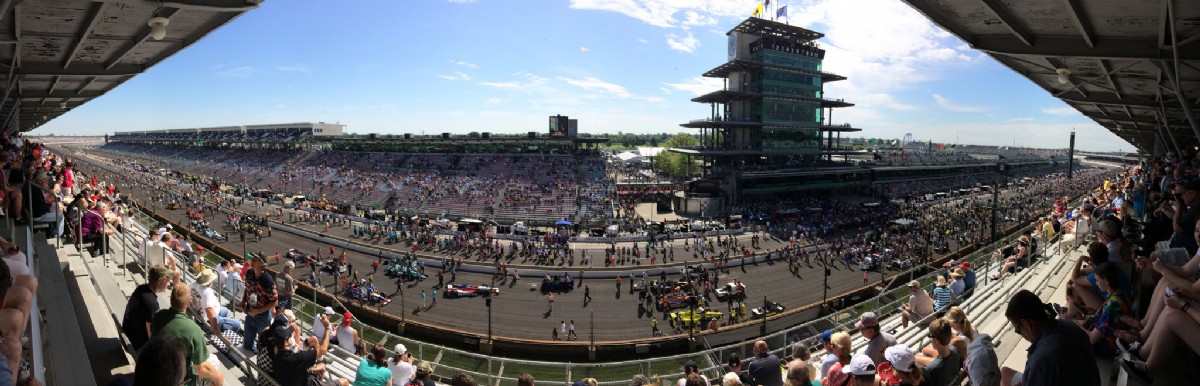
The Indianapolis Motor Speedway, an automobile racing circuit located in Speedway, Indiananoplis, opens. The first Indy 500 car race takes place in 1911.
2009
Central and southwestern Indiana are hit by flooding along the Ohio River and its tributaries, the costliest disaster in the history of the state.
pics
Without in any way limiting Q-files Ltd’s exclusive rights under copyright, any use of this publication to “train” generative artificial intelligence (AI) technologies to generate text is expressly prohibited. Q-files Ltd reserves all rights to license use of this work for generative AI training and development of machine learning language models.