
States of the US

CITE
We have made every effort to follow citation style rules, but there may be some minor differences. If in doubt, please refer to the appropriate citation style manual.
Washington, D.C.. (2026). In Q-files Encyclopedia, Geography, States of the US. Retrieved from
https://www.q-files.com/geography/states-of-the-us/washington-dc
"Washington, D.C.." Geography, States of the US, Q-files Encyclopedia, 1 Apr. 2026.
https://www.q-files.com/geography/states-of-the-us/washington-dc.
Accessed 6 Aug. 2026.
Washington, D.C. 2026. Geography, States of the US. Retrieved 6 August 2026, from
https://www.q-files.com/geography/states-of-the-us/washington-dc
Geography, States of the US, s.v. "Washington, D.C.," accessed August 6, 2026.
https://www.q-files.com/geography/states-of-the-us/washington-dc


Washington, D.C.
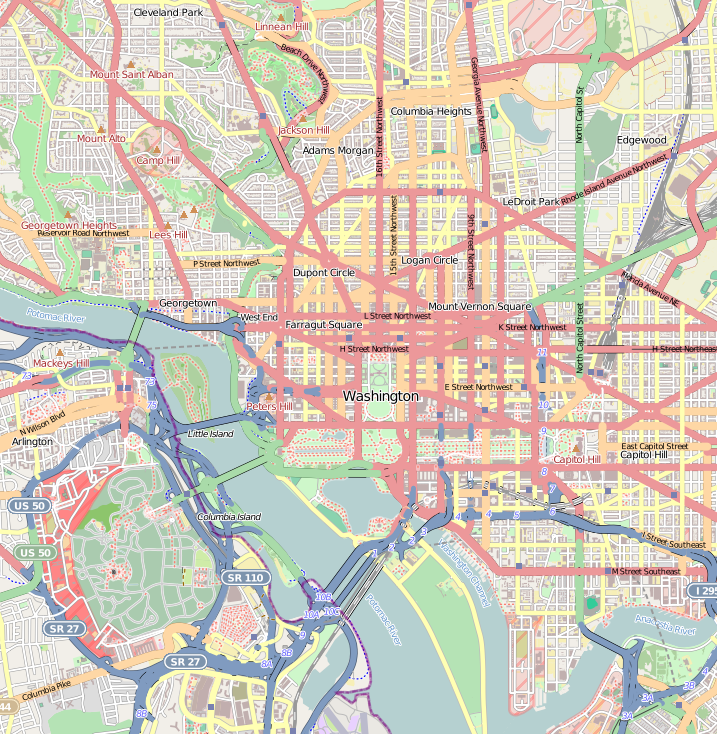
Washington, D.C., the capital city of the United States, is located between Virginia and Maryland on the American eastern seaboard. “D.C.” stands for the District of Columbia (or just "District"), a small area of land—not part of any state—in which the city is situated. Washington is home to the president (the White House), the Supreme Court and the Capitol Building. These are the three branches of the federal government of the United States. The creation of a capital (federal) district was approved by the US government in 1790. The states of Maryland and Virginia each donated land to form the federal district. The city of Washington was founded in 1791. Today, the Washington metropolitan area, which extends beyond the borders of D.C. into Maryland and Virginia, has a population of more than 6 million people.


Name
Washington is named after President George Washington. William de Hertburne, an ancestor of George Washington, took on the tenancy of the Wessyngtonlands, a manor to the west of today’s city of Sunderland, England, from the Bishop of Durham in the 12th century. He then changed his name to William de Wessyngton, which later became Washington. Wessyngton may come from the Anglo-Saxon word ”Hwaesingatun", meaning “estates of Hwaesa’s descendants”. Hwaesa (or Wassa) is an Old English name meaning "wheat sheaf”.
Another suggested origin of “Washington” is the Old English word “Wasindone”, meaning “people of the hill by the stream”.
“Columbia” originated from the name of Italian explorer Christopher Columbus. The ending -ia is common in Latin names of countries. A historical name used to describe the Americas, or more specifically the United States of America, it was first coined by Samuel Johnson in the 1730s before the US came into existence. He used it to describe the Thirteen Colonies. It has given rise to other American names besides the District of Columbia, including Columbia University, Columbia the capital of South Carolina, and the ship Columbia Rediviva, which later gave its name to the Columbia River.

Climate
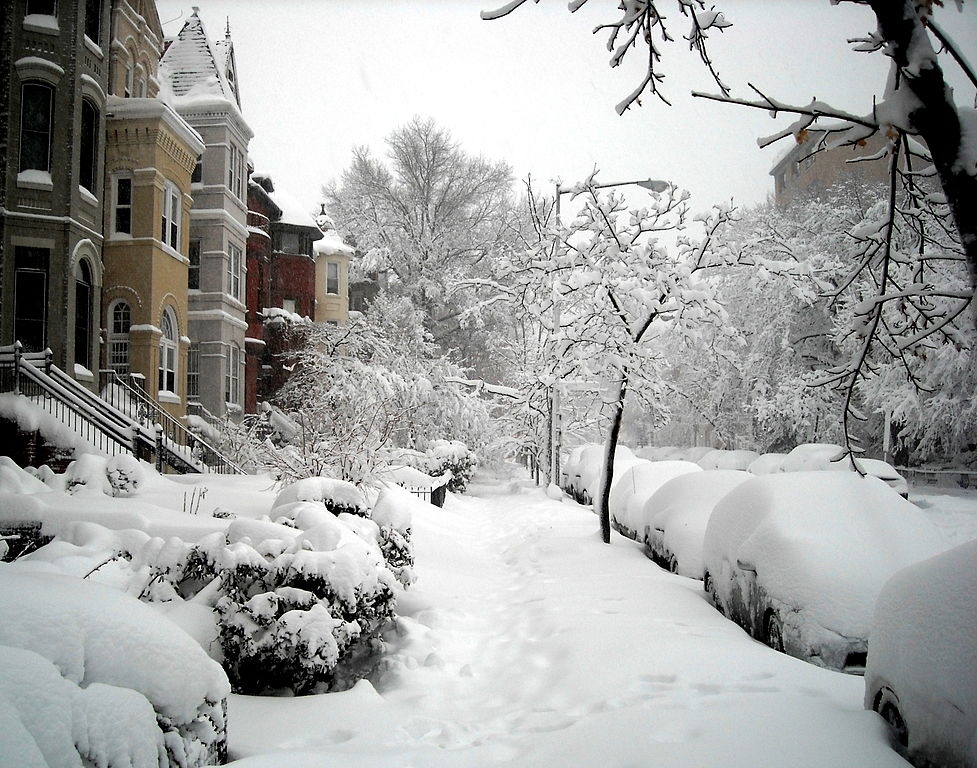
Washington has a humid subtropical climate, although this is moderated by the city’s location not far from the Atlantic coast. Winters are cold, with temperatures averaging around 38°F (3°C), while summers are hot and humid, with July averages of 80°F (27°C). Precipitation throughout the year is fairly evenly distributed, averaging between 3 and 4 inches (7.5 and 10 cm) per month.
The combination of heat and humidity in the summer brings frequent thunderstorms, and the occasional tornado. Snowstorms are not uncommon: the most severe blizzards are called nor'easters, which often affect large sections of the East Coast. Hurricanes occasionally pass through the area in late summer and early autumn, but are usually weak by the time they reach Washington. Flooding of the Potomac River sometimes occurs, caused by a combination of high tides, storm surges and heavy rainfall.
Capital city
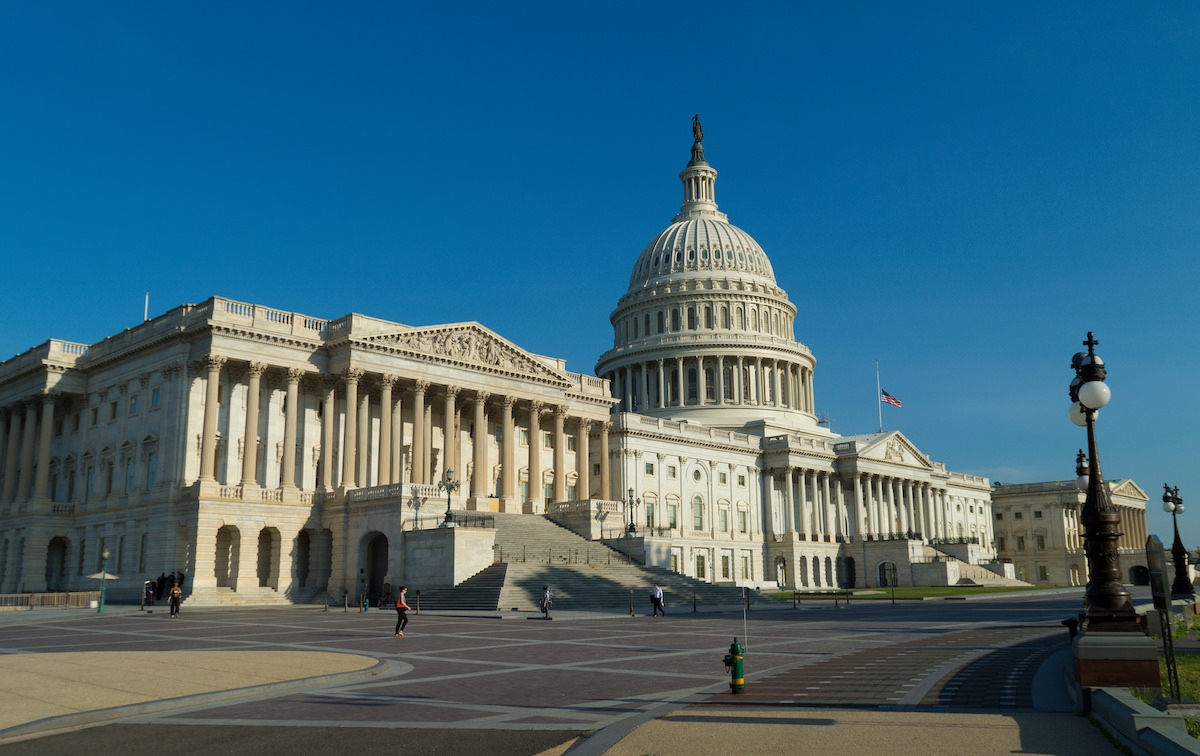
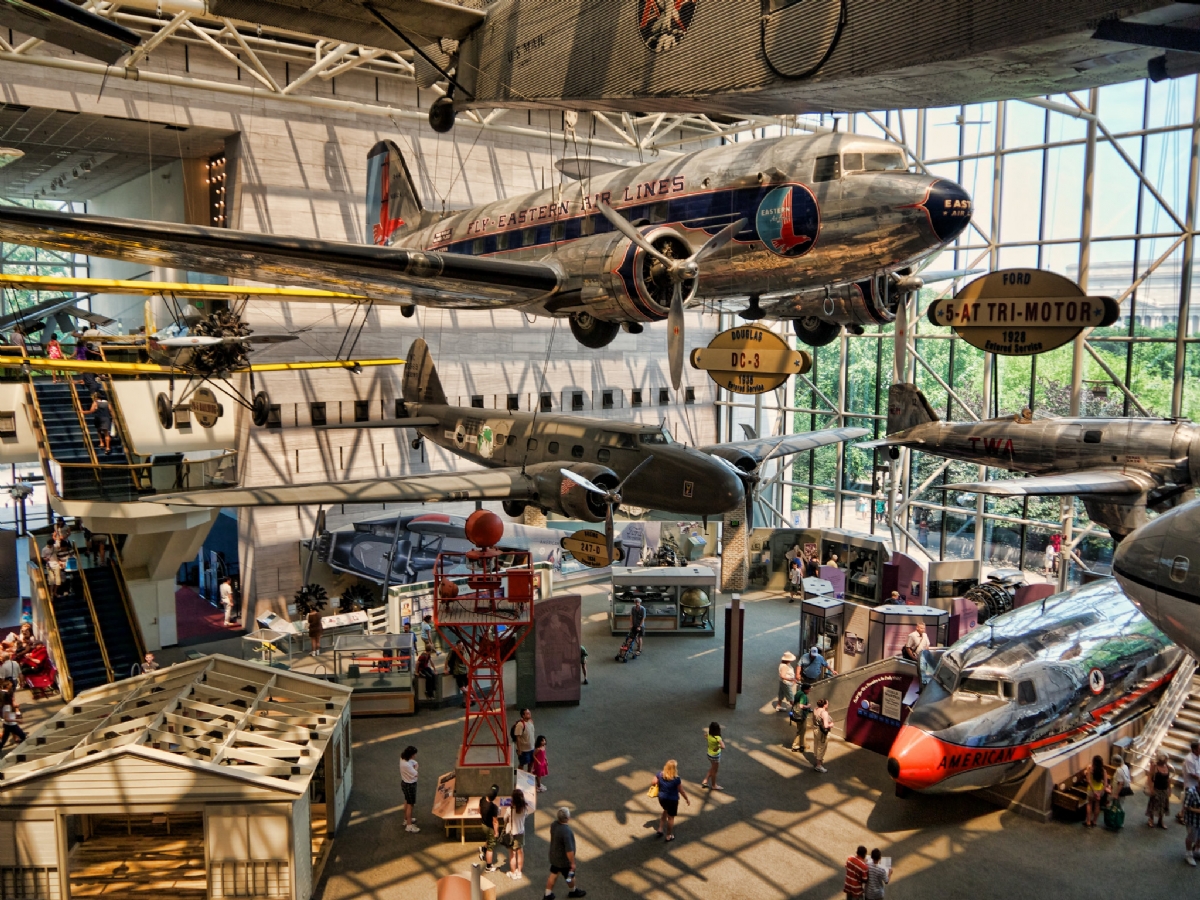
Washington is the legislative, administrative and judicial centre of the United States. The city also hosts the headquarters of many national and international organizations, as well as some 176 foreign embassies. It is home to many national monuments and museums, most of which are situated on or around the National Mall. There is little industry; hundreds of thousands of people living in the metropolitan area are employed by government or by the many organizations that are located in Washington because it is the capital. The city is also a major tourist attraction and a cultural centre.

Government
A locally elected mayor and a 13-member council have governed Washington, D.C. since 1973. However, Congress maintains supreme authority over the city, and the District has no representation in the Senate. It has three electoral votes in presidential elections.
Foundation
On 9th July 1790, the US Congress passed the Residence Act, which approved the creation of a national capital on the Potomac River. The precise location was chosen by President George Washington. Formed from land donated by the states of Maryland and Virginia, the shape of the federal district was to be a square measuring 10 miles (16 km) on each side. On 9th September 1791, it was announced the new city would be named in honour of President Washington. The federal district was to be called Columbia.
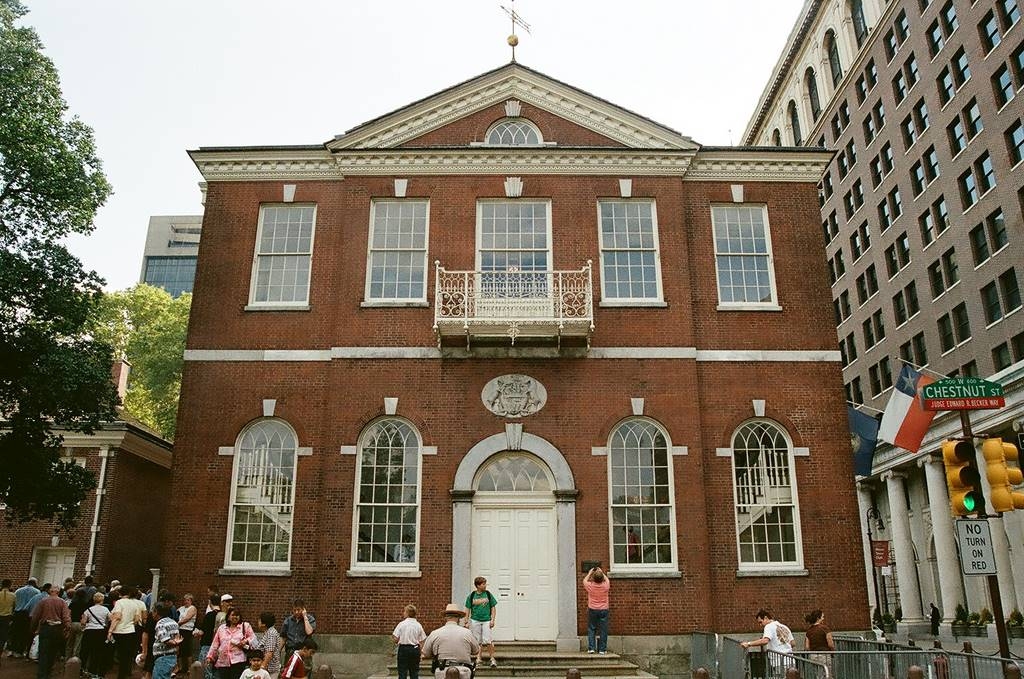
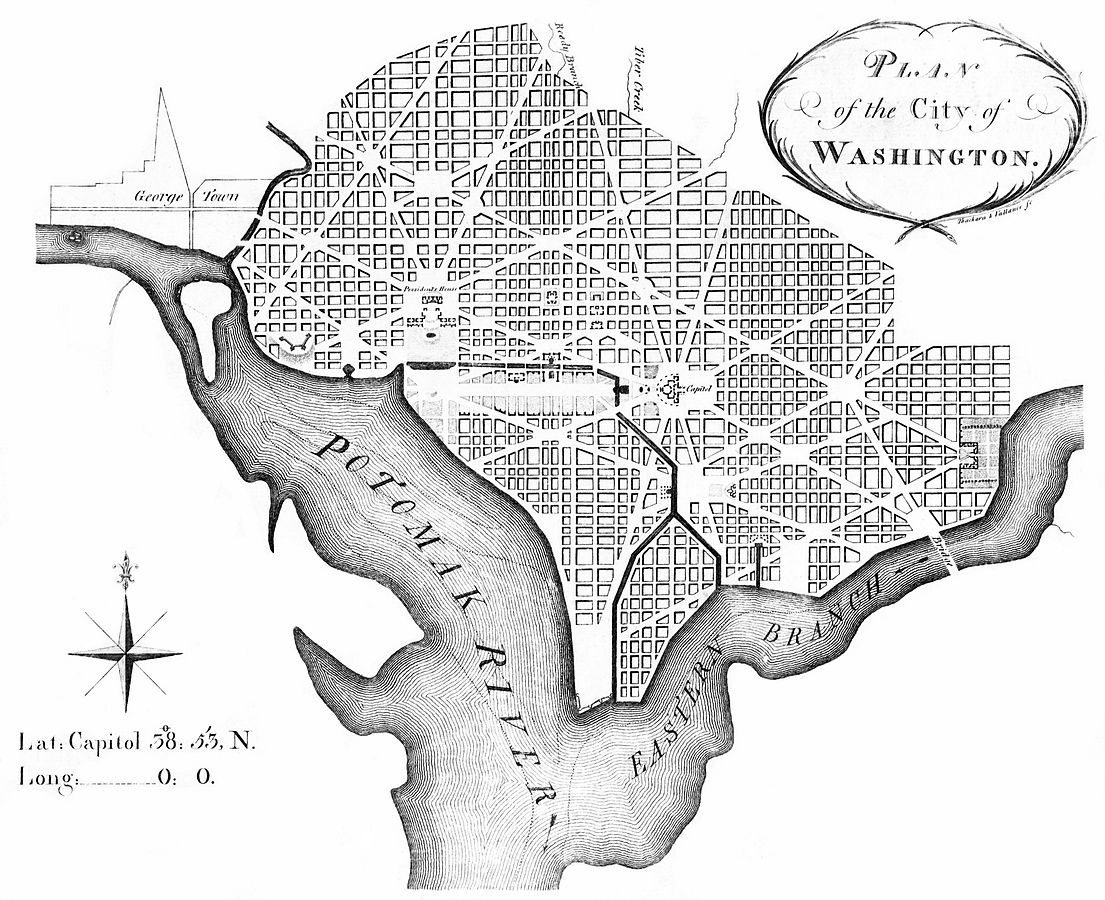
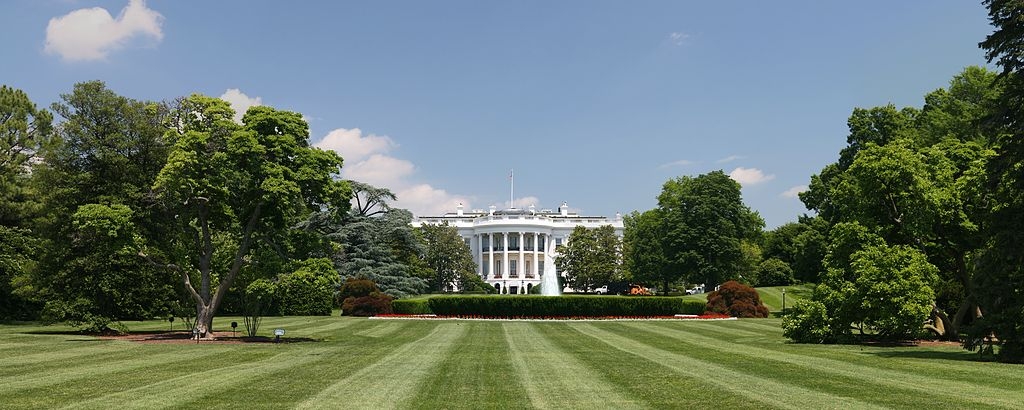
In 1791, President Washington commissioned Pierre Charles L'Enfant, a French-born architect and planner, to design the new capital. L'Enfant based his design on European cities such as Paris, Amsterdam and Milan. It featured a combination of a grid street plan with avenues radiating outwards from certain points. L’Enfant also planned a wide, garden-lined "grand avenue" approximately 1 mile (1.6 km) in length in the area that is now the National Mall. The city was laid out by the surveyor Andrew Ellicott, broadly following L'Enfant’s design. Construction work began on the White House in 1792, and on the Capitol the following year.
The city of Washington was built on a gently undulating, low, wide peninsula of land bounded by the Potomac River to the west and its tributary, the Eastern Branch, or Anacostia, to the east. It was intended that the location would enable the city develop into an important commercial port.
Congress held its first session in Washington on 17th November 1800. Thomas Jefferson was the first president to be inaugurated in the new capital the following year.

Expansion
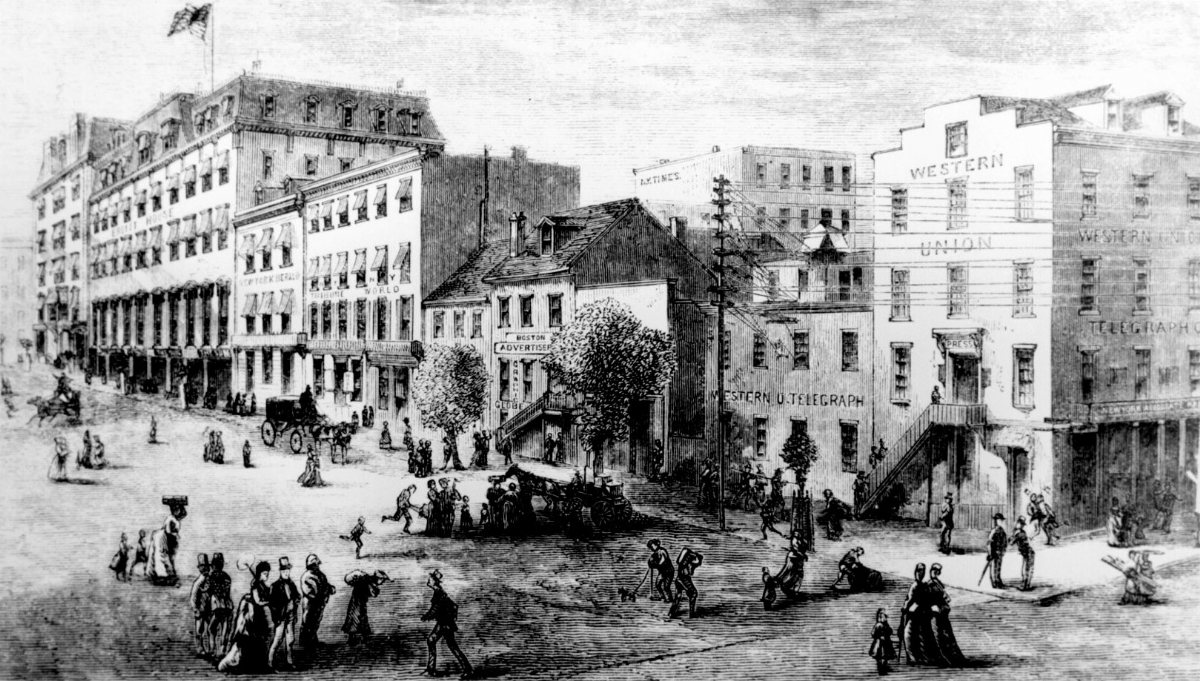
The outbreak of the American Civil War in 1861 led to expansion of the federal government and a significant growth in the District's population, which now included a large influx of freed African American slaves. But, despite the city's growth, Washington in the 1870s had not yet become the modern city befitting a national capital. It had dirt roads and lacked basic sanitation. President Grant appointed Alexander Robey Shepherd to the position of District Governor in 1873. Shepherd authorized projects that modernized Washington—but the city soon ran out of money.
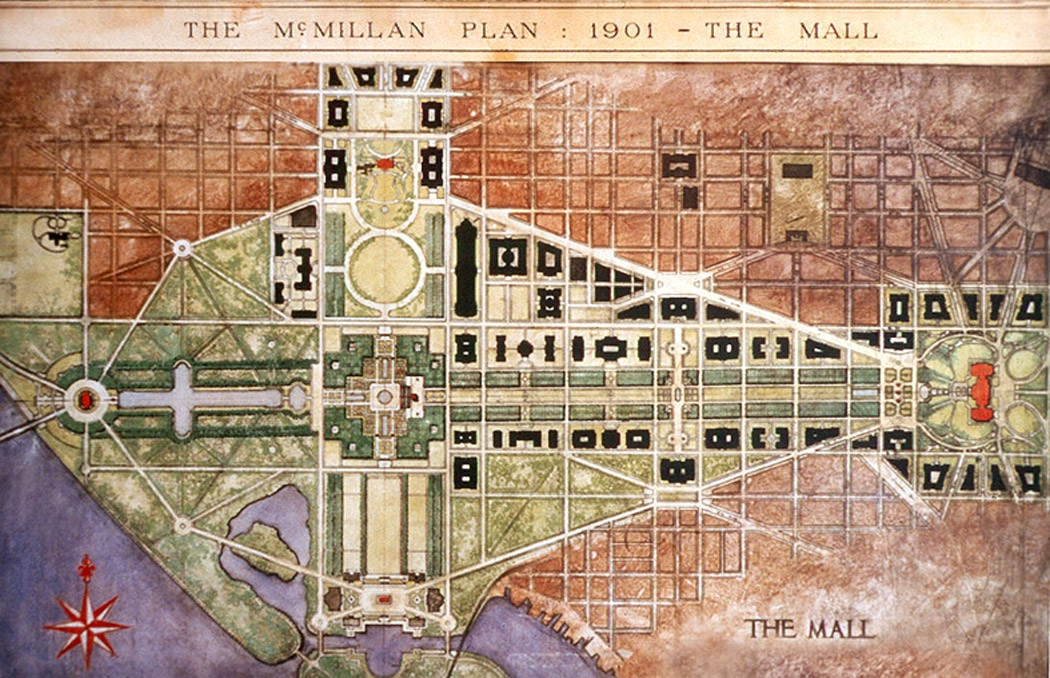
The city's first trams began service in 1888 and led to an expansion of the city into areas of the District beyond the Washington's original boundaries. Washington's urban plan was expanded throughout the District in the following decades. After 1901, Washington was developed on the basis of the back-in-favour L'Enfant plan—a grid arrangement of streets, cut by diagonal avenues radiating from the Capitol, the White House and other points, together with a system of parks.
Increased federal spending as a result of the New Deal in the 1930s led to the construction of new government buildings, memorials and museums in Washington. World War II further added to the number of federal employees in the capital. By 1950, its population topped 800,000 inhabitants.
Since then, Washington's population has declined steadily, mainly because of out-migration by former city residents to new homes in the suburbs in Virginia and Maryland. By the first decade of the 21st century, however, Washington’s population began to increase once more as younger workers moved into revitalized inner city neighbourhoods.
Facts about Washington, D.C.
Area 68.34 sq miles (177 sq km)
Highest point 409 ft (125 m)
Population 678,972
Nicknames D.C., The District
Flower American beauty rose
Bird Wood thrush
Tree Scarlet oak

Consultant: Nicholas Harris
History of Washington, D.C.
17th century
Algonquian-speaking Native American Piscataway peoples, including the Nacotchtank, inhabit the lands around the Potomac River when Europeans first visit the area
1699
Conflicts between European colonists and native peoples force the relocation of the Piscataway people, some of whom establish a new settlement near Point of Rocks, Maryland
1790
Residence Act: James Madison, Alexander Hamilton and Thomas Jefferson propose that the federal government pay remaining state Revolutionary War debts in return for establishing the new national capital on the banks of the Potomac River. Both Maryland and Virginia agree to cede land for the creation of the new federal district
1791
It is announced that the new capital city is to be named Washington, in honour of President George Washington. The federal district is to be called the District of Columbia
1800
The White House and the original Capitol Building are completed; Congress holds its first session in Washington
1814
British forces invade Washington during the War of 1812. The Capitol, Treasury and White House are all burned and damaged during the attack. Most government buildings are quickly repaired
1846
Congress agrees to return, or “retrocede”, all the territory that was originally ceded by Virginia, including the town of Alexandria; this became effective in 1847. The District's area thereafter consists only of the portion donated by Maryland
1862
President Abraham Lincoln signs the Compensated Emancipation Act, which ends slavery in the District of Columbia
1866
Capitol dome is completed
1884
Washington Monument, a tribute to George Washington, is completed. It is the world's tallest stone structure
1895
Washington formally absorbs Georgetown, which existed before the District was established and until this time has maintained its separate identity
1901
McMillan Plan, a redesign of the National Mall and removal of slums surrounding the Capitol (replacing them with new public monuments and government buildings), is put into action
1922
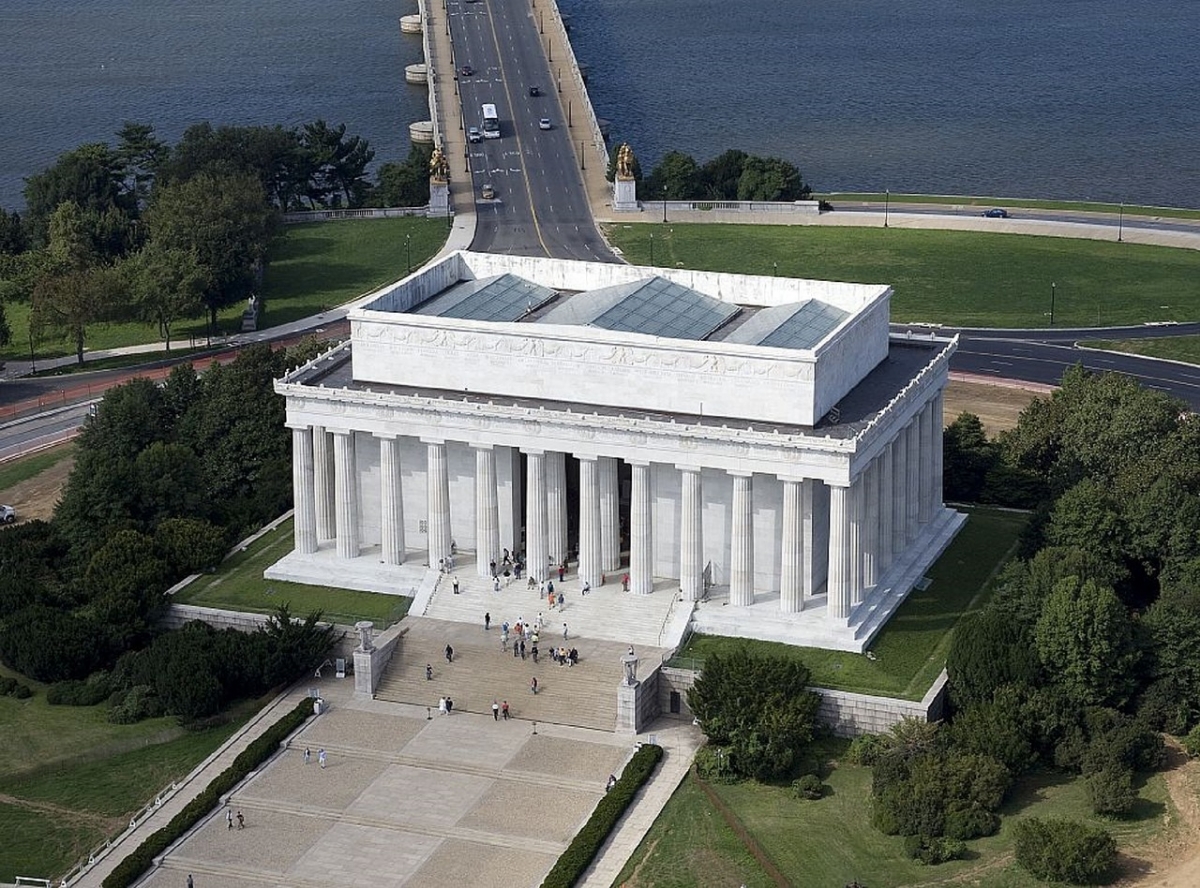
The Lincoln Memorial, a national monument built to honour President Abraham Lincoln, located on the western end of the National Mall, is dedicated
1957
Washington becomes the first major city in the US with a majority African American population
1963
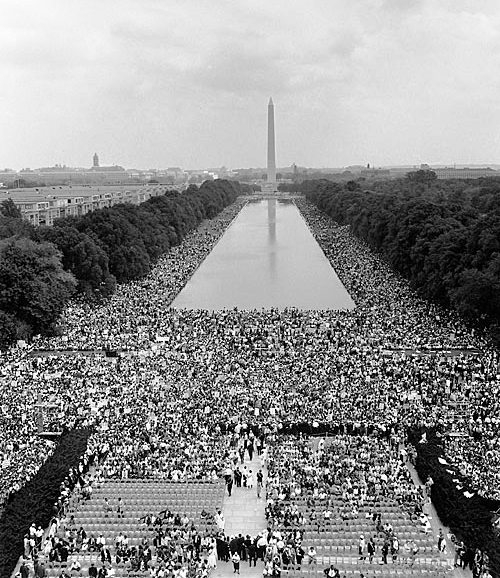
The March on Washington for Jobs and Freedom: its purpose is to press for civil and economic rights for African Americans. At the march, Dr Martin Luther King, standing in front of the Lincoln Memorial, delivers his historic "I Have a Dream" speech in which he calls for an end to racism
1968
After the assassination of civil rights leader Dr Martin Luther King, riots break out in the District, mainly in African American residential areas. Many buildings are burned down
1972–74
Watergate scandal: the attempts of the administration of President Richard Nixon to cover up its involvement in the break-in of the Democratic National Committee headquarters at the Watergate Office Building in Washington, D.C., prompt the US House of Representatives to commence an impeachment process against the president. When his involvement in the cover-up is made public, Nixon resigns from office on 9th August 1974
1973
A locally elected mayor and a 13-member council govern the District of Columbia, but Congress retains the power of veto
1976
The first section of the Washington Metro subway system is opened
2016
Washington voters overwhelmingly (86%) approve a proposal to admit the District as the 51st State of the US
2021
A mob of around 2000 supporters of President Donald Trump attack the Capitol Building in Washington, D.C. They seek to overturn his defeat in the 2020 presidential election by disrupting the joint session of Congress assembled to count electoral votes. The rioters assault law enforcement officers, vandalize property and occupy the building for several hours. Five people die during or following the event and many people are injured.
pics
Without in any way limiting Q-files Ltd’s exclusive rights under copyright, any use of this publication to “train” generative artificial intelligence (AI) technologies to generate text is expressly prohibited. Q-files Ltd reserves all rights to license use of this work for generative AI training and development of machine learning language models.