
States of the US

CITE
We have made every effort to follow citation style rules, but there may be some minor differences. If in doubt, please refer to the appropriate citation style manual.
North Dakota. (2026). In Q-files Encyclopedia, Geography, States of the US. Retrieved from
https://www.q-files.com/geography/states-of-the-us/north-dakota
"North Dakota." Geography, States of the US, Q-files Encyclopedia, 2 Sep. 2026.
https://www.q-files.com/geography/states-of-the-us/north-dakota.
Accessed 21 Sep. 2026.
North Dakota 2026. Geography, States of the US. Retrieved 21 September 2026, from
https://www.q-files.com/geography/states-of-the-us/north-dakota
Geography, States of the US, s.v. "North Dakota," accessed September 21, 2026.
https://www.q-files.com/geography/states-of-the-us/north-dakota


North Dakota
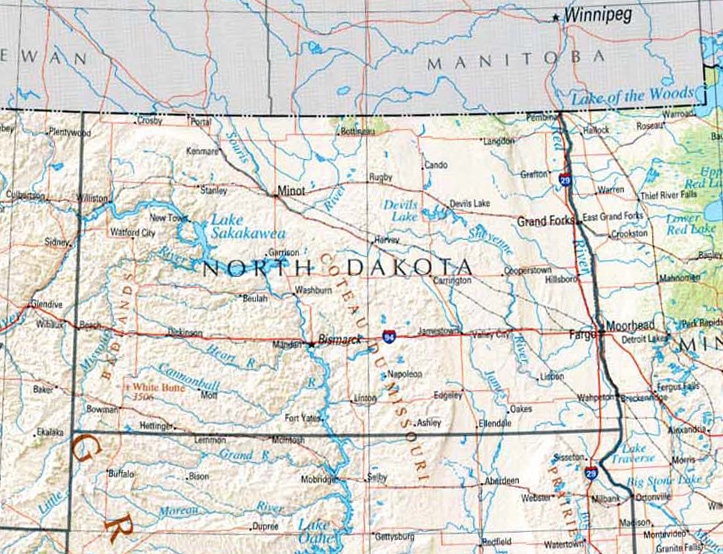
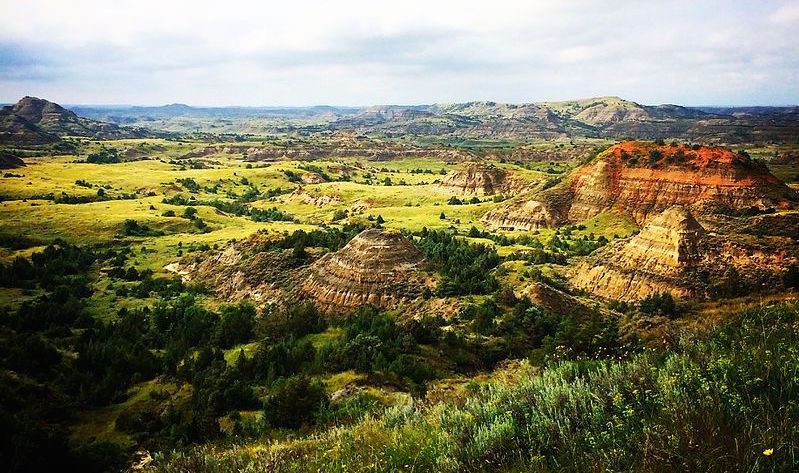
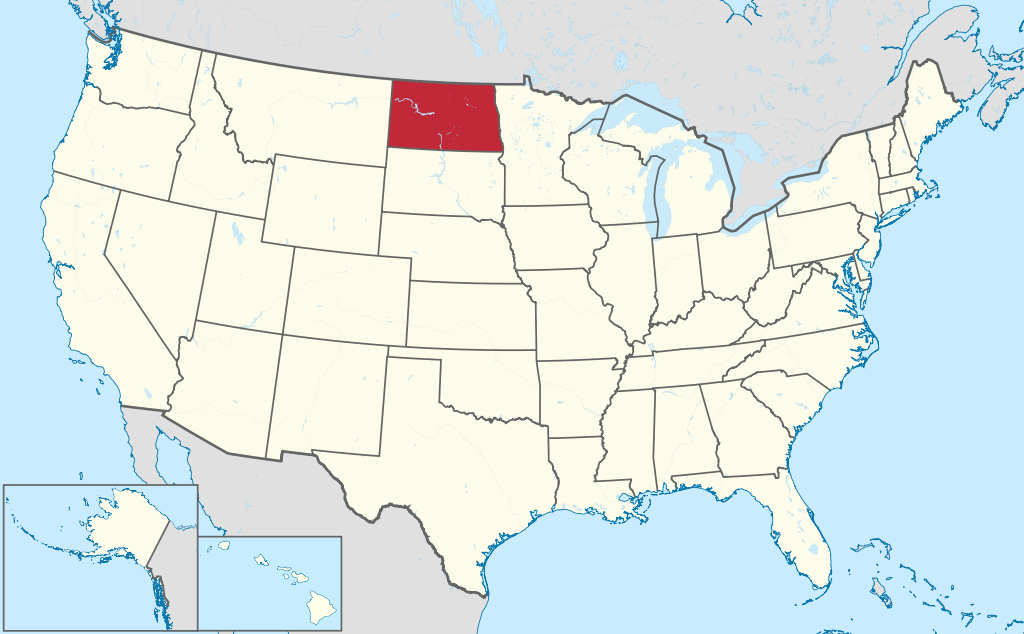
North Dakota is located in the Upper Midwest region of the United States. In the eastern part of the state lies the Red River Valley, once the bed of an ancient lake, Agassiz, formed by the meltwaters of the ice sheet that covered northern North America during the last Ice Ages. The fertile soils of this flat, treeless land are now intensively cultivated. Central North Dakota is a mixture of rolling hills, scattered lakes and fertile fields. To the west, beyond the Missouri Escarpment, lies the Great Plains, a plateau cut by deep gullies. The climate is drier and the cultivated fields give way to pasture.

Name
The Native American peoples who settled in the North Dakota region were the Lakota and Dakota (part of the Sioux group), Blackfoot, Cheyenne, Chippewa and Mandan. The word "Dakota" is a version of a Lakota word meaning "friends". Today’s states of North and South Dakota were once joined together as Dakota Territory. North Dakota and South Dakota were admitted to the union as separate states on 2nd November 1889.

Climate
North Dakota has a continental climate, with cold winters and hot summers. The temperature differences are extreme because of the state’s location deep inland. The eastern half of North Dakota has fairly wet summers, while the western half has a semi-arid climate. East of the Missouri River winters are slightly colder than to the west. The risk of tornadoes is greatest in midsummer.


Economy
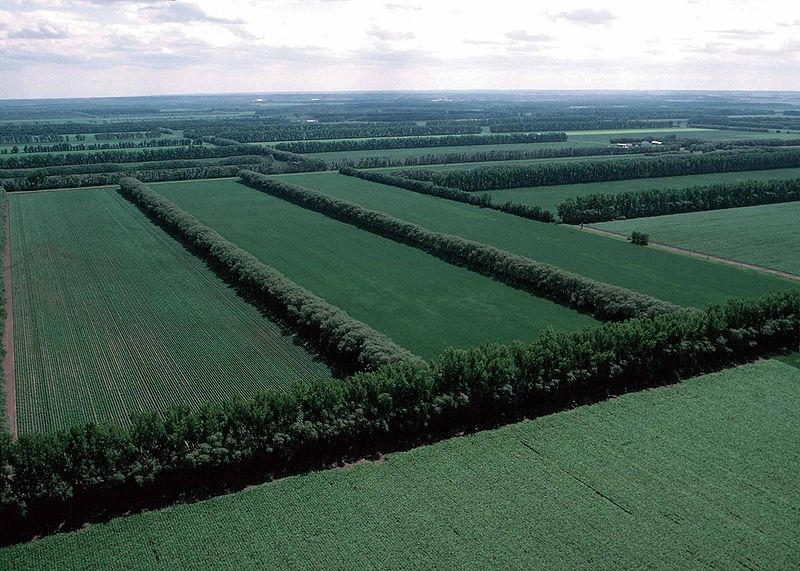
North Dakota is a rural state, with farmland covering more than 90% of its land area. North Dakota ranks first in the US’s production of wheat. Other products include maize, barley, rye, oats, oilseeds (including sunflower, safflower, mustard, flax and canola, a type of soya bean), peas and beans, honey, sugar beet, potatoes and hay. Western North Dakota is dominated by large cattle ranges. Sheep and pigs are also widely raised.
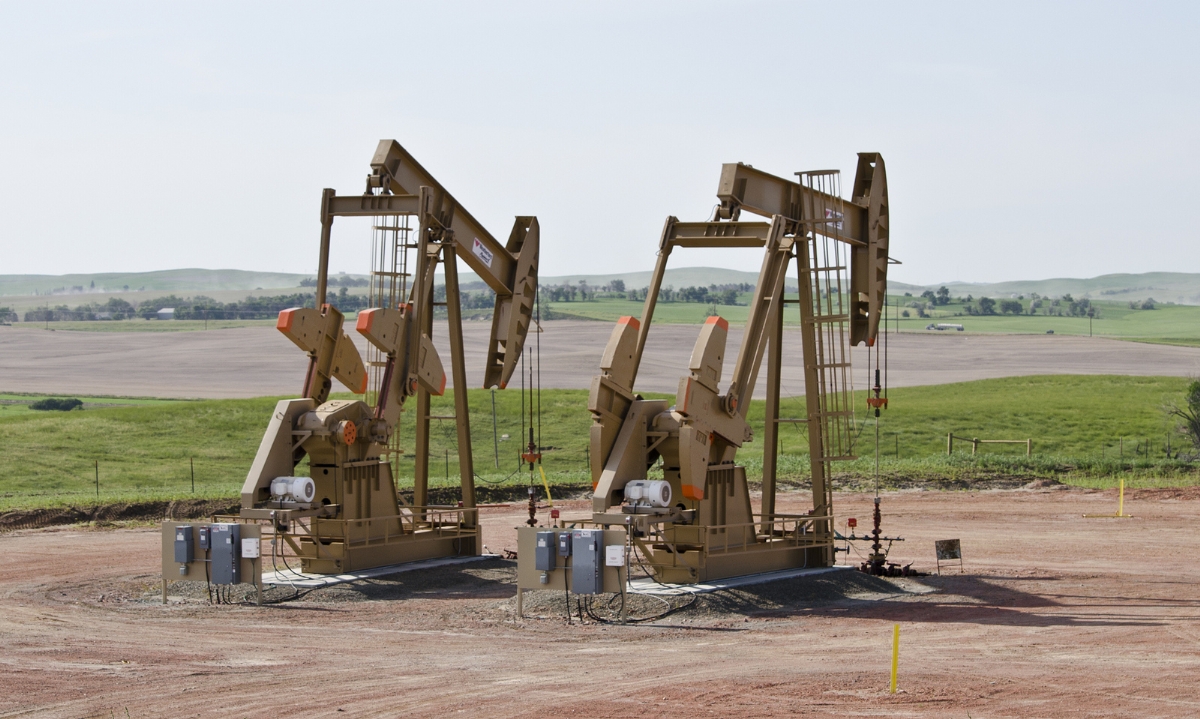
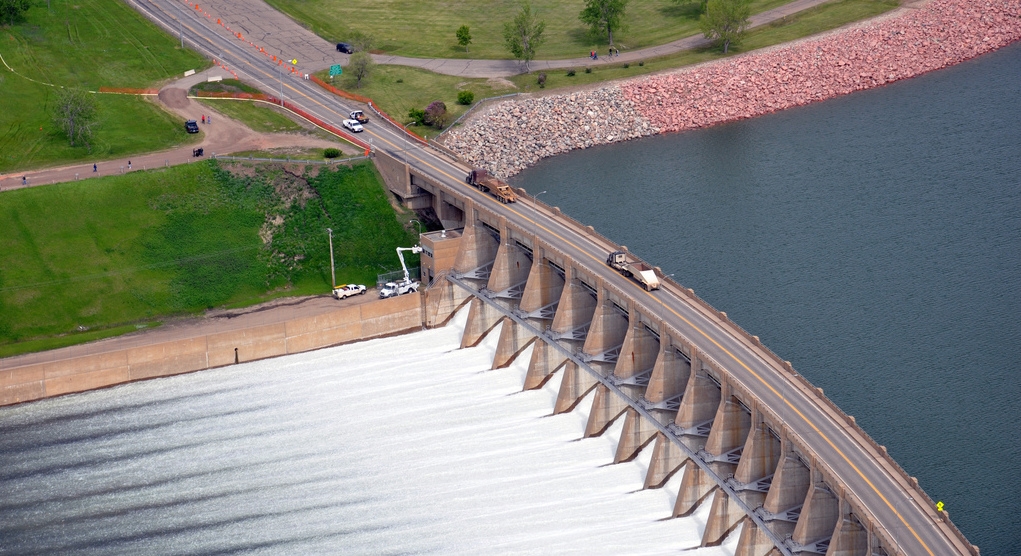
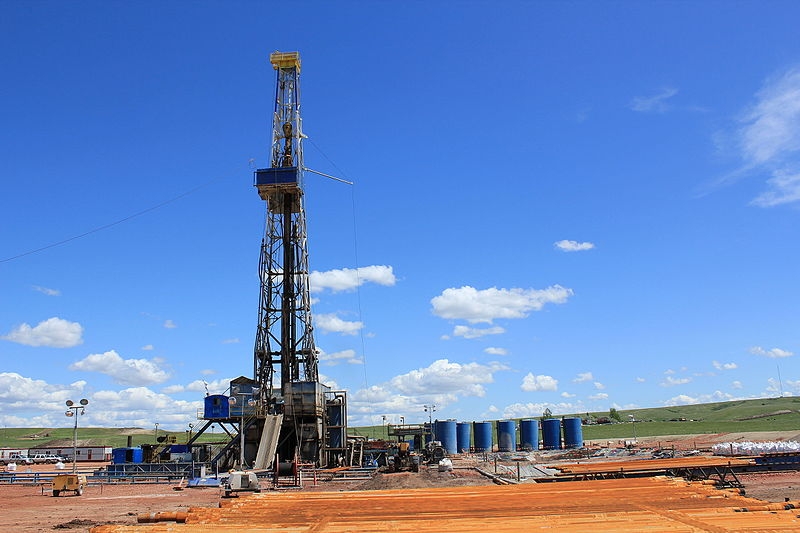
Most of the state’s manufacturing is also linked to agriculture: food processing and farm equipment are the most important. Oil, drilled in the Bakken Formation, is North Dakota’s leading mineral product; the state is the now the second largest oil producer in the US. There are also reserves of lignite (brown coal) and natural gas. Wind energy is becoming increasingly significant in a state that has vast, flat, tree-less plains and winds speeds rarely less than 10 mph. The Garrison Dam on the Missouri River provides extensive
irrigation and hydro-electricity for the surrounding areas.
Facts about North Dakota
Area 70,698 sq miles (183,108 sq km)
Highest point White Butte 3508 ft (1069 m)
Population 783,926
Capital Bismarck
Largest cities Fargo, 133,188; Bismarck, 75,092; Grand Forks, 58,921; Minot, 47,373; West Fargo, 40,400
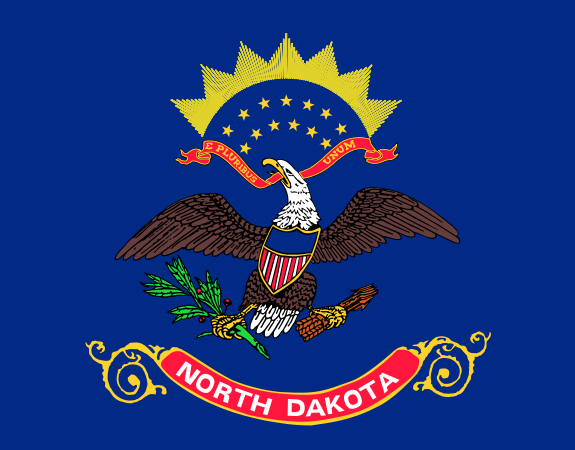
Nicknames Sioux State, Flickertail State, Peace Garden State, Rough Rider State
State bird Western meadowlark
State flower Wild prairie rose
State tree American elm
Consultant: Nicholas Harris
History of North Dakota
before 18th century
Native American peoples living in the area at the time of the arrival of Europeans are the Mandan, Arikara, Hidatsa, Cheyenne, Cree, Dakota and Lakota (Sioux), Assiniboin, Crow and Ojibwa (Chippewa)
1738
Mandan villages are explored by French-Canadian expedition led by Sieur de la Vérendrye; he is astonished to discover that the Mandan have formed an advanced agricultural and trading society
1762
Previously claimed by France, the region becomes part of Spanish Louisiana until 1802, when it is re-acquired by the French
1803
US acquires most of today's North Dakota from France in the Louisiana Purchase
1804–06
Lewis and Clark explore the region
1812
The first settlements are made at Pembina by Scottish and Irish families
1818
US acquires the northeastern part of North Dakota by treaty with Great Britain when the international line with Canada is fixed at the 49th parallel
1828
American Fur Company establishes a trading post at Fort Union
1832
Transport links improve with introduction of steamboats on the upper Missouri River
1837
Introduction of smallpox by settlers devastates the Mandan population
1849–58
North Dakota forms part of Minnesota Territory
1861
Dakota Territory is established; it includes lands that will eventually became North Dakota, South Dakota, Montana and Wyoming
1870s–80s
After the construction of railways and victorious campaigns against the Sioux to force them out of the region, settlers—many of them Scandinavians, Germans and Czechs—arrive in the area to set up homesteads
1878
The first cattle ranch in North Dakota is established
1889
North Dakota and South Dakota are admitted to the Union as the 39th and 40th states
1932
The International Peace Garden, a park located adjacent to the United States–Canada border between the province of Manitoba and the state of North Dakota, is established as a symbol of the peaceful relationship between the two countries.
1951
Oil is discovered near Tioga
2006
Discovery of Parshall Oil Field in the Bakken Formation
pics
Without in any way limiting Q-files Ltd’s exclusive rights under copyright, any use of this publication to “train” generative artificial intelligence (AI) technologies to generate text is expressly prohibited. Q-files Ltd reserves all rights to license use of this work for generative AI training and development of machine learning language models.