
States of the US

CITE
We have made every effort to follow citation style rules, but there may be some minor differences. If in doubt, please refer to the appropriate citation style manual.
Oklahoma. (2026). In Q-files Encyclopedia, Geography, States of the US. Retrieved from
https://www.q-files.com/geography/states-of-the-us/oklahoma
"Oklahoma." Geography, States of the US, Q-files Encyclopedia, 1 Apr. 2026.
https://www.q-files.com/geography/states-of-the-us/oklahoma.
Accessed 6 Aug. 2026.
Oklahoma 2026. Geography, States of the US. Retrieved 6 August 2026, from
https://www.q-files.com/geography/states-of-the-us/oklahoma
Geography, States of the US, s.v. "Oklahoma," accessed August 6, 2026.
https://www.q-files.com/geography/states-of-the-us/oklahoma


Oklahoma
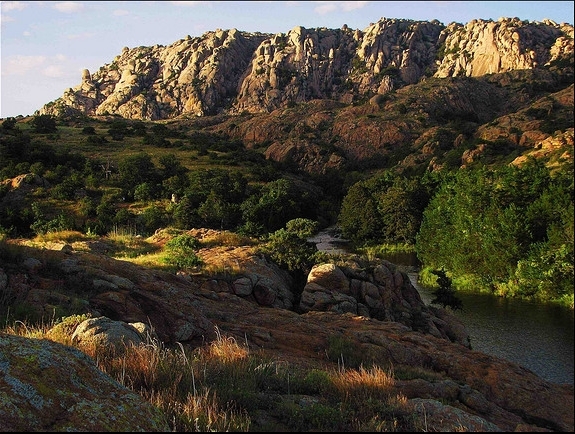
Oklahoma is situated in the southern central region of the United States. The semi-arid high plains of central and western Oklahoma form part of the Great Plains. Rivers such as the Cimarron, Canadian and Red flow west-east across the plains. The flat landscape is interrupted by mountain ranges such as the Black Mesa in the Panhandle (the northwestern strip) and the Wichita Mountains in the southwest. Today, the plains' native prairie grasses have been replaced by pasture and wheat fields. The Ozark Mountains rise in the northeast, while the Ouachita Mountains straddle the border with Arkansas.

Name
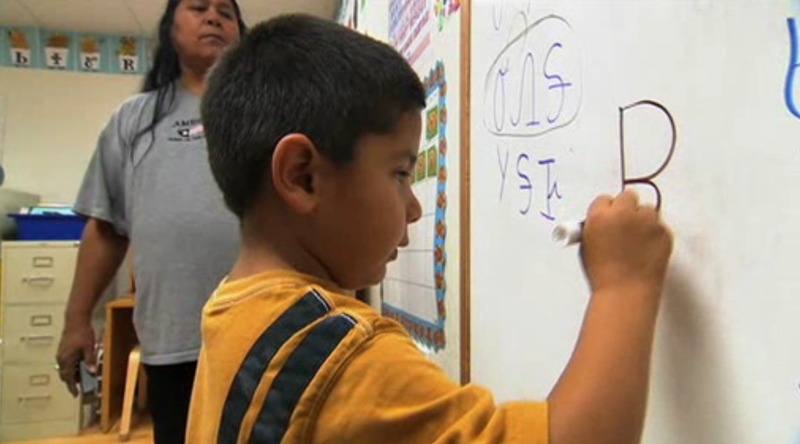
Oklahoma's name comes from the Native American Choctaw words okla and humma, meaning "red people”, a term used to describe Native American people as a whole. The Choctaw chief suggested the name during treaty negotiations in 1866 (Indian Territory was then roughly the same area as modern Oklahoma state). Oklahoma Territory was officially established in 1890.
Climate
Oklahoma has a continental climate in its northern part, a semi-arid climate in the west and a subtropical climate in its central, southern and eastern parts. When cold, dry air moving south from Canada meets hot, dry air from the southwest and warm, moist air moving northwards from the Gulf of Mexico, severe storms rage. They are more frequent than almost anywhere else on Earth. Lying in Tornado Alley, Oklahoma is struck by an average of more than 60 tornadoes each year, one of the highest rates in the world.

Economy

Once chiefly a cotton-producing state, Oklahoma's fertile plains now produce wheat, as well as sorghum, hay and peanuts. Cattle, pigs and poultry are widely raised.
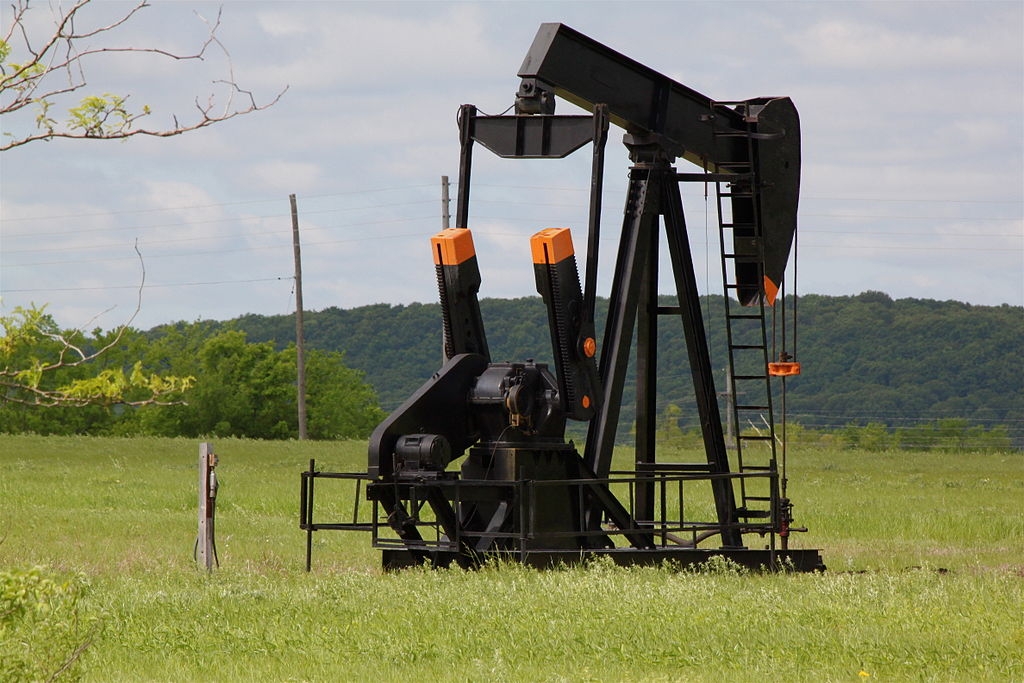
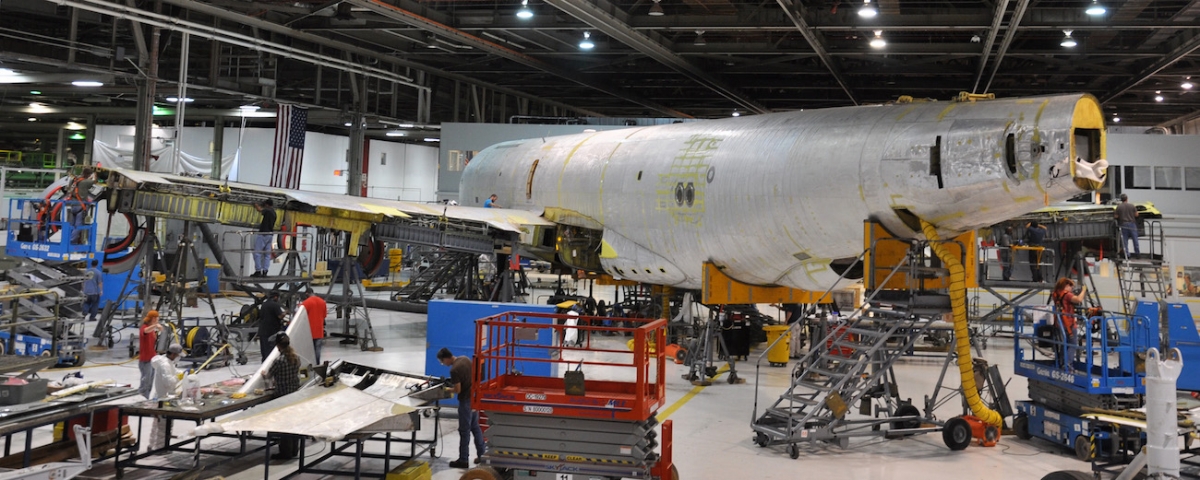
Deposits of coal and other minerals have been found in Oklahoma, but it was oil that brought great wealth to the state. Since the first well was drilled in 1888, the petroleum industry has grown rapidly. It has since been overtaken by natural gas production. Oklahoma's chief manufactures include food processing, machinery (especially construction and oil equipment), tyres and biotechnology. The aerospace industry, based in Tulsa, is one of Oklahoma’s largest.
Facts about Oklahoma
Area 69,897 sq miles (181,295 sq km)
Highest point Black Mesa 4975 ft (1516 m)
Population 4,053,824
Capital Oklahoma City
Largest cities Oklahoma City, 702,767; Tulsa, 411,894; Norman, 130,046; Broken Arrow, 119,194; Edmond, 98,103
Nickname Sooner State
State bird Scissor-tailed flycatcher
State flower Mistletoe
State tree Redbud
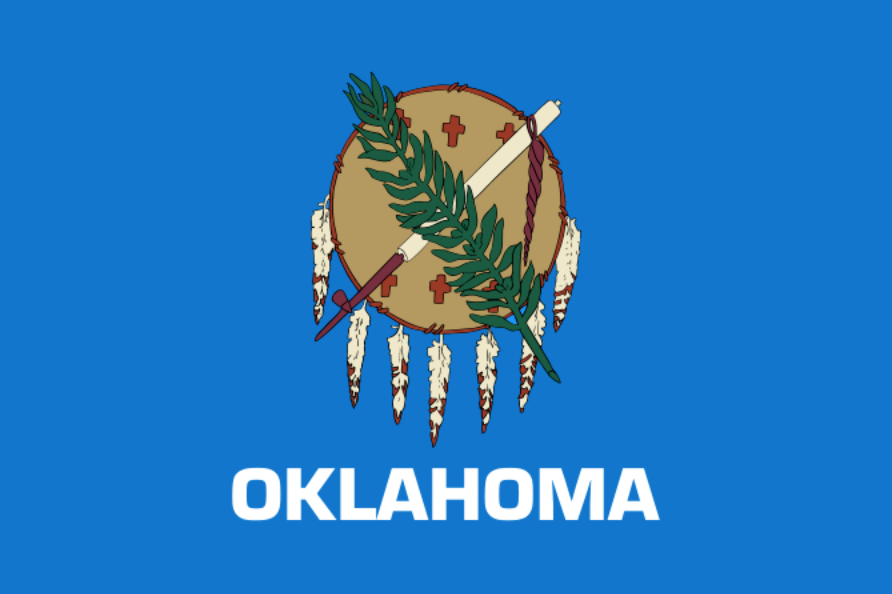
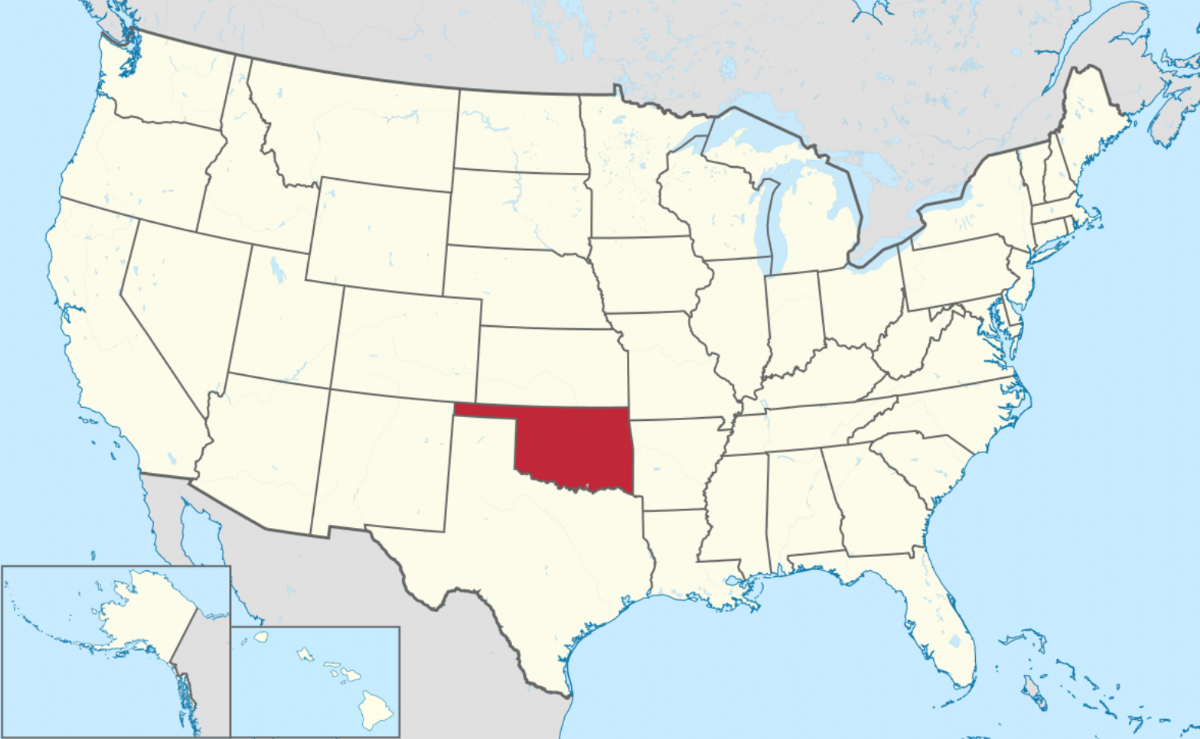
Consultant: Nicholas Harris
History of Oklahoma
before 16th century
Plains Native Americans, including the Osage, Kiowa, Comanche and Apache, dominate the western part of what is now Oklahoma. The Wichita and other tribes inhabit the east
1541
Spanish explorer Francisco Vásquez de Coronado is the first European to visit the region
1803
The Oklahoma area is part of the territory transferred from France to the United States by the terms of the Louisiana Purchase
1819–28
The territory now known as Oklahoma is made a part of Arkansas Territory
1834
The area of present-day Oklahoma is set aside as Indian Territory. The US government force the people of the "Five Civilized Tribes" (Cherokee, Choctaw, Chickasaw, Creek and Seminole) to abandon their lands east of the Mississippi and move to this new territory, which is already occupied by Osage and Quapaw tribes. The forced removal of these Native American peoples is known as the Trail of Tears
mid-19th century
Some 17,000 Cherokees along with their 2000 African American slaves are relocated to the area. Some Cherokees set up plantations there
1850
Under the terms of the Missouri Compromise, slavery is prohibited in lands north of 36°30' parallel; Texas duly surrenders its lands north of this line. The area, a thin strip of land, becomes "No Man's Land", part of no state or territory, until it is added to Oklahoma Territory in 1890, when it becomes known as the Oklahoma Panhandle
1861–65
Civil War: the "Five Civilized Tribes" support the Confederate side
1866
Slavery in Indian Territory is abolished
1860s–90s
Cattle trails running north from Texas to the Kansas railway head, such as the Chisholm Trail, cross Indian Territory, where the cattle are fattened on the rich Oklahoma grasslands
1870–72
The first railway to cross Indian Territory is built, leading to the arrival of many whites to settle in lands that are by law still reserved for Native Americans
1887
Dawes Act: lands of individual Native American tribes are divided into allotments, encouraging private land ownership. But much Native American-held land within the Territory is taken and sold on to white settlers
1889
Indian Appropriations Act: a large strip of land in western Oklahoma is opened for settlement (the “Land Run”). Other areas are opened later, encouraging settlers to pour in from the Midwest and the South
1890
Western section of Indian Territory, including the Panhandle, becomes Oklahoma Territory
1907
After failed attempts to create an all-Indian state named Sequoyah, Indian Territory and Oklahoma Territory are united to form the state of Oklahoma, the 46th state of the Union
early 20th century
Discovery of oil triggers rapid growth in population
1921
Tulsa race massacre. Mobs of white residents, given weapons by city officials, attack black residents and destroy much of the Greenwood District in Tulsa—at the time the wealthiest black community in the US, known as "Black Wall Street". More than 800 are injured and possibly up to 300 killed. The attack breaks out after clashes between white and black groups following the arrest of black shoeshiner, Dick Rowland. Afterwards, many survivors leave Tulsa. Black and white residents who stay in the city keep silent about the violent events for decades.
1927
Oklahoman businessman Cyrus Avery begins the campaign to create US Route 66, linking Chicago with Santa Monica, California. A stretch of highway from Amarillo, Texas to Tulsa, Oklahoma, forms the original portion
1930s
Drought, overplanting and overgrazing create the Dust Bowl, of which Oklahoma is part. Thousands of farmers are impoverished and forced to travel west to find work
1995
Oklahoma City bombing (April): Timothy McVeigh detonates a bomb outside the Alfred P. Murrah Federal Building, killing 168 people
2016
Storms trigger disastrous floods in Oklahoma, Arkansas, Kansas, Nebraska and Texas. The highest ever levels of rainfall are recorded in the state
pics
Without in any way limiting Q-files Ltd’s exclusive rights under copyright, any use of this publication to “train” generative artificial intelligence (AI) technologies to generate text is expressly prohibited. Q-files Ltd reserves all rights to license use of this work for generative AI training and development of machine learning language models.