
States of the US

CITE
We have made every effort to follow citation style rules, but there may be some minor differences. If in doubt, please refer to the appropriate citation style manual.
Pennsylvania. (2026). In Q-files Encyclopedia, Geography, States of the US. Retrieved from
https://www.q-files.com/geography/states-of-the-us/pennsylvania
"Pennsylvania." Geography, States of the US, Q-files Encyclopedia, 2 Sep. 2026.
https://www.q-files.com/geography/states-of-the-us/pennsylvania.
Accessed 21 Sep. 2026.
Pennsylvania 2026. Geography, States of the US. Retrieved 21 September 2026, from
https://www.q-files.com/geography/states-of-the-us/pennsylvania
Geography, States of the US, s.v. "Pennsylvania," accessed September 21, 2026.
https://www.q-files.com/geography/states-of-the-us/pennsylvania


Pennsylvania
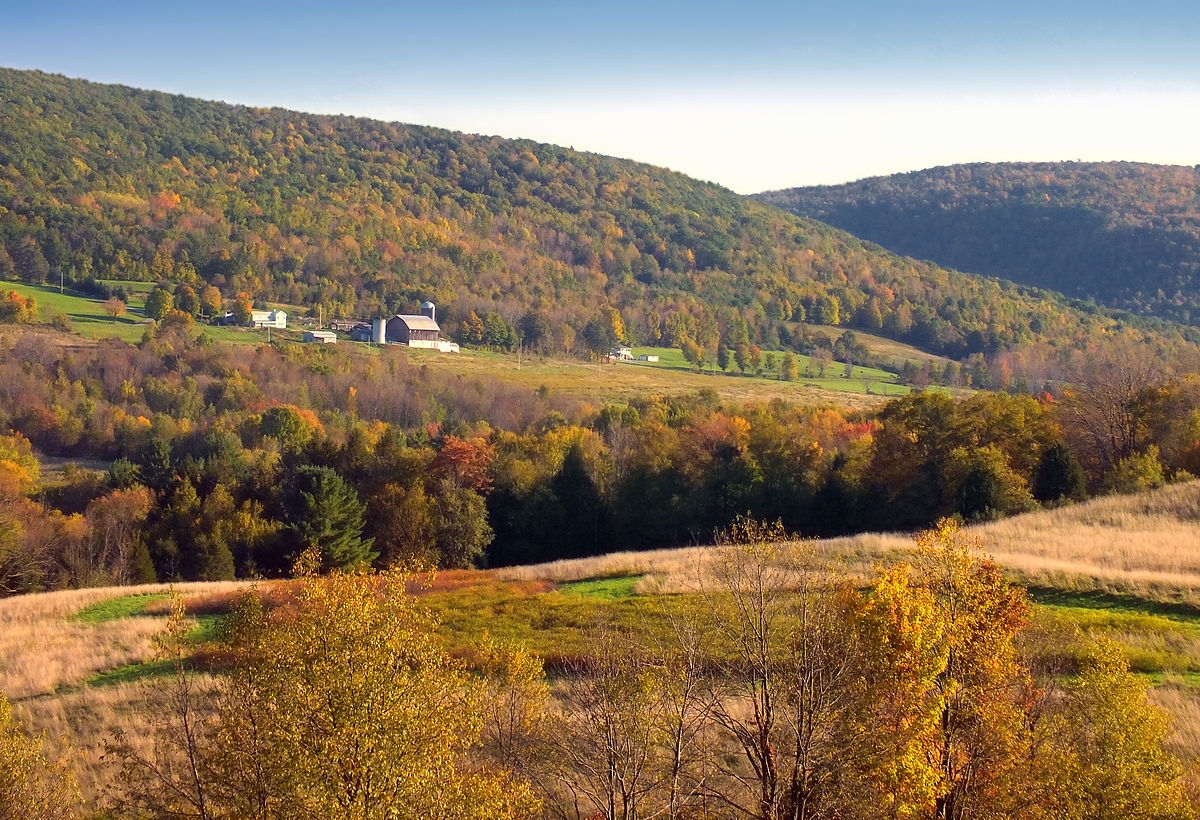
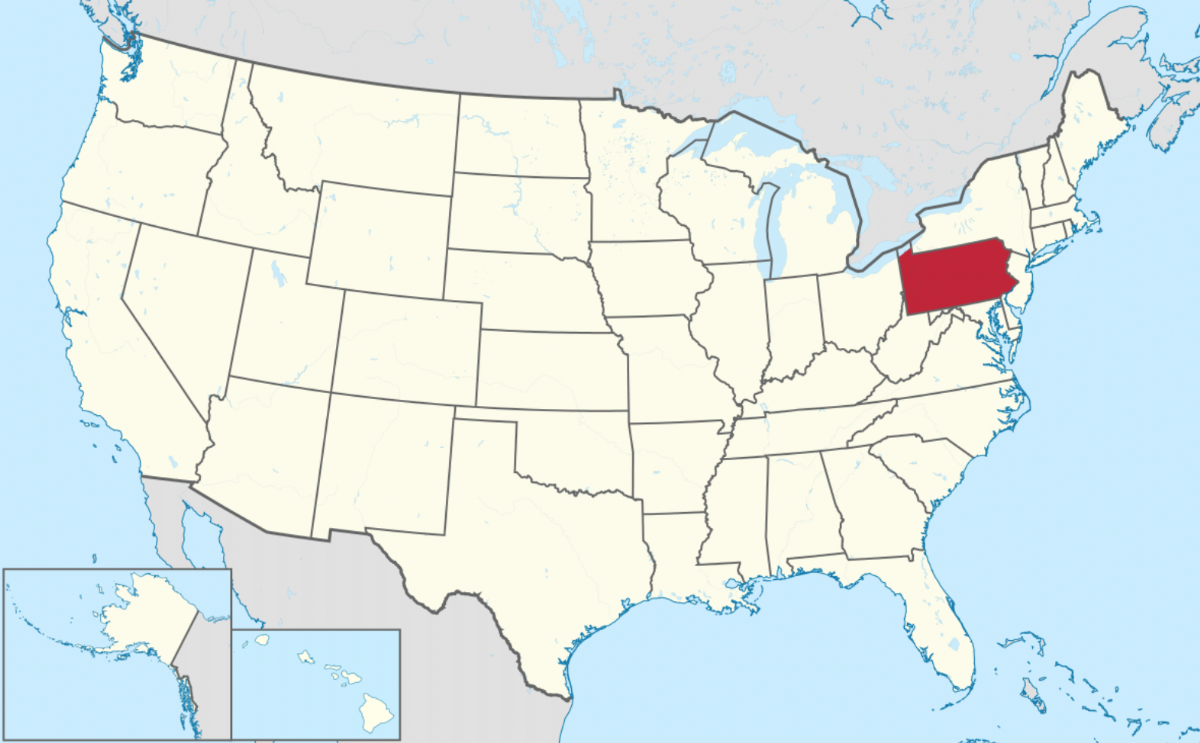
Pennsylvania is located in the northeastern region of the United States. The state extends from the shores of Lake Erie—one of the the Great Lakes—in the northwest, to the Atlantic Coastal Plain and the Delaware estuary in the southeast. The Appalachian Mountains stretch from southwest to northeast, covering more than half the state. Forming their southeastern flank are the Blue Mountains, broken by gaps cut by the Susquehanna, Schuylkill, Lehigh and Delaware rivers. The Allegheny Plateau, much dissected by river valleys, extends along the western flank of the Appalachians.


Name
In 1681 King Charles II of England granted a land charter to the Quaker William Penn (1644–1718) to repay a debt of £16,000 (more than $3 million in today’s money) owed to William's father, Admiral William Penn. One of the largest land grants to any individual in history, it made Penn the world's largest private landowner, with over 45,000 square miles (120,000 square kilometres) to his name. Penn first called the area "New Wales", then "Sylvania" (Latin for "forests"), but the king insisted the name be changed to "Pennsylvania" in honour of the elder Penn.
Climate
Most of Pennsylvania has a continental climate, with cold winters and warm, humid summers. The southeastern corner, around Philadelphia, has an almost subtropical climate: summer days are typically hot and muggy with average temperatures around 78°F (26°C). In the mountainous interior, winters are colder than in the southeast. Western Pennsylvania, particularly on the Lake Erie shore, may receive over 100 inches (250 centimetres) of snowfall each year. Precipitation is quite high across the entire state, averaging about 41 inches (100 cm) of rainfall every year. Occasional hurricanes can cause severe flooding.
Economy
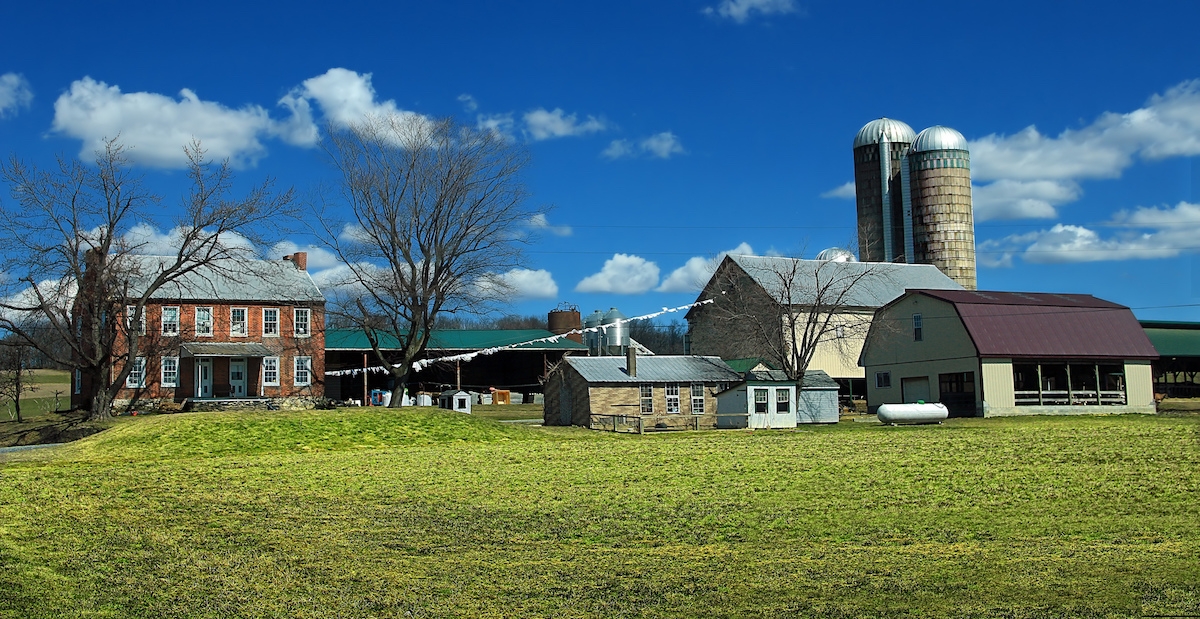
Agriculture is concentrated in the fertile southeast of Pennsylvania and the Great Appalachian Valley to the northwest of the Blue Mountains. Chief products include dairy, cattle, hay, maize, wheat, oats, mushrooms, poultry, potatoes, grapes, apples and Christmas trees.
Iron smelting, made possible by abundant supplies of iron ore together with timber needed for the furnaces, brought the Industrial Revolution to Pennsylvania. The state emerged as the nation's leading steel producer in the 19th century, but the industry has declined dramatically. In the second half of the 20th century, Pennsylvania's industry diversified to include chemicals and pharmaceuticals, food products and electronic equipment. Shale gas extraction has boomed in the 21st century. Philadelphia, Pittsburgh, Erie, Scranton-Wilkes-Barre and Allentown-Bethlehem-Easton are Pennsylvania’s chief manufacturing centres.


Philadelphia
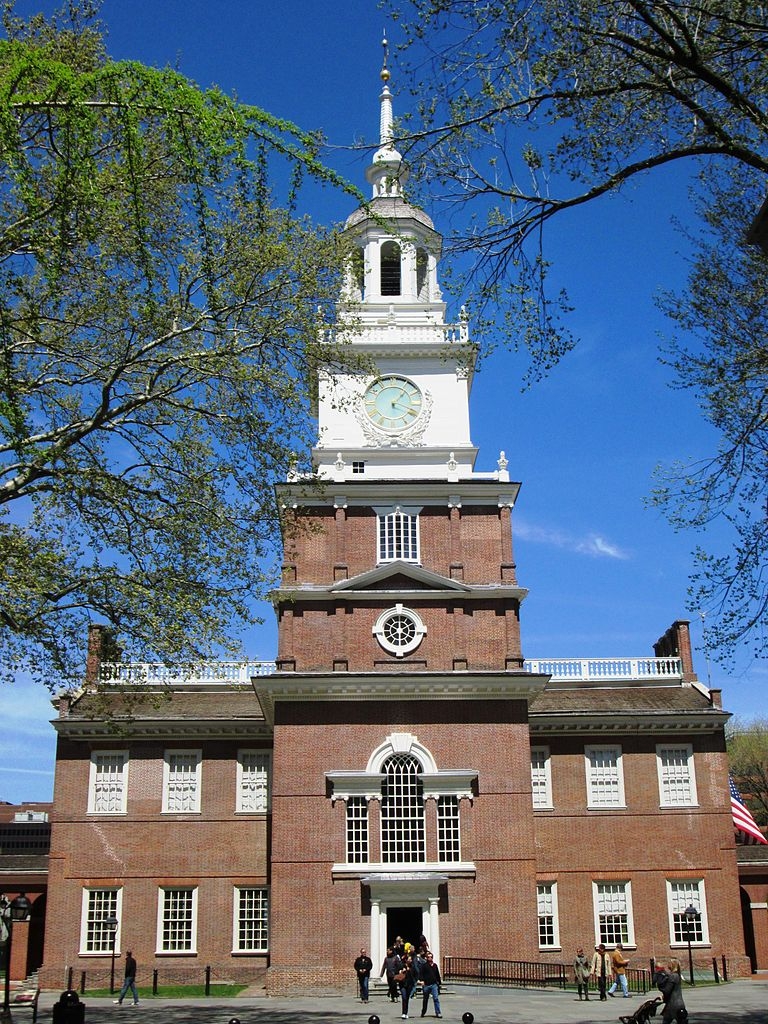
Philadelphia, a name which means "City of Brotherly Love", was first settled in 1681 by Captain William Markham. He had been sent there, along with a small band of colonists, by his cousin, William Penn, to set up a safe haven for Quakers. In the 18th century, as a major port, Philadelphia became the largest and most important city in America. Between 1774 and 1776, the First and Second Continental Congresses met in Philadelphia. From 1781 to 1783, and again from 1790, the city was the capital of the newly independent United States, before the seat of federal government moved permanently to Washington in 1800.
In the 19th century, Philadelphia emerged as an industrial city, with factories making steam locomotives and textiles. Immigrants, initially from Germany and Ireland, later from Russia, southern and eastern Europe, flocked to the city. As part of the Great Migration, African Americans from the South arrived in the early 20th century to work in Philadelphia's factories.
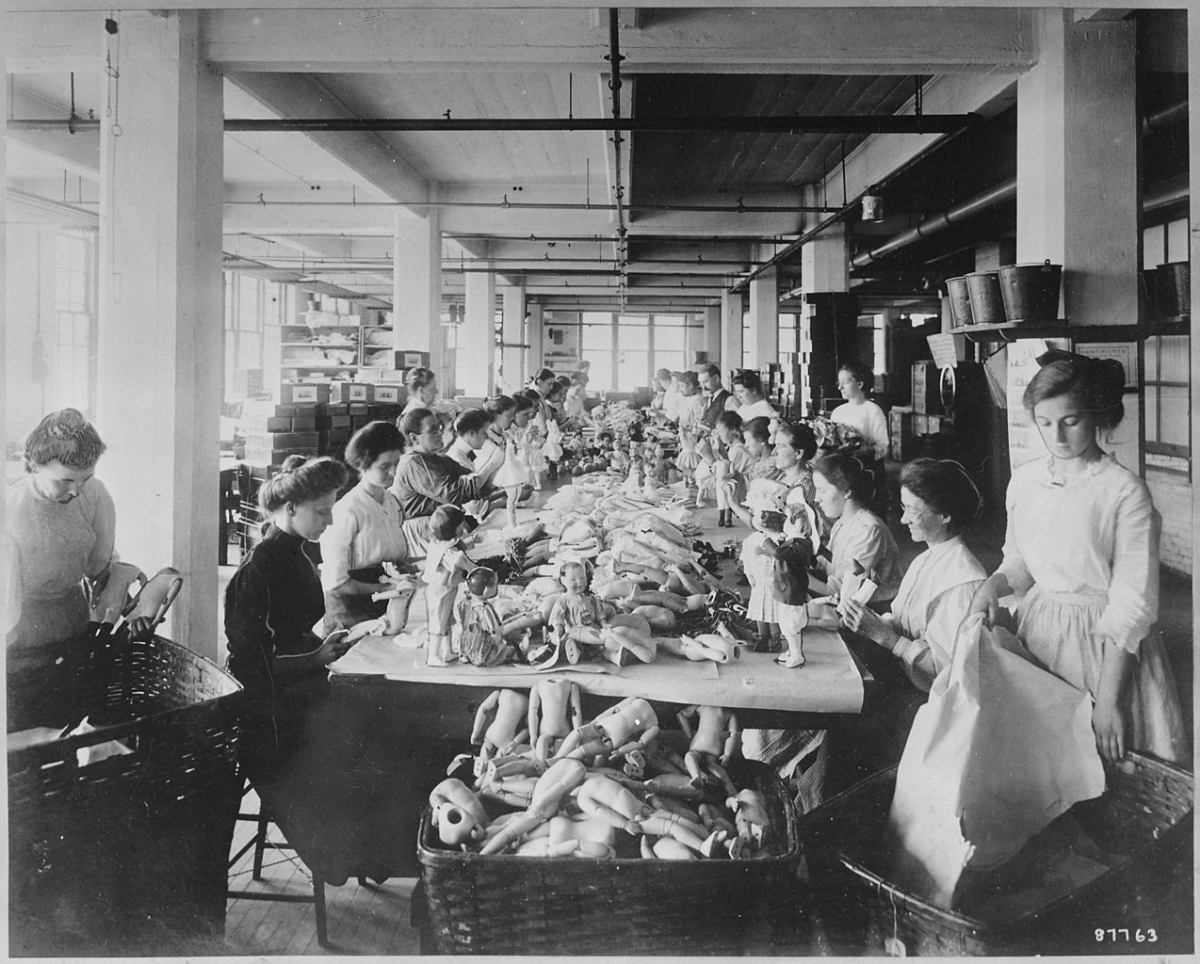
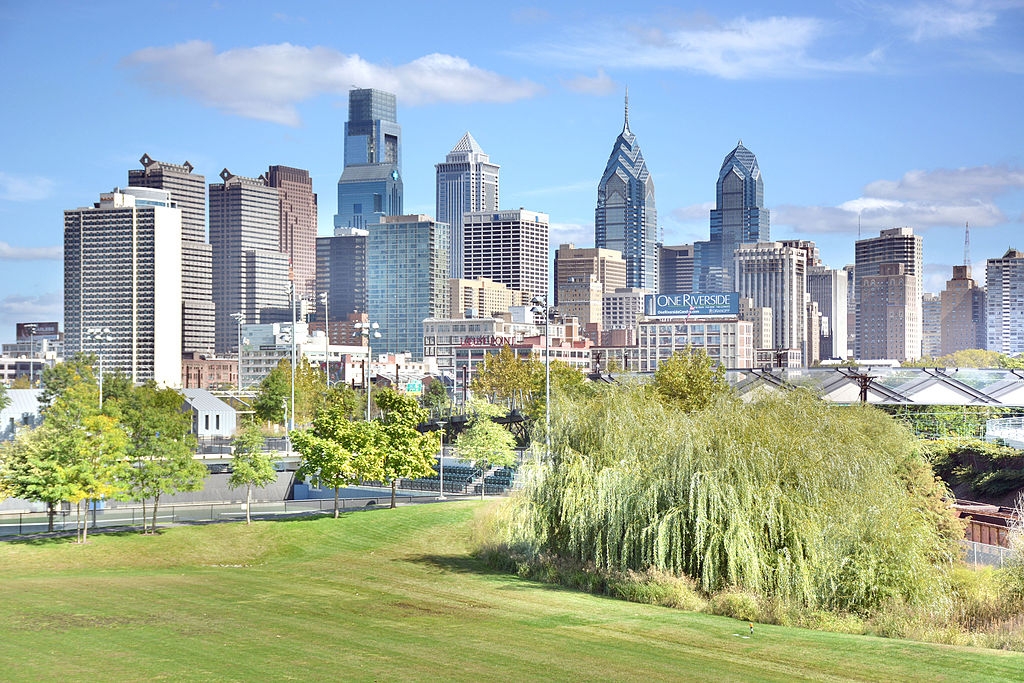
Today, Philadelphia’s manufacturing sector has diversified into pharmaceuticals, automotive parts and others, while its old industries have declined. At the heart of an urban area with a population of more than 6 million people, Philadelphia is an important centre of finance, insurance and health education and research—and is still a major port. Philadelphia is the only World Heritage City in the United States.
Pittsburgh
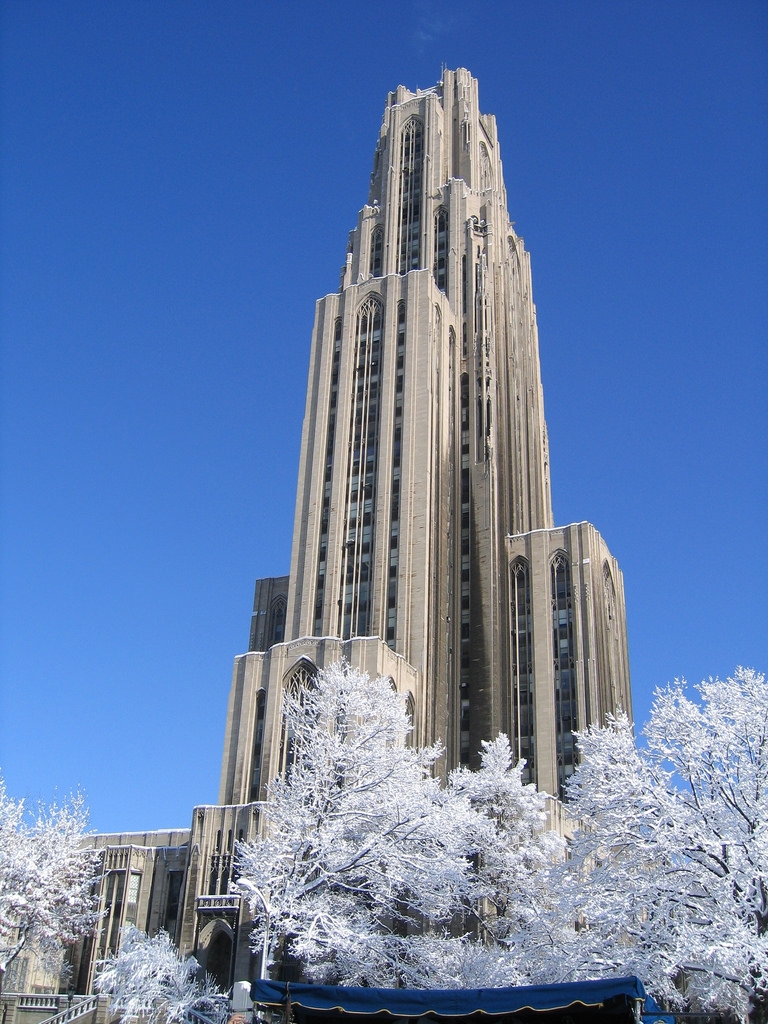
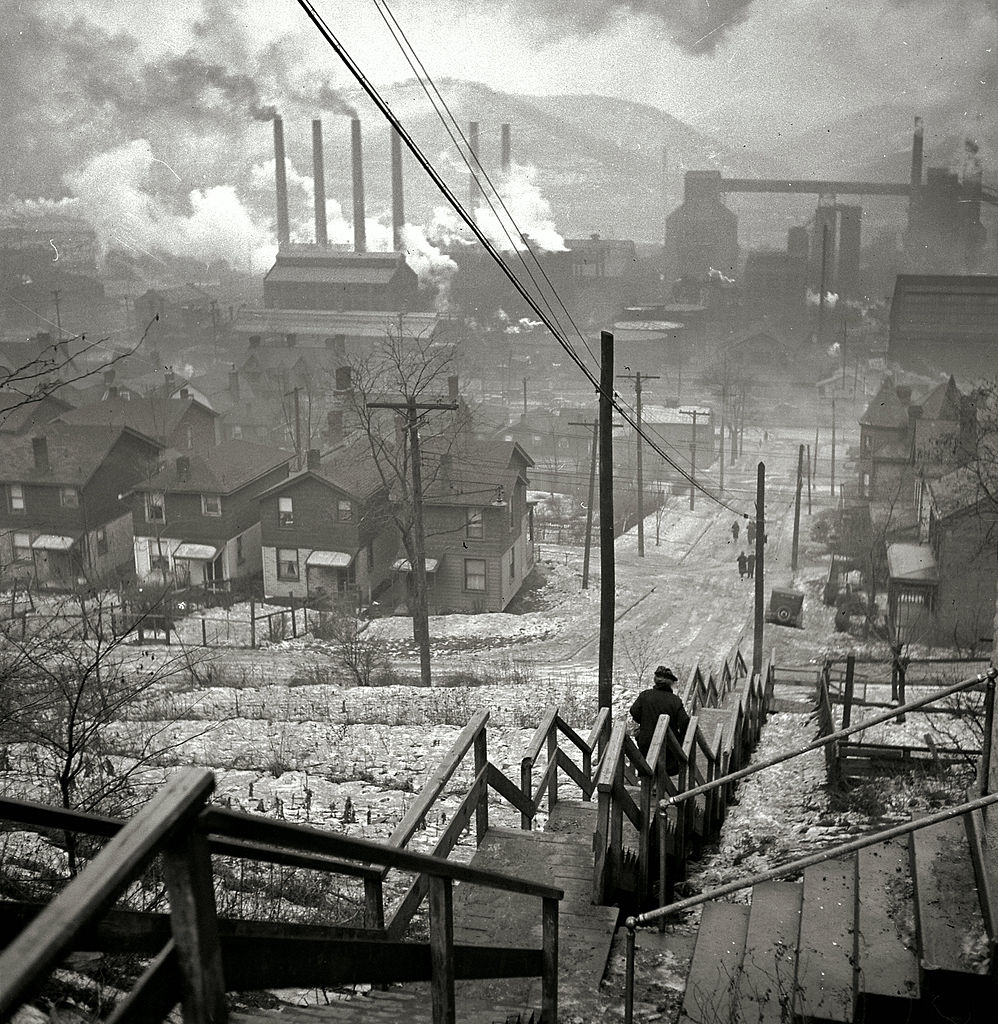
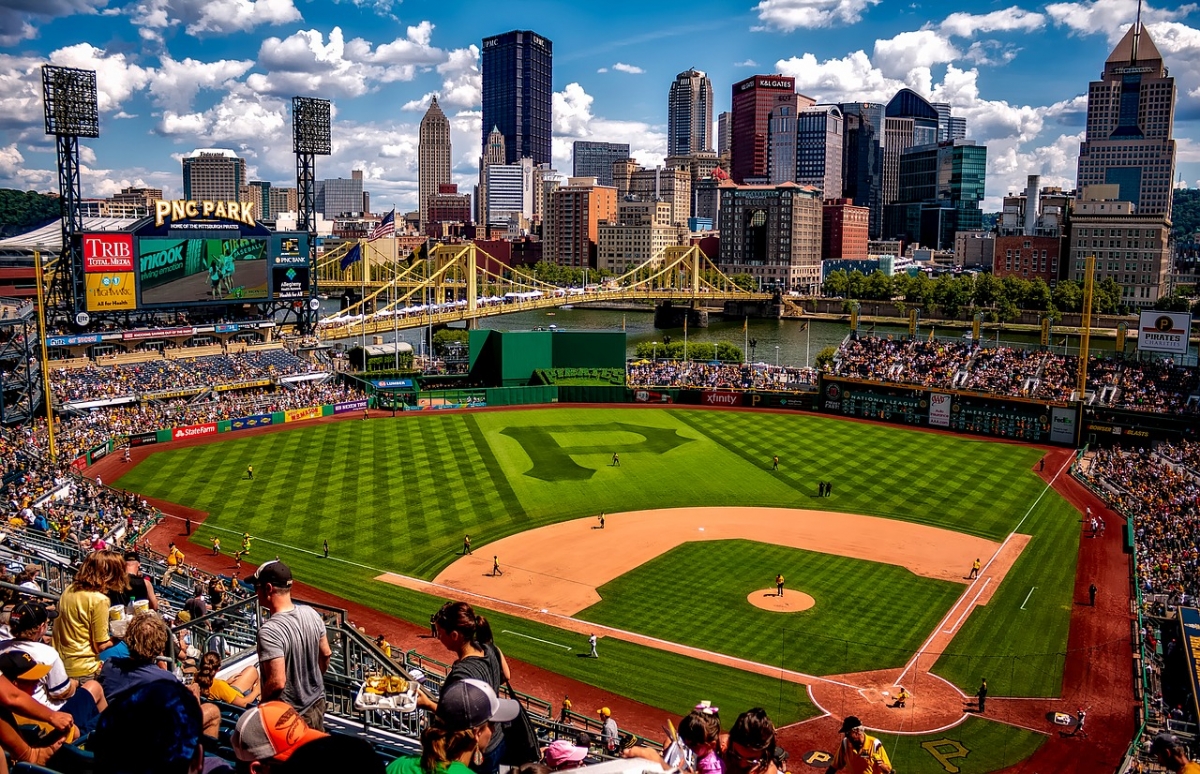
Located at the confluence of the Allegheny, Monongahela and Ohio rivers, Pittsburgh is known both as the "Steel City" and as the "City of Bridges”. It began as a small settlement in 1758, becoming a city specializing in the production of iron, brass, tin and glass in 1816. Pittsburgh’s coalmines and iron works drew waves of European immigrants to work there. Steel production took off in the 1870s when the Scottish-American industrialist Andrew Carnegie founded his steel works in the city.
By the early 20th century, Pittsburgh accounted for up to half of the national steel output. But during de-industrialization in the 1980s, massive layoffs and mill closures took place. Since then, the city has successfully shifted its economy to education, tourism, energy research and finance, along with high technology such as robotics.
Facts about Pennsylvania
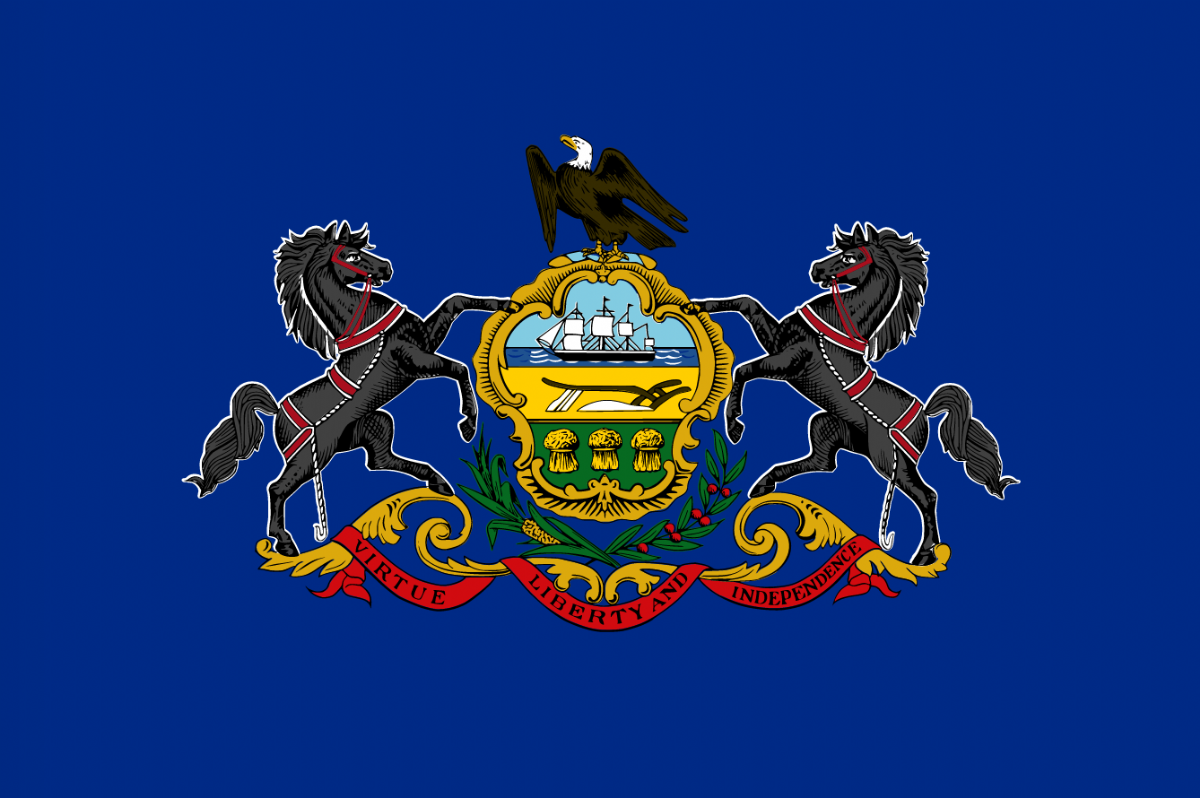
Area 46,055 sq miles (119,283 sq km)
Highest point Mount Davis 3213 ft (979 m)
Population 12,961,683
Capital Harrisburg
Largest cities Philadelphia, 1,550,542; Pittsburgh, 303,255; Allentown, 124,880; Reading, 94,903; Erie, 92,957; Upper Darby, 84,893; Scranton, 75,805; Lower Merion, 64,157; Bensalem, 62,800; Abington, 58,451; Bethlehem, 58,349; Lancaster, 57,153
Nicknames Keystone State, Quaker State
State bird Ruffed grouse
State flower Mountain laurel
State tree Hemlock
Consultant: Nicholas Harris
History of Pennsylvania
before 17th century
The area of Pennsylvania is home to Native American peoples including the Delaware (Lenape), Susquehannock, Iroquois, Erie, Shawnee and others
1638
Swedish settlers establish the New Sweden Colony on the site of present-day Wilmington, Delaware. New Sweden controls the lower Delaware River region (parts of present-day Delaware, New Jersey and Pennsylvania)
1643
New Sweden Governor Johan Printz, establishes Fort Nya Gothenburg, the first European settlement in Pennsylvania, on Tinicum Island in the Delaware River
1655
During the Second Northern War, the Dutch under Peter Stuyvesant, operating out of New Amsterdam (later, New York), capture New Sweden
1664
King Charles II of England grants his brother James, Duke of York, lands that include parts of today's Pennsylvania. This conflicts with the Dutch claim to the same area
1665–67
During the Second Anglo-Dutch War, the English take control of the Dutch colonies in North America
1674
At the end of the Third Anglo-Dutch War, the Treaty of Westminster permanently confirms England's control of the region
1681
King Charles II grants a land charter for the Province of Pennsylvania to William Penn to repay a debt owing to William's father, Admiral William Penn. The younger William Penn establishes a government at Uppland (renamed Chester) and orders the founding of the City of Brotherly Love—Philadelphia—which is laid out near the confluence of the Delaware and Schuylkill rivers
1682
Penn meets with Tammany, chief of the Delaware tribes, and signs a treaty that promotes long-lasting goodwill between the Native Americans and the European settlers
late 17th century
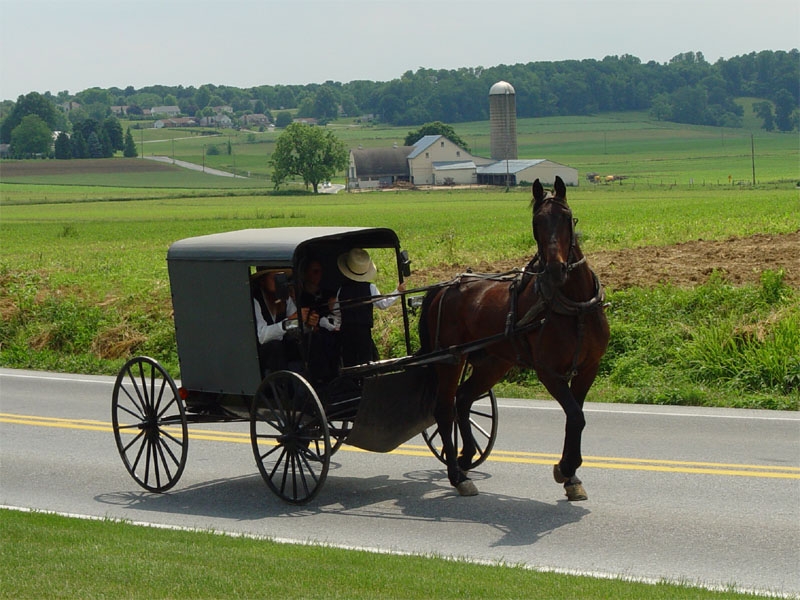
Immigration of Europeans, attracted by the promise of religious freedom granted by Pennsylvania’s constitution (Frame of Government). They include English and Welsh Quakers, and German Mennonites, Amish, Moravians and Lutherans
1718
Death of William Penn; his rights of ownership are passed to his heirs
1720s
Scots-Irish settlers begin colonizing the Cumberland Valley and lands further west
1750s
Resentful of encroachment on their lands, Native Americans ally with the French, who have been fortifying their positions in the Ohio valley, part of New France
1754
French establish Fort Duquesne at the confluence of the Allegheny and Monongahela rivers
1754–63
French and indian War fought between the colonies of Britain and those of New France together with its Native American allies
1758
The French eventually abandon Fort Duquesne to British and American forces; it is taken over, renamed Fort Pitt and developed as the future city of Pittsburgh
1763
Treaty of Paris: Britain's victory in the French and Indian War secures Pennsylvania's western frontier
1763
Royal Proclamation bans colonization beyond the Appalachian Mountains, in an effort to prevent colonists settling lands which the Native Americans consider their own
1763–66
Pontiac's Rebellion: an uprising by Native Americans led by the Ottawa (Odawa) chief Pontiac, attempting to drive the British out of the Great Lakes area, including western Pennsylvania, is crushed by the British
1765
Stamp Act Congress, the first meeting of the Thirteen Colonies: Delegate John Dickinson of Philadelphia writes the Declaration of Rights and Grievances
1774
Founding Fathers of the United States convene in Philadelphia at the First Continental Congress
1776
Declaration of Independence is adopted by the Second Continental Congress meeting at the Pennsylvania State House (Independence Hall) in Philadelphia (4th July)
1776
Commonwealth of Pennsylvania is created, with a new state constitution
1776
George Washington leads American troops across the Delaware River from Pennsylvania to launch a surprise attack against the Hessian forces (hired by the British) at Trenton, New Jersey
1777
The US Constitution is drafted and signed at the Pennsylvania State House
1777
The state is invaded by British troops, with battles fought on the Brandywine and at Germantown
1777–78
Valley Forge, near Philadelphia, serves as General George Washington's headquarters during the winter
1787
Pennsylvania becomes the second state after Delaware to ratify the US Constitution
1784
Acceptance of the Mason-Dixon line establishes an agreed border with Maryland and, later, Virginia
1787
Border with New York agreed; Pennsylvania gains control of northwestern Pennsylvania from the Iroquois League
1792
Pennsylvania purchases the Erie Triangle from the US federal government
1834
Pennsylvania completes construction on the Main Line of Public Works, a railway and canal system that stretches across southern Pennsylvania, connecting Philadelphia with Pittsburgh
1859
The first oil well is dug at Titusville
1863
Battle of Gettysburg, which turns the tide of the Civil War in the Union’s favour, is fought in the state. The Union army halts Confederate General Robert E. Lee's invasion of the North
late 19th century–early 20th century
Growth of industry: Pennsylvania is home to some of the largest steel companies in the world, while Hershey and Heinz factories are also established in the state. Millions of immigrants, especially from southern and eastern Europe, pour into Pennsylvania to work in the steel mills and coal mines, while many African Americans also migrate to the state from the south
1889
Johnstown Flood: the South Fork Dam bursts after heavy rain and destroys the town of Johnstown, killing over 2200 inhabitants
1923
President Calvin Coolidge establishes the Allegheny National Forest
1979
Pennsyvlania narrowly avoids a catastrophe as an accident at the Three Mile Island nuclear facility near Harrisburg results in a partial meltdown
late 20th century
The state is hard hit by the decline and restructuring of the steel industry and other heavy industries. With job losses comes significant population decline, especially in Philadelphia and Pittsburgh
2001
During the September 11 terrorist attacks on the US, United Airlines Flight 93 crashes into a field in Stonycreek Township, near Shanksville, Pennsylvania, killing all 40 civilians and four al-Qaeda hijackers on board. The hijackers intended to fly the plane to Washington, D.C. and crash it into either the Capitol or the White House
2018
Mass shooting at the Tree of Life–Or L'Simcha Congregation, a synagogue in the Squirrel Hill neighbourhood of Pittsburgh. A lone gunman kills eleven people and wounds six, including several Holocaust survivors. It is the deadliest attack ever on the Jewish community in the United States.
pics
Without in any way limiting Q-files Ltd’s exclusive rights under copyright, any use of this publication to “train” generative artificial intelligence (AI) technologies to generate text is expressly prohibited. Q-files Ltd reserves all rights to license use of this work for generative AI training and development of machine learning language models.