
States of the US

CITE
We have made every effort to follow citation style rules, but there may be some minor differences. If in doubt, please refer to the appropriate citation style manual.
Maryland. (2026). In Q-files Encyclopedia, Geography, States of the US. Retrieved from
https://www.q-files.com/geography/states-of-the-us/maryland
"Maryland." Geography, States of the US, Q-files Encyclopedia, 1 Apr. 2026.
https://www.q-files.com/geography/states-of-the-us/maryland.
Accessed 6 Aug. 2026.
Maryland 2026. Geography, States of the US. Retrieved 6 August 2026, from
https://www.q-files.com/geography/states-of-the-us/maryland
Geography, States of the US, s.v. "Maryland," accessed August 6, 2026.
https://www.q-files.com/geography/states-of-the-us/maryland


Maryland
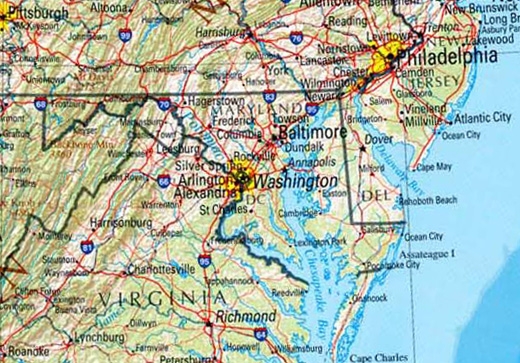
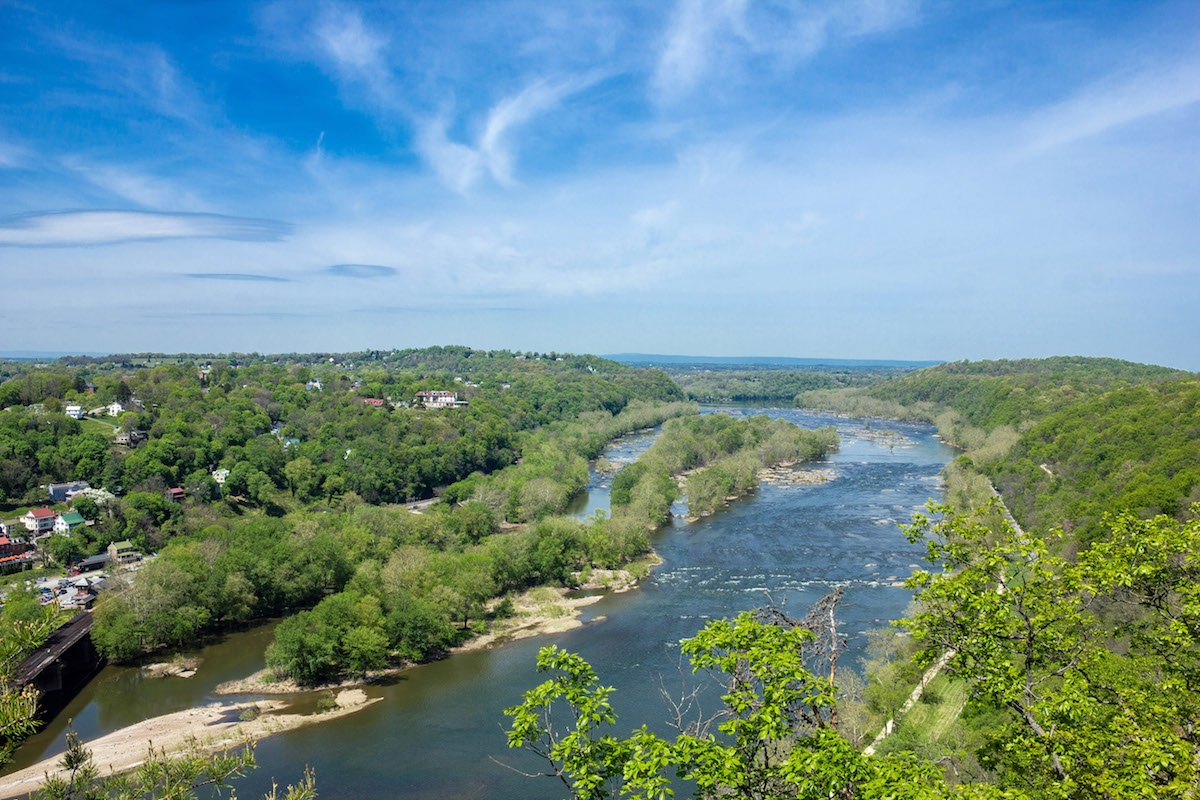
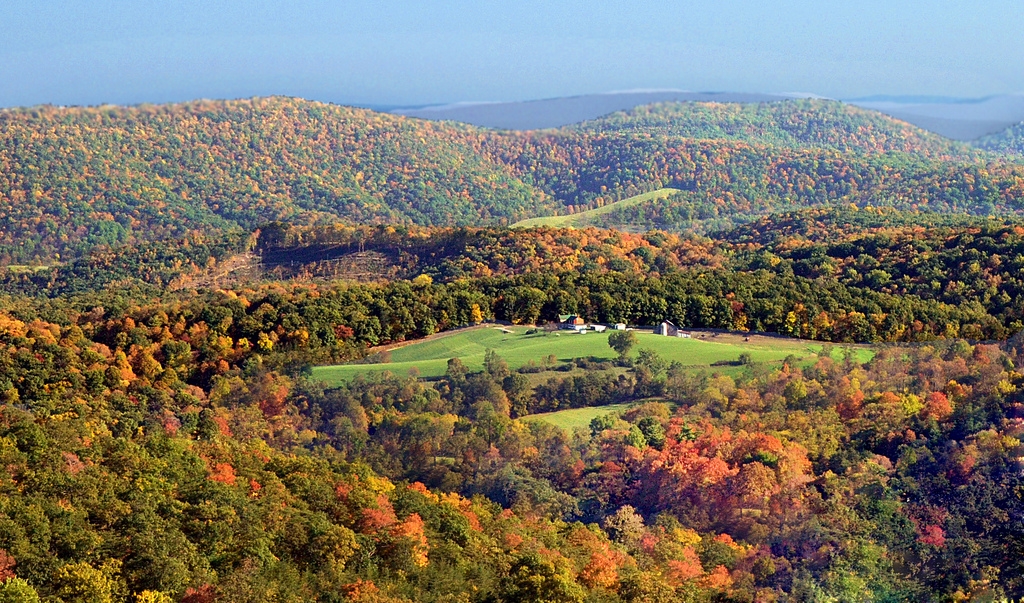
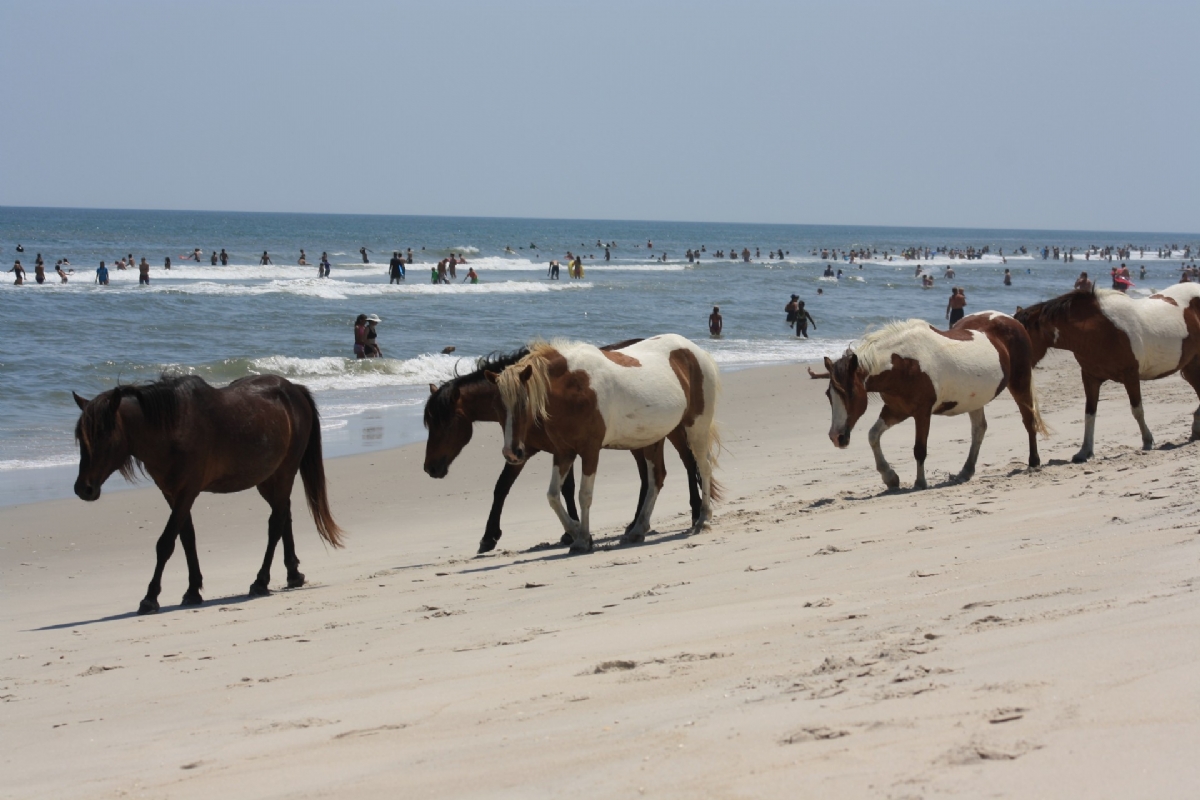
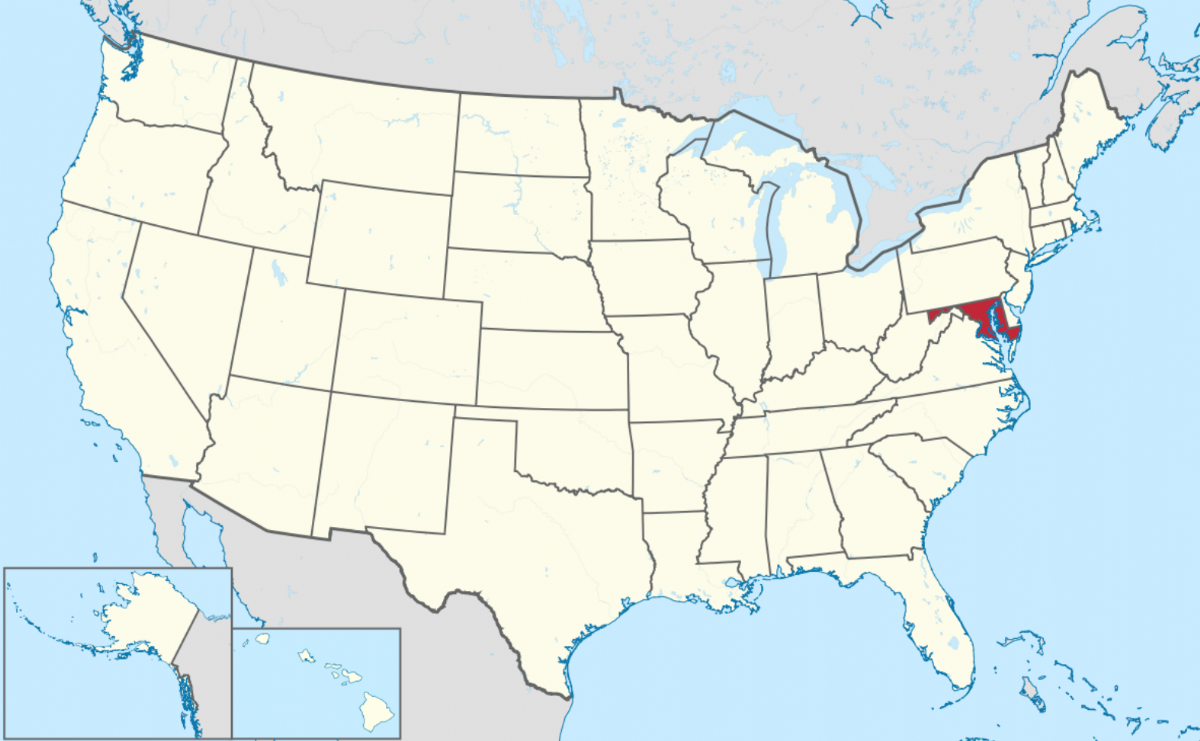
Maryland is located in the eastern United States. The eastern half of the state forms part of the Atlantic coastal plain. Baltimore and the suburbs of Washington, D.C. are located here. Chesapeake Bay, a deep inlet, separates the Delmarva Peninsula to the east from the rest of the state. In western Maryland are the rolling hills of the Piedmont, rising to the Appalachian Mountains. The Fall Line, the boundary between this upland region and the coastal plain, is marked by rapids or waterfalls where the rivers cross from hard rock to soft sedimentary rocks.

Name
In 1632, King Charles I of England granted a charter to George Calvert, Lord Baltimore. This gave him authority over the region between Latitude 40°N and the Potomac River (which includes the area of present-day Maryland, but also large parts of what is now Pennsylvania). Calvert named it the Province of Maryland, either in honour of Henrietta Maria, the queen consort of King Charles I, or after Mary, the mother of Jesus. Calvert’s son Cecil proceeded to found the colony as a haven for persecuted Catholics in 1634 (Henrietta Maria was a devout Catholic).
Climate
The eastern half of Maryland, which is part of the Atlantic coastal plain, has hot, humid summers and short, mild winters. The upland region to the west has colder winters with high snowfall. Because of its location near the coast, Maryland is occasionally vulnerable to hurricanes or tropical storms.

Economy
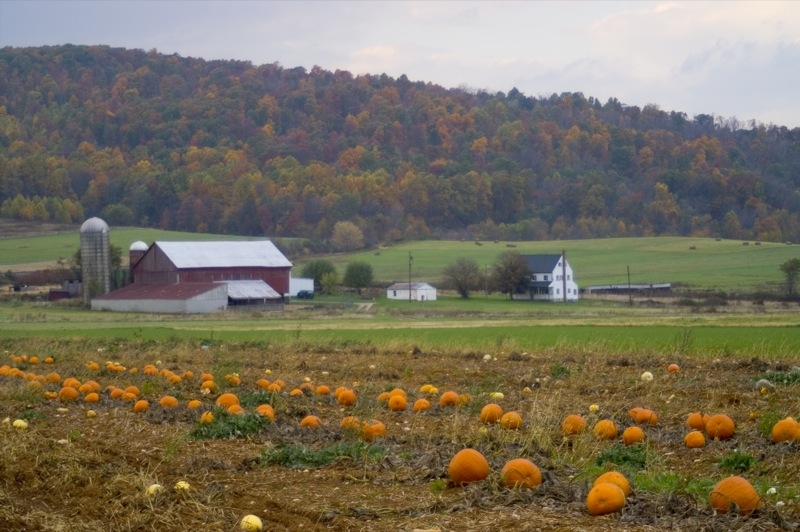
Although the commercial fishing industry is in decline, the catch of fish and shellfish, including oysters, crabs and clams, from Chesapeake Bay is still significant. Important agricultural products are poultry, eggs, dairy, fruit, vegetables and soya beans. Maryland is also well known for breeding horses.
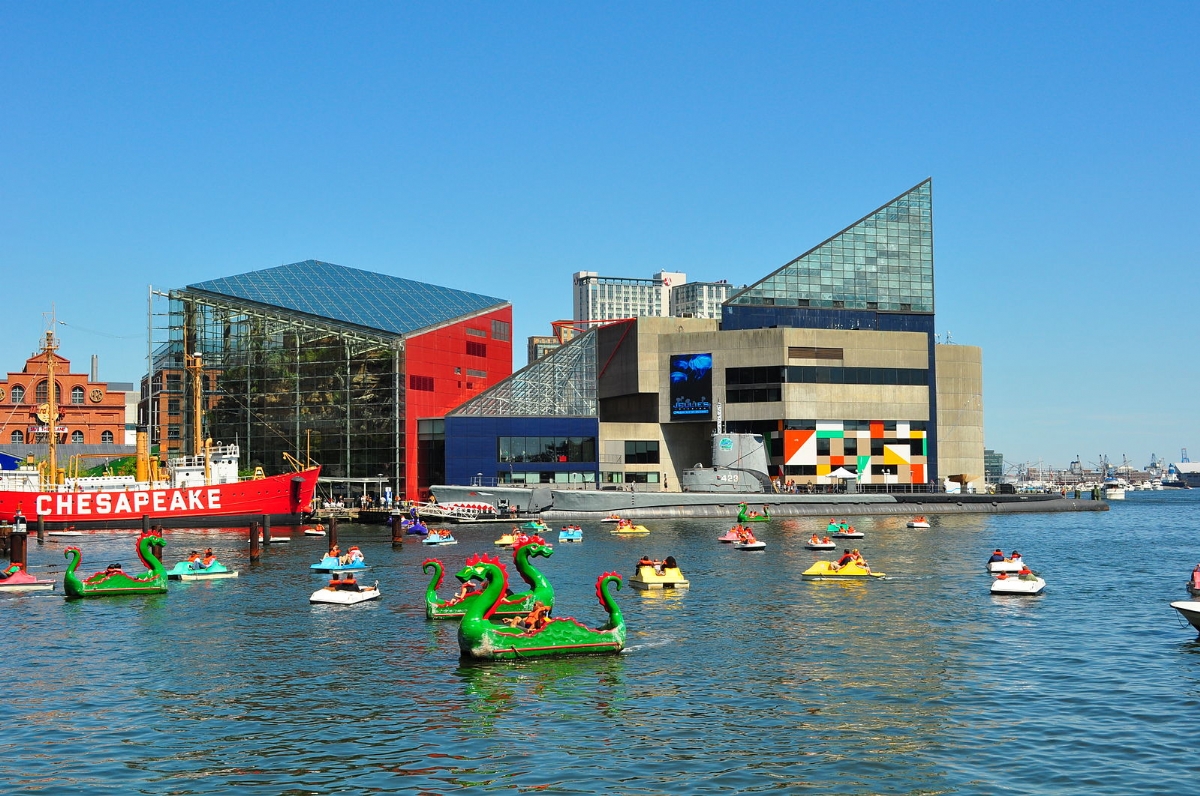
Leading manufactures include electronic equipment, food products, transportation equipment, steel and chemicals. Biotechnology, information technology and tourism, especially around Chesapeake Bay, are also important industries. Many Marylanders work for the federal government in Washington, D.C. Baltimore is a major port. Annapolis is the home of the US Naval Academy.
Facts about Maryland
Area 9774 sq miles (25,315 sq km)
Highest point Hoye-Crest 3360 ft (1024 m)
Population 6,052,177
Capital Annapolis (population 40,552)
Largest cities Baltimore, 565,239; Columbia, 105,871; Germantown, 90,521; Waldorf, 82,541; Frederick, 85,793; Silver Spring, 82,129
Nicknames Free State, Old Line State, America in Miniature
State bird Baltimore oriole
State flower Black-eyed susan
State tree Southern White oak
Consultant: Nicholas Harris
History of Maryland
17th century
At the time of contact with European settlers, Algonquian-speaking Native American peoples inhabiting the area include the Susquehannock, Nanticoke, Powhatan and Shawnee
1574
Pedro Menéndez Marqués, governor of Spanish Florida, explores the Chesapeake region
1608
English naval commander Captain John Smith explores Chesapeake Bay
1632
King Charles I of England grants a royal charter for the Province of Maryland to George Calvert, Lord Baltimore
1634
English settlers, many of whom are Catholic, found St Mary's City on the Western Shore of Chesapeake Bay
1642
Puritans leave Virginia for Maryland and found the city of Providence (now called Annapolis)
1649
Religious freedom is granted to all Christians in the Toleration Act
1654
Puritans seize control of the colony and repeal the Toleration Act
1658
The Calvert family regain control of Maryland and re-enact the Toleration Act
1688
Maryland outlaws Catholicism
1694
Capital is moved from St Mary's to Annapolis
1700s
Tobacco becomes the mainstay of the economy; Maryland imports slaves from Africa to cultivate the crop
1730-38
Cresap's War fought over border dispute with Pennsylvania
1760
Mason-Dixon Line is established, ending the long-standing border dispute with Pennsylvania
1776
Maryland adopts a declaration of rights
1781
Maryland becomes the seventh state admitted to the US after signing the new Constitution
1783
US Congress meets in Annapolis to ratify (sign up to) the Treaty of Paris ending the Revolutionary War
1791
Maryland cedes land to form the District of Columbia where the new national capital, Washington, is founded
1814
Defence of Fort McHenry, Baltimore, during war with Britain
1829
Chesapeake and Delaware Canal opened
1830
Baltimore & Ohio RR, the first railroad in the US for public traffic, is opened
1862
During the Civil War, General Lee's Army of Northern Virginia invades Maryland and is turned back by Union forces at the Battle of Antietam
1904
The Great Baltimore Fire destroys more than 1500 buildings
1952
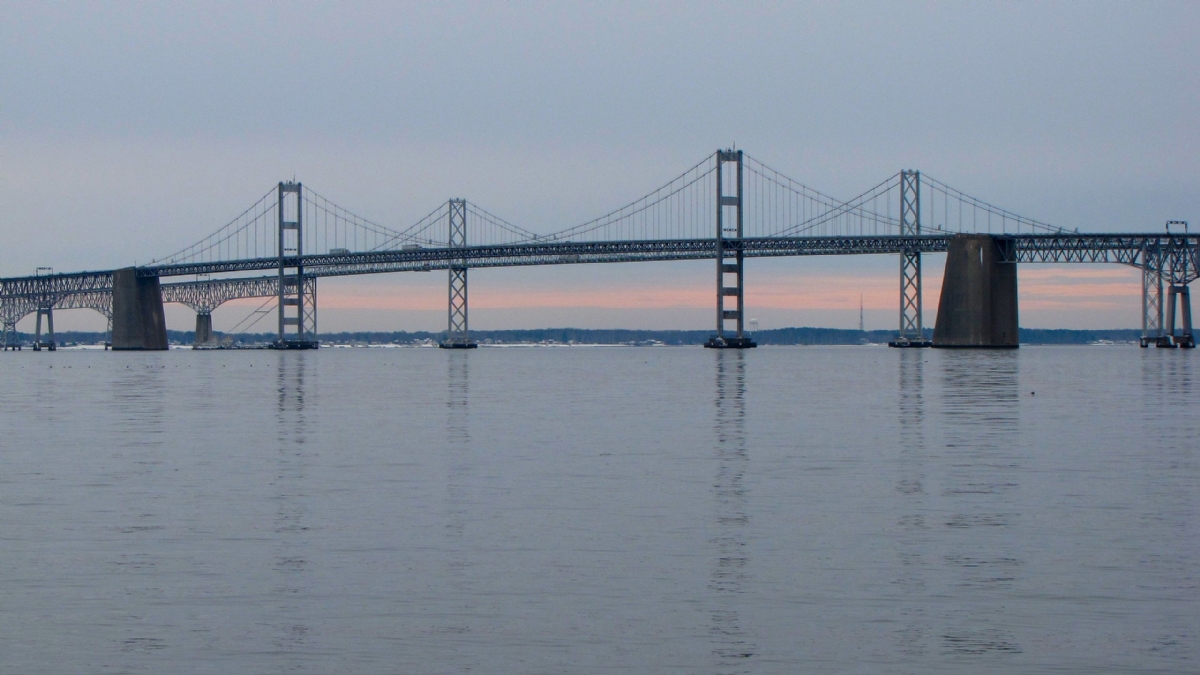
Opening of the Chesapeake Bay Bridge
1983
Chesapeake Bay Agreement, for the improvement of water quality and living resources of the Bay, is signed by Maryland, Pennsylvania, Virginia, District of Columbia and other organizations
2024
(March) Most of the Francis Scott Key Bridge across the Patapsco River in the Baltimore metropolitan area collapses after a container ship strikes one of its piers. Six members of a maintenance crew working on a roadway are presumed dead.
pics
Without in any way limiting Q-files Ltd’s exclusive rights under copyright, any use of this publication to “train” generative artificial intelligence (AI) technologies to generate text is expressly prohibited. Q-files Ltd reserves all rights to license use of this work for generative AI training and development of machine learning language models.