
States of the US

CITE
We have made every effort to follow citation style rules, but there may be some minor differences. If in doubt, please refer to the appropriate citation style manual.
Maine. (2026). In Q-files Encyclopedia, Geography, States of the US. Retrieved from
https://www.q-files.com/geography/states-of-the-us/maine
"Maine." Geography, States of the US, Q-files Encyclopedia, 2 Sep. 2026.
https://www.q-files.com/geography/states-of-the-us/maine.
Accessed 21 Sep. 2026.
Maine 2026. Geography, States of the US. Retrieved 21 September 2026, from
https://www.q-files.com/geography/states-of-the-us/maine
Geography, States of the US, s.v. "Maine," accessed September 21, 2026.
https://www.q-files.com/geography/states-of-the-us/maine


Maine
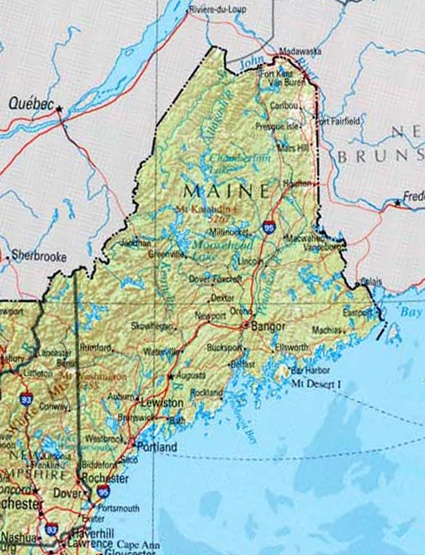
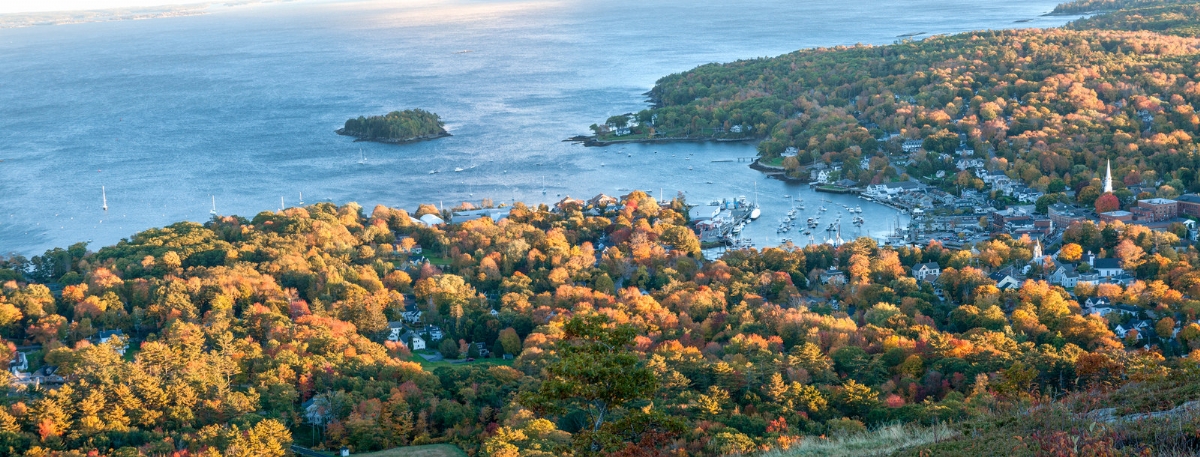
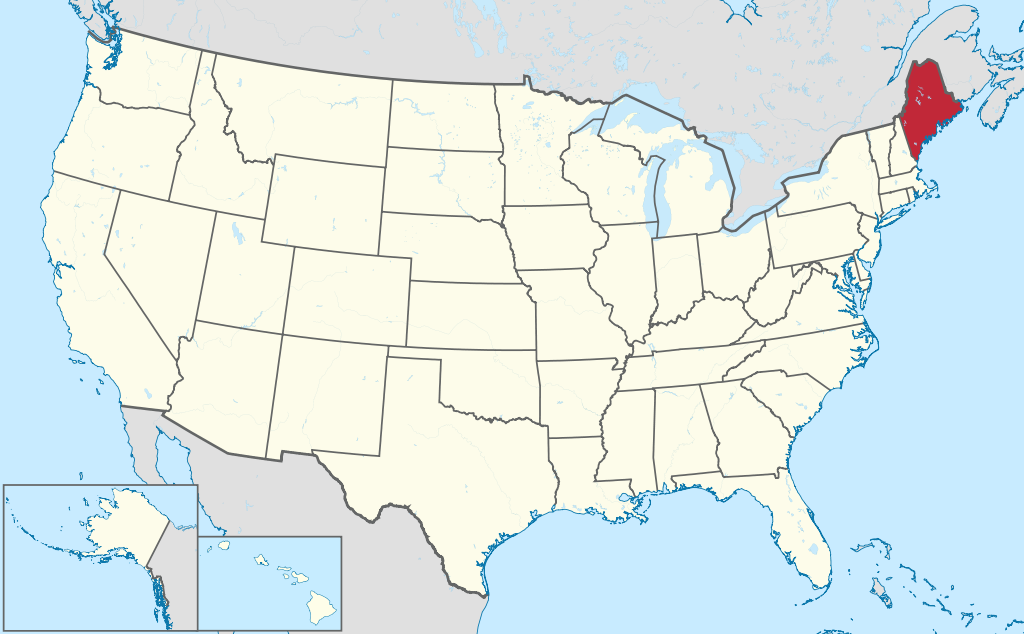
One of the six states that make up the region of New England, Maine is located in the northeastern region of the United States. In fact, it is the nation's easternmost state. Maine consists of a coastal plain in the east, with low mountains, belonging to the Appalachian range, rising in the west. Glaciers retreating after the last Ice Age deposited ridges of moraine, damming the river valleys. As a result more than 2200 lakes were formed, with Moosehead Lake the largest. Meanwhile, the Atlantic Ocean flooded the low coastal valleys, creating a jagged, rocky coastline and numerous islands offshore. Over 80% of Maine is forested.
Name
The name "Maine" was chosen by Englishman Sir Ferdinando Gorges, who founded the Province of Maine in 1622, naming it after the village where his ancestors first settled in England: Broadmayne, just southeast of Dorchester. An alternative theory is that it was named in honour of Henrietta Maria, queen of King Charles I, who had lands in the French province of Maine.
A third possibility is that Captain John Mason, who, along with Gorges, was granted land in Maine, may have taken the name from the chief island in Orkney Islands, Mainland, where he once served as a naval officer. This would distinguish it from the offshore islands, in the same way as the Caribbean coast of South America was called the Spanish Main (short for mainland).
Climate
Maine has a humid continental climate, with warm—although generally not hot—summers. Winters are cold and snowy throughout the state, and are especially severe in the northern parts. Coastal areas have milder winters and cooler summers.

Economy
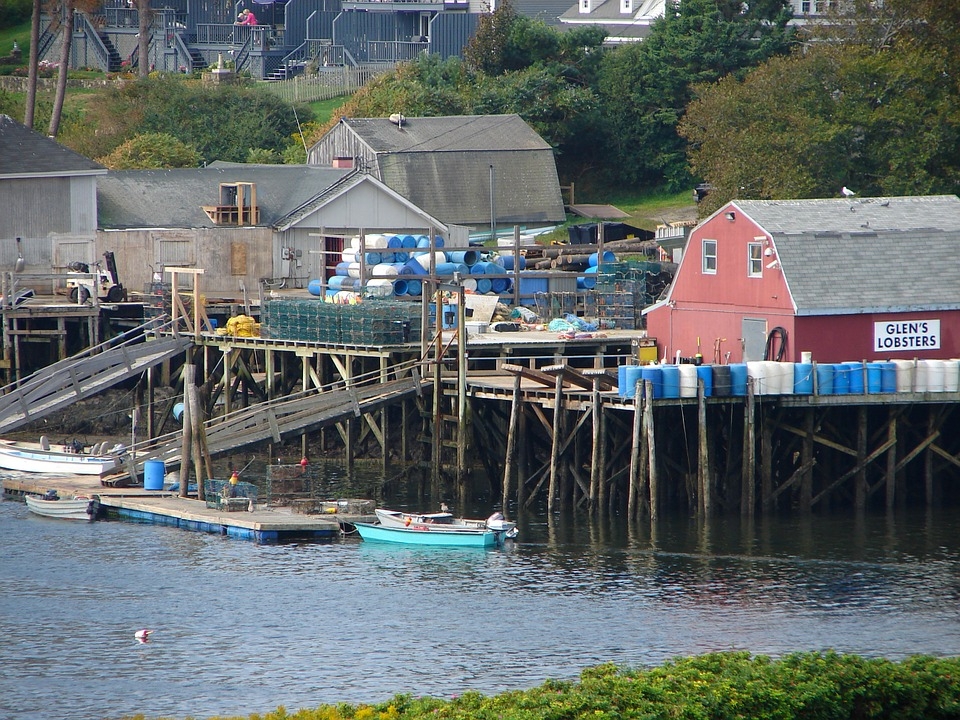
Maine generally has poor soils and a short growing season. Farms concentrate on dairy, poultry and egg production, along with market gardening. Other products include hay, apples, maple syrup and maple sugar. Potatoes are an important crop in the far north. Maine produces 98% of the nation's wild blueberries. Commercial fishing was once one of Maine’s chief industries. Lobsters and sardines are still caught in large numbers.
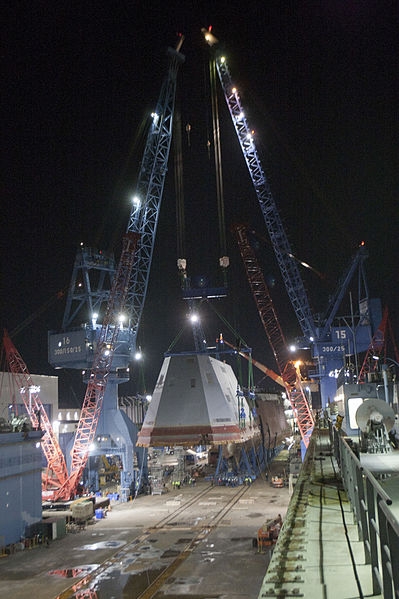
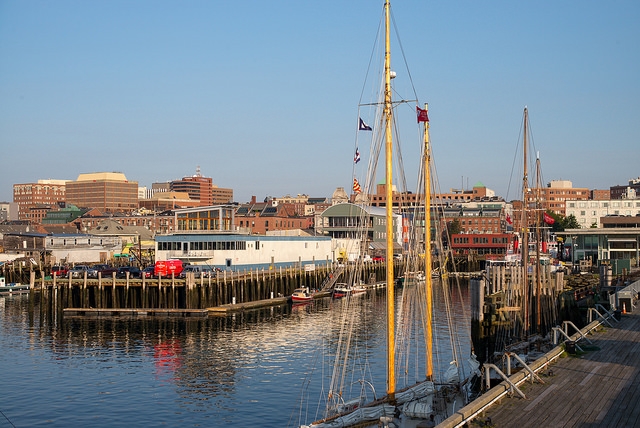
Maine is a leading producer of paper and wood products. Food products, electronics and transportation equipment are also important. Maine’s scenery—its state parks, coast, lakes and mountains—make it a popular holiday destination. Naval shipbuilding, especially at Bath Iron Works, which builds warships, remains important. Service and finance industries have grown rapidly in recent decades, especially around Portland.
Facts about Maine
Area 30,862 sq miles (79,933 sq km)
Highest point Mount Katahdin 5270 ft (1606 m)
Population 1,395,722
Capital Augusta (pop. 19,102)
Largest cities Portland, 69,104; Lewiston, 38,404; Bangor, 31,628; South Portland, 26,840; Auburn, 24,793
Nickname Pine Tree State
State bird Chickadee
State flower White pine cone and tassel
State tree White pine

Consultant: Nicholas Harris
History of Maine
before 13th century
The original inhabitants of what is now Maine are the Algonquian-speaking Abenaki peoples, including the Androscoggin, Passamaquoddy, Maliseet and Penobscot tribes
1498
John and Sebastian Cabot may have visited the Maine coast
1604
French explorers discover and give the name Acadia to the entire area of northeastern America, including Quebec, the Maritime provinces of Canada and modern-day Maine; they found the first settlement in Maine on St Croix Island
1607
The Maine coast is included in the grant made by King James I of England to the Plymouth Company; colonists led by George Popham found a settlement, Fort St George, on the present site of Phippsburg, but the colonists return to England the following year
1609–1613
French establish colonies in Penobscot Bay and on Mt Desert Island, but the English expel them
1620
The Council for New England grants Ferdinando Gorges and Captain John Mason the territory between the Kennebec and Merrimack rivers
1652
Maine settlers come under the authority of the Massachusetts Bay Colony
1675–76
King Philip's War: the English colonists fight a combined force of French and Native American troops
1690
Androscoggin people are driven out of the area during King William's War
1691
Sir William Phips is appointed governor of Maine by the Massachusetts Bay Colony; Maine soon has prosperous fishing, timber and shipbuilding industries.
1724–25
Other Abenaki tribes suffer severe defeats at the hands of the colonists
1765
Uprising against British rule by a mob at Falmouth (Portland)
1820
Maine votes to secede (break away) from the Commonwealth of Massachusetts. Under the terms of the Missouri Compromise, Maine becomes the 23rd state of the US (as a free, non-slavery state) while Missouri is also admitted and authorized to adopt a constitution permitting slavery (thus keeping a balance between slave and free states)
early 19th century
Rapid increase in population; a highly profitable timber trade develops and towns such as Bath become shipbuilding centres. Shipbuilding, cotton textile, quarrying and paper industries are all established in Maine over the course of the 19th century
1832
Augusta becomes state capital
1839
Boundary dispute with New Brunswick, part of British Canada, provokes the so-called Aroostook War; the controversy is settled by the Webster-Ashburton Treaty with Great Britain in 1842
1948
Skowhegan native Margaret Chase Smith is elected to the US Senate, making her the first woman to serve in both houses of the US Congress
2000s
Thousands of Somali immigrants in the US begin a secondary migration to Maine, especially Lewiston and Portland
pics
Without in any way limiting Q-files Ltd’s exclusive rights under copyright, any use of this publication to “train” generative artificial intelligence (AI) technologies to generate text is expressly prohibited. Q-files Ltd reserves all rights to license use of this work for generative AI training and development of machine learning language models.