
States of the US

CITE
We have made every effort to follow citation style rules, but there may be some minor differences. If in doubt, please refer to the appropriate citation style manual.
New Jersey. (2026). In Q-files Encyclopedia, Geography, States of the US. Retrieved from
https://www.q-files.com/geography/states-of-the-us/new-jersey
"New Jersey." Geography, States of the US, Q-files Encyclopedia, 2 Sep. 2026.
https://www.q-files.com/geography/states-of-the-us/new-jersey.
Accessed 21 Sep. 2026.
New Jersey 2026. Geography, States of the US. Retrieved 21 September 2026, from
https://www.q-files.com/geography/states-of-the-us/new-jersey
Geography, States of the US, s.v. "New Jersey," accessed September 21, 2026.
https://www.q-files.com/geography/states-of-the-us/new-jersey


New Jersey
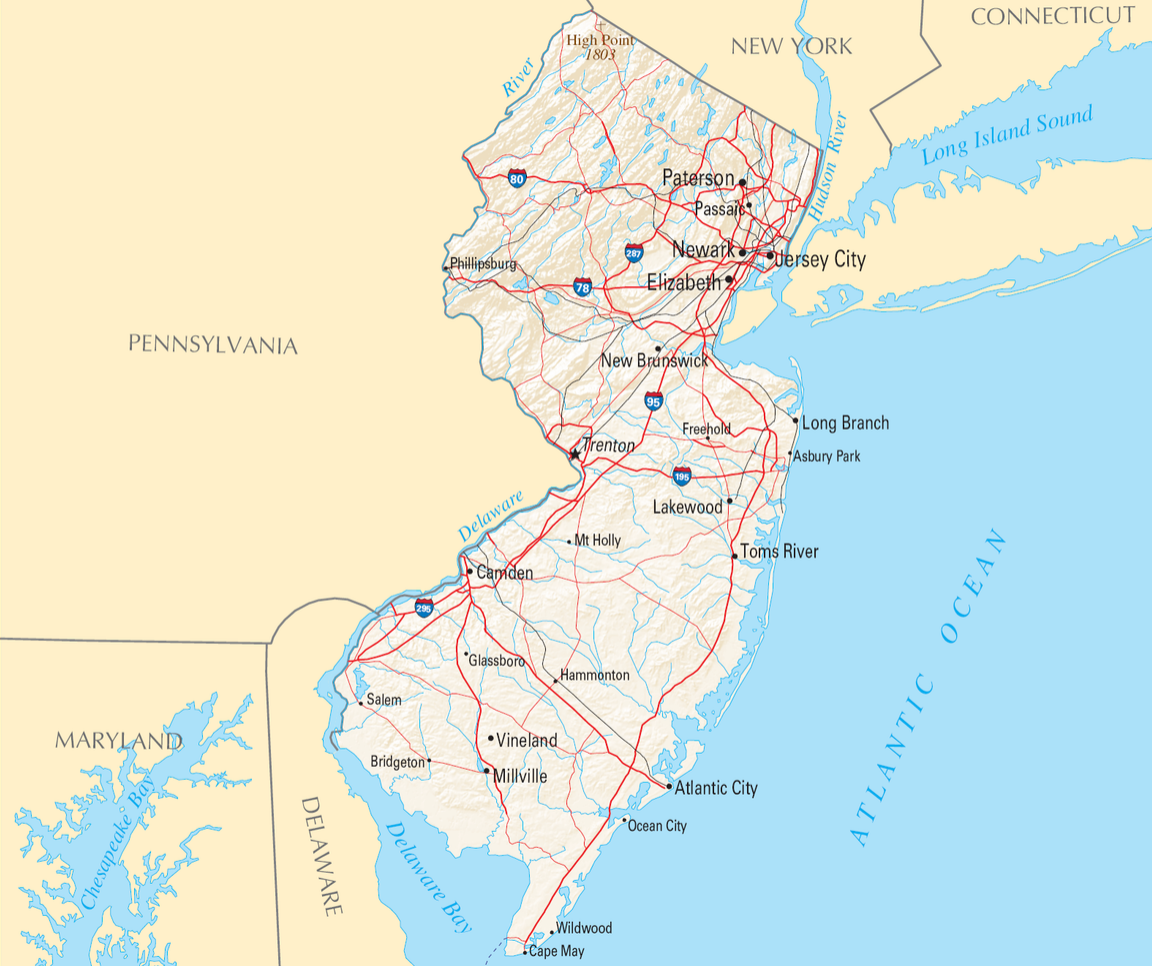
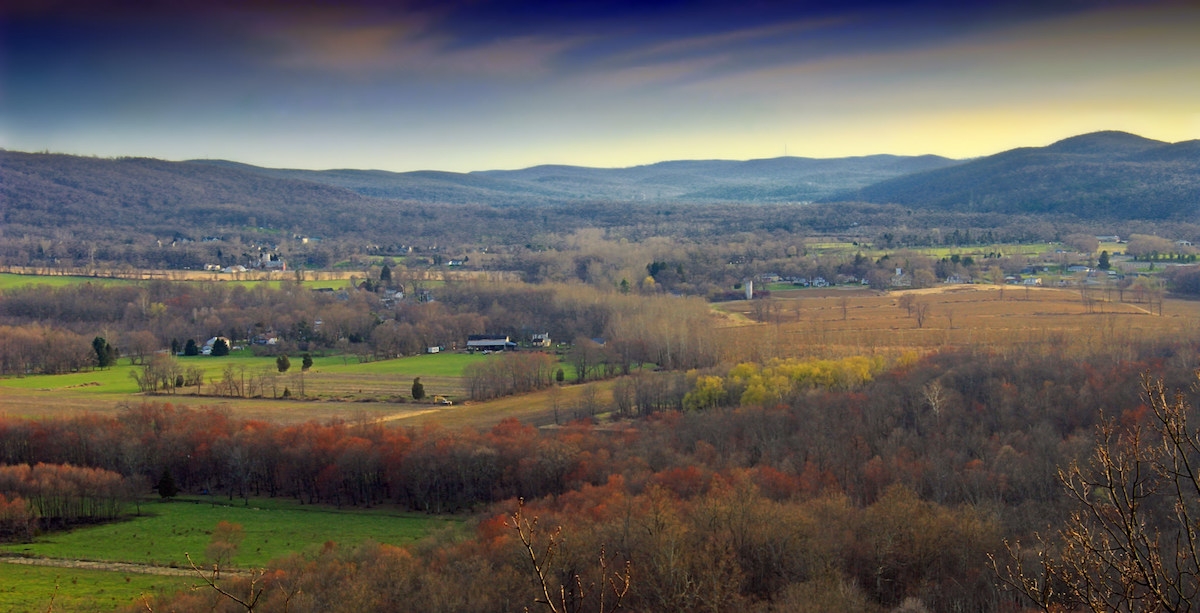
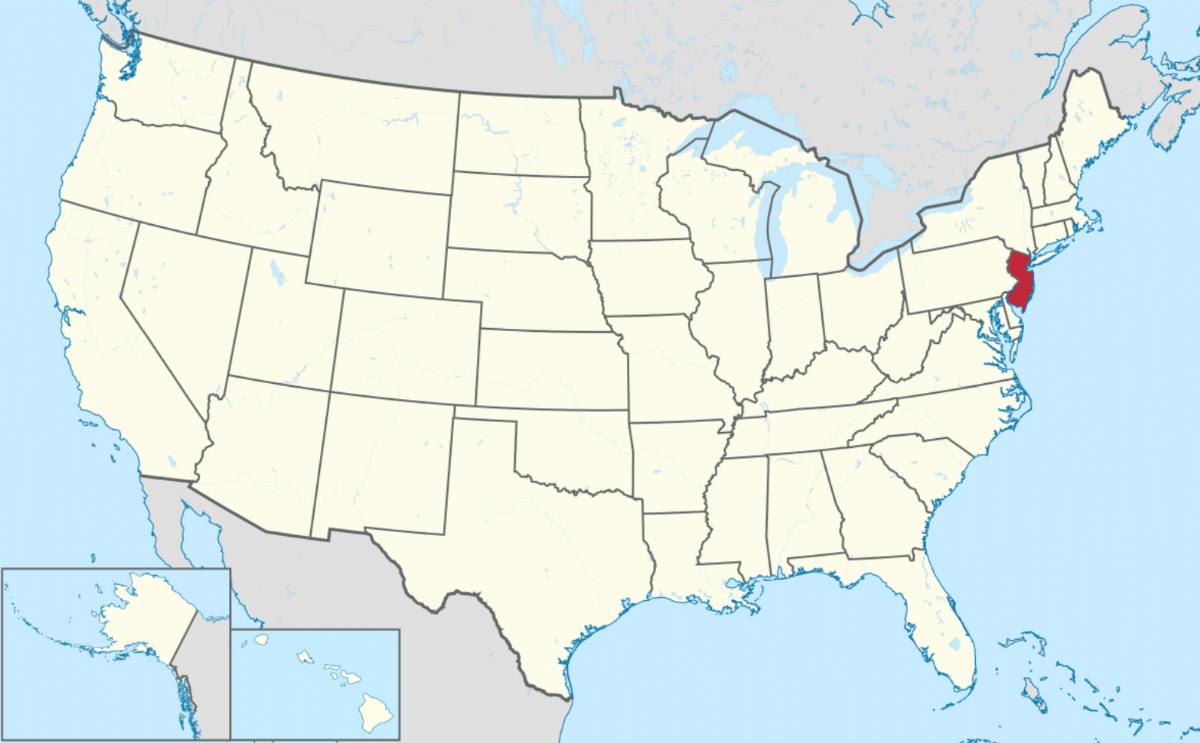
New Jersey is located in the northeastern region of the United States. The ridges and valleys of the Appalachians, known locally as the "Skylands", run roughly northeast–southwest across the state. Northeastern New Jersey, the Gateway Region, lies close to New York City; from here, up to a million residents commute daily into the city to work. South of the Appalachians are the lowlands of the Atlantic Coastal Plain. The Delaware Valley, which marks the border with Pennsylvania, forms part of the Philadelphia urban area. New Jersey's Atlantic Shore is fringed by barrier islands and sheltered waterways. Just inland from the coast lies the the forested and sparsely populated Pine Barrens region.
Name
When the area that is now New Jersey passed into English hands in 1664, it was named after the largest of the Channel Islands, Jersey. During the English Civil War, Jersey had remained loyal to the British Crown and gave sanctuary to King Charles II following the execution of his father, Charles I. Charles II’s brother, the Duke of York (later King James II), granted the land between the Hudson River and the Delaware River to two loyal friends, Sir George Carteret and Lord Berkeley of Stratton. They named it the Province of New Jersey.
Climate
Most parts of New Jersey have a subtropical climate. Summers are usually hot and humid, while winters are very often cold. The northern part of state, with its upland topography, has colder winters and cooler summers than the southern part. During winter and early spring, New Jersey sometimes experiences northeasterly winds, bringing storms and blizzards. Hurricanes and tropical storms are rare, although New Jersey was badly affected by Hurricane Sandy in 2012.

Economy

New Jersey’s manufacturing is dominated by chemicals. Many large oil refineries are located in northern New Jersey. Other important manufactures include pharmaceuticals, machinery, electrical goods, electronic equipment, processed foods and clothing. The Port Newark-Elizabeth Marine Terminal is one of the world's largest container ports. New Jersey has been a leader in industrial research and development since the establishment of Thomas Edison's research facility in Menlo Park in 1876.
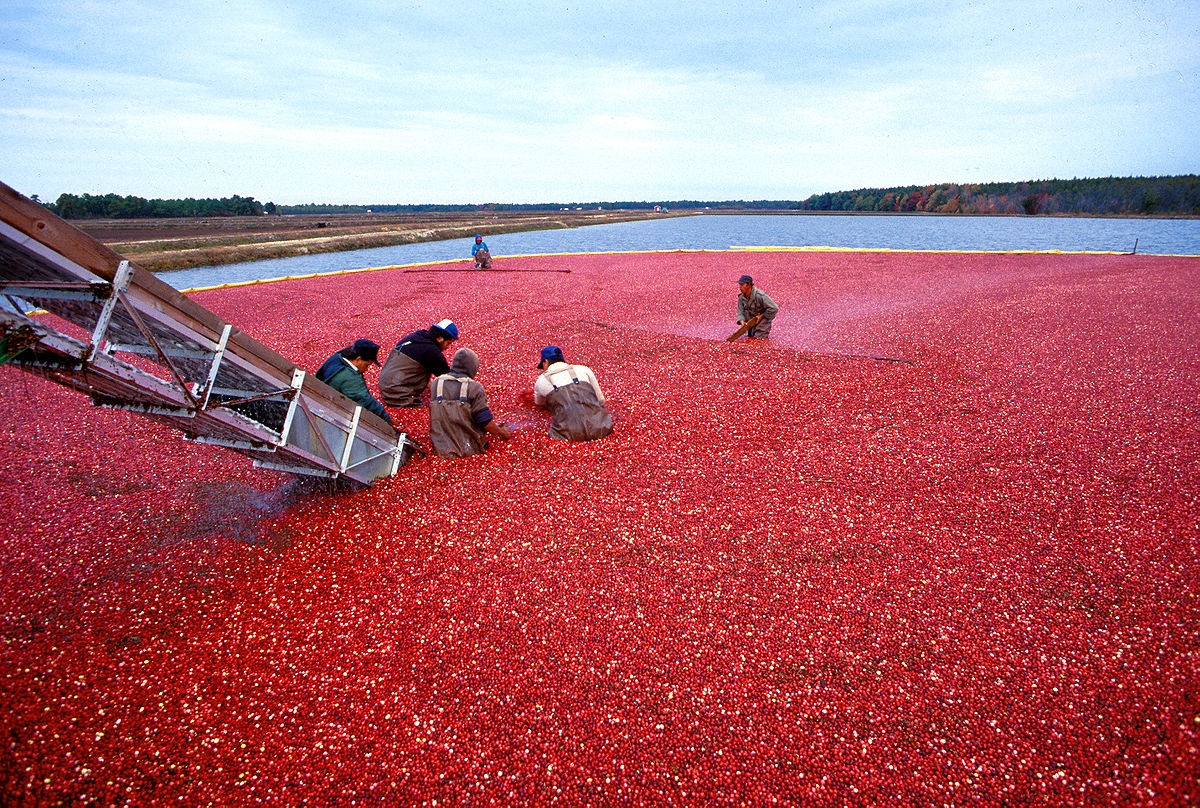
The state's chief agricultural products are vegetables (including potatoes, asparagus and spinach), blueberries, cranberries and peaches. Poultry, eggs, dairy products and seafood are also important.
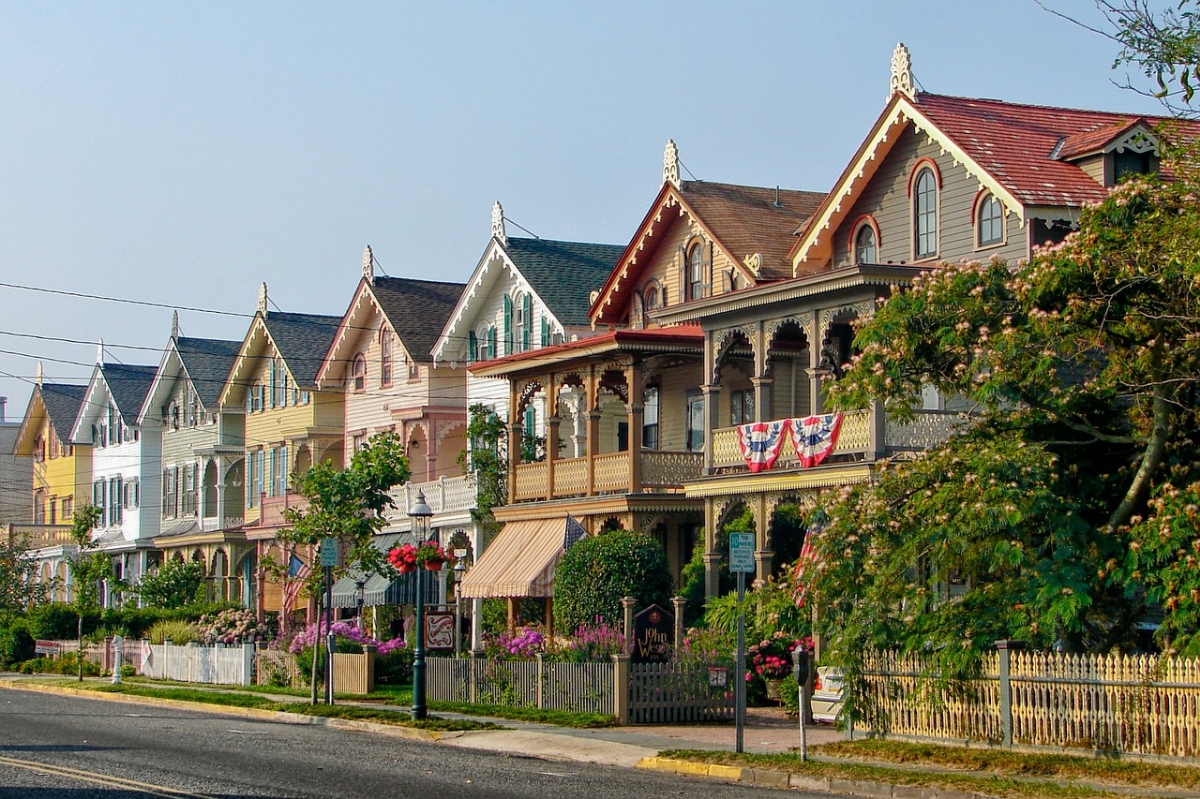
Atlantic City, where gambling has been legal since 1977, attracts many visitors to its casinos. Resorts along the state’s Atlantic coastline and in the mountains of the north are also popular tourist destinations.
Facts about New Jersey
Area 8723 sq miles (22,591 sq km)
Highest point High Point 1803 ft (550 m)
Population 9,290,841
Capital Trenton
Largest cities Newark, 304,960; Jersey City, 291,657; Paterson, 156,452; Lakewood 139,866; Elizabeth, 135,829; Edison, 106,836; Woodbridge 103,194; Toms River, 99,091; Hamilton Township, 91,640; Trenton, 89,620
Nickname Garden State
State bird Eastern goldfinch
State flower Purple violet
State tree Red oak
Consultant: Nicholas Harris
History of New Jersey
before 17th century
Lenni Lenape (Delaware) Native American peoples live in New Jersey (which they call Scheyichbi) at the time of the first European explorers
1609
English sea explorer Henry Hudson sails into Newark Bay
1630
Dutchman Michiel Pauw establishes the settlement of Pavonia on the North River
1630s
Dutch West India Company offers land for settlement; small Dutch colonies are set up on the present sites of Hoboken, Jersey City and Gloucester City
1638
Swedes and Finns start to settle in the Delaware Valley in lands purchased by Peter Minuit; their colony is known as New Sweden
1655
New Sweden annexed by New Netherland colony
1664
The region becomes a possession of England after an English fleet under the command of Colonel Richard Nicolls takes control of Fort Amsterdam, the site of what will become New York City
1665
James, Duke of York grants the land between the Hudson River and the Delaware River (present-day New Jersey) to Sir George Carteret and Lord Berkeley of Stratton; the area is named the Province of New Jersey
1676
The colony is divided between Carteret and a company of English Quakers who obtain the rights belonging to Berkeley in 1673; East Jersey is held by Carteret, West Jersey by the Quakers
1681
Quakers purchase East Jersey from Carteret's widow
1702
New Jersey becomes a united British crown colony administered by the governor of New York
1738
New Jersey is separated from New York; it now has its own governor, Lewis Morris
1776
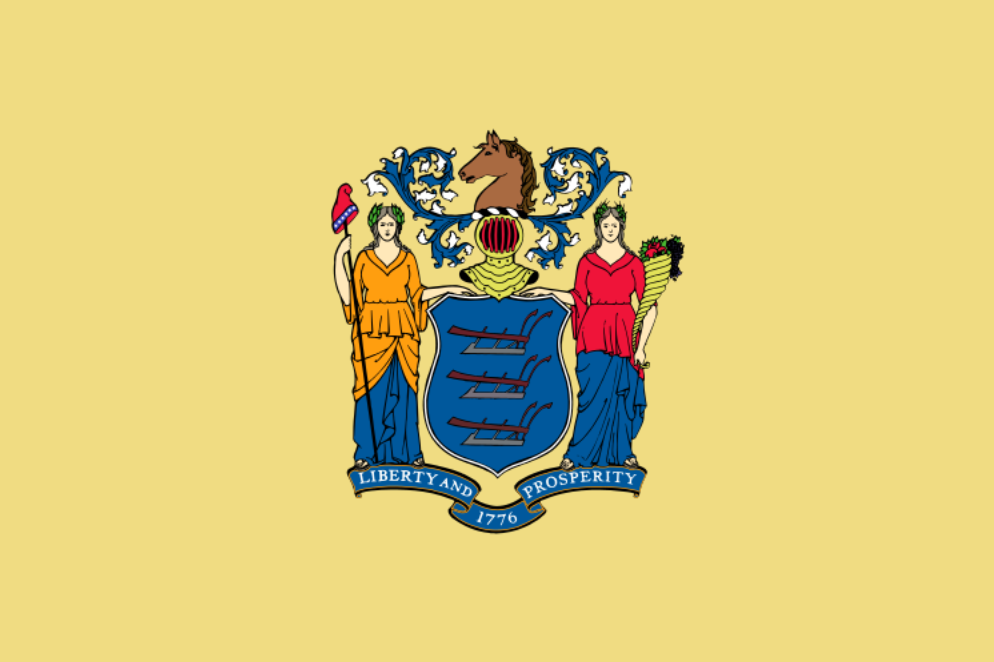
New Jersey Constitution is passed by the Provincial Congress; patriots declare New Jersey a state
1776
George Washington leads American troops across the Delaware River from Pennsylvania to launch a surprise attack against the Hessian forces (hired by the British) in Trenton, New Jersey
1776–81
Several key battles take place on New Jersey’s soil during the American Revolutionary War, giving it the nickname "The Crossroads of the Revolution"
1787
New Jersey becomes the third state to ratify (sign up to) the US Constitution
1790
Trenton becomes the state's capital
early 19th century
Rapid industrial growth, with textile mills powered by the waters of the Passaic River, takes place at Paterson. Factories in the cities of Camden, Paterson, Newark, Trenton, Jersey City and Elizabeth (known as the "Big Six”), help to drive the Industrial Revolution
1831
Completion of the Morris Canal accelerates industrialization in northern New Jersey; iron ore and zinc mining is now a thriving industry
1876
Inventor Thomas Edison sets up his research laboratory at Menlo Park; Christie Street in Menlo Park is the first street in the world to have electric lighting
1937
Hindenburg disaster: German passenger airship LZ 129 Hindenburg catches fire and is destroyed during its attempt to dock with its mooring mast at Naval Air Station Lakehurst, New Jersey. Of the 97 people on board, 35 (13 passengers and 22 crewmen) are killed. The accident brings the airship era to an abrupt end
1978
First casino opened in Atlantic City
2000
Hudson–Bergen Light Rail (HBLR), a light rail system in Hudson County, New Jersey, begins operations. By the time it is completed (2011), it has become one of the largest ever public works projects in New Jersey, and is credited with the revitalization of older urban areas such as Jersey City
2001
A series of letters, the first of which are postmarked 18th September (one week after the 9/11 attacks), all bearing a Trenton, New Jersey, postmark and containing deadly anthrax bacteria, are delivered to several news media offices and two US Senators. This results in the deaths of five people and causes another 22 people to develop infections. The crime remains unsolved
2012
The coast of New Jersey between Atlantic City and Hoboken is battered by Hurricane Sandy
pics
Without in any way limiting Q-files Ltd’s exclusive rights under copyright, any use of this publication to “train” generative artificial intelligence (AI) technologies to generate text is expressly prohibited. Q-files Ltd reserves all rights to license use of this work for generative AI training and development of machine learning language models.