
States of the US

CITE
We have made every effort to follow citation style rules, but there may be some minor differences. If in doubt, please refer to the appropriate citation style manual.
Michigan. (2026). In Q-files Encyclopedia, Geography, States of the US. Retrieved from
https://www.q-files.com/geography/states-of-the-us/michigan
"Michigan." Geography, States of the US, Q-files Encyclopedia, 2 Sep. 2026.
https://www.q-files.com/geography/states-of-the-us/michigan.
Accessed 21 Sep. 2026.
Michigan 2026. Geography, States of the US. Retrieved 21 September 2026, from
https://www.q-files.com/geography/states-of-the-us/michigan
Geography, States of the US, s.v. "Michigan," accessed September 21, 2026.
https://www.q-files.com/geography/states-of-the-us/michigan


Michigan
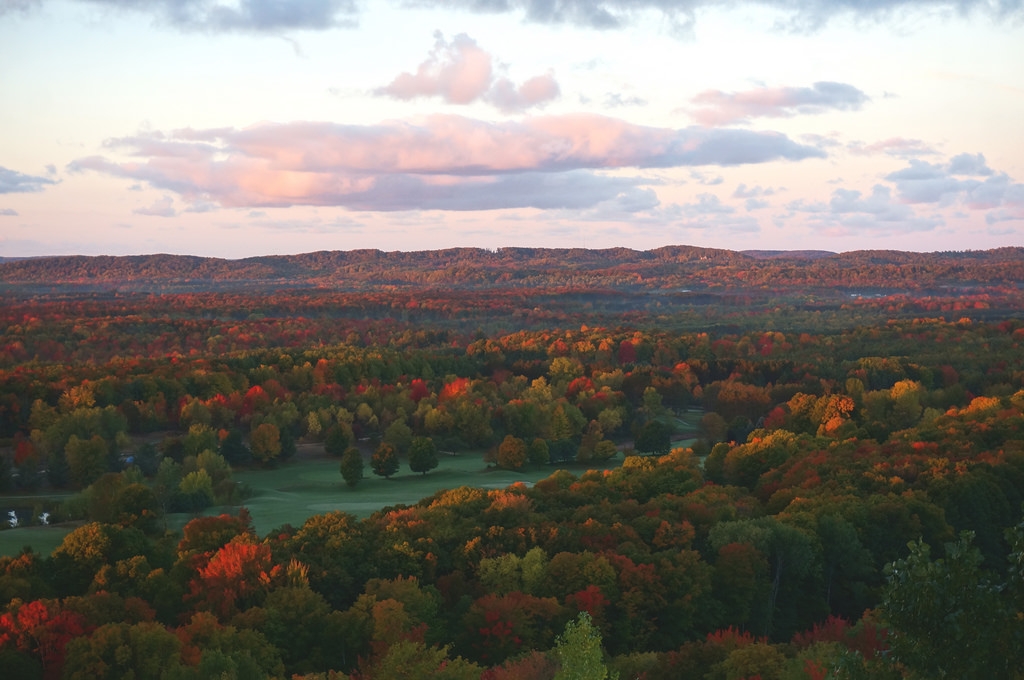
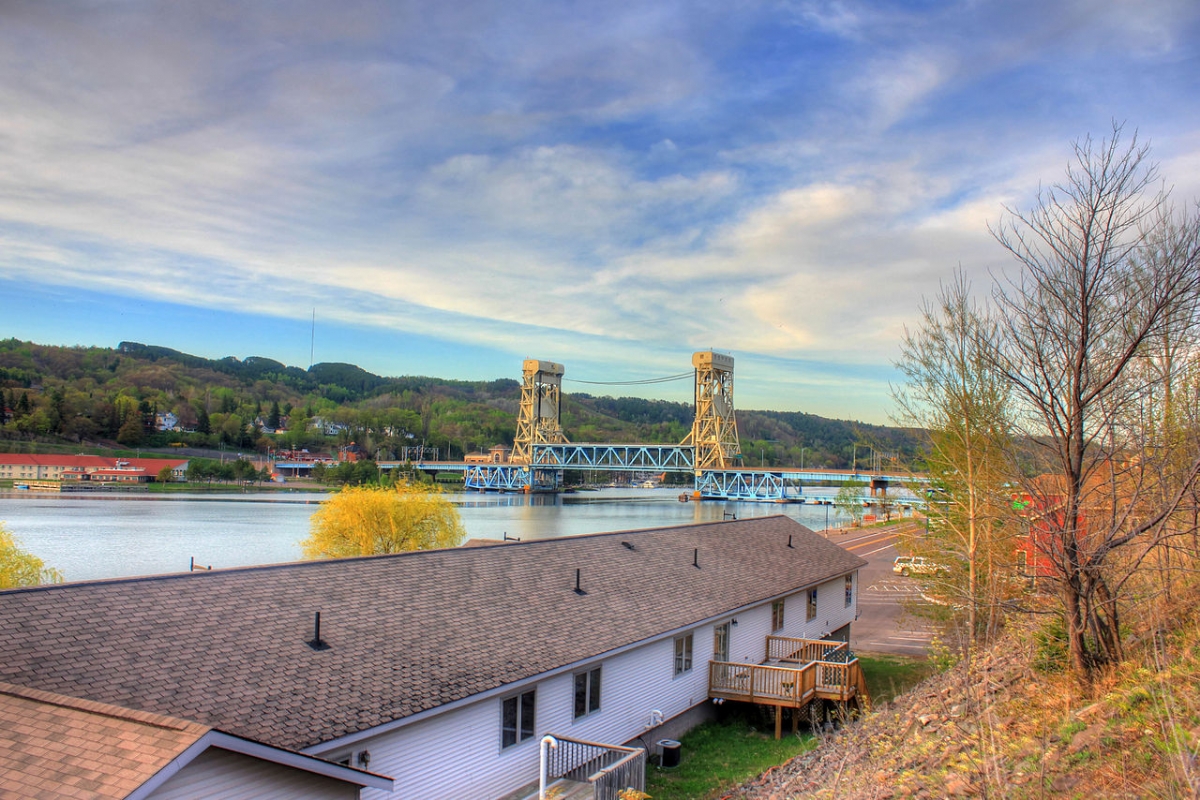
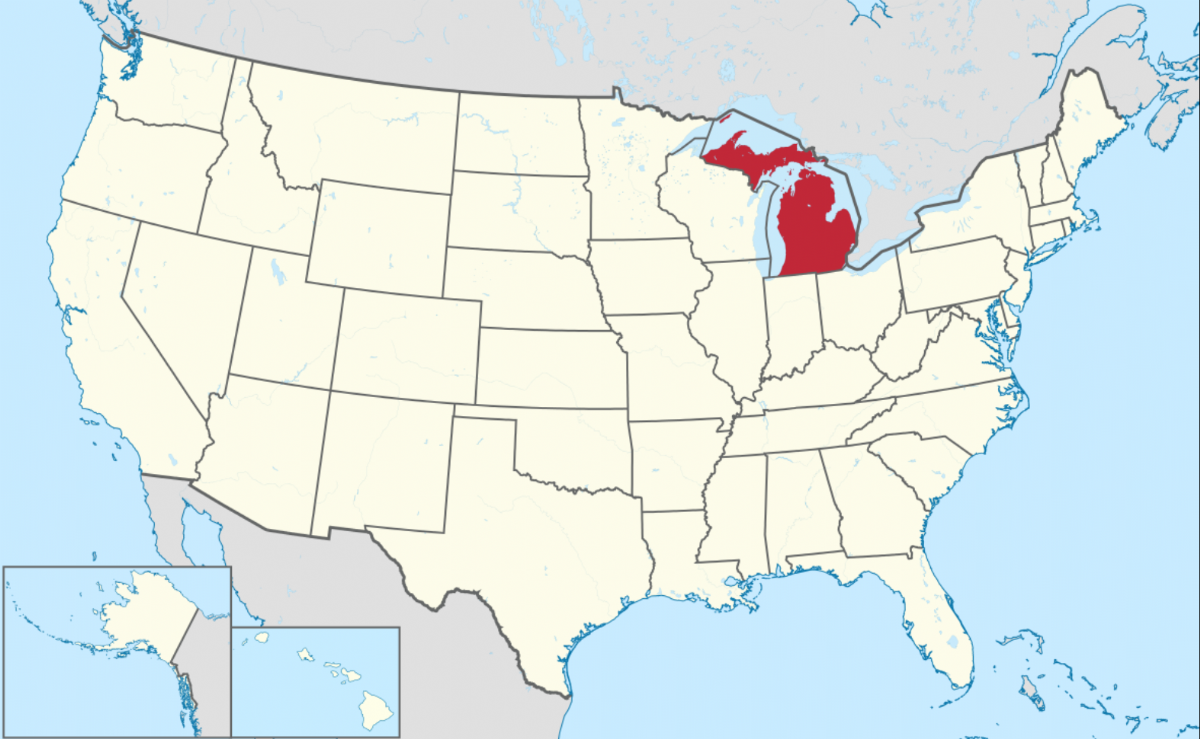
Michigan is located in the Midwest region of the United States. Its two parts, Upper Peninsula and Lower Peninsula, are separated by the narrow Straits of Mackinac, which links Lake Michigan with Lake Huron, and crossed by the Mackinac Bridge. The Upper Peninsula is known as the U.P. (its residents call themselves Yoopers). The eastern portion has swampy lowlands with ridges rising sharply from the Lake Superior shoreline. Farther west are forested mountains. The Lower Peninsula, often described as being shaped like a mitten, occupies nearly two-thirds of the Michigan’s land area. Its level plains are broken by conical hills and glacial moraines, which form low ridges.


Name
The name Michigan is from the French version—Michigane—of the Native American Ojibwe word mishigamaa or mishigami, meaning "large water" or "large lake”, a reference to Lake Michigan. The Ojibwe (or Chippewa) were one of the resident Native American peoples when French explorer Étienne Brûlé and his party landed at Sault Ste. Marie in 1618. The French founded a number of trading posts and settlements (including Detroit) in the area around the Great Lakes known to them as Pays d’en Haut, meaning “Upper Country”. France lost the territory to the British in 1763.
Climate
Michigan has a continental climate. The southern and central parts of the Lower Peninsula are warmer than areas farther north, with hot summers and cold winters. The waters of the lakes moderate the climate, and provide a long growing season for the surrounding farmland. The northern Lower Peninsula and the whole of the Upper Peninsula have a more severe climate with warm, but shorter summers, and longer, sometimes very cold, winters.


Economy
Michigan is a leading grower of fruit, including cherries, blueberries, cherries, apples, grapes and peaches. These are mainly grown close to the shore of west Lower Peninsula, benefitting from the warming effect of Lake Michigan on the local climate. Chief agricultural products include milk, other livestock products, poultry, maize, soya beans, flowers, wheat, sugar beet, vegetables and potatoes.
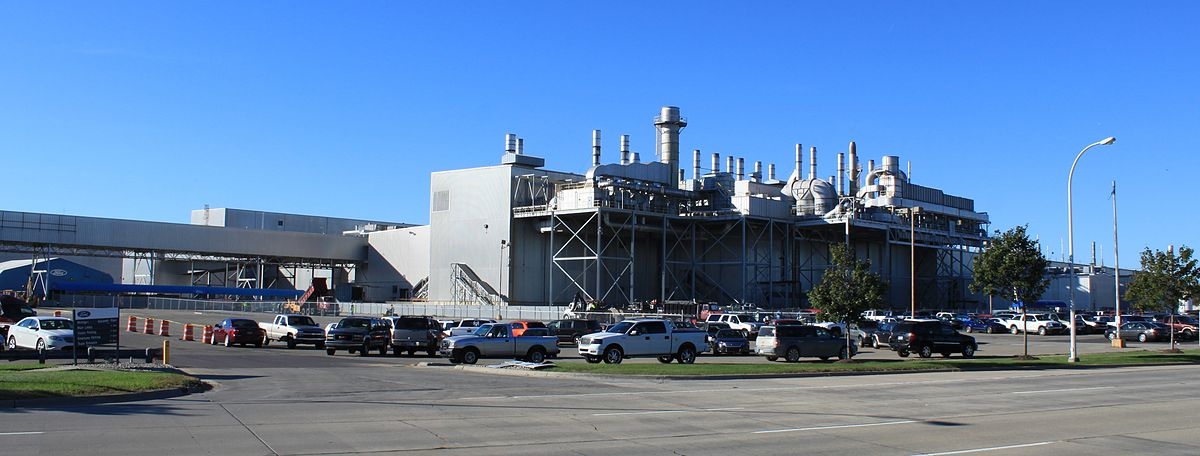
The manufacture of cars and transportation equipment in the Detroit metropolitan area is by far the state's chief industry, although it is now in decline. Other Michigan manufactures include machinery, fabricated metal products, chemicals, prepared cereals (the cereal giant Kellogg’s is based in Battle Creek), other food processing, machine tools, aircraft parts, refrigerators, hardware and furniture.
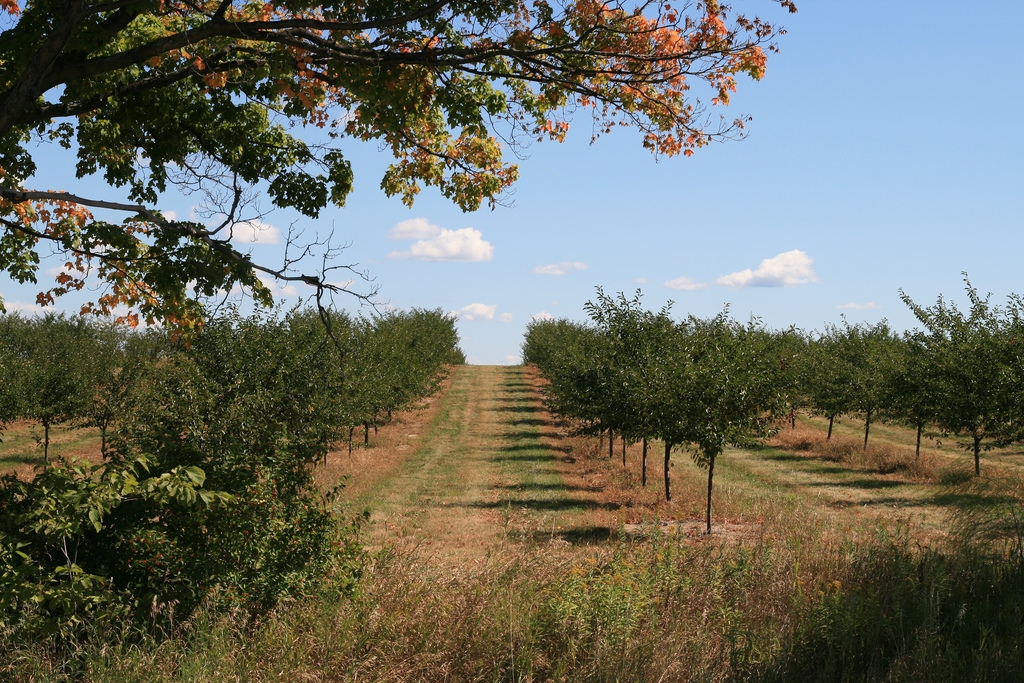

Michigan’s forests contribute significantly to the state's economy—including the production of Christmas trees. The state’s natural beauty and excellent fishing help make tourism a major industry.
Detroit
The French were the first settlers of Detroit, which was founded by explorer Antoine de la Mothe Cadillac in 1701. It was originally named Fort Pontchartrain du Détroit, the French word détroit meaning “strait“, the 27-mile-long (43-kilometre) Detroit River, which connects Lake Erie to Lake St Clair. Originally a fur-trading town, as a port on the Great Lakes Detroit became established as a commercial centre in the 19th century. It grew to be one of the largest manufacturing cities in the United States, first with shipbuilding and then, after Henry Ford established his Ford Motor Company in the city in 1903, as the centre of the automobile industry.
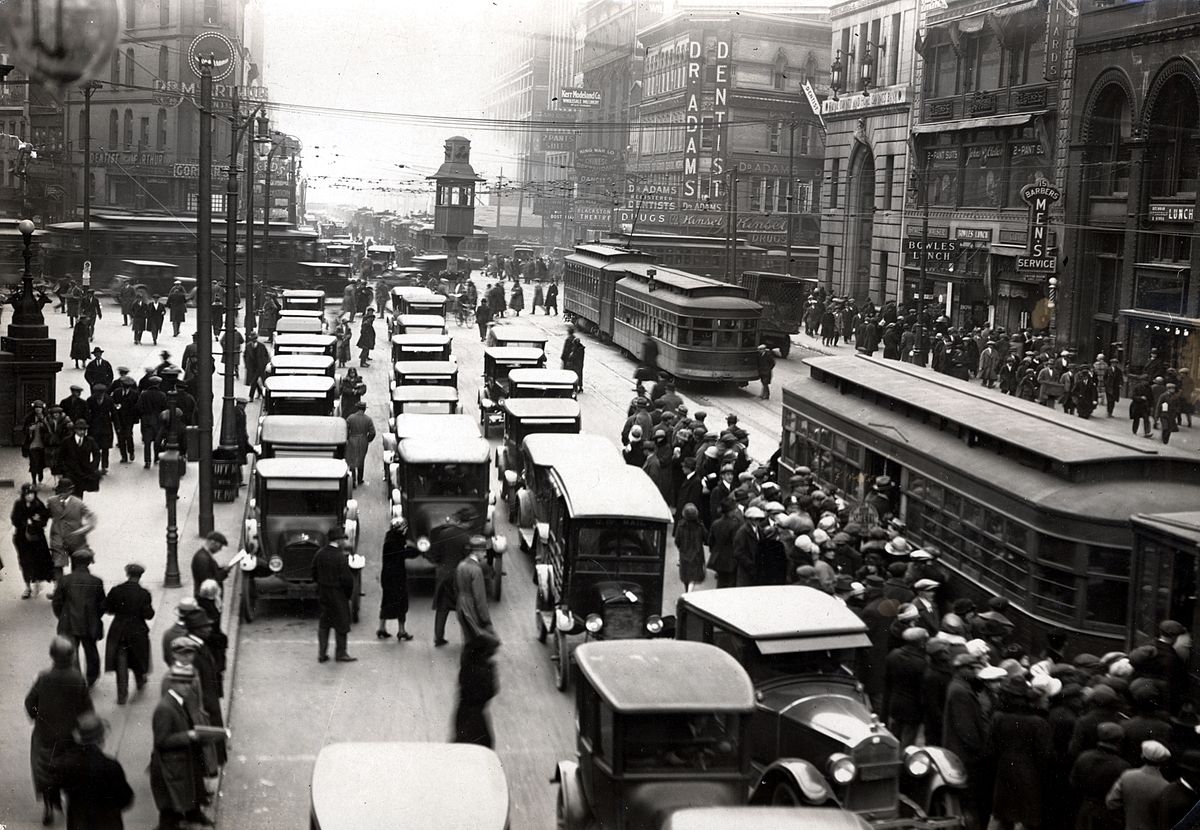
The Great Migration brought African Americans from the South to work in Detroit. Factory work brought other Americans, Mexicans and Europeans to the city, too. Detroit's diverse culture gave rise to the genres of Motown and techno in music.

In recent decades, the car industry has experienced a long decline, while the population has shrunk more than 60% since 1950, accelerating in the early 2000s. Saddled with a $20 billion debt, Detroit filed for bankruptcy in 2013 (from which it successfully exited in 2014). Metro Detroit remains the second largest metropolitan area in the Midwest with a population of 4.3 million, while the "Big Three" car manufacturers, General Motors, Ford and Chrysler, are still headquartered there. Downtown Detroit has recently been revitalized with the restoration of many historic buildings, theatres and its riverfront area. In 2015, it was named a "City of Design" by UNESCO, the first US city to receive this honour.
Facts about Michigan
Area 56,804 sq miles (147,122 sq km)
Highest point Mount Arvon 1979 ft (603 m)
Population 10,037,261
Capital Lansing
Largest cities Detroit, 633,218; Grand Rapids, 196,608; Warren, 136,655; Sterling Heights, 133,306; Ann Arbor, 119,381; Lansing, 112,115; Dearborn, 105,811; Macomb 92,747; Livonia, 92,185
Nickname Wolverine State
State bird Robin
State flower Apple blossom
State tree White pine

Consultant: Nicholas Harris
History of Michigan
before 17th century
Ojibwe (Chippewa), Ottawa, Potawatomi and other Algonquian-speaking Native American peoples live in Michigan when the first European explorers arrive
1618
French explorer Étienne Brûlé and members of his expedition are the first Europeans to reach today's Michigan. They land at the narrows of Sault Ste. Marie
mid-17th century
French trading posts and missions are founded along the lakes' shores and rivers; Mackinac Island becomes a centre of the fur trade
1660
Michigan becomes part of the Royal Province of New France
1671
Father Jacques Marquette establishes a French mission at Michilimackinac (present-day Mackinac Island in Lake Huron); it later becomes a trading post
1668
First permanent settlement is established at Sault Ste. Marie
1701
Fort Pontchartrain, later Detroit, is founded by French explorer Antoine de la Mothe Cadillac; the town quickly becomes a major fur-trading and shipping centre
1763
French lands east of the Mississippi River are lost to Great Britain after the French and Indian Wars (1754–63)
1763–66
Native American peoples, led by Pontiac, chief of the Ottawa, revolt against British occupation of their lands; after early military successes, they eventually make peace with the British
1774
Michigan becomes part of the British Province of Quebec
1791
Still under British control after the American Revolution, Michigan becomes part of Kent County, Upper Canada
1796
Under terms negotiated in the 1794 Jay Treaty, Britain surrenders the Michigan area to the US; it becomes part of the larger Northwest Territory
1800
Western Michigan becomes part of Indiana Territory
1805
Detroit is made capital of the new Michigan Territory
1812
In the war between the US and Britain, Michigan falls to the British; it is recaptured by the US the following year after the Battle of Lake Erie
1825
Opening of the Erie Canal, which connects the Great Lakes with the Hudson River and New York City; the new route brings a large influx of settlers; Native Americans are forced to move westwards to make way for them
1837
Michigan annexes the western part of the Upper Peninsula and is admitted as the 26th state of the US
1847
Lansing becomes state capital
late 19th century
Timber industry expands rapidly, and the population grows as German, Irish, Dutch and French Canadian immigrants arrive
1903
Henry Ford establishes the Ford Motor Company in Detroit. The company introduces conveyor-belt assembly lines in 1918; General Motors and the Chrysler Corporation are established shortly after Ford
1910–1940
First Great Migration: tens of thousands of African Americans come north from the rural South of the US to live and work in Detroit and other northeastern and Midwestern cities
1957
The Mackinac Bridge connecting the Upper and Lower Peninsulas is opened
1959
The opening of the St Lawrence Seaway allows ocean-going vessels to sail to and from the port of Detroit
1967
Detroit Riot, also known as the 12th Street Riot, the bloodiest incident in the "Long, hot summer of 1967", breaks out. A series of confrontations between African American residents and the Detroit Police Department, it is finally brought ot an end by the US Army. The result is 43 dead, 1189 injured, over 7200 arrests and more than 400 buildings destroyed.
2013
Detroit files for municipal bankruptcy, from which it exits the following year
pics
Without in any way limiting Q-files Ltd’s exclusive rights under copyright, any use of this publication to “train” generative artificial intelligence (AI) technologies to generate text is expressly prohibited. Q-files Ltd reserves all rights to license use of this work for generative AI training and development of machine learning language models.