
States of the US

CITE
We have made every effort to follow citation style rules, but there may be some minor differences. If in doubt, please refer to the appropriate citation style manual.
Illinois. (2026). In Q-files Encyclopedia, Geography, States of the US. Retrieved from
https://www.q-files.com/geography/states-of-the-us/illinois
"Illinois." Geography, States of the US, Q-files Encyclopedia, 1 Apr. 2026.
https://www.q-files.com/geography/states-of-the-us/illinois.
Accessed 6 Aug. 2026.
Illinois 2026. Geography, States of the US. Retrieved 6 August 2026, from
https://www.q-files.com/geography/states-of-the-us/illinois
Geography, States of the US, s.v. "Illinois," accessed August 6, 2026.
https://www.q-files.com/geography/states-of-the-us/illinois


Illinois
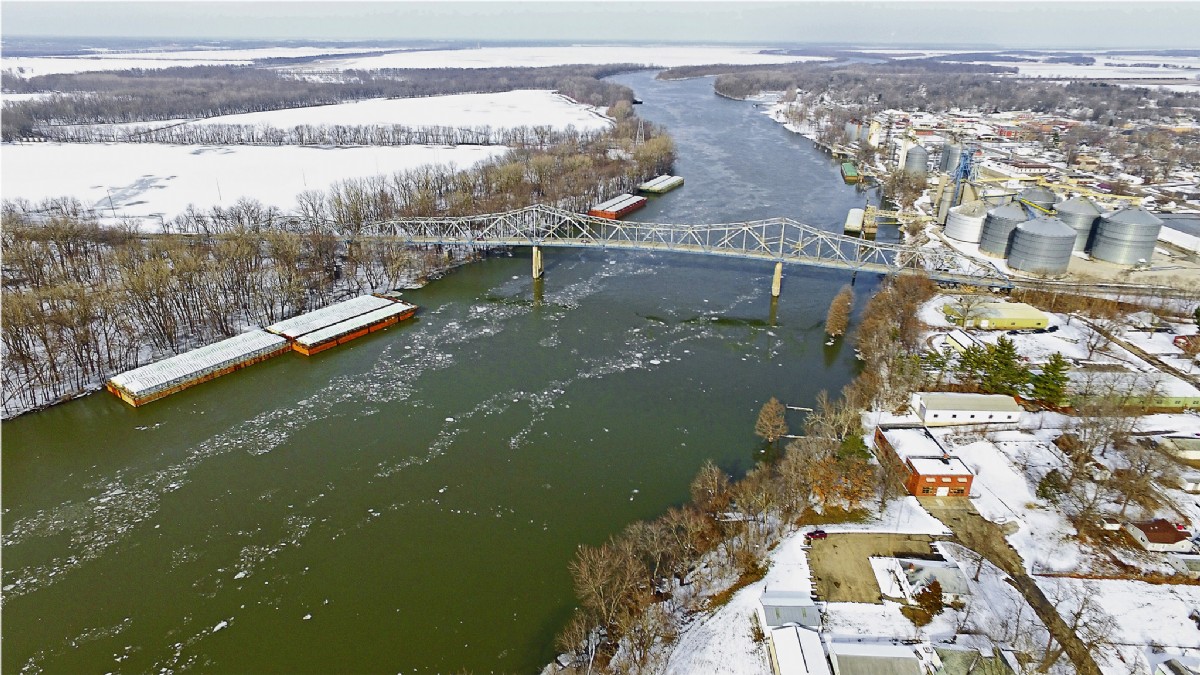
Illinois is a located in the Midwest region of the United States. In the extreme northwest lies the Driftless Area, a region of rugged topography that escaped being glaciated during the last Ice Age. In the far south (which includes a region known as Little Egypt), rise the Shawnee Hills. Between these two upland areas lies a vast area of flat, fertile prairie lands drained by hundreds of rivers, most of which flow southwards into the Mississippi-Missouri-Ohio system. These rivers provided early explorers with a way through from Lake Michigan to the interior of the North American continent. Northern Illinois is dominated by "Chicagoland": the city of Chicago, its suburbs and satellite cities. Central Illinois, known as the "Heart of Illinois", is mostly given over to agriculture, especially maize and soya bean cultivation.


Name
French Canadians, who settled along the Mississippi River in the 17th century, gave the area its name, Illinois, from their spelling of an Native American Miami-Illinois word iliniwek. This was once thought to mean “tribe of superior men”, but is now believed to translate as “he speaks the regular way”. It comes originally from a different word, irenwewa, which later changed to iliniwek. The modern spelling began to appear in the early 1670s, when French colonists arrived in the area. The Illinois' name for themselves is Inoka.
Climate
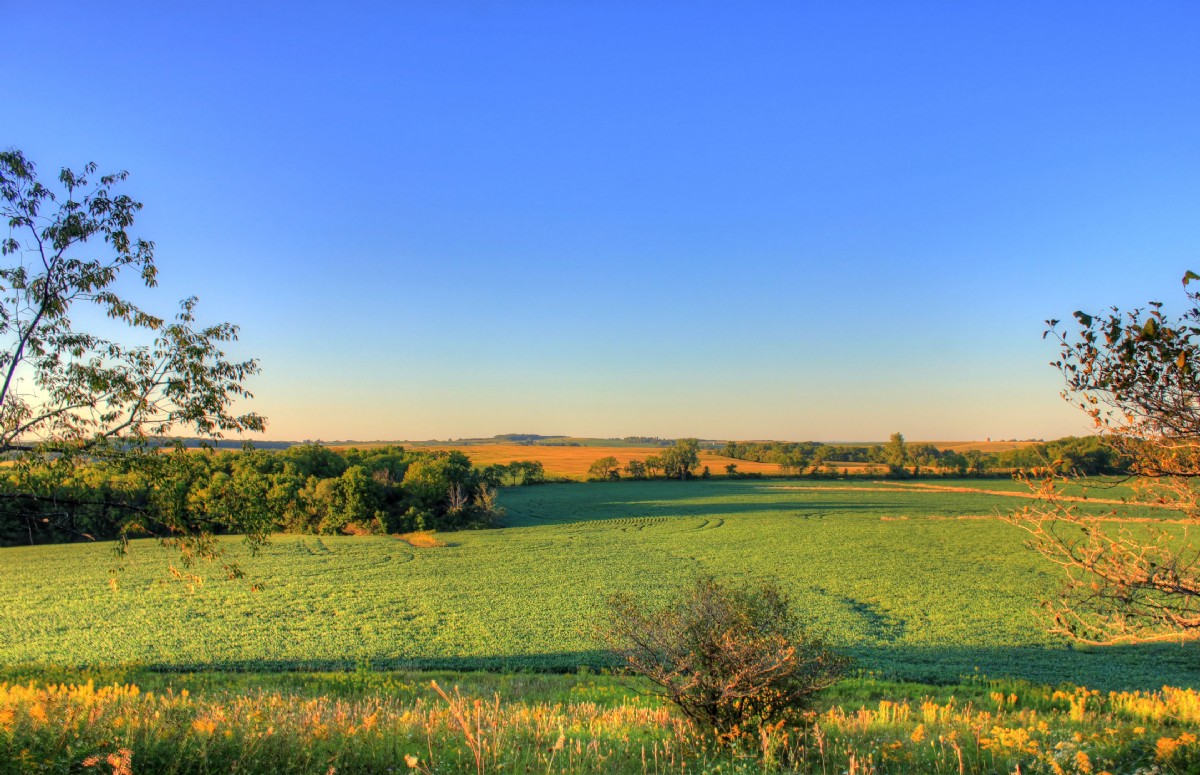
Illinois’ climate is continental, with hot, humid summers and cold winters. The southernmost part of the state has more moderate winters. Illinois lies on Tornado Alley, where some of the US’s deadliest tornadoes have occurred. The Tri-State Tornado of 1925 killed 613 people in Illinois.


Economy
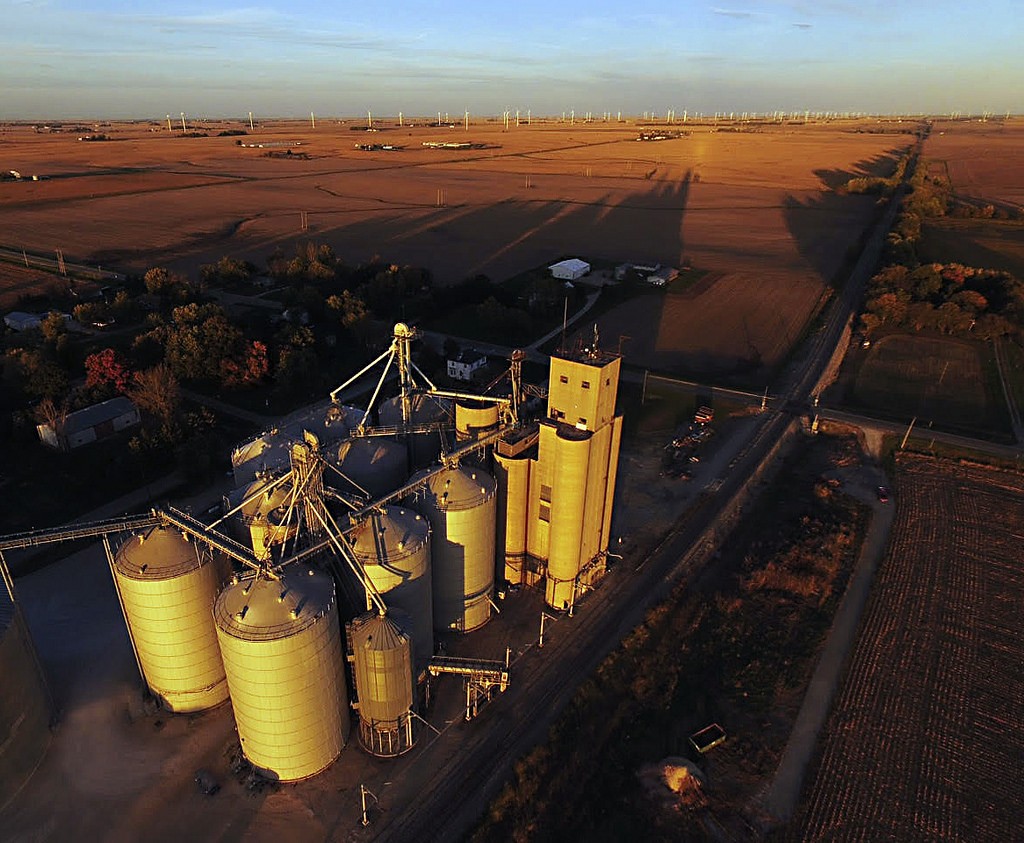
Fertile soils and a long growing season make Illinois an important agricultural state. Its major crops are maize and soya beans; others include hay, wheat, oats and sorghum. Pigs—Chicago was once known as “Hog Butcher for the World”—and cattle are also widely raised.
Illinois’ chief manufacturing industries are chemicals, machinery, food, metal products, transportation equipment, plastics, rubber and electronics. Chicago and its surrounding district was once a great iron and steel producer, meat packer, grain exchange and railway hub, as well as a Great Lakes port. Today, it is still a major industrial, as well as a commercial and financial, centre.
Chicago


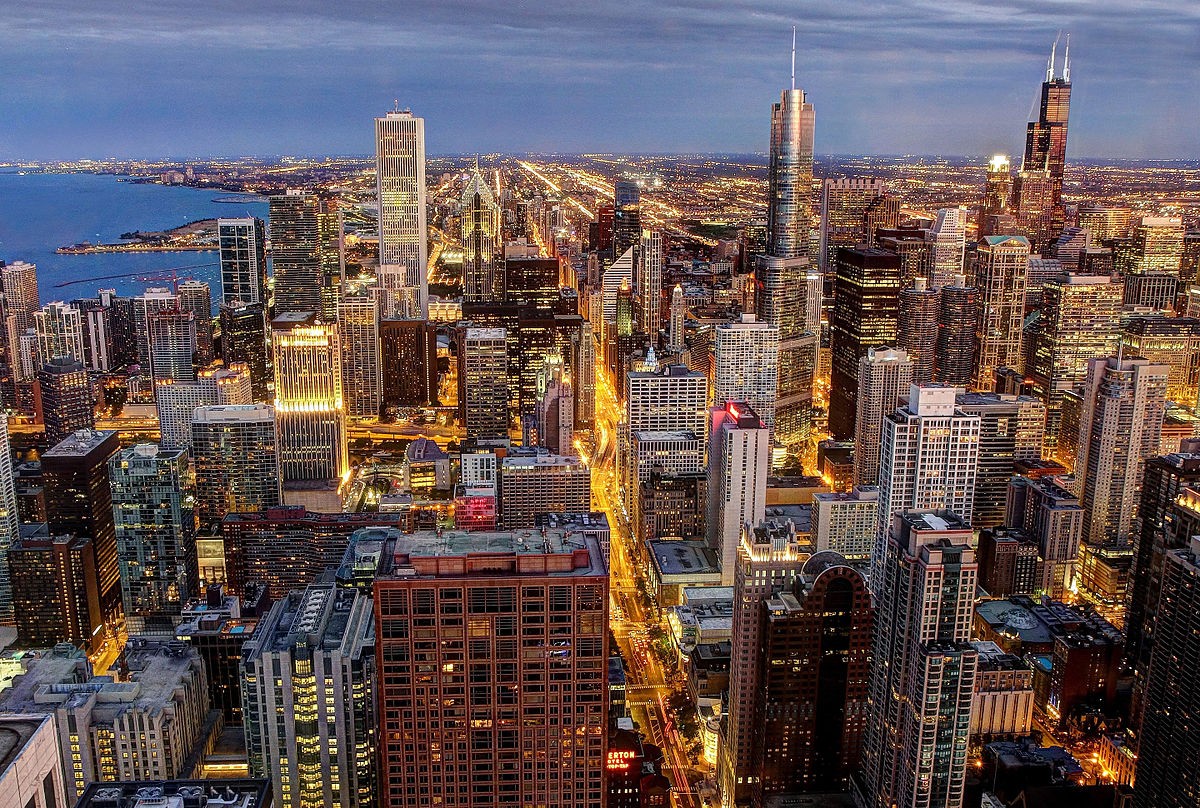
The Chicago metropolitan area, sometimes called Chicagoland, is the third largest in the US with nearly 10 million inhabitants. With its location on the shores of Lake Michigan, Chicago grew up as a cargo port. The onshore breezes from the lake also have the effect of moderating the climate of Chicago (known as the “Windy City”), making waterfront areas milder in winter and cooler in summer.
The settlement of Chicago was founded by Jean Baptiste Point du Sable, a man of African and French descent, in the 1780s. After the opening of the Erie Canal in 1825, Chicago grew rapidly, first as a land link between the Great Lakes and the Mississippi River, and later as a rail hub connecting the eastern and western United States. Pigs and cattle were shipped to Chicago for slaughter, their meat transported to eastern markets by rail.
Originally settled by Americans from the northeast (“Yankees”), in the 1840s many Irish Catholics came to the city as a result of the Great Famine. Later in the 19th century, work on the railways, in the stockyards and in factories attracted European migrants especially Germans, English, Swedes, Norwegians and Dutch. Between 1870 and 1900, Chicago’s population grew from 300,000 to nearly 1.7 million.

With a rapidly increasing population came a demand for better sanitation, so the US’s first sewerage system was built in Chicago. Untreated waste was channelled into the Chicago River, and then into Lake Michigan, but this polluted the city's water supply. The problem was finally solved in 1900, when engineers managed to reverse the flow of the Chicago River so the water flowed away from Lake Michigan rather than into it.
In 1871, the Great Chicago Fire destroyed a large part of the city. From the ruins of the wooden buildings arose more modern constructions of steel and stone, including the world's first skyscraper in 1885.
From 1890 to 1914 immigration largely consisted of unskilled workers from Eastern and Southern Europe, including Poles, Lithuanians, Ukrainians, Hungarians, Czechs, Slovaks, Greeks, and Italians, and Jews from throughout eastern Europe. Immigration from outside the US was restricted after World War I, by which time tens of thousands of African Americans started to came north from the rural South in the Great Migration. They settled in the near South Side of the city.
In 1919, a law making the production and sale of alcohol illegal in the US was passed. This led to the Gangster or Prohibition Era, which continued until 1933 when the law was repealed. The 1920s saw gangsters, including Al Capone, Bugs Moran and others, battle it out with the police and each other on the streets of Chicago. Chicago was the location of the St Valentine's Day Massacre in 1929, when Capone’s men gunned down a rival gang.
Facts about Illinois
Area 55,584 sq miles (143,963 sq km)
Highest point Charles Mound 1235 ft (376.4 m)
Population 12,549,689
Capital Springfield
Largest cities Chicago, 2,664,452; Aurora, 177,563; Rockford, 146,120; Joliet, 150,489; Naperville, 150,245; Elgin, 114,797; Peoria, 113,150; Springfield, 112,544;
Nickname The Prairie State
State bird Cardinal
State flower Violet
State tree White oak


Consultant: Nicholas Harris
History of Illinois
600–1300 AD
Cahokia, the largest city of the Native American Mississippian culture, located near present-day Collinsville, Illinois, flourishes. Its population may have exceeded 30,000 at its peak
end of the 17th century
Illinois, Potawatomi, Miami, Sauk, Fox (Mesquakie), Ioway, Kickapoo, Mascouten, Piankashaw, Shawnee, Wea and Winnebago (Ho-Chunk) Native American peoples live in the area at the time of the arrival of the first European explorers
1673
French explorers Jacques Marquette and Louis Joliet are the first Europeans to visit the region
1675
Marquette returns to establish a mission in the region
1680
French explorer Robert de La Salle travels from Lake Michigan to the Illinois, where he founds Fort Creve Coeur, and with Henri de Tonti in 1683, Fort St Louis on Starved Rock cliff
1699
French settlers establish the first permanent settlement at Cahokia, near present-day East St Louis; the area is part of French Louisiana
1763
Great Britain acquires the region at the end of the French and Indian Wars
1783
After the American Revolutionary War, the US gains control; Virginia cedes the area to the new US and it becomes part of the Northwest Territory
1800
Illinois is made part of Indiana Territory
1809
Illinois becomes a separate territory, with its capital at Kaskaskia, an early French settlement
1810s
American settlers cross the Appalachians and reach Illinois via the Ohio River, then up the “lazy” Mississippi
1818
Illinois becomes a state
1825
Opening of the Erie Canal leads to a mass influx of white settlers
1830s
Chicago, one of the few natural harbours on southern Lake Michigan, starts to grow rapidly
1830s
John Deere's improved design of the steel plough turns Illinois' rich prairies into productive farmland, attracting immigrant farmers from Germany and Sweden
1832
After defeat in the Black Hawk War, Native American tribes are driven west of the Mississippi
1840s-50s
Industrial development comes with the opening of factories and the building of the railways
1858
Illinois lawyer Abraham Lincoln wins national attention with debate on the slavery issue
1861
Lincoln becomes president and fights to preserve the Union after the South's secession
1860s
The meatpacking industry develops in Chicago
1871
Great Fire destroys most of the city of Chicago
1910–1940
First Great Migration: tens of thousands of African Americans come north from the rural South of the US to live and work in Chicago and other northeastern and Midwestern cities
1919
Chicago race riot, started by white Americans against black Americans on the South Side of Chicago. It is considered the worst riot of what becomes known as the "Red Summer" in the US.
1919–33
Prohibition Era: gangsters, including Al Capone, Bugs Moran and others, battle it out with the police and each other on the streets of Chicago
1942
As part of the Manhattan Project, the University of Chicago conducts the first sustained nuclear chain reaction.
1955–76
Mayor Richard J. Daley dominates Chicago's political landscape.
1960
Ray Kroc opens the first McDonald's fast-food restaurant in Des Plaines.
1968
Protests against the Vietnam War at the Democratic National Convention held in Chicago result in street violence
1974
Sears Tower, now known as the Willis Tower, is completed in Chicago. At 442 m (1451 ft) it becomes (until 1998) the world's tallest building.
1993
The Great Flood of 1993 occurs along the Mississippi and Missouri rivers and their tributaries. Among the most devastating ever floods experienced in the US, it causes damage to farmland and towns in Illinois.
pics
Without in any way limiting Q-files Ltd’s exclusive rights under copyright, any use of this publication to “train” generative artificial intelligence (AI) technologies to generate text is expressly prohibited. Q-files Ltd reserves all rights to license use of this work for generative AI training and development of machine learning language models.