
United States history

CITE
We have made every effort to follow citation style rules, but there may be some minor differences. If in doubt, please refer to the appropriate citation style manual.
Timeline of US history. (2026). In Q-files Encyclopedia, History, United States history. Retrieved from
https://www.q-files.com/history/united-states-history/timeline-of-us-history
"Timeline of US history." History, United States history, Q-files Encyclopedia, 3 Jun. 2026.
https://www.q-files.com/history/united-states-history/timeline-of-us-history.
Accessed 22 Sep. 2026.
Timeline of US history 2026. History, United States history. Retrieved 22 September 2026, from
https://www.q-files.com/history/united-states-history/timeline-of-us-history
History, United States history, s.v. "Timeline of US history," accessed September 22, 2026.
https://www.q-files.com/history/united-states-history/timeline-of-us-history


Timeline of US history
For events before the arrival of Europeans, go to Timeline of Native American history
European colonization
1513 The first official European expedition to North America: Spanish conquistadorJuan Ponce de León, lands in Florida and claims the region for Spain
1524 Italian explorer Giovanni da Verrazzano lands in Chesapeake Bay. He explores the Atlantic coast of North America, including New York Bay.
1539–42 Spanish conquistador Hernando de Soto, lands in Tampa Bay, Florida. He travels north to today's Georgia and the Carolinas before turning west through Tennessee, Alabama, Arkansas and Texas. He is the first European known to have seen the Mississippi River.


1540–42 Spanish conquistador Francisco Vázquez de Coronado leads an expedition from Mexico to present-day Kansas through the American Southwest. He is the first European to see the Grand Canyon and the Colorado River.
1542–43 A Spanish naval expedition, led by Juan Rodríguez Cabrillo, explores the coast of California.
1565 St Augustine, in present-day Florida, is founded by the Spanish. It is the first permanent European settlement in North America.
1579 The English adventurer Francis Drake explores and claims part of the California coast for England. He lands near Point Reyes, north of today’s San Francisco.
1584 Queen Elizabeth I of England grants Walter Raleigh a charter to found a colony north of Spanish Florida. He founds a colony on Roanoke Island (in Outer Banks, North Carolina) the following year, but that and another set up in 1587 (the “Lost Colony”) are both soon abandoned.
1607 Jamestown, Virginia, the first permanent English settlement in America, is founded by the London Company. After surviving setbacks, the settlers make a living by growing and selling tobacco.
1609 Sailing for the Dutch East India Company and looking for a passage to Asia, English explorer Henry Hudson enters New York Bay. He claims the region for the Dutch. At the same time, northern New York is claimed for France by French explorer Samuel de Champlain.
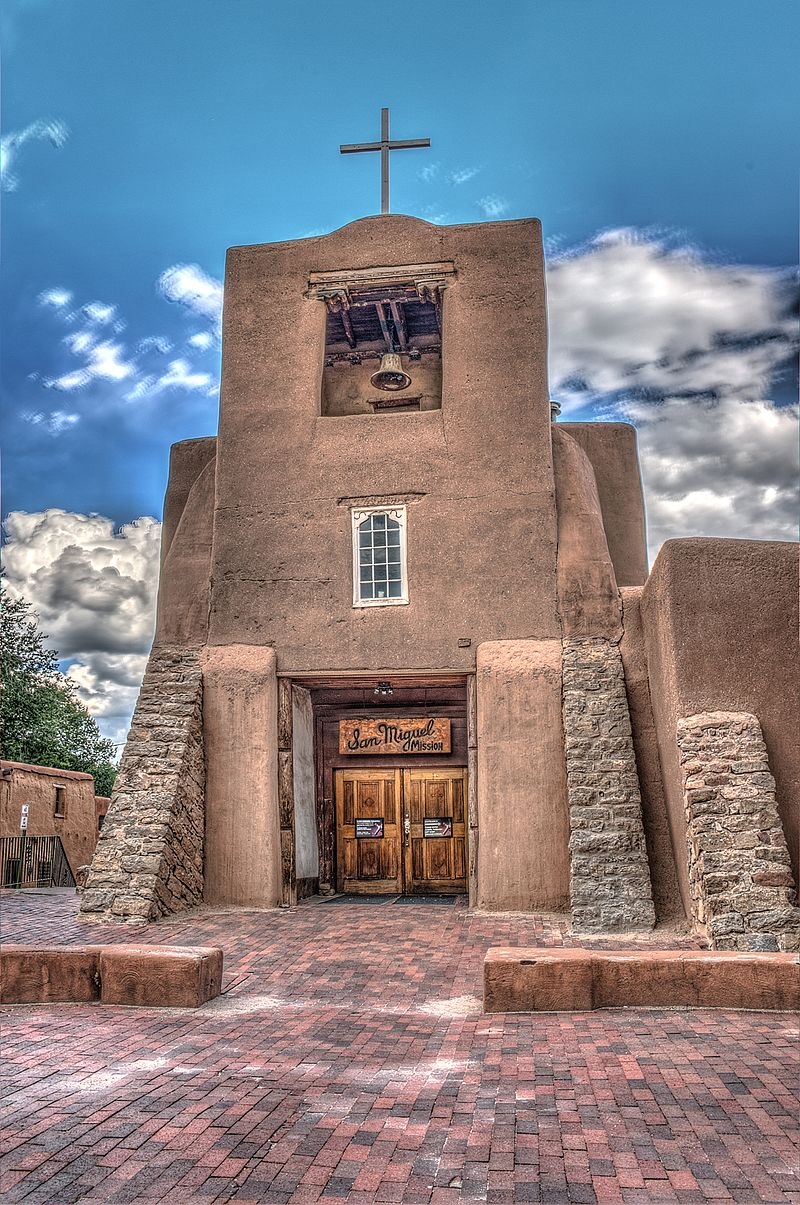
1610 Santa Fe, New Mexico, is founded by Spanish colonists. It is part of the expansion of New Spain northwards from Mexico into the American Southwest.
1616–19 Smallpox, introduced by the Europeans, kills an estimated 90% of Native Americans living in the New England region.
1619 The House of Burgesses, the first representative assembly in America, meets in Virginia. The first African slaves are brought to Jamestown.
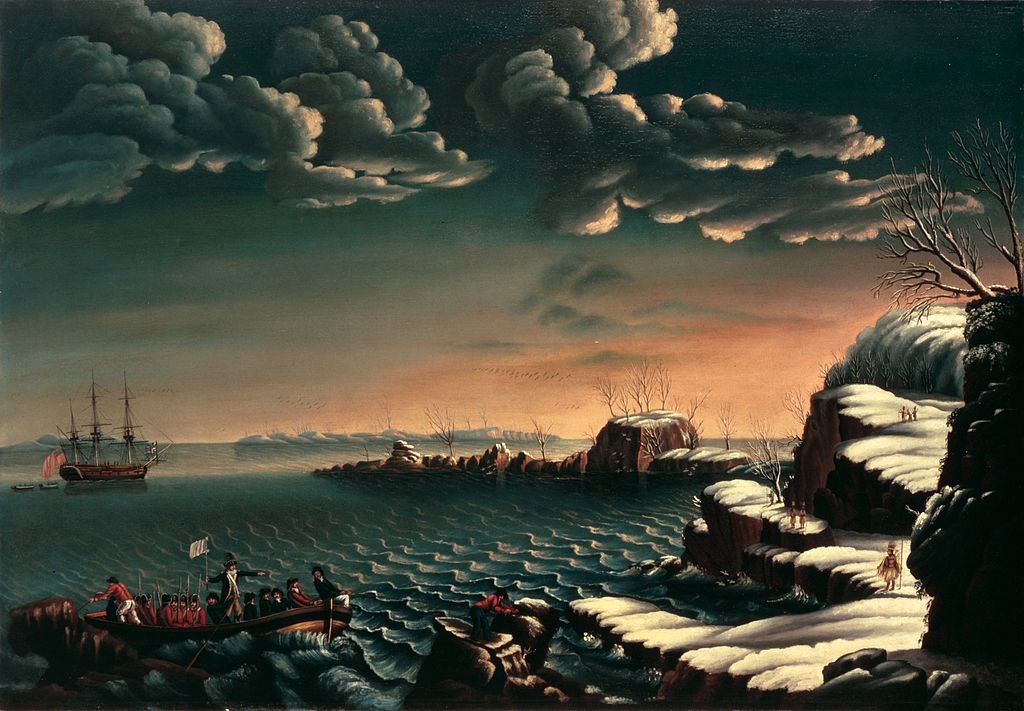
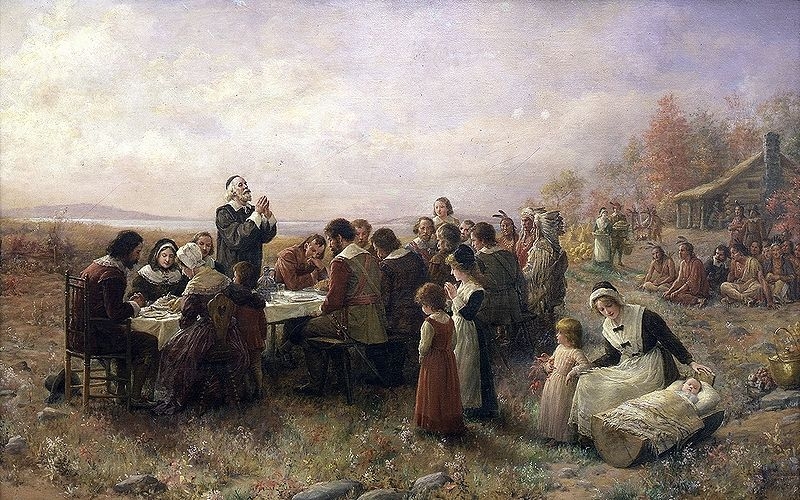
1620 Plymouth Colony, near Cape Cod in Massachusetts, is founded by the Pilgrims (religious exiles from England) arriving on the Mayflower.
1621 The Dutch West India Company founds the colony of New Netherland in the Hudson Valley. It becomes a province of the Dutch Republic in 1624, the same year the first settlers arrive on Noten Eylandt (later Governors Island) in New York Harbor.
1626 Dutchman Peter Minuit purchases Manhattan Island from the Native Americans and founds the Dutch colony of New Amsterdam.
1630s Settlements are founded by English Puritans in the Massachusetts Bay Colony.
1638 New Sweden, a Swedish colony, is established along the lower Delaware River.
1650 European colonial population exceeds 50,000.
1655 New Sweden is conquered by the Dutch Republic and incorporated into the Dutch colonies of New Netherland.
1664 English capture New Amsterdam from the Dutch and rename it New York.
1667 New Netherland is ceded to England under the terms of the Treaty of Breda.
1673–74 French explorers Louis Jolliet and Jacques Marquette explore Illinois Country
1681 The Province of Pennsylvania is founded by Englishman William Penn. Over the next few decades, thousands of Baptists and Quakers from England, along with Protestants from Germany and Switzerland, come to settle in Pennsylvania.
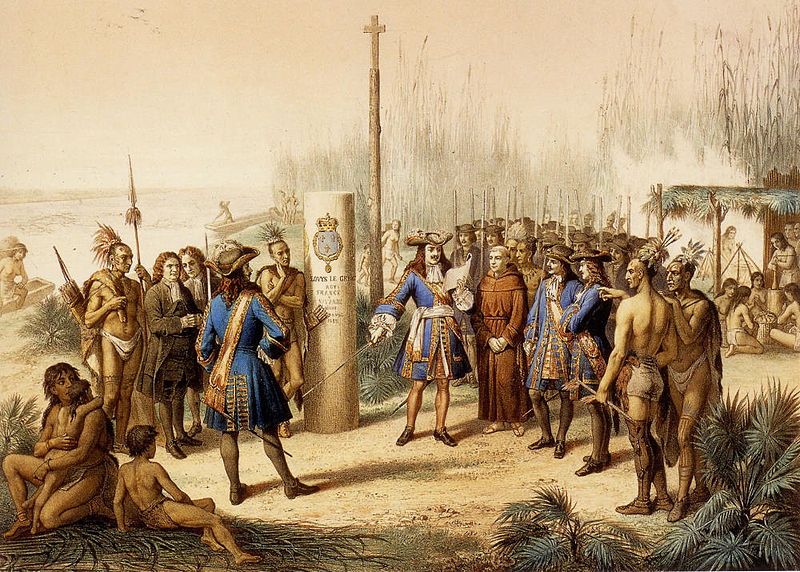
1682 French explorer, René-Robert Cavelier, Sieur de La Salle, explores the Ohio River valley and the Mississippi River valley, and claims the entire territory for France. This area, which becomes known as French Louisiana (La Louisiane), stretches from the Great Lakes to the Gulf of Mexico, and from the Appalachians to the Rockies.
1691 A royal charter unites Massachusetts Bay, Plymouth and Maine into the single English colony of Massachusetts.
1718 Settlers from New Spain led by Martín de Alarcón establish a settlement at present-day San Antonio, Texas.
1754–63 French and Indian War: the British win a decisive victory over France and, by the Treaty of Paris, gain control of Canada and all the French possessions east of the Mississippi. Spain cedes Florida to Great Britain in exchange for control of Cuba. France transfers the part of French Louisiana west of the Mississippi to Spain, as compensation for Spain's loss of Florida.
1763 British Royal Proclamation prohibits settlement in lands newly acquired from France west of the Appalachian Mountains, as this is designated an Indian Reserve.

1769 Spanish commander Gaspar de Portolá leads an expedition up the Pacific coast and establishes a mission (religious community) in San Diego Bay, the first in California. Missions are also founded at San Francisco (1776) and Los Angeles (1781).
Independence
1770 Boston Massacre: British troops fire into a mob protesting against unpopular legislation by the British Parliament. They kill five men. The incident is used by American Patriots to encourage rebellion against the British authorities.
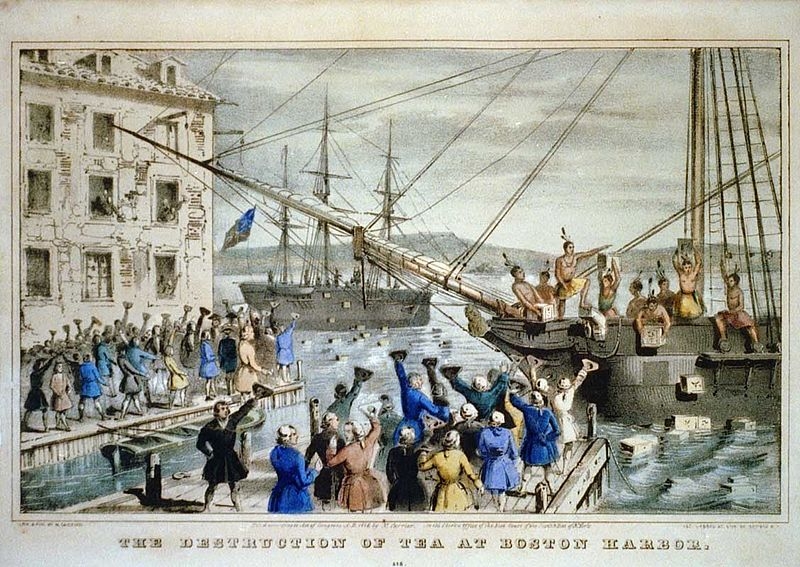
1773 Boston Tea Party: a group of Patriots disguised as Mohawk Indians board three ships in Boston harbour and dump more than 300 crates of tea overboard as a protest against the British tea tax.
1774 First Continental Congress, with delegates representing all of the Thirteen Colonies except Georgia, meets in Philadelphia, as Britain closes down Boston harbour and sends troops to Massachusetts.
1775–83 American Revolutionary War breaks out between Britain and the Thirteen Colonies with the Battles of Lexington and Concord, Massachusetts, in April 1775.
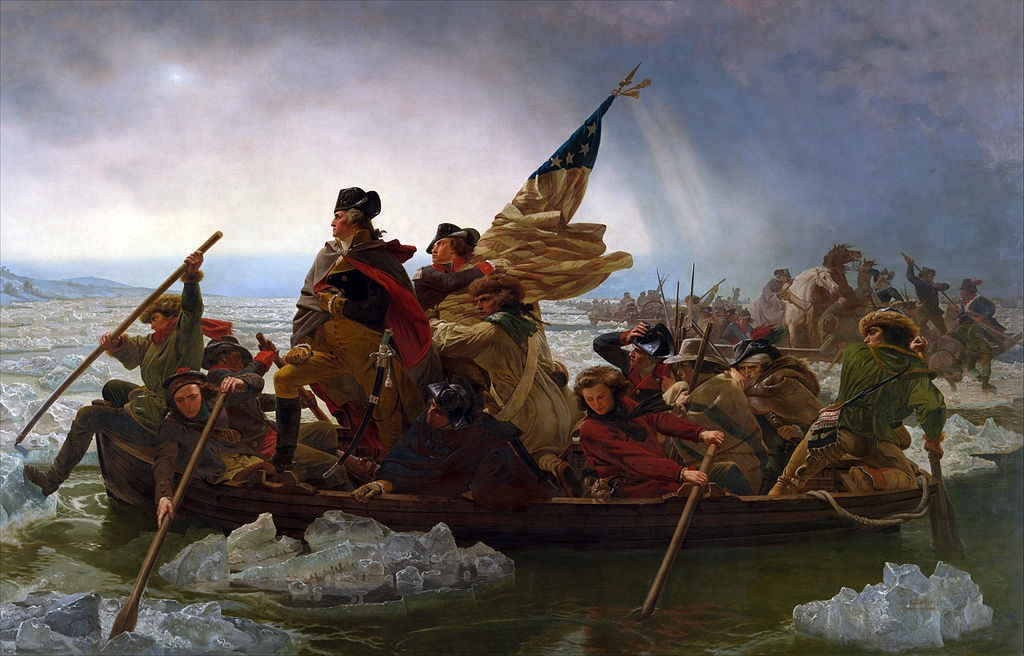
1775 Second Continental Congress, now representing all the Thirteen Colonies, meets in Philadelphia, Pennsylvania in May. It takes charge of the war effort. In June, Congress votes to create the Continental Army with George Washington as commanding general.
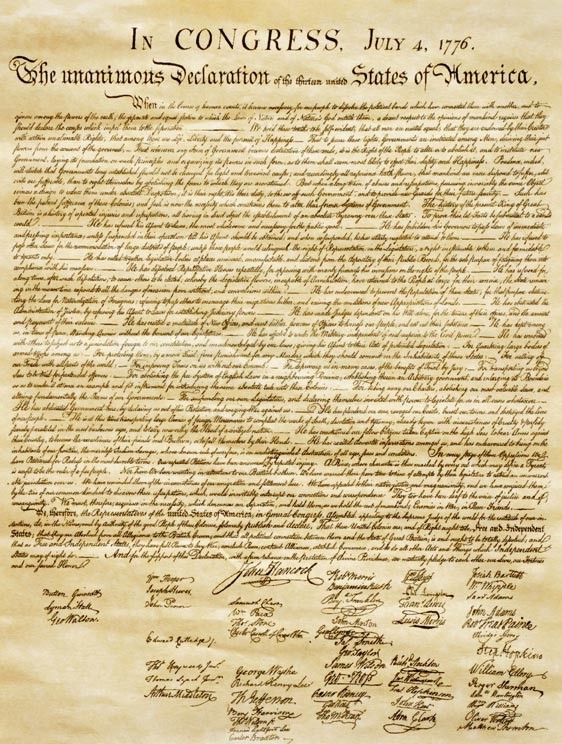
1776 Thomas Jefferson's Declaration of Independence is endorsed by Congress in Philadelphia (July 4). The Thirteen Colonies declare independence from Britain.
1777 Congress adopts the Articles of Confederation, the first US constitution.
1781 British General Cornwallis surrenders to Washington at Yorktown, Virginia. Britain formally acknowledges American independence in the Treaty of Paris in 1783, which officially ends the war.
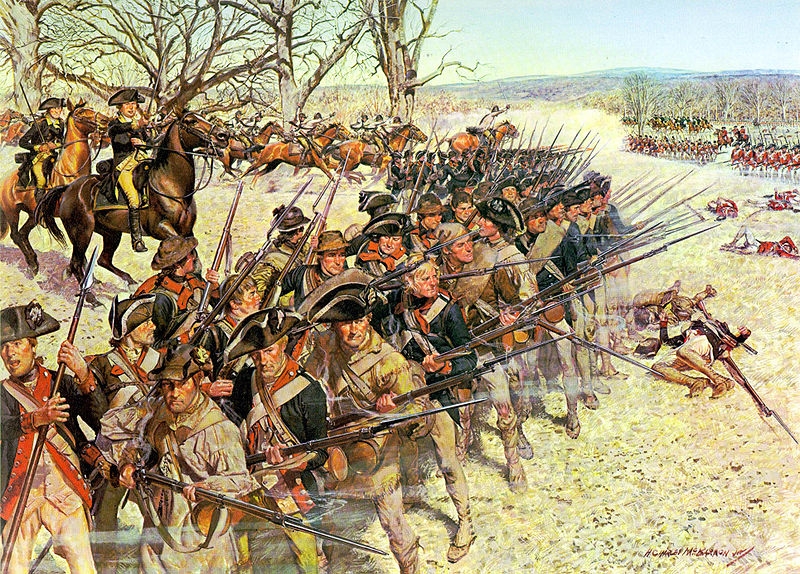
1783 Following Britain's defeat in the American Revolution, Spain regains Florida.
1786 Shays' Rebellion: farmers across the new nation, primarily in Massachusetts, carry out an uprising in protest against high state taxes.
1787 Founding Fathers draw up new constitution for the United States in Philadelphia. It comes into effect in 1788.
1789 George Washington is unanimously elected President of the United States. Congress meets for the first time, at Federal Hall in New York City.
1790 US Supreme Court meets for the first time at the Merchants Exchange Building in New York City.
1791 First ten amendments to the Constitution, known as the Bill of Rights, guaranteeing individual freedom, are ratified.
1793 Eli Whitney's invention of the cotton gin means there will be a massive increase the demand for slave labour in the South to cultivate the cotton crop.
1797 John Adams is inaugurated as the second president in Philadelphia.
1800 The US capital is moved from Philadelphia to Washington, D.C. Gabriel Prosser, an African American slave, organizes a slave revolt intending to march on Richmond, Virginia, but the conspiracy is uncovered and Prosser and other rebels are hanged.
Expansion
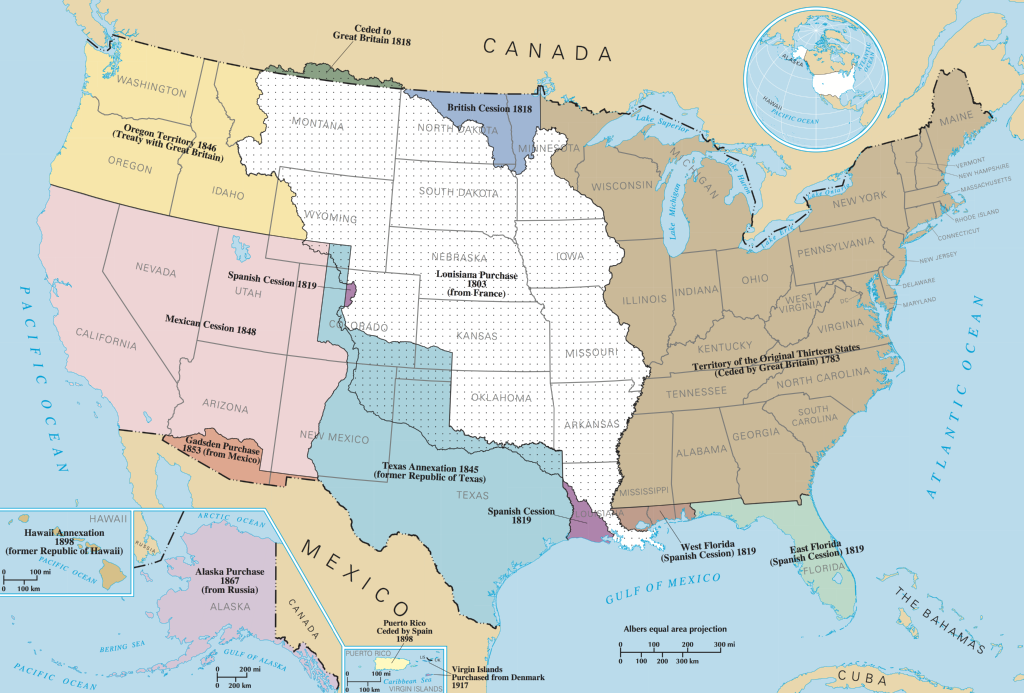
1800 France regains sovereignty of Louisiana (handed over to Spain in 1763) by the secret Treaty of San Ildefonso. It continues to be administered by Spain until the transfer is finalized in November 1803, just before the territory is ceded to the US.
1801 Thomas Jefferson is inaugurated as the third president in Washington, D.C.
1803 Louisiana Purchase: France agrees to sell the Louisiana Territory to the United States for $15 million. As a result, the US now extends as far west as the Rocky Mountains—nearly doubling its size.
1804–06 American explorers Lewis and Clark undertake an expedition to explore the West and find a route to the Pacific Ocean. Setting off from St Louis, Missouri, they follow the Missouri, Yellowstone and Columbia rivers and reach the Pacific coast in present-day Oregon.
1808 Atlantic slave trade is abolished.
1809 James Madison is inaugurated as the fourth president.
1812–14 War of 1812 breaks out between the US and Britain over British interference with American shipping during the Napoleonic Wars. The British capture Washington, D.C, and set fire to White House and Capitol. Treaty of Ghent is signed, officially ending the war in 1814, although Battle of New Orleans, a US victory, takes place in 1815.
1817 James Monroe is inaugurated as the fifth president.

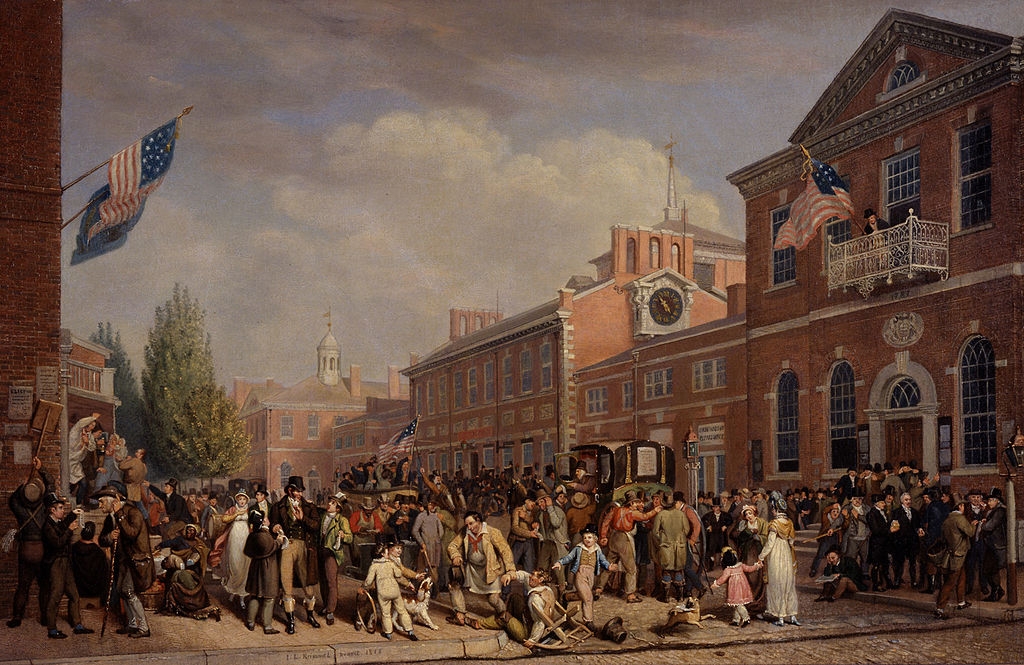
1819 Adams-Onis Treaty: Spain agrees to cede Florida to the United States, in return for undisputed control of Texas.
1820 Missouri Compromise: in order to maintain the balance between free and slave states, Maine (formerly part of Massachusetts) is admitted as a free state so that Missouri can be admitted as a slave state. Slavery is prohibited in the Louisiana Purchase lands north of latitude 36°30' (except Missouri).
1821 Mexican War of Independence gives Mexico independence from Spain. California, the American Southwest and Texas are thus transferred from Spanish to Mexican possession. Florida is officially transferred to the US.
1822 Denmark Vesey, an African American who has purchased his freedom, plans a slave revolt in Charleston, South Carolina. The plot is discovered and Vesey and his co-conspirators are hanged.
1823 Monroe Doctrine: President Monroe declares opposition to any European attempt to recolonize any of the recently independent countries of the Americas. At the same time, the US pledges not to become involved in the concerns of European countries, nor interfere with their colonies.
1825 John Quincy Adams is inaugurated as the sixth president. The Erie Canal, linking the Hudson River with Lake Erie, is opened for traffic.
1829 Andrew Jackson is inaugurated as seventh president.
1830 President Jackson signs the Indian Removal Act, which authorizes the forced removal of Native Americans living in the east to lands west of the Mississippi River.
1830s–50s Thousands of immigrants, especially from Ireland (driven by the Irish Potato Famine, 1845–49) and Germany, as well as from Britain and France, arrive in the US.
1831 Nat Turner, an African American slave, leads a slave uprising in Southampton County, Virginia. White militias quell the rebellion and Turner is hanged. William Lloyd Garrison calls for the complete abolition of slavery.
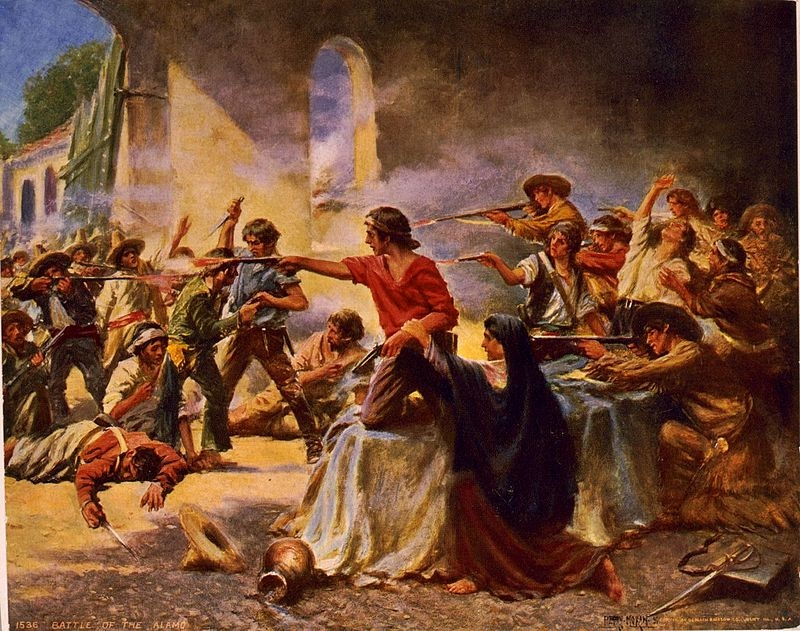
1836 Texas declares its independence from Mexico. During a siege by the Mexican army, the Texan defenders of the Alamo are massacred. The Texans defeat Mexico at San Jacinto. Mexican leader Antonio López de Santa Anna is forced to sign the Treaties of Velasco, granting Texan independence.
1837 Martin Van Buren is inaugurated as the eighth president.
1840s–60s Thousands of people travel west on the Oregon and California trails to settle lands on the Pacific coast.

1841 William Henry Harrison is inaugurated as the ninth president. He dies one month later and is succeeded by his vice president, John Tyler.
1845 US annexes Texas. James Polk is inaugurated as the 11th president. New York newspaper editor John L. O’Sullivan coins the phrase, "Manifest Destiny”, justifying the territorial expansion of the United States westwards, into lands inhabited by Native Americans.
1846 Oregon Treaty with Britain: US-Canadian border is fixed at the 49th parallel. The US acquires Oregon Country to the south of that line.
1846–48 Mexican-American War: US declares war on Mexico—which disputes the annexation of Texas—after provoking a Mexican attack on American troops. Following US victory, under the terms of the Treaty of Guadalupe Hidalgo in 1848, Mexico recognizes Rio Grande as the new boundary with Texas and agrees to cede territory consisting of present-day California, Nevada, Utah, most of New Mexico and Arizona, and parts of Colorado and Wyoming to the US. The US agrees to pay $15 million compensation for the physical damage of the war.
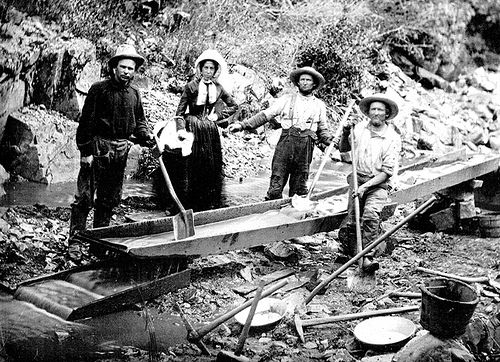
1848 Gold is discovered at Sutter's Mill in California. The Gold rush reaches its height the following year.
1849 Zachary Taylor is inaugurated as the 12th president.
Civil War
1849 Harriet Tubman escapes from slavery. She later helps hundreds of slaves to escape to freedom via the Underground Railroad.
1850 President Taylor dies and is succeeded by his vice president, Millard Fillmore. Compromise of 1850: California is admitted as a free state, while the slave trade in Washington, D.C is prohibited. Stricter fugitive slave laws are established.
1852 Harriet Beecher Stowe's novel, Uncle Tom's Cabin, is published. It helps to stir anti-slavery feeling.

1853 Franklin Pierce is inaugurated as the 14th president. Gadsden Purchase treaty is signed, by which an area of what is now Arizona and New Mexico is purchased from Mexico.
1854 Congress passes the Kansas-Nebraska Act, which enables residents of the new territories of Kansas and Nebraska to decide whether to permit slavery or not. This results in outbreaks of violence between anti- and pro-slavery factions in Kansas, known as “Bleeding Kansas" (1855–58). Anti-slavery advocates, those who wish to stop the expansion of slavery, set up the Republican Party.
1857 James Buchanan is inaugurated as the 15th president. Supreme Court rules that Congress does not have the right to ban slavery in states.
1858 Abraham Lincoln comes to national attention in a series of seven debates with Senator Stephen A. Douglas during Illinois state election campaign.
1859 Abolitionist John Brown and followers capture the federal arsenal at Harpers Ferry, Virginia (now West Virginia), in an effort to spark a slave revolt.
1860 Republican candidate Abraham Lincoln is elected president, causing South Carolina to secede (break away) from the Union because of his anti-slavery views.
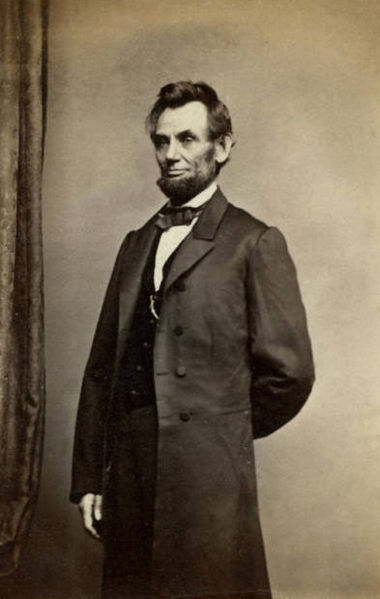
1861 An additional 10 pro-slavery Southern states secede from the Union. The Confederate States of America is established and Jefferson Davis is elected president. Lincoln is inaugurated as the 16th president of the United States.
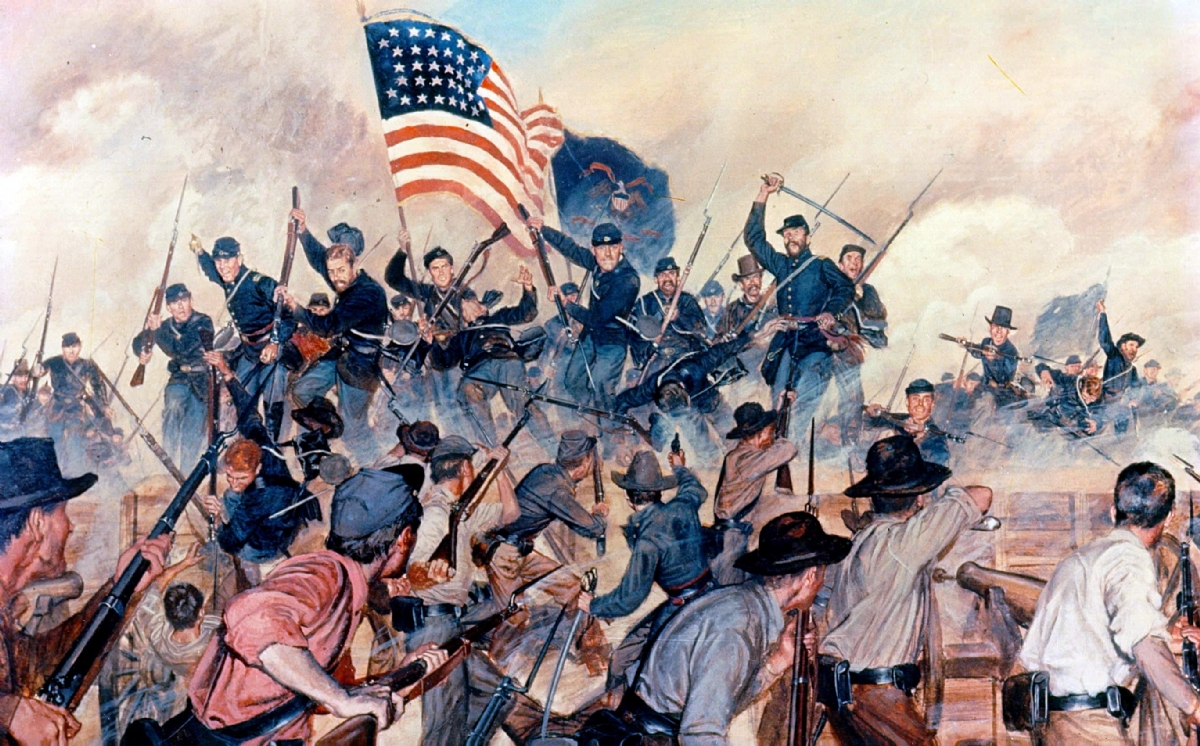
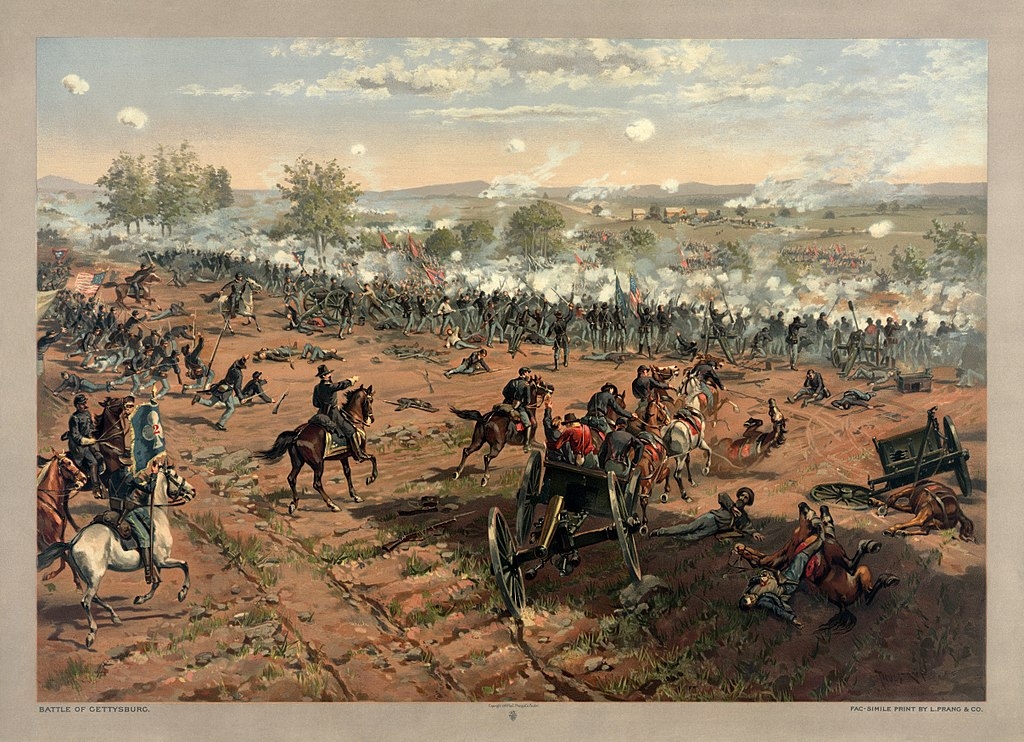
1861–65 Civil War: Confederates attack Fort Sumter in Charleston, South Carolina, in April 1861 marking the start of the war.
1863 Lincoln issues Emancipation Proclamation, declaring all slaves in the Confederate states free. Lincoln delivers his Gettysburg Address. Homestead Act becomes law, allowing settlers to claim 160 acres (65 hectares) of public land in the West. Over the next 30 years, thousands set up homesteads on the Plains.

1865 Union General Ulysses S. Grant captures Richmond, Virginia, the capital of the Confederacy. Confederate General Robert E. Lee surrenders. Lincoln is assassinated by John Wilkes Booth in Washington, D.C, and is succeeded by his vice president, Andrew Johnson. The Thirteenth Amendment to the Constitution is ratified, prohibiting slavery.
1867 US acquires Alaska from Russia for $7.2 million.
1868 President Johnson is impeached by the House of Representatives, but he is acquitted at his trial in the Senate. Fourteenth Amendment to the Constitution is ratified, granting birthright citizenship to former slaves.
1869 Ulysses S. Grant is inaugurated as the 18th president. Central Pacific and Union Pacific railroads meet at Promontory Summit, Utah, creating the first transcontinental railroad.
1870 Fifteenth Amendment to the Constitution is ratified, giving African American men the right to vote.
1871 Chicago fire kills 300 and leaves 90,000 people homeless.

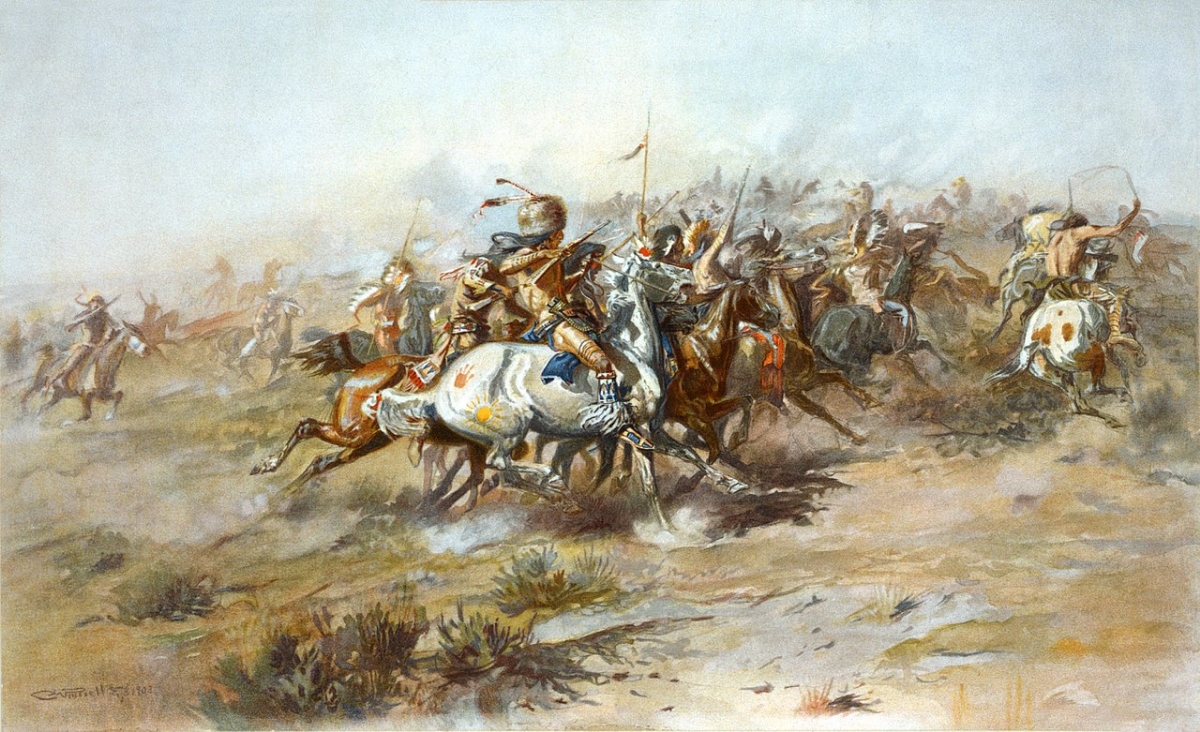
1876 The Great Sioux War is fought between the United States and the Lakota Sioux and Northern Cheyenne over ownership of the Black Hills in South Dakota. During the conflict, American troops under Lieutenant Colonel George A. Custer are crushed by an alliance of Native American forces under Sitting Bull at the Battle of Little Big Horn.
1877 Rutherford B. Hayes is inaugurated as the 19th president. Hayes agrees to withdraw federal troops from the South, bringing an end to the period immediately following the Civil War known as Reconstruction.
1880s–1920s Huge numbers of immigrants, made up mostly of Russians, Italians, Greeks, Hungarians, Poles and Jews, but also people from countries including Sweden, Norway, Lebanon, Syria and French Canada, flood into the United States.
1881 James A. Garfield is inaugurated as the 20th president. He is shot by Charles Guiteau in Washington, D.C and later dies from his wounds. His vice president, Chester Alan Arthur, succeeds him in office.
1885 Grover Cleveland is inaugurated as the 22nd president.
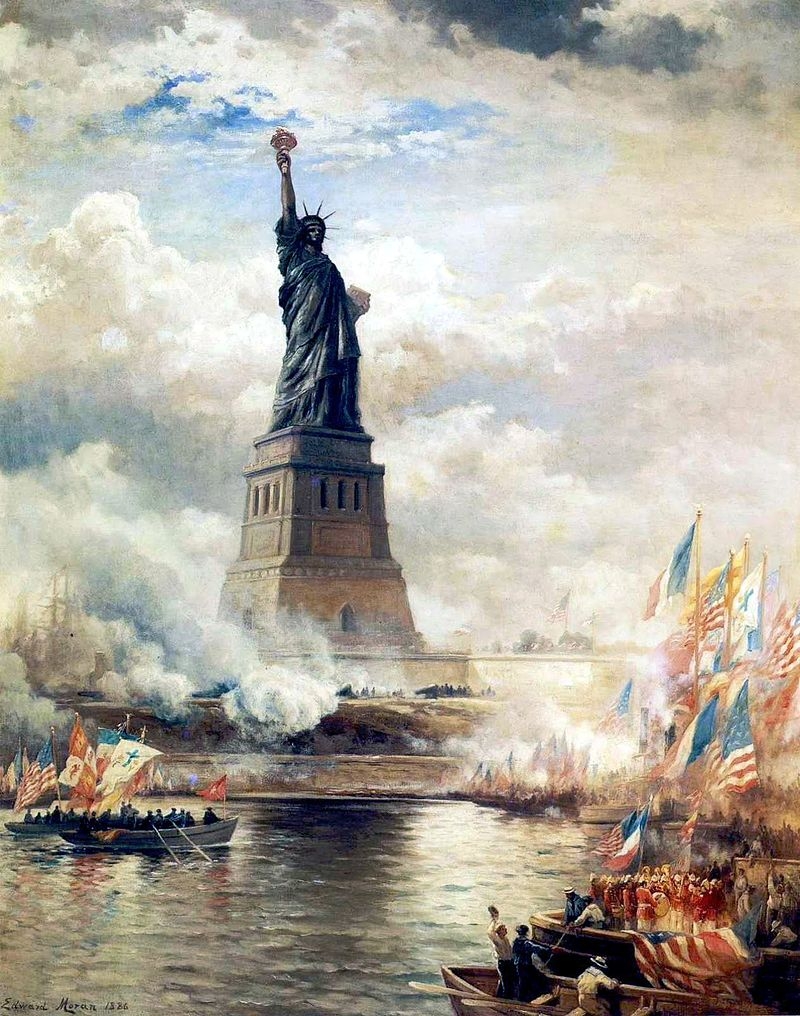
1886 The Statue of Liberty is dedicated.
1889 Benjamin Harrison is inaugurated as the 23rd president. Oklahoma is opened to settlers.
1890 Last major battle of the Indian Wars occurs at Wounded Knee in South Dakota, where US troops defeat the Sioux.
1893 Grover Cleveland is inaugurated a second time, as the 24th president.
1896 Supreme Court rules that racial segregation is constitutional, opening the way for the repressive Jim Crow laws in the South.
1897 William McKinley is inaugurated as the 25th president.
1898 US gains Puerto Rico, Guam and the Philippines under the Treaty of Paris, following victory in the Spanish-American War. Cuba becomes an independent republic. US annexes Hawaii by an act of Congress.
World wars and Great Depression
1900 Galveston hurricane leaves up to 8000 dead in Texas.
1901 President McKinley is shot by anarchist Leon Czolgosz and dies from his wounds. He is succeeded by his vice president, Theodore Roosevelt.
1903 US acquires the Panama Canal Zone. Inventors Orville and Wilbur Wright from Dayton, Ohio, make the first controlled, sustained flight in a heavier-than-air aircraft at Kitty Hawk, North Carolina.
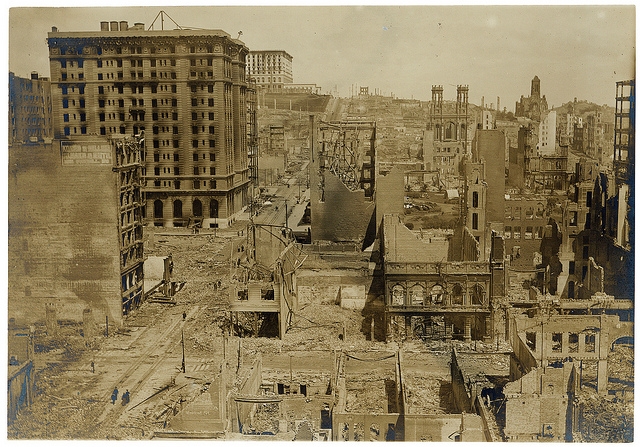
1906 San Francisco earthquake destroys a large part of the city and leaves 500 dead.
1909 William Howard Taft is inaugurated as the 27th president.
1913 Woodrow Wilson is inaugurated as the 28th president.
1914 Panama Canal is opened.
1916 Jeannette Rankin of Montana becomes the first woman elected to the US House of Representatives.
1916–30 Great Migration: around 1.6 million African American people move from mostly rural areas in the South to industrial cities in the North.

1917 Following the sinking of several American ships by German submarines, the United States declares war on Germany and enters World War I.
1918 Woodrow Wilson lists Fourteen Points in a speech setting out his principles for peace. They include free trade, democracy and self-determination. He also calls for the establishment of a League of Nations, which is incorporated into the Treaty of Versailles (1919).
1919 Treaty of Versailles and membership of League of Nations are rejected by the Senate.
1920 Sale and manufacture of alcoholic liquors outlawed, beginning the Prohibition era of gangsterism. The Nineteenth Amendment to the Constitution is ratified, granting women the right to vote.
1921 Warren G. Harding is inaugurated as the 29th president.
1923 President Harding dies suddenly and is succeeded by his vice president, Calvin Coolidge.
1924 Congress grants indigenous Native Americans the right to citizenship.
1927 Charles Lindbergh makes the first solo non-stop transatlantic flight in his plane The Spirit of St. Louis.
1929 Herbert Hoover is inaugurated as the 31st president. Wall Street Crash: a boom on the American Stock Market in Wall Street, New York, comes to a sudden end in when speculators sell their company stocks in panic.
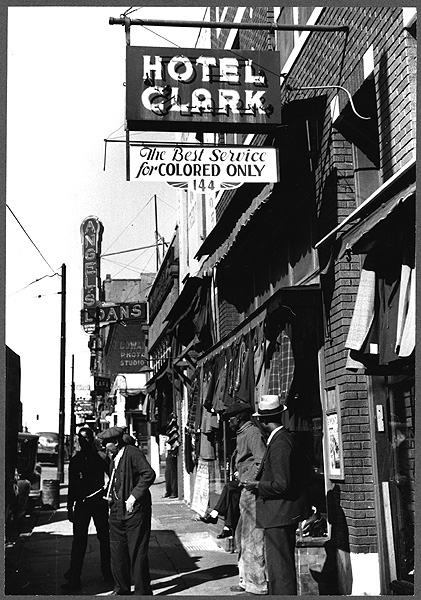
1929–33 Great Depression: as the supply of money dries up, exports decline sharply, people stop spending and the world’s economy grinds to a halt. The result is mass unemployment. President Herbert Hoover rejects direct federal relief.

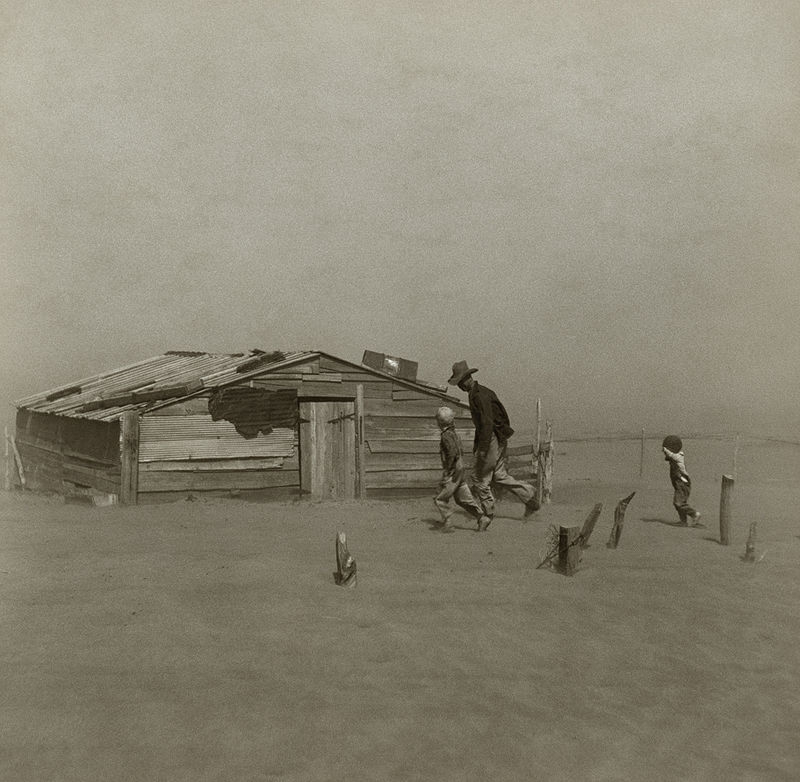
1930s Dust Bowl: a period of severe dust storms in the Great Plains, caused by drought and excessive ploughing of prairie grasslands. It forces tens of thousands of poverty-stricken families to abandon their farms and travel west to California.
1932 Hattie Wyatt Caraway of Arkansas becomes the first woman elected to the US Senate. Amelia Earhart completes the first solo non-stop transatlantic flight by a woman.
1933 Franklin D. Roosevelt is inaugurated as the 32nd president. He launches the New Deal. The National Industrial Recovery Act (NIRA) is passed by Congress, regulating industry for fair wages and prices in order to spark an economic recovery. The Act also establishes a national public works programme known as the Public Works Administration. Prohibition is ended.
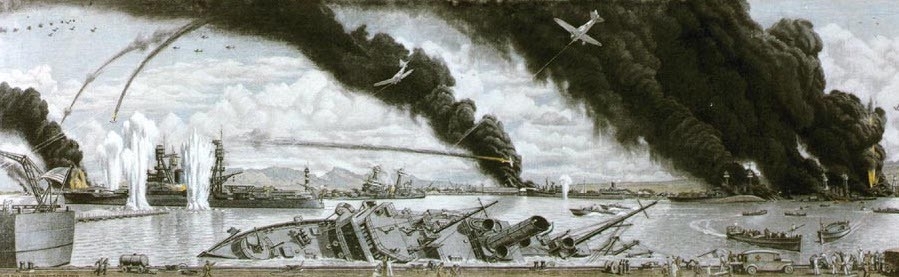
1941 Japanese warplanes attack US fleet at Pearl Harbor in Hawaii. US enters World War II by declaring war on Japan; Nazi Germany declares war on US, which then joins the Allies in the effort to defeat Germany. The Allies invade North Africa (1942) and Italy (1943), before landing in France on D-Day (1944). American forces halt the Japanese expansion in the Pacific at the Battle of Midway (1942).
Cold War
1945 President Roosevelt, British Prime Minister Winston Churchill and Soviet leader Joseph Stalin meet at Yalta in the USSR to discuss postwar occupation of Germany. Roosevelt dies of a stroke and is succeeded by his vice president, Harry S. Truman. Germany surrenders unconditionally. President Truman, Churchill and Stalin meet at Potsdam, Germany, to demand Japan's unconditional surrender and to discuss plans for postwar Europe. US drops two atomic bombs on Hiroshima and Nagasaki, leading to the surrender of Japan (August).
1947 Truman Doctrine: a policy of giving aid for nations threatened by Communism is announced. It marks the beginning of the Cold War with Soviet Union.
1948 Congress passes Marshall Plan, a $13-billion programme of aid to ailing post-war European economies. Soviet Union begins blockade of Berlin: US and Britain begin airlift of food and fuel to West Berlin.
1949 North Atlantic Treaty Organization (NATO) is established. Soviet Union ends blockade of Berlin.
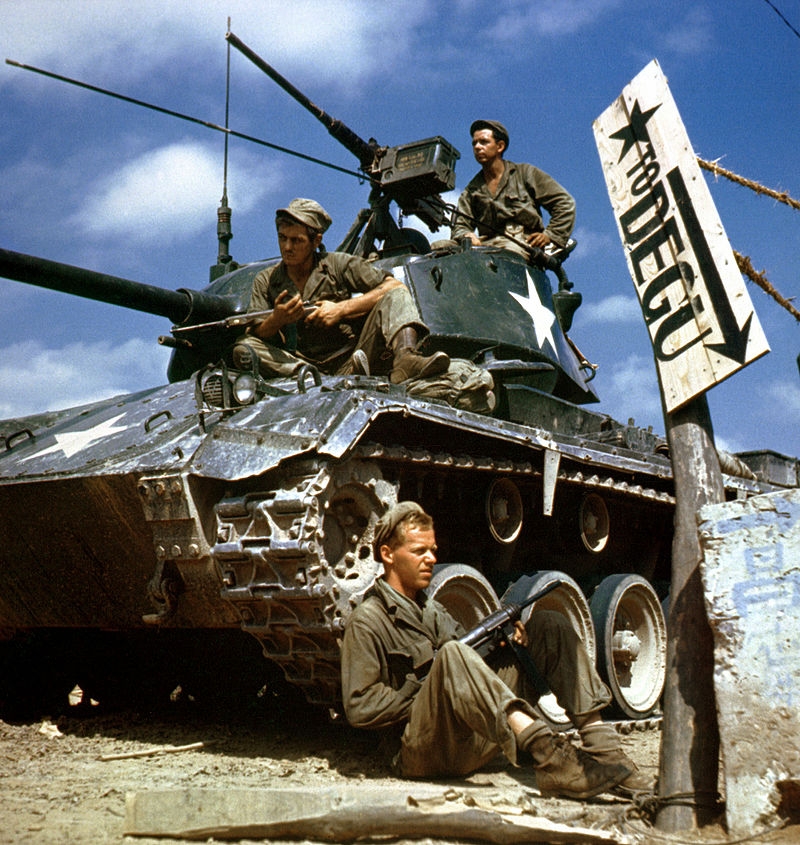
1950–53 Korean War: Communist North Korea invades South Korea. President Truman commits American troops to intervention. Armistice agreement is signed in 1953.
1950–54 Senator Joseph McCarthy campaigns against alleged Communists in government and public life (“McCarthyism”), until he is condemned by the Senate in 1954.
1953 Dwight Eisenhower is inaugurated as the 34th president.
1954 Supreme Court rules that racial segregation in schools is unconstitutional. Start of campaign of civil disobedience to secure civil rights for African Americans.
1957 President Eisenhower sends federal troops to Central High School in Little Rock, Arkansas, to enforce the integration of black students.
1961 John F. Kennedy is inaugurated as the 35th president. Bay of Pigs invasion: an attempt to invade and take over Cuba, organized by the US, fails.
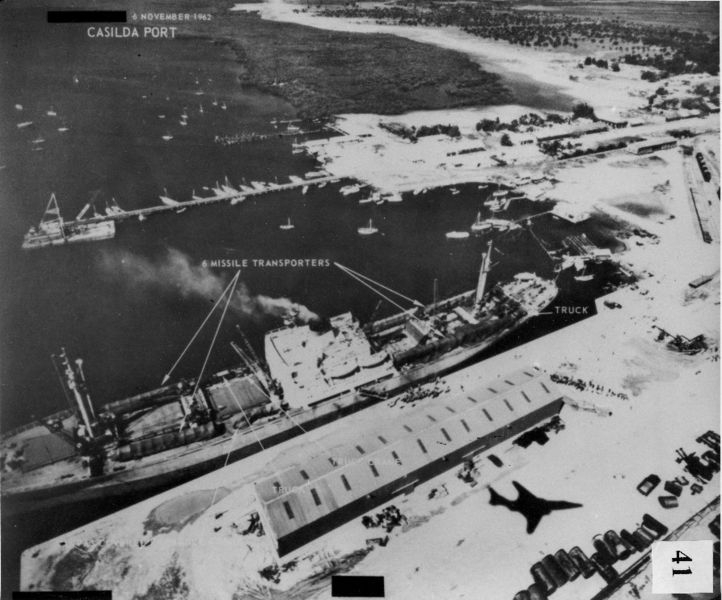
1962 John Glenn becomes the first US astronaut to orbit the Earth. Cuban Missile Crisis: President Kennedy accuses Soviet Union of secretly installing nuclear missiles on Cuba and orders a naval blockade of the island. The Soviet Union agrees to withdraw weapons in a secret deal by which the US agrees also to dismantle its missiles positioned in Turkey against the Soviet Union.
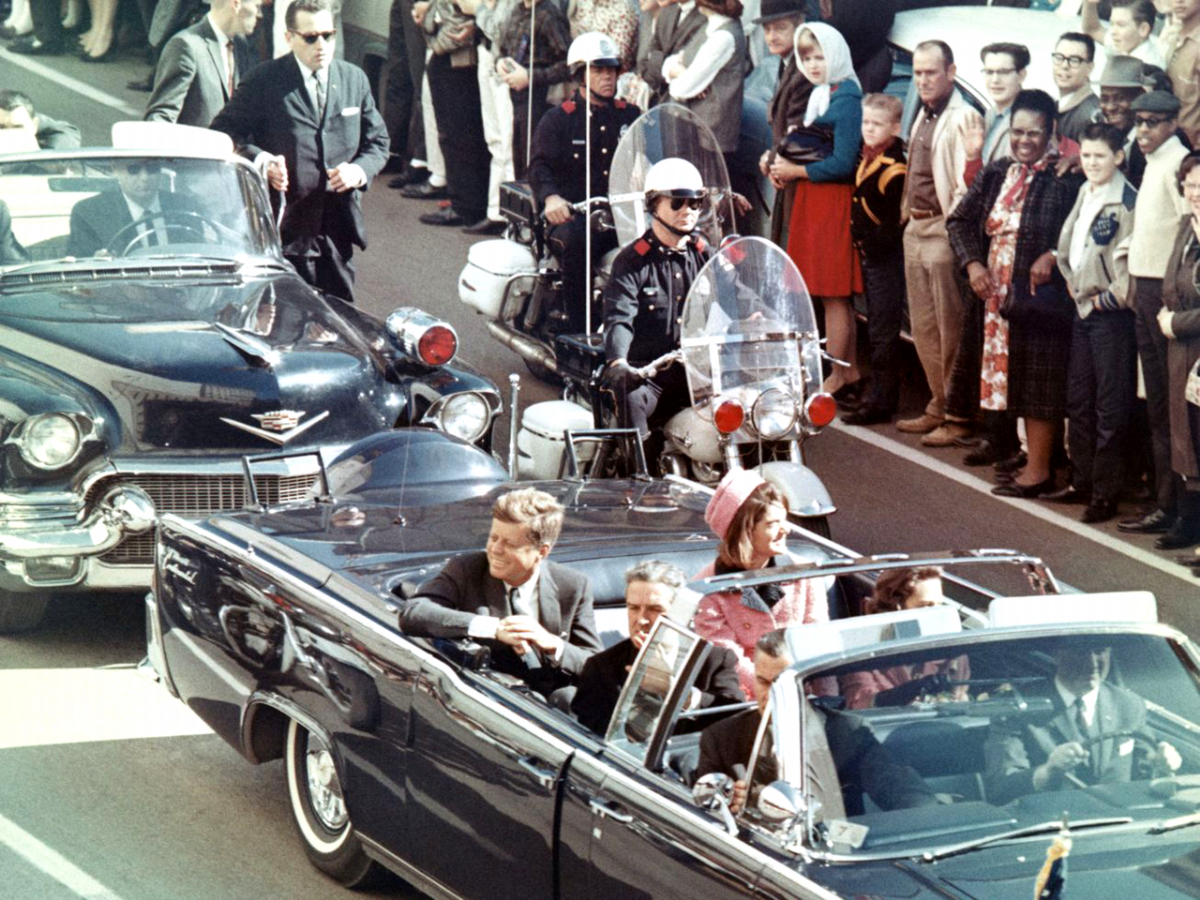
1963 Black civil rights leader Martin Luther King delivers his “I Have a Dream” speech before a crowd of 200,000 during the civil rights march on Washington, D.C. President Kennedy is assassinated in Dallas, Texas by Lee Harvey Oswald. He is succeeded in office by his vice president, Lyndon B. Johnson.
1964 US steps up its military intervention in Vietnam. President Johnson signs the Civil Rights Act: it outlaws discrimination on grounds of race, colour, religion or nationality.
1965 US planes begin bombing raids of North Vietnam, while the first US troops arrive in South Vietnam.
1968 North Vietnamese army and Viet Cong launch Tet Offensive, attacking Saigon and other key cities in South Vietnam. American soldiers kill 300 Vietnamese villagers in My Lai massacre. Martin Luther King is assassinated in Memphis, Tennessee. Senator Robert F. Kennedy, brother of John F. Kennedy, is assassinated by Palestinian Sirhan Sirhan in Los Angeles, California.
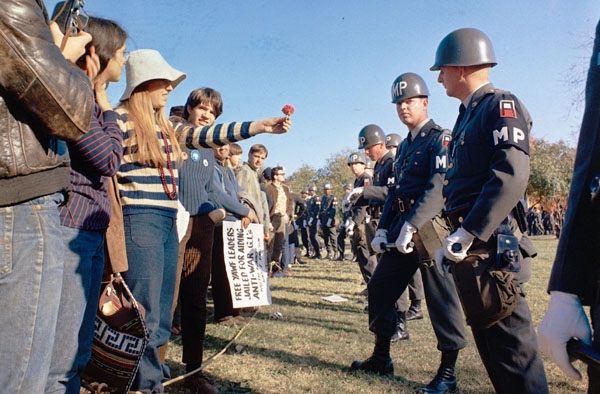
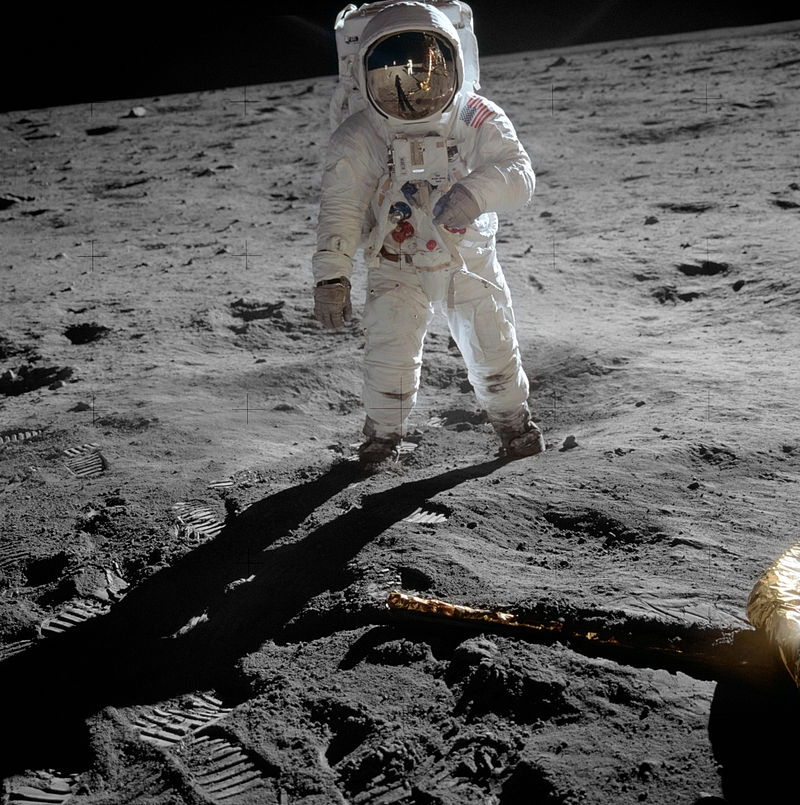
1969 Richard Nixon is inaugurated as the 37th president. The number of US troops in Vietnam exceeds 500,000. US astronauts Neil Armstrong and Edwin Aldrin become the first men to walk on the Moon.
1972 President Nixon makes historic visit to China. US and Soviet Union sign strategic arms control agreement, (SALT I). Members of Nixon's re-election campaign are caught breaking into rival Democratic headquarters at the Watergate complex in Washington, D.C.
1973 North and South Vietnam, the Viet Cong and the US sign a ceasefire agreement in Paris. US troops leave Vietnam.
1974 House of Representatives is recommended that President Nixon be impeached on grounds of obstruction of justice, abuse of power and contempt of Congress. In a TV address, Nixon announces his resignation and is succeeded in office by his vice president, Gerald Ford.
1977 Jimmy Carter is inaugurated as the 39th president. President Carter signs treaty agreeing to handing over control of Panama Canal to Panama in 1999.

1978 President Carter meets with Egyptian president Anwar Sadat and Israeli prime minister Menachem Begin at Camp David, where they sign an accord ending 30-year conflict between Egypt and Israel.
1979 US embassy in Tehran, Iran, is seized by radical students, with 52 people held hostage. Malfunction at Three Mile Island nuclear reactor in Pennsylvania causes near-meltdown.
1981 Ronald Reagan is inaugurated as the 40th president. US hostages held in Iran are released after 444 days in captivity. President Reagan is shot by John Hinckley, but recovers.
1983 US invades Caribbean nation of Grenada, after a Communist coup.
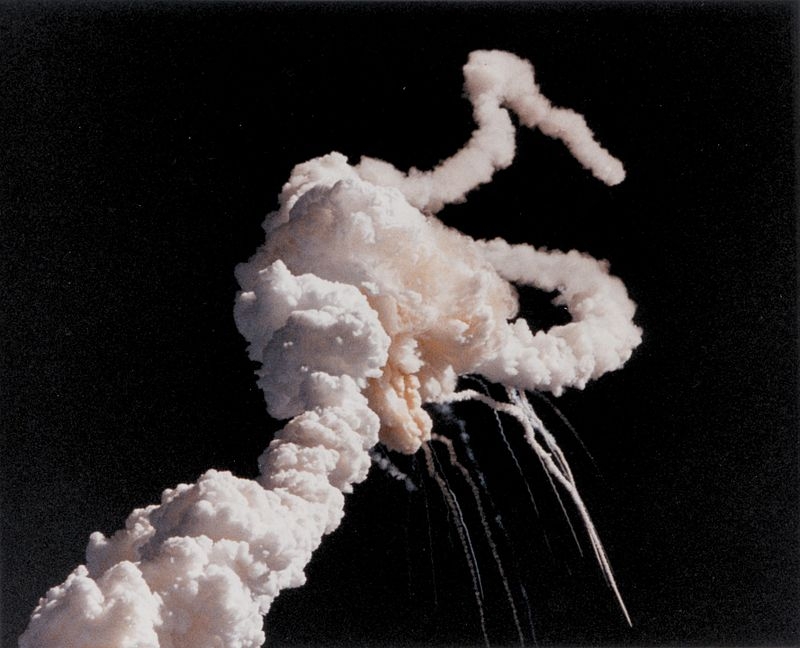
1986 Space Shuttle Challenger explodes shortly after take-off; all seven crew members are killed. US warplanes bomb Libyan cities to deter terrorist strikes on American targets. "Irangate" scandal uncovered, revealing that proceeds from secret US arms sales to Iran have been used illegally to fund the Contra rebels in Nicaragua.
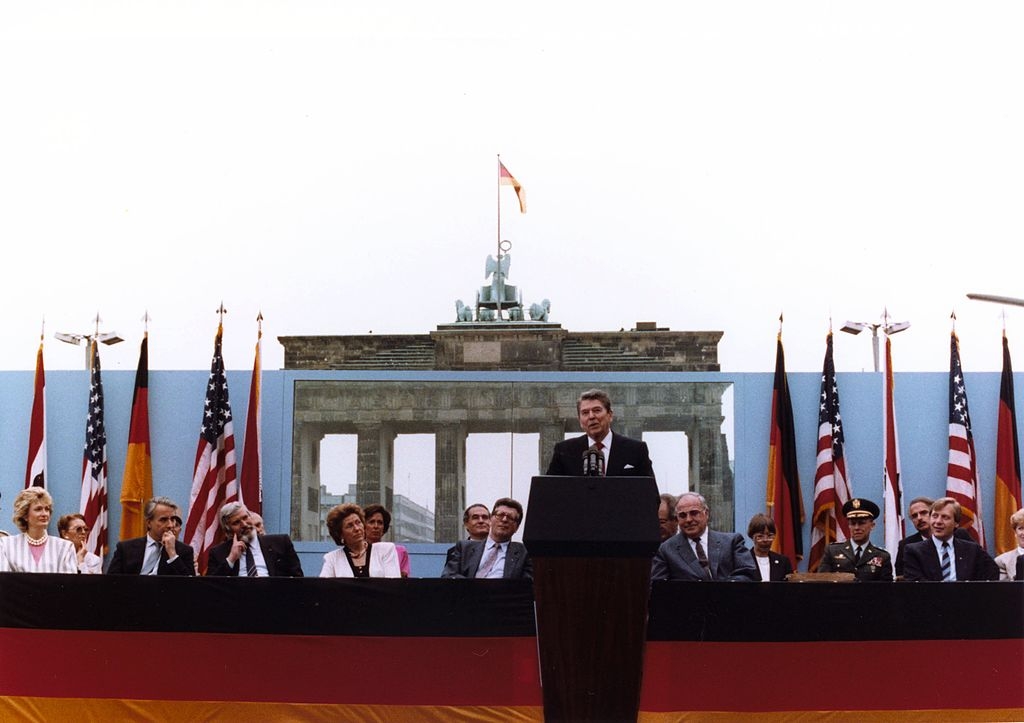
1987 In a speech in Berlin, President Reagan challenges Soviet leader Mikhail Gorbachev to “tear down this wall.”
1989 George H. W. Bush is inaugurated as the 41st president. Oil tanker Exxon Valdez runs aground in Prince William Sound, Alaska, causing the largest oil spill in US history.
1989 US troops invade Panama, to oust the government and arrest its leader General Manuel Noriega on drug-trafficking charges.
1991 Gulf War: US leads international coalition in military operation, codenamed “Desert Storm”, to drive Iraqi army out of Kuwait. US and Soviet Union sign START I treaty, agreeing to further reduce strategic nuclear arms.
1992 Following the break-up of the Soviet Union, President Bush and Russian president Boris Yeltsin formally declare the end of the Cold War. The acquittal of four white police officers charged in the beating of black motorist Rodney King in Los Angeles sparks several days of serious rioting.
1993 Bill Clinton is inaugurated as the 42nd president.
1995 Bombing of federal office building in Oklahoma City kills 168 people in worst ever terrorist incident in the US.
1998 President Clinton denies having had a sexual relationship with a White House intern named Monica Lewinsky, but he later admits to it. House of Representatives votes to impeach President Clinton on charges of perjury and obstruction of justice. US and Britain launch air strikes against weapons sites in Iraq.

War on terror
2000 Following close presidential election contest between Vice President Al Gore and George W. Bush, Supreme Court rules against a manual recount of ballots in certain Florida counties, handing victory to Bush.
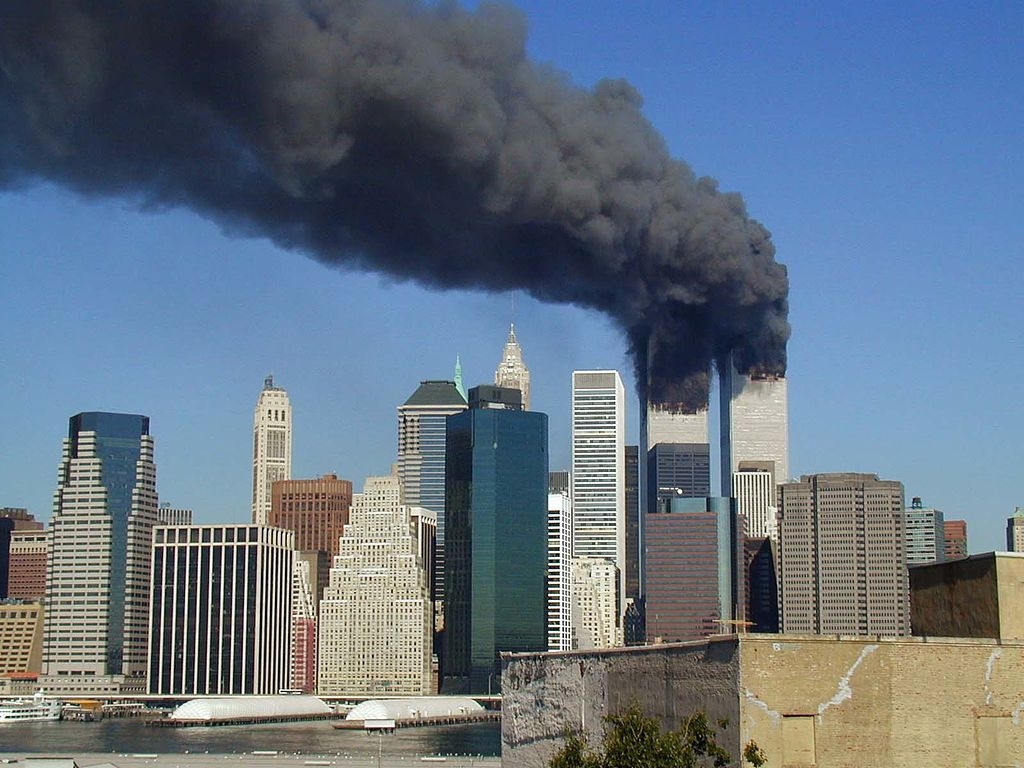
2001 George W. Bush is inaugurated as the 43rd president. On September 11, Two hijacked jetliners crash into the twin towers of World Trade Center; a third plane flies into the Pentagon, while a fourth crashes in rural Pennsylvania. More than 3000 people die in the in the worst terrorist attack against US. Embarking on a ''war on terror’’, US leads massive campaign of air strikes against Afghanistan after Taliban government fails to hand over al-Qaeda terrorist Osama bin Laden, suspected of masterminding the 9/11 attacks. Following air campaign and ground assault by Afghan opposition troops, the Taliban regime falls.
2002 President Bush includes Iraq, Iran and North Korea in what he describes as an "axis of evil". Bush authorizes the creation of a Department of Homeland Security, tasked with protecting the US against terrorist attacks.
2003 Space Shuttle Columbia explodes upon re-entry into Earth's atmosphere, killing all seven astronauts on board. Missile attacks on Baghdad, Iraq's capital, start the US-led campaign to oust the Iraqi leader Saddam Hussein. US forces advance into Baghdad.
2004 US backs a new government in Iraq and keeps 135,000 US troops in Iraq to fight the insurgents.
2005 Hundreds of people are killed when Hurricane Katrina sweeps through states on the coast of the Gulf of Mexico. Much of the city of New Orleans is flooded.
2008 Turmoil in the financial markets as major Wall Street investment bank Lehman Brothers collapses. In the "credit crunch" that follows, hundreds of billions of dollars are wiped out in bad loans and a slump in property prices. Democratic Senator Barack Obama wins the presidential election.
2009 Obama is inaugurated as the 44th president, the first African American to become US president.
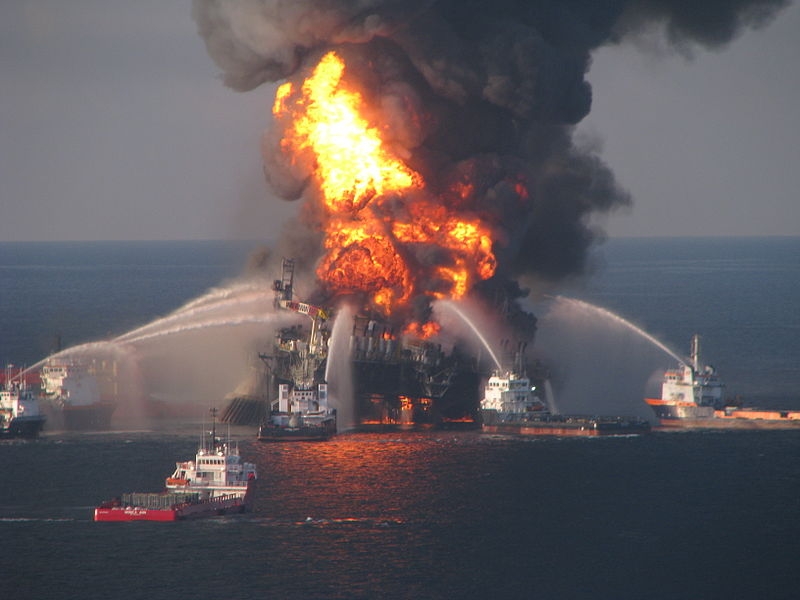
2010 US and Russia agree a new nuclear arms reduction treaty. An explosion on the Deepwater Horizon oil rig in the Gulf of Mexico causes the biggest oil spill in US history.
2011 US forces kill al-Qaeda leader Osama Bin Laden in an operation in the Pakistani city of Abbottabad. The final Space Shuttle mission is completed, bringing the 30-year programme to an end.
2013 Twin bomb blasts kill three people and injure more than 170 others at the Boston Marathon.
2014 The shooting of an unarmed black teenager by a white policeman sparks weeks of riots in Ferguson, Missouri. A grand jury's decision not to charge the officer with murder triggers new unrest. US and Cuba begin steps to normalize diplomatic relations.
Trump era
2017 President Donald Trump takes office; he signs executive orders restricting visas for people seeking to enter the US from certain Muslim-majority countries. He warns North Korea that it could face military retaliation if it continues nuclear tests. A gunman opens fire on a crowd on the Las Vegas Strip in Paradise, Nevada, leaving 58 people dead and 546 injured. The incident is the deadliest mass shooting ever committed by an individual in American history.
2020 The death of George Floyd, an African American, who was killed after white police officer Derek Chauvin knelt on his neck for more than eight minutes during an arrest in Minneapolis, triggers nationwide demonstrations amid anger over racism and police brutality against black Americans.

2021 Trump refuses to concede his loss in the 2020 presidential election and makes numerous attempts to overturn the results. Following a rally led by Trump at the White House on 6th January, a group of his supporters violently storm the US Capitol during the formal counting of electoral votes. The event prompts widespread condemnation by political leaders and triggers a vote in the House of Representatives to impeach Trump on a charge of "incitement of insurrection".
2021 Joe Biden is inaugurated as the 46th president. He signs executive orders reversing some of Trump's policies. They include rejoining the Paris Climate Agreement, ending the state of national emergency at the border with Mexico, directing the government to rejoin the World Health Organization and measures to combat hunger in the United States.
2021 American troops are withdrawn from Afghanistan, ending US involvement in the war that began in 2001. Taliban forces rapidly overrun Afghanistan and capture Kabul without resistance. Amid chaotic scenes at Kabul airport, personnel from US and allied countries are evacuated.
2025 Donald Trump, the first since Grover Cleveland to be elected president for a separate second term, is inaugurated as president. At 78, he is the oldest person to be inaugurated as president, beating his predecessor Joe Biden.
2026 (January) US launches a military raid in Venezuela and captures its president, Nicolás Maduro. (February) In a joint campaign with Israel, US launches a series of air and missile attacks on Iran, during which Iran's supreme leader, Ayatollah Khamenei, is assassinated. In response, Iran closes the Strait of Hormuz, with far-reaching consequences for countries reliant on oil and gas exports from the Persian Gulf.
Consultant: Steve Gallo
pics
Without in any way limiting Q-files Ltd’s exclusive rights under copyright, any use of this publication to “train” generative artificial intelligence (AI) technologies to generate text is expressly prohibited. Q-files Ltd reserves all rights to license use of this work for generative AI training and development of machine learning language models.