
Latin America

CITE
We have made every effort to follow citation style rules, but there may be some minor differences. If in doubt, please refer to the appropriate citation style manual.
History of Cuba. (2025). In Q-files Encyclopedia, History, Latin America. Retrieved from
https://www.q-files.com/history/latin-america/history-of-cuba
"History of Cuba." History, Latin America, Q-files Encyclopedia, 14 Mar. 2025.
https://www.q-files.com/history/latin-america/history-of-cuba.
Accessed 9 Nov. 2026.
History of Cuba 2025. History, Latin America. Retrieved 9 November 2026, from
https://www.q-files.com/history/latin-america/history-of-cuba
History, Latin America, s.v. "History of Cuba," accessed November 9, 2026.
https://www.q-files.com/history/latin-america/history-of-cuba


History of Cuba
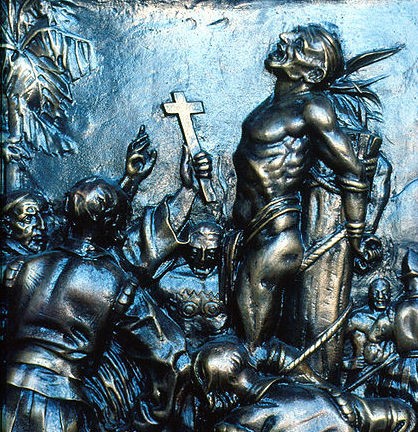
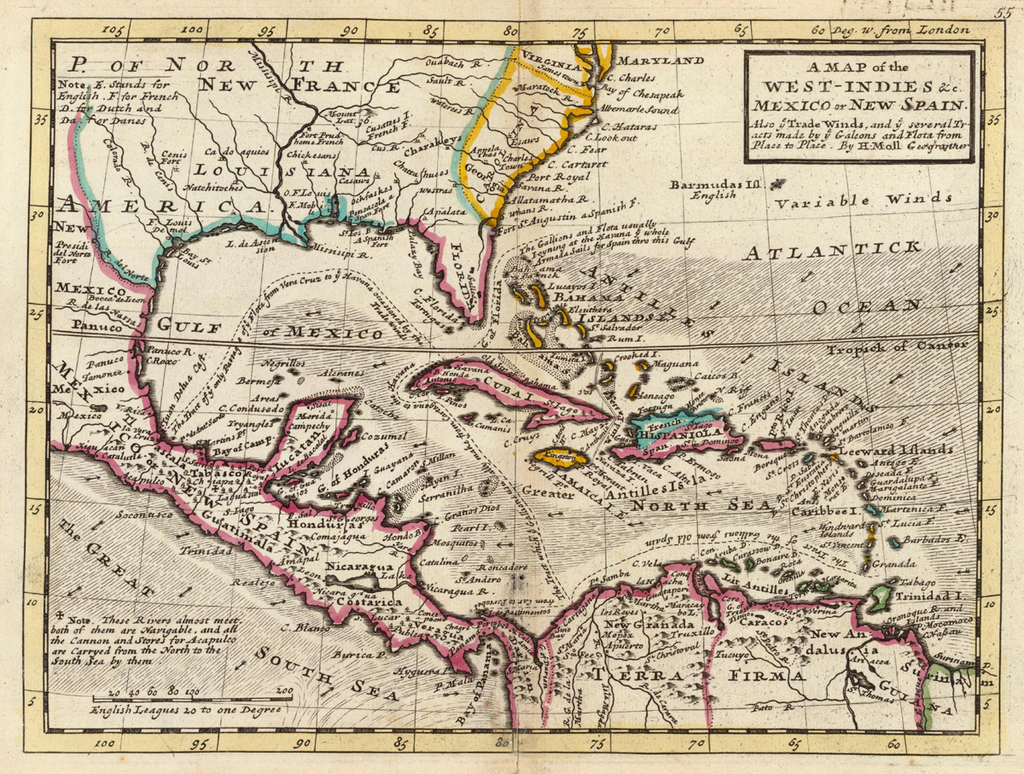
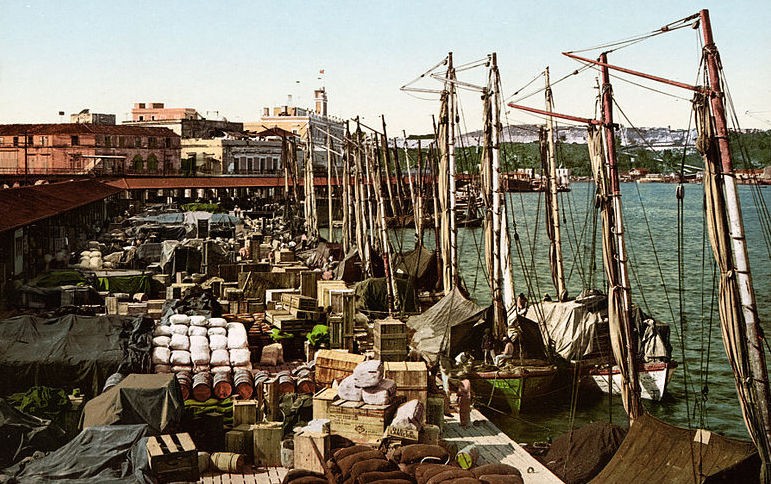
After the arrival of Christopher Columbus in 1492, Cuba became a Spanish colony. The Spanish massacred many of the Taino natives, despite the efforts of local chiefs, such as Hatuey, to repel the invaders. The natives also suffered from diseases brought from Spain, such as measles and smallpox, to which they had no immunity. The new colony was ruled by a Spanish governor in Havana, a settlement founded in 1514. African slaves were imported to work on the plantations, firstly of tobacco, then of sugar cane.

Sugar and slavery
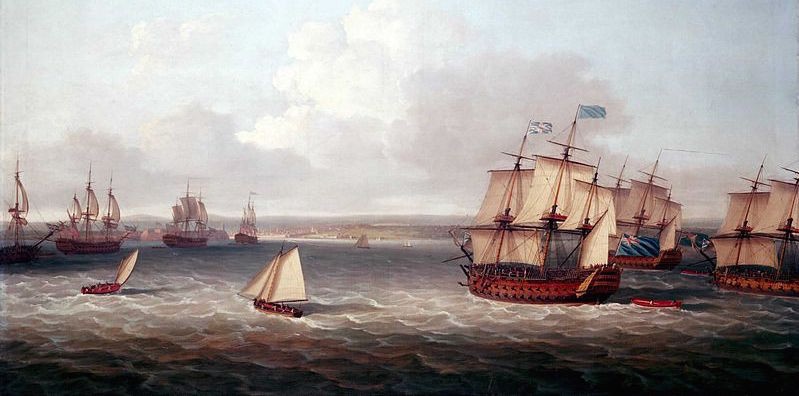
In 1762, after British victory over France and Spain in the Seven Years' War, Havana was briefly occupied by Great Britain, before being returned to Spain in exchange for Florida. Thousands of slaves from West Africa were transported to the island to work on the sugar plantations, especially after the Haitian Revolution in the 1790s. By the late 19th century, Cuba had become the world’s most important world producer of sugar. Following a rebellion, known as the Ten Years' War (1868–1878), all slavery was abolished.
Independence
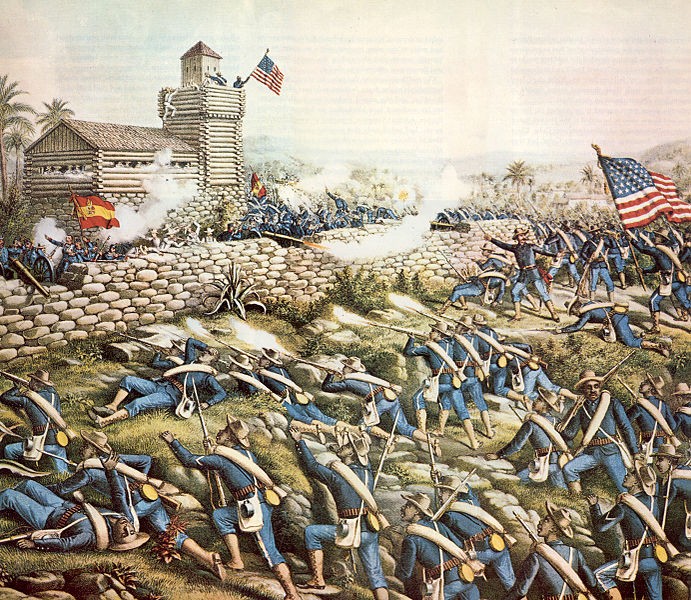
From 1895, Cuban revolutionaries, among them José Martí, sought help from the United States to overthrow Spanish rule. The Spanish army began a campaign of suppression against the rebels. The US eventually declared war on Spain. After winning the Spanish-American War of 1898, the US occupied Cuba. After granting Cuba formal independence in 1902, it retained control of Guantánamo Bay—which remains under US jurisdiction to this day.
Cuban Revolution
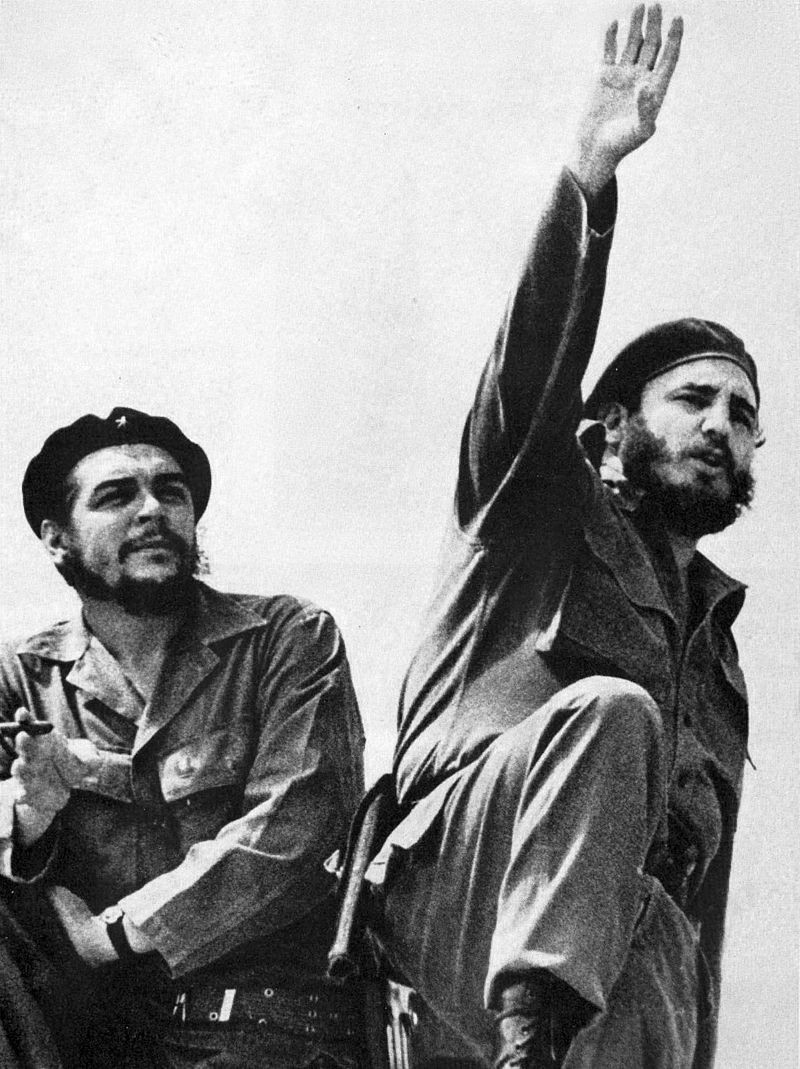
In the years following its independence, the Cuban republic achieved economic advances, but was also plagued by political corruption. This eventually led to the 1953–59 Cuban Revolution, a revolt against the dictator Fulgencio Batista by the 26th of July Movement, led by Fidel Castro. Together with Argentinian revolutionary Ernesto "Che" Guevara, Castro began a guerrilla campaign against the Batista government. Batista fled in 1959, and Castro took over. He imprisoned or executed opponents of his new government, leading to hundreds of thousands of Cubans fleeing the island. The 26th of July Movement later became the Communist Party.
Relations with US
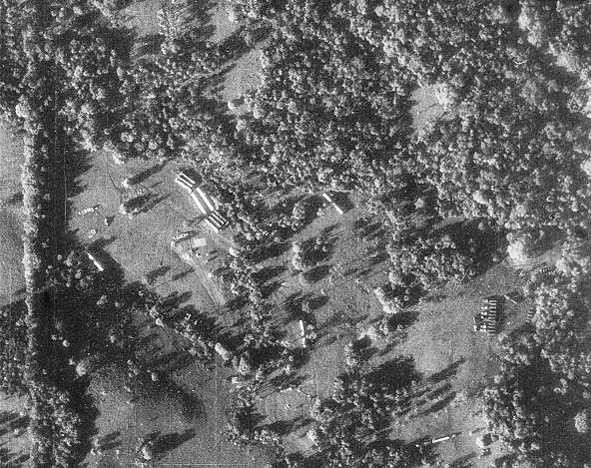
In April 1961, the US made an attempt to topple Cuba's revolutionary government. A US-backed force landed in the Bay of Pigs, but soon surrendered. The Cuban government then asked the Soviet Union to place nuclear missiles on the island to deter future invasions, which they did. The US set up a naval blockade to prevent further missiles from reaching Cuba. For 13 days in October 1962, a period that became known as the Cuban Missile Crisis, the US and the Soviet Union confronted one another, before the Soviet Union eventually removed its missiles from Cuba, while the US did the same from Italy and Turkey.
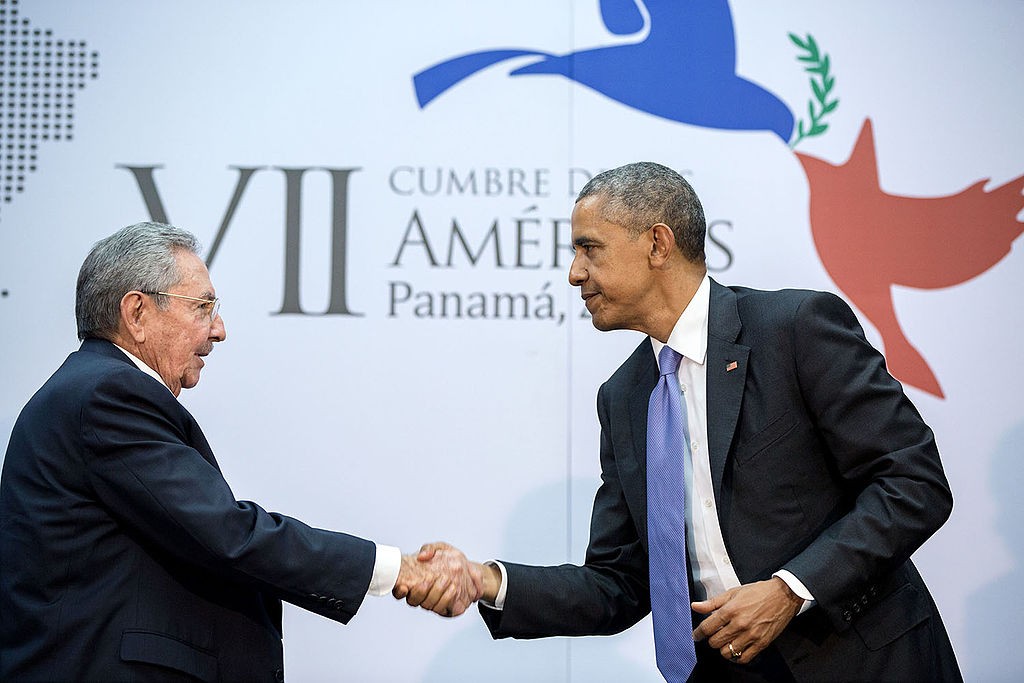
Cuba has since been governed as a socialist state by the Communist Party under the leadership of Fidel Castro and, after 2008, his brother Raul. Cuba has been politically and economically isolated by the US since the Revolution, but efforts to normalize relations made progress after 2015.
Consultant: Philip Parker
pics

Without in any way limiting Q-files Ltd’s exclusive rights under copyright, any use of this publication to “train” generative artificial intelligence (AI) technologies to generate text is expressly prohibited. Q-files Ltd reserves all rights to license use of this work for generative AI training and development of machine learning language models.