
States of the US

CITE
We have made every effort to follow citation style rules, but there may be some minor differences. If in doubt, please refer to the appropriate citation style manual.
Connecticut. (2026). In Q-files Encyclopedia, Geography, States of the US. Retrieved from
https://www.q-files.com/geography/states-of-the-us/connecticut
"Connecticut." Geography, States of the US, Q-files Encyclopedia, 2 Sep. 2026.
https://www.q-files.com/geography/states-of-the-us/connecticut.
Accessed 21 Sep. 2026.
Connecticut 2026. Geography, States of the US. Retrieved 21 September 2026, from
https://www.q-files.com/geography/states-of-the-us/connecticut
Geography, States of the US, s.v. "Connecticut," accessed September 21, 2026.
https://www.q-files.com/geography/states-of-the-us/connecticut


Connecticut
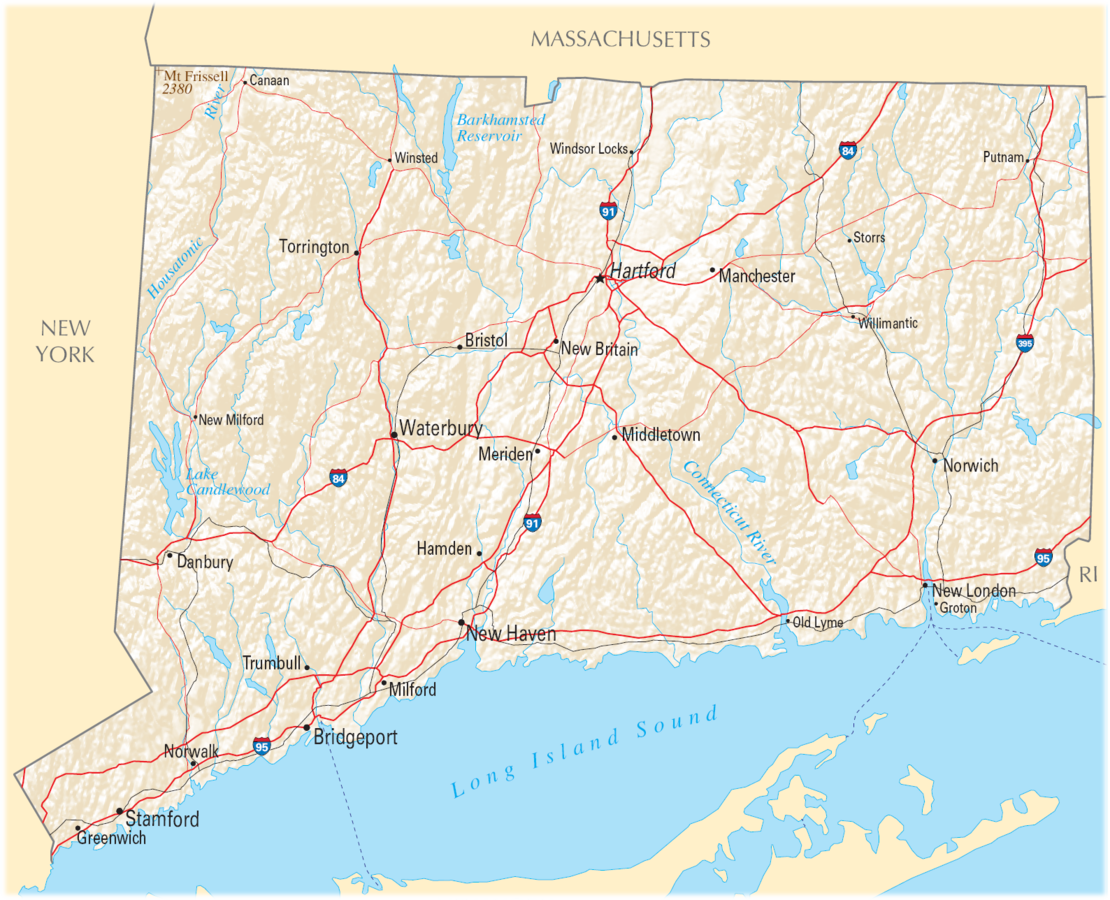
Connecticut is located in the northeastern region of the United States. It is one of six states that make up New England. Measuring just 145 kilometres (90 miles) by 90 kilometres (55 miles), Connecticut is divided into the eastern highlands and the western highlands, separated by the Connecticut Valley lowlands, through which the Connecticut River flows. The western highlands, which include the Taconic Mountains and the Litchfield Hills, are the more rugged. A low, rolling coastal plain borders Long Island Sound in the south. Broadleaf forest covers much of the state.

Name
The word "Connecticut" comes from the Native American Algonquian word quonehtacut or quinetucket, meaning “place on the long tidal river". It was first used by early European explorers to name the Connecticut River during the early 1600s. The river was also known as the Great River or the Fresh River at the time.
Climate
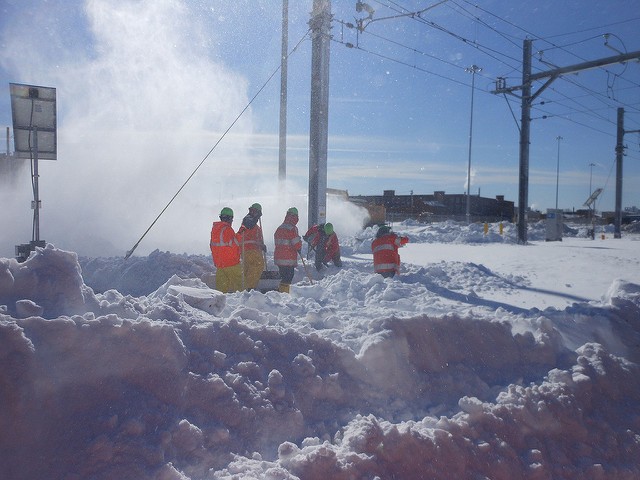
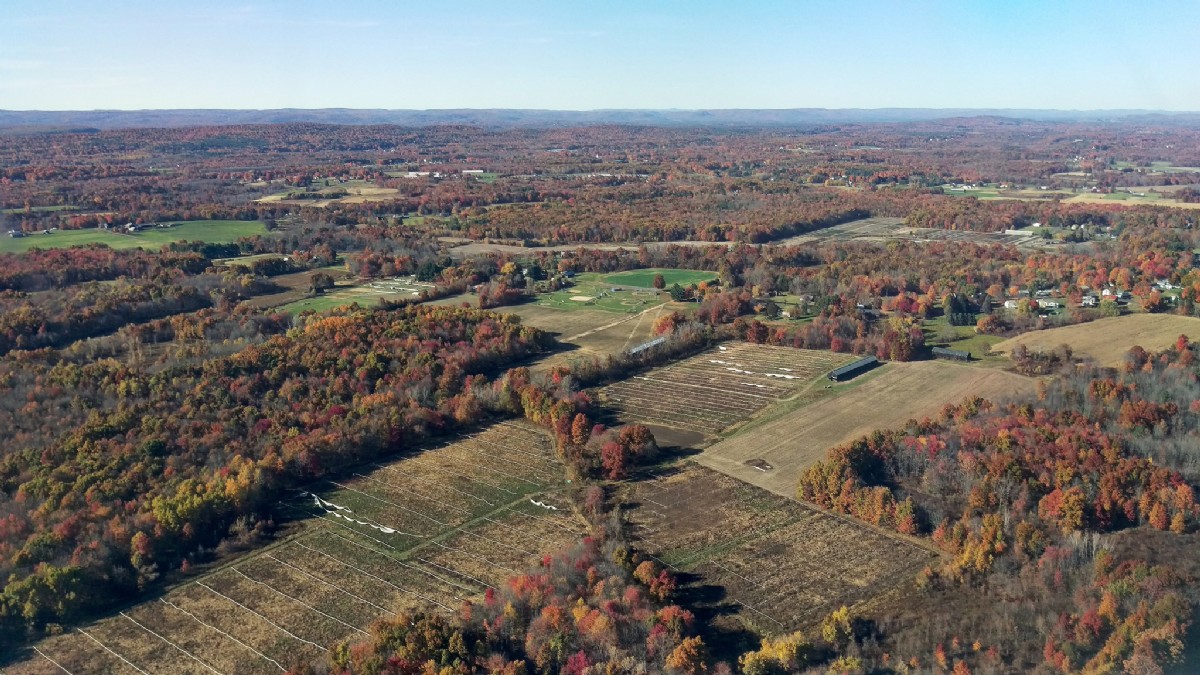
Much of Connecticut has cold winters and hot, humid summers. Because of the influence of the Atlantic Ocean, summers in coastal areas are slightly less hot, while the milder winters in these parts have a longer frost-free season. Summer thunderstorms often bring sudden downpours. The fall months are mild, and see colourful leaf foliage particularly across northern parts of the state, especially where maple trees are plentiful.


Economy
Finance and insurance is Connecticut's largest industry; Hartford is known as the insurance capital of the US. Connecticut factories produce textiles, sewing machines, jet engines and parts, helicopters, submarines, firearms, electronic and electrical machinery, computer equipment, pharmaceuticals, silverware and clocks and watches.
Dairy, eggs, poultry, fruit, vegetables, tobacco and mushrooms are the state's most important agricultural products. Fish, oysters, lobsters and other shellfish are caught in Long Island Sound.

Facts about Connecticut
Area 4844 sq miles (12,545 sq km)
Highest point Mount Frissell (slope of) 2379 ft (725 m)
Population 3,617,176
Capital Hartford
Largest cities Bridgeport, 148,028; Stamford, 136,226; New Haven, 135,319; Hartford, 119,669; Waterbury, 114,990
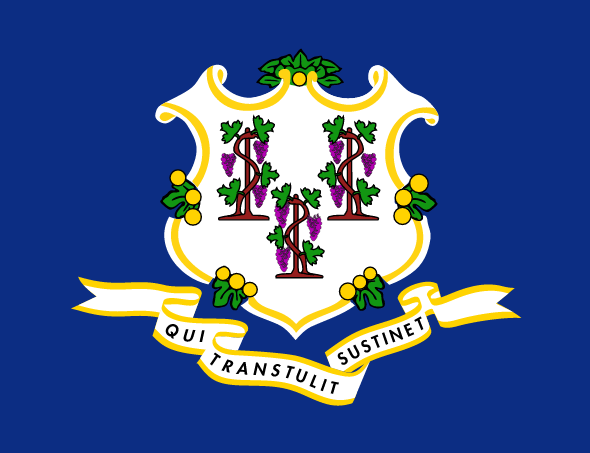
Nicknames The Constitution State, The Nutmeg State
State bird American robin
State flower Mountain laurel
State tree White oak

Consultant: Nicholas Harris
History of Connecticut
1600s
Before European colonization, the Connecticut region is inhabited by Native American Algonquian tribes, including the Mohegan, Pequot and Paugusett
1614
The Dutch navigator, Adriaen Block, is the first European to explore the area, sailing up the Connecticut River
1633
Dutch colonists build a fort and trading post near present-day Hartford; they call it Huis van Hoop (“House of Hope")
1633
Members of the English Plymouth Colony establish a trading post on the site of Windsor; it is soon taken over by Puritan settlers from the Massachusetts Bay Company
1635
Englishman John Winthrop founds a new colony at Old Saybrook at the mouth of the Connecticut River
1637
The Pequot people resist white settlement, but they are defeated by the English at the Mystic River and Fairfield
1638
New Haven Colony, originally known as the Quinnipiack Colony, is established by John Davenport
1639
English settlements established at Windsor, Wethersfield and Hartford unite to form the Connecticut Colony
1643
Quinnipack (New Haven) and Connecticut colonies join with Massachusetts Bay colony and Plymouth colony to form the New England Confederation
1654
Outnumbered by the flood of English settlers from Massachusetts, Dutch abandon their fort in 1654
1662
New Haven and Connecticut colonies unite and secure a royal charter from London; it is granted all the land to the "South Sea", i.e. the Pacific Ocean
1675–78
King Philip's War, an armed conflict between the forces of the Wampanoag and Narragansett Native American peoples led by Metacomet (who adopted the English name of “King Philip”) and the New England colonists breaks out; the colonists are victorious, but suffer heavy losses
1701
Yale College established; it moves to New Haven in 1718
1777
During the American Revolutionary War, the British land a force of 2000 troops in Westport, who march on Danbury and destroy its arms depot
1788
Connecticut ratifies (signs up to) the US Constitution, thus becoming the fifth state of the US; after the Revolution, mills and textile factories are built and seaports and fisheries flourish
1793
Eli Whitney invents and manufactures the cotton gin at New Haven; in 1798 he establishes a firearms factory at New Haven
1800
Connecticut’s present boundaries established
1848
Connecticut abolishes slavery
1861–65
Connecticut supports the Union during the Civil War with nearly 60,000 troops; during and after the war, industry expands greatly, while immigration (English, Scottish, Irish, followed by French Canadians, Italians, Poles and others) increase rapidly
1875
World’s first telephone exchange established in New Haven
1938
The most destructive storm in New England history, known as the "Long Island Express", strikes eastern Connecticut, killing hundreds of people.
1987
Hartford became the first US city to elect an African American woman as mayor, Carrie Saxon Perry.
2012
Sandy Hook Elementary School shooting: a lone gunman shoots 20 children and six staff at a village school in Newtown and then kills himself. It is the deadliest mass shooting at an elementary school in US history.
pics
Without in any way limiting Q-files Ltd’s exclusive rights under copyright, any use of this publication to “train” generative artificial intelligence (AI) technologies to generate text is expressly prohibited. Q-files Ltd reserves all rights to license use of this work for generative AI training and development of machine learning language models.