
States of the US

CITE
We have made every effort to follow citation style rules, but there may be some minor differences. If in doubt, please refer to the appropriate citation style manual.
Montana. (2026). In Q-files Encyclopedia, Geography, States of the US. Retrieved from
https://www.q-files.com/geography/states-of-the-us/montana
"Montana." Geography, States of the US, Q-files Encyclopedia, 1 Apr. 2026.
https://www.q-files.com/geography/states-of-the-us/montana.
Accessed 6 Aug. 2026.
Montana 2026. Geography, States of the US. Retrieved 6 August 2026, from
https://www.q-files.com/geography/states-of-the-us/montana
Geography, States of the US, s.v. "Montana," accessed August 6, 2026.
https://www.q-files.com/geography/states-of-the-us/montana


Montana
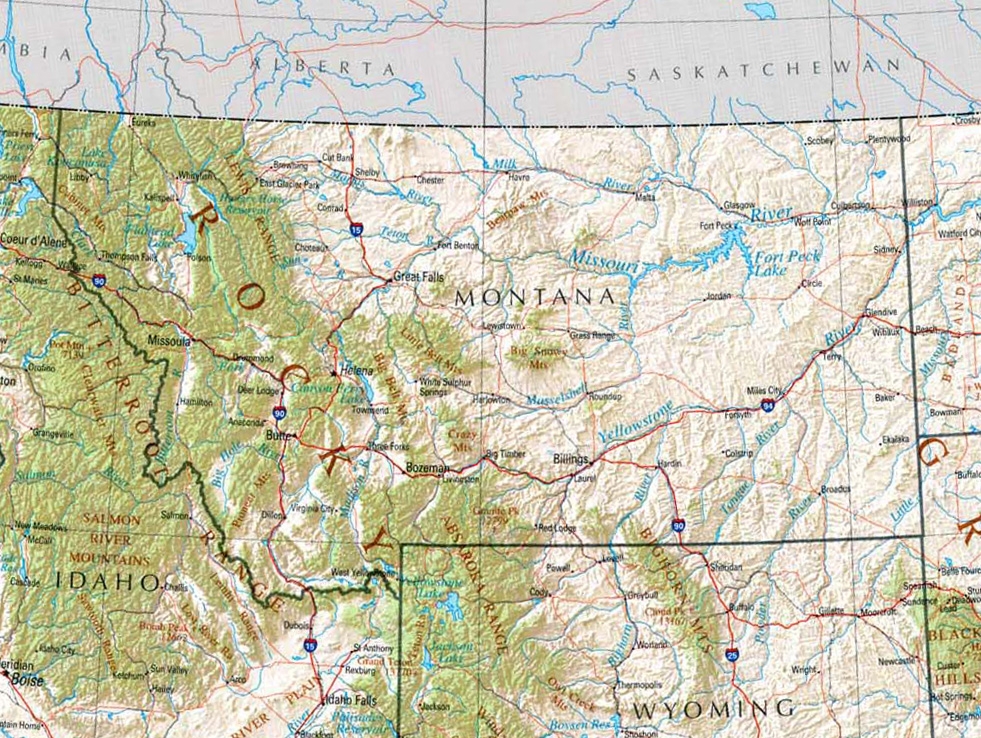
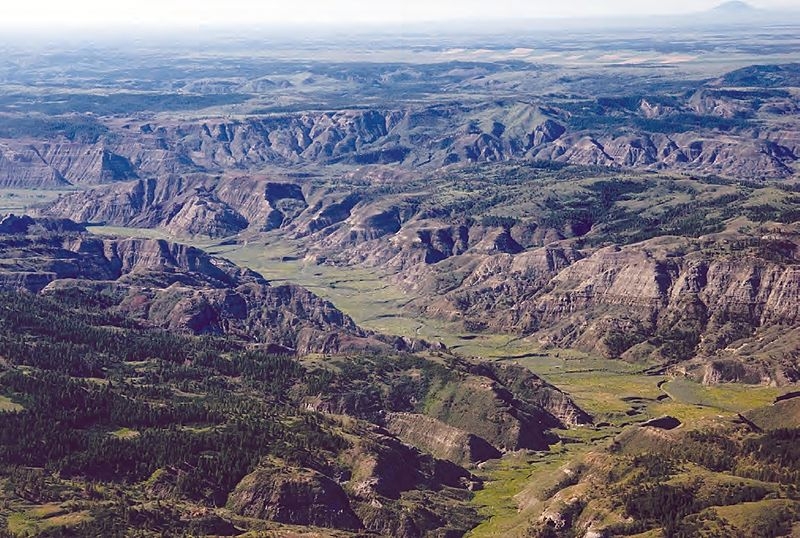
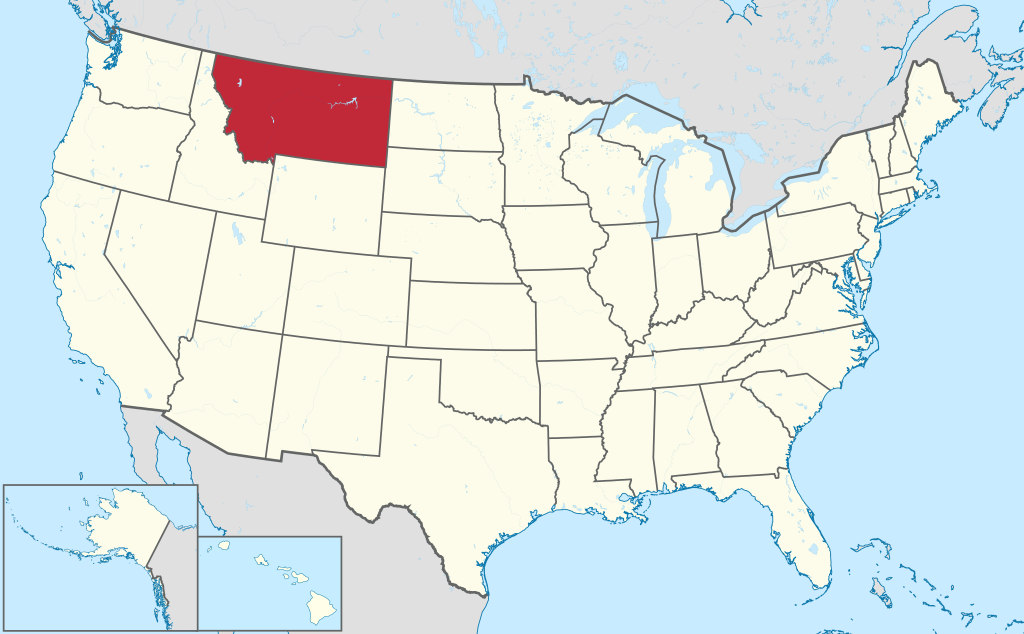
Montana is located in the western region of the United States. The western third of the state consists of 100 or more mountain ranges making up the Rocky Mountains. The boundary with Idaho is marked by the crest of the Bitterroot Range. The North American Continental Divide also runs along it. Eastern Montana forms part of the Great Plains. It is drained by the Missouri River and its tributaries, including the Yellowstone, Sun and Milk. The Plains consist of rolling prairies and badlands—rocky uplands where the soils have been stripped away by wind and water.

Name
The state's name come from the Spanish word montaña, meaning “mountain” or "mountainous country". The early Spanish explorers gave the name Montaña del Norte to the entire mountainous region of the American West on their travels across what is now the southwestern United States in the 16th century.
Climate
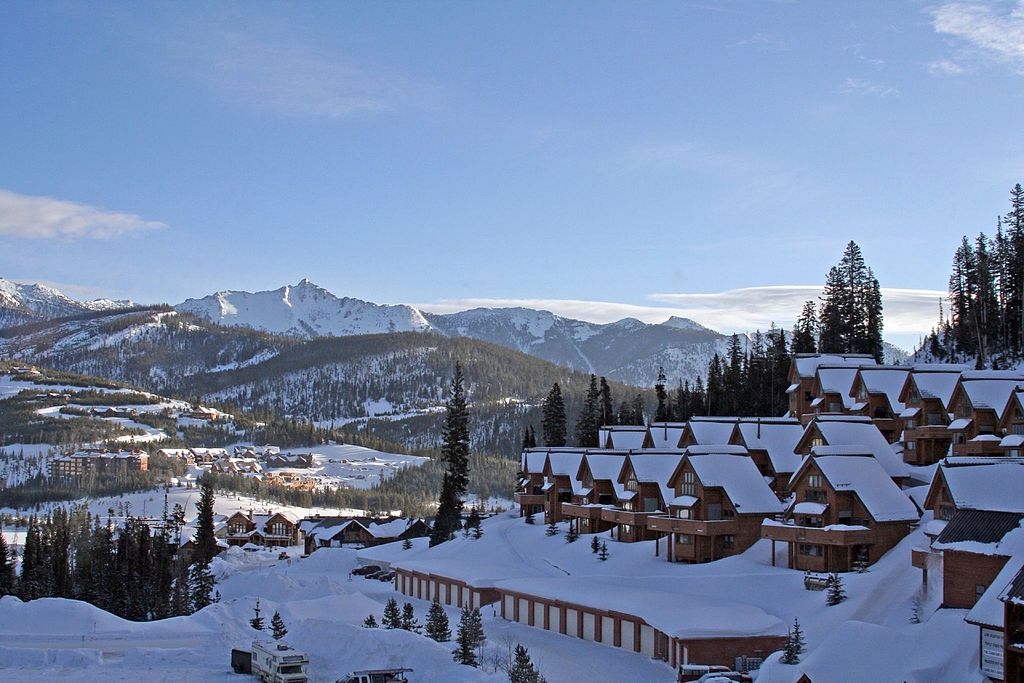
Eastern Montana has a semi-arid climate. The Rocky Mountains block the flow of warm, moist air moving east from the Pacific, and so have a significant effect on the climate in areas east of the mountains. Western Montana’s valleys have milder winters and cooler summers than the eastern plains. The mountain ranges themselves may receive several tens of feet of snow during winter months.
Economy
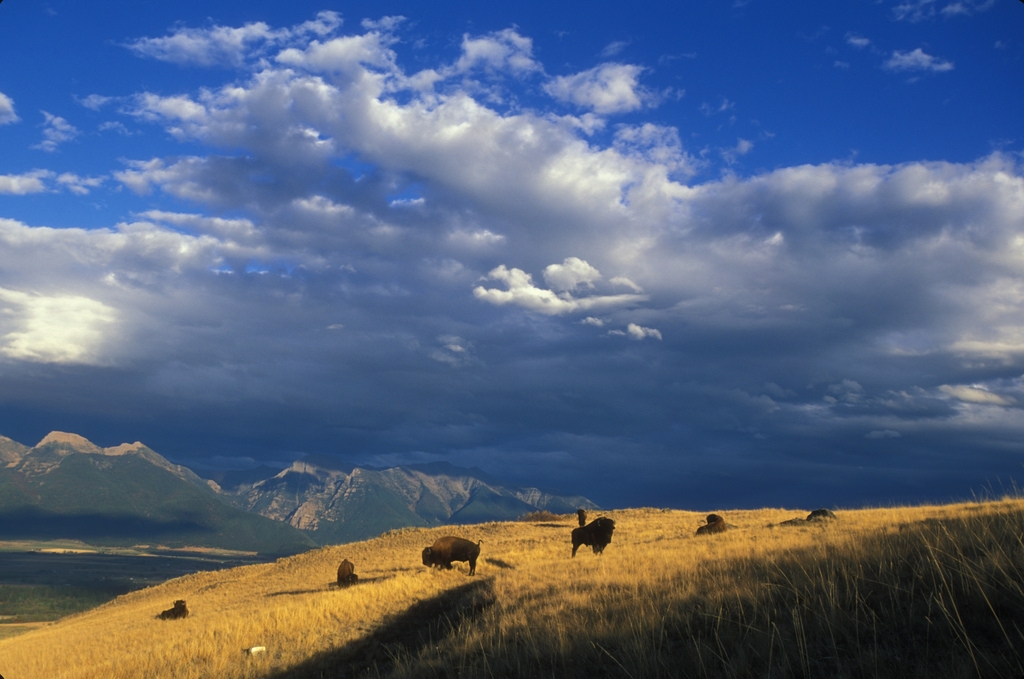
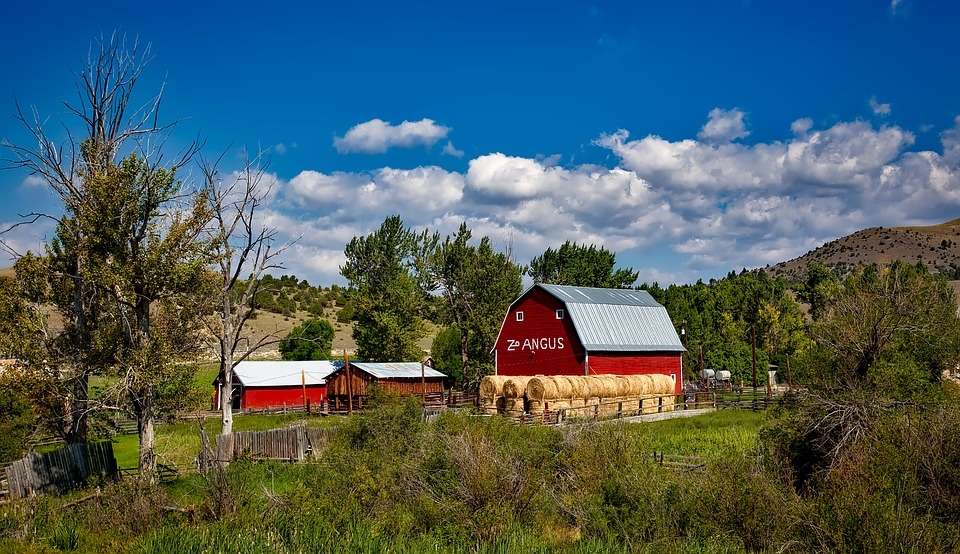
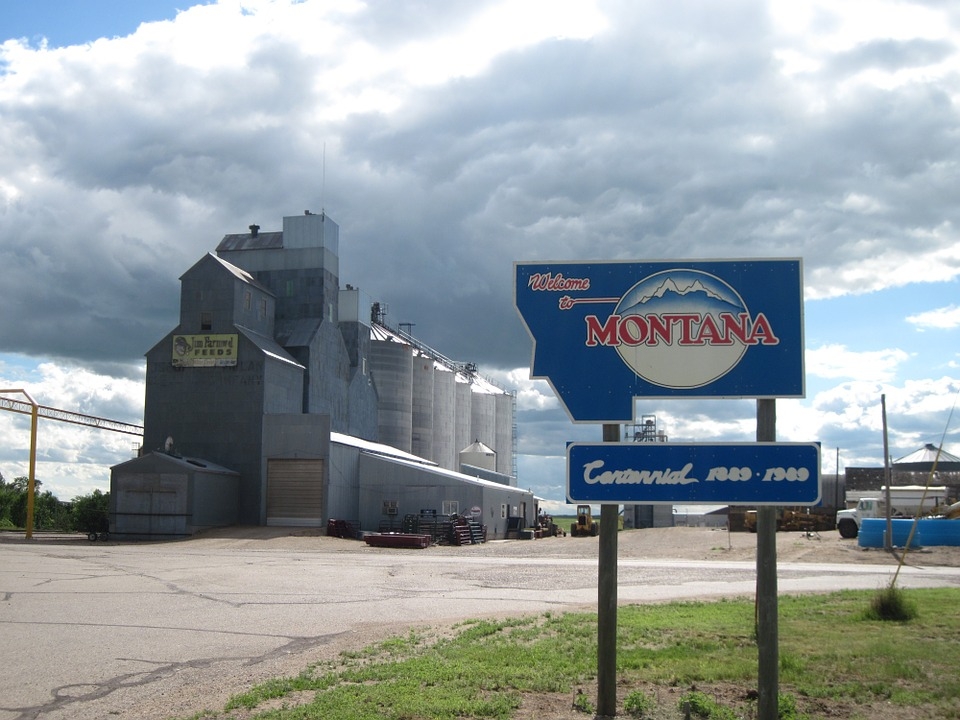
Fields of grain, mainly wheat and barley, but also some oats and rye, cover much of Montana's eastern plains. Flax, sugar beet, hay and potatoes are other important crops. Sheep and cattle ranches are also widespread on the pastures of the Great Plains, where once vast herds of bison roamed.
In Montana's mountainous west are the large mineral deposits which formed the basis of the state’s early economy: copper, silver, gold, platinum, zinc, lead and manganese. Coal, oil and natural gas reserves are located in the east. Leading manufactures are forest products, processed foods and refined oil.
Tourism is also an important industry. Every year, millions of tourists visit Glacier National Park, the Little Bighorn Battlefield National Monument and Yellowstone National Park, which lies partly within the state’s borders.
Facts about Montana
Area 145,552 sq miles (376,980 sq km)
Highest point Granite Peak 12,807 ft (3904 m)
Population 1,132,812
Capital Helena
Largest cities Billings, 120,864; Missoula, 77,757; Great Falls, 60,422; Bozeman, 57,305; Butte-Silver Bow, 35,701; Helena, 34,464
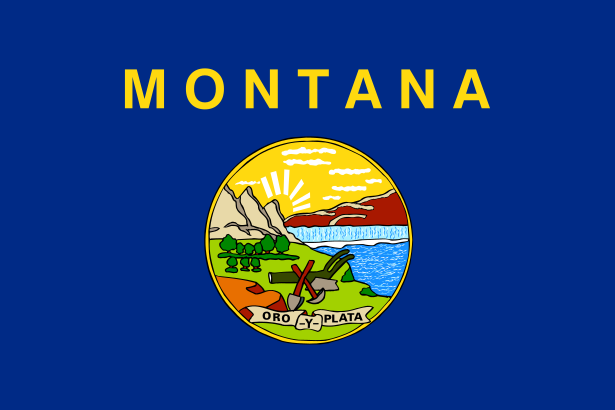
Nicknames Treasure State, Big Sky Country
State bird Western meadowlark
State flower Bitterroot
State tree Ponderosa pine
Consultant: Nicholas Harris
History of Montana
18th century
Native American peoples living in the territory of present-day Montana encountered by European settlers include the Crow, Cheyenne, Sioux, Blackfoot, Shoshone, Arapaho, Assiniboine, Kootenai and Salish
1740s
Area of Montana explored for France by François and Louis-Joseph Verendrye
1803
The land in Montana east of the Rocky Mountains is part of the Louisiana Purchase, a large area west of the Mississippi River formerly under French rule which is sold to the US government
1805
The Lewis and Clark expedition travels across Montana
1807–12
David Thompson of the North West Company builds several fur trading posts in northwestern Montana; they attract trappers, called “Mountain Men”
early 19th century
American, British and French trappers trade furs with native peoples
1841
The first permanent European settlement in what will become present-day Montana is founded at St Mary’s, near present-day Stevensville
1846
Oregon Treaty: the US acquires northwestern Montana, the area between the Rockies and the Idaho border (part of Oregon Country) from the British
1852
Gold is discovered at Gold Creek near present-day Garrison
1864
Montana Territory is created out of parts of Oregon, Washington, Idaho and Dakota territories
1866
The first cattle are brought in from Texas over the Bozeman Trail
late 19th century
Major conflicts with Native American forces
1876
Battle of the Little Bighorn: the Sioux defeat Colonel George A. Custer and his US forces in one of the greatest of Native American victories, sometimes known as “Custer's Last Stand”
1880
Copper discovered at a site near Butte
1881
Anaconda Copper Mining Company, one of the largest mining companies in the world for much of the 20th century, is founded in Anaconda, Montana
1883
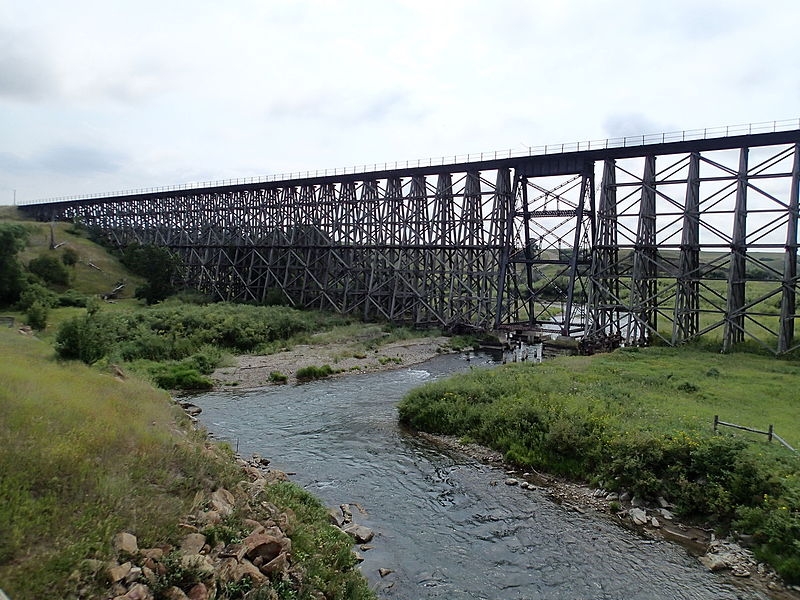
The transcontinental Northern Pacific Railroad (NPR) is completed at Gold Creek
1889
Montana becomes the 41st state in the union
1954
The coldest temperature for the contiguous United States, -56.7°C (-70°F), is recorded near Rogers Pass on the Continental Divide in Montana
1955
Berkeley Pit, an open pit copper mine in Butte, Montana, is opened. Closed in 1982, it becomes filled to a depth of about 270 m (900 ft) with water that is heavily acidic and carries a heavy load of dissolved heavy metals and dangerous chemicals that leach from the rock, including copper, arsenic, cadmium, zinc and sulphuric acid.
1993
Robert Redford's film, "A River Runs Through It", is released, sparking increased tourism and immigration to Montana
pics
Without in any way limiting Q-files Ltd’s exclusive rights under copyright, any use of this publication to “train” generative artificial intelligence (AI) technologies to generate text is expressly prohibited. Q-files Ltd reserves all rights to license use of this work for generative AI training and development of machine learning language models.