
States of the US

CITE
We have made every effort to follow citation style rules, but there may be some minor differences. If in doubt, please refer to the appropriate citation style manual.
Idaho. (2026). In Q-files Encyclopedia, Geography, States of the US. Retrieved from
https://www.q-files.com/geography/states-of-the-us/idaho
"Idaho." Geography, States of the US, Q-files Encyclopedia, 2 Sep. 2026.
https://www.q-files.com/geography/states-of-the-us/idaho.
Accessed 28 Oct. 2026.
Idaho 2026. Geography, States of the US. Retrieved 28 October 2026, from
https://www.q-files.com/geography/states-of-the-us/idaho
Geography, States of the US, s.v. "Idaho," accessed October 28, 2026.
https://www.q-files.com/geography/states-of-the-us/idaho


Idaho
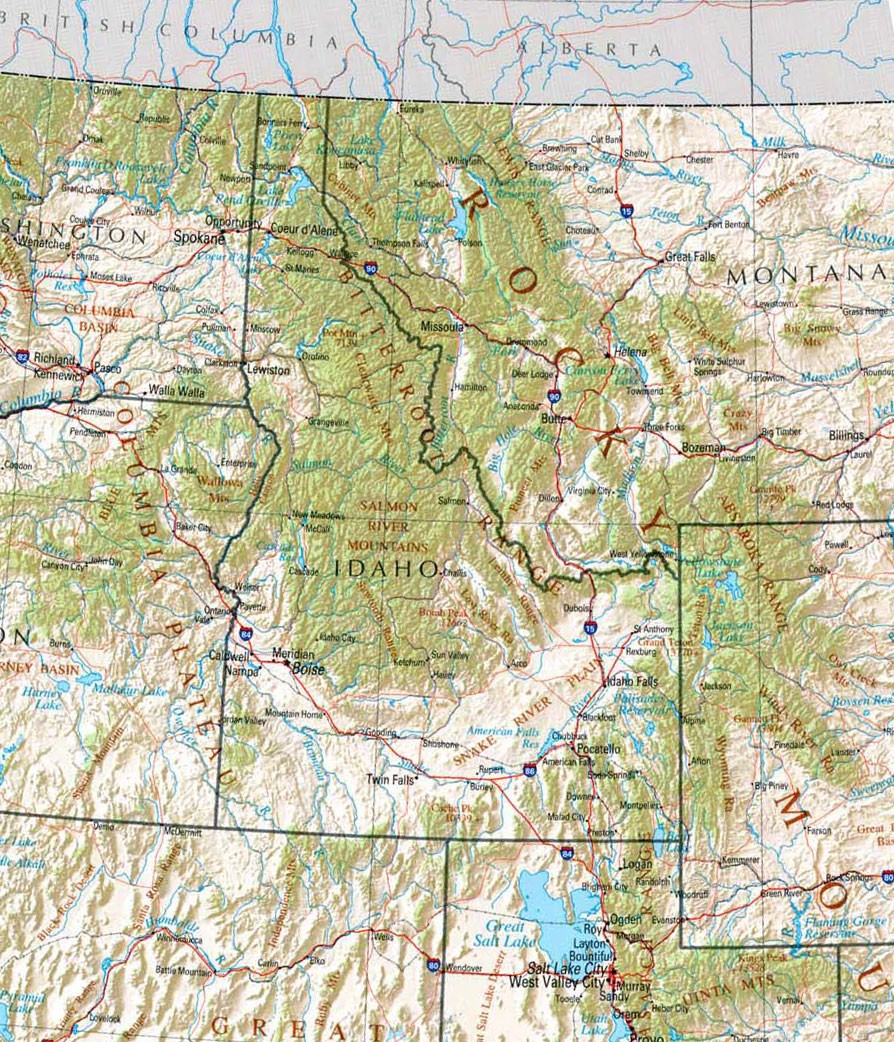
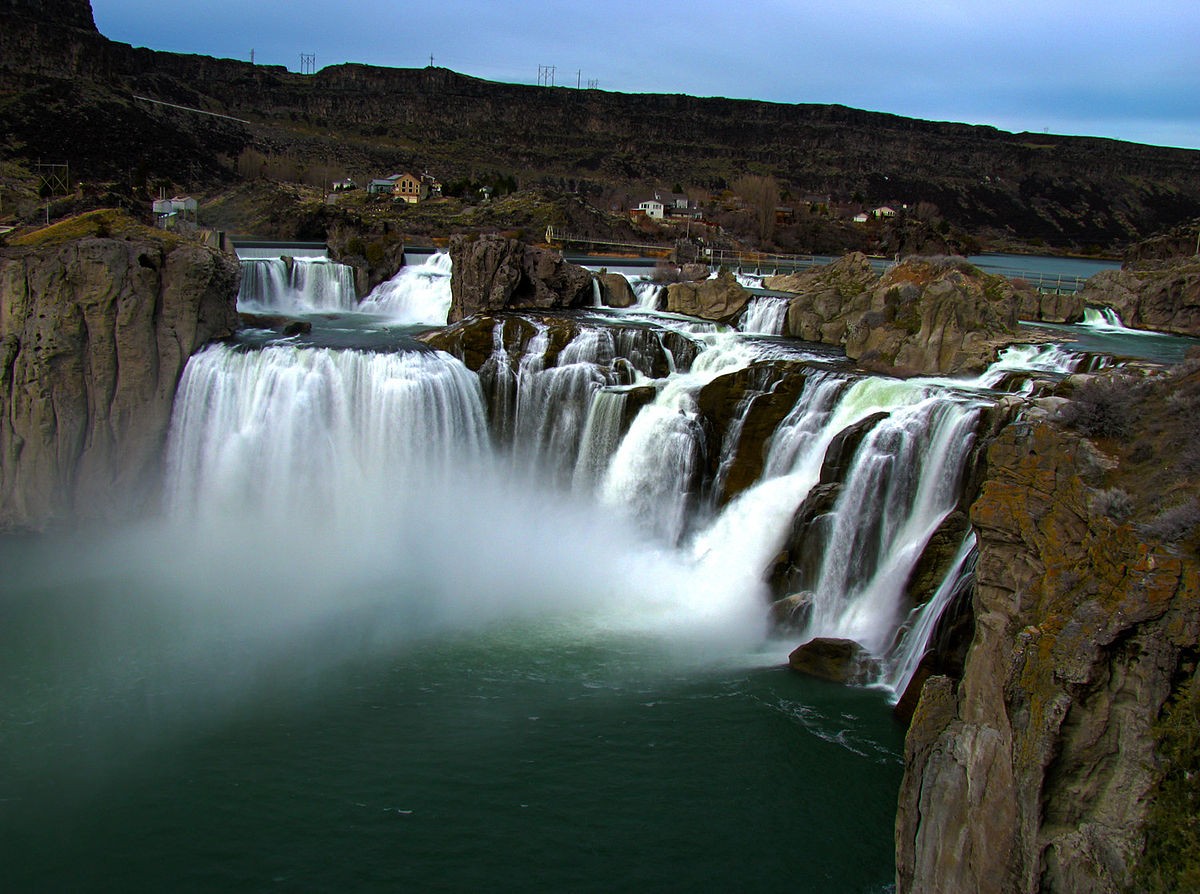
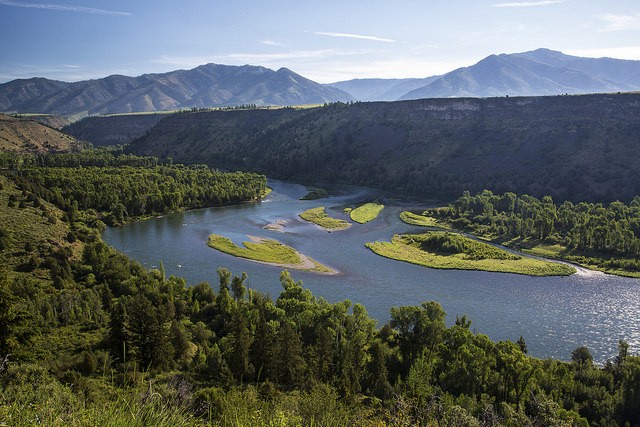
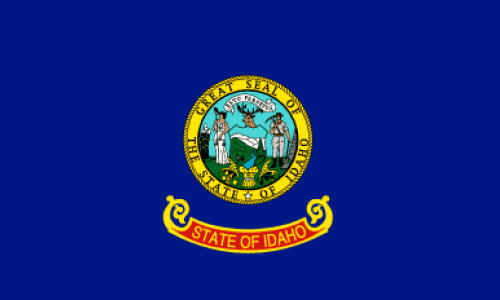
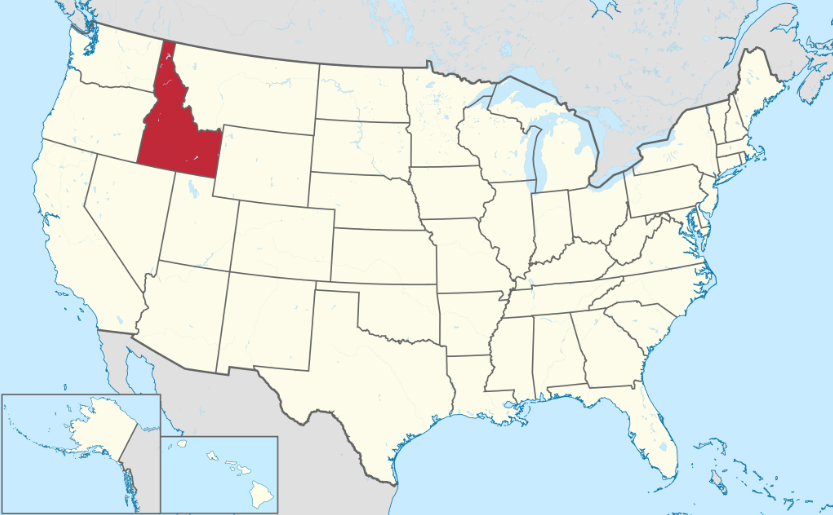
Idaho, located in the northwestern region of the United States, is a Rocky Mountain state. Its mostly rugged landscape features snow-capped peaks, river rapids, lakes, steep canyons and spectacular gorges. Hells Canyon, which at one point plunges 2408 metres (7900 feet) below the mountaintops, is the deepest gorge in North America. The Snake River flows in a great arc across the south of the state. Rising to the north of the Snake River Plain are the towering Sawtooth and Salmon River Mountains. Within these ranges are found vast wilderness areas, such as the Frank Church–River of No Return and the Selway Bitterroot.
Name
When the US Congress was planning to create a new territory in the Rocky Mountains in the early 1860s, a man named Willing suggested it be called "Idaho”. He claimed the word came from the Shoshone language and meant "the sun comes down from the mountains”—but he later confessed to having invented the name. In the event, Congress chose to call the area Colorado Territory. However, a steamship took the name Idaho instead, and when a county was created in eastern Washington Territory, it borrowed the ship's name. The eastern portion of Washington Territory, which included Idaho County, was separated off in 1863 and named Idaho Territory.
Alternative theories have the name "Idaho" coming from the Plains Apache word idaahe, which means “enemy”, or from the Nez Percé language, in which it means "the land of many Waters”. The steamship Idaho could have acquired its name from either of these languages.
Climate
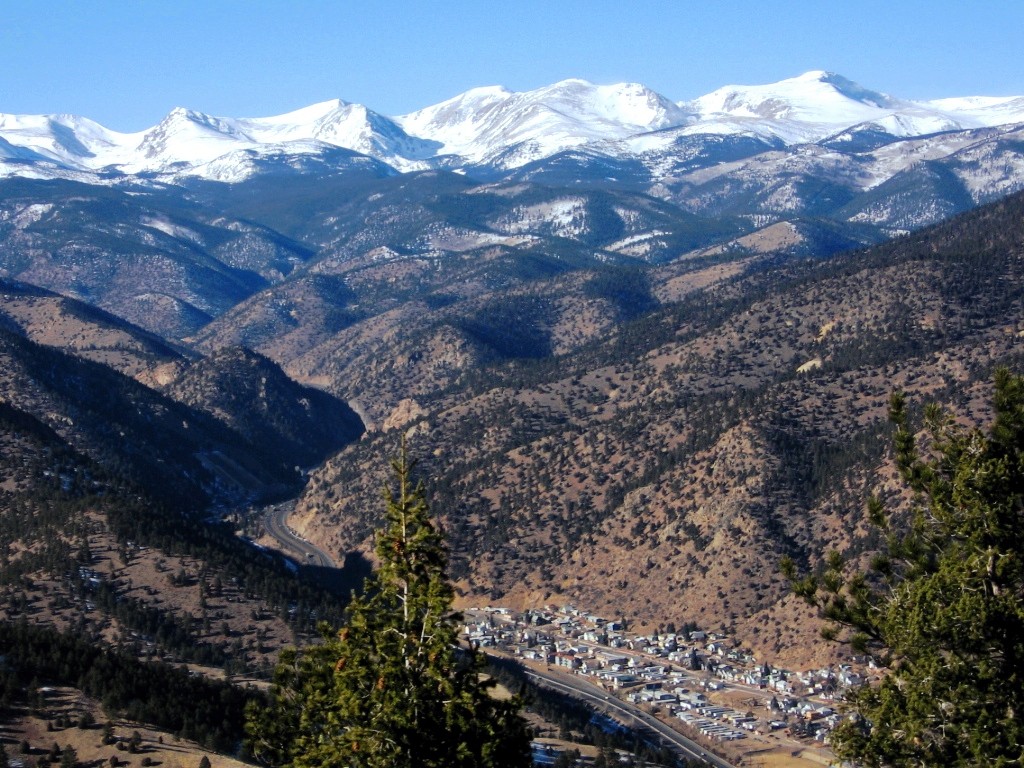
Idaho’s climate ranges from hot summers in the arid south to cold, snowy winters in the mountainous north. The influence of the Pacific Ocean is felt in the western parts of the state where winters are milder. In eastern Idaho, farther from the ocean, summers are wetter and winters drier, characteristic of a more semi-arid continental climate.
Economy
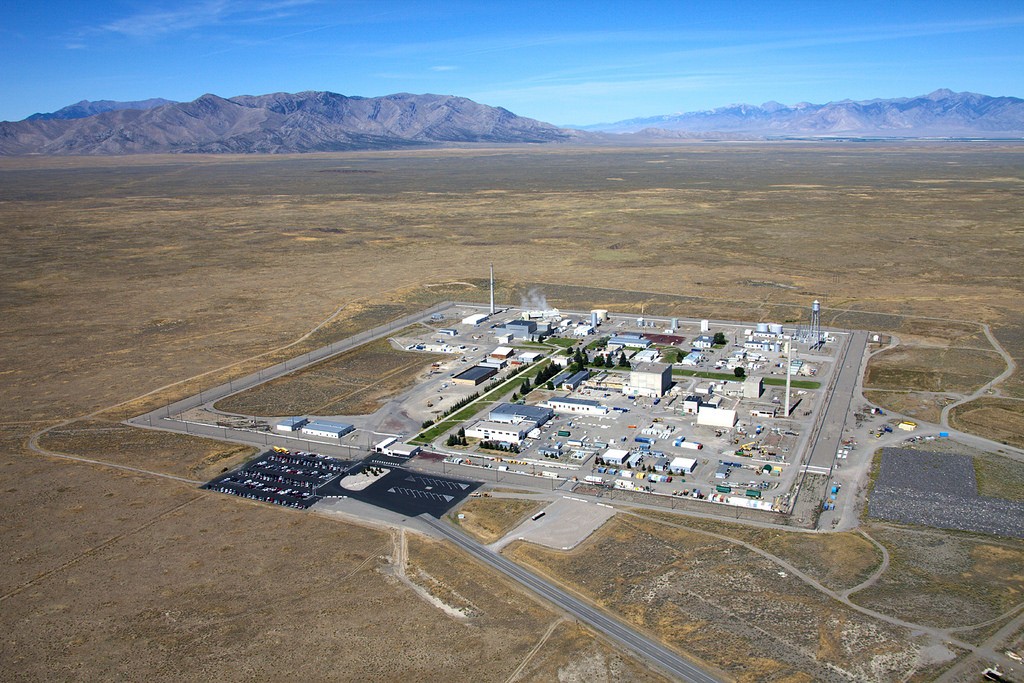
Manufacturing is the most important sector of Idaho’s economy. High technology industries are concentrated in the Boise metropolitan area, which has become a centre for semiconductor manufacturing. Other significant industries are food processing (especially cheese), timber, paper, machinery, chemicals, silver and other minerals, and tourism.
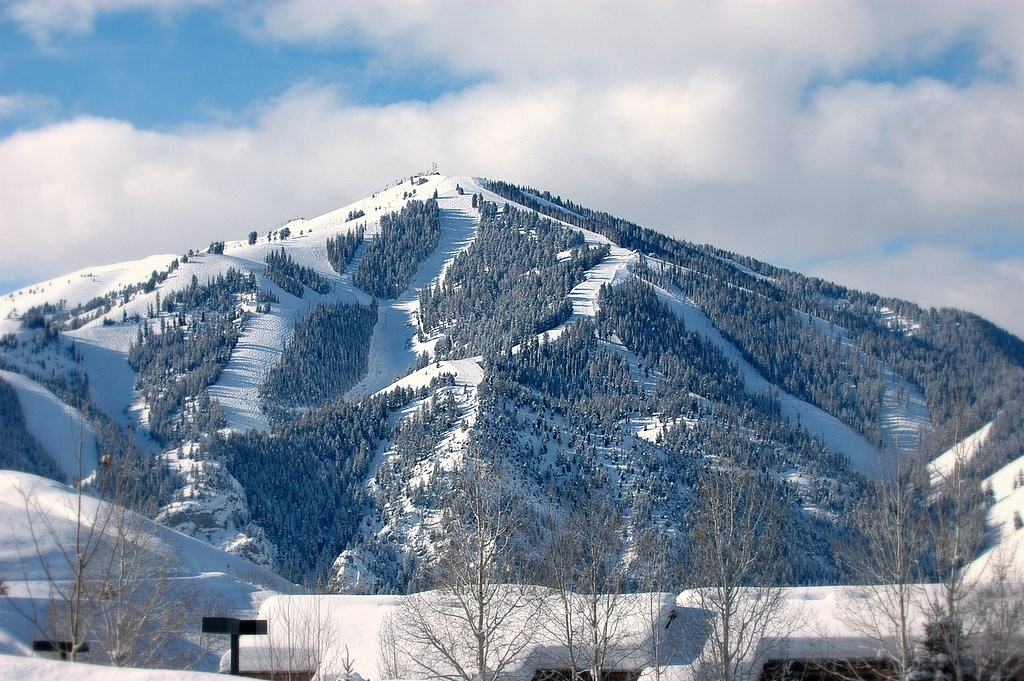
Idaho's streams and lakes offer fishing, camping and boating sites, while Sun Valley, along with other winter sports resorts, attracts thousands of visitors annually. Hydro-electric power plants built on Idaho’s rivers provide about three-quarters of the electricity generated in the state.
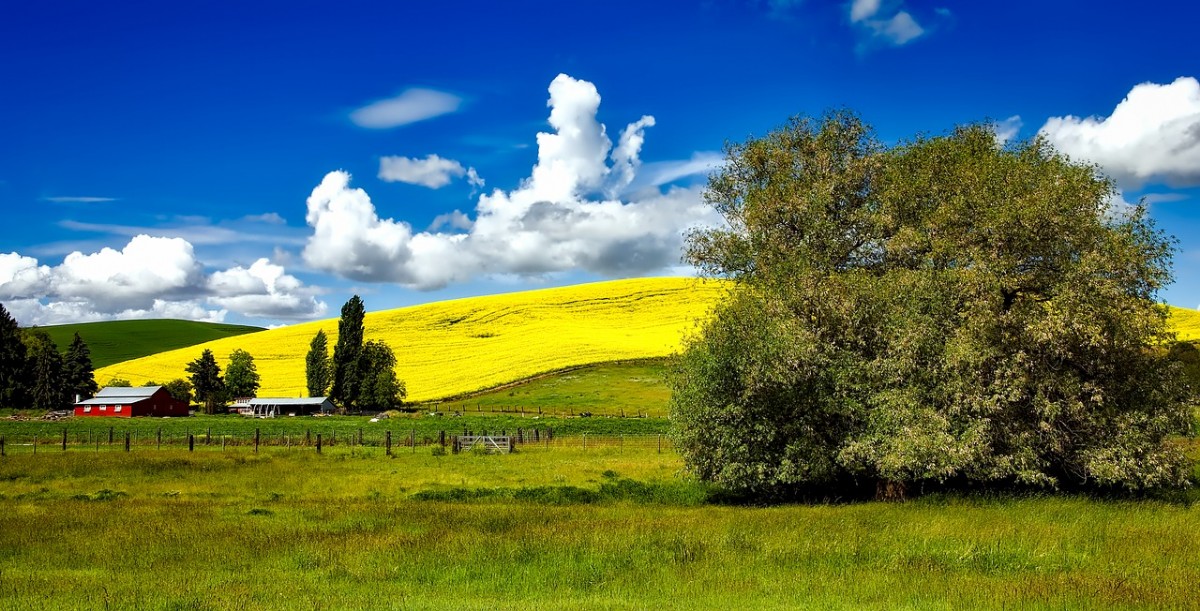
Cattle and dairy products are among the leading agricultural products. Idaho's chief crops are potatoes—for which the state is easily the nation's largest producer (it produces nearly one third of the potatoes grown)—hay, wheat, peas, beans, fruit, maize, wheat and sugar beet.
Facts about Idaho
Area 82,747 sq miles (214,315 sq km)
Highest point Borah Peak 12,662 ft (3859 m)
Population 1,964,726
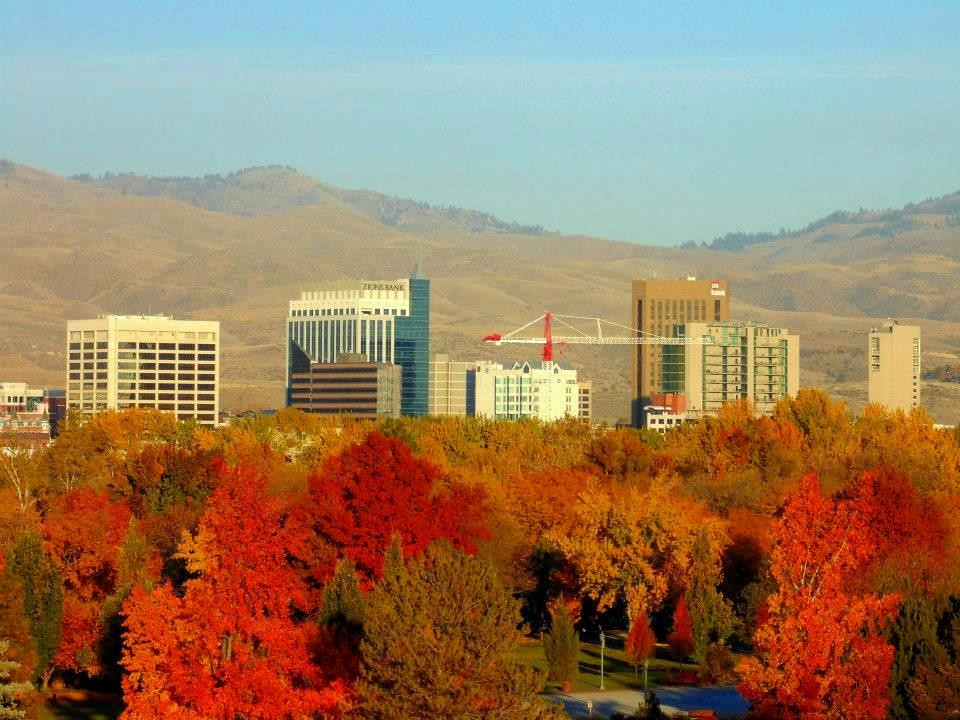
Capital Boise
Largest cities Boise, 235,421; Meridian, 134,801; Nampa, 114,268; Caldwell, 68,336; Idaho Falls, 68,001;
Nickname Gem State
State bird Mountain bluebird
State flower Syringa
State tree White pine
Consultant: Nicholas Harris
History of Idaho
14,500 years ago
Evidence of human activity in the Idaho area includes arrowheads found at Wilson Butte Cave near Twin Falls; they rank among the oldest dated artifacts in North America
18th century
Native American peoples in the area at the time of the first European explorers include the Nez Percé in the north and the Shoshone in the south.
early 19th century
French-Canadian fur trappers are active in the region; their influence is preserved in names that have survived to this day, including Nez Percé, Cœur d'Alène, Boisé and Payette
1805
Expedition led by Meriwether Lewis and William Clark crosses Idaho on the way to the Pacific Ocean, largely following the Clearwater River
1809
The first white settlement, Kullyspell House, is established on the shore of Lake Pend Oreille for fur trading by Canadian David Thompson of the North West Company
1811
A fur trading post is established at Astoria on the Columbia River by Jacob Astor
1812
Donald Mackenzie establishes a post on the lower Clearwater River near present-day Lewiston
1818
Idaho becomes part of Oregon Country, held jointly by the United States and Great Britain
1820s–40s
British trading companies and American mountain men engage in fur trapping
1846
Under the terms of the Oregon Treaty, US gains undisputed ownership of Oregon Country (which includes Idaho) south of the 49th parallel, previously claimed by both the US and Great Britain
1849
Idaho becomes part of Washington Territory after Oregon becomes a state
1850s–70s
Many Native American peoples, including Kootenai, Nez Percé, Western Shoshone, Bannock, Coeur d'Alene and Pend d'Oreille, are forcibly removed to reservations by US government
1860
Gold discovered on the Clearwater River; discoveries are also made on the Salmon River Basin in 1861 and in the Boise River basin in 1862
1860
First permanent settlement in Idaho established by the Mormons at Franklin
1861
Settlement at Lewiston is established
1863
Idaho Territory created
1880s
The coming of the railroads, including the Northern Pacific, brings new settlers; cities of Idaho Falls, Pocatello and American Falls are founded
1882
Gold discovered in the Coeur d'Alene; it is followed by some of the richest silver and lead mines in the world, including Kellogg, Bunker Hill and Sullivan
1890
Idaho becomes a state; its economy, previously focused on mining metals, starts to shift towards agriculture, including cattle and sheep ranching, forestry and tourism
1936
Sun Valley, the first destination winter resort in the US, is developed by W. Averell Harriman, the chairman of the Union Pacific Railroad
pics
Without in any way limiting Q-files Ltd’s exclusive rights under copyright, any use of this publication to “train” generative artificial intelligence (AI) technologies to generate text is expressly prohibited. Q-files Ltd reserves all rights to license use of this work for generative AI training and development of machine learning language models.