
States of the US

CITE
We have made every effort to follow citation style rules, but there may be some minor differences. If in doubt, please refer to the appropriate citation style manual.
Nebraska. (2026). In Q-files Encyclopedia, Geography, States of the US. Retrieved from
https://www.q-files.com/geography/states-of-the-us/nebraska
"Nebraska." Geography, States of the US, Q-files Encyclopedia, 1 Apr. 2026.
https://www.q-files.com/geography/states-of-the-us/nebraska.
Accessed 6 Aug. 2026.
Nebraska 2026. Geography, States of the US. Retrieved 6 August 2026, from
https://www.q-files.com/geography/states-of-the-us/nebraska
Geography, States of the US, s.v. "Nebraska," accessed August 6, 2026.
https://www.q-files.com/geography/states-of-the-us/nebraska


Nebraska
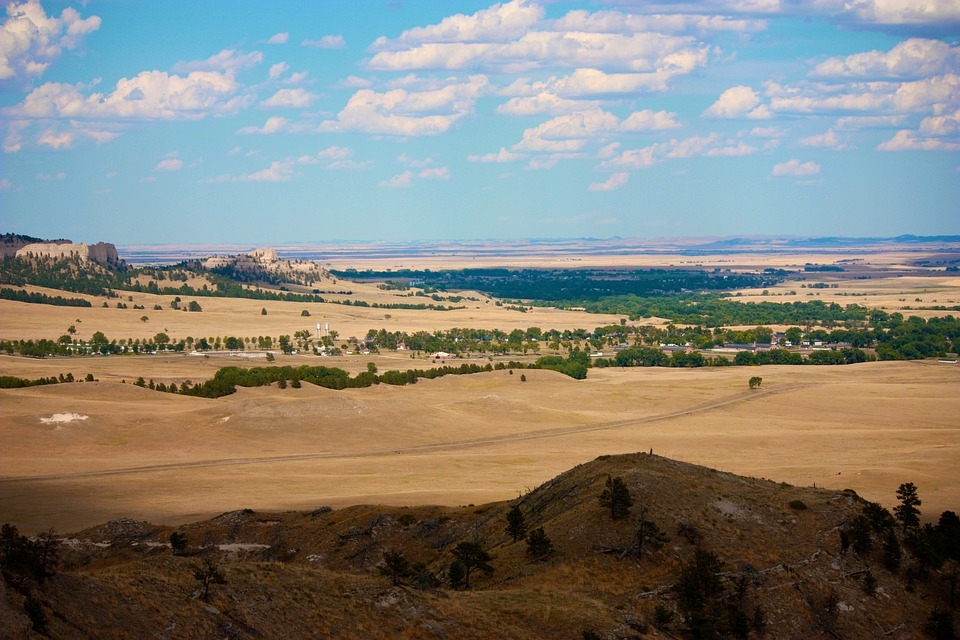
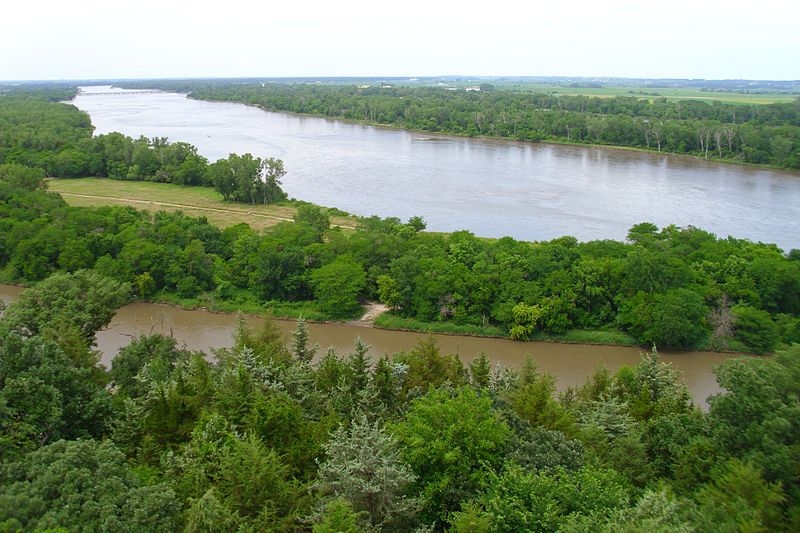
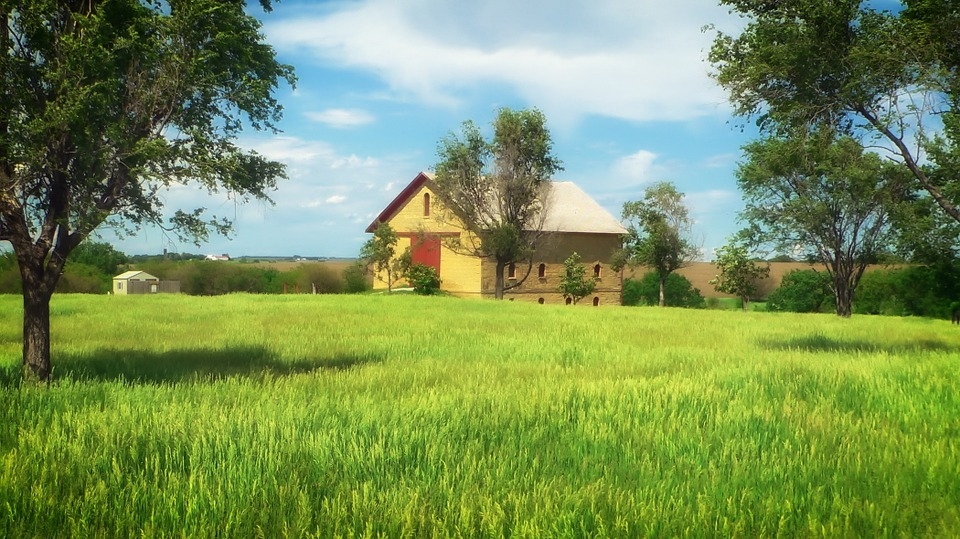
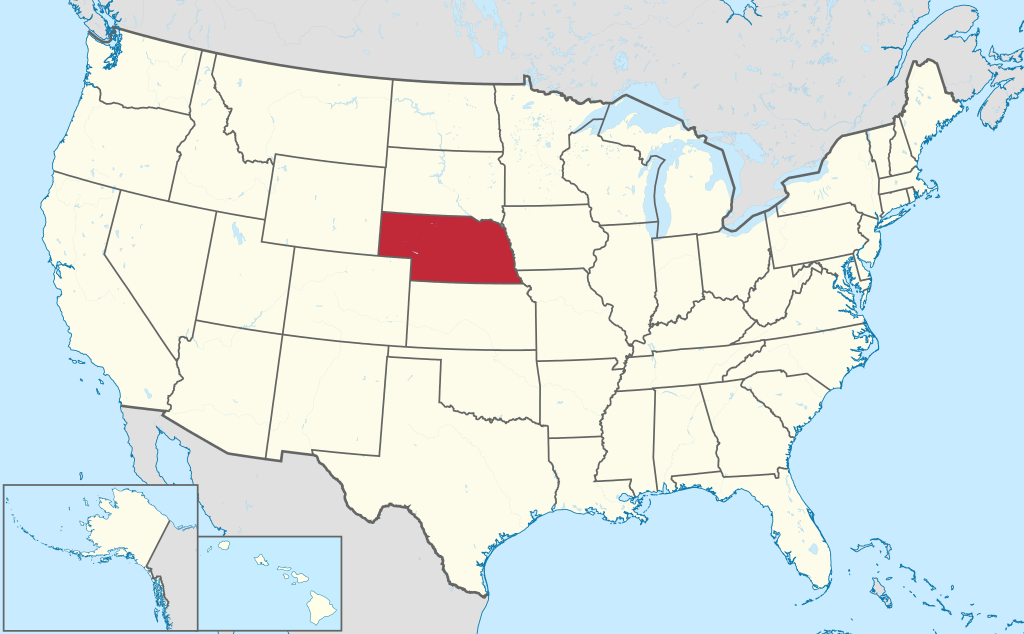
Nebraska is located in the Midwest region of the United States. The land rises gradually from east to west, from the banks of the Missouri, the state’s eastern border, to the foothills of the Rocky Mountains. The Platte River flows across the state from west to east to join the Missouri. The easternmost part of Nebraska was scoured by glaciers during the last Ice Age, then covered with till (sand, silt and other sediments) after the ice melted. This fertile region is where Nebraska’s two largest cities, Omaha and Lincoln, are located. The Great Plains occupy most of the rest of the state.

Name
Nebraska's name comes from the Native American words for “flat water”. This is a reference to the wide, shallow Platte River that flows through the state. In the Otoe language, the words are ni brahge. In the Omaha language they are ni bthaska.
Climate
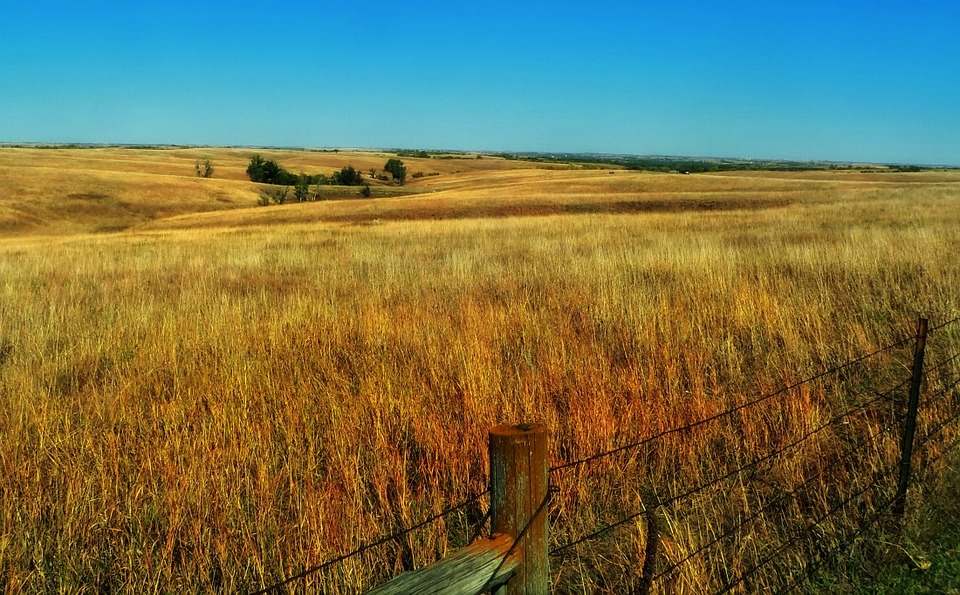
Nebraska lies in the heart of the North American continent and has a continental climate: very cold winters and very hot summers. It is more humid in the east than in the west, which is semi-arid. Temperatures may range from 40°F (-40°C) in the winter to 110°F (43°C) in the summer. Rainfall is almost twice as heavy in the east as in the west.
Nebraska is in Tornado Alley, and thunderstorms are common in the spring and summer months. Chinook winds from the Rocky Mountains can make temperatures a little warmer in western Nebraska during winter.
Economy
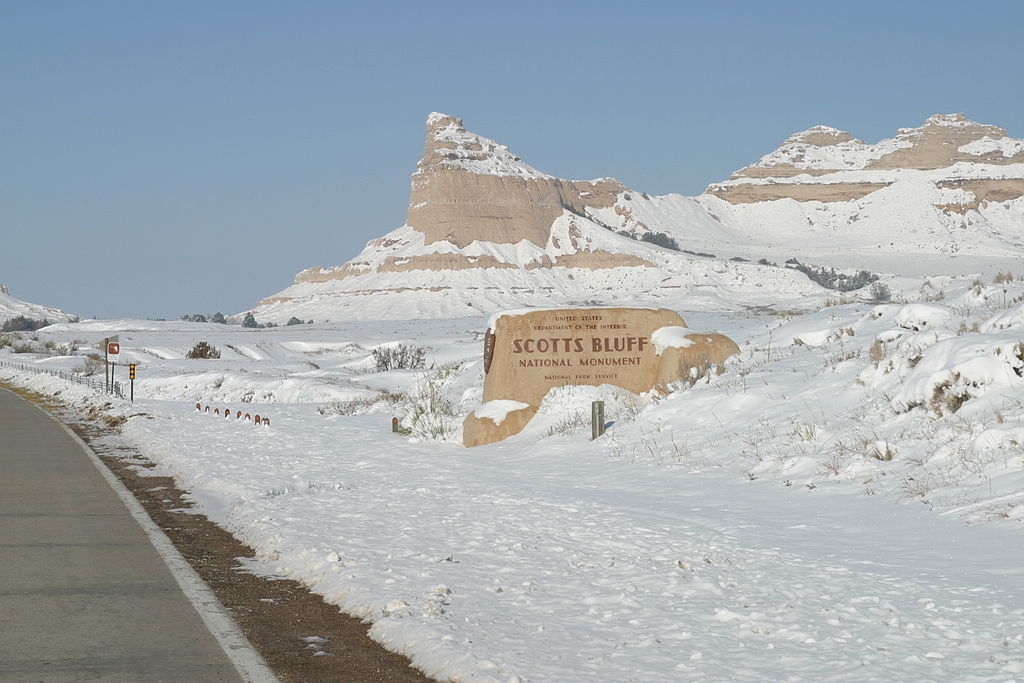
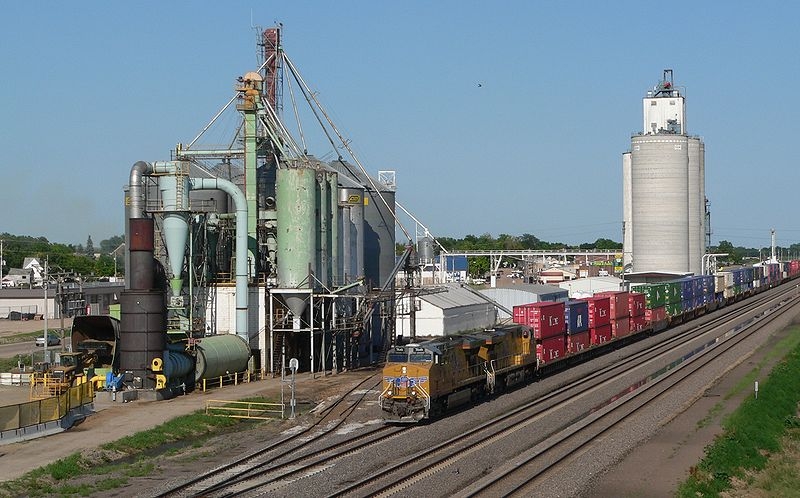
A farming state, Nebraska is known for cattle and pig raising as well as being a leading grain-producer. Its chief cereals are sorghum, maize and wheat. Soya beans, sugar beet and hay are also important crops. Nebraska's largest industry is food processing, especially beef production. Electronics, electrical machinery, metals and transportation equipment are also important manufactures.
Facts about Nebraska
Area 77,358 sq miles (200,365 sq km)
Highest point Panorama Point 5424 ft (1654 m)
Population 1,978,379
Capital Lincoln
Largest cities Omaha, 483,335; Lincoln, 294,757; Bellevue, 63,922; Grand Island, 52,622; Kearney, 34,362
Nicknames Cornhusker State, Beef State
State bird Western meadowlark
State flower Goldenrod
State tree Cottonwood
Consultant: Nicholas Harris
History of Nebraska
16th century
Native American peoples, including the Apache, Omaha, Missouria, Ponca, Pawnee, Otoe and Lakota (Sioux) live in the area of Nebraska at the time of European exploration
1541
The Spanish explorer Francisco Vásquez de Coronado and his men pass through the Nebraska area
1690s
Spain establishes trade links with the Apache in western Nebraska
1719
France sign treaties with the native peoples along the Missouri River
1720
Spanish forces under Lieutenant General Pedro de Villasur are massacred by Pawnee and Otoe forces, both allied to the French, near present-day Columbus
1762
France cedes the Louisiana territory, which includes Nebraska, to Spain during the French and Indian War with Britain
1795
The first European settlement in Nebraska is established near the mouth of the Platte by James Mackay on behalf of the Spanish
1803
Having re-acquired the the Louisiana Territory, control of the area passes from France to the US in the Louisiana Purchase
1804
The Lewis and Clark Expedition passes through Nebraska
1813
Bellevue, the first permanent settlement in Nebraska, is founded
1819
The arrival of steamboats on the Missouri River leads to the founding of river ports Omaha and Brownville
1830s–60s
The Platte valley is used by pioneers travelling west on the Oregon Trail, the California Trail and the Mormon Trail
1848
Western Nebraska is acquired by US following victory in the Mexican War
1854
Kansas-Nebraska Act: US Congress creates the territories of Kansas and Nebraska, divided by the 40° North parallel; Nebraska Territory includes parts of the current states of Colorado, North Dakota, South Dakota, Wyoming and Montana. The Act also enables residents of the new territories of Kansas and Nebraska to decide whether to permit slavery or not. This results in outbreaks of violence between anti- and pro-slavery factions in Kansas
1862
Under the Homestead Act, thousands of settlers migrate to Nebraska to claim free land granted by the federal government; the US government forces many of the Native American tribes to cede their lands and settle on reservations
1863
Nebraska Territory is reduced to its present size by the creation of the territories of Dakota and Colorado
1865
The Union Pacific Railroad begins construction at Omaha
1867
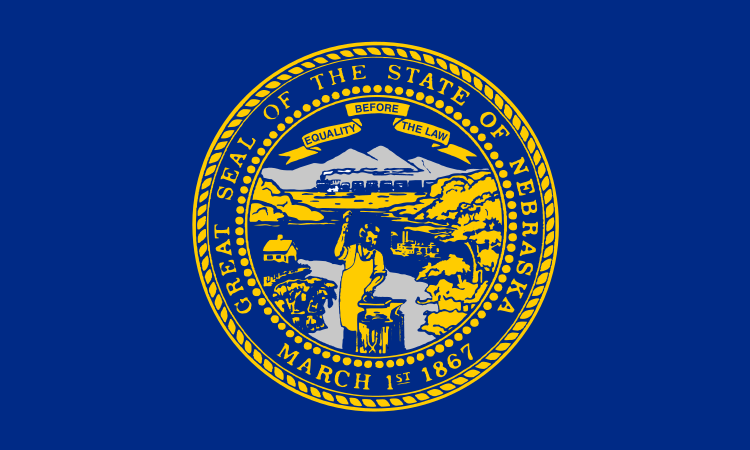
Nebraska becomes the 37th state; the capital is moved from Omaha to Lincoln, named after the recently assassinated President Abraham Lincoln
1873
The Battle of Massacre Canyon, one of the last major battles between the Pawnee and the Lakota (or Sioux), ends in a victory for the Lakota
1870s–80s
After wars with Pawnee and Sioux, Native American resistance to US settlement ends. Nebraska experiences a rapid growth in population by settlers from the eastern US. New inventions, such as barbed wire, windmills and the steel plough, enable settlers to make use of its prime farming land, suitable for both cattle grazing and cultivation
1883
Buffalo Bill's Wild West, a circus-style show featuring cowboy themes and episodes from the Indian Wars, opens in the North Platte area
late 19th century
Many African Americans migrate from the South to Nebraska as part of the Great Migration, chiefly to Omaha which offers jobs in meat packing, the railroads and other industries
1932
Great Depression hits Nebraska hard, causing drastic fall in grain and livestock prices
1933
Nebraska takes part in Federal Emergency Relief Act (FERA), part of President Roosevelt's New Deal
1940s
Cornhusker Ordnance Plant (COP) in Grand Island produces bombs for the World War II effort. At its peak it employs 4200 workers, over 40% of whom are Women Ordnance Workers or WOWs.
2007
Nebraska's deadliest mass shooting occurs at Westroads Mall in Omaha. Nine people die and five are injured.
pics
Without in any way limiting Q-files Ltd’s exclusive rights under copyright, any use of this publication to “train” generative artificial intelligence (AI) technologies to generate text is expressly prohibited. Q-files Ltd reserves all rights to license use of this work for generative AI training and development of machine learning language models.