
States of the US

CITE
We have made every effort to follow citation style rules, but there may be some minor differences. If in doubt, please refer to the appropriate citation style manual.
California. (2026). In Q-files Encyclopedia, Geography, States of the US. Retrieved from
https://www.q-files.com/geography/states-of-the-us/california
"California." Geography, States of the US, Q-files Encyclopedia, 1 Apr. 2026.
https://www.q-files.com/geography/states-of-the-us/california.
Accessed 21 Sep. 2026.
California 2026. Geography, States of the US. Retrieved 21 September 2026, from
https://www.q-files.com/geography/states-of-the-us/california
Geography, States of the US, s.v. "California," accessed September 21, 2026.
https://www.q-files.com/geography/states-of-the-us/california


California
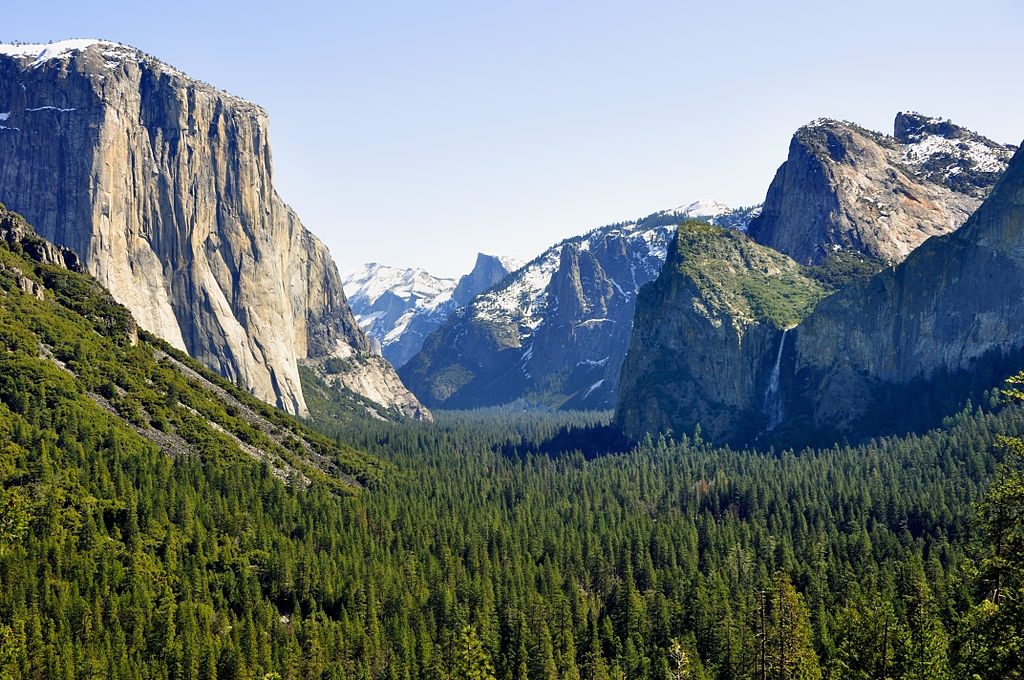
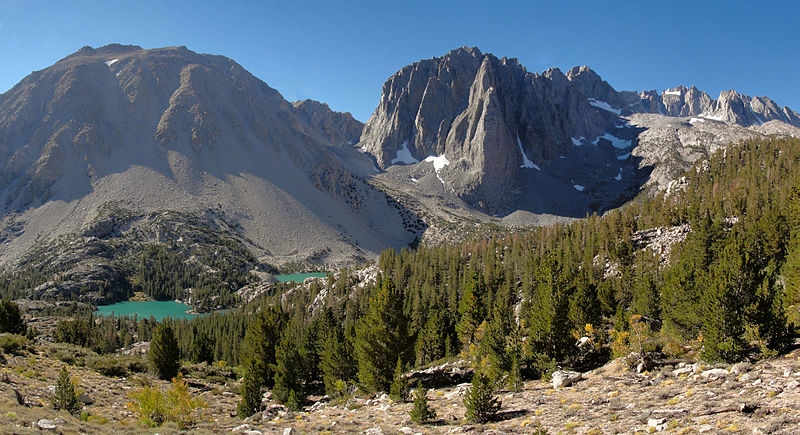
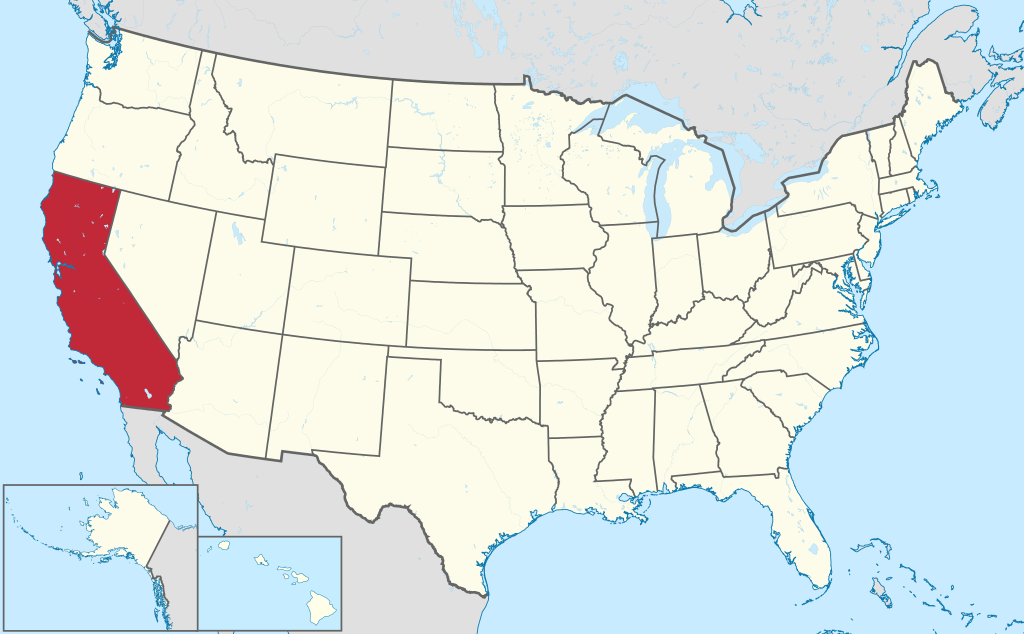
California is located in southwest United States. Northern and central California is bounded by two mountain ranges: the Sierra Nevada (Spanish for "snowy range") in the east and the Coast Ranges running down the Pacific Coast. Between them lies the Central Valley, California’s rich agricultural heartland, made up of the Sacramento Valley in the north and the San Joaquin Valley in the south. Water is diverted from the rivers here through an extensive network of canals to provide drinking water and irrigation for much of the rest of the state. Almost all of southeastern California is arid or semi-arid. The central part of this region is called the Mojave Desert. Northeast of it lies Death Valley, both the lowest and hottest location in North America. In the far south is the Salton Sea, a salt lake.


Name
The name "California" originally referred to the entire region that included the Baja California (lower California) peninsula of Mexico, as well as the American Southwest (Alta California, or upper California). Spanish explorers named California after "Califia", a mythical island paradise described in the story Las Serges de Esplandian, written by Garcia Ordonez de Montalvo in about 1510.
The paradise was inhabited by strong and beautiful black women, called Amazons. They were led by a Queen Calafia (or Califia). She fought alongside Muslims (who ruled parts of Spain at the time), and her name was chosen to echo the title of a Muslim leader, the Caliph. The Spanish gave the name originally to Baja California, which they took to be an island at the time.
Climate
Much of California has a Mediterranean climate, with hot summers and mild winters, although there is great variety in different parts. The cool California Current often creates summer fog near the Pacific coast. Farther away from the ocean, the summers are hotter and the winters colder. Northern areas have a more temperate climate, cooler and wetter than the south. The Sierra Nevada has a mountain climate with snow in winter and moderately warm temperatures in summer.
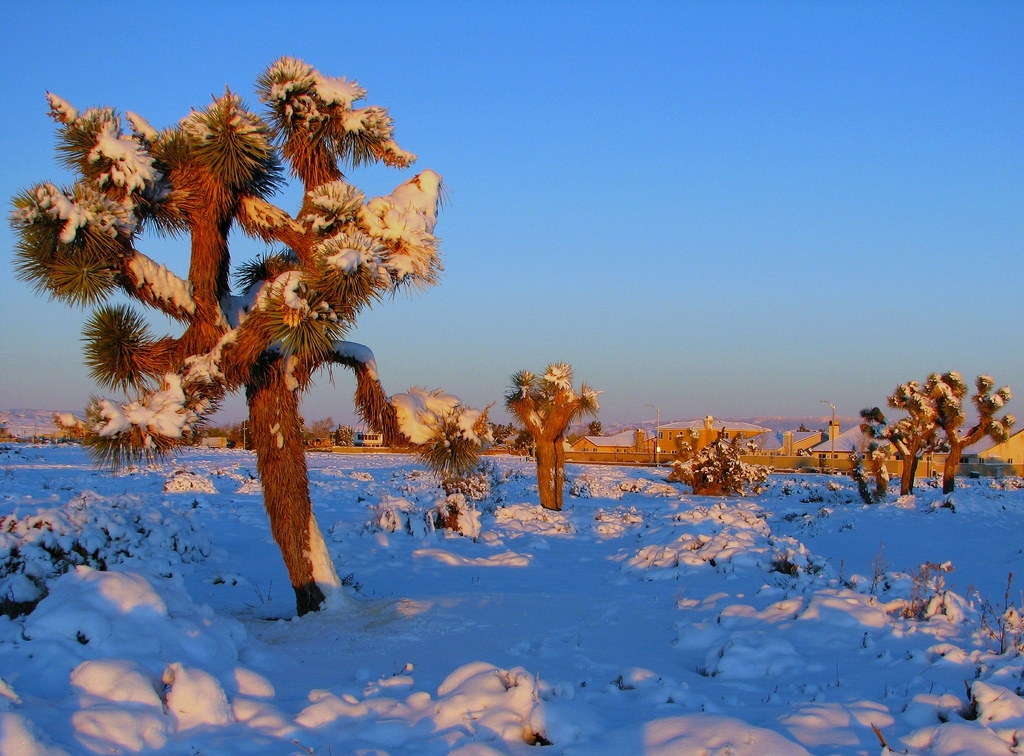
California's mountains produce a “rain shadow” on the southeastern side of the state, creating a desert climate. The upland deserts have hot summers and cold winters, while the low-lying deserts have milder winters.
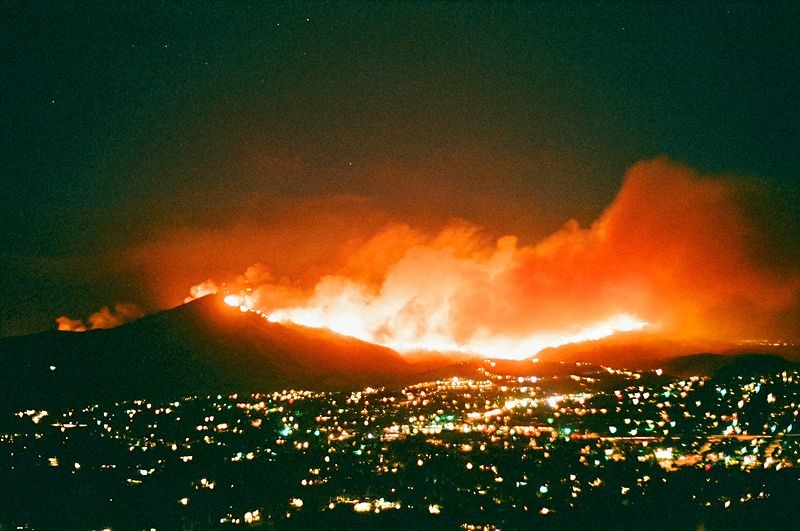
California has dry, windy and often hot weather in summer, which can lead to drought and sometimes devastating wildfires. These wildfires are often fanned by Diablo winds in northern California or Santa Ana Winds in the south. The Camp Fire of 2018, the worst wildfire in the state's history caused by human activity (in this case, probably sparks from overhead power lines), devastated an area of 62,053 hectares (almost 240 square miles).
Economy
Although only a small part of the state's economy, California's agriculture has the highest output of any US state. Its most valuable products are milk and cream, almonds, oranges and grapes. California is the leading producer of other fruits and vegetables, including carrots, lettuce, onions, broccoli, tomatoes and strawberries. The state also produces most of the US’s wine. Fishing is another important industry.
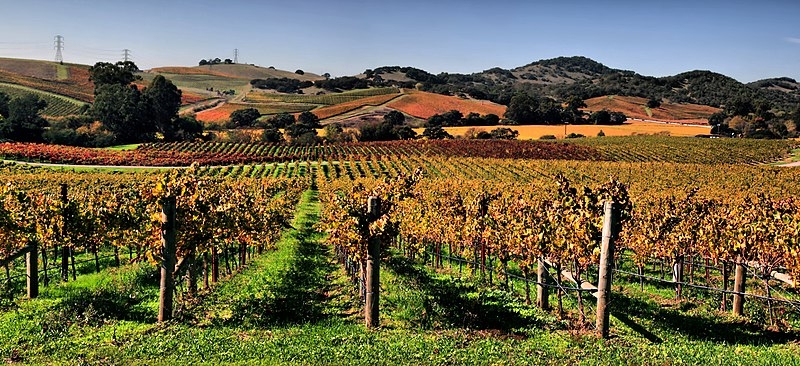
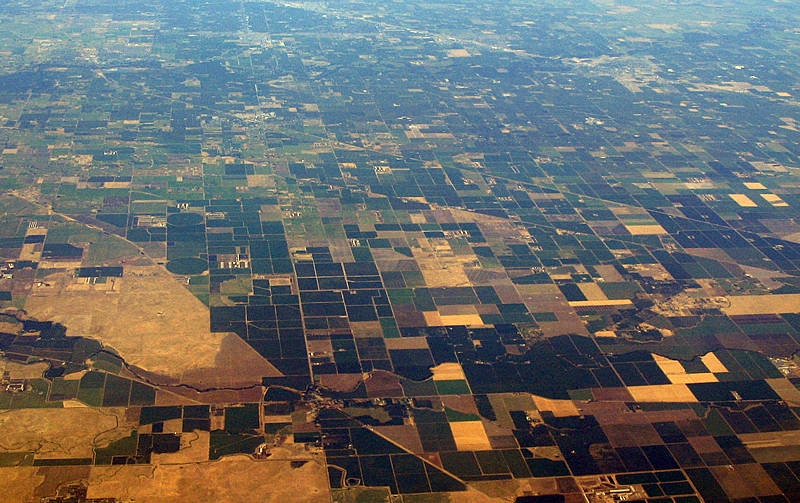
California's industry was once dominated by the processing of farm produce. Nowadays, computers and electronic products are the state's top exports. California is the major centre for the production of movies and TV films, especially in Hollywood and Burbank. Tourism is also a vital industry. Theme parks such as Disneyland and Sea World draw millions of visitors each year. California's national parks, forests and beaches are also very popular.
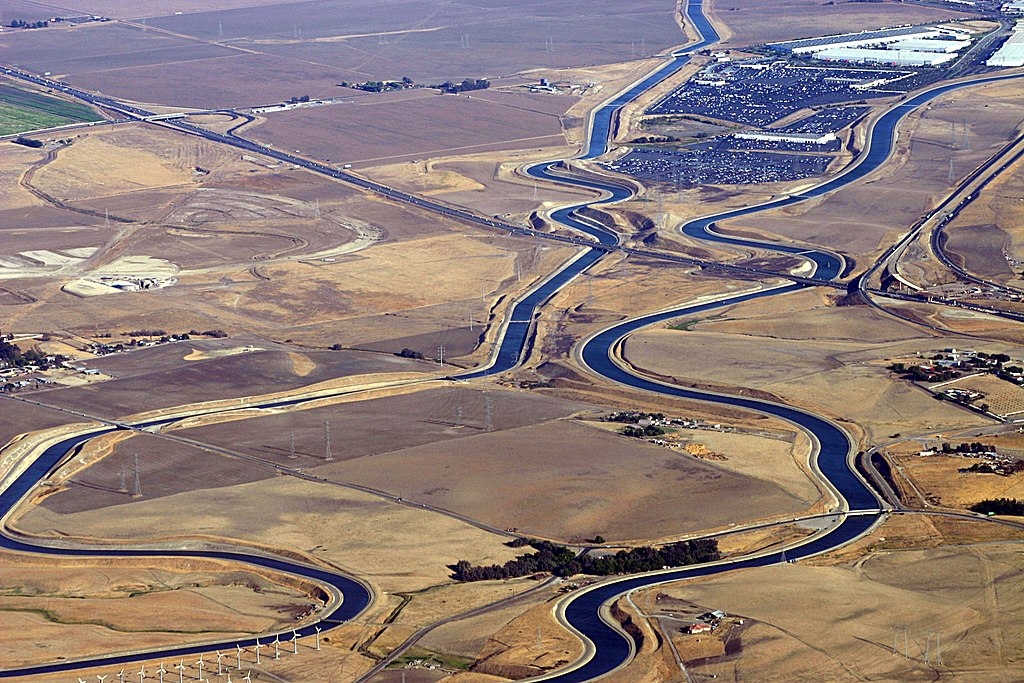
Water shortages
California has an ever-growing need for water, particularly in times of drought, which has become more or less continuous since 2000 (as part of the southwestern North American "megadrought"). Groundwater, snow on mountaintops feeding rivers and reservoirs such as Lake Mead (on the border between Nevada and Arizona) are all sources of water for the state, but these have been shrinking in recent decades.
In the arid Imperial Valley, south of the Salton Sea, irrigation is controlled by the All-American Canal, which draws water from the Colorado River and makes the area lush with cultivated fields.
San Francisco
San Francisco was founded in 1776, when colonists from Spain established a presidio (fort) and later a mission at the tip of what is now the San Francisco Peninsula. They named both after St Francis of Assisi. The area became part of Mexico after independence from Spain in 1821, although American settlers from the east began to arrive in the newly established town on the site, then known as Yerba Buena, in the 1830s and 40s. The town, renamed San Francisco, along with the surrounding territory, was handed over to the United States after Mexico's defeat in the Mexican–American War in 1848.

In 1849, the California Gold Rush brought a flood of treasure seekers (known as "forty-niners”) to San Francisco, many arriving by ship. It rapidly became the largest city on the West Coast. Development of the port and completion of the Pacific Railroad in 1869 made San Francisco a centre for trade. Chinese railway workers created the city's Chinatown quarter. By 1890, San Francisco's population had reached around 300,000.


After three-quarters of the city was destroyed by the 1906 earthquake and fire, San Francisco was quickly rebuilt. A number of reservoirs, along with tunnels and bridges, including the San Francisco Bay and Golden Gate bridges, were constructed in the following decades. The rise of the "hippie" counter-culture and opposition to the United States' involvement in the Vietnam War in the 1960s made San Francisco a centre for liberal activism and gay rights. Already a major financial centre, the city’s economy was further boosted by the emergence of hi-tech industries in the 90s and 2000s.
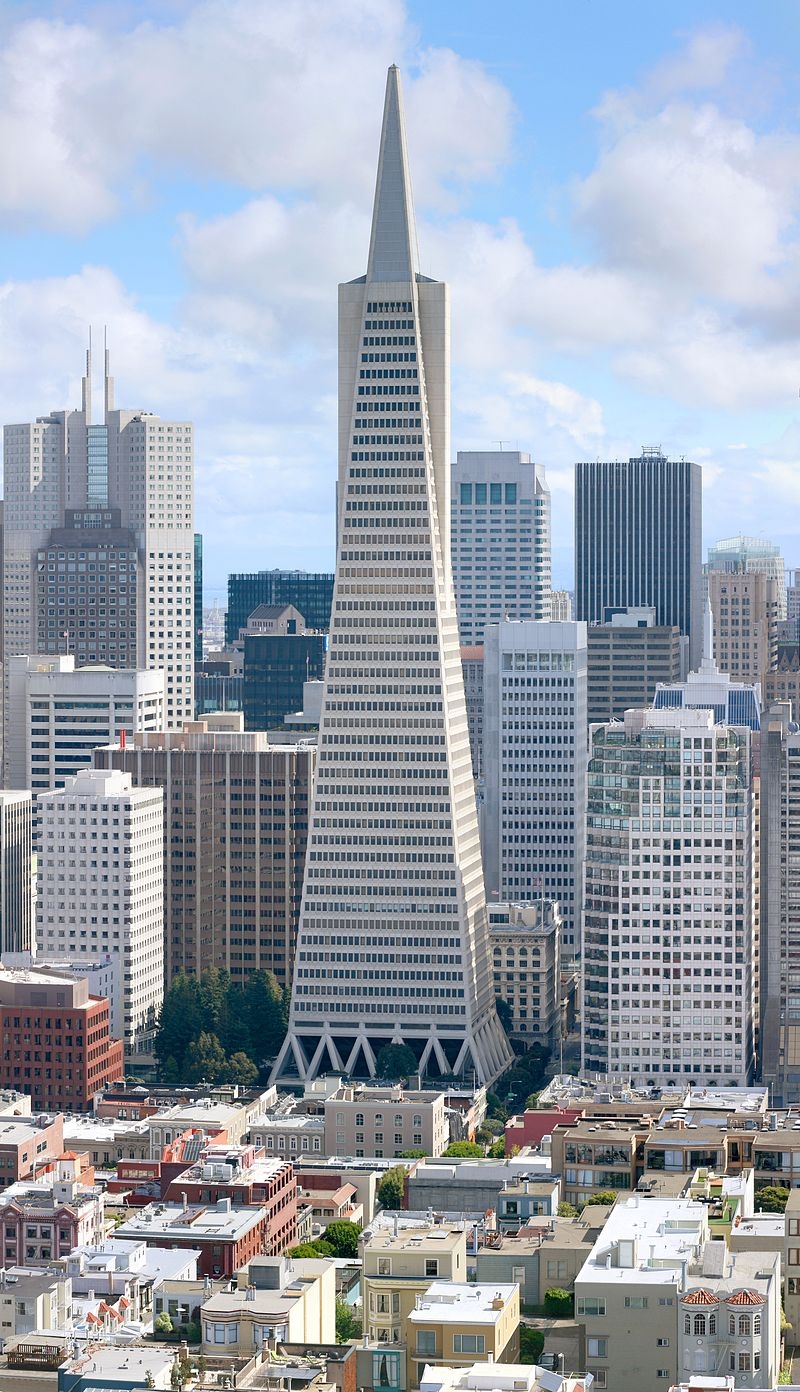
A popular tourist destination, San Francisco is known for its steep hills, summer fogs, the Golden Gate Bridge, Alcatraz Island, cable cars, Fisherman's Wharf and its Chinatown district. The city is also the headquarters of many well known companies such as Levi Strauss, Reddit, Airbnb, Weebly, Pinterest, Twitter, Uber, Mozilla and the Wikimedia Foundation.
Silicon Valley
The southern part of San Francisco Bay Area, centred on the Santa Clara Valley between Palo Alto and San Jose, is home to many of the largest technology companies in the world. It was nicknamed “Silicon Valley” after the many companies producing semiconductors: computer and electronic components made from the chemical element silicon. It was in Silicon Valley that the microprocessor and microcomputer were first developed. The Valley is also a focus of software development and other hi-tech industries, and is now the home to many of the world's largest hi-tech corporations, including the headquarters of Apple, eBay, Facebook, Google, Intel, Hewlett Packard, Netflix, Tesla Motors—and thousands of start-up companies.

Los Angeles
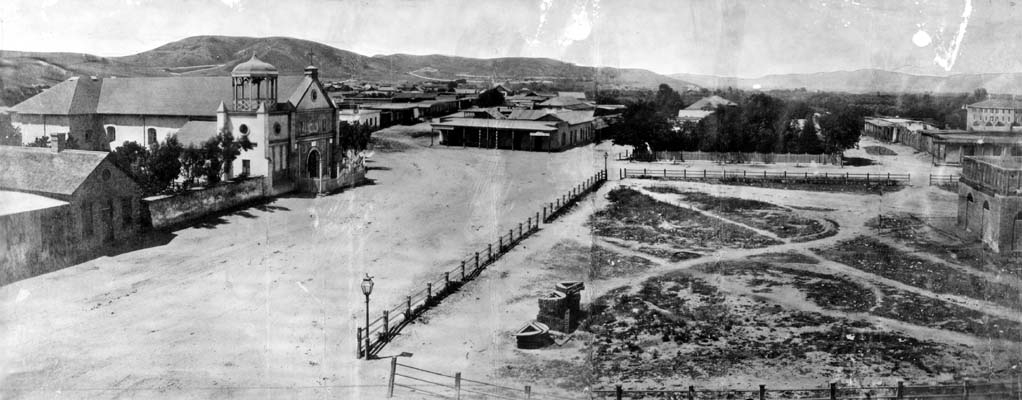
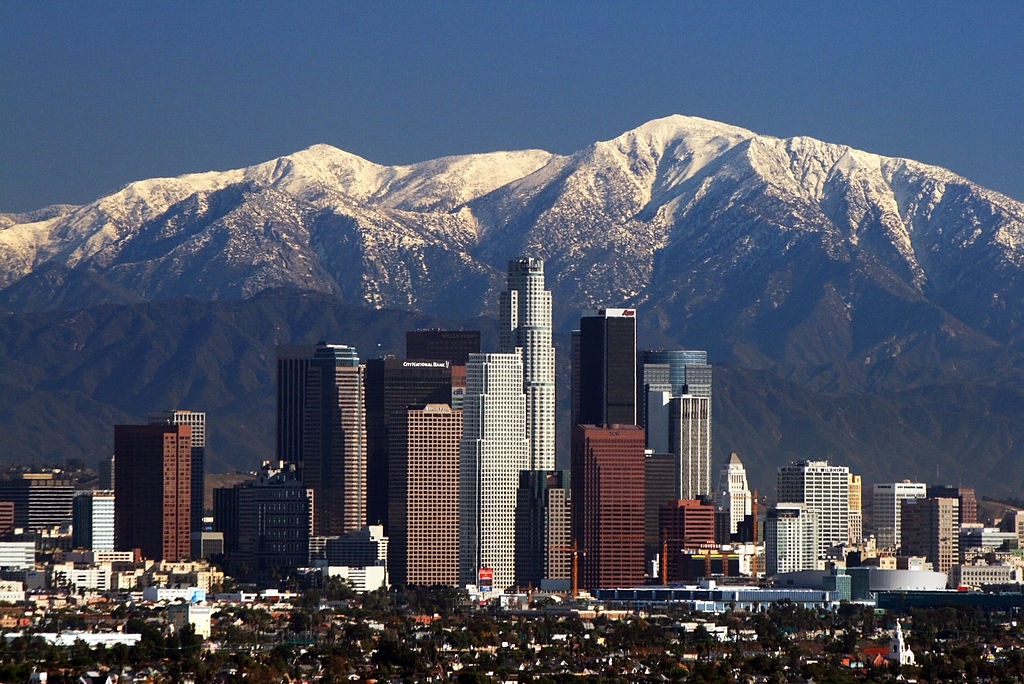
Los Angeles (Spanish for "The Angels”), often known just by its initials, L.A., is the second most populous city in the United States after New York City. The city was founded on a coastal plain surrounded by mountains in 1781 by Spanish governor Felipe de Neve. The settlement was named: El Pueblo de Nuestra Señora la Reina de los Ángeles de Porciúncula (“The Town of Our Lady the Queen of the Angels of Porciúncula”). Los Angeles became a part of Mexico in 1821 following the Mexican War of Independence, before being ceded to the United States along with the surrounding territory in 1848 following Mexico's defeat in the Mexican–American War.
The discovery of oil in 1892 led to rapid growth of what was then still a small town. The completion of the Los Angeles Aqueduct in 1913, brought a reliable water supply from the Sierra Nevada mountains, allowing the city, now with some 100,000 inhabitants, to expand more. During the early 20th century Los Angeles continued to boom. By the early 1920s it had overtaken San Francisco in size. By 1939 it had a population of over 1.5 million.
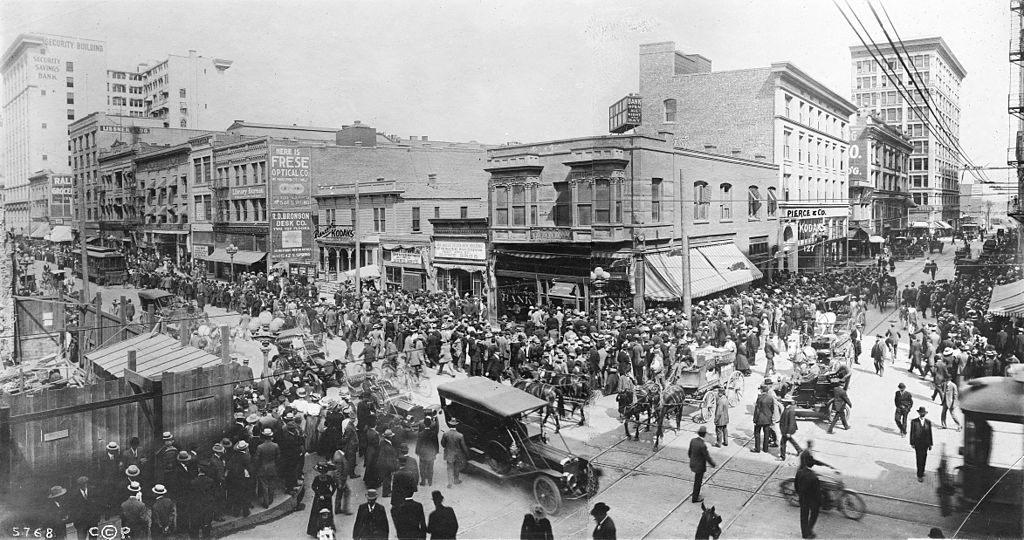
Hollywood, a small residential area, was already home to 10 movie companies by the time it merged with nearby Los Angeles in 1910. In the early 1900s, most motion picture patents were held by Thomas Edison's company in New Jersey, so filmmakers had moved west to avoid their productions being stopped. Ideal weather and quick access to varied scenery (mountains, city streets, deserts etc.) suited them well. Ten years later more than 80% of the world's movie industry was concentrated there. Today, one in every six residents of Los Angeles works in a creative industry.
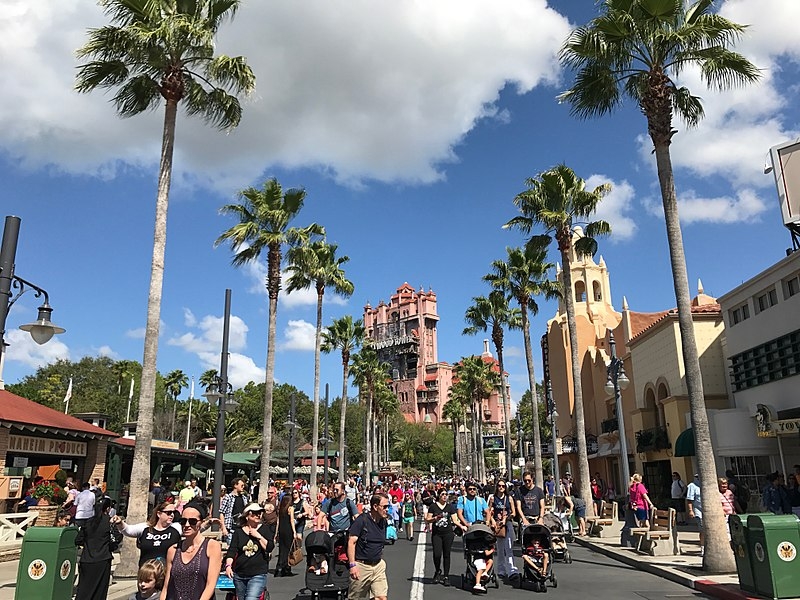

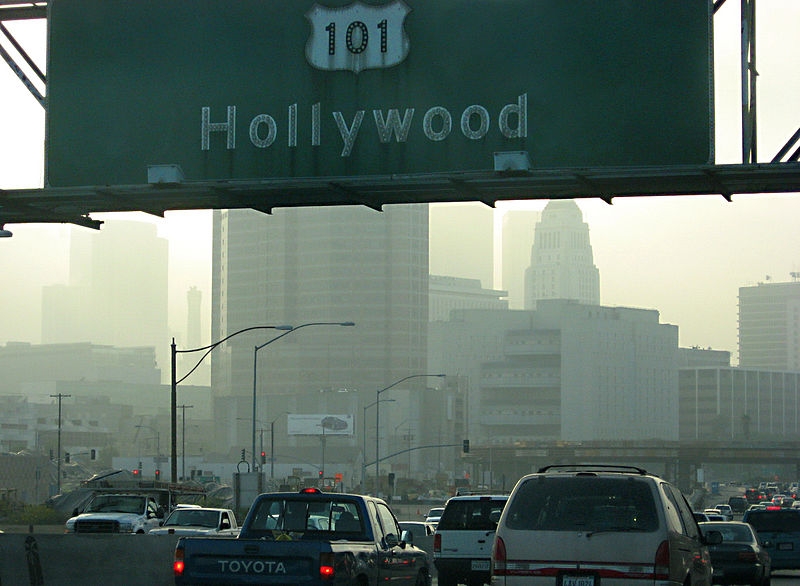
During World War II, Los Angeles was a major centre of military manufacturing, such as shipbuilding and aircraft. After the war, Los Angeles sprawled into the San Fernando Valley, suburban growth fuelled by the expansion of roads and car ownership. L.A.’s roads are designed to move large volumes of traffic through the city, but the city still suffers major congestion. Because of its geography, low rainfall and heavy reliance on road traffic, Los Angeles also suffers from air pollution in the form of smog.
Los Angeles hosted the 1932 and 1984 Olympics and will host them for a third time in 2028. Serious race riots involving African Americans broke out in 1965 and again in 1992, resulting in multiple deaths and widespread damage.
Located close to the San Andreas Fault system, Los Angeles is subject to frequent earthquakes (around 10,000 annually, though most of them are too small to be felt). It is vulnerable to what is often described as the “Big One", a potentially large and devastating quake.
San Diego
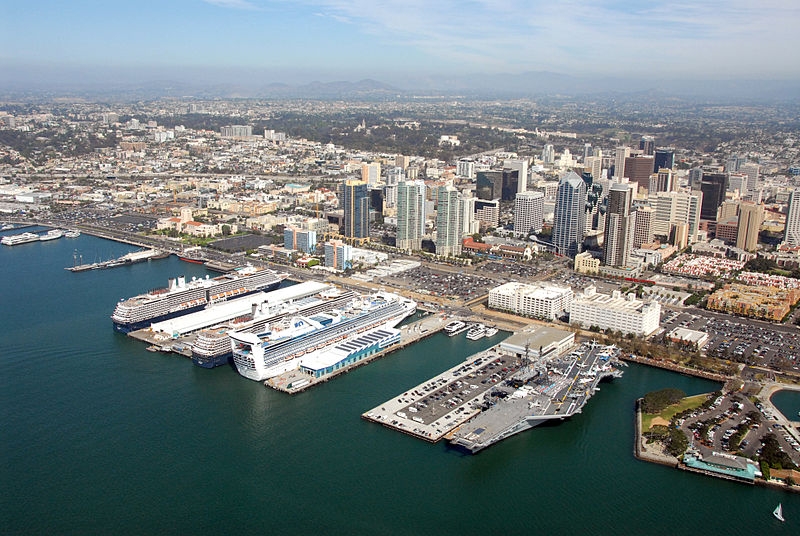
San Diego is today part of the San Diego–Tijuana conurbation, an urban area that straddles the border between the US and Mexico with a population of around 5 million people. It was the first site on the west coast visited by Europeans: Spanish explorer Juan Rodríguez Cabrillo claimed the area for Spain when he landed in San Diego Bay—then part of an area inhabited by the Kumeyaay Native American people—in 1542. The Presidio (fort) and Mission San Diego de Alcalá, founded in 1769, was the first European settlement in what is now California.
Today, San Diego's natural deep-water harbour is a busy commercial port and a hub of US naval operations. Other leading industries are electronics, aerospace, medical research and biotechnology. The city's climate and beaches attract tourism.
Facts about California
Area 155,959 sq miles (403,934 sq km)
Highest point Mount Whitney 14,505 ft (4421 m)
Population 38,965,193
Capital Sacramento
Largest cities Los Angeles, 3,820,914; San Diego, 1,388,320; San Jose, 969,655; San Francisco, 808,988; Fresno, 545,716; Sacramento, 526,384; Long Beach, 466,742
Nickname Golden State
State bird California quail
State flower Golden poppy
State tree Coast redwood and giant sequoia
Consultant: Nicholas Harris
History of California
16th century
A large number of Native American peoples live in California at the time of the first European exploration. They include the Chumash, Pomo and Salinan
1533
Baja California (Lower California, now part of Mexico) is explored by the Spanish in 1533; what is now the state of California is known as Alta California (Upper California)
1542
A Spanish naval expedition, led by Portuguese captain Juan Rodríguez Cabrillo, explores the Californian coast
1579
The English explorer Francis Drake also explores and claims part of the California coast for Queen Elizabeth I; he lands near Point Reyes, north of San Francisco
1602
Sebastián Vizcaíno surveys several California locations for future settlement, including San Diego, Santa Barbara and Monterey
1769
Gaspar de Portolá leads an expedition up the Pacific coast and establishes a mission in San Diego Bay
1770
The Spanish build several forts (presidios), missions and small towns (pueblos) on the Californian coast
1776
Juan Bautista de Anza founds San Francisco, where he establishes a military outpost; the early Spanish colonists, called the Californios, live as cattle-raisers
1781
Spanish governor Felipe de Neve founds the town of Los Angeles
1812
Russian fur traders explore the California coast and establish a trading post at Fort Ross, north of San Francisco Bay
1821
Mexican War of Independence gives Mexico (including California) independence from Spain; for the next 25 years, Alta California is a northern province of Mexico
1820s
Trappers and settlers from other parts of the US start to arrive by land in Northern California
1836
Led by Juan Bautista Alvarado, Californios revolt against Mexico, declaring declared "free and sovereign" independence
1839
Swiss-born John Augustus Sutter establishes his "kingdom" of New Helvetia in the Sacramento Valley
1846
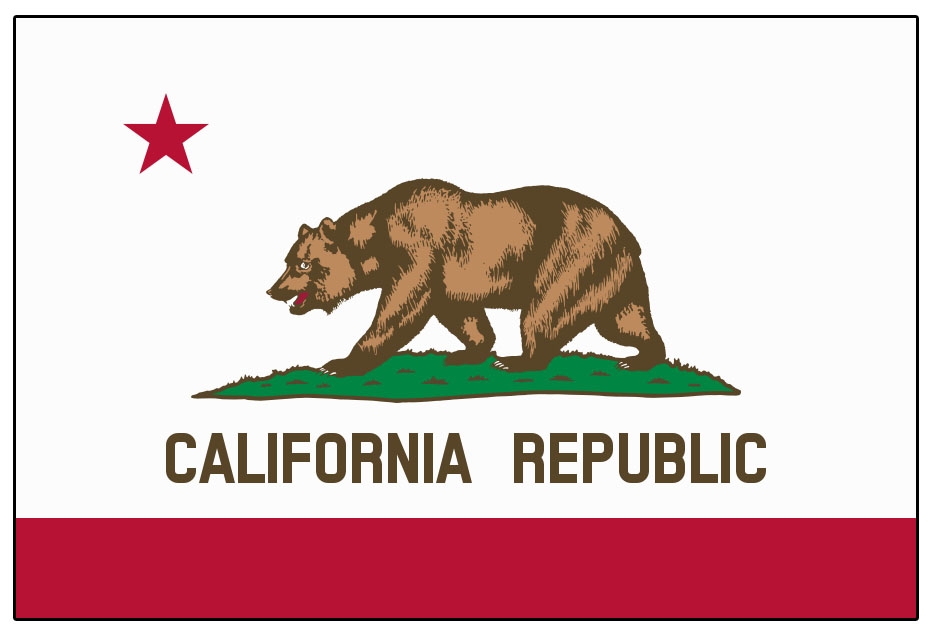
Under the influence of the American explorer John C. Frémont, settlers rebel against Mexican rule during the Bear Flag Revolt, declaring the establishment of the “California Republic" at Sonoma
1847
During the Mexican–American War (1846–48), the US gains control of California by the Treaty of Cahuenga
1848
Following the Treaty of Guadalupe Hidalgo that ends the war, the western territory of Alta (Upper) California, is ceded to the US; the region of Baja (Lower) California remains a possession of Mexico
1848–49
California Gold Rush: after gold is discovered, the population increases rapidly with immigrants from the rest of the US, Europe, China and elsewhere
1850
California is admitted to the Union as the 31st state; San Jose becomes the capital.
1850s
California's native population declines steeply as a result of European diseases to which they have no natural immunity; they are also forcibly removed from their lands by miners and farmers
1861
First vineyards planted
1868
Burlingame Treaty provides for unrestricted Chinese immigration
1869
Completion of the First Transcontinental Railroad through Donner Pass in the Sierra Nevada mountains; hundreds of thousands of US citizens travel west to farm the lands that, if irrigated during the dry summer months, are richly fertile, allowing wheat, vegetables, cotton and oranges to be grown
1906
San Francisco earthquake: three quarters of the city is destroyed
1913
California Alien Land Act is passed, providing that persons who are ineligible for US citizenship cannot own farmland in California
1920s
Filmmakers establish the studio system in Hollywood, by which a handful of major studios control film production and distribution
1951
Stanford Industrial, the world's first technology-focused office park, is built in Palo Alto; it plays a key role in the creation of Silicon Valley, home to many of the world's largest hi-tech corporations
1965
Riots take place in the Watts neighbourhood of Los Angeles, triggered by rumours of police brutality towards African Americans. Six days of civil unrest, resulting in 34 deaths, are eventually brought to an end by the California Army National Guard.
1989
Loma Prieta Earthquake: a 7.1 magnitude quake hits Bay Area
1992
Los Angeles riots: a series of riots and civil disturbances which begin after after a jury acquits four police officers charged with using excessive force in the arrest of Rodney King, an African American man. The incident is videotaped and widely shown on television. During the riots, 63 people are killed, more than 2000 are injured and more than 12,000 are arrested.
1994
A major earthquake hits the Northridge area of North Los Angeles
2018
The Camp fire, centred on the northern town of Paradise, becomes the deadliest and most destructive in California's history, with a death toll of 85 and nearly 19,000 structures destroyed.
2020
The August Complex wildfire becomes the largest in California's history, destroying an area of 417,898 hectares (1,032,648 acres).
2022–23
Severe storms between 31st December and 25th January bring hurricane-force winds and torrential rainfall, result in more than 20 deaths, floods, power outages, and mass evacuations across much of the state. It follows California’s driest years on record.
2025
Wildfires break out in the Los Angeles metropolitan area between 7th and 31st January, destroying large areas of Pacific Palisades, Topanga and Malibu. Driven by hurricane-force Santa Ana winds, they kill at least 29 people, force more than 200,000 to evacuate and destroy more than 18,000 homes and structures.
pics

Without in any way limiting Q-files Ltd’s exclusive rights under copyright, any use of this publication to “train” generative artificial intelligence (AI) technologies to generate text is expressly prohibited. Q-files Ltd reserves all rights to license use of this work for generative AI training and development of machine learning language models.