
Geography of the US

CITE
We have made every effort to follow citation style rules, but there may be some minor differences. If in doubt, please refer to the appropriate citation style manual.
Pacific Coast Ranges. (2026). In Q-files Encyclopedia, Geography, Geography of the US. Retrieved from
https://www.q-files.com/geography/geography-of-the-us/pacific-coast-ranges
"Pacific Coast Ranges." Geography, Geography of the US, Q-files Encyclopedia, 19 Aug. 2026.
https://www.q-files.com/geography/geography-of-the-us/pacific-coast-ranges.
Accessed 20 Aug. 2026.
Pacific Coast Ranges 2026. Geography, Geography of the US. Retrieved 20 August 2026, from
https://www.q-files.com/geography/geography-of-the-us/pacific-coast-ranges
Geography, Geography of the US, s.v. "Pacific Coast Ranges," accessed August 20, 2026.
https://www.q-files.com/geography/geography-of-the-us/pacific-coast-ranges


Pacific Coast Ranges
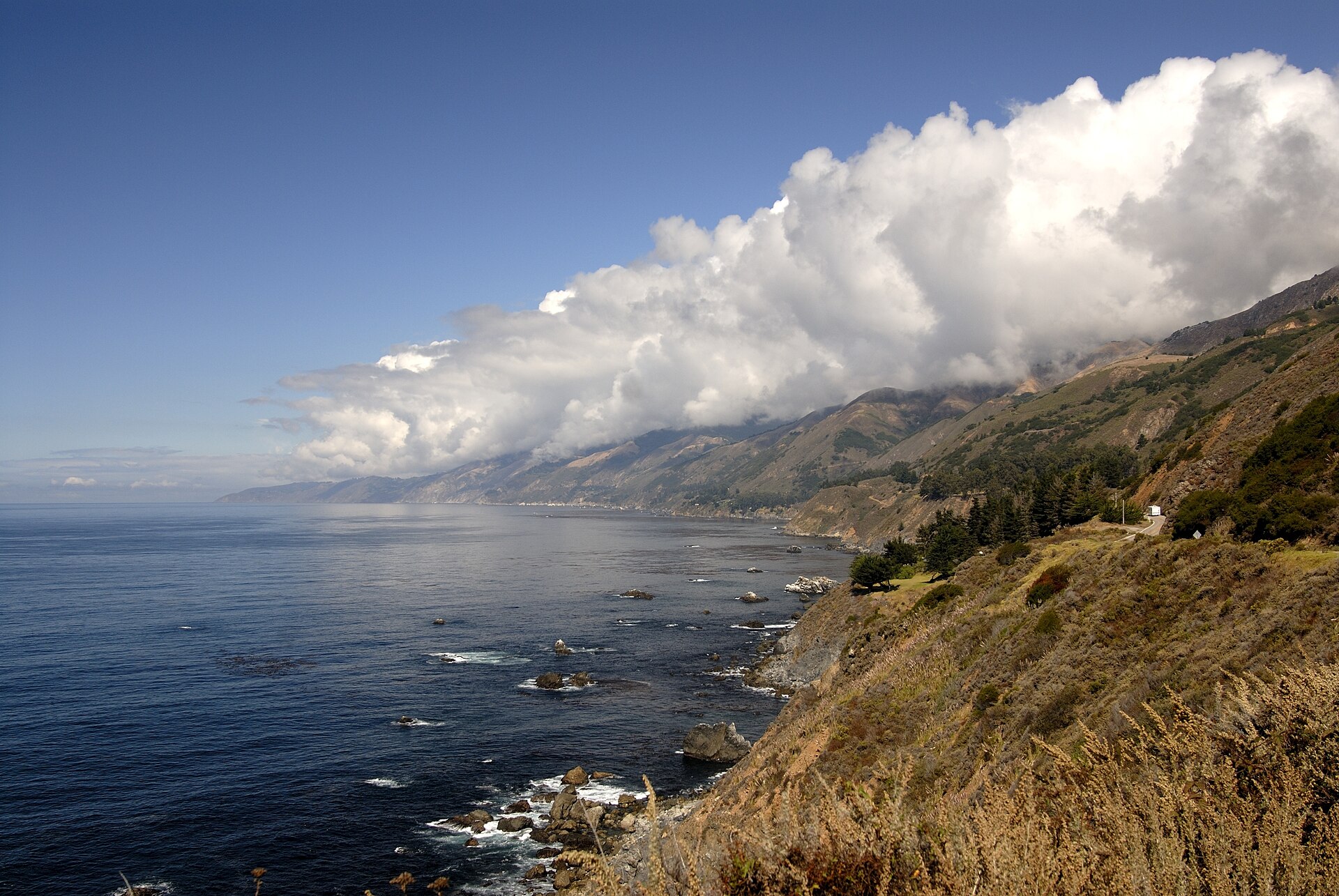
The Pacific Coast Ranges are a series of mountain ranges, valley and basins that stretch north–south along the west coast of North America. They form part of a geographical region that extends from Alaska southwards through Canada as far as central Mexico. In the US, the Pacific Coast Ranges include the two inland mountain ranges that mark the western boundary of the Intermontane Plateaus: the Cascade Range in the north and the Sierra Nevada in the south.

Cascade Range
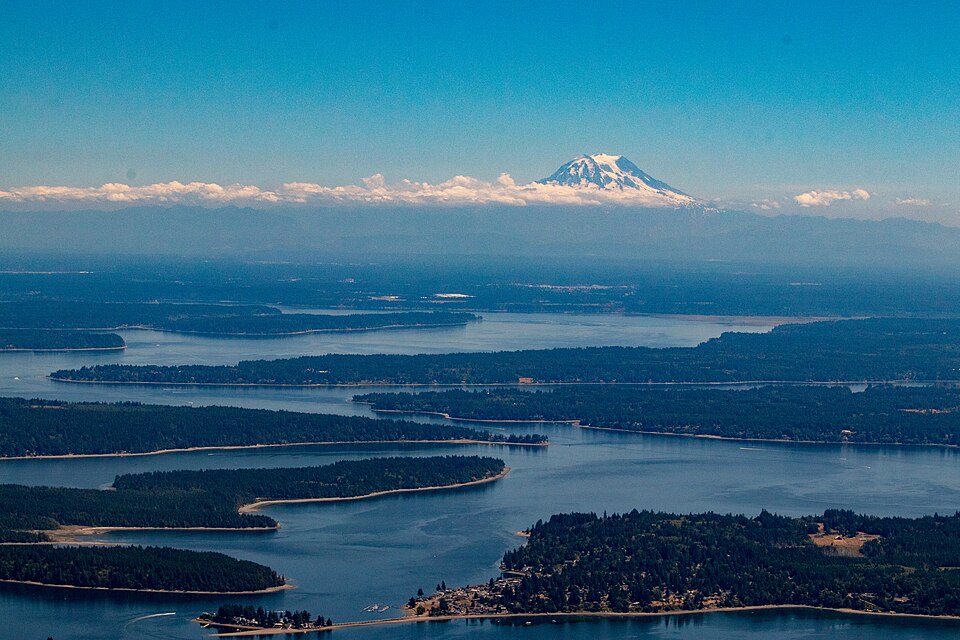
The Cascade Range, a chain of volcanoes, extends from northern California northwards through Oregon, Washington and British Columbia, Canada. It is the product of thousands of eruptions that have occurred over the past 5 million years. The volcanoes form part of the Ring of Fire, which runs round the eastern, northern and western rim of the Pacific Ocean.
The volcanic activity is caused by the Juan de Fuca plate (a small oceanic tectonic plate) sliding beneath the North America continental plate, creating a subduction zone. As the plate descends, the rocks melt. Magma rises to the surface and erupts at the surface in volcanoes. There are estimated to be 33 active volcanoes in the Cascades, including Mount Rainier, Mount St Helens and Mount Hood.

Sierra Nevada
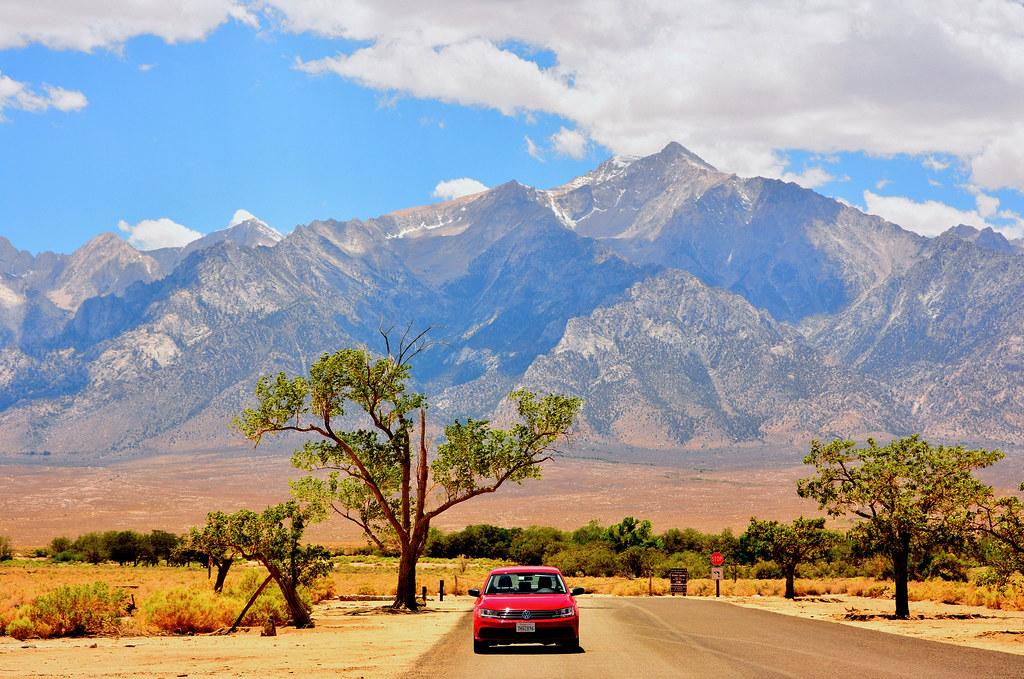
The Sierra Nevada in eastern California forms a barrier between the wetter lands on its Pacific side and the drier interior. A high, rugged range, it contains the highest point in the contiguous 48 states, Mount Whitney (14,505 feet or 4421 metres). Around 5 million years ago, the range was uplifted. The block of land to the west of a north-south fault line rose, while the area to the east dropped down, resulting in a steeper eastern side and a gentler western slope. The Sierra Nevada's snowpack feeds rivers that flow west into California’s Central Valley and east into Nevada and the Great Basin.


Valleys and basins
As the Cascade Range and, to their west, the Olympic Mountains were uplifted, a low trough was left between between them. About 15,000 years ago, during the last Ice Age, a tongue of the Cordilleran Ice Sheet spread southwards, filling the trough and gouging out deep basins in the land. As the ice retreated, rising ocean waters flooded into the basins to create the fjord-like estuary of Puget Sound. At the same time, thick layers of glacial till were deposited on the land around.
When tectonic movements pushed up the Oregon Coast Range and triggered the volcanic activity that built the Cascade Range, a trough formed between the two ranges, the origin of the present-day Willamette Valley. Between 15,000 and 13,000 years ago, the Missoula floods, a series of glacial lake outburst floods, swept down the valley, depositing deep layers of silt and clay, the foundation for the richly fertile soils present today.

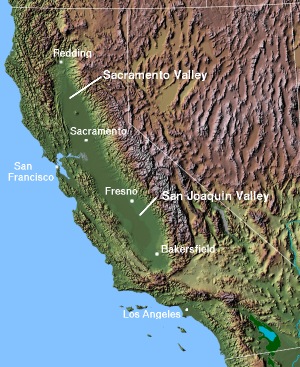
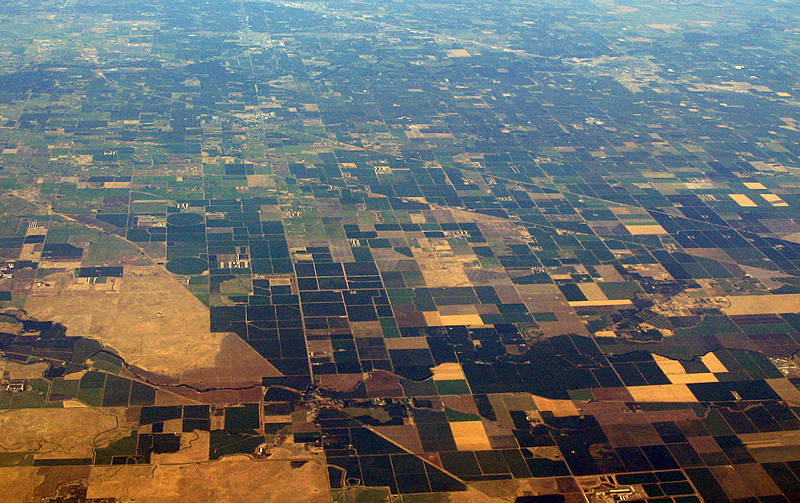
The Central Valley of California also formed through tectonic plate subduction. This pushed up the Californian Coast Ranges to the west and the Sierra Nevada to the east, trapping a low-lying basin between the two ranges. For millions of years, it was submerged by seawater, becoming a gulf of the Pacific Ocean. Meanwhile, thick layers of sediment, brought down by streams eroding the surrounding mountains, gradually infilled the gulf, creating a flat, fertile valley floor.
Coast ranges
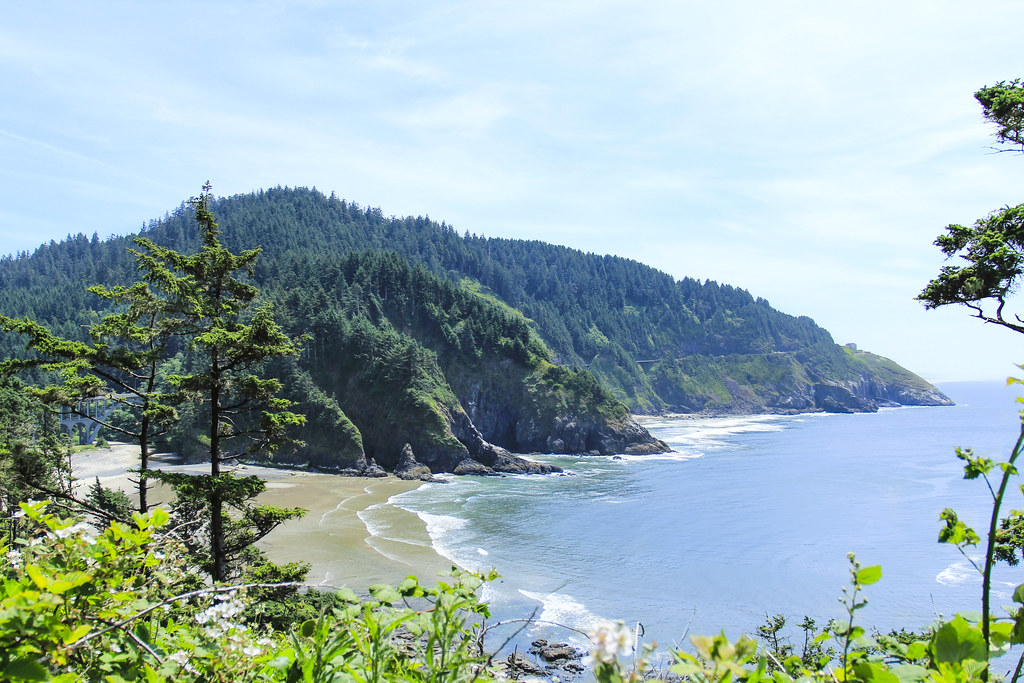
Hugging the coast of Washington, Oregon and California is a series of low mountain ranges. From north to south they are: the Olympic Mountains, Oregon Coast Range, California Coast Ranges, Transverse Ranges and the Peninsular Ranges. Where rivers have cut through these mountains—for example, the Columbia River between Washington and Oregon and the Sacramento, San Joaquin and Salinas rivers in California—small coastal plains have formed near their mouths.
Consultant: Nicholas Harris
pics
Without in any way limiting Q-files Ltd’s exclusive rights under copyright, any use of this publication to “train” generative artificial intelligence (AI) technologies to generate text is expressly prohibited. Q-files Ltd reserves all rights to license use of this work for generative AI training and development of machine learning language models.