
Environment

CITE
We have made every effort to follow citation style rules, but there may be some minor differences. If in doubt, please refer to the appropriate citation style manual.
Plastic pollution. (2026). In Q-files Encyclopedia, Geography, Environment. Retrieved from
https://www.q-files.com/geography/environment/plastic-pollution
"Plastic pollution." Geography, Environment, Q-files Encyclopedia, 15 Apr. 2026.
https://www.q-files.com/geography/environment/plastic-pollution.
Accessed 22 Sep. 2026.
Plastic pollution 2026. Geography, Environment. Retrieved 22 September 2026, from
https://www.q-files.com/geography/environment/plastic-pollution
Geography, Environment, s.v. "Plastic pollution," accessed September 22, 2026.
https://www.q-files.com/geography/environment/plastic-pollution


Plastic pollution
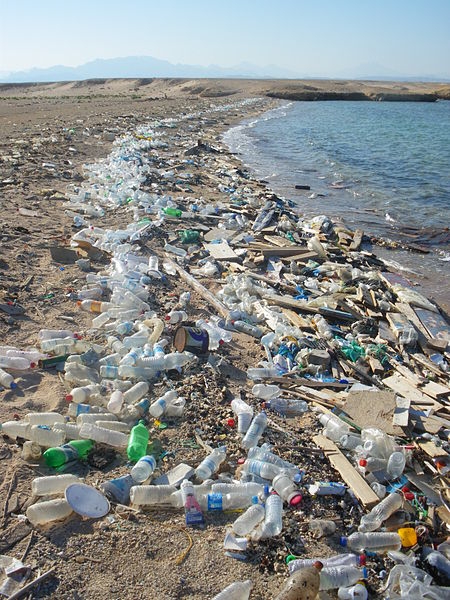
Marine life is facing "irreparable damage" from the estimated 10 million tonnes of plastic waste that ends up in the oceans each year, the United Nations has warned. In total, there may be as much as 300 million tonnes of plastic polluting the oceans. Most pieces are smaller than 5 mm and come from clothing or food and drinks packaging. Just 5% of the world's plastic is currently recycled and, with throw-away plastic products on the increase, the amount of plastic ending up in the ocean is predicted to rise steeply, too. Some is dumped there directly, but vast amounts of tiny plastic particles that have collected in the soil flow into the ocean via rivers.
Updated 15th April 2026
Plastics
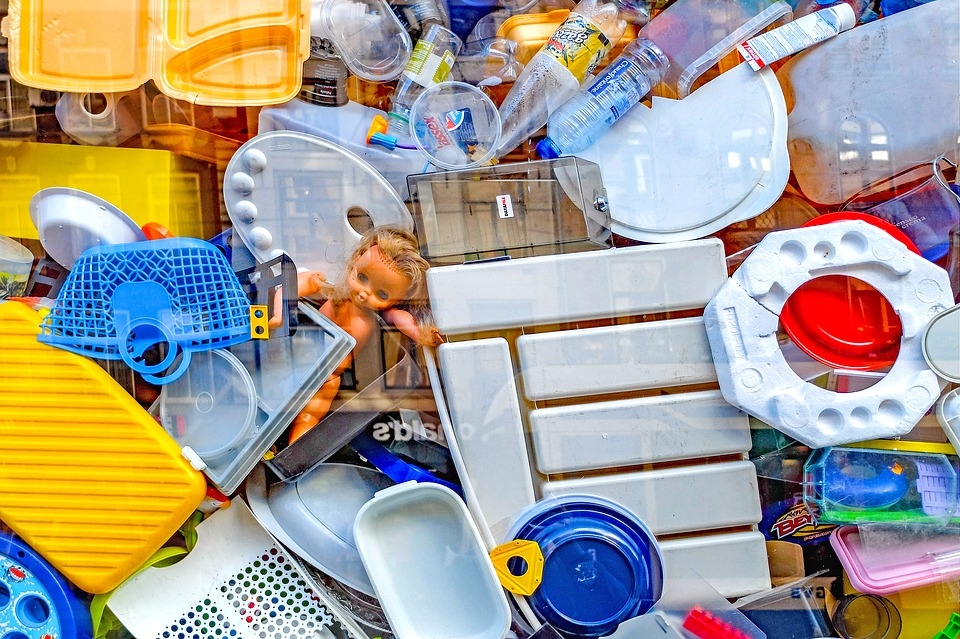
Plastics are synthetic compounds: they have been chemically manufactured, rather than occur naturally. Most plastics are made from naturally occurring fossil fuels, such as petroleum, coal and natural gas. The most commonly used plastic is polyethylene, found in bags, containers and bottles, which is made from the natural gas ethylene.
Plastic waste
The reason why many types of plastic are so useful is that they are cheap to make and last a very long time. Scientists have calculated that the total volume of all plastic ever produced (nearly all of it over the past 60–70 years), is 8.3 billion tonnes. Of this, some 6.3 billion tonnes is now waste, and nearly 80% of that waste is in landfill or is currently polluting the natural environment.
Because it so cheap, plastic is used for many throw-away or single-use items, such as drinks bottles, carrier bags, sachets for health and beauty products, nappies, cutlery and cotton buds. It is estimated that a foam plastic cup will take 50 years to degrade, a plastic beverage holder will take 400 years, a disposable nappy 450 years and a fishing line 600 years.

Microplastics
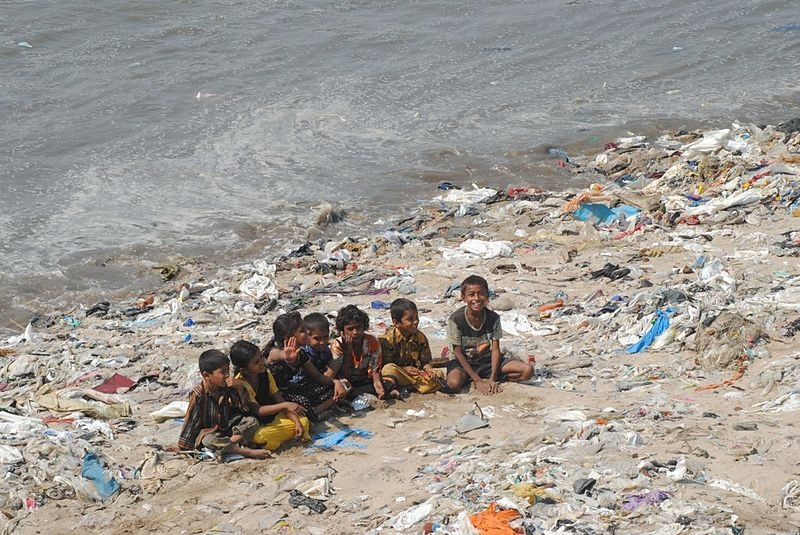
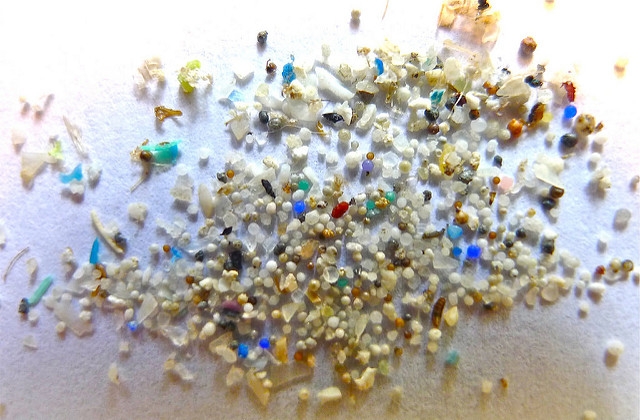
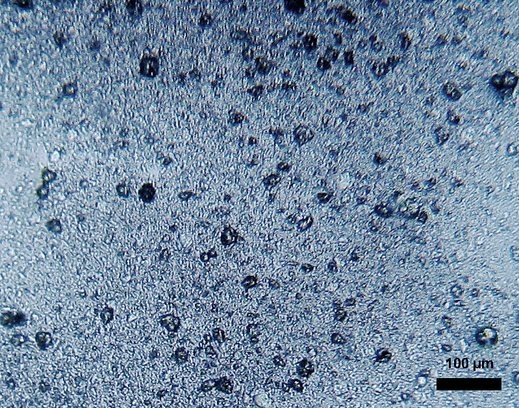
Plastic objects in the ocean are classified according to their size. Pieces smaller than 5 mm in size are called microplastics. Two types exist: primary microplastics, lentil-sized pellets that are manufactured to make new plastic items (also known as “nurdles”), and secondary microplastics, which are fragments that come from the breakdown of larger pieces of plastic debris. Because of their small size, they can be easily taken in and incorporated into the bodies and tissues of many organisms. We humans breathe in tens of thousands of microplastic particles daily.
Some of the tiniest microplastic particles are being consumed by small fish in the mesopelagic zone, 200 to 1000 metres below the ocean surface, especially lanternfish. Since lanternfish are a primary food source for popular food fish such as tuna and swordfish, the microplastics work their way into the food chain.

Nanoplastics
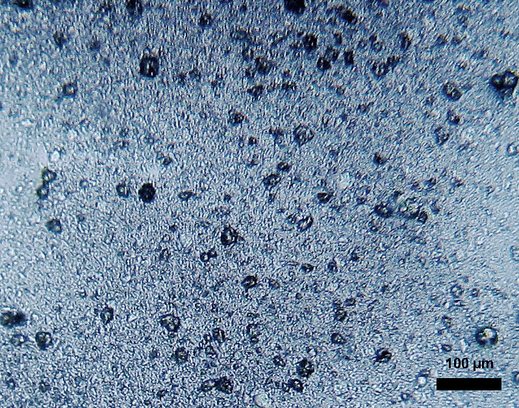
Nanoplastics are microscopic fragments of plastic less than 1 μm (micrometre, or one thousandth of a millimetre) in size. Like microplastics, they form mostly from the wearing down of larger pieces of plastic dumped into the environment.
In a study published in 2022, nanoplastic pollution has been found at both of Earth’s poles—which strongly suggests that they are present everywhere around the world. The nanoplastics found in ice in Greenland are thought to have been blown there on winds from cities in North America, Europe and Asia. Those found in Antarctic ice were probably carried there by ocean currents. Analysis shows that the nanoplastics came from plastic bags, packaging, bottles, clothing and dust from tyres. The Greenland ice core which provided the evidence was 14 metres (46 feet) deep, representing layers of snowfall dating back to 1965. Nanoplastics were detected all the way down to the core, proving that they had been there for at least 50 years.
Nanoplastics are thought to be a risk to environmental and human health. Being so tiny, they can penetrate cell membranes and affect the functioning of cells in all living things. Studies published in 2022 reported the presence of plastic particles in human blood and lungs, with scientists finding detecting them in almost 80% of the people they tested. But, as yet, little is known about the effects of nanoplastics on our health.


Ocean gyres
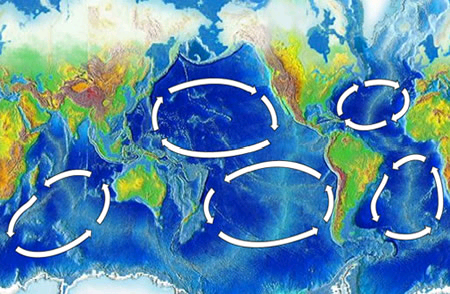
A great deal of waste plastic has accumulated in five large regions of the oceans. The plastic has been gathered and trapped by vast, circular ocean currents known as gyres. There are five gyres around the globe, including the North Pacific gyre. Debris takes about six years to reach the centre of the North Pacific gyre from the coast of the United States. There it forms what has become known as the "Great Pacific Garbage Patch", an area of Pacific that is estimated to be (at least) twice the size of Texas.
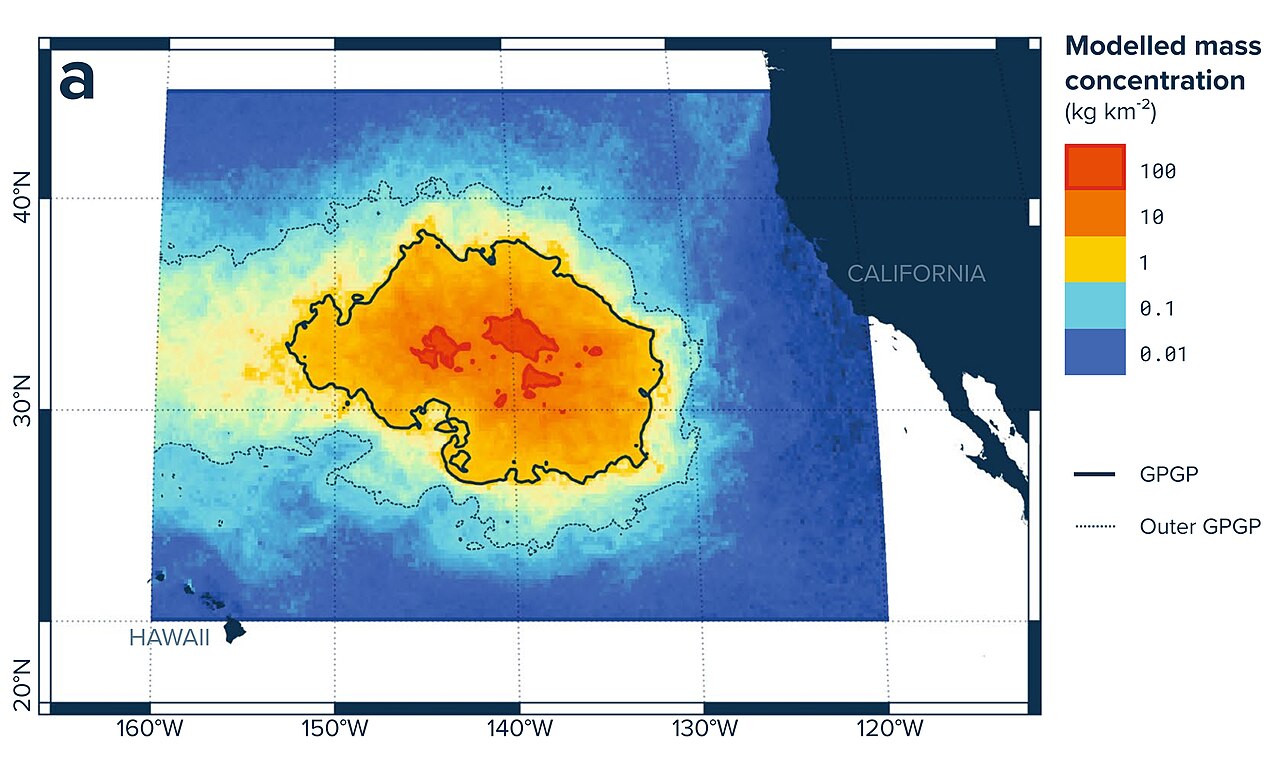
Thought to contain 100 million tons of debris—most of which appears to hang suspended just below the water’s surface—much of the Garbage Patch is made up of microplastic particles that cannot be seen with the naked eye. The ocean floor, lying several thousands of metres underneath the Garbage Patch, is also likely to be polluted; around 70% of marine debris sinks to the bottom of the ocean.
Effects on marine life
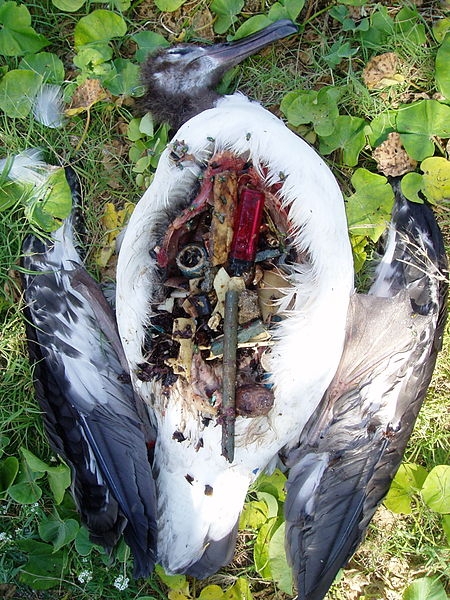
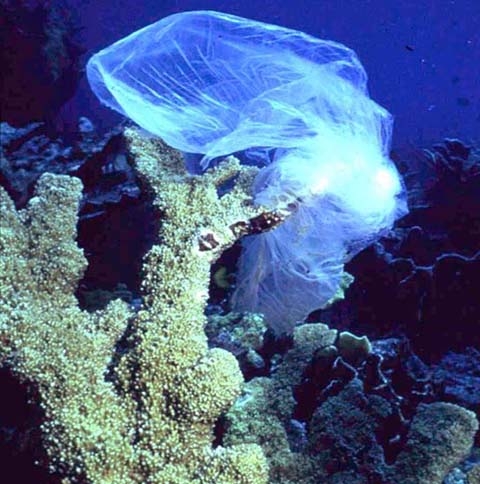
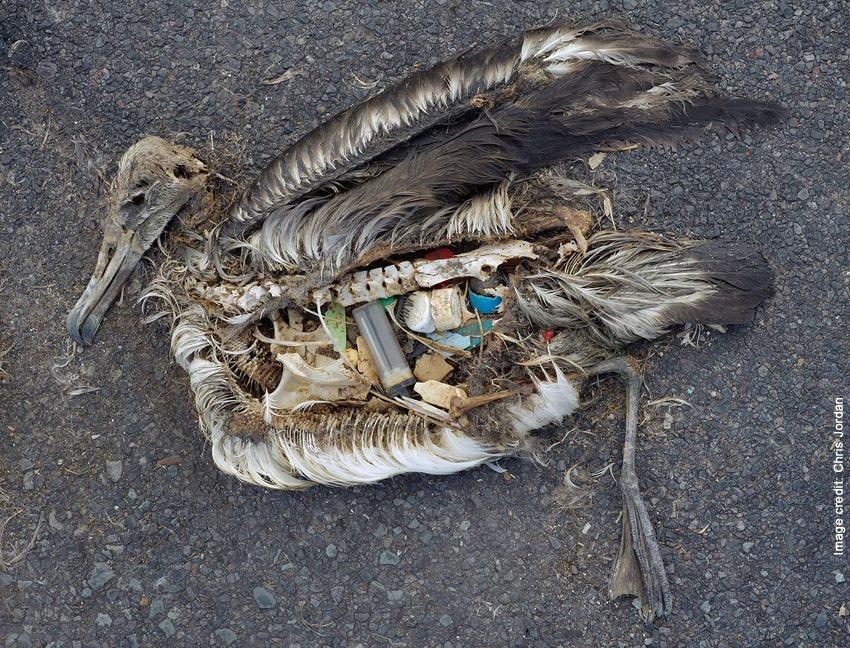
Plastic items ranging in size from bags or fishing lines to small bottles to tiny fragments may be eaten by seals, turtles, fish and sea birds—and can kill them. Believing the colourful plastic objects to be food, albatross parents feed them to their chicks. Their stomachs get filled with indigestible plastic so they cannot eat real food and starve. Turtles cannot distinguish between plastic bags and jellyfish, which are part of their diet. The bags, once consumed, may cause internal blockages and death. Marine animals can also be affected through entanglement or through exposure to chemicals in plastics that have harmful effects on their biological functions.
Microplastics are eaten by small fish, which are then eaten by the bigger fish that are caught as food for people to eat. The effect on humans of eating fish containing plastic is still largely unknown, although it is known that exposure to some chemicals within plastics can affect hormone levels.

Coral reefs
Around 11 billions pieces of plastic pollution have found their way on to coral reefs. Here they are responsible for causing diseases, adding to the damage being done to a habitat that already faces collapse due to global warming. Scientists found that 89% of those reefs fouled by plastic were suffering disease. On plastic-free reefs only 4% of the corals were diseased. The researchers believe that sharp plastic fragments cut the coral organisms, while plastic fabrics smothered them, blocking out both light and oxygen.
Landfill
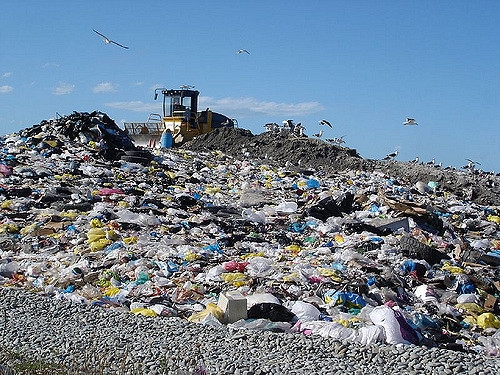
Most plastic waste ends up in landfill, but even here there are potentially harmful effects on the environment. Chlorinated plastic can release harmful chemicals into the surrounding soil, which then seep into groundwater and from there into rivers and oceans. Micro-organisms speed up the biodegradation of plastics in landfill. But breaking down biodegradable plastics releases methane, a greenhouse gas that contributes to global warming.
Soil pollutants
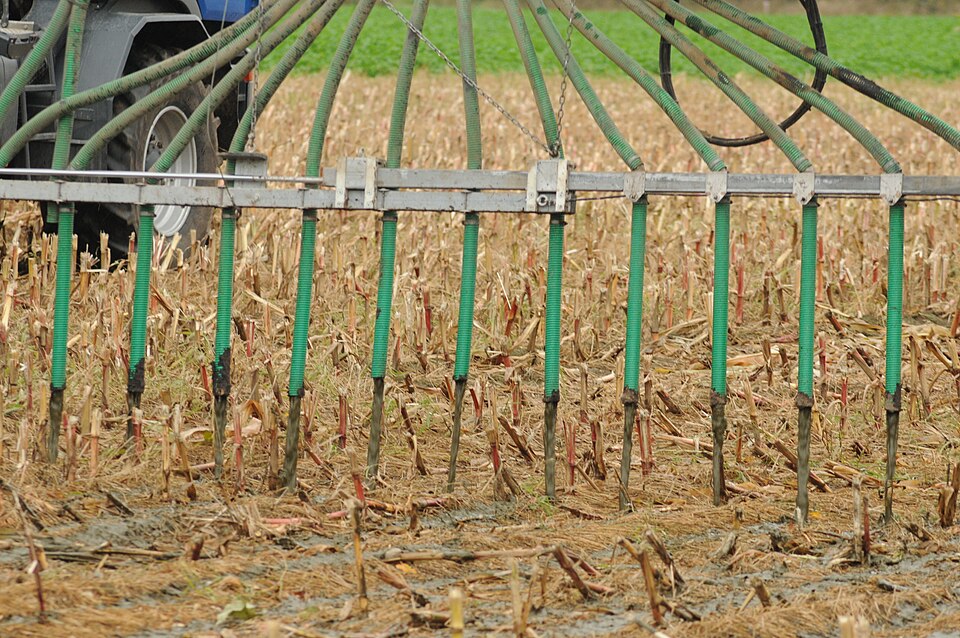
Sewage sludge is the semi-solid material left over after waste water from our homes is treated. Containing valuable nutrients and organic matter, it is widely used as organic fertilizer by farmers. However, the sludge also contains contaminants, including billions of microscopic pieces of plastic—for example, synthetic fibres from our clothes. Spread on fields in sludge, these microplastics enter soil ecosystems, where they are consumed by earthworms, beetles, slugs, snails and other soil organisms. From there, they work their way up the food chain, eventually finding their way into our digestive systems.
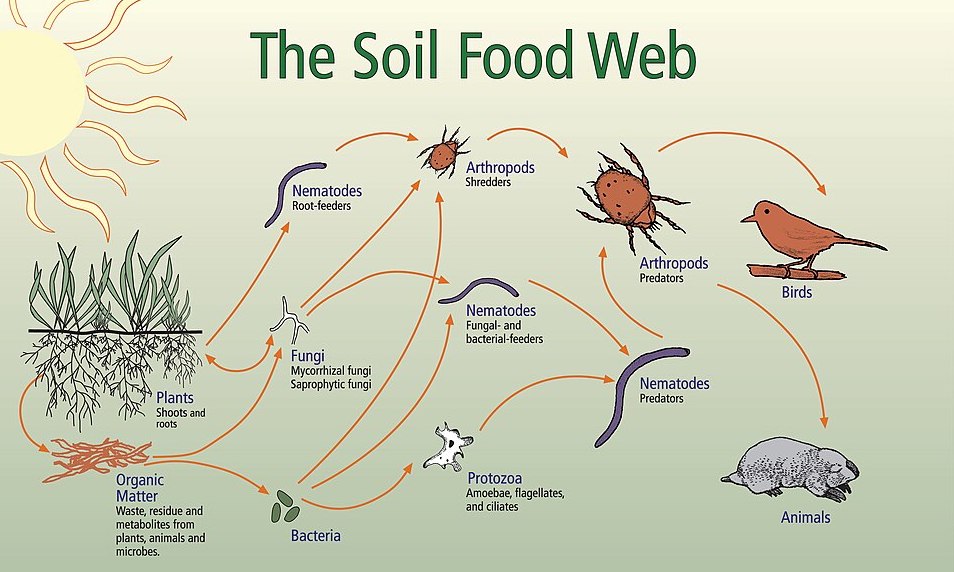

Over the years, the plastic fragments may break down into even smaller particles—so small that they can cross through the root cell walls of plants as they suck up nutrients from the soil. Once inside a plant, nanoplastics may block nutrient and water channels, harm cells and release toxic chemicals. Staple foods such as wheat, rice and vegetables have been shown to contain nanoplastics. This is another way they enter the human food chain.
Microplastics do not always remain in the soil: winds blow dry soil into the air, taking tiny plastic particles with them; or, in heavy rain, they may be swept into rivers, which flow into the sea. In these ways, microplastics enter the air we breathe, the water we drink, as well as the food we eat.
Global plastics treaty
Plastic production worldwide has risen from just 2 million tonnes in 1950 to about 475 million in 2022. It is expected to keep rising without measures to curb production. In response to the mounting scientific evidence of the risks of plastic pollution to human health and the environment, the UN Environment Assembly has resolved to end plastic pollution with an international treaty. The first of six rounds of talks took place in 2022, with the latest, held in Geneva, Switzerland in August 2025, ending with no deal agreed. This is because of a split of opinion between countries attending.
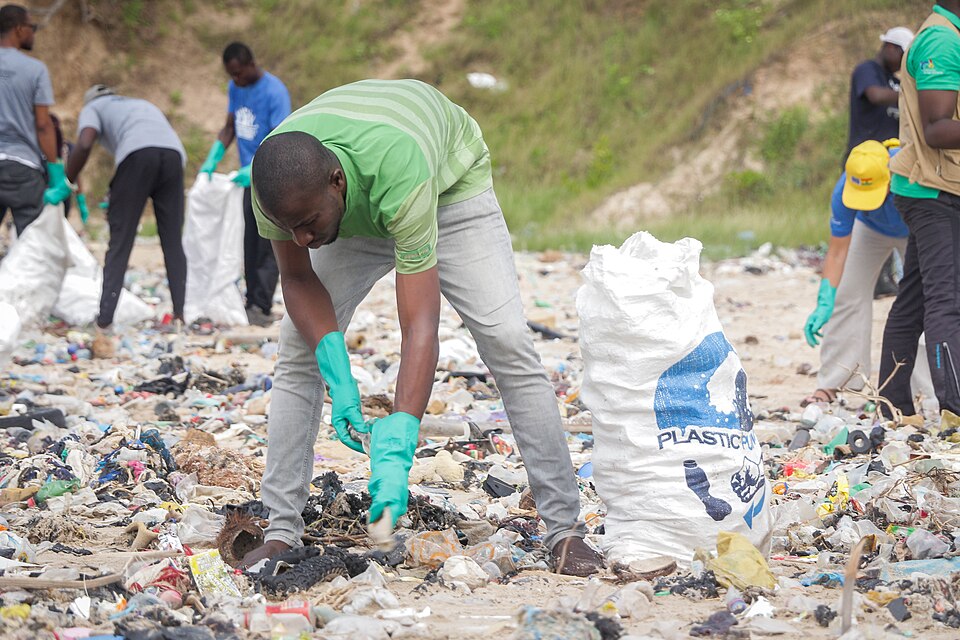

One group, consisting of about 100 nations, calls for the reduction in significant production of plastics and controls on toxic chemicals used in their manufacture. An opposing group, including oil-producing states such as Saudi Arabia and Russia, argues that plastic as a material is "fundamental" to modern life, and that more efficient waste collection and recycling methods are the best way of solving the problem of pollution.
The Ocean Cleanup
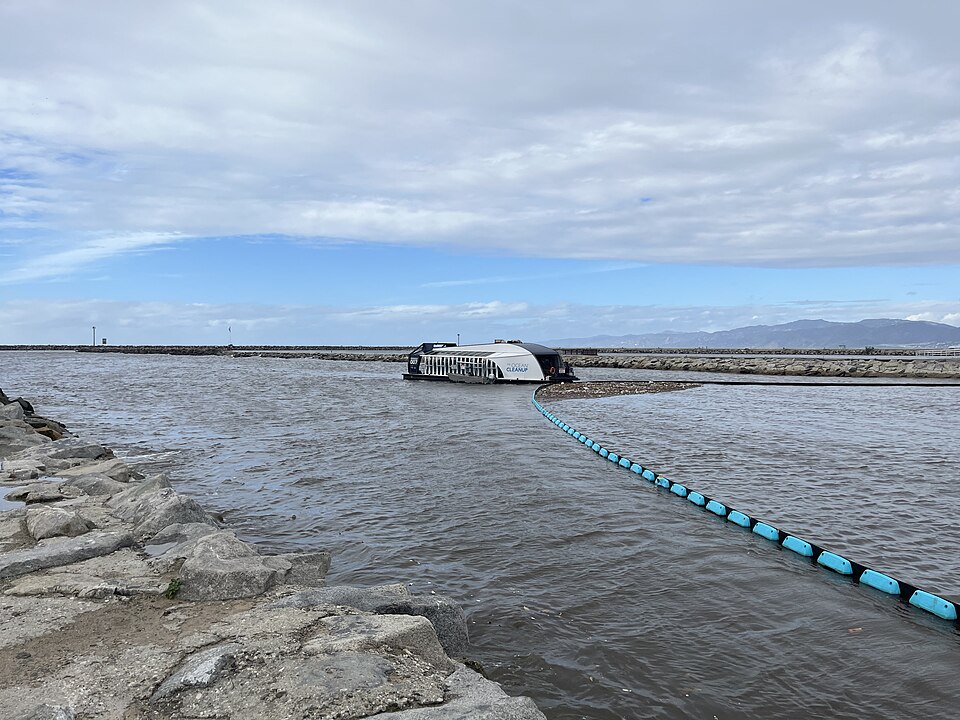
With between about 30,000 and 50,000 tonnes of plastic entering the oceans every day, efforts have been focused on preventing any further accumulation. Dutch inventor Boyan Slat of the non-profit company The Ocean Cleanup, has noted that around a third of of all plastic waste originates in just 30 cities, mostly in Asia and the Americas. His solution is to place floating barriers in waterways running through these cities, then gathering in the plastic waste using autonomous vessels called interceptors. As of April 2026, The Ocean Cleanup has already removed some 40,000 tonnes of waste, and is rolling out the same technology for use in other waterways around the world. Meanwhile work is underway to gather "legacy" waste: plastic already littering coastlines and floating in the oceans, such as the Great Pacific Garbage Patch (see above).
Consultant: Ian Fairchild
pics
Without in any way limiting Q-files Ltd’s exclusive rights under copyright, any use of this publication to “train” generative artificial intelligence (AI) technologies to generate text is expressly prohibited. Q-files Ltd reserves all rights to license use of this work for generative AI training and development of machine learning language models.