
Robotics and AI

CITE
We have made every effort to follow citation style rules, but there may be some minor differences. If in doubt, please refer to the appropriate citation style manual.
Robots. (2026). In Q-files Encyclopedia, Technology, Robotics and AI. Retrieved from
https://www.q-files.com/technology/robotics-and-ai/robots
"Robots." Technology, Robotics and AI, Q-files Encyclopedia, 1 May. 2026.
https://www.q-files.com/technology/robotics-and-ai/robots.
Accessed 22 Sep. 2026.
Robots 2026. Technology, Robotics and AI. Retrieved 22 September 2026, from
https://www.q-files.com/technology/robotics-and-ai/robots
Technology, Robotics and AI, s.v. "Robots," accessed September 22, 2026.
https://www.q-files.com/technology/robotics-and-ai/robots


Robots
A robot is a machine that carries out a series of actions on command or by being programmed in advance, and which can react to its environment. Some modern robots are fully autonomous: this means they can perform complex tasks without human help, even if their surroundings are changeable or dangerous. Today, robots are used in the fields of entertainment, industry, house cleaning, space exploration, underwater operations, security, healthcare, research, delivery and warfare. Advanced drones (Unmanned Aerial Vehicles, or UAVs) and driverless cars are types of robot.

Automata
Ancient Greek inventors, such as Ctesibius (worked 285–222 BC), were among the first to build automata (machines that can perform a series of simple actions independently). These machines were moved by the power of water, steam or air pressure, as well as assemblies of levers and cogs. In the 12th century AD, the Turkish inventor al-Jazari (1136–1206) designed a series of automata, including a drink-serving waitress and a toy boat that moved across water while playing music.
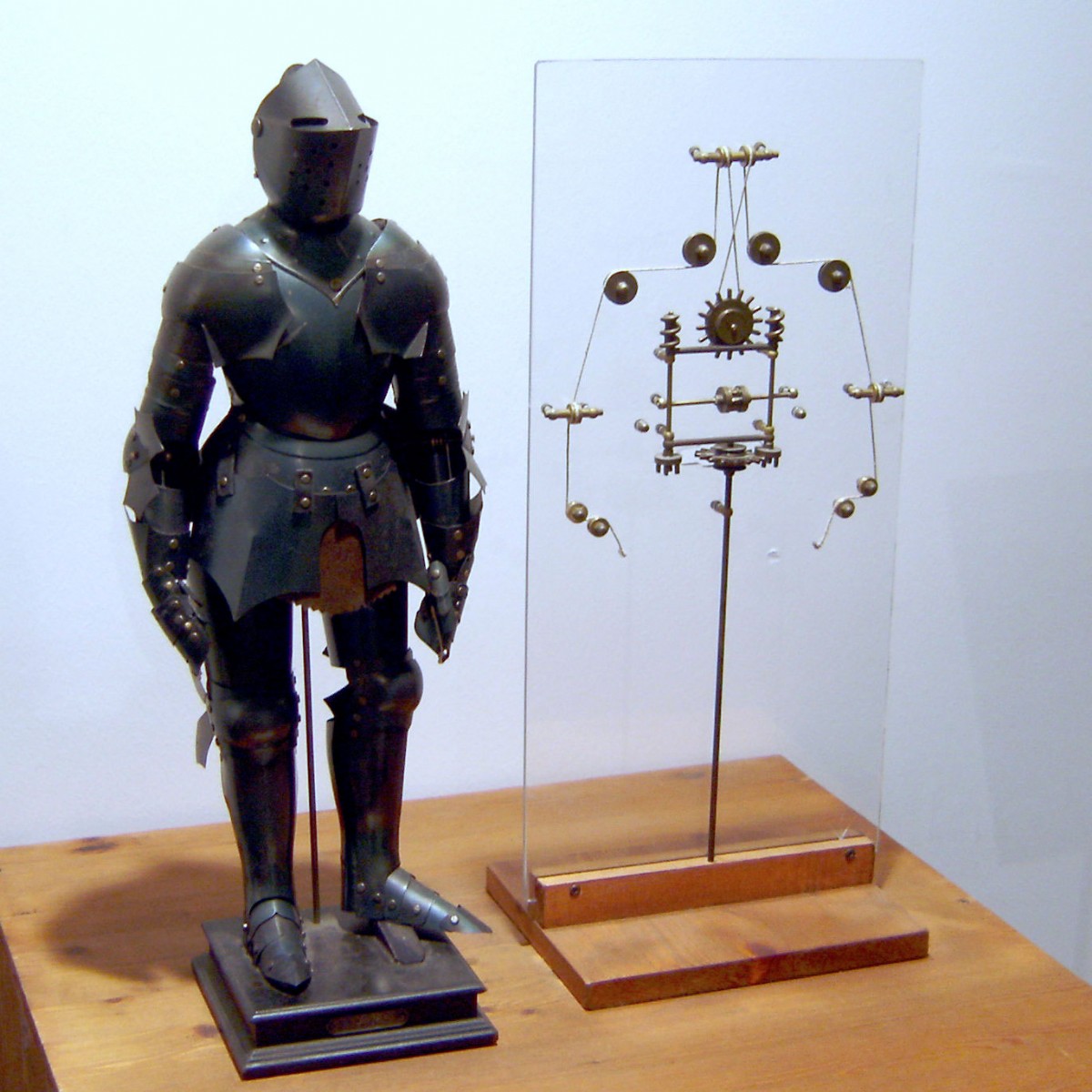
In Renaissance Italy, Leonardo da Vinci (1452–1519) designed a humanoid (human-like) automaton, wearing a suit of armour. He may have constructed it in 1495. A system of gears, wheels, pulleys and cables made the automaton stand, sit and move its arms. A modern model of the internal and external workings of Leonardo’s automaton has been constructed using his drawings.
In Japan, complex automata based on animals and people were built between the 17th to 19th centuries. One was the karakuri ningyō, a kind of mechanized puppet.

The birth of modern robotics
The first digitally operated, programmable robot, Unimate, was designed by George Devol in 1954. The robot consisted of an “arm” that obeyed step-by-step commands stored on a magnetic drum and sent to it using a digital electronic circuit. The Unimate robotic arm started welding parts at the General Motors factory in New Jersey, USA, in 1961. It was the first industrial robot.
In 1970, SRI International’s robot, Shakey, was developed. Equipped with a camera and a problem-solving computer program, it was able to navigate its way around the research centre where it was made. Shakey was the first mobile robot with artificial intelligence (AI), a computer system designed to imitate elements of the human mind, for example, the ability to analyse problems and learn from experience.
Industrial robots
Today there are around 3 million industrial robots in factories and warehouses around the world. They often carry out tasks that would be monotonous, time-consuming or dangerous for humans. They are also adept at extremely precise tasks beyond the capability of humans: for example, assembling modern microchips. An increasing number of industrial robots are equipped with AI enabling them to identify the task required.
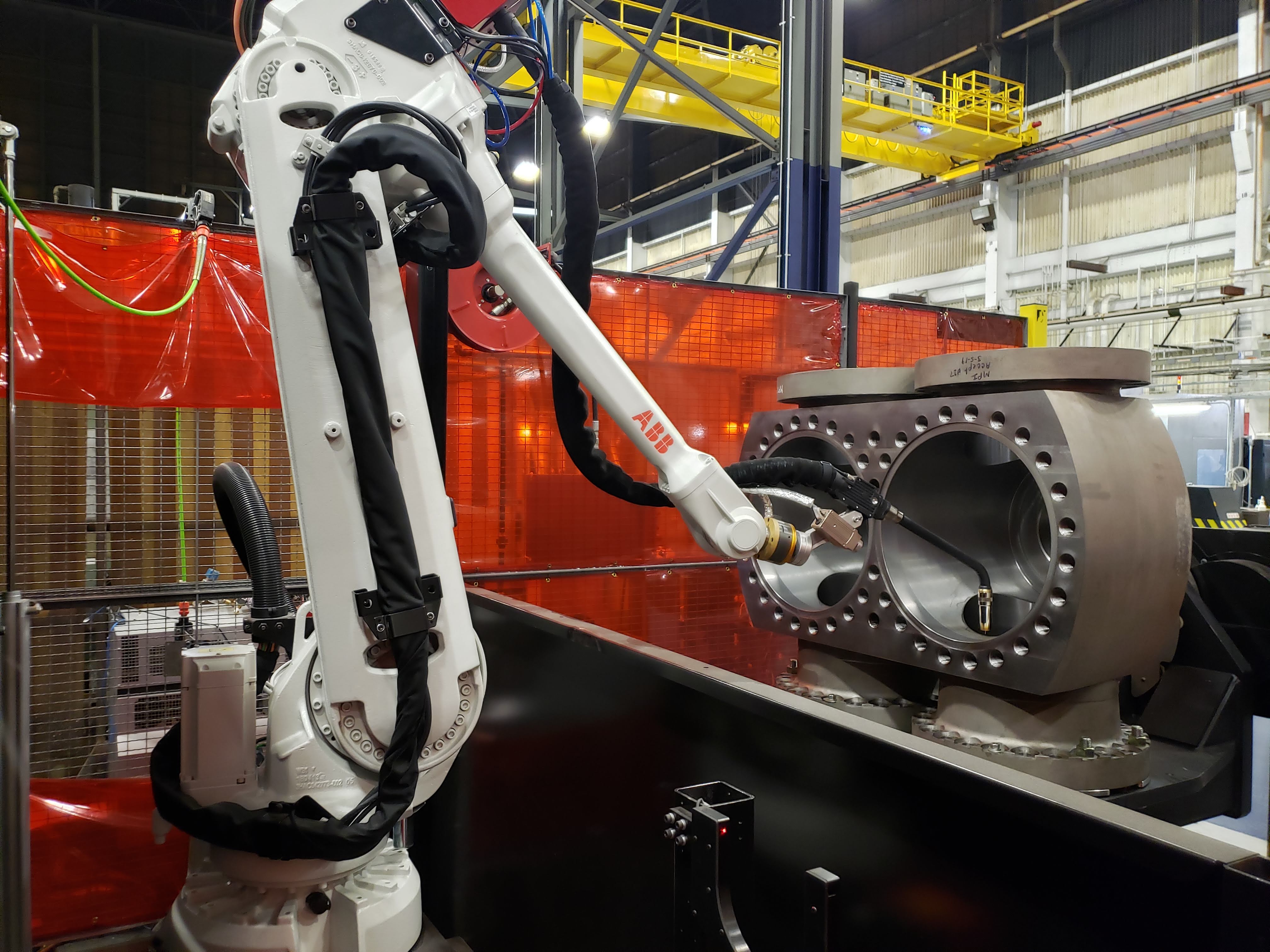
Most industrial robots are robotic arms programmed to carry out the same task over and over again—such as welding together parts, painting, packaging or testing products. In most cases, to teach a robot how to do its task a human programmer guides the arm through the motions using a handheld controller. The robot stores the sequence of movements in its computer memory.
Cobots
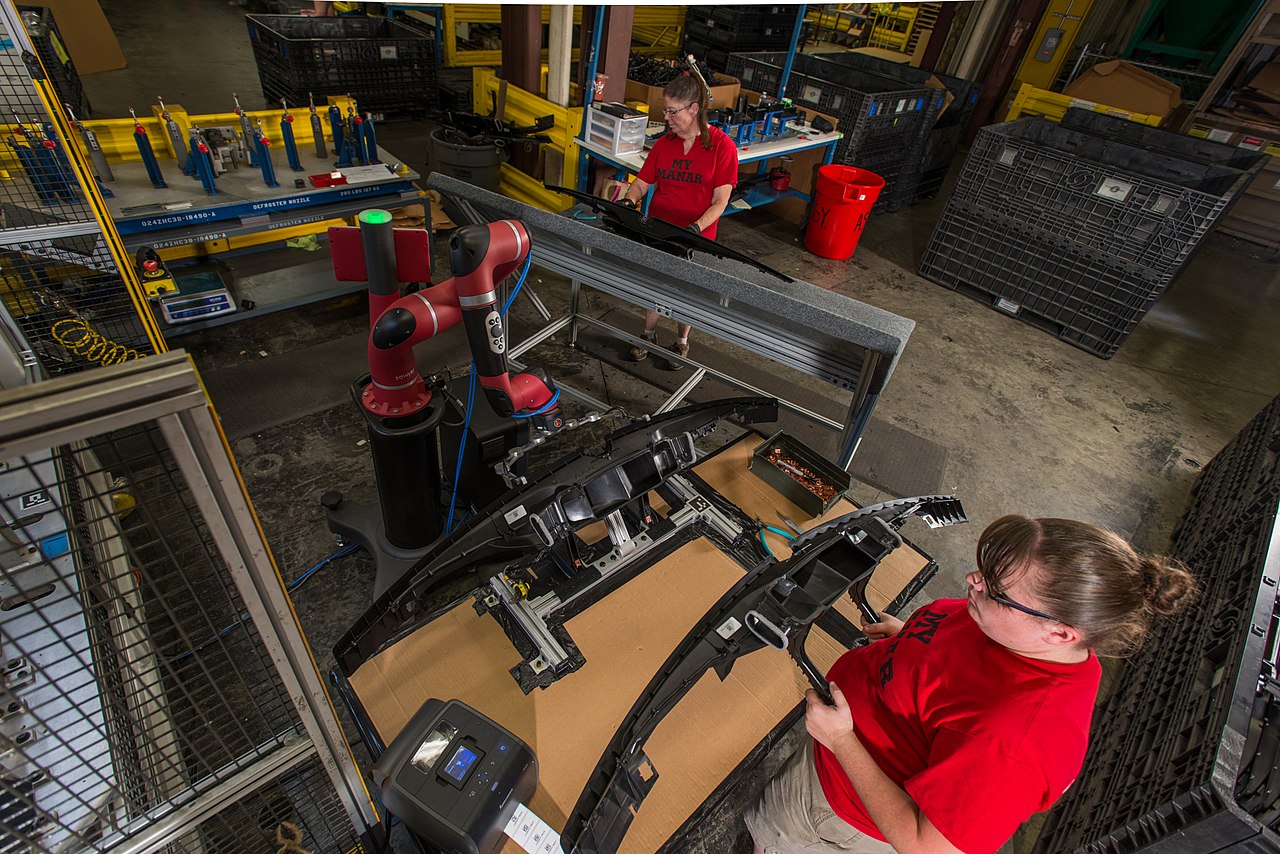
Collaborative robots, or cobots, are designed to work safely alongside humans in production processes. Equipped with advanced sensors, they can detect the close proximity of humans and instantly change into a safety mode. Cobots are used, for example, in moving heavy loads in warehouses or in assembly operations in factories.
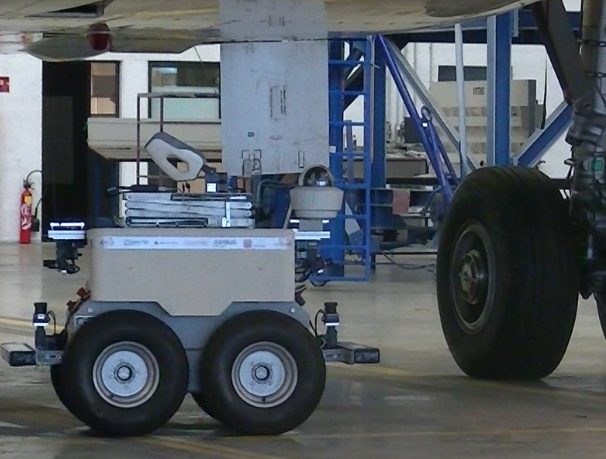
Air-Cobot (Aircraft Inspection enhanced by smart and collaborative robot) is a wheeled cobot designed to inspect the undersides of aircraft during maintenance operations. This process may involve non-destructive testing.
A human operator accompanies the robot on its rounds. He or she may take control if necessary, adding inspection tasks and noting any defects not on the list of robot checks. In the case of pre-flight inspections, the human operator sends their report to the pilot who decides whether or not to take off.
AGVs
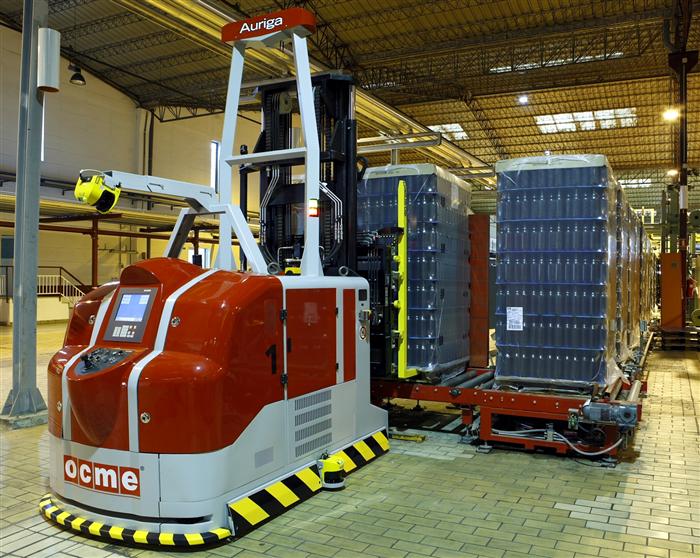
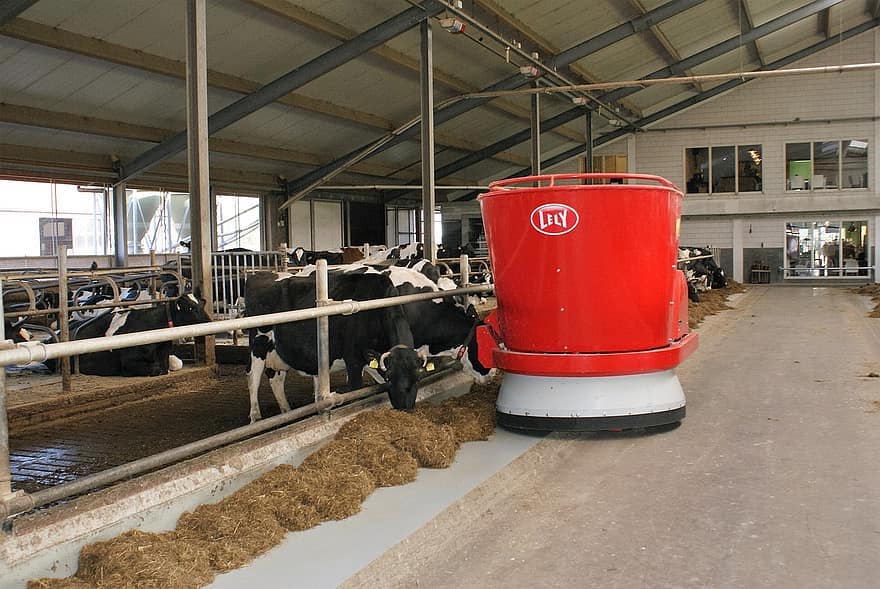
An automated guided vehicle (AGV) is a driverless transport vehicle, typically used to transport heavy materials in factories and warehouses. Autonomous AGVs scan their complete surroundings and create virtual 3D maps from the results. From these they can generate the best routes around the spaces where they operate.
Humanoid robots
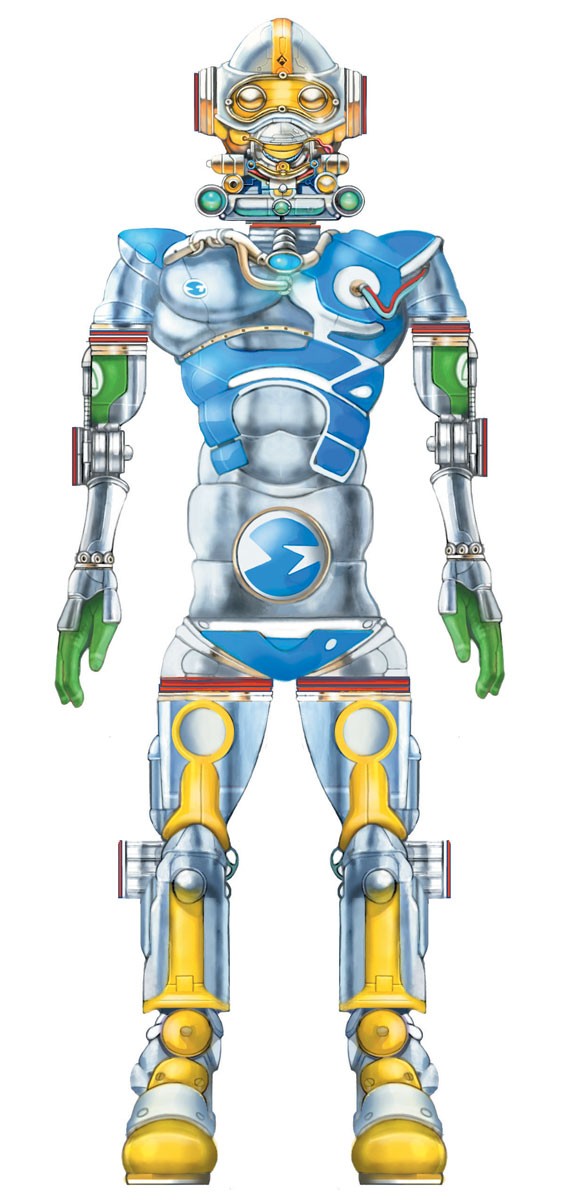
A humanoid robot has a body shape built to resemble a human. Today humanoid robots are used mainly in the fields of entertainment and scientific research. Using humanoids, scientists are working on robotic legs and arms for people who have lost limbs. The aim is for robotic limbs to be controlled entirely by the body’s own nervous system, just like a “real” limb. Humanoid robots equipped with AI are also being developed to assist sick and elderly people, or perform factory and office jobs.
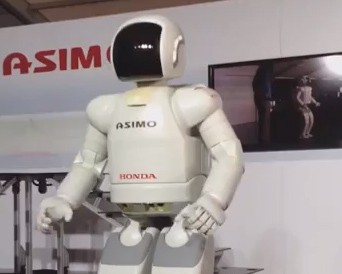
ASIMO (from Advanced Step in Innovative MObility) is a humanoid mobility-assistance robot designed and developed by the Japanese company, Honda, in 2000. It is 130 centimetres (4 ft 3 inches) tall and is intended to one day support people who have walking difficulties. It performs various tasks at demonstration events—including conducting a full symphony orchestra in 2008 and appearing on a TV quiz show in 2011.

Service robots
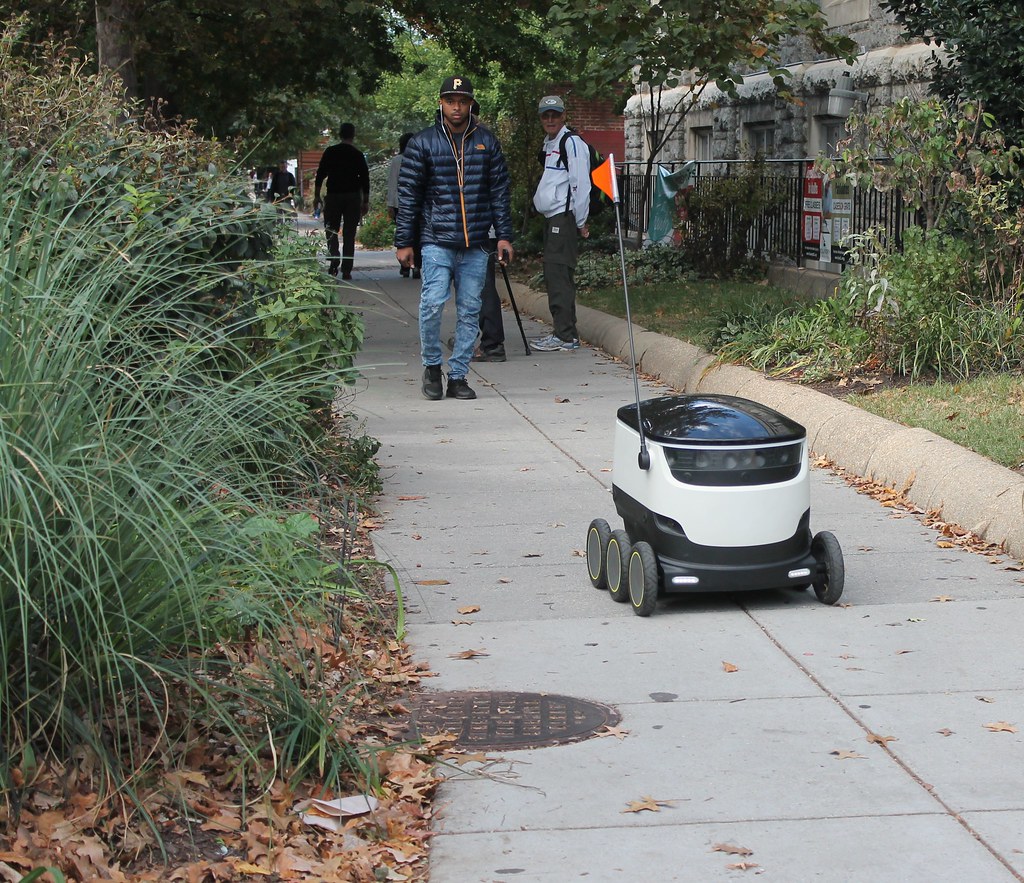
A service robot is a type of robot that provides services for humans, typically by performing tasks that are repetitive. Robotic lawn mowers, vacuum cleaners and window cleaners are service robots used around the home or in public buildings. You might come across delivery vehicles, which provide customers with food and drinks, in the street as they travel between shops or restaurant kitchens and people's homes.
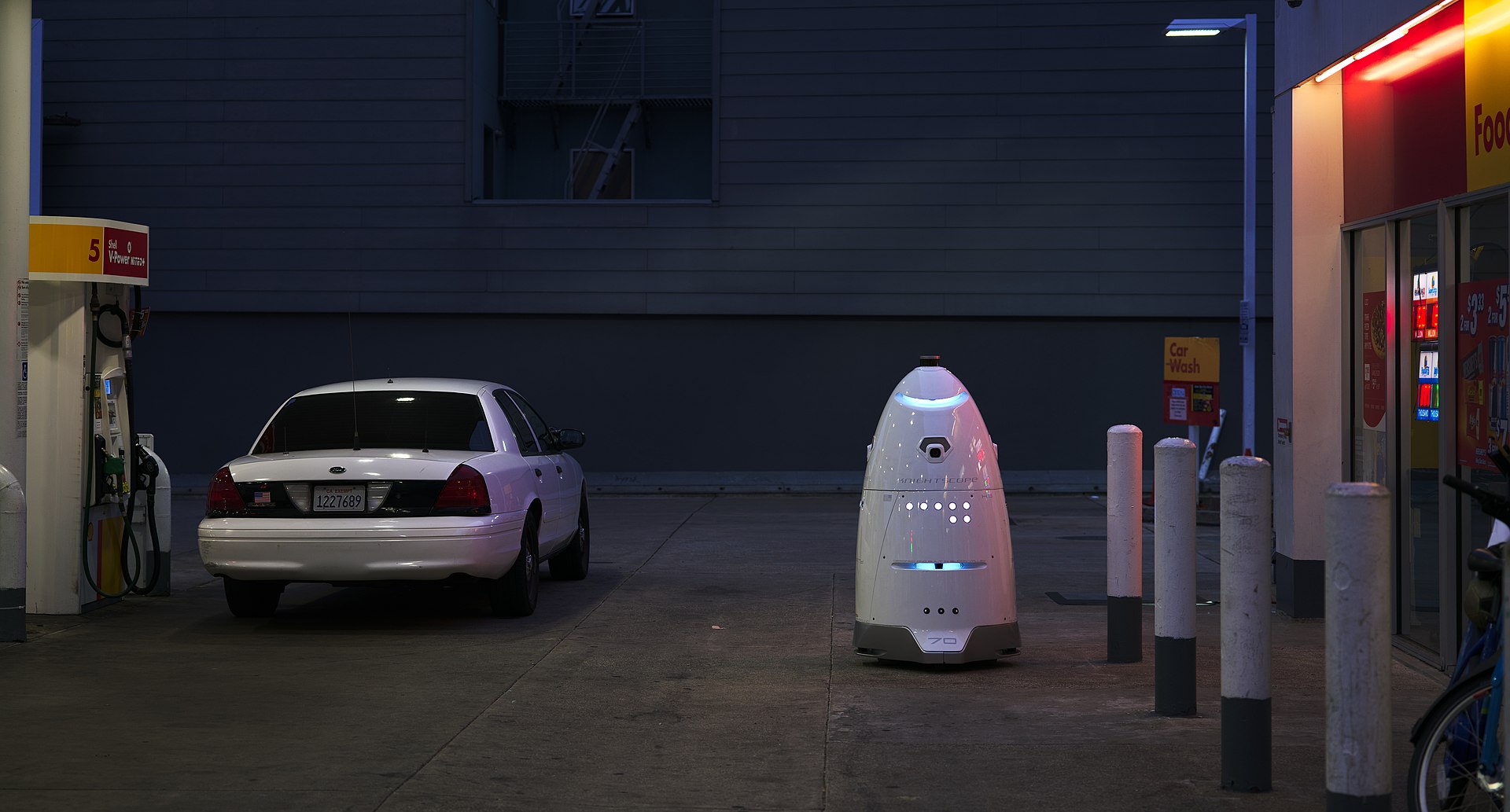
A security robot patrols business premises after dark or homes while the residents are away. If the robot senses motion, it sends an alert to a smartphone while its camera records images.
Some humanoid robots are designed to work as receptionists in busy places such as theme parks, restaurants and airports. They provide information and directions to members of the public.
Space robots
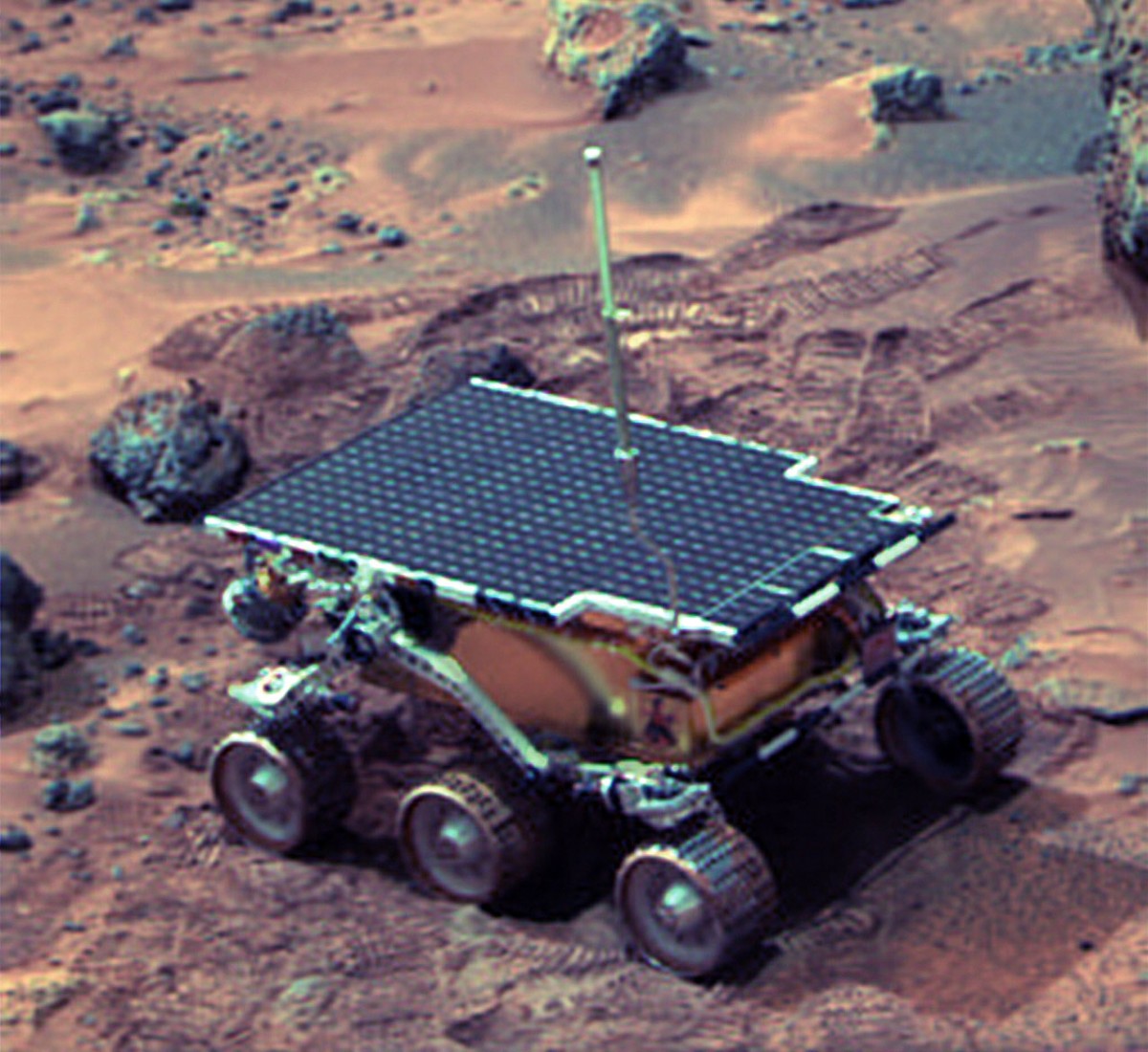
Space probes are actually robotic spacecraft. They have been sent into space to collect information about other planets and moons since the late 1950s. Planetary rovers are also robots. The rover Sojourner explored Mars for three months in 1997. It was equipped with cameras and tested samples of Martian rocks and dust before transmitting the data back to Earth. The Perseverance rover is currently (as of 2025) on the surface of Mars looking for evidence of past life on the Red Planet.
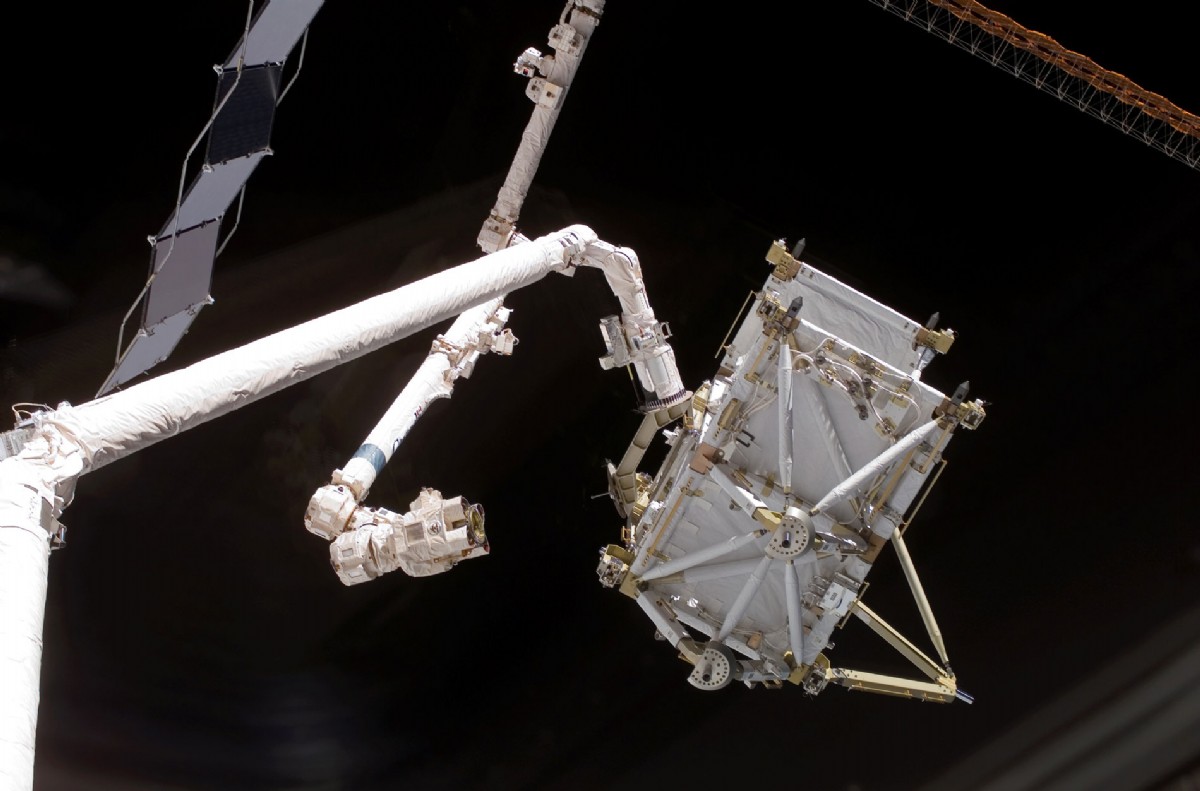
Robotic arms, such as Canadarm2 on the International Space Station, are used to dock visiting spacecraft and manipulate new modules into position. Controlled remotely from Earth, they also carry out maintenance work on the station structure with or without the help of crew members.
The 2-metre (7-foot) robotic arm on the Perseverance rover has several special tools including a coring drill and an abrading device used for grinding rock samples.
Robotic surgery
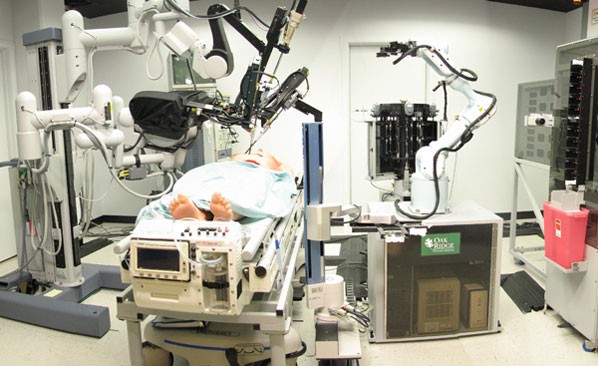
The first robotically assisted heart bypass operation was performed in Germany in 1998. Since then, robotic instruments have been increasingly used for surgical tasks that can be performed with more precision by a robot than by a human hand. Surgeons usually direct the robotic tools via a computer. Robotic surgery may one day be performed on battlefields, so that human surgeons need not risk their lives.
Military robots
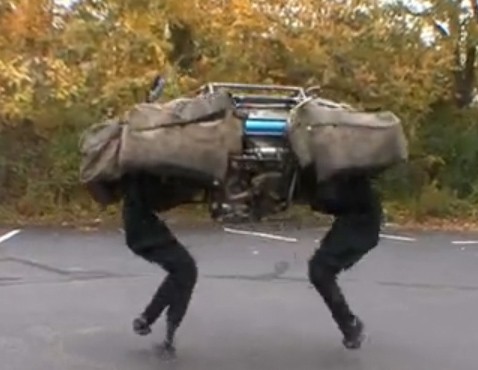
Bomb detection and disposal robots, such as the Indian Army’s Daksh, are commonly used around the world. Robots equipped with weapons include patrol and sentry robots (such as SWORDS, used by the US army in Iraq) and aircraft known as unmanned aerial vehicles or UAVs, often called drones, such as the MQ-9 Reaper used by the Italian, UK and US air forces.
Currently, all robots with weapons are remotely controlled by human soldiers, so they cannot kill independently. In the future, autonomous robots may be used in combat. With this in mind, the US government has started to develop an algorithm (a step-by-step procedure written in computer software) to give robots the ability to tell "right" from "wrong".
UAVs (drones)
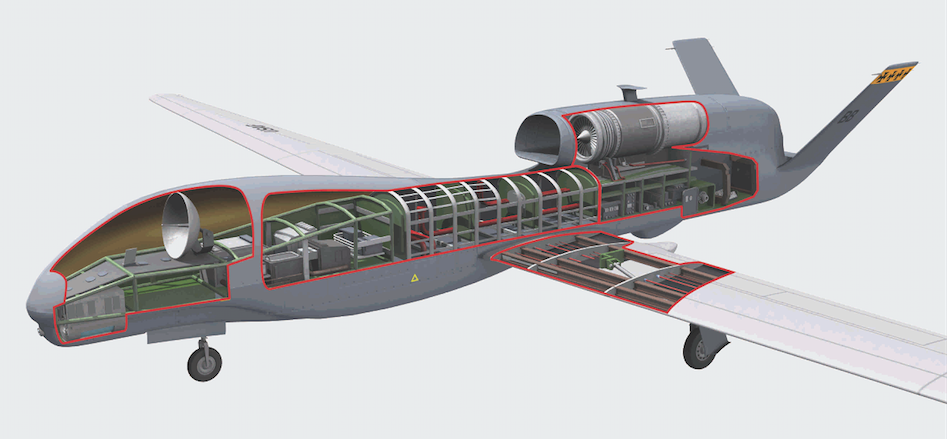
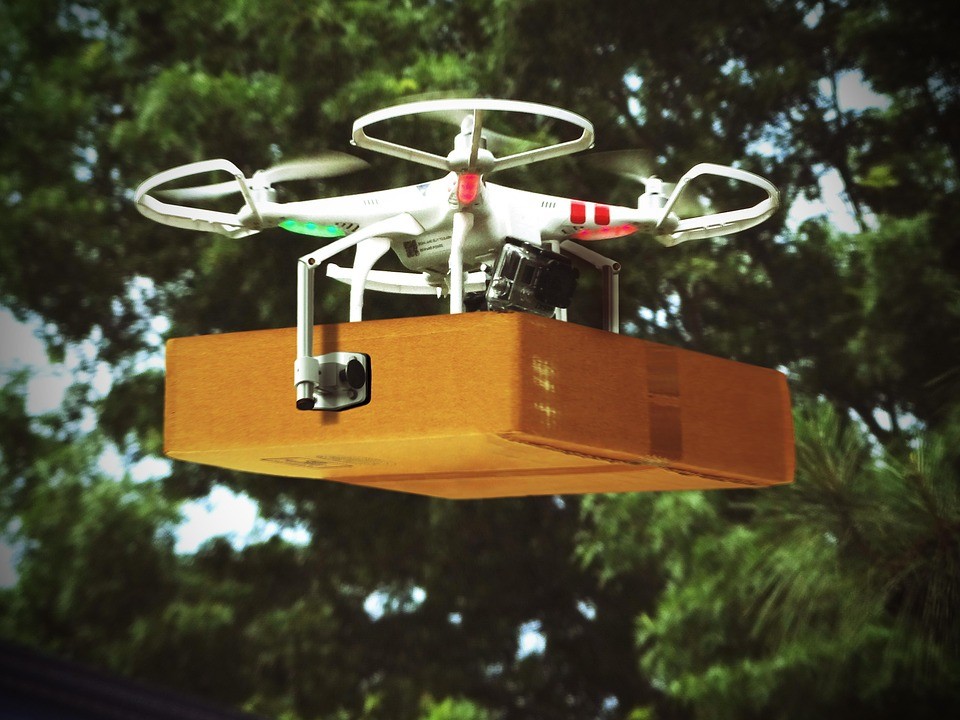
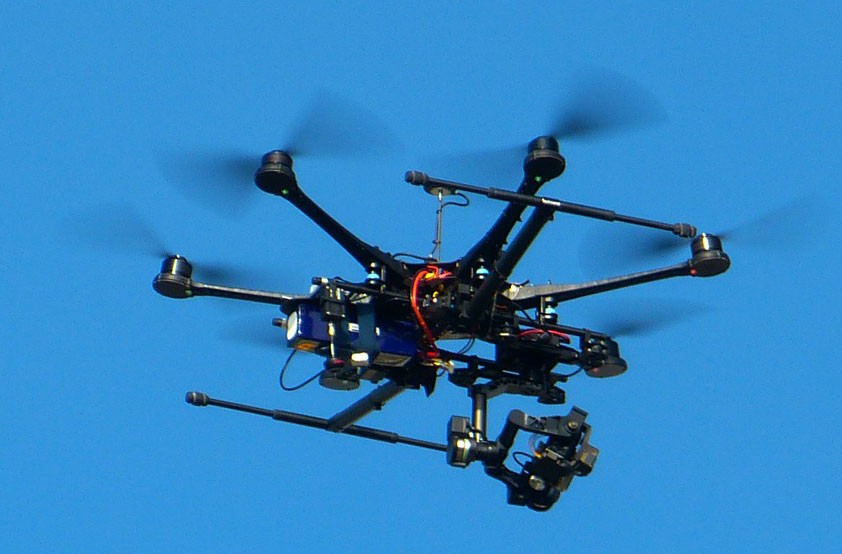
An unmanned aerial vehicle (UAV), also known as a drone, is a robotic aircraft without a human pilot aboard. The flight of UAVs may operate either under remote control by a human controller, or completely autonomously by onboard computers. UAVs were originally designed for military applications, their use is rapidly expanding in other fields, including such as policing, product deliveries, aerial photography and even racing. Civilian drones now vastly outnumber military drones.
Xenobots
Xenobots are “living robots”—synthetic (manmade) life-forms, produced by taking a few thousand cells from frog embryos and assembling them into clusters about 1 millimetre in size. They are designed by computers to swim (using hair-like projections called cilia to "row" themselves along) and carry or push things around. Xenobots of the future might be able to gather up microplastics in ocean waters and build them into larger balls of plastic that can easily be collected. With bio-engineering, xenobots might also be able to locate and treat diseases from inside the human body.
Xenobots have a number of desirable properties. Made from living cells, they are biodegradable—they naturally fall apart after two weeks or so and do not pollute the environment. They can survive without food and can heal themselves if damaged. They can even reproduce in a way never before seen in plants or animals—simply by gathering up other loose cells and moulding them into sticky piles, which eventually become "child xenobots".

Robot challenge
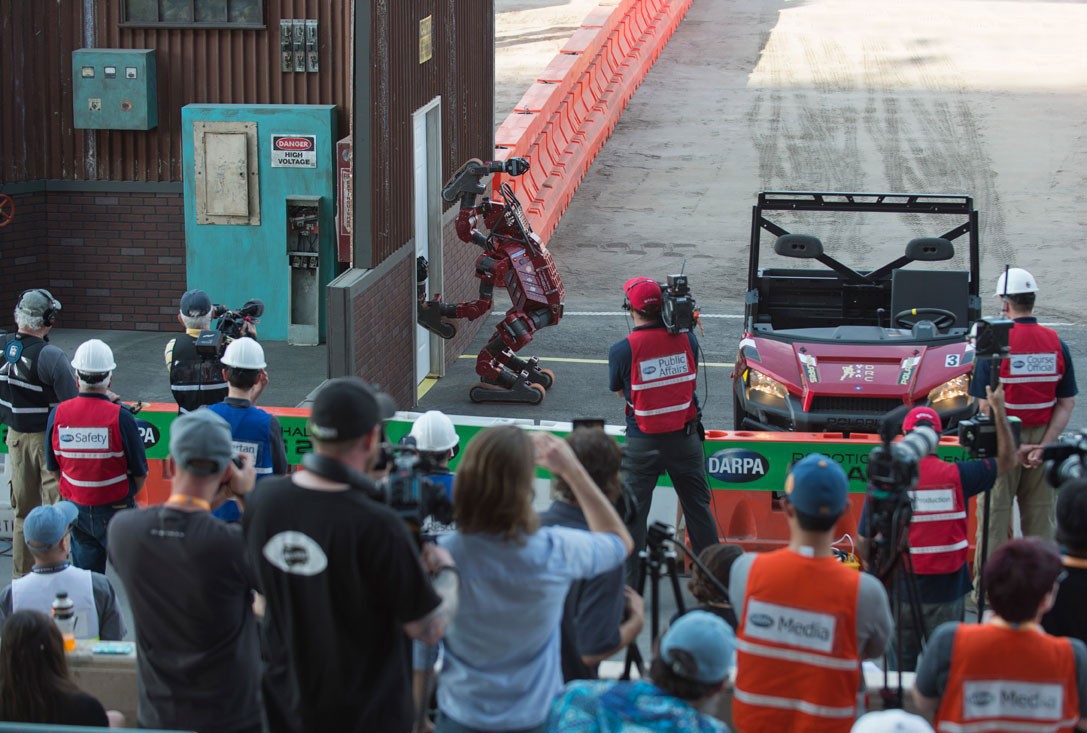
A South Korean robotics team won the Darpa Robotics Challenge in June 2015. Team Kaist's Hubo humanoid robot defeated 22 others to win the $2 million first prize from the US Department of Defense's Darpa research unit. The robots competed with each other to negotiate an obstacle course, including tasks such as a driving a car and climbing steps. Hubo (seen in action, below) completed all the tasks in 44 minutes 28 seconds. Team IHMC Robotics came second, with Tartan Rescue's Chimp robot third.

The 2015 Challenge, held in Pomona, California, was the first in which robots performed without being tethered. They had an hour to complete a series of tasks. Each team was given two attempts to complete the course, which was designed to mimic the conditions experienced during the 2011 Fukushima nuclear plant disaster in Japan. Many of the robots fell over, drawing laughter and groans from the crowd. The Chimp robot fell, but, to the crowd's delight, managed to get back up and complete the course without human help.
The other tasks facing the robots included opening a door, drilling a hole in a wall, getting out of a car, turning a valve and crossing an area of rubble. Two "mystery" tasks—pulling a lever and pulling a plug out of one socket and putting it into another—were set, neither of which the robots had been prepared for.
Consultant: Mike Goldsmith
pics

Without in any way limiting Q-files Ltd’s exclusive rights under copyright, any use of this publication to “train” generative artificial intelligence (AI) technologies to generate text is expressly prohibited. Q-files Ltd reserves all rights to license use of this work for generative AI training and development of machine learning language models.