
Satellites

CITE
We have made every effort to follow citation style rules, but there may be some minor differences. If in doubt, please refer to the appropriate citation style manual.
International Space Station. (2026). In Q-files Encyclopedia, Technology, Satellites. Retrieved from
https://www.q-files.com/technology/satellites/international-space-station
"International Space Station." Technology, Satellites, Q-files Encyclopedia, 2 Jun. 2026.
https://www.q-files.com/technology/satellites/international-space-station.
Accessed 6 Aug. 2026.
International Space Station 2026. Technology, Satellites. Retrieved 6 August 2026, from
https://www.q-files.com/technology/satellites/international-space-station
Technology, Satellites, s.v. "International Space Station," accessed August 6, 2026.
https://www.q-files.com/technology/satellites/international-space-station


International Space Station
Orbiting around 400 kilometres (250 miles) above Earth is the International Space Station (ISS), a large artificial satellite where a crew of astronauts live and work, carrying out important research projects. A multinational construction project completed between 1998 and 2011, the ISS is not owned by a single nation but by a number of countries working together. Five space agencies take part in the programme: ESA (European Space Agency), NASA (United States), Roscosmos (Russia), JAXA (Japanese Aerospace Exploration Agency) and the CSA (Canadian Space Agency). The largest single structure humans have ever put into space and the largest satellite in orbit, the ISS is being continually modified with new additions to its structure. The station has been continuously occupied since 2nd November 2000. In January 2022, its operation was extended to 2031. At that point, the ISS will be "de-orbited", and allowed to crash into a remote part of the Pacific Ocean.
Updated 2nd June 2026


What is it used for?
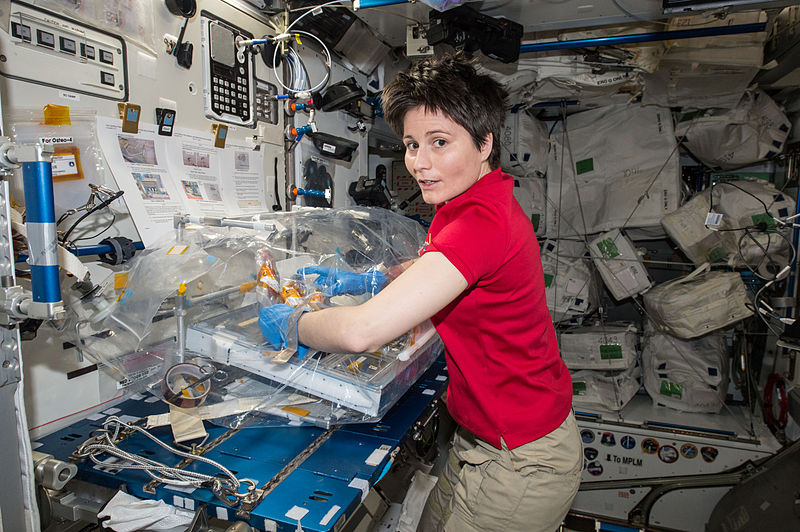
The ISS is a research laboratory in which the effects of microgravity (see below) and the space environment can be explored. Scientific research is conducted in astrobiology, astronomy, meteorology, physics and many other fields of science. The ISS is also available for testing spacecraft equipment that may be used for future missions to the Moon and Mars. Many of these experiments, along with maintenance tasks using the station's robotic arms, can be controlled remotely from mission control centres, such as those in Houston or Moscow.
Structure
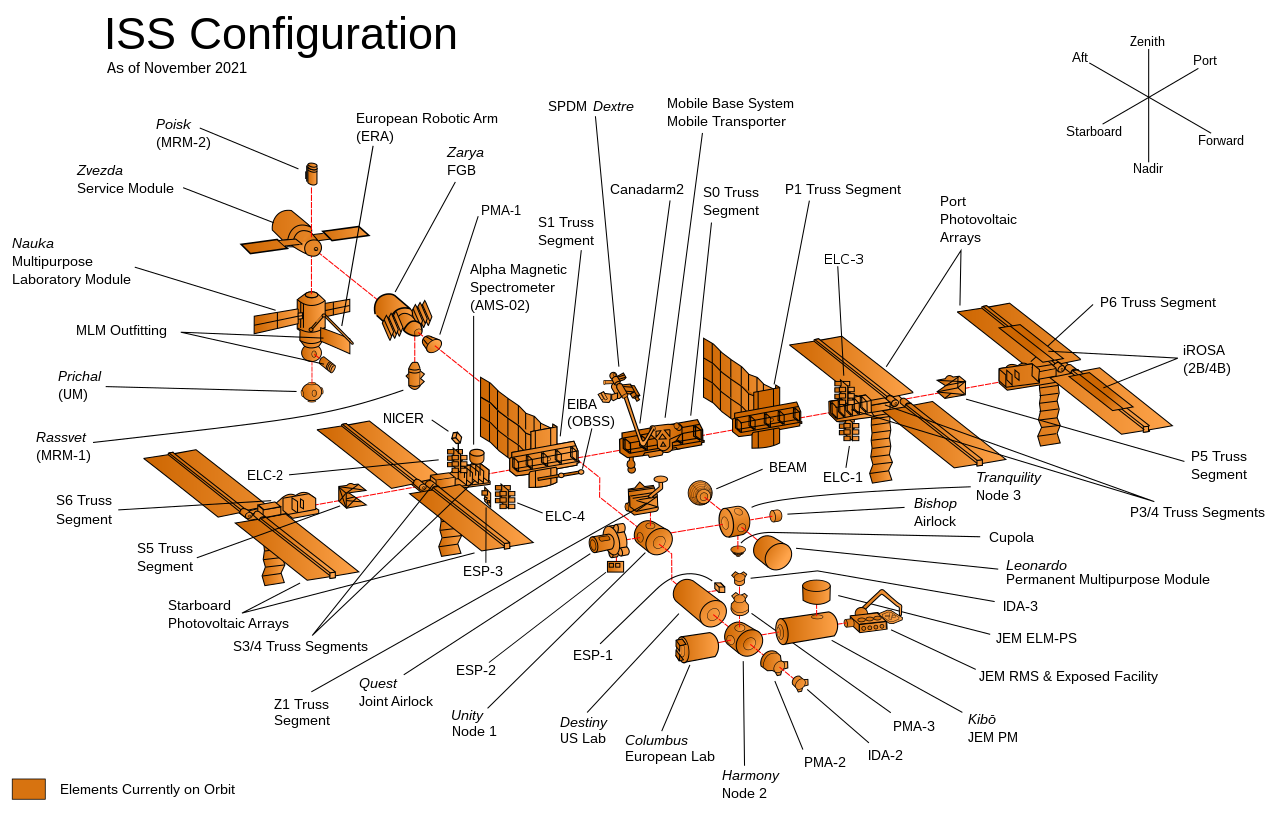
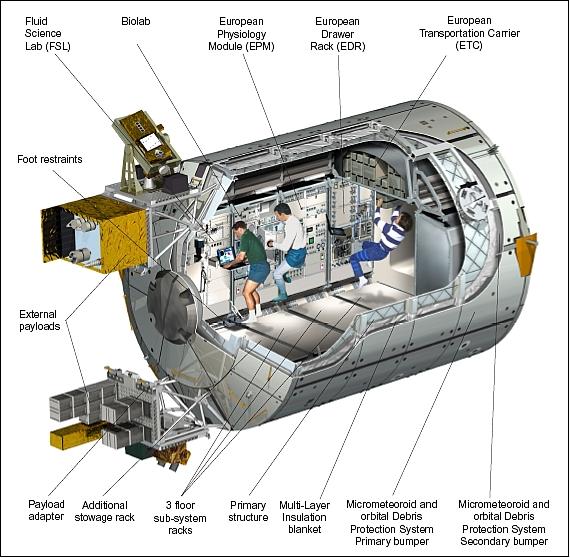
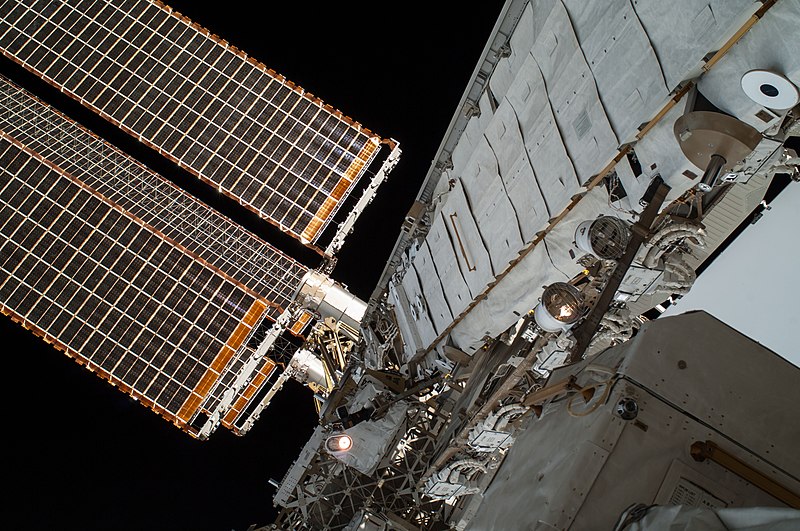
The ISS consists of modules, structural trusses (framework of beams), solar arrays, docking ports and several robotic arms. The whole station spans the area of a US football field and has a mass of 419,725 kilograms (925,335 lb). It is divided into two sections: the Russian Orbital Segment (ROS), which is operated by Russia, and the United States Orbital Segment (USOS), run by the US along with a number of other nations. The 16 modules—which, like airliner cabins, are pressurized—contain the living quarters, laboratories, stores and airlocks (sealable compartments that allow crew members to exit and enter the spacecraft). The modules are linked together by connecting nodes.
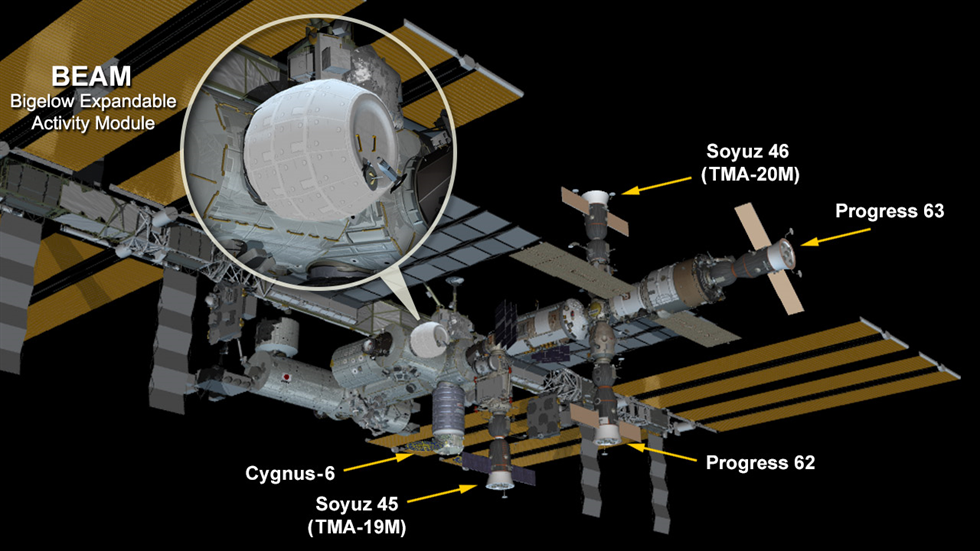
The ISS was taken into orbit piece-by-piece (many by the US Space Shuttle) and assembled there by both robots and spacewalking astronauts. The first module, the Russian-built Zarya, was launched in November 1998 by a remote-controlled Proton rocket. New modules are still being added: the Bigelow Expandable Activity Module (BEAM), an experimental expandable module, was fitted in 2016. The latest modules, Nauka and Prichal (both Russian) were added in 2021.
The US-based company Axiom is scheduled to add four segments (to be known as "habitats") to the ISS, with first launch scheduled for 2028. Each habitat will support four astronauts carrying out research. Once put together at the station, the modules would later be detached to make up a single new space station (the Axiom Station) before the ISS is "de-orbited" in 2031.
Robotic arms

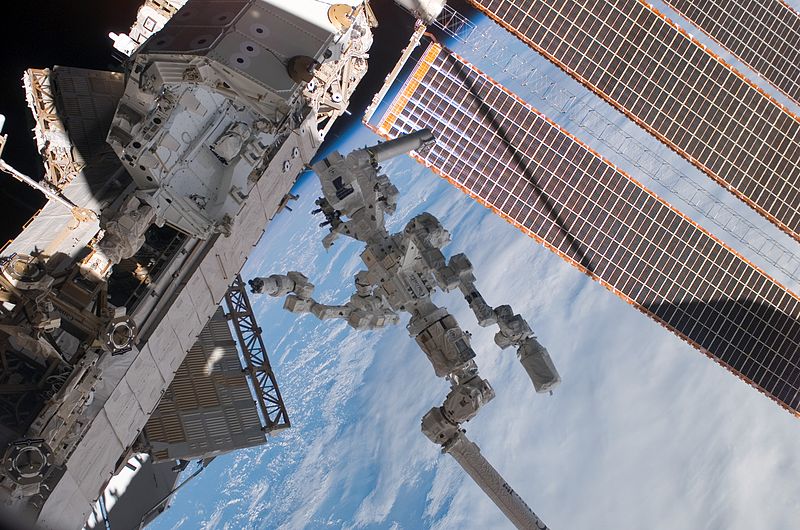
The station's robotic arms can be operated remotely from Earth, carrying out tasks while the crew sleeps or relaxes. Canadarm2, the largest, is used to dock and manipulate spacecraft and modules on the USOS. It also holds crew members and equipment in place during EVAs (extra-vehicular activities, or spacewalks). Dextre, a robotic manipulator with two arms and a rotating body, is equipped with power tools, enabling it to perform tasks requiring fine control. Both are connected to the Mobile Base System (MBS), a platform that rides on rails along the length of the station's main truss.

Crew
The ISS has been visited by astronauts and cosmonauts from 26 different countries. There are typically seven crew members—often of different nationalities—who live and work on the ISS at any one time. Astronauts travel up to the station via a Russian Soyuz capsule or, since 3rd March 2020, by SpaceX’s Crew Dragon capsule, the first privately-owned spacecraft to transport people to the ISS. The ISS has 12 docking ports available for visiting spacecraft. Uncrewed cargo spacecraft, including Russia's Progress vehicles and Northrop Grumman Space Systems Cygnus, also make regular visits to the station.
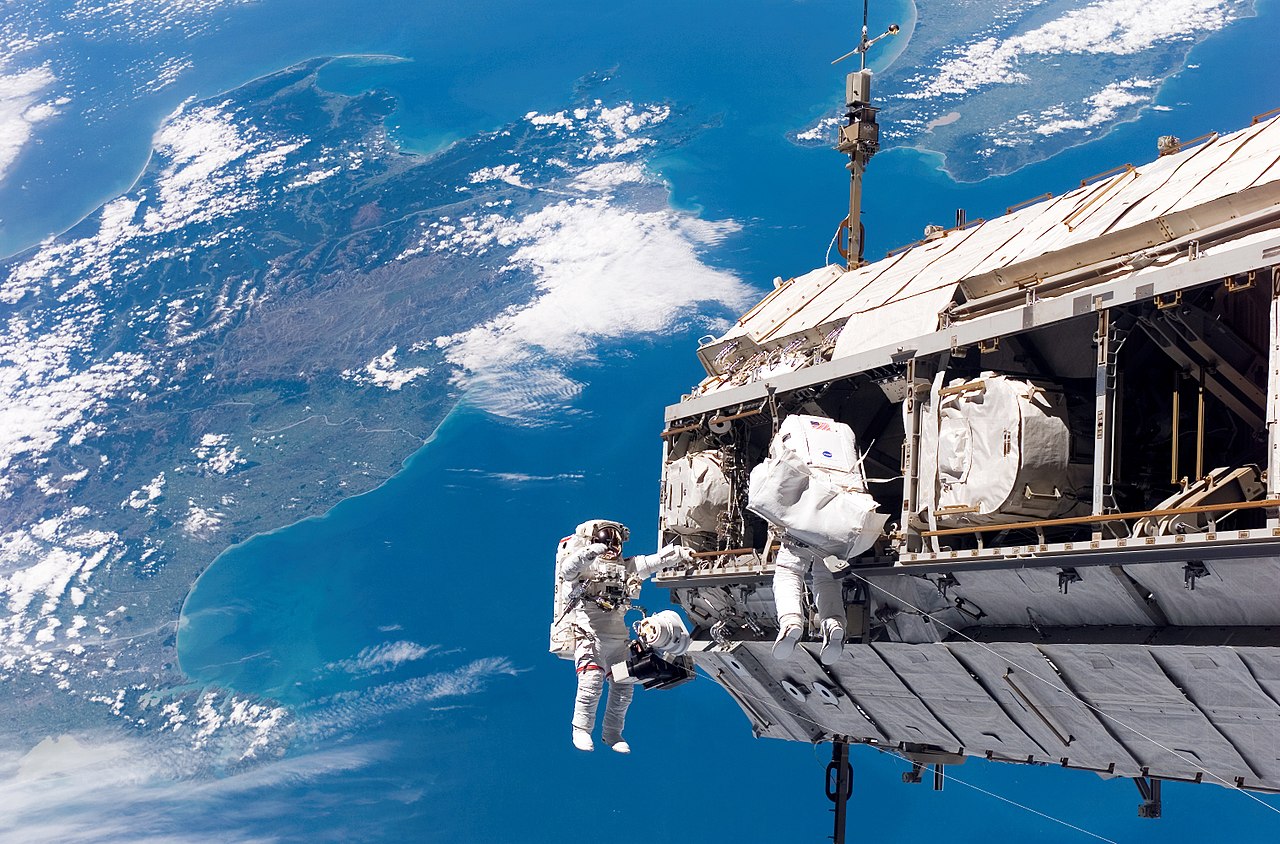
Crew members normally spend around six months conducting various science experiments as well as carrying out maintainence or repair of the station's systems. They also participate in outreach events for the public by videolink and post updates on social media. To carry out repairs to the station, the astronauts sometimes need to go outside the station (called extravehicular activity or EVA) to fix external parts. Most of this maintenance work is now carried out remotely by ground countrol, either by robots or by using one of the station's own external robotic arms.

Microgravity
Gravity causes every object to pull every other object towards it. Very large objects, such as Earth, exert powerful gravity on relatively small objects, such as people. Gravity becomes weaker with distance and it is possible for a spacecraft to travel far enough from Earth that someone inside would feel very little gravity. However, an absence of gravity is not why things float on a spacecraft in orbit around Earth.

At the altitude that the ISS orbits, Earth's gravitational pull is about 90% of what it is on the planet's surface. Why then do astronauts float about inside it? The answer is because they are in free fall. The spacecraft, its crew and any objects aboard are all falling towards—but also around—Earth. In a vacuum, gravity causes all objects to fall at the same rate. Since they are all falling together, the crew and objects appear to float when compared with the spacecraft. The spacecraft, meanwhile, and everything inside it, is moving at exactly the right speed to maintain its orbit.
The ISS does not fall with complete freedom: there is some drag from the thin atmosphere outside, and the Sun’s light exerts a slight pressure on it, too. So, there are still some very small gravity effects. This is called microgravity.
Life aboard the ISS
Crew members work 10 hours per day on a weekday. They clean the satellite on Saturdays, but apart from that they need not work during weekends.
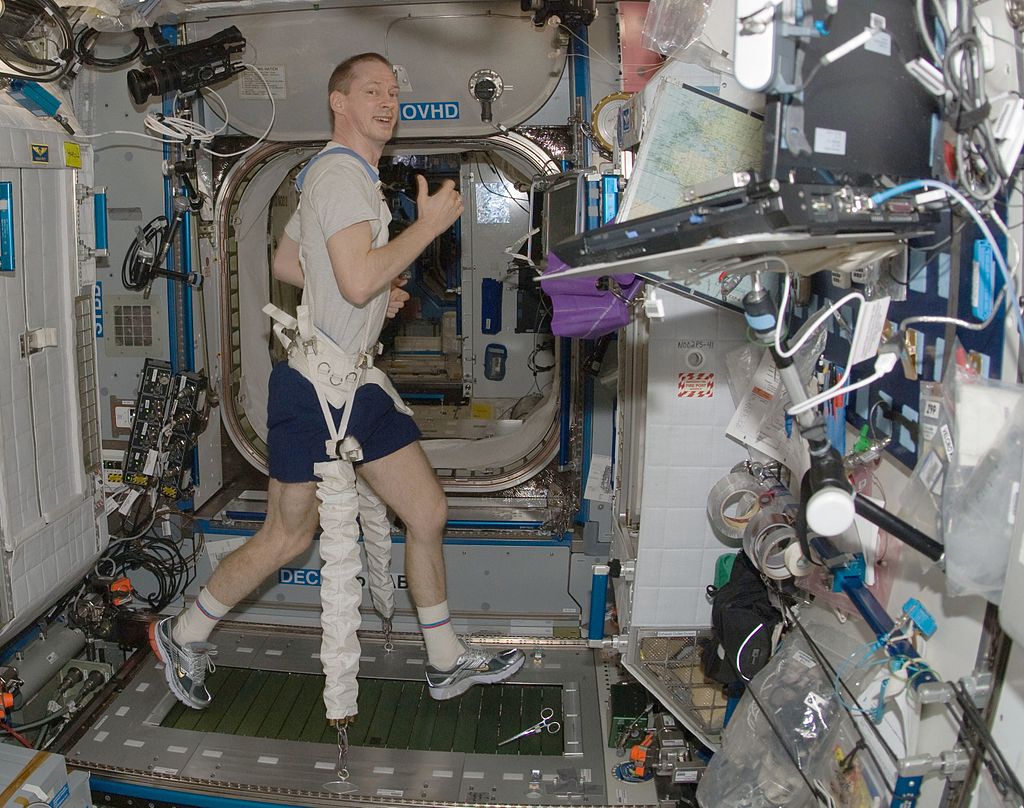
A typical day begins with a wake-up at 06:00. Following a morning inspection of the station, they eat breakfast and take part in a daily planning conference with their mission control centre. Work starts at around 08:10 and lasts until 13:05 with an exercise break. After a one-hour lunch break, work continues until 19:30, including another exercise break. The evening begins at 19:30, with dinner and a crew conference. The scheduled sleep period begins at 21:30. The station's windows are covered to give the impression of continual darkness, because as the ISS zooms around Earth, outside there are 16 sunrises and sunsets per 24-hour period.

Each member of the ISS crew has his or her own private sleeping quarters. Their sleeping bag is tethered so that they do not float off around the station and bump into anything during the night. Crew members also have their own reading lamp, shelf, desktop and a place to stow personal belongings.
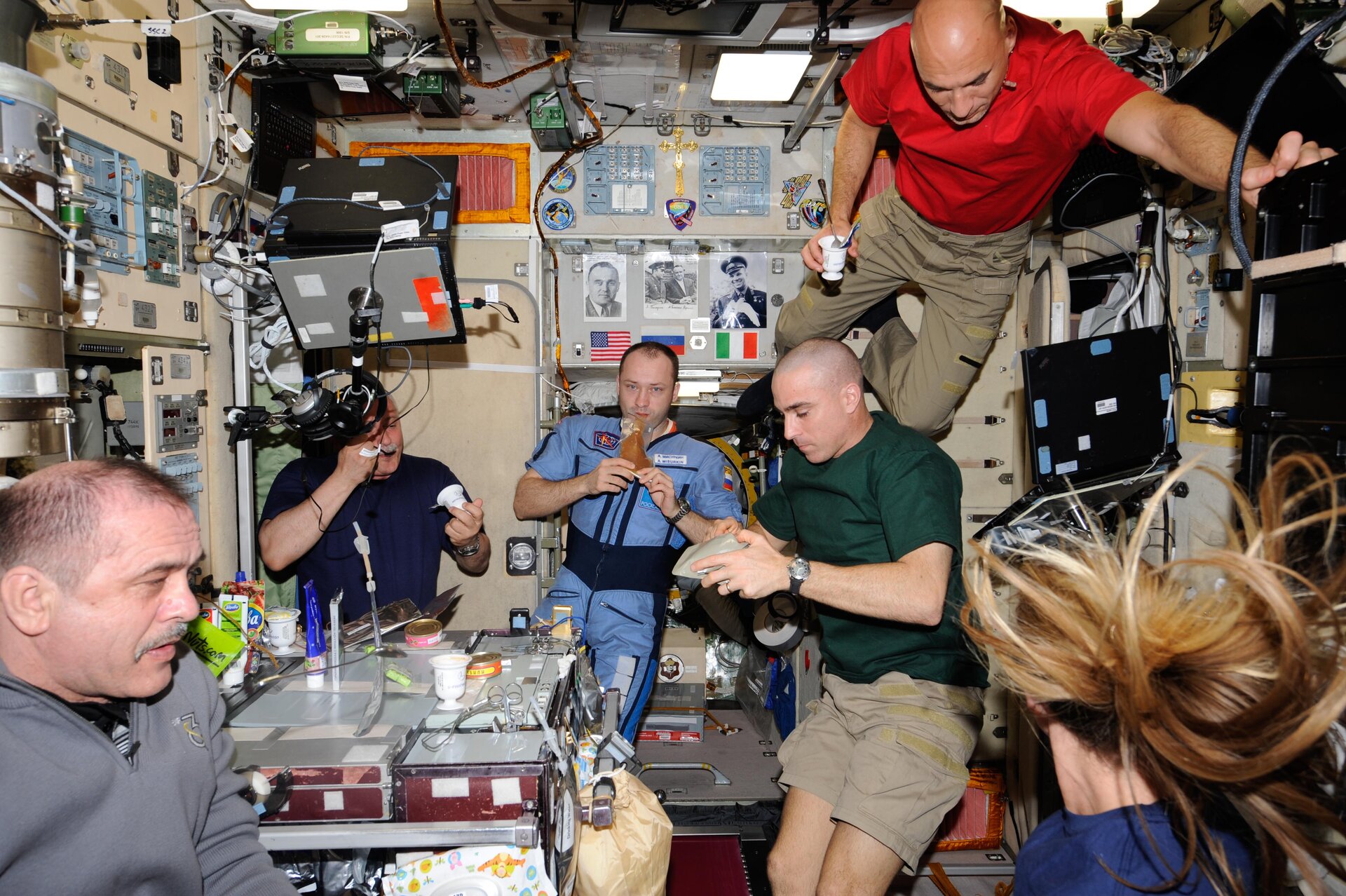
Each crew member has individual food packages and cooks them in the galley. Fresh fruit and vegetables are grown in the station, although new supplies arrive with any cargo delivery from Earth. Knives and forks are attached with magnets to the table to prevent them from floating away. Crew members sip drinks and soups from plastic bags with straws. Any food particles that float away—including crumbs—must be collected up to prevent them from clogging the station's air filters.
The ISS does not have showers—instead, crew members wash using a water jet and wet wipes. There are three toilets, each using a suction system. Solid waste is collected in individual bags which are stored in an aluminium container, later transferred to a Progress vehicle for disposal. Liquid waste is extracted by a hose connected to the front of the toilet. The urine is collected and recycled into drinking water.

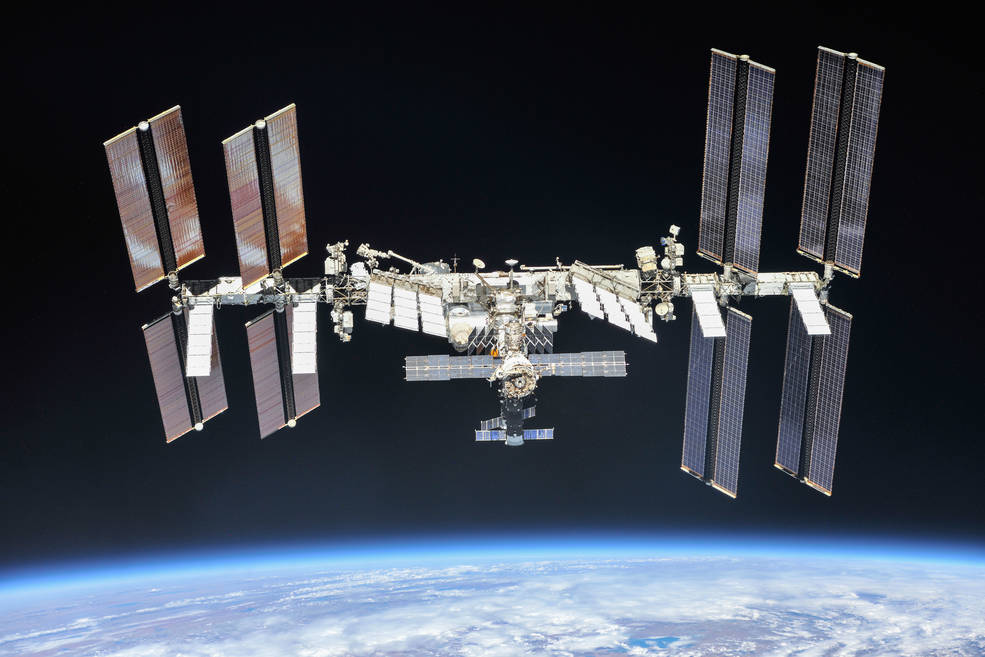
Oxygen is supplied by electrolysis of water; the hydrogen also produced by this process is released into space. Double-sided solar arrays provide electrical power. The solar cells collect direct sunlight on one side and light reflected from Earth on the other. The station's systems and computers consume a large amount of electricity, the heat from which warms the inside of the modules.
The astronauts generate a lot of heat too, and the inside of the ISS is kept cool by using water pipes. These transport heat to large panels outside the ISS, which radiate it into space, just like central heating radiators inside a building.
Scientific work aboard the ISS
The ISS provides an environment where scientific studies and experiments can be performed over a period of years, continuously monitored by a team of people. Research is carried out in a wide variety of fields, including astrobiology (the study of the origins and evolution of life in the Universe), astronomy, physical sciences, materials science, meteorology, space medicine and the life sciences. One notable example of an ISS experiment is the Alpha Magnetic Spectrometer (AMS), which is intended to detect dark matter.
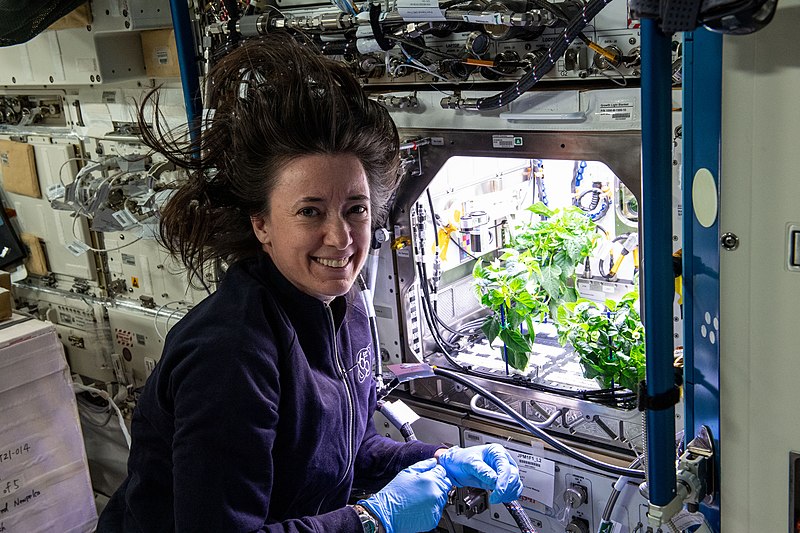
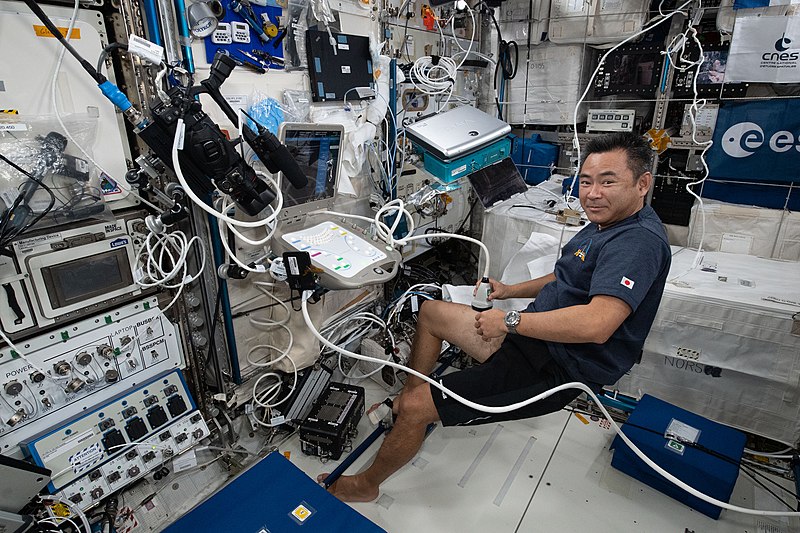
The ISS is also platform for long-term research into human health in space—including the effects of microgravity on the muscles, bones, the cardiovascular system and the eyes. Safeguarding astronauts' wellbeing is key to the planning of future missions to the Moon or Mars. Crew members also carry out experiments on animals or plants to see whether food can be produced in space.

ISS in orbit
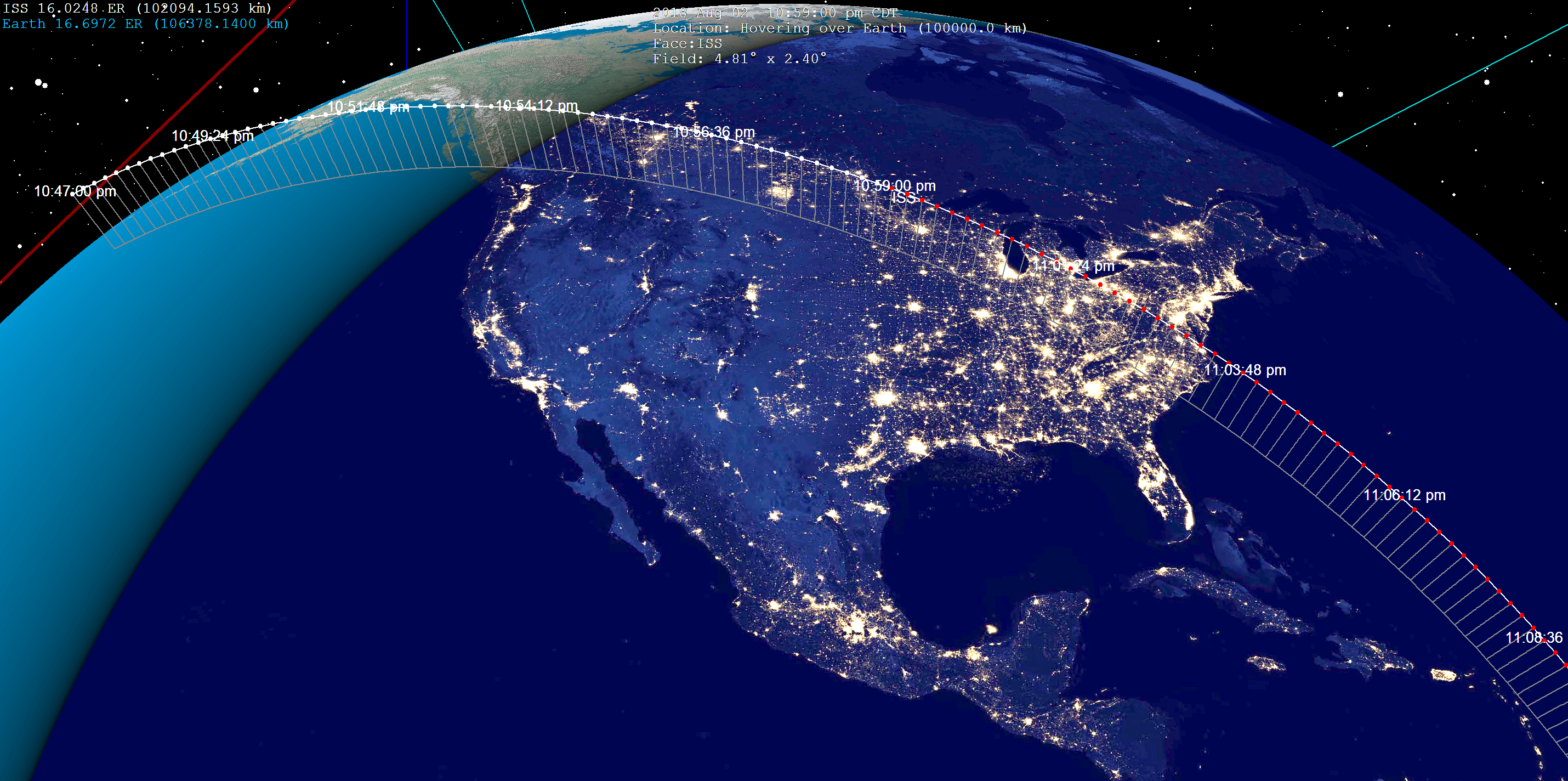
The ISS flies at an average altitude of 400 kilometres (248 miles) above Earth, completing 15.5 orbits per day—circling the globe every 93 minutes—travelling at about 28,000 km/h (17,500 mph). Atmospheric drag would lower the ISS's speed and so reduce its altitude by about 2 kilometres (1.25 miles) each month. So to keep the station in its orbit, two main engines on the Zvezda module (or those on a spacecraft docked with the ISS) are fired. This is known as orbital boosting.
As the ISS crosses the night sky, it appears as a bright, fast-moving spot of light, easily visible from Earth without the use of a telescope.
Space debris
Low Earth orbit, used by the ISS, contains a variety of space debris, including spent rocket stages, "dead" satellites, explosion fragments, paint flakes and other particles. Minute fragments of asteroids and comets, called micrometeoroids, also abound. Travelling at high speed, even the tiniest fragments can cause significant damage to solid metal (or astronauts' spacesuits) on impact. To defend the station from this threat, special reinforced panels are incorporated into its structure.
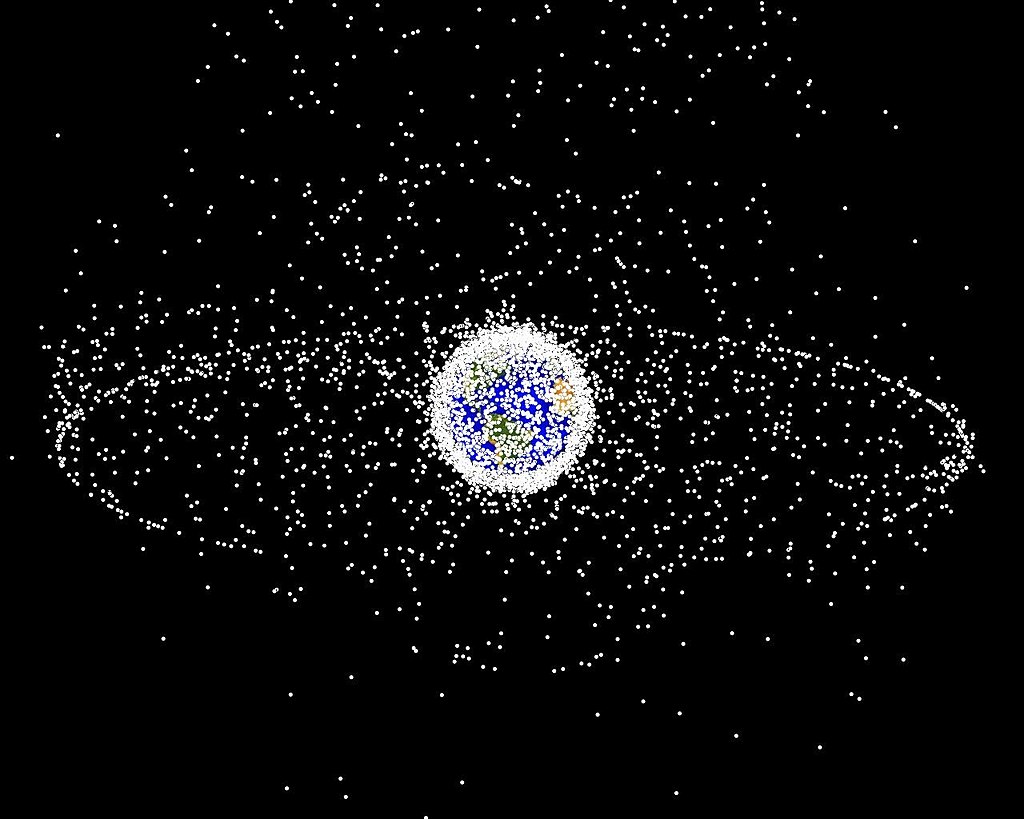
Objects large enough to destroy the station can be tracked and so are not as dangerous as the smaller debris, of which there are countless millions. Notified of an approaching object, thrusters on the ISS can alter the station's orbital altitude, moving out of harm's way. This action is known as a Debris Avoidance Manoeuvre (DAM).
If a threat from debris is identified too late, the station crew close all the hatches and retreat into a docked Soyuz spacecraft, ready to evacuate the station if it is seriously damaged. This procedure has occurred four times so far.
In November 2021, a debris cloud from the deliberate destruction of the Kosmos 1408 satellite by a Russian anti-satellite weapon threatened the ISS. the station performed a DAM, dropping 310 metres (more than 1000 feet) to avoid a collision with the debris.
Consultant: Mike Goldsmith
pics
Without in any way limiting Q-files Ltd’s exclusive rights under copyright, any use of this publication to “train” generative artificial intelligence (AI) technologies to generate text is expressly prohibited. Q-files Ltd reserves all rights to license use of this work for generative AI training and development of machine learning language models.